- Double Dragon
- Double Dragon (NES / Game Boy)
- Double Dragon 2 (Arcade)
- Double Dragon II (NES/PCE)
- Double Dragon 3 (Arcade)
- Double Dragon III (NES)
- Double Dragon II (Game Boy)
- Super Double Dragon
- Double Dragon: The Revenge of Billy Lee
- Double Dragon V
- Double Dragon (Neo Geo)
- Rage of the Dragons
- Double Dragon Advance
- Double Dragon (Mobile)
- Double Dragon II: Wander of the Dragons
- Double Dragon (Zeebo)
- Abobo’s Big Adventure / Fighting of Double Dragon
- Double Dragon Neon
- Double Dragon IV
- Double Dragon Gaiden
- Double Dragon Revive
- Double Dragon: Other Media
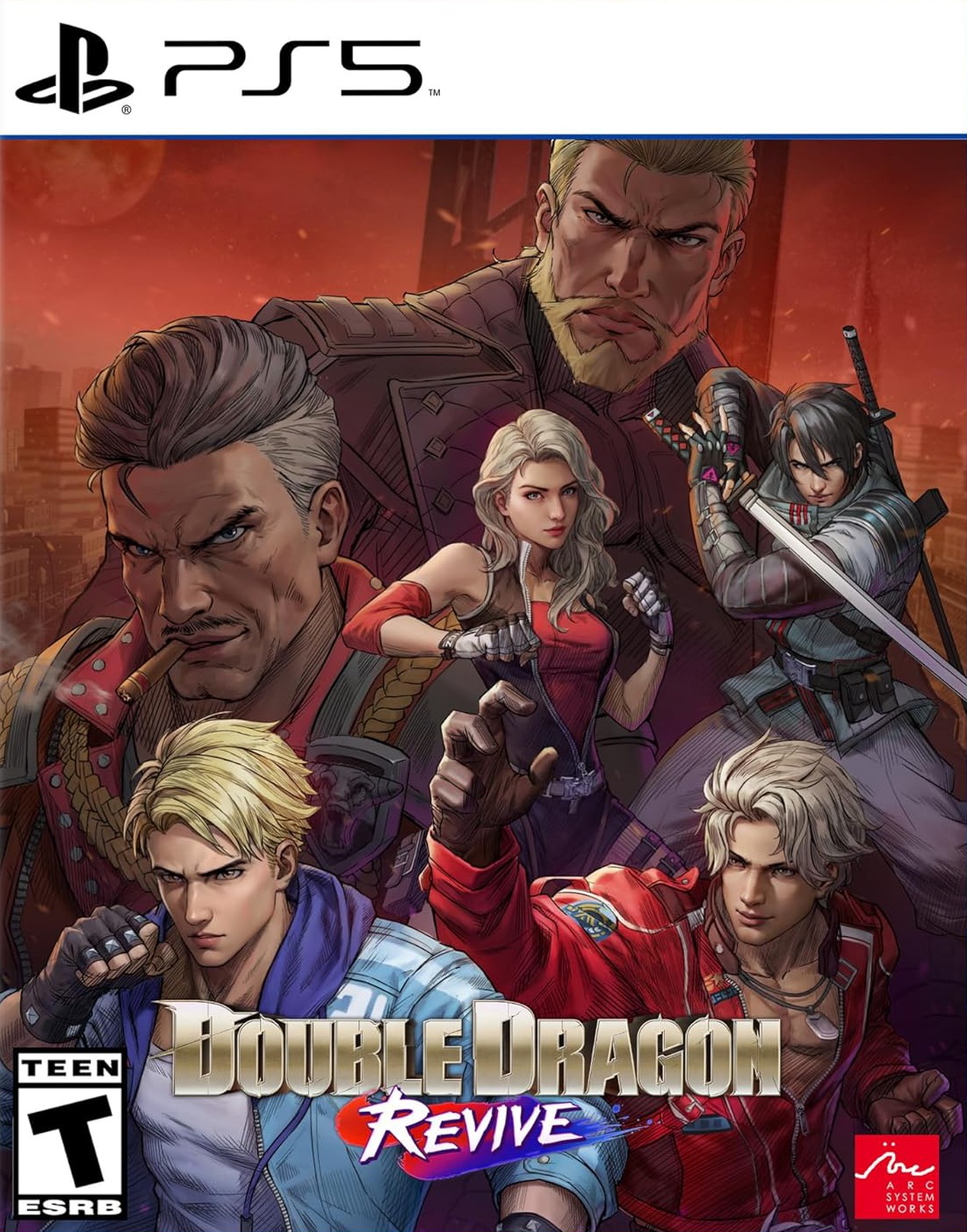
American PS5 Cover
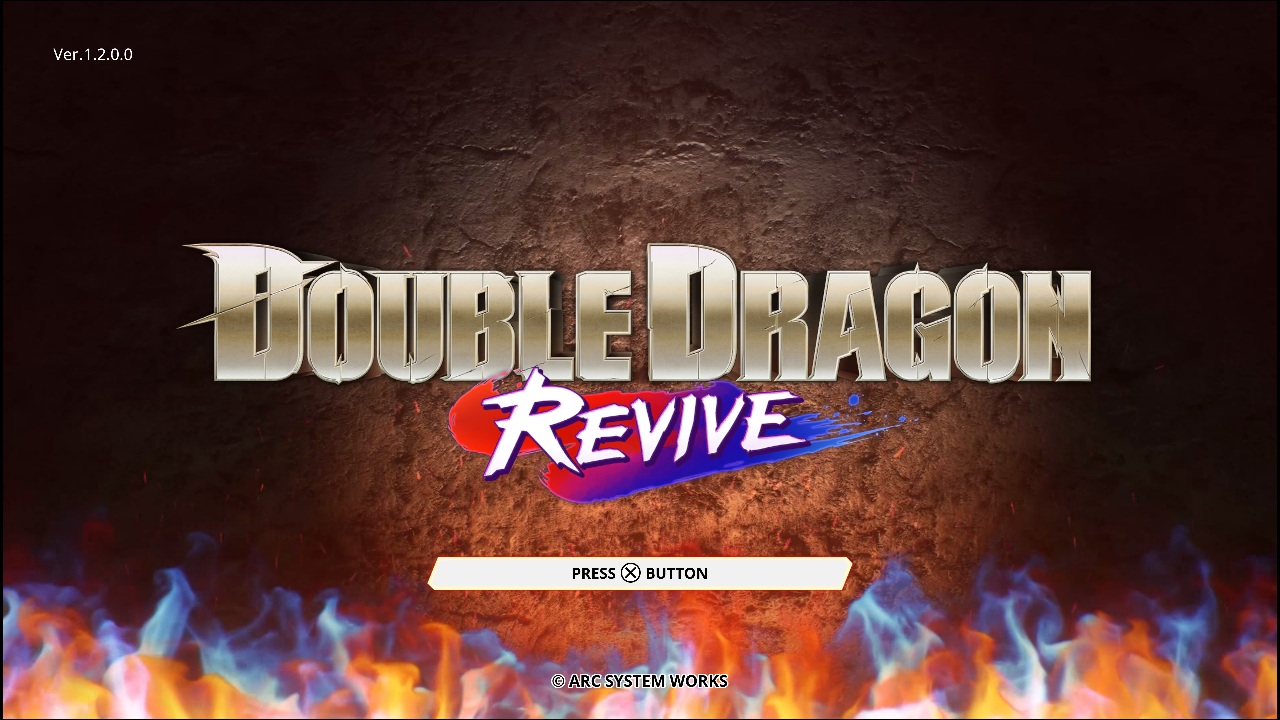
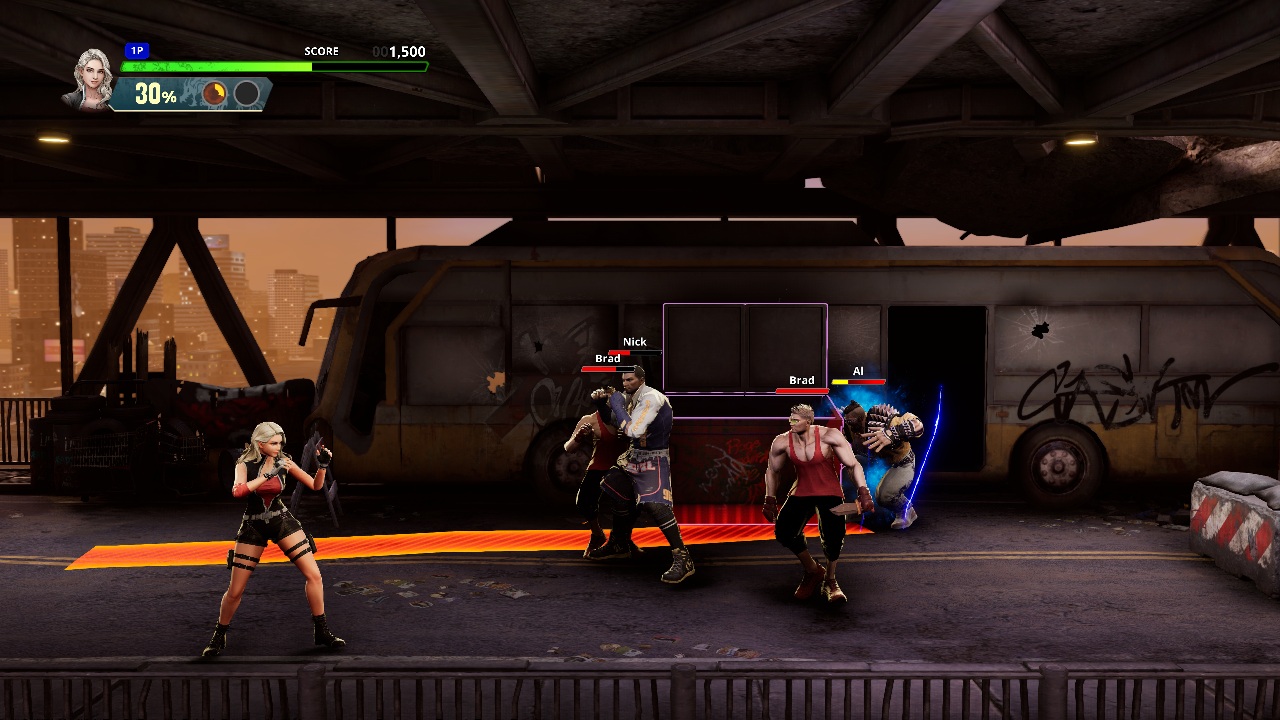
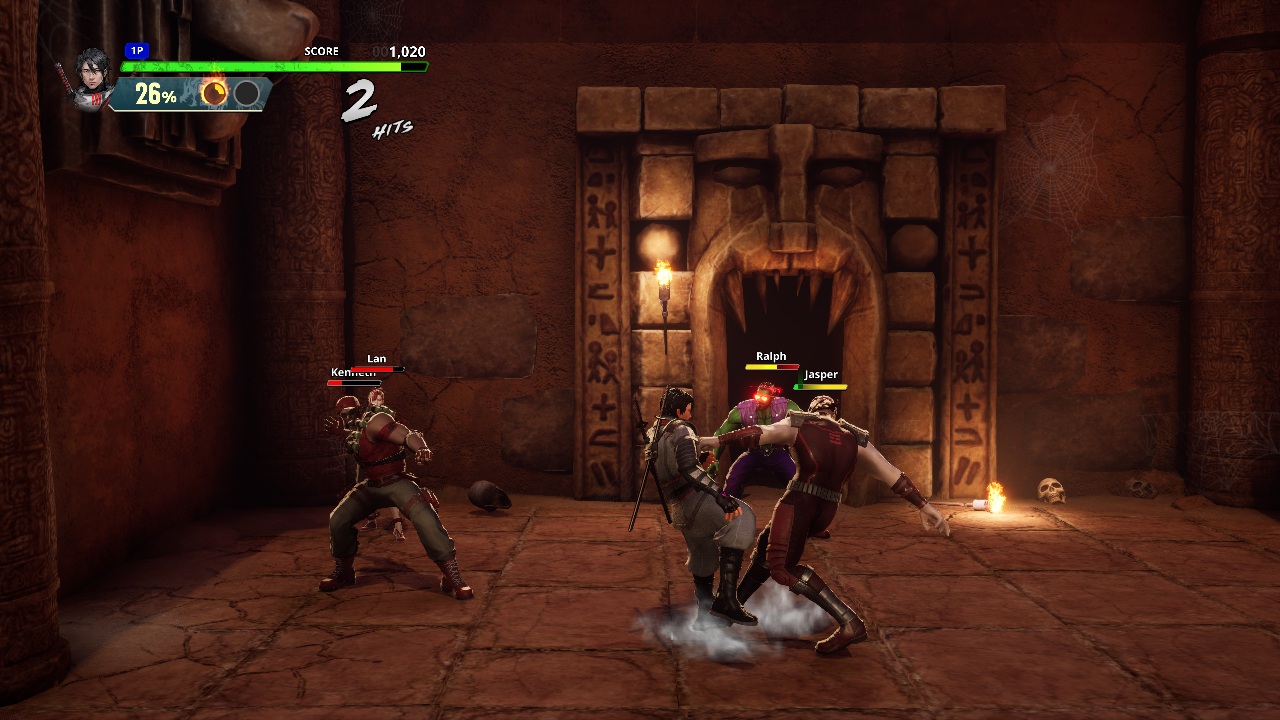
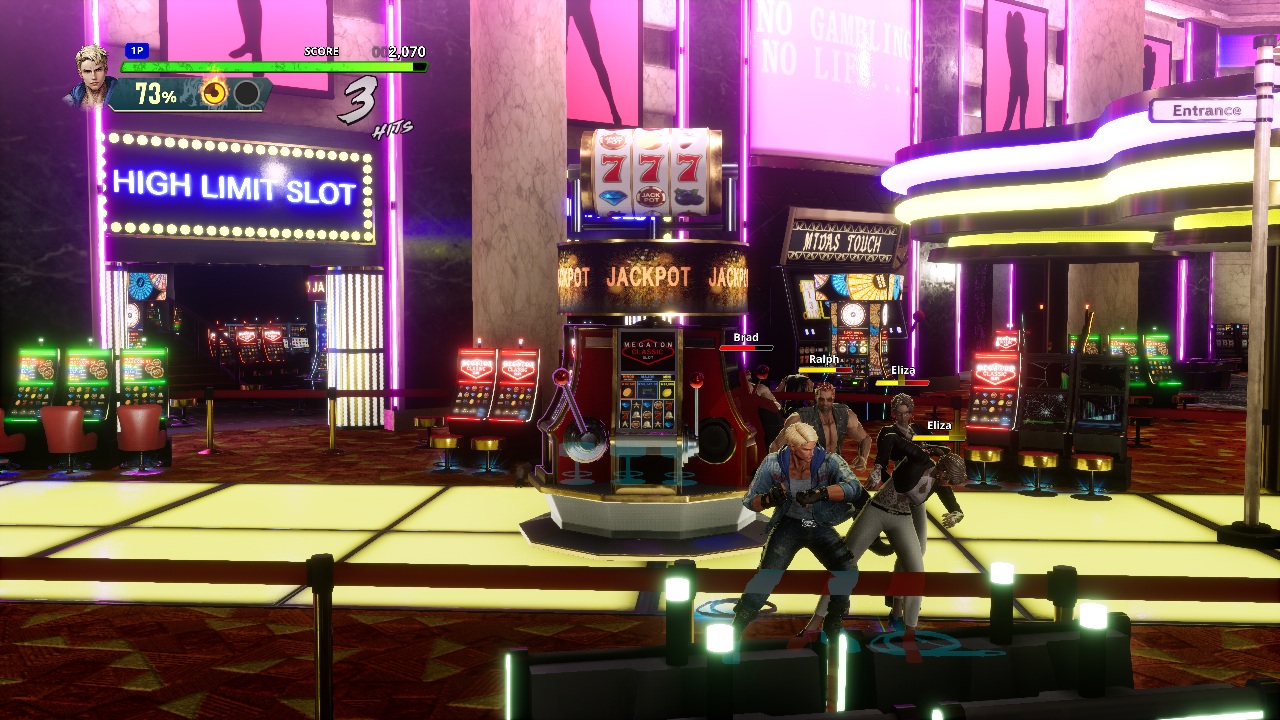
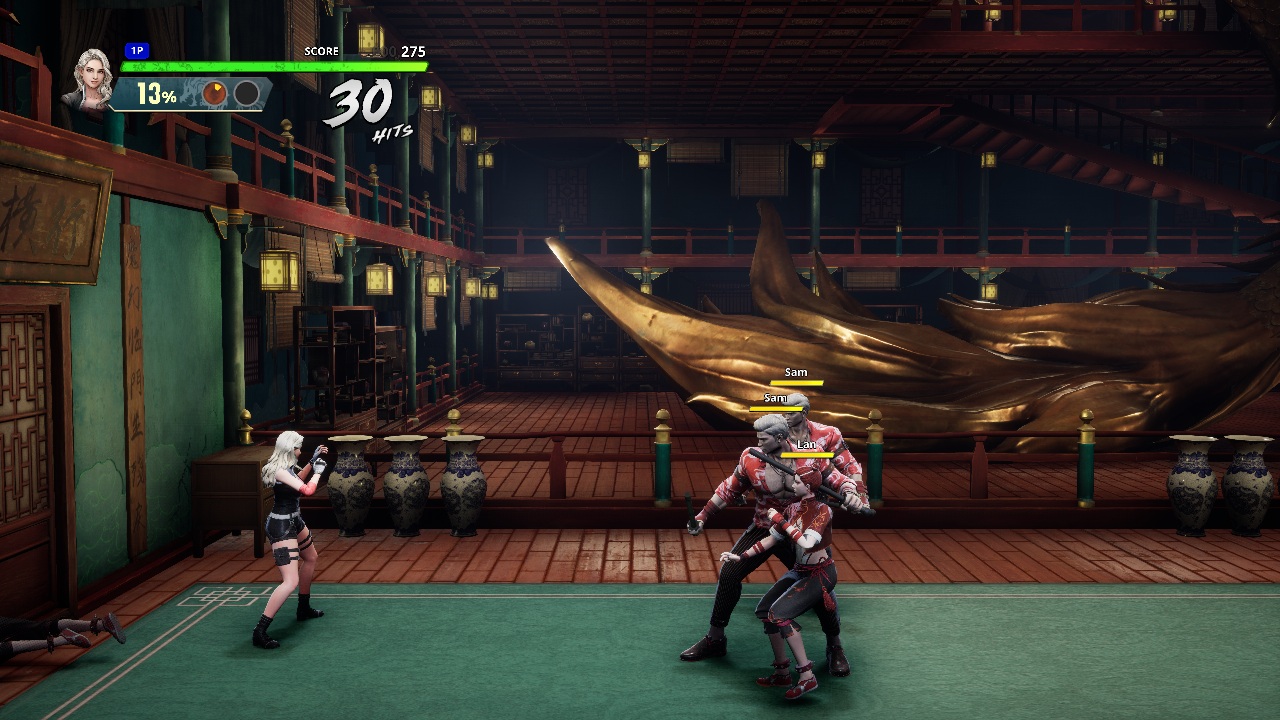
The Double Dragon series has seen quite a few aesthetic changes as it’s traveled from developer to developer, ranging from the chessy goofiness of WayForward’s Double Dragon Neon (and its offshoot, River City Girls), the retro pixel roguelite Double Dragon Gaiden, and the NES-style Double Dragon IV. 2025’s Double Dragon Revive, published by Arc System Works, is close to the style of the original arcade games but with modern 3D visuals – the closest point of comparison is 2013’s Wander of the Dragons for the Xbox 360, though thankfully it’s a big improvement over that entry.
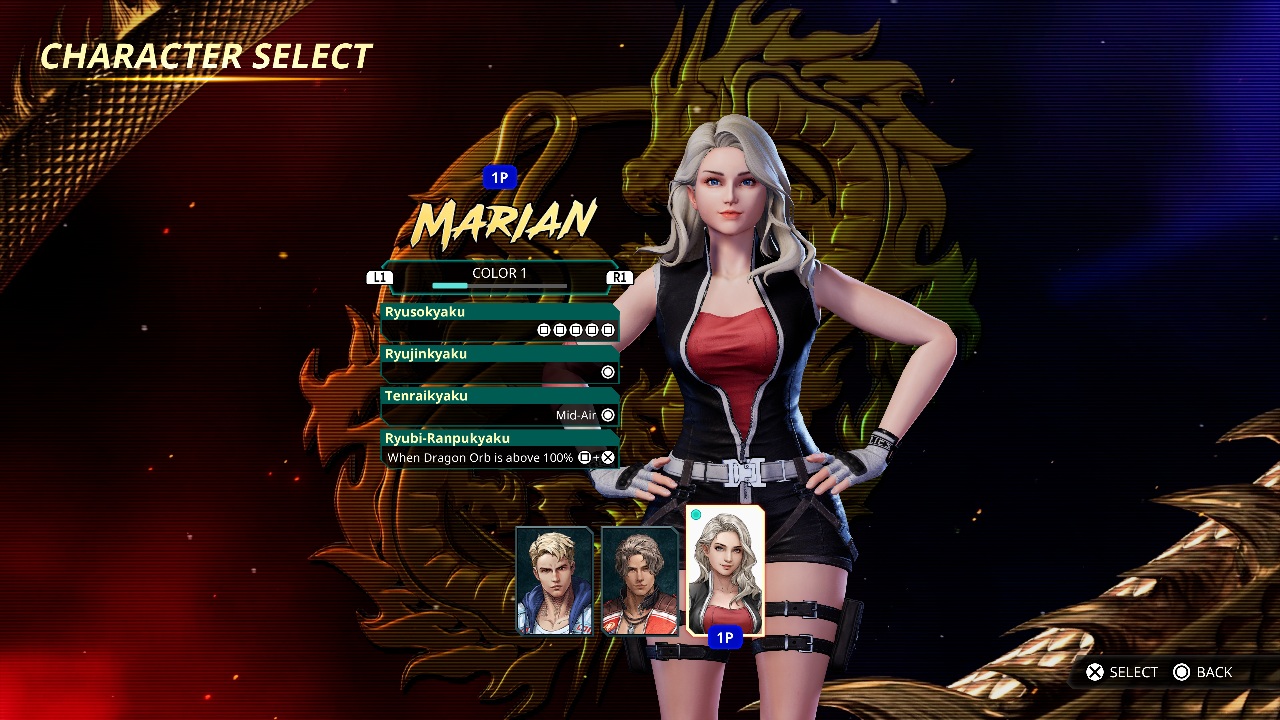
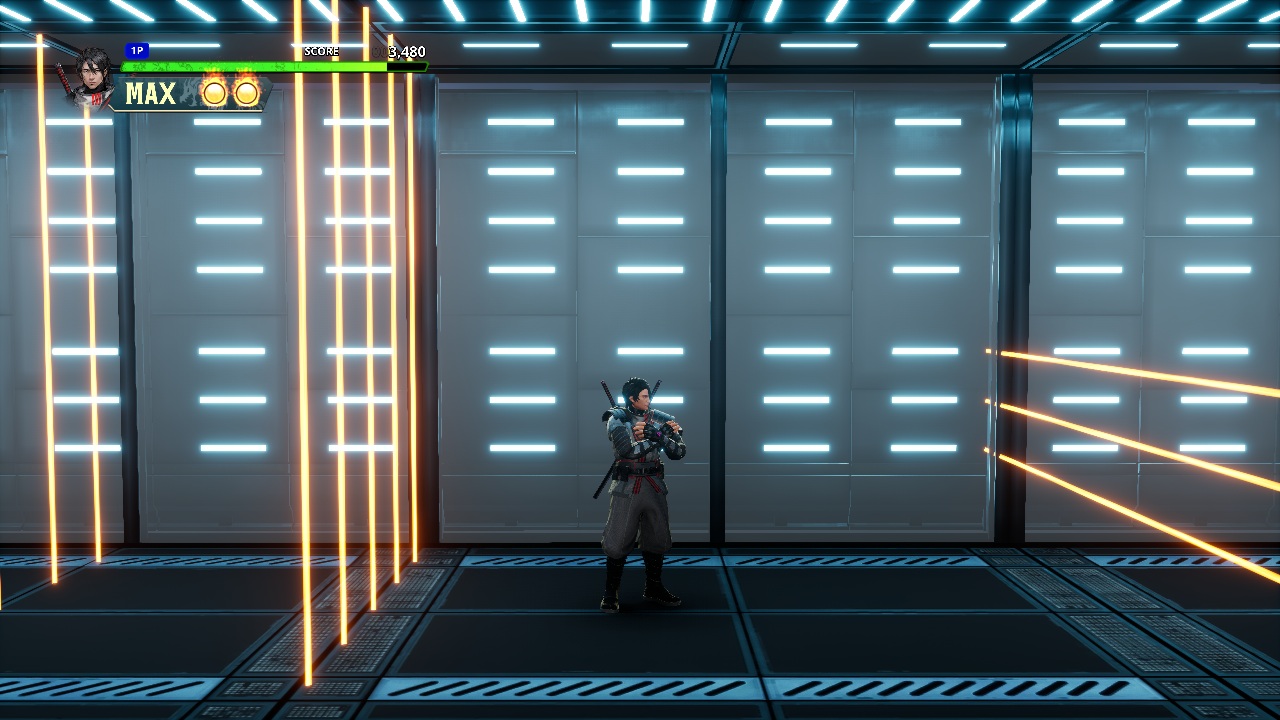
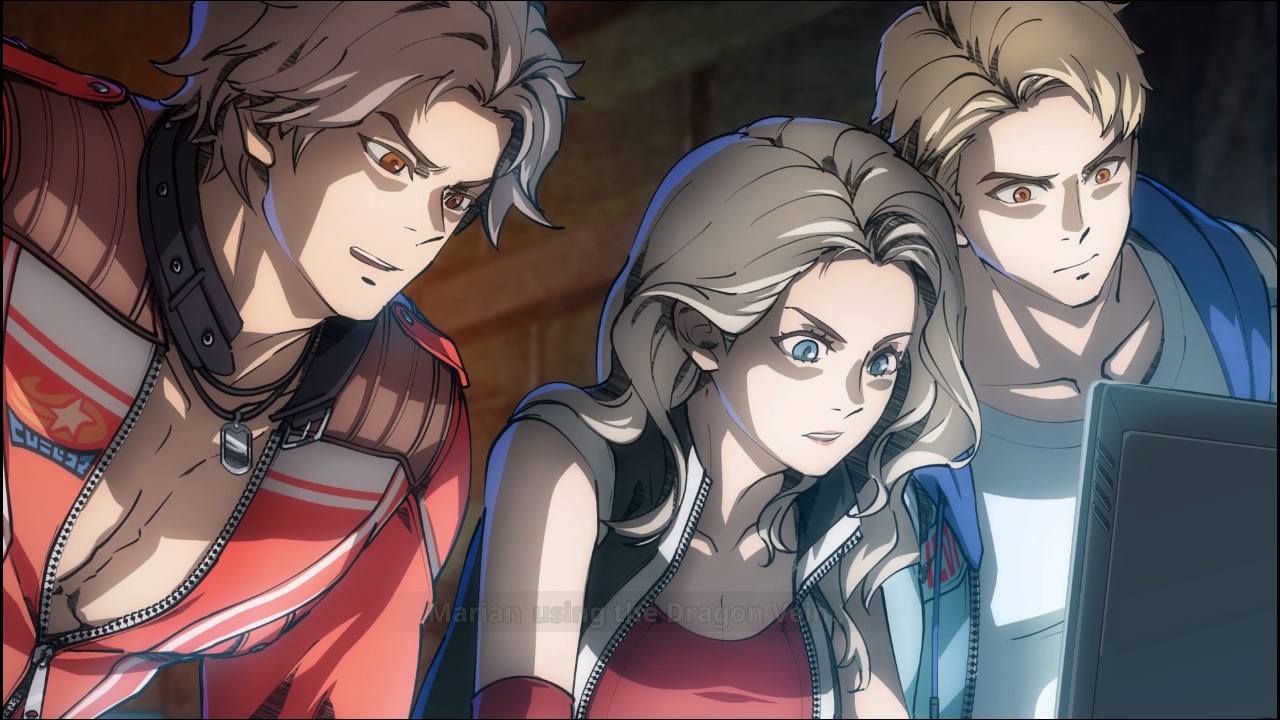
Double Dragon Revive is a sort-of remake of the very first game, even beginning with Marian’s disappearance as Billy and Jimmy Lee fight through their decayed urban neighborhood. But after the first stage, it’s quickly revealed that Marian wouldn’t let herself get kidnapped by any Shadow Warrior chump, and joins along with the brothers to fight the gang scourge in their city. At the end of the fourth stage, the team is also joined by Yagyu, a ninja tasked with defending the Dragon Vein, the mystical power that the Shadow Warriors are using to mutate the popular and turn them into soldiers. While four playable characters is typical for a beat-em-up, it would’ve been nice to have a couple more considering the series’ expansive lineage.
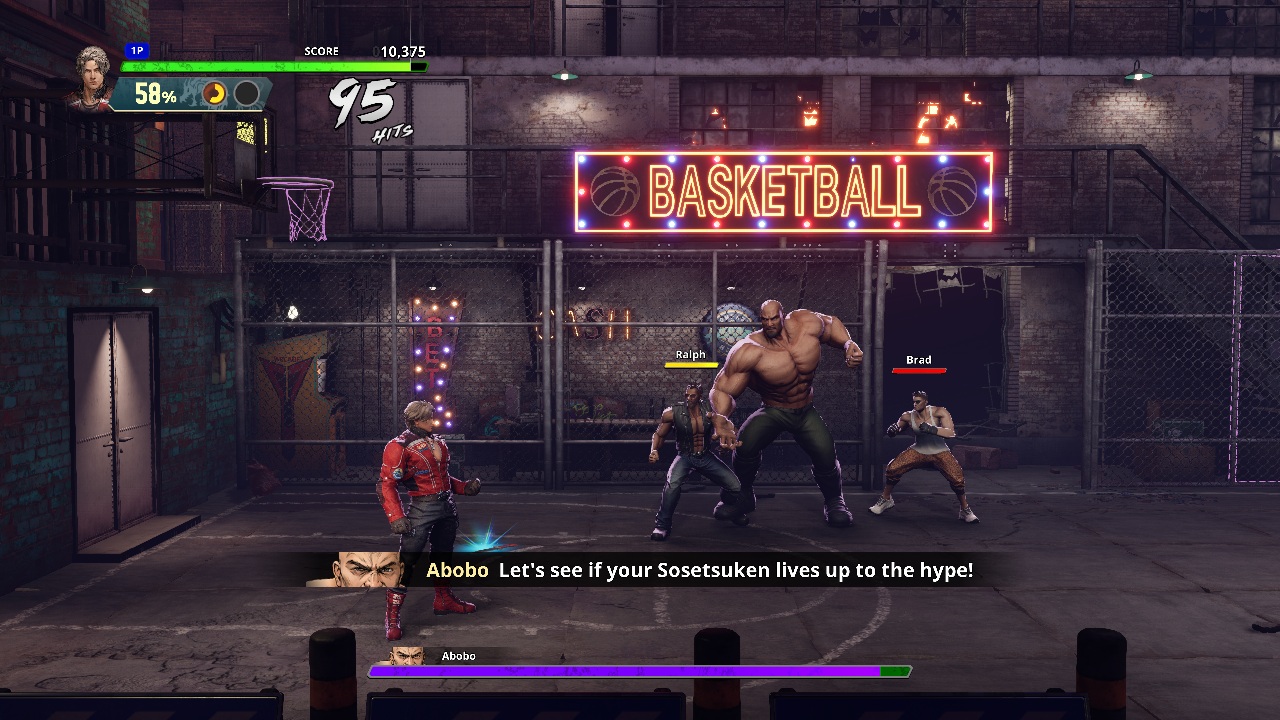
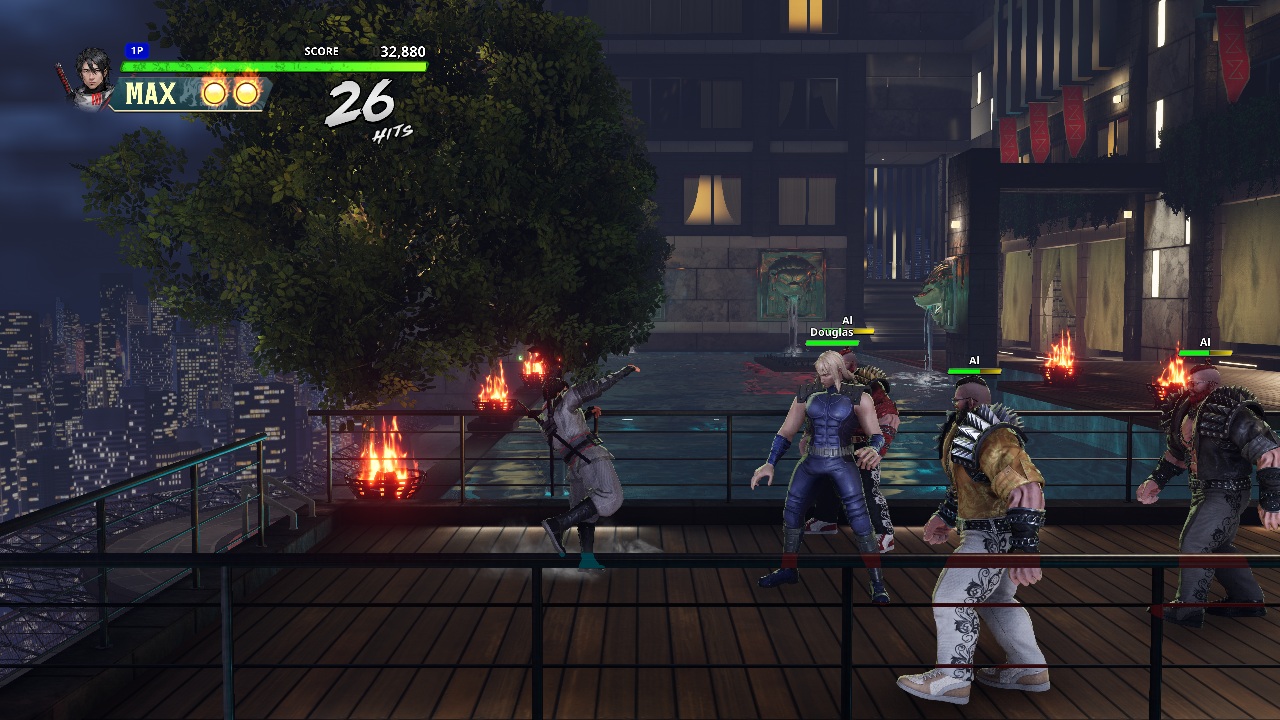
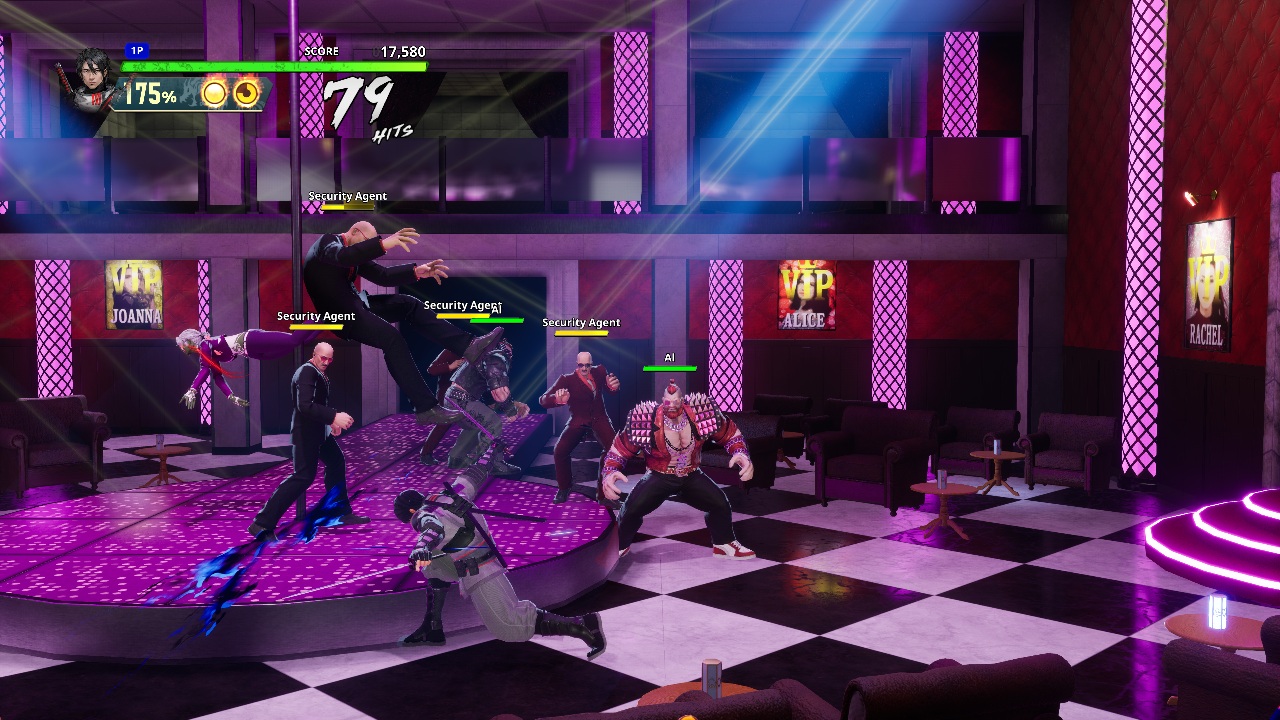
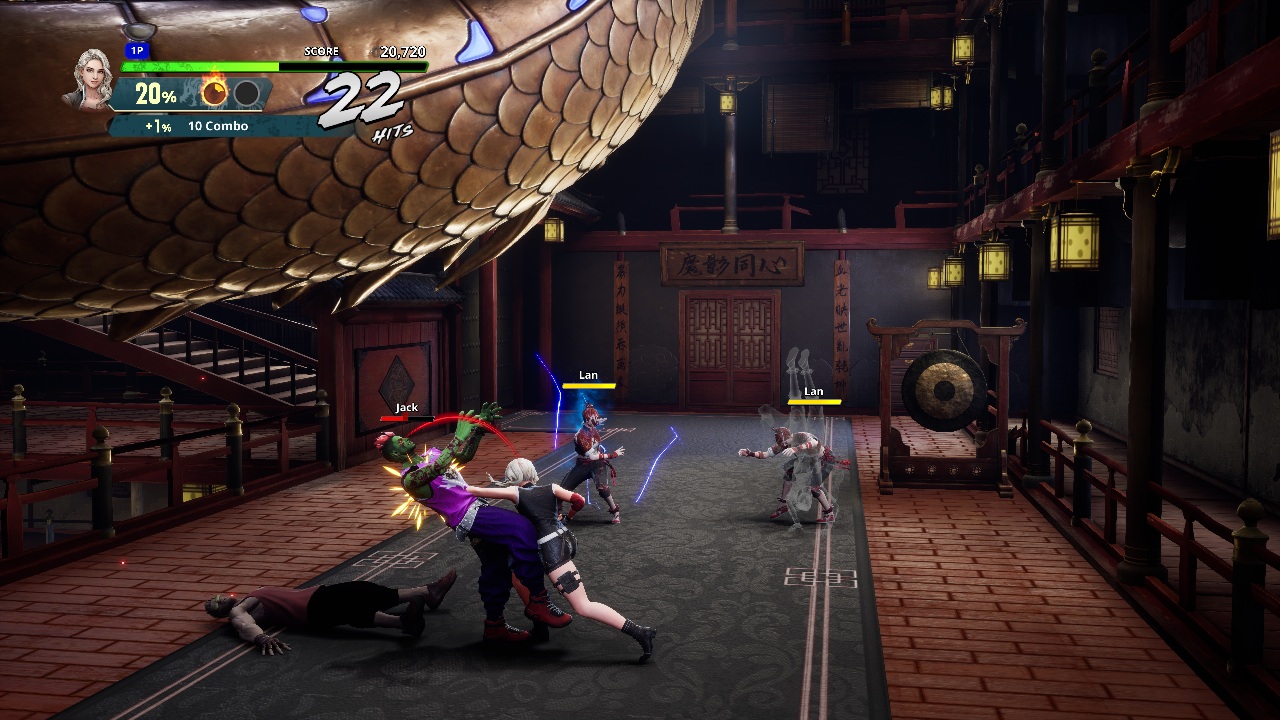
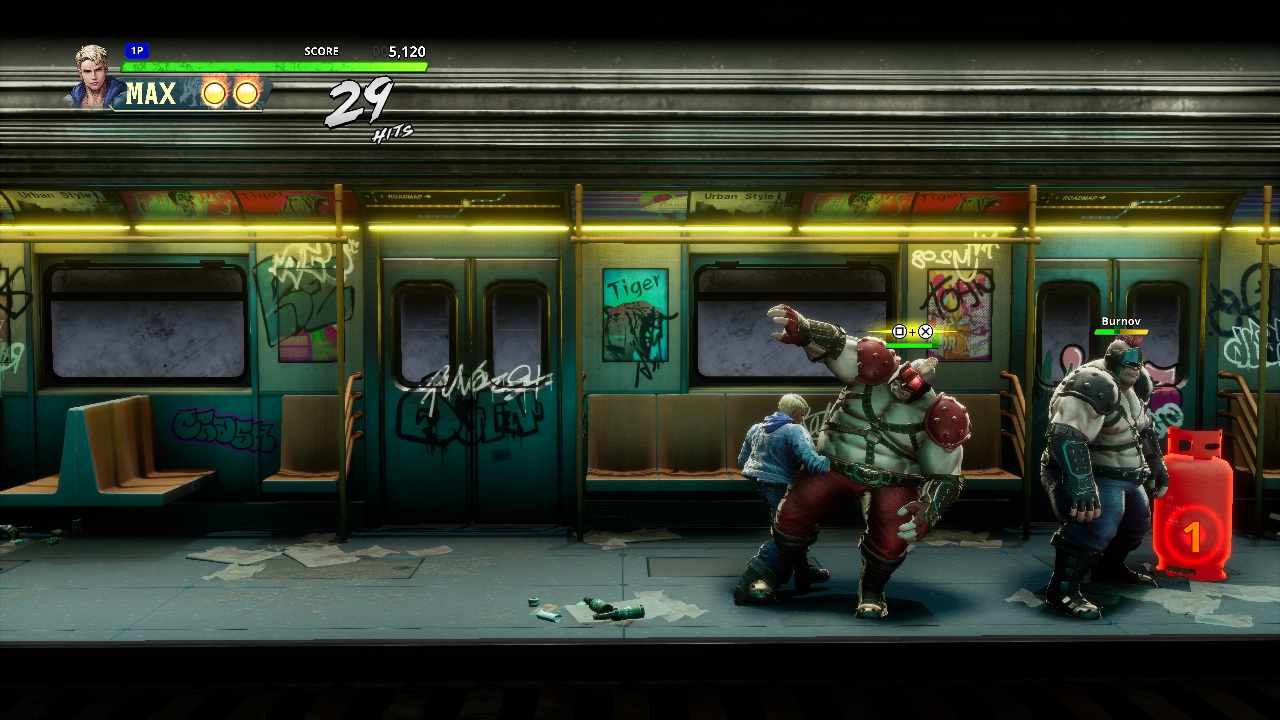
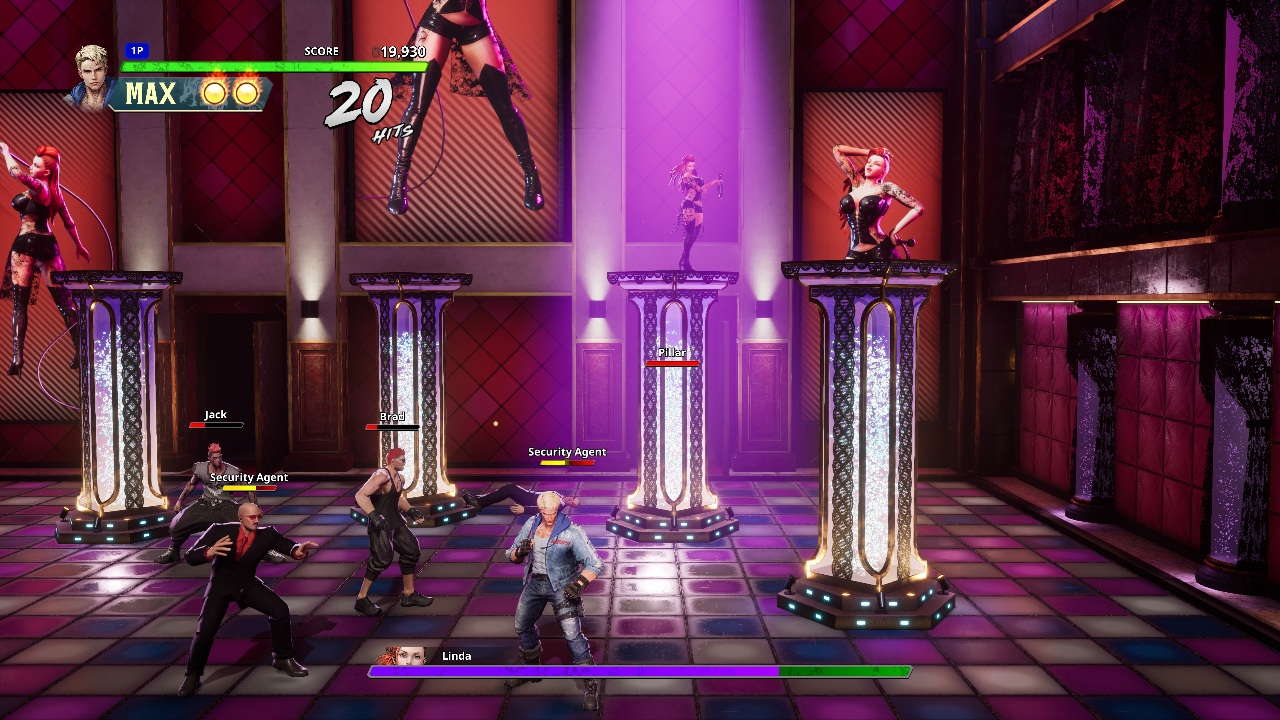
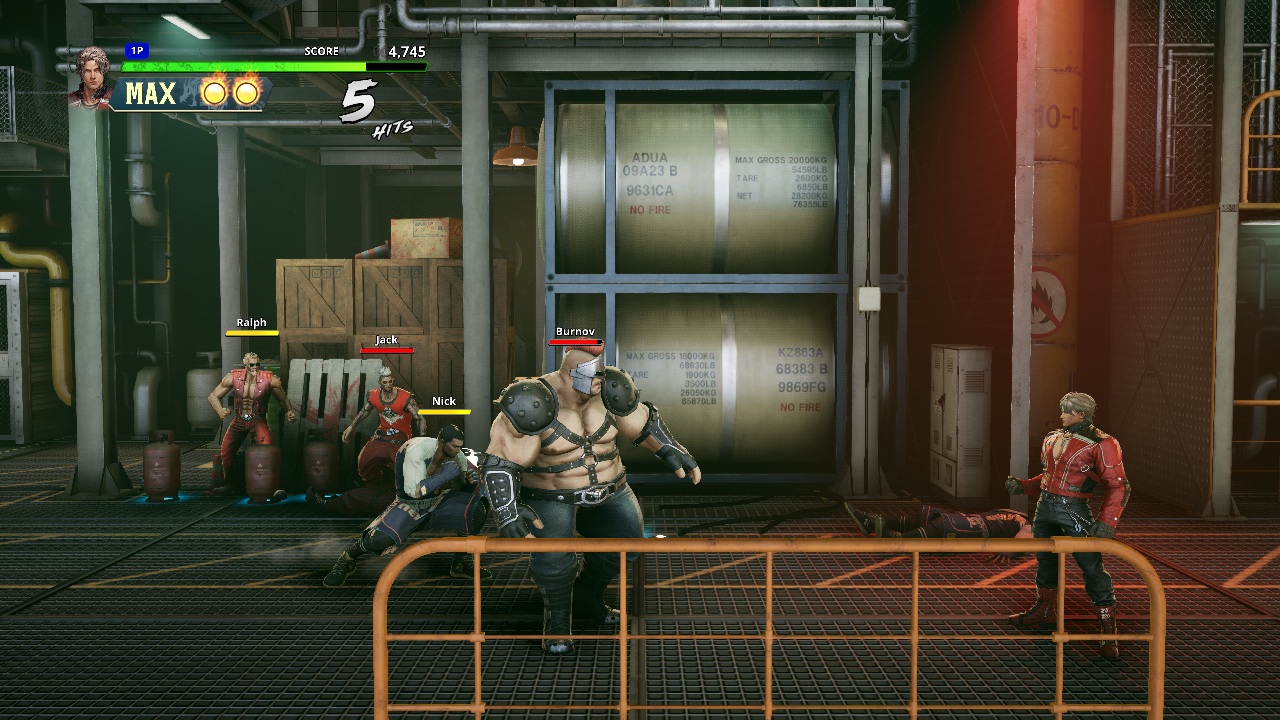
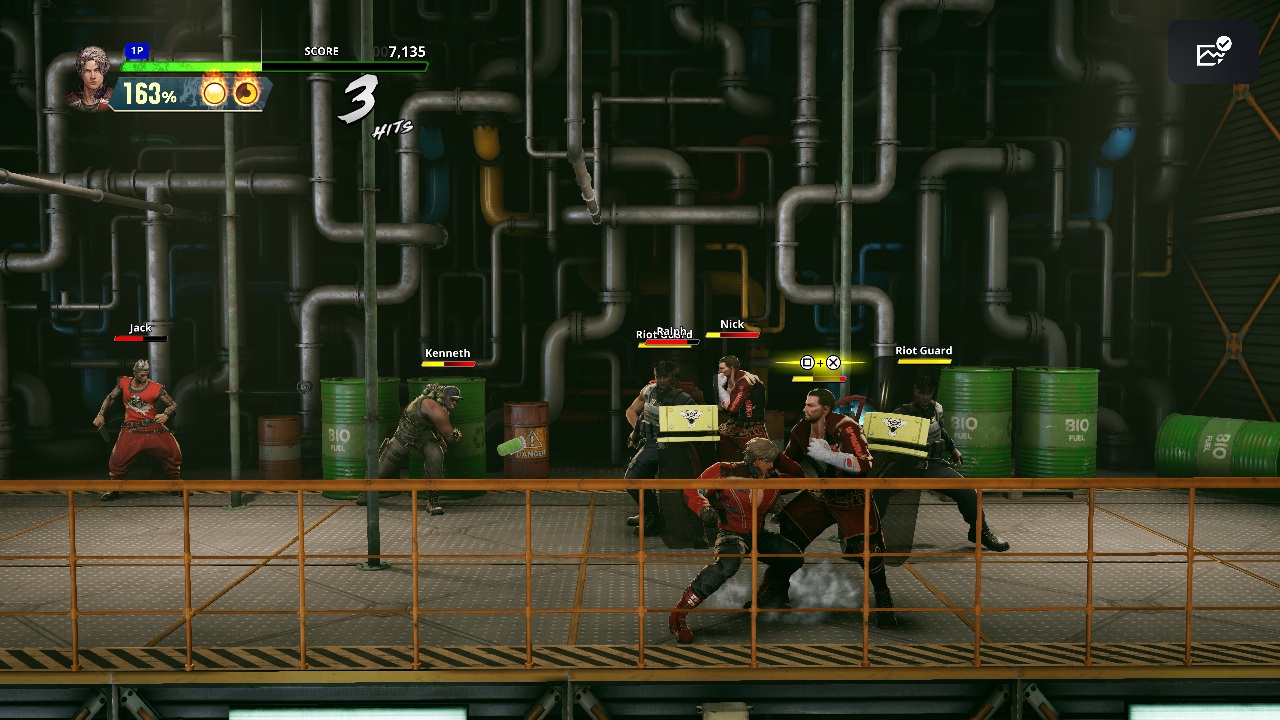
The combo-focused brawling system is quite a bit different from the earlier Double Dragon games; the game was developed by Yuke’s, a Japanese team long known for wrestling games, and it makes sense that their design sensibilities would carry over to a beat-em-up. There are two main buttons for regular and special attacks, which can also be modified for air-launching high attacks and sliding low attacks with the trigger. A third button executes crowd clearing Hyper Blow special moves, but unlike other beat-em-ups, these don’t drain your health and can be used without limit; in fact, they’re good ways to finish combos. However, you are briefly vulnerable after using them, so you can’t rely on them either. As you attack, you’ll also build up Dragon Orbs which can be used to activate more powerful Finishing Blows, which knock down all of the enemies on the screen. You can build up and store two stocks, so you need to find the best places to save and use them.
While most 2D beat-em-ups only let you attack horizontally, this is a 3D beat-em-up that allows you to attack in any direction. This is important because strong attacks launch your opponents across the screen, and you can aim them into gimmick areas to quickly dispose of them. Some of these are quite comical, as you can stuff enemies into basketball hoops; it’s quite satisfying to meet up with Double Dragon II boss Burnov and then shove his Mad Max-loving head into a urinal. There are also jumping ground-pound attacks, but if you latch onto poles or bounce off a wall, you can make them even more powerful. Walls in general are super useful because you can use them to further juggle enemies. Being able to cheese your foes like these is easily the high point of the battle system. Some enemies also occasionally turn blue, usually turning or after special attacks – if you manage to hit them, you’ll do critical damage and quickly increase your Dragon Orb gauge.
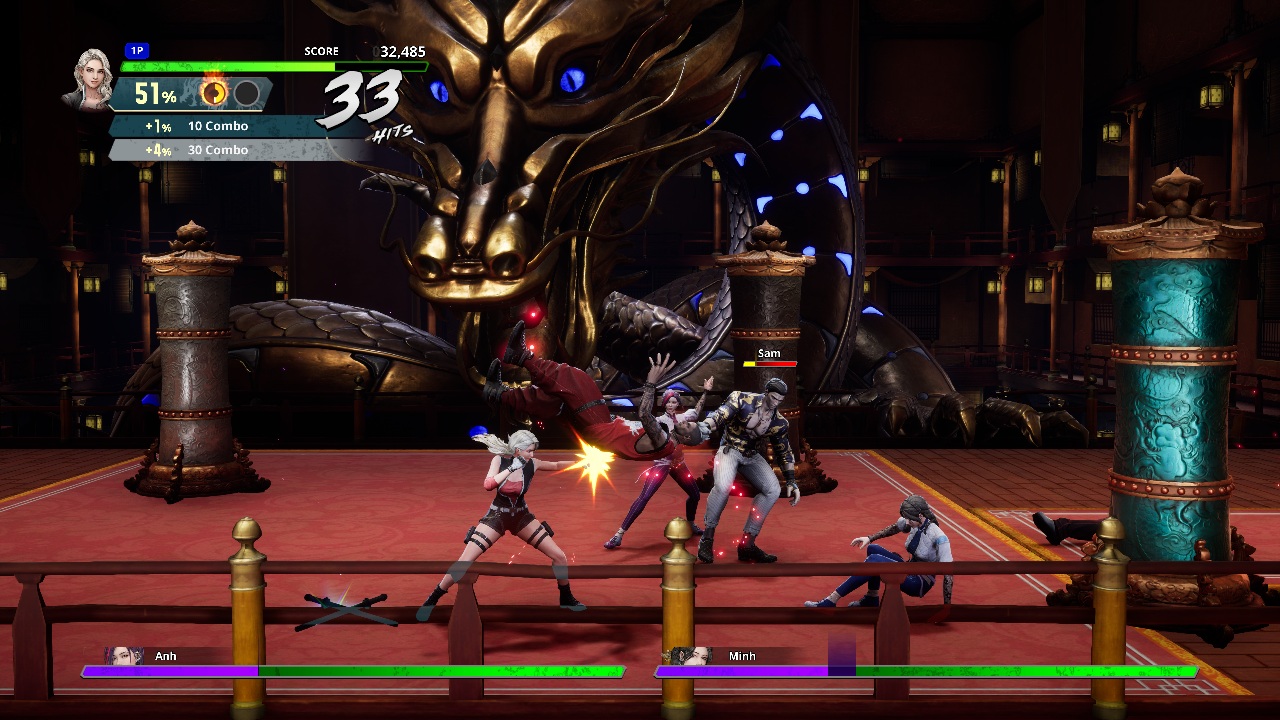
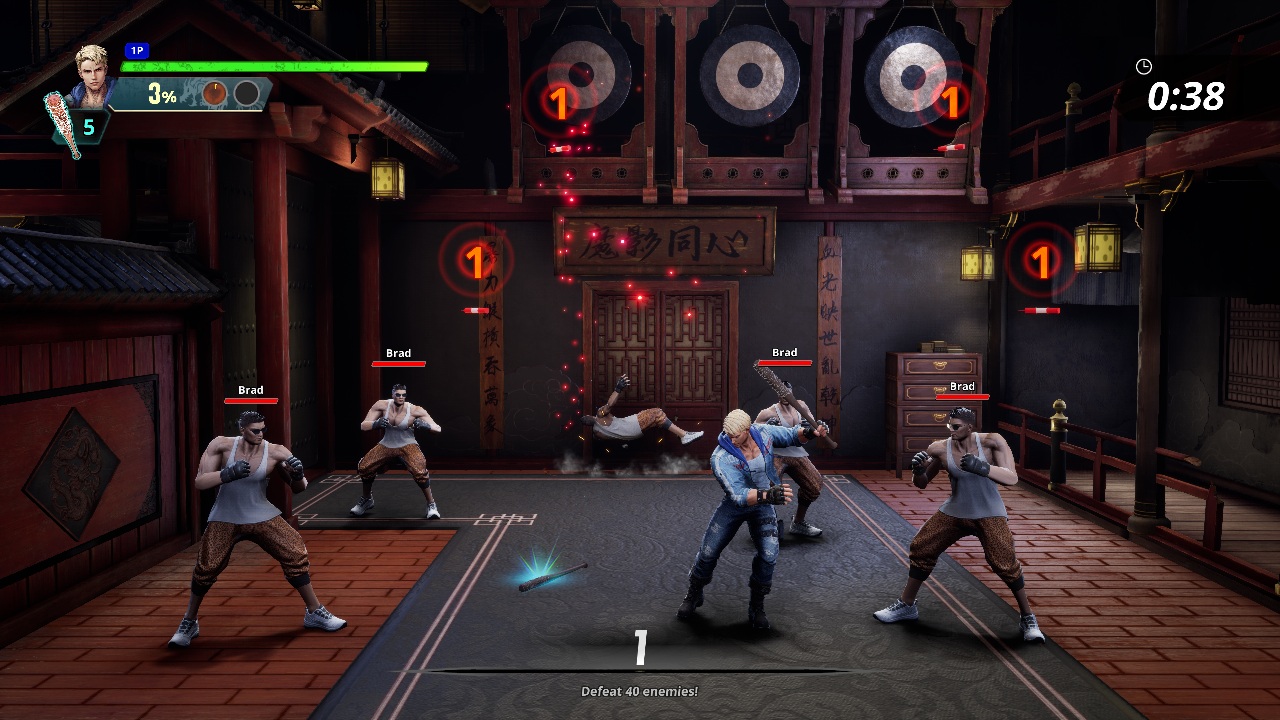
But on the downside, perhaps due to the 3D nature of the fighting, the moves aren’t as snappy as their 2D counterparts, leaving it to feel a little stiff. While you have a dodge button, it doesn’t necessarily cancel out of attacks nor does it quickly allow you to avoid some stronger attacks, which are telegraphed by red danger zones.
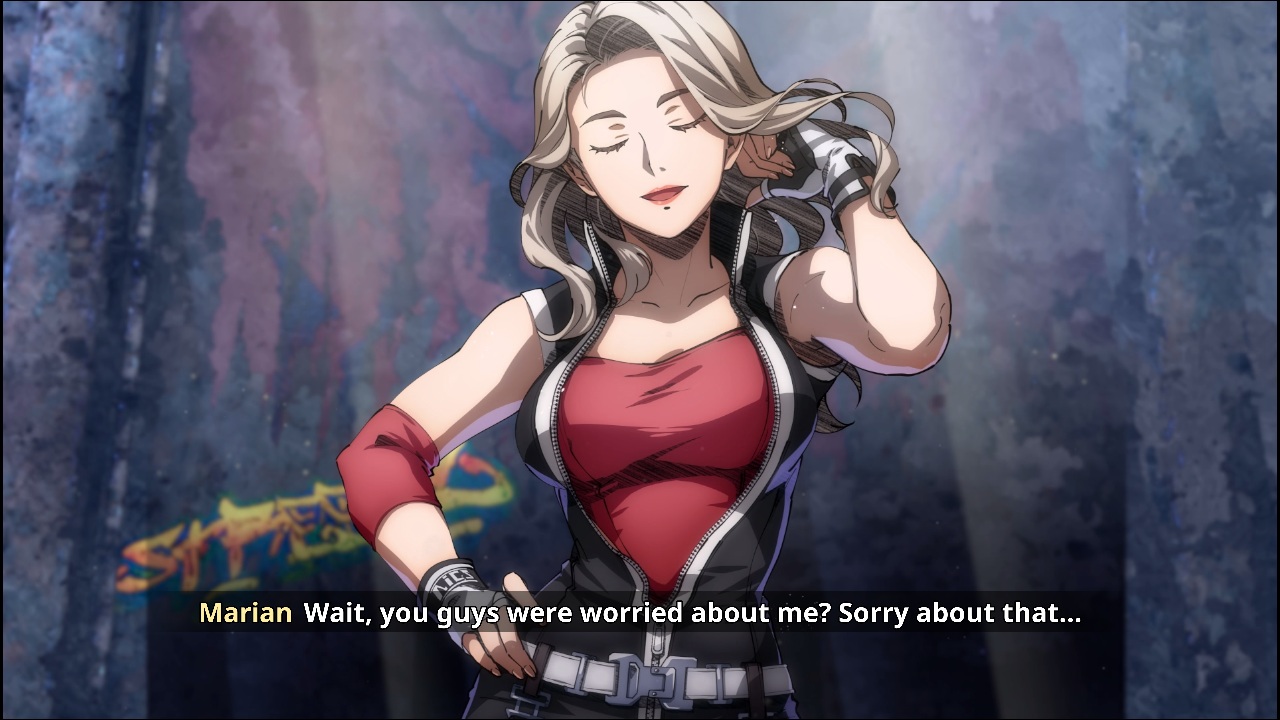
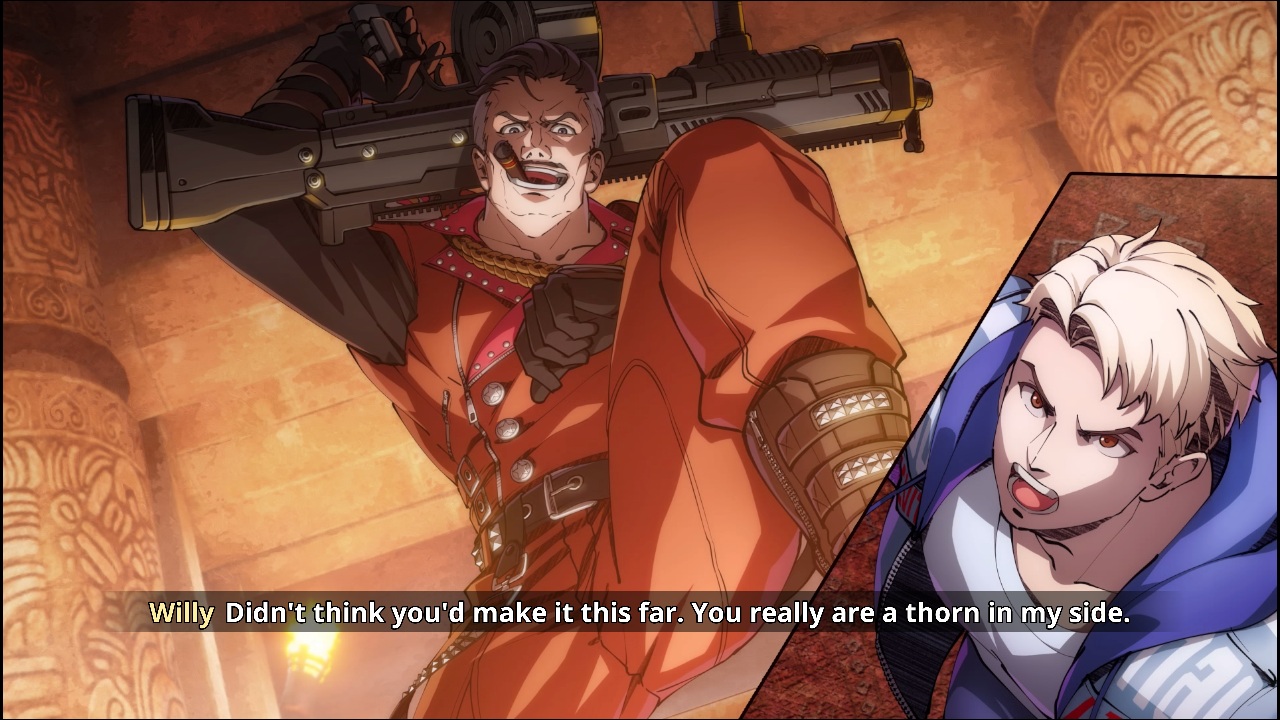
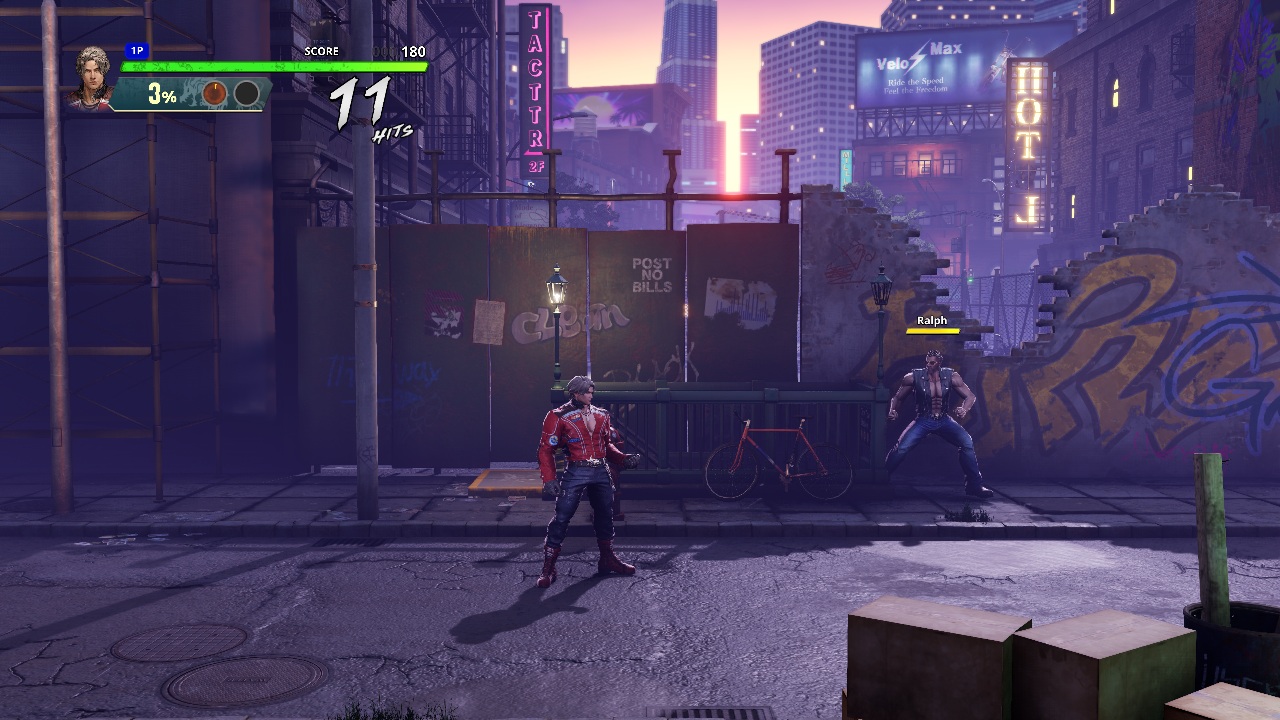
The 3D graphics are also, for the most part, visually bland; while it moves at a smooth framerate, otherwise it looks like something out of the PlayStation 3, early HD era. Since it’s a pseudo remake of the first game, which in turn inspired the setting of so many other arcade beat-em-ups, much of the game has a very “been there, done that” feel to it. Much of the music is also arranged from the older games, some of it decent, some of it boring. Voiced manga-style cutscenes tell the story, but it’s still just generic video game stuff. The new art isn’t bad, though Willy now really looks like J. J. Jameson from Spider-Man.
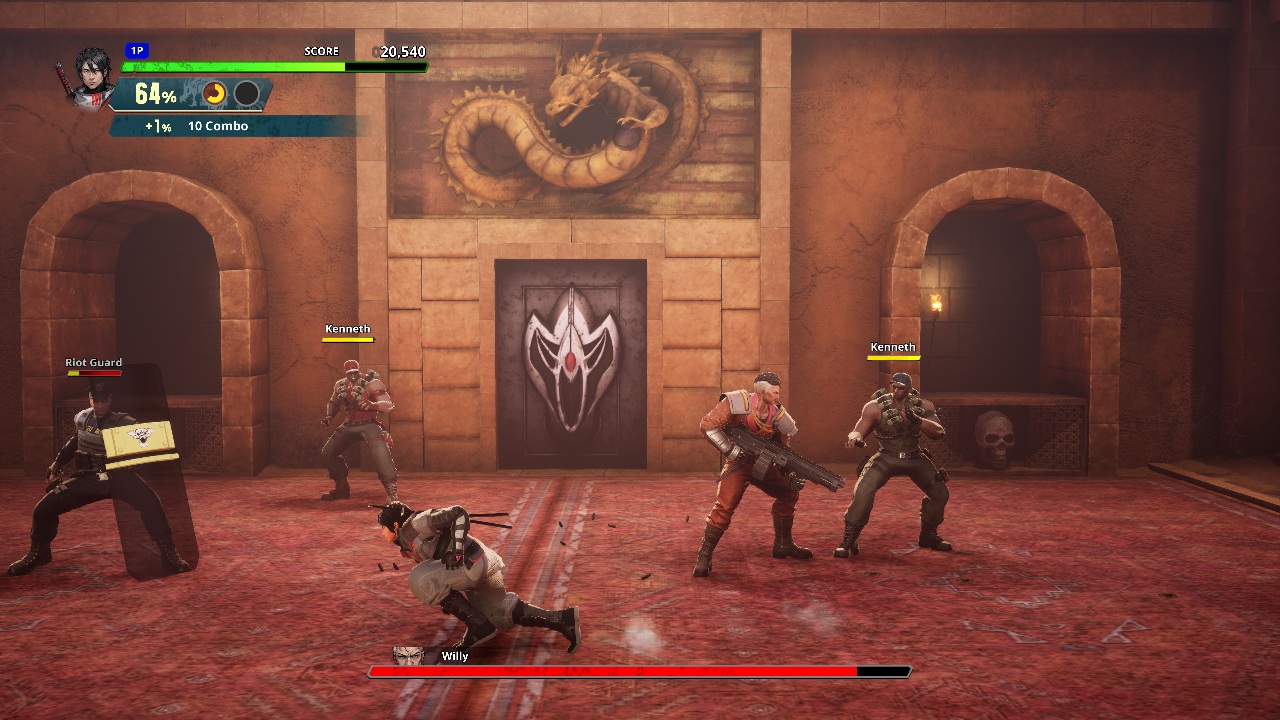
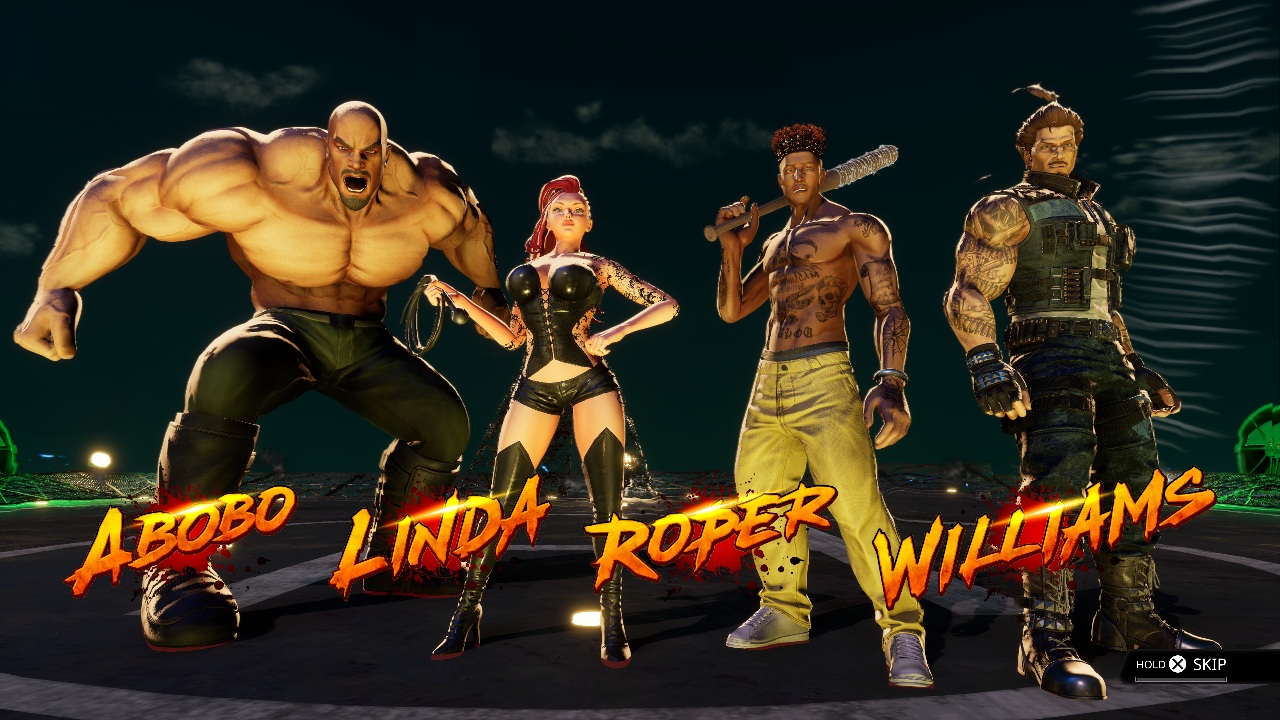
The stages have some highlights though. Whip-wielding Linda now runs a casino, with a boss battle that gives off big strip club vibes. Among the classic enemies are two assassin sisters Anh and Minh, who you fight in the pagoda stage. When infiltrating the high end Mackey building, your heroes literally run right through the front door and beat up the receptionists, making their way through security in the most unsubtle way possible. As you make your way up to the penthouse, you even brawl past some infinity pools, giving it a luxurious modern feeling that you never got in the grimy 80s arcade originals. The penultimate stage has you fighting four of the previous bosses at once; while Willy and his machine gun still poses a threat in the Shadow Warrior base, the true final boss is Raymond from Double Dragon Advance, who has his own magical skills.
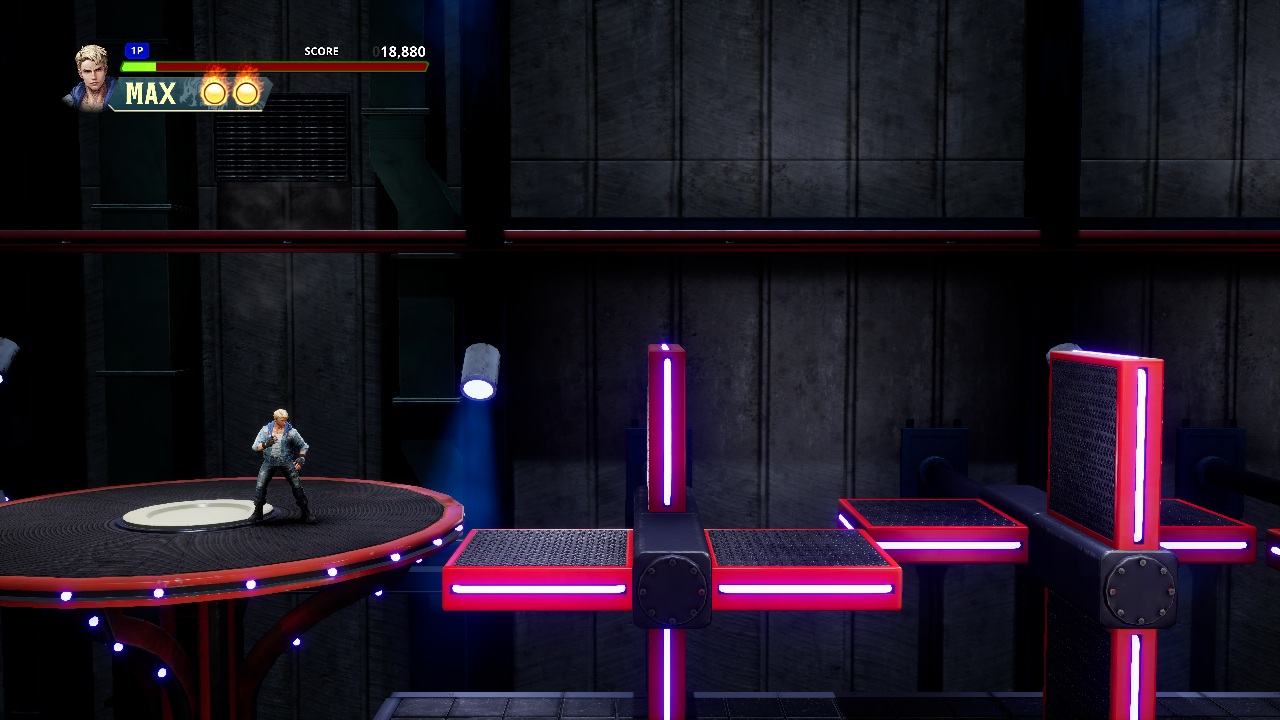
But for all of the high points, there are some low points too, particularly the platforming segments. There’s even a game show-style obstacle course in the middle of the casino stage, for some reason. These sections were no one’s favorite in the original games, and while it’s never as frustrating as, say, the cave segment in the NES Double Dragon, they easily should’ve been left out. Beyond the eight stages in the story mode, there are also several challenge missions, where you need to accomplish certain goals within a time limit. Completing these will open up additional segments, each focusing on one of the enemy characters. It’s a fun idea, but these missions are far too difficult, plus you need to beat them without dying once to unlock the cinemas, which is too difficult for the reward.
It’s easy to write off Double Dragon Revive due to its ugly visuals, but the enjoyable fighting system will probably engage any beat-em-up fans that give it a chance. But it’s also coming up in a beat-em-up renaissance among games like Absolum and Marvel Cosmic Invasion, which offer more excitement, more variety, and more interesting scenarios; even compared to games from a few years prior like Streets of Rage 4, it just comes up short.
Double Dragon Dodgeball
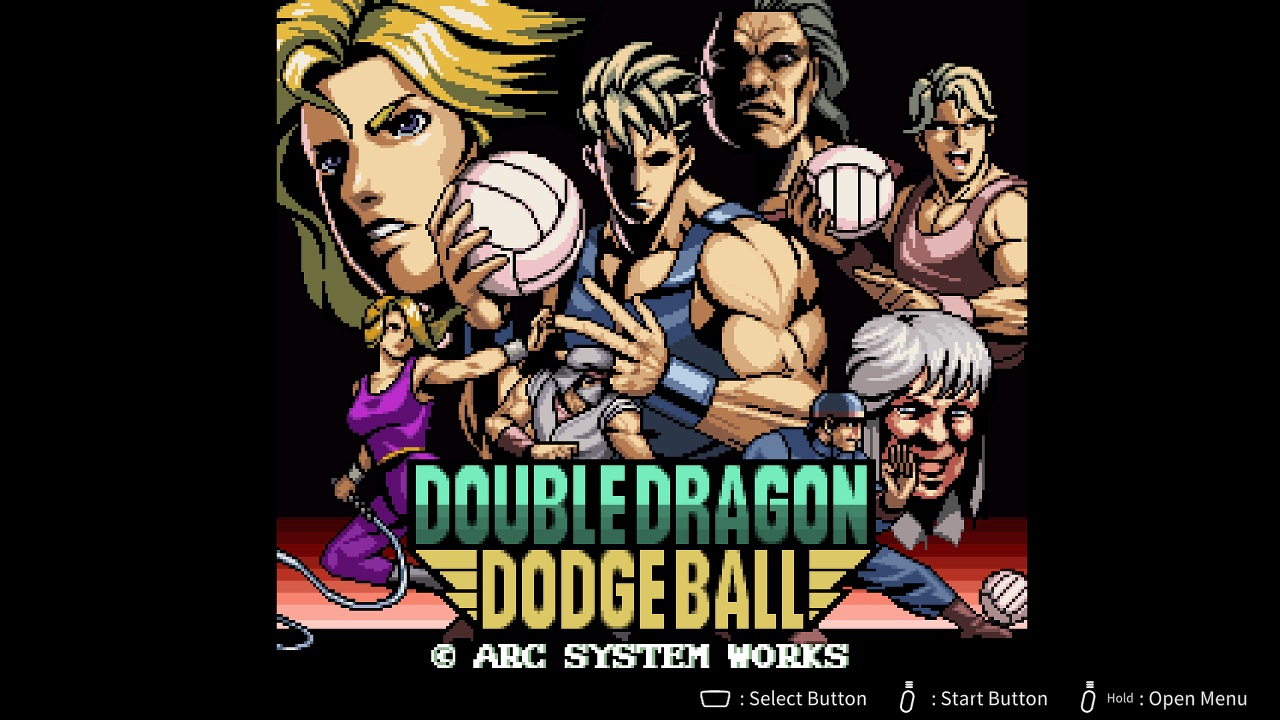
Released as pre-order and special edition DLC, Double Dragon Dodgeball is basically a Kunio dodgeball game but with Double Dragon characters. Teams include the Lees (Sonny from the arcade Double Dragon 3 included), and the family members of Chin and Yagyu; but there are several more villains, like the Shadow Warriors, Cleopatra, Hiruko, and their team of mummies from Double Dragon III, and the Okada sisters from Double Dragon IV. All of the backgrounds and music are based on the classic games too. It looks more like a 16-bit game than an 8-bit one, and while it’s missing the flicker from the old games, it still runs a bit choppy. It’s a fun bit of fan service, though at the end of the day, it’s still just Super Dodgeball.