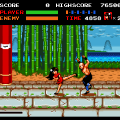
- Double Dragon
- Double Dragon (NES / Game Boy)
- Double Dragon 2 (Arcade)
- Double Dragon II (NES/PCE)
- Double Dragon 3 (Arcade)
- Double Dragon III (NES)
- Double Dragon II (Game Boy)
- Super Double Dragon
- Double Dragon: The Revenge of Billy Lee
- Double Dragon V
- Double Dragon (Neo Geo)
- Rage of the Dragons
- Double Dragon Advance
- Double Dragon (Mobile)
- Double Dragon II: Wander of the Dragons
- Double Dragon (Zeebo)
- Abobo’s Big Adventure / Fighting of Double Dragon
- Double Dragon Neon
- Double Dragon IV
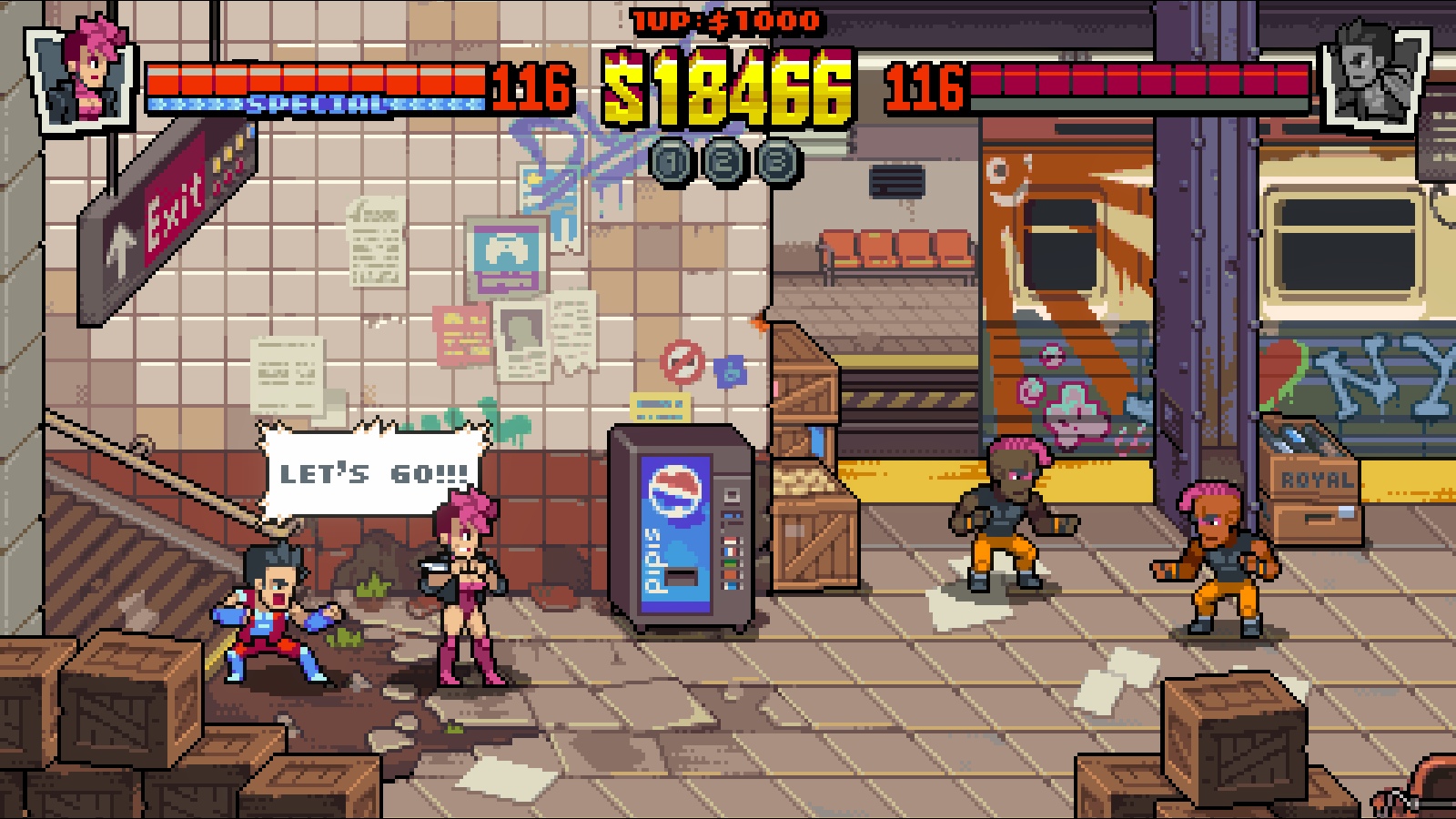
- Double Dragon Gaiden
- Double Dragon Revive
- Double Dragon: Other Media
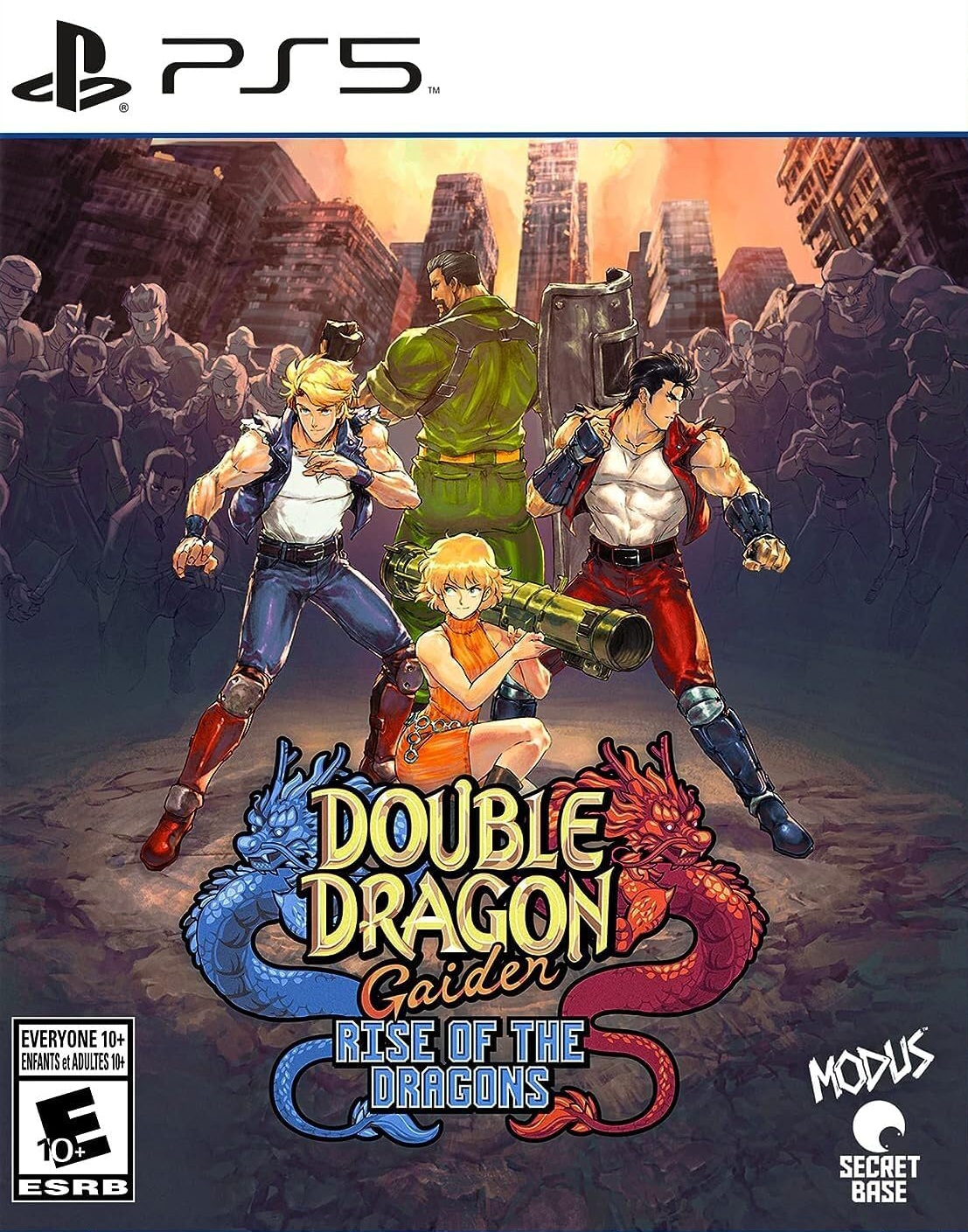
American PS5 Cover
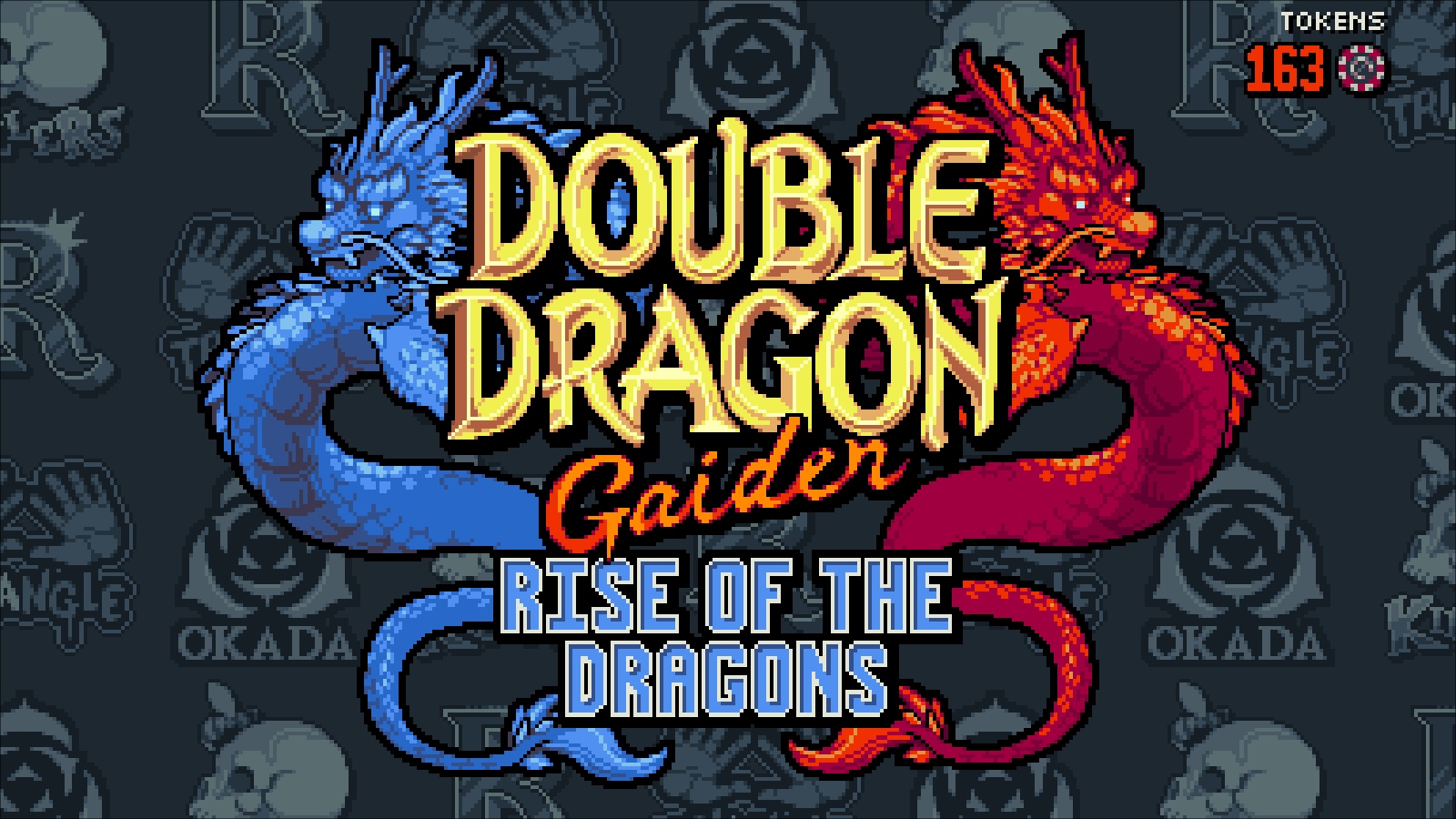
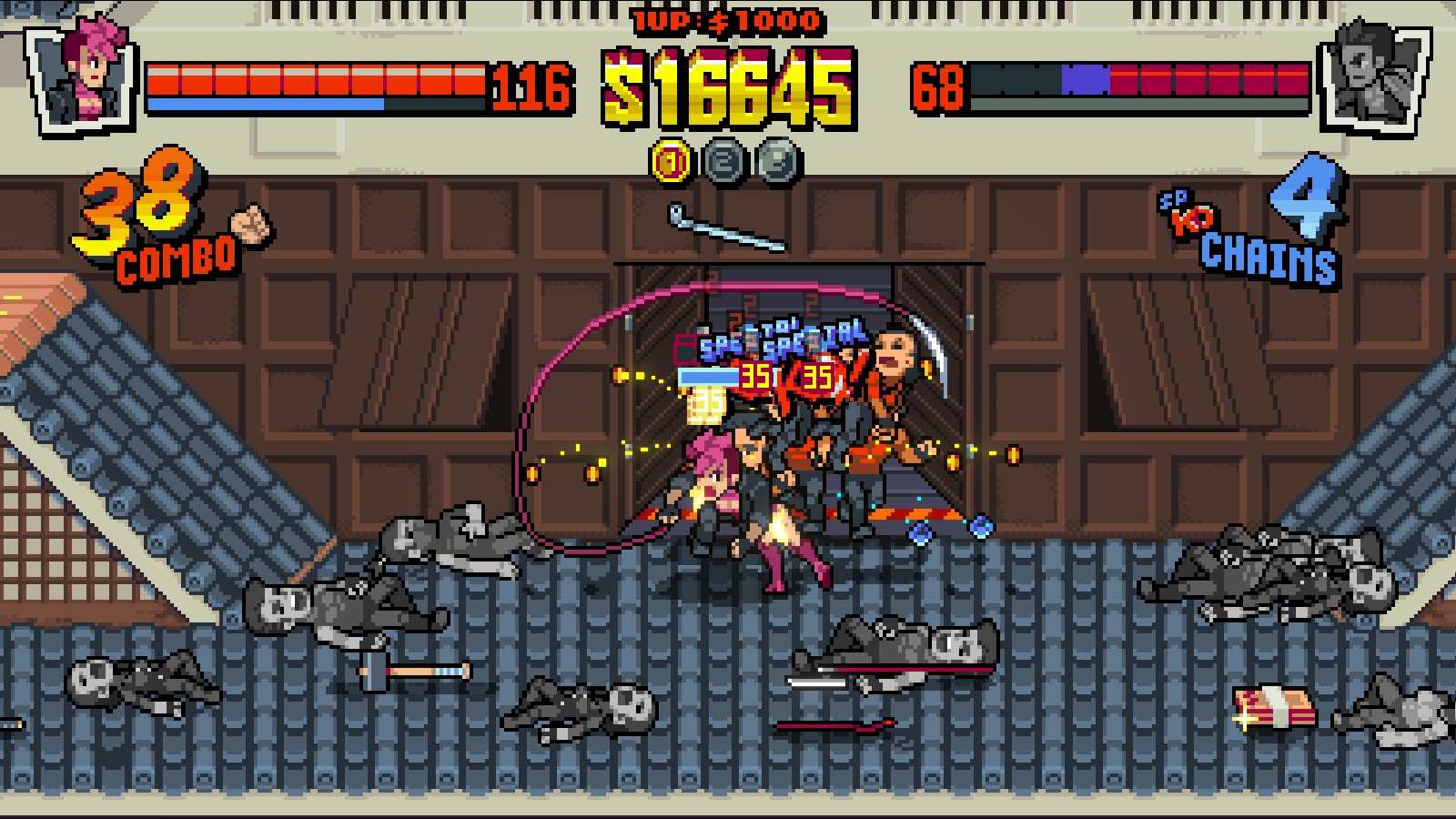
Double Dragon Gaiden was developed by indie group Secret Base, who previously worked on the rather fun Streets of Red: Devil’s Dare Deluxe, which was in and of itself a throwback to arcade beat-em-ups of the past. That game introduced an interesting risk/ reward system; you have a special move bar that refills slowly over time, and if you’re able to kill at least three enemies with a special move, the game would reward you with a healing item. Four and five kill moves would increase the amount of health given back. As it turns out, this was a prototype for Gaiden, where Secret Base would refine their in-house style to deliver an accessible but quite deep beat-em-up rogue lite experience.
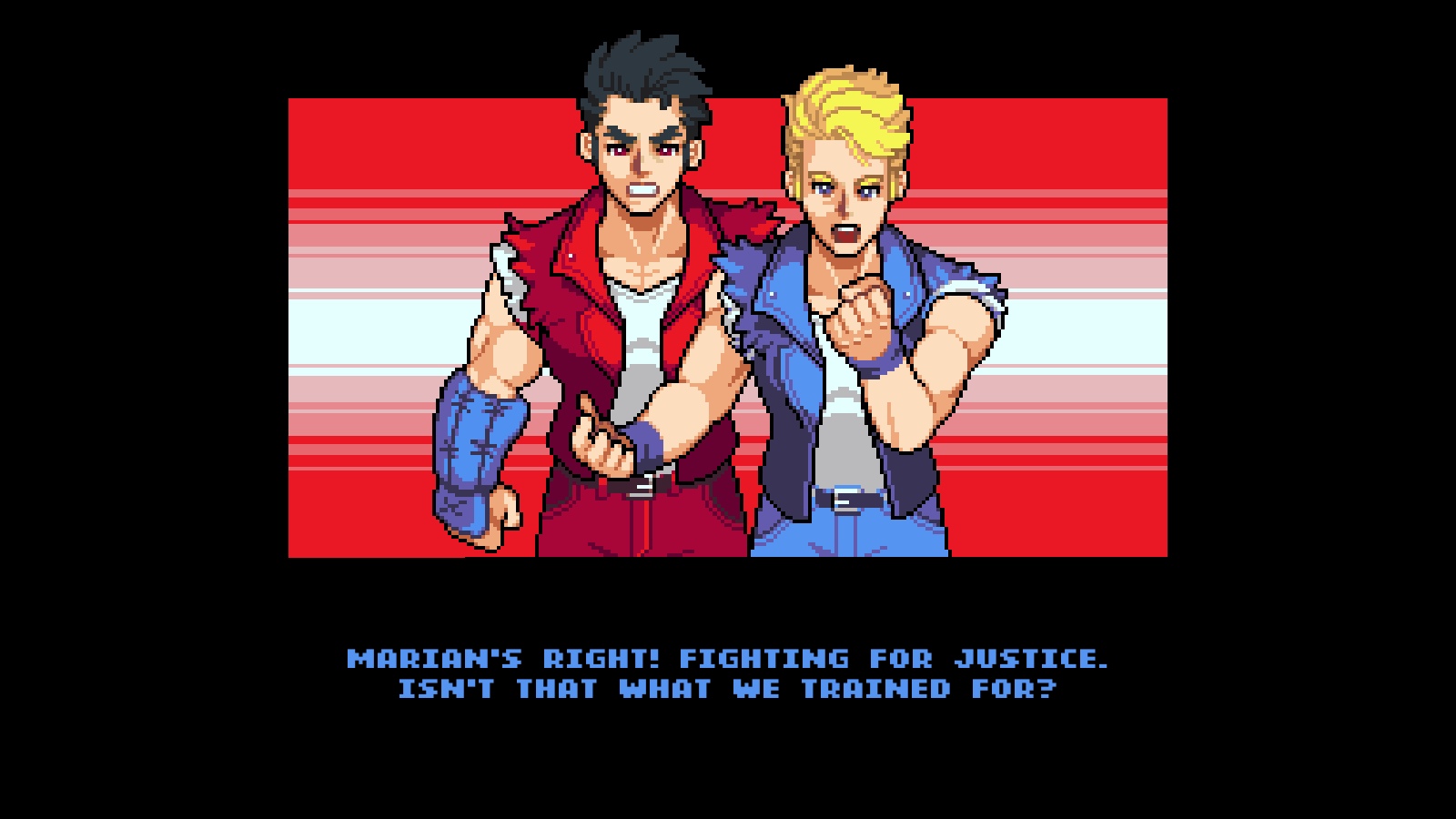
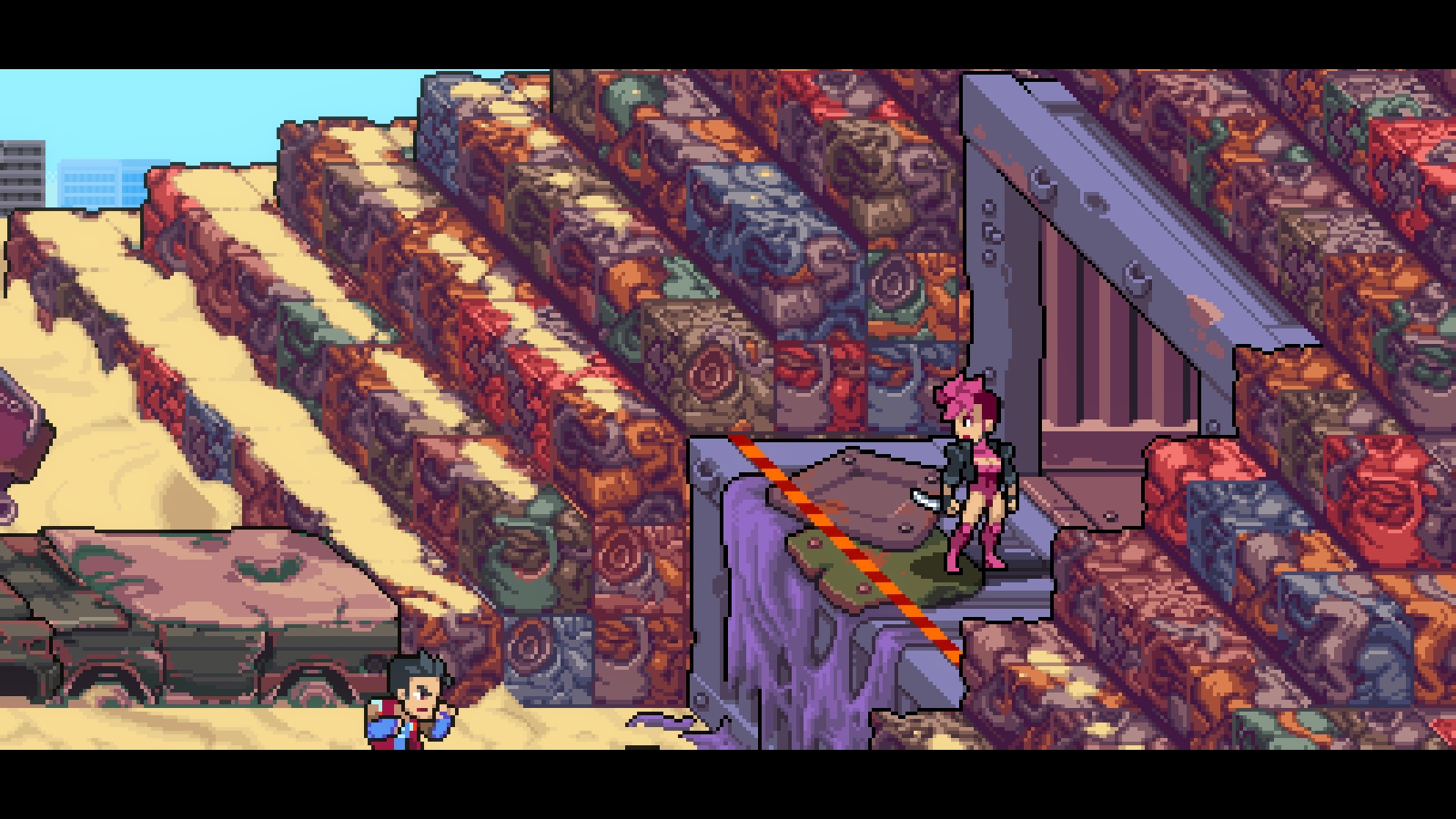
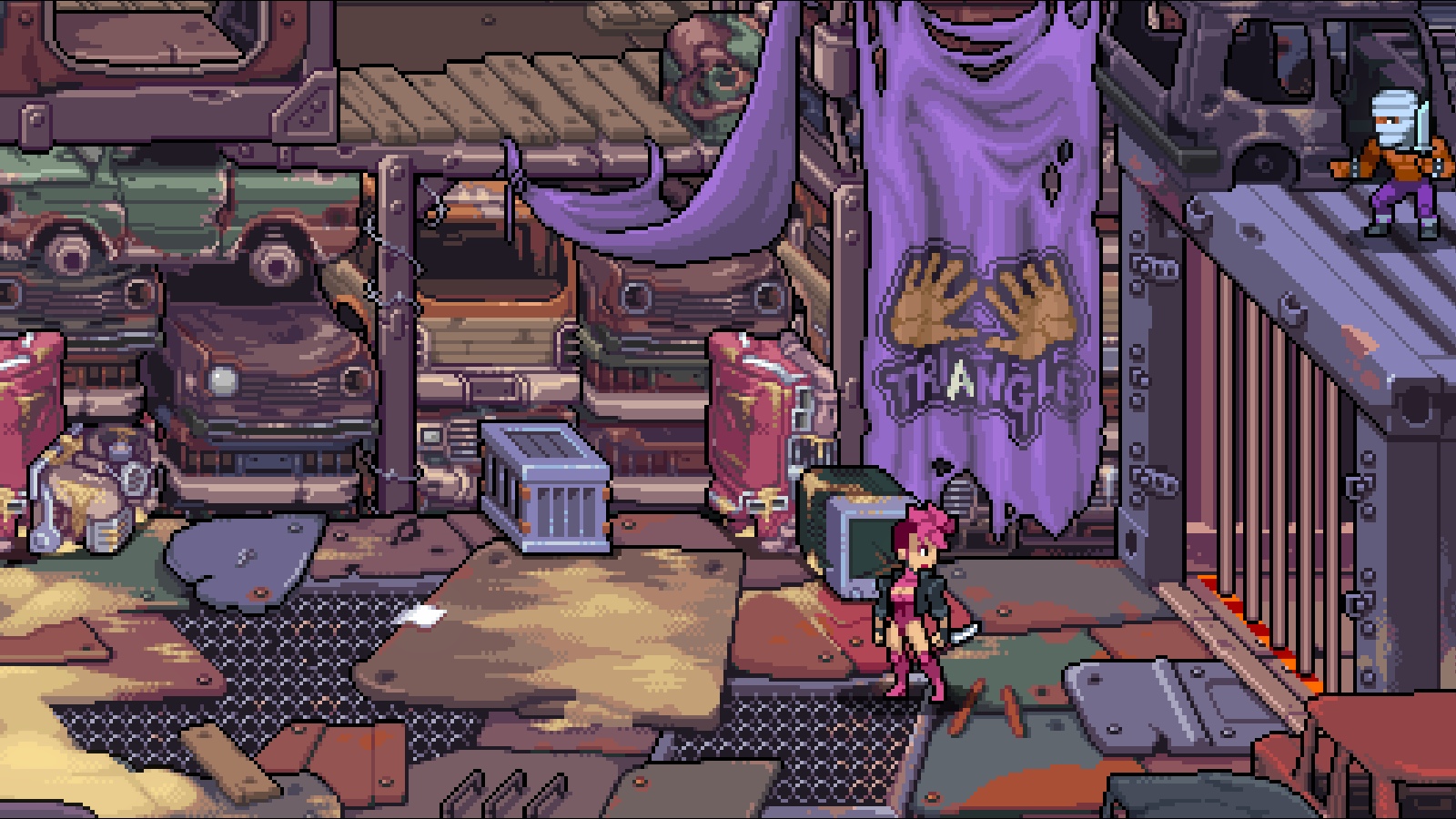
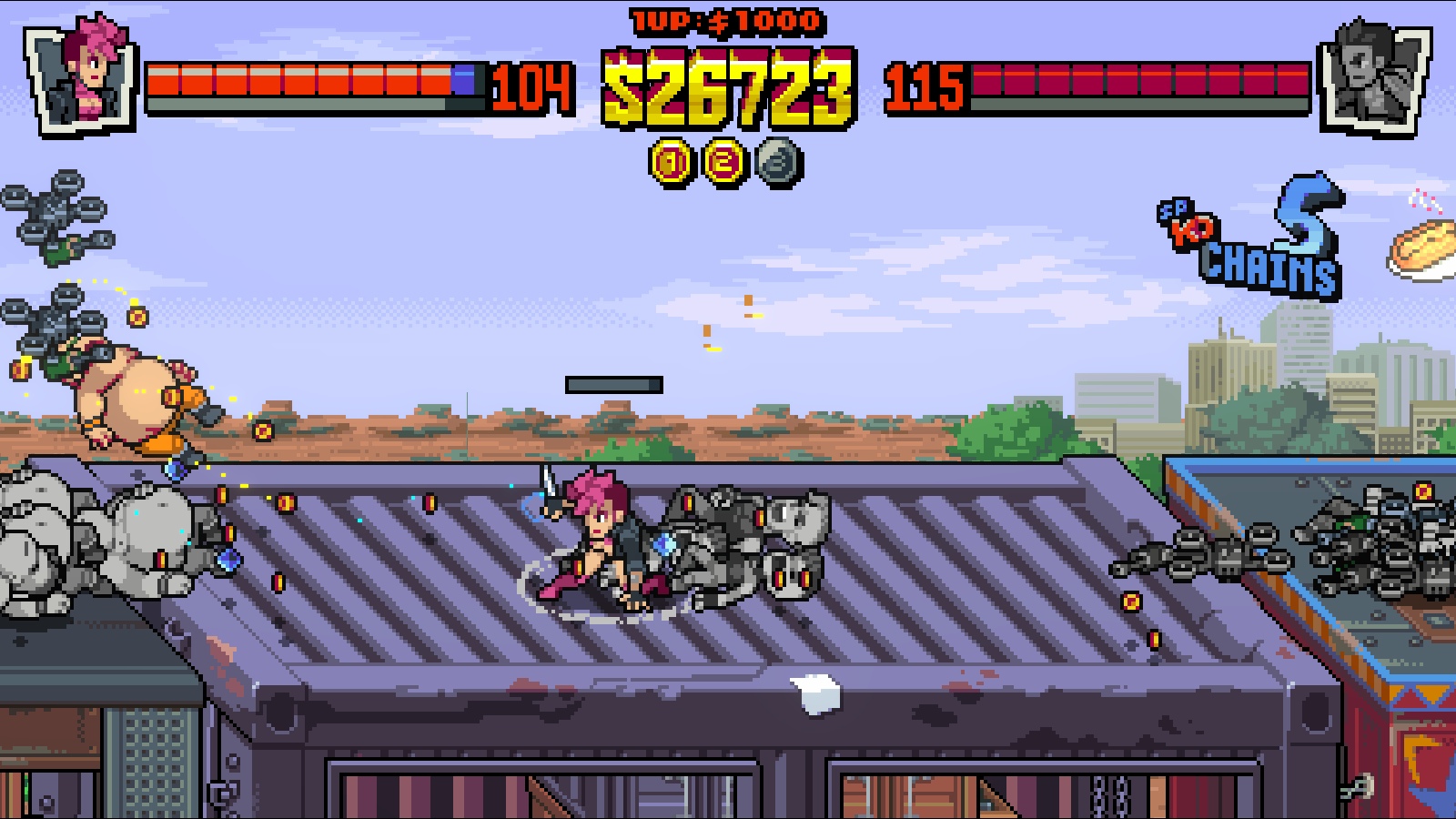
The most readily apparent sign that this was handled by an indie developer is the art style. Rather than realistically proportioned sprites or cartoonish 3D models like in Double Dragon Neon, Gaiden uses a more unrealistic pixel style that features much more exaggerated character models. It’s fairly simple, and remains one of the most contentious elements of the game; people seem to either love it or hate it since it’s very different and brighter looking than past games. Regardless, it let the small team at Secret Base work within fairly confined development conditions and the end result is a flashy beat-em-up with its own distinct personality.
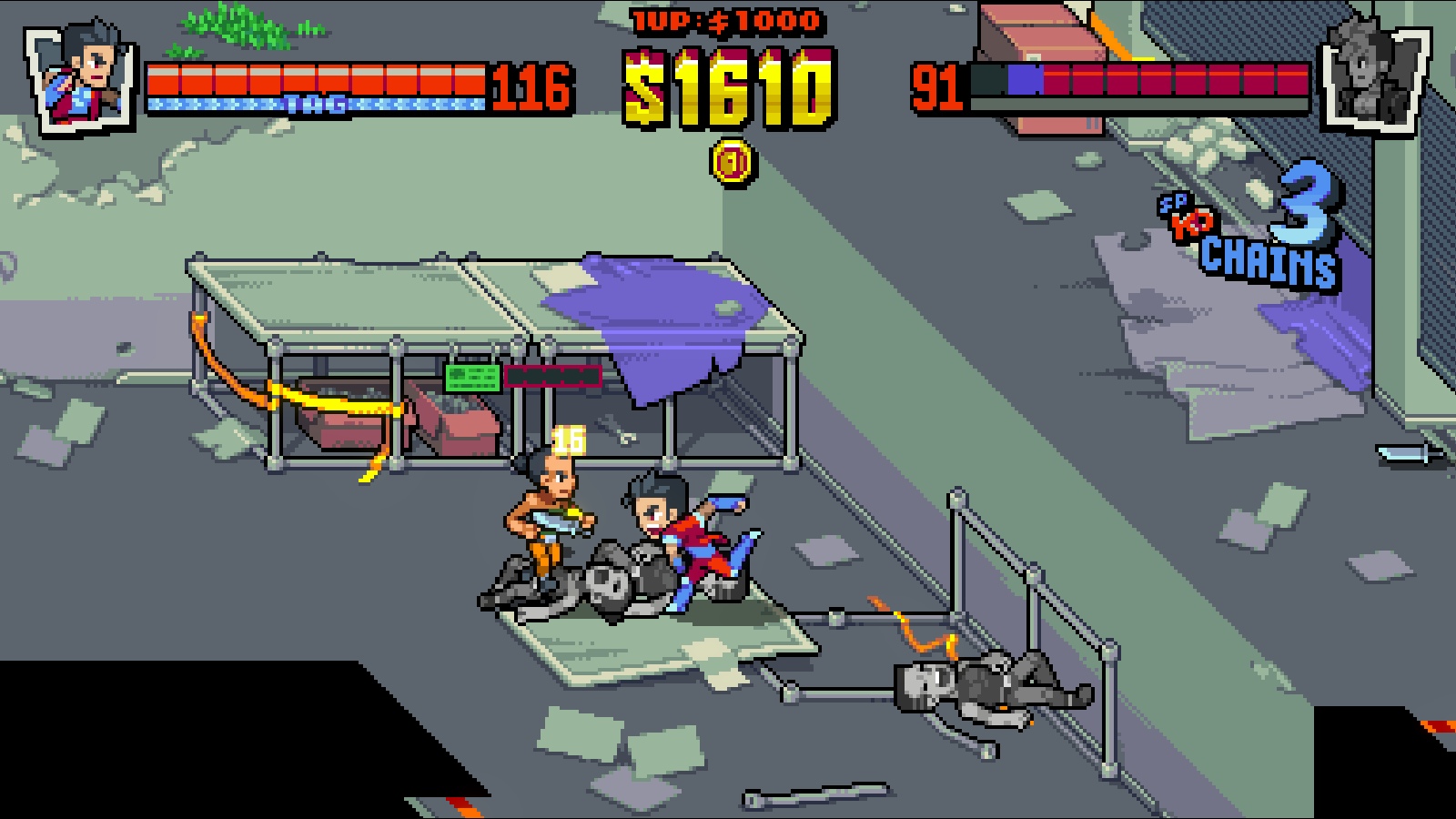
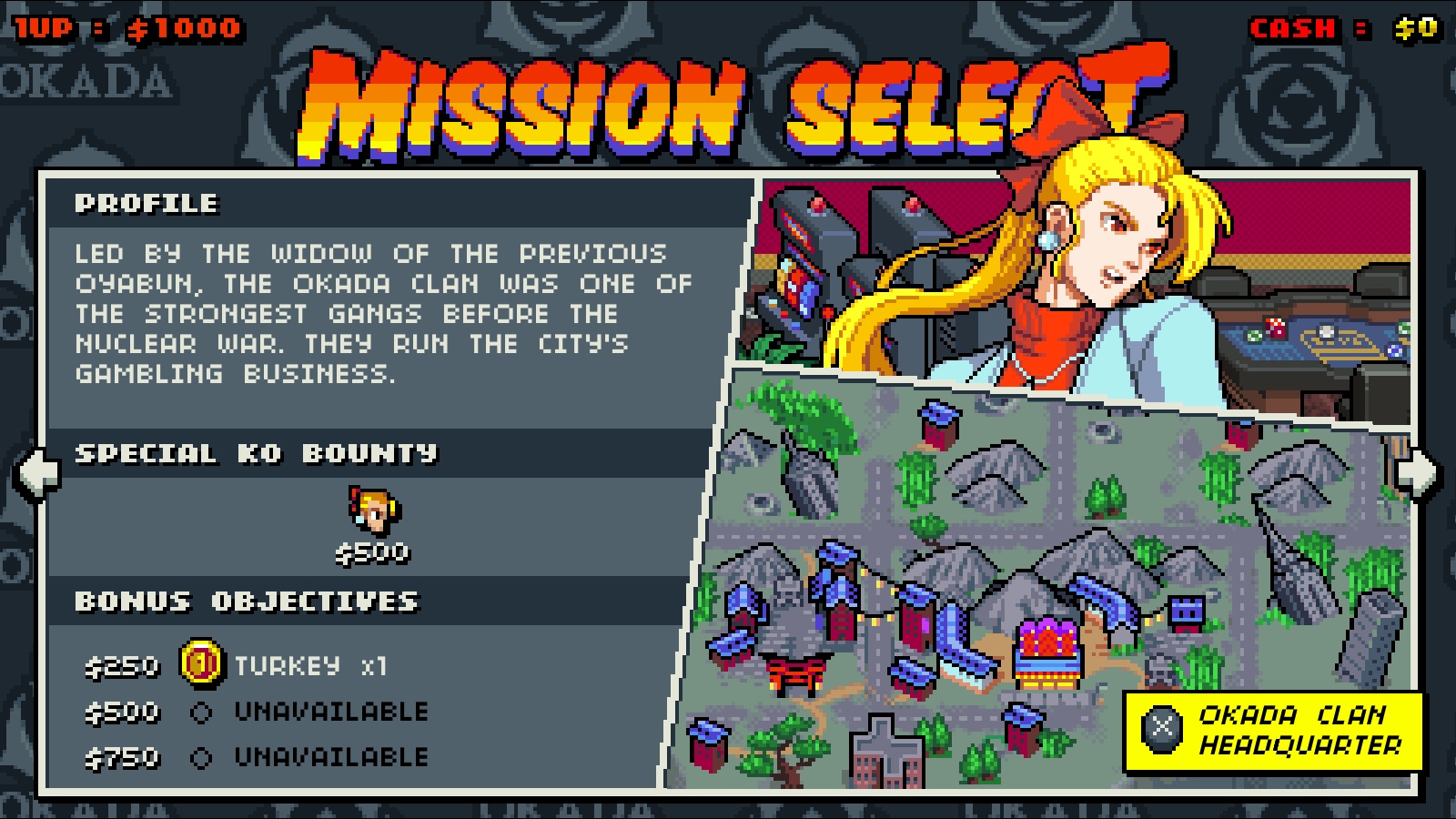
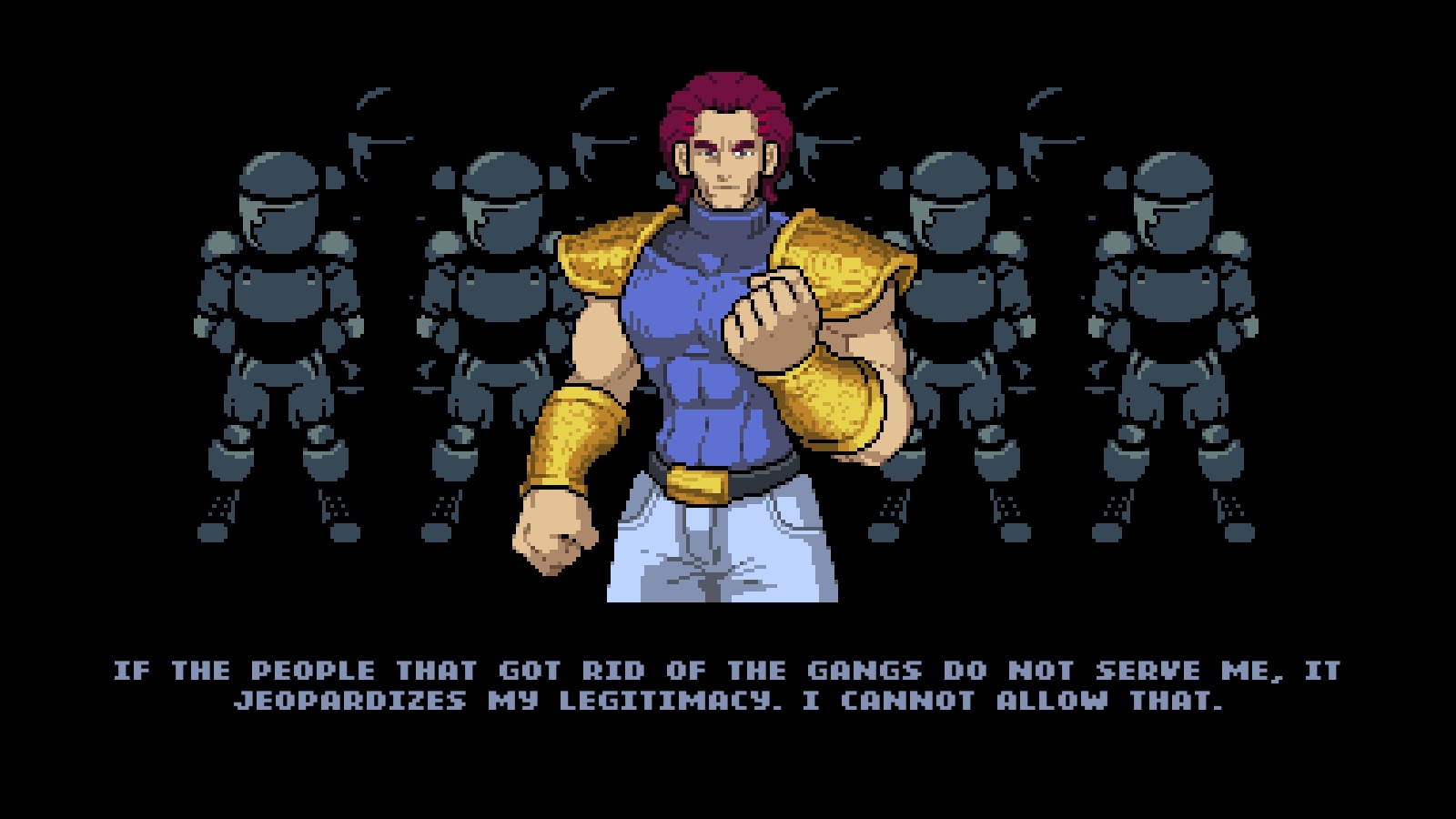
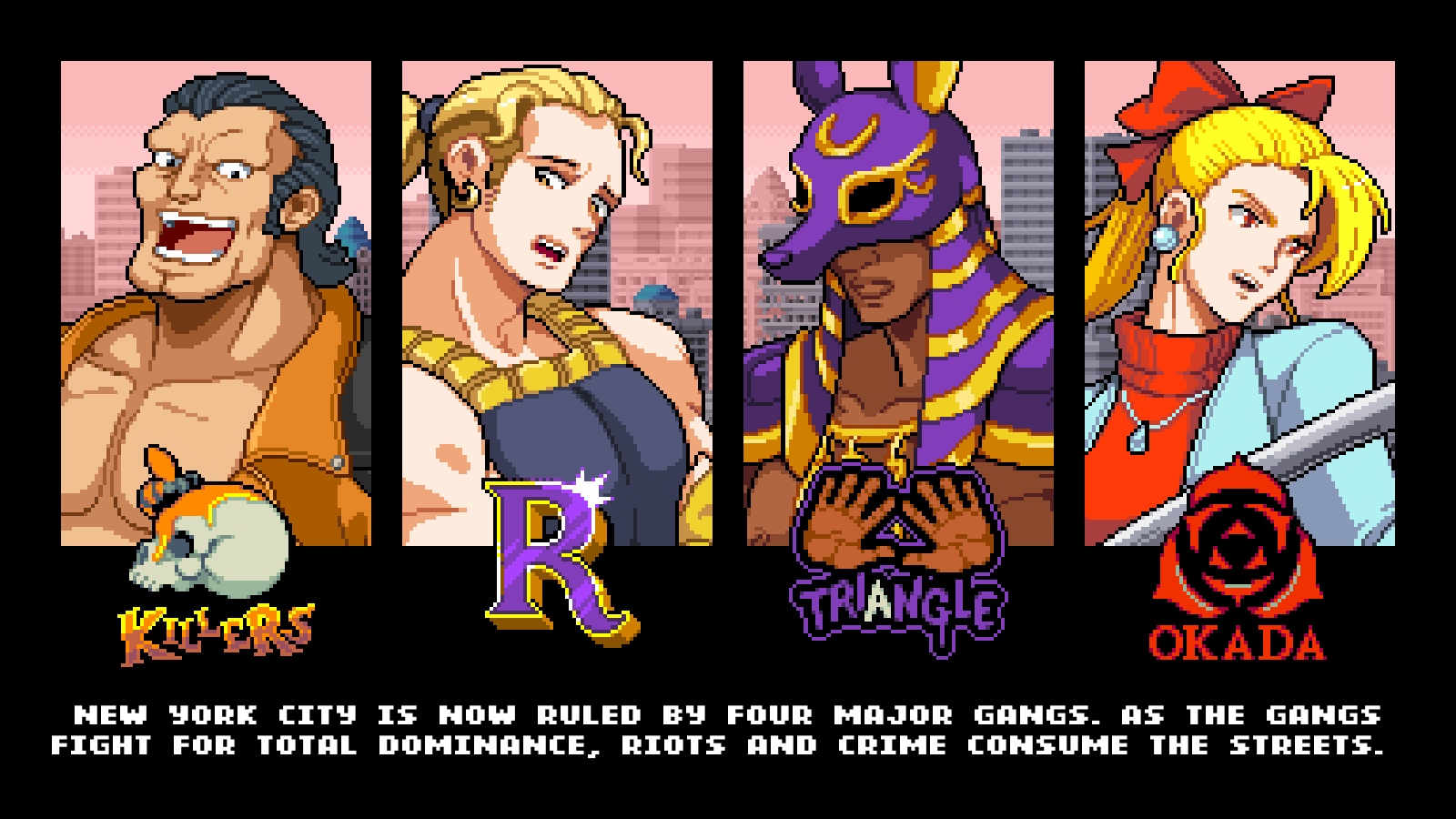
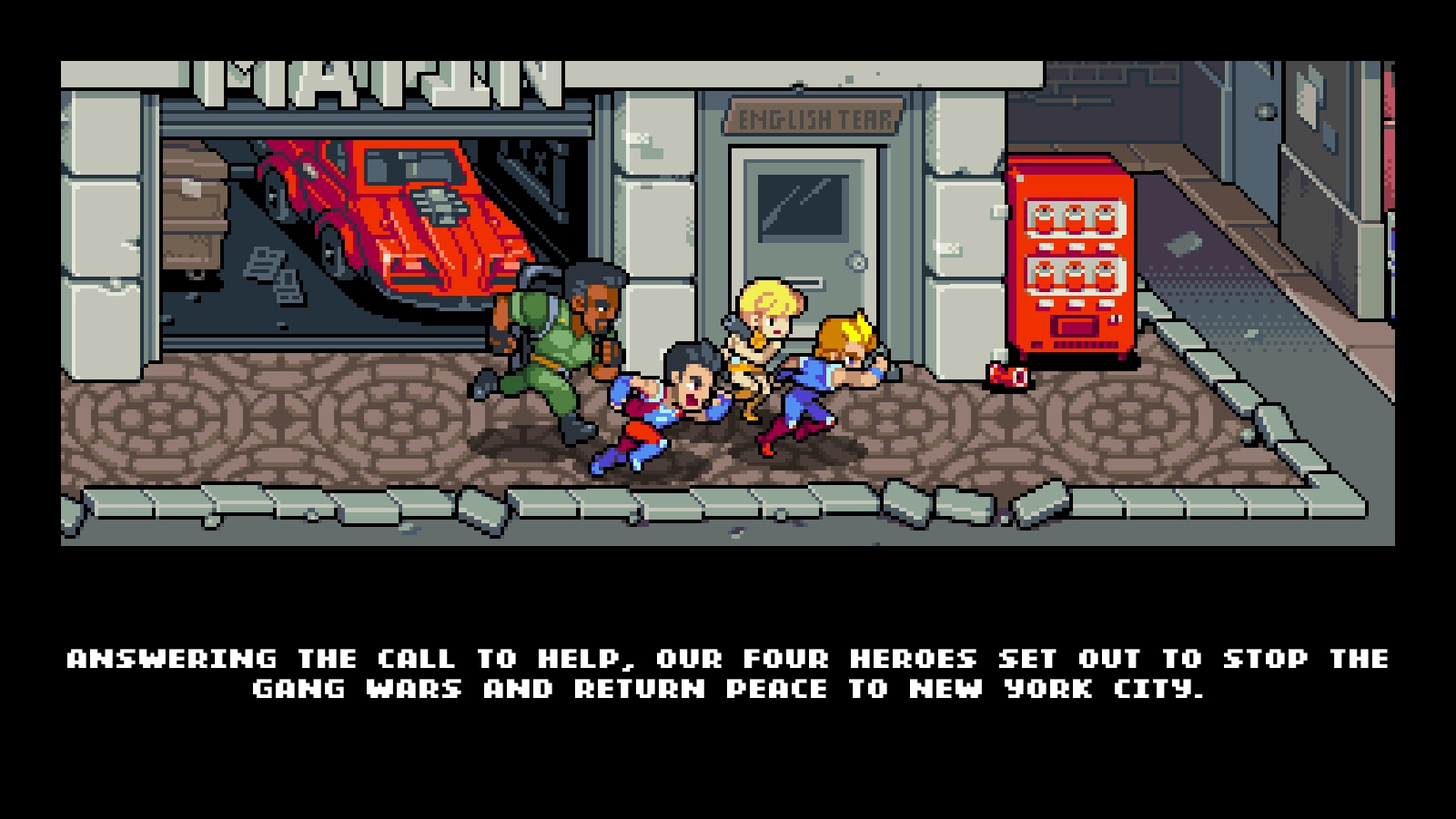
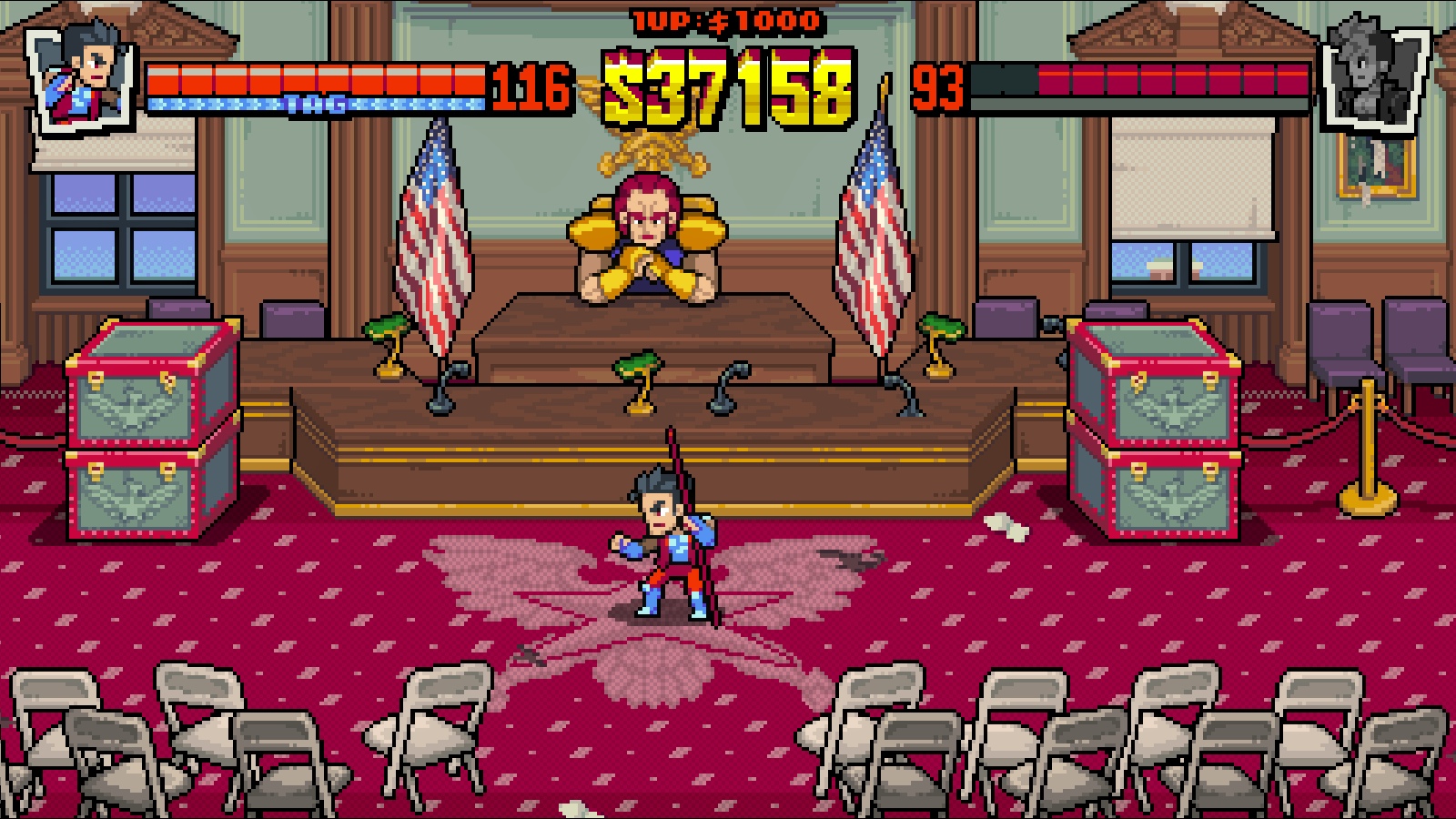
The story, meanwhile, is a little different from prior games. Taking place in post apocalyptic New York, it seems the Lee brothers team up with Marian (who is a cop now, with access to plenty of cop hardware) and Uncle Matin to take down the four gangs that rule the city at the request of the mysterious mayor. There are four big bads, each with their own levels; there’s Machine Gun Willy, who rules over a massive skyscraper; Lady Okada, who rules over the city’s Chinatown; Anubis, who has created a kingdom of pyramids made out of garbage; and lastly, there’s Duke, who lords over the subway system. Beating all four eventually lets you make a choice; take an extra $10000 offered by the Mayor and help him rule the city with an iron fist, or reject the bribe and take him down, too.
This isn’t the only major choice the player will face, though. This game has a unique level progression system. Players can tackle the bosses in whatever order they wish, but the catch is that the difficulty of the next level increases. For instance, if you face Lady Okada first, you will have to fight through one level before facing down with the katana wielding warrior. But then the next area will require you to fight through two levels before facing the boss. The third will require three levels, and whatever your fourth option is will have you go through three levels and face a much tougher version of the boss at the end. Machine Gun Willy will have an attack chopper to help him, for instance, or Duke will have powerful robot attack dogs you must deal with.
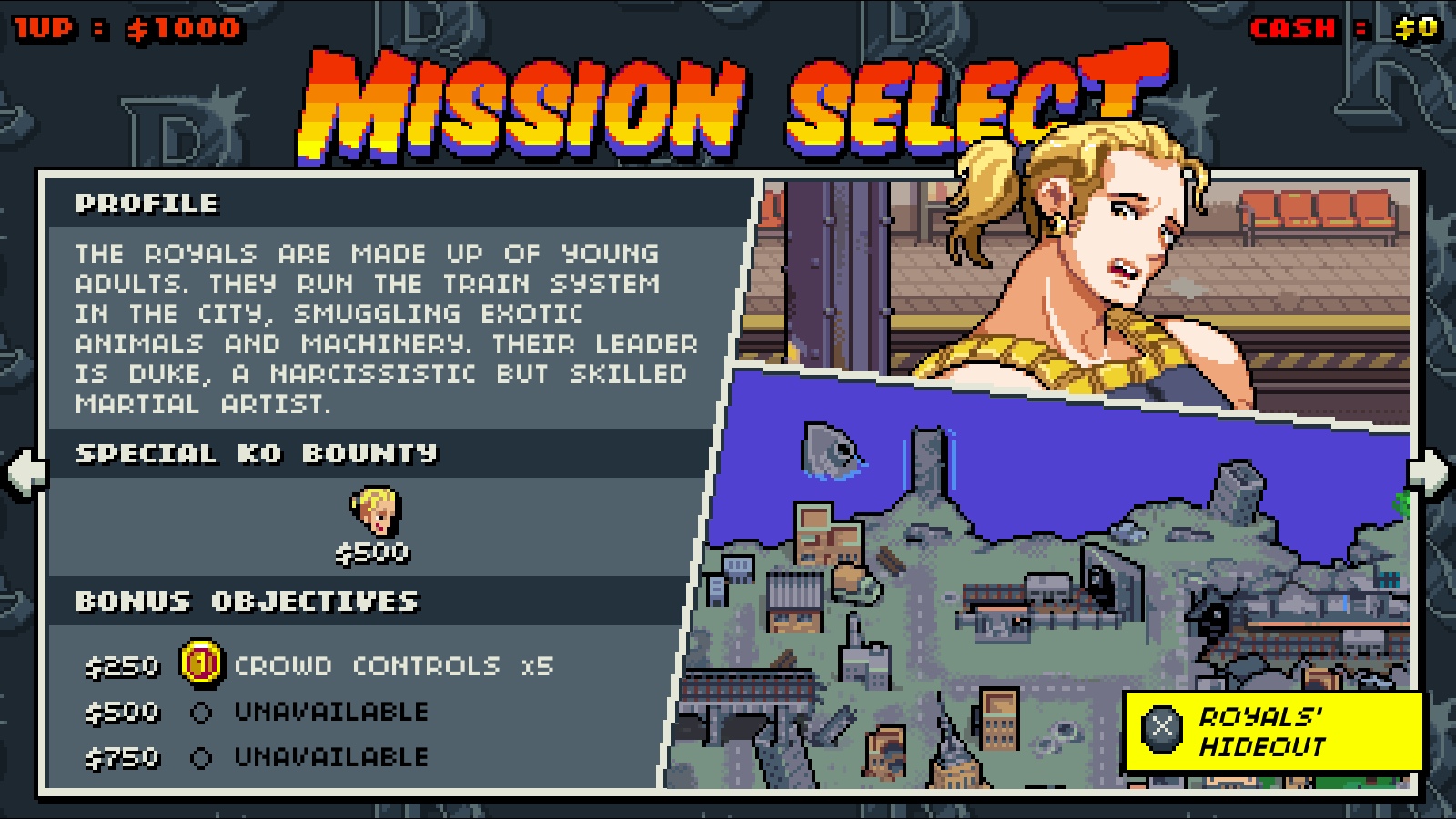
It’s a unique way to have the player progress through the game, and helps add to the game’s inherent replay value. You’ll need to play through the hour and a half long story multiple times to see every fight and level. And while this is marketed as a rogue like, the levels sadly don’t change much per playthrough, just the order you go through them in. Enemy placements are mostly the same, too. But the game does have some tricks up its sleeve to alleviate any repetition a player may feel. For one, you are able to purchase permanent buffs between levels; these can run the gamut, from simply giving you more health, to making your special move bar refill for every “Crowd Control” (three or more kills) you get with special moves. It’s a lot of fun to upgrade your character as you see fit, and for most players, your character will be far more capable during the final level than they were at the beginning.
The game’s true ace in the hole is its generous suite of unlockables. See, rather than just shooting for a high score, players earn cash in game. It can’t do much besides purchase upgrades between levels and revive your characters if you die, but all the money you get is converted into tokens you can spend on a variety of extras on the main menu. This includes stuff like music tracks, concept art, level art, gameplay hints and, most importantly, a wide variety of unlockable characters. There are a whopping twenty characters currently available to play as, which includes all of the mini bosses and main bosses (you can even play as the Mayor, which lets you use the ridiculously powerful moves that plague your end game experience back against the enemy – given his design, he almost feels like a beat-em-up version of Ganondorf).
This is where the main replay factor comes from, because all of the characters feature distinct movesets and abilities (although some do share move types; for instance, Burnov features similar grab moves to Abobo, but has a move where he spins enemies around instead of pounding the ground). Giving players the chance to unlock and play as former foes from across the series’ history is a brilliant move, as they are all distinct enough that every player will have different preferences. Players can even adjust various difficulty settings to yield more or less tokens per set amount of gold; generally, the easier you make it, the less tokens you’ll get, while the opposite is also true. It’s a brilliant way to encourage players to test their own limits and gives them control over the pacing of the content they unlock.
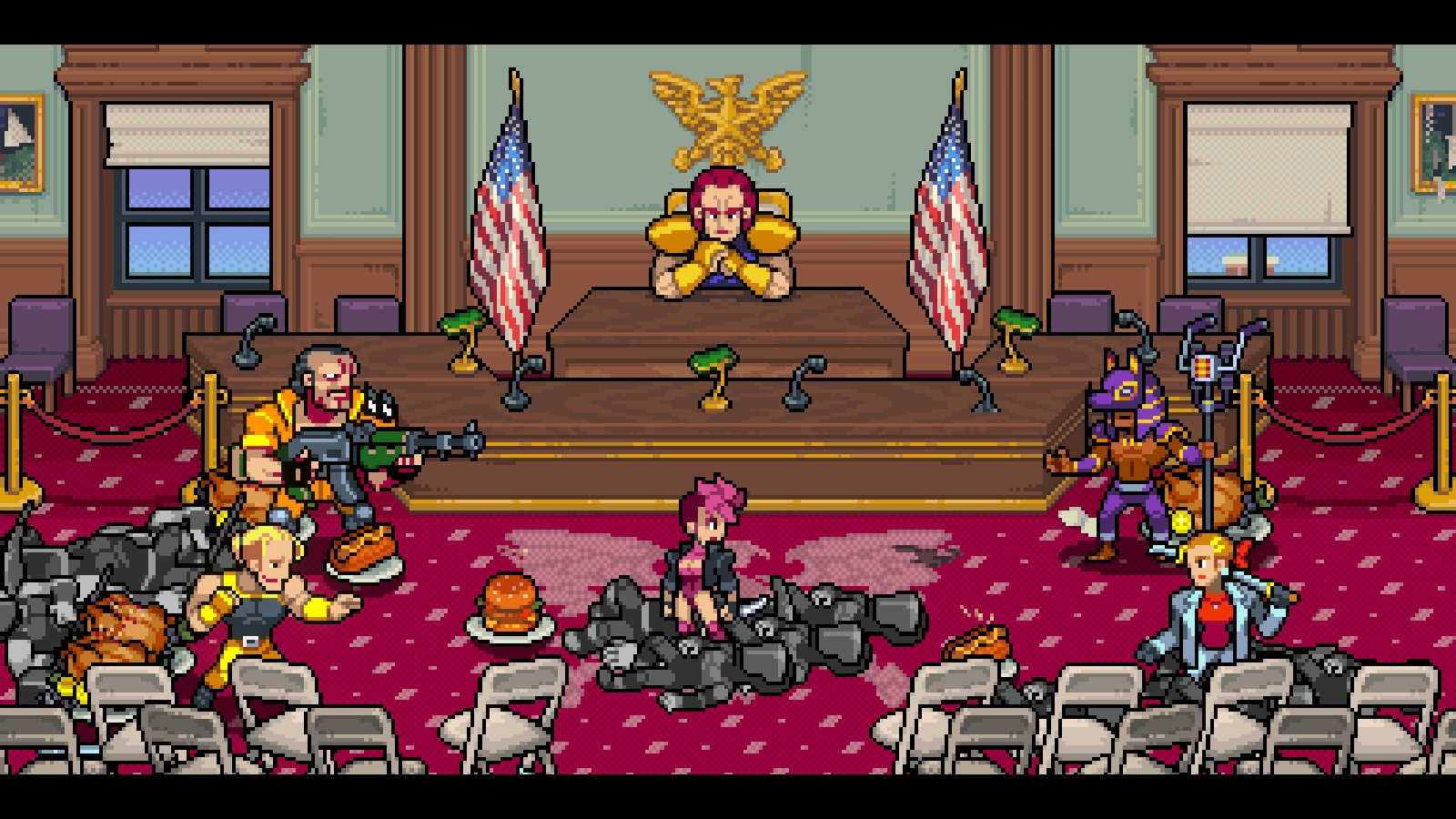
The final wrinkle to the game is the tag team system. Players choose two heroes to swap between, which allows for quite a bit of flexibility and lets them cover a given character’s weaknesses. If you play as Marian, who specializes in ranged moves but doesn’t have a ton of health, consider pairing her with Uncle Matin, who comes packed with a riot shield he incorporates into his combos and has a larger health pool. Using the right timing, you can unload your special abilities on a crowd of enemies, then switch to your other character to keep the carnage going. Like all great beat-em-ups, the more one plays, the more one learns, and the more rewards and crazy combos they can perform.
While the visual style Secret Base went with may divide some players, the end result speaks for itself. The game gives tons of incentive for replays, and features an accessible combat system that still manages to have a lot of depth, thanks in no small part to the huge playable character roster that features familiar faces from the entire series. Given that Secret Base is comprised of only a few people, Double Dragon Gaiden is an extremely impressive title that makes the sometimes intimidating beat-em-up genre accessible without compromising what players love about it.