Asian Cover
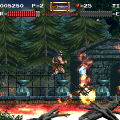
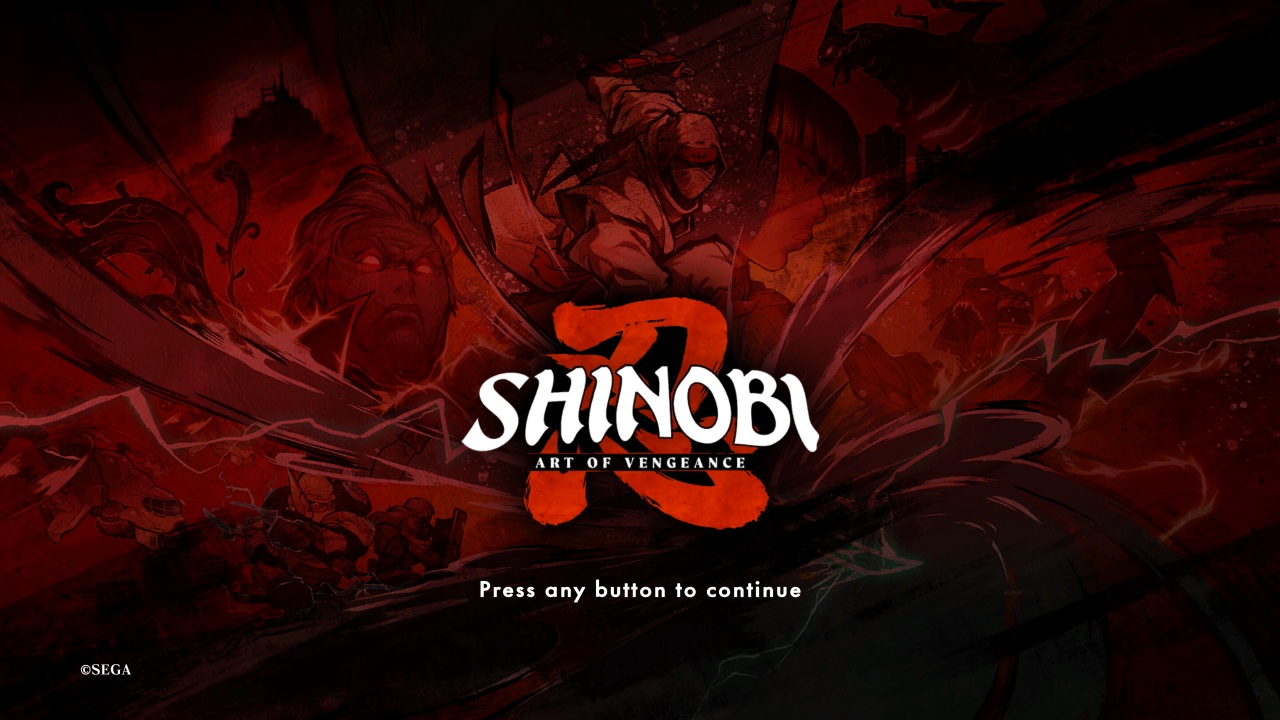
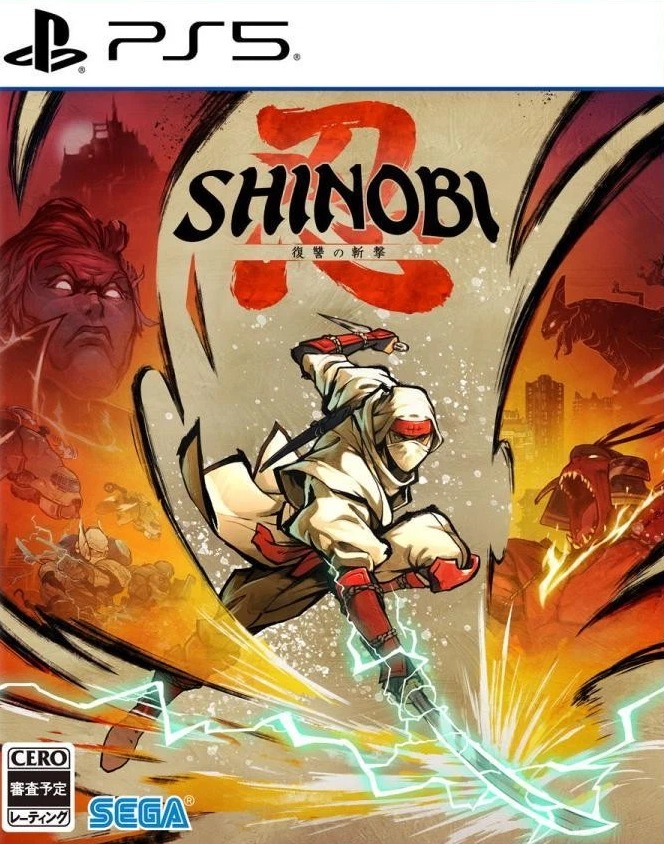
Since 2017, Lizardcube has become one of the go-to companies for retro Sega properties – first with the Wonder Boy: The Dragon’s Trap Remake, and then with 2020’s Streets of Rage 4. After these successes, they were granted the keys to the Shinobi franchise with 2025’s Shinobi: Art of Vengeance, the first entry in the series since Shinobi on the 3DS fourteen years prior. (It should be noted that Streets of Rage 4 was co-developed with Guard Crush Games, who were not involved with Shinobi, as instead they developed the roguelike beat-em-up Absolum released around the same time.)
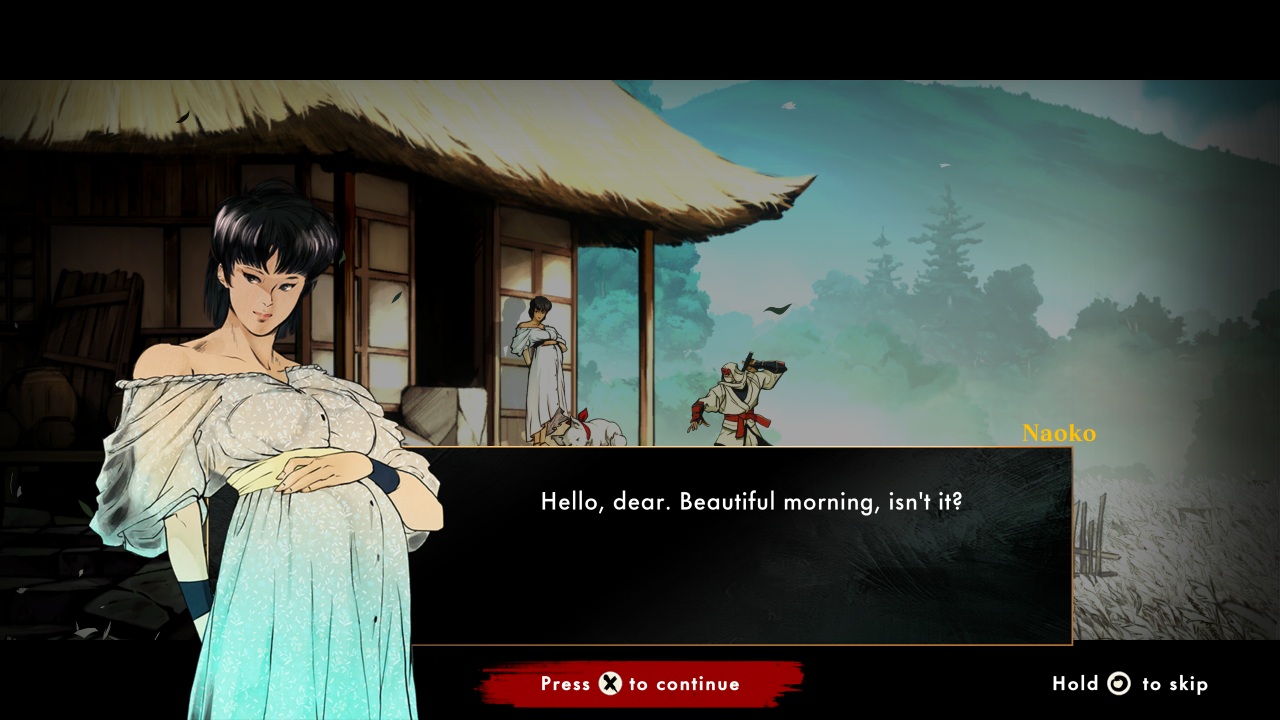
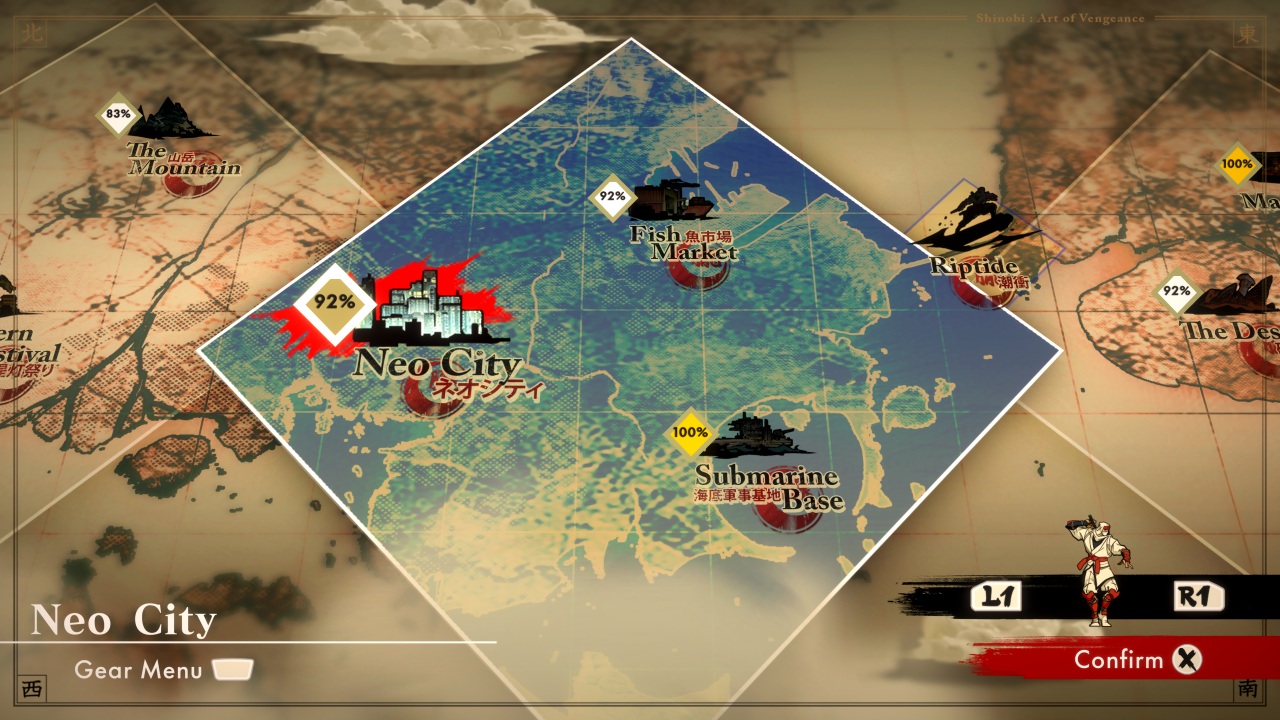
The game begins with the attack on the Musashi clan, led by Ruse, the leader of the villainous ENE Corp who’s also stolen the power of death to make him even more evil than the typical video game villain. Joe’s journey is aided by a few other characters who appear in mid-level cutscenes, including the excitable prodigy Tomoe, the rebel leader Chiyo, and the literal grim reaper, the Ankou. Joe’s wife Naoko also makes her first in-game appearance since being kidnapped at the end of The Revenge of Shinobi, though here she’s far too pregnant to engage in any ninja action. Once you’ve completed the first mission, the game opens to a map screen, allowing you to pick between a few stages that must all be conquered before you can move to the next group. There are fourteen stages altogether, including a couple of bonus stages and the final battle.
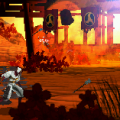
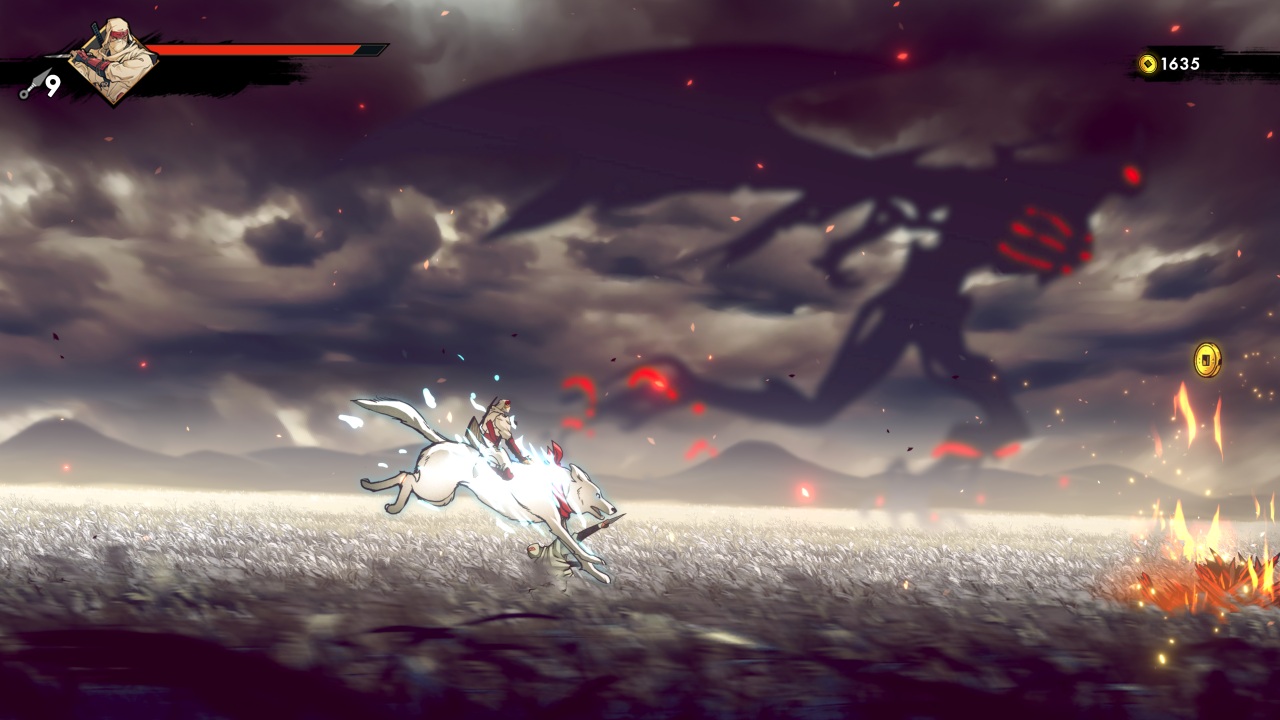
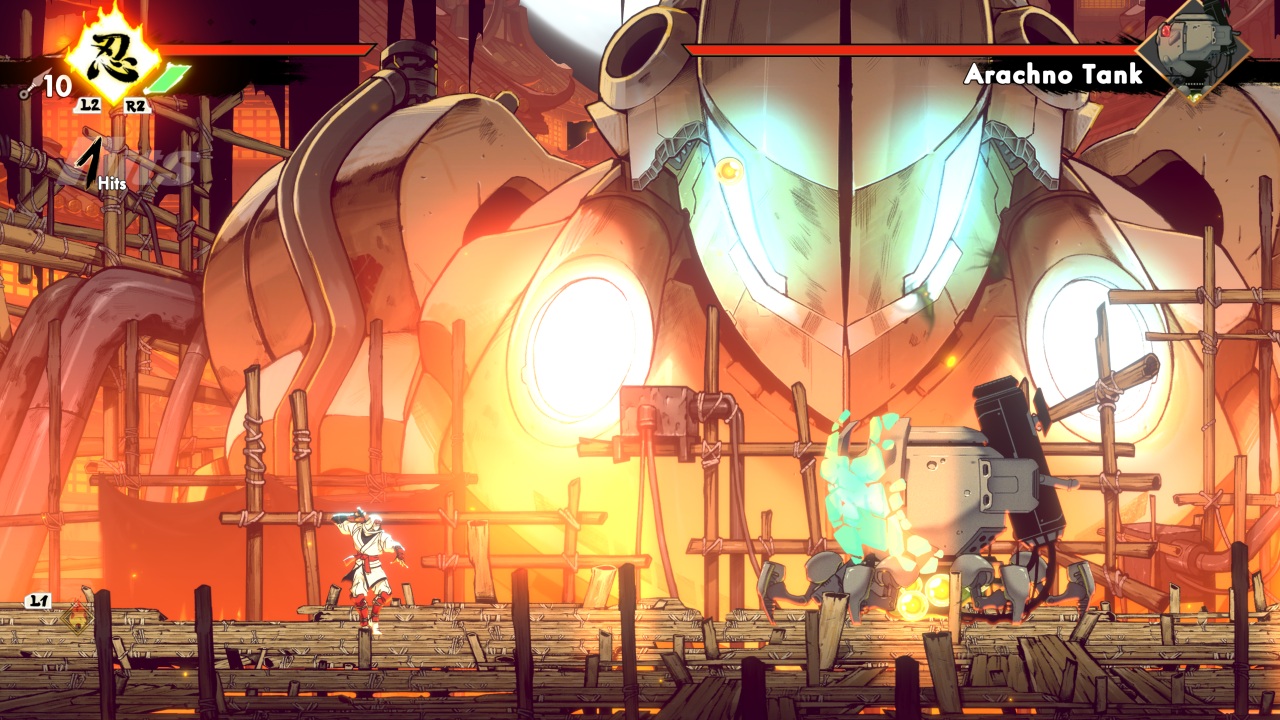
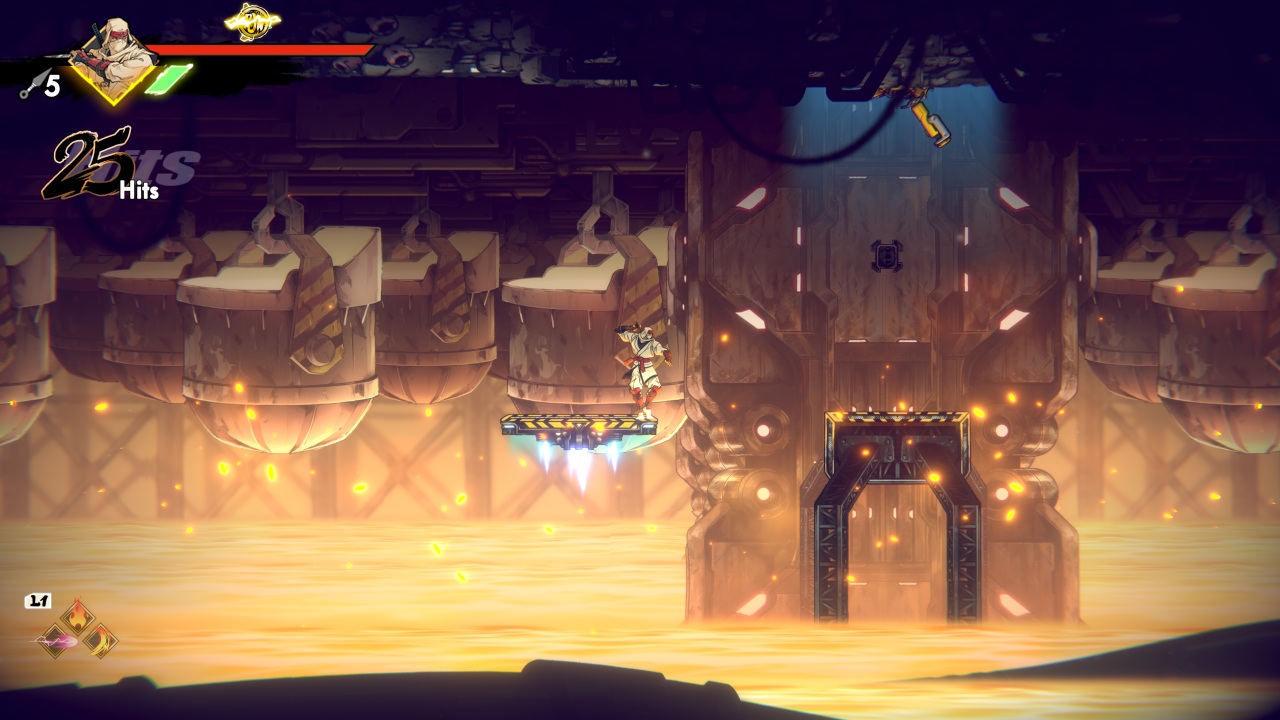
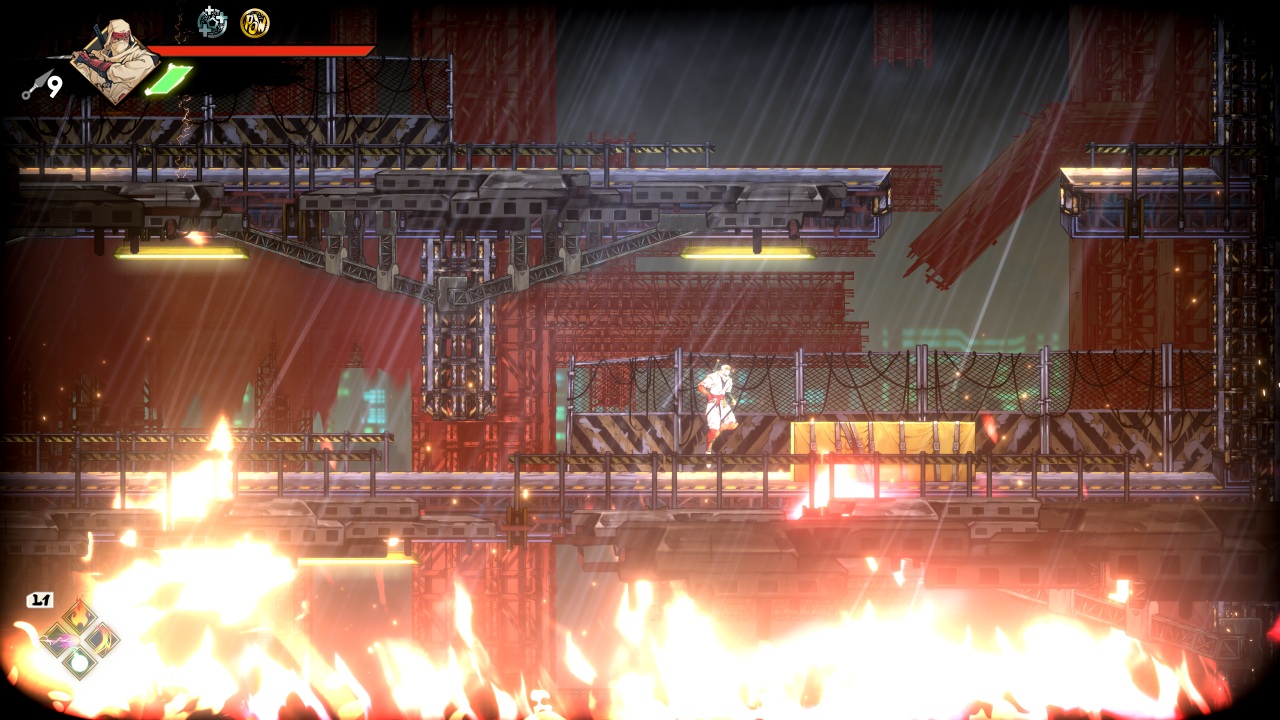
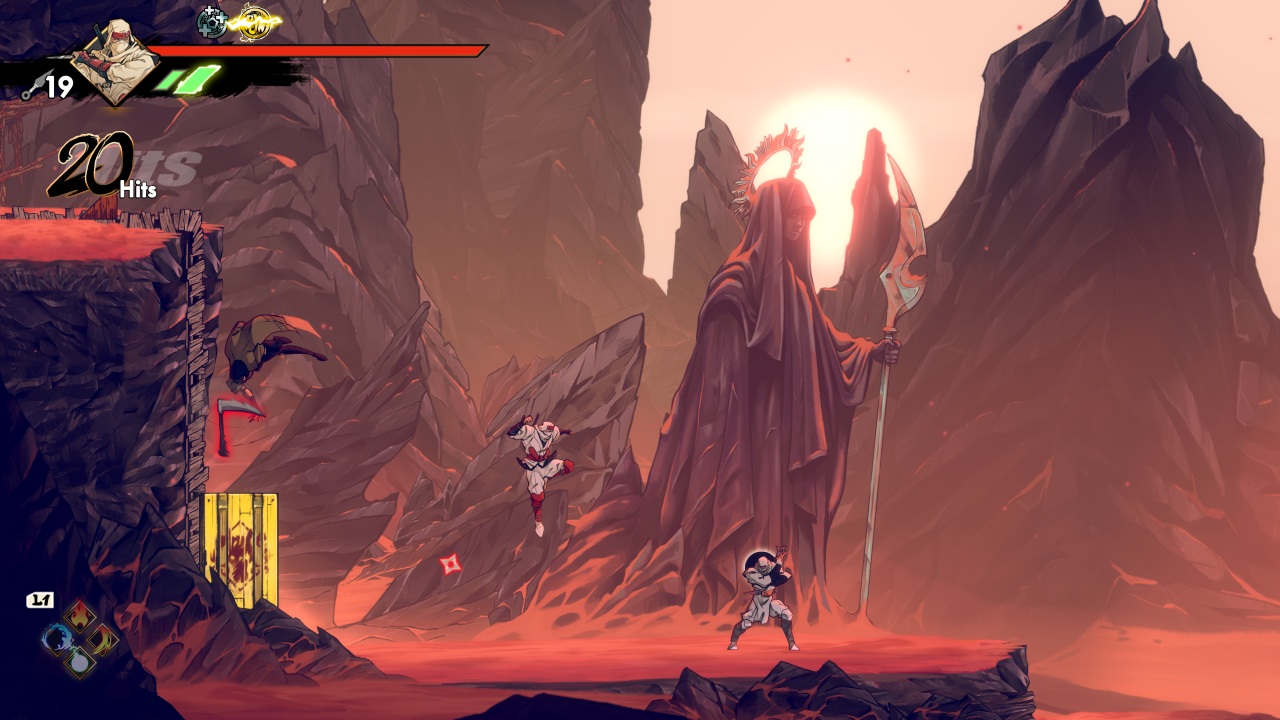
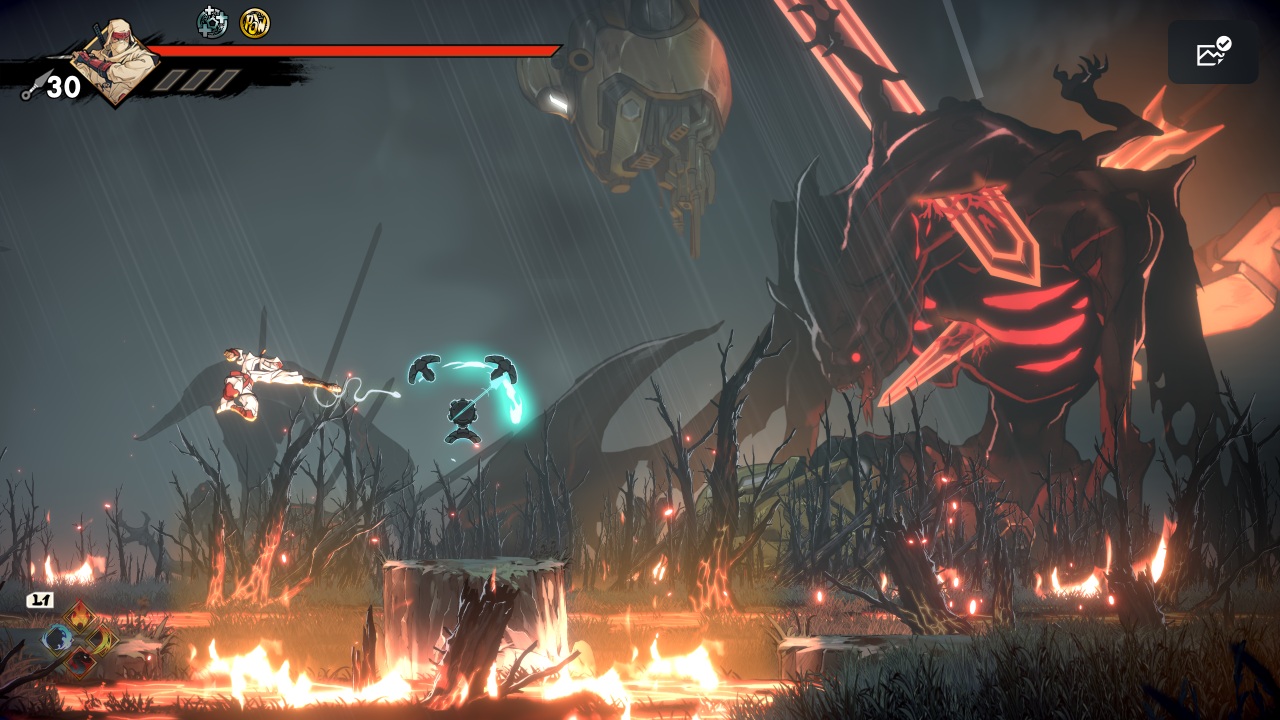
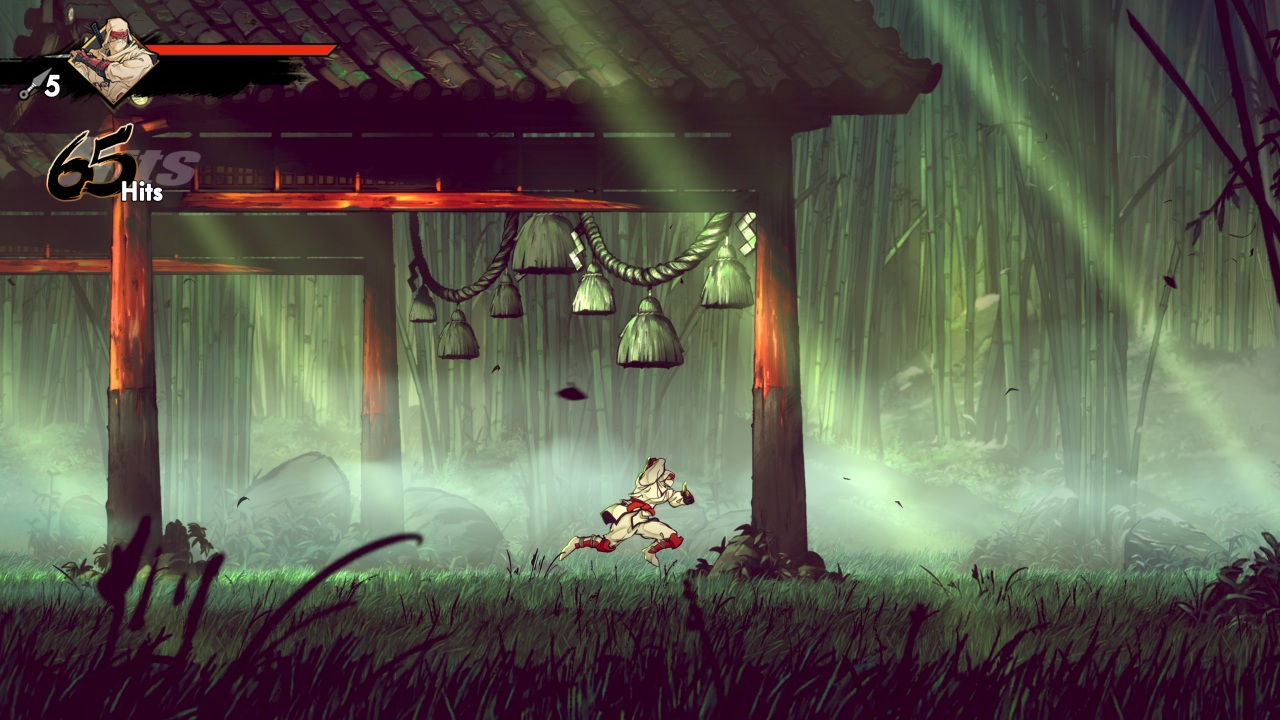
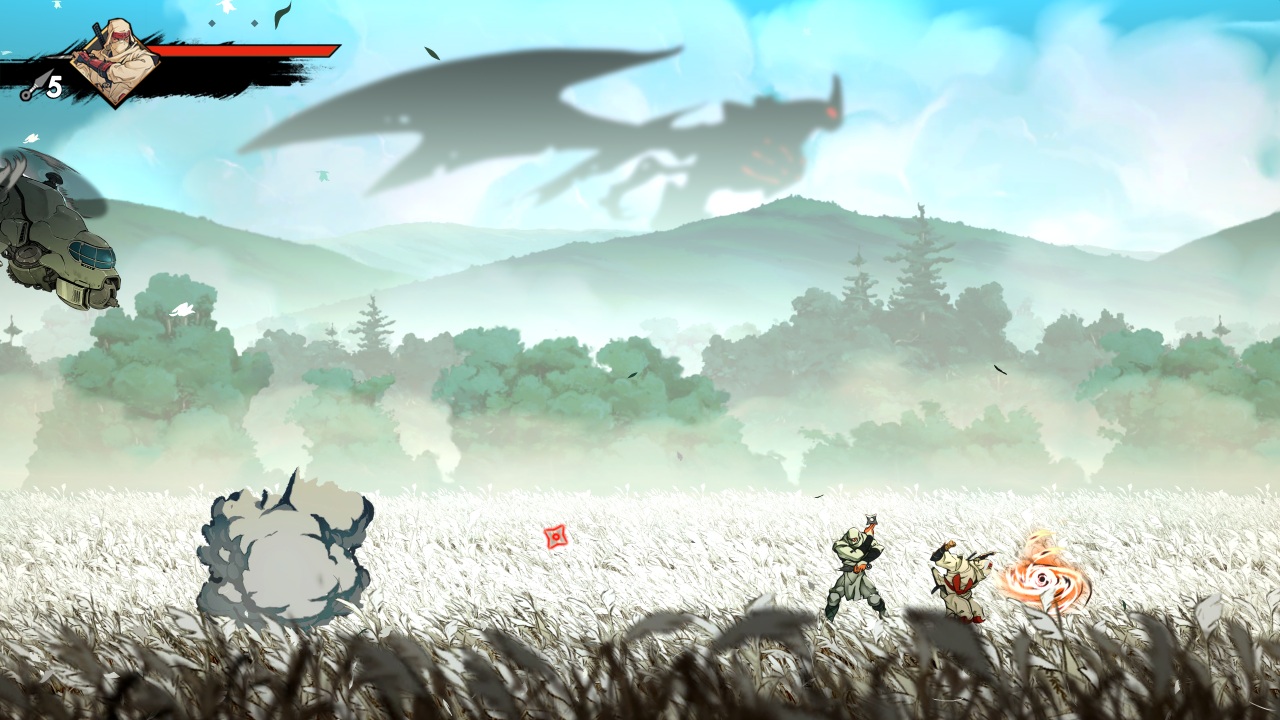
The biggest draw of Lizardcube’s games has been their absolutely brilliant high res 2D artwork, and Shinobi: Art of Vengeance continues to impress. The smoothly animated sprites look like a comic book in motion, but it’s the backgrounds that look truly stunning. Shinobi III for the Genesis was a showcase for some fantastic parallax scrolling, and Art of Vengeance carries on that legacy with expansive environments that show incredible depth and detail despite being completely 2D. The very first level is a showcase, taking place against the grassy fields of the Musashi estate, with layers upon layers of grass against the mountains on the horizon. And then far in the background, an enormous monster rampages through the scenery, far away from the action but still making a terrifying impression. The camera often zooms out to show a wide view of the action, but this also means that you rarely get to admire the detail in the sprites, especially compared to the large characters from Lizardcube’s previous games.
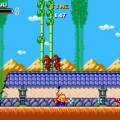
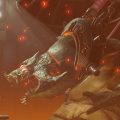
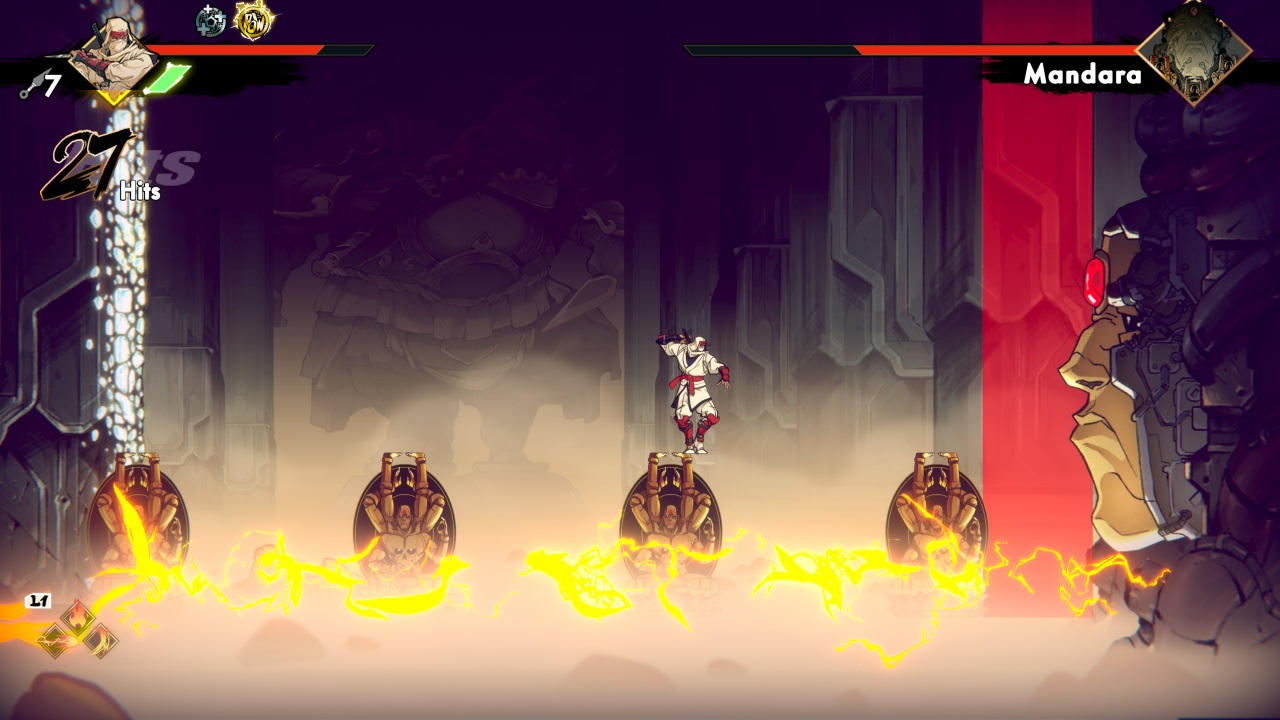
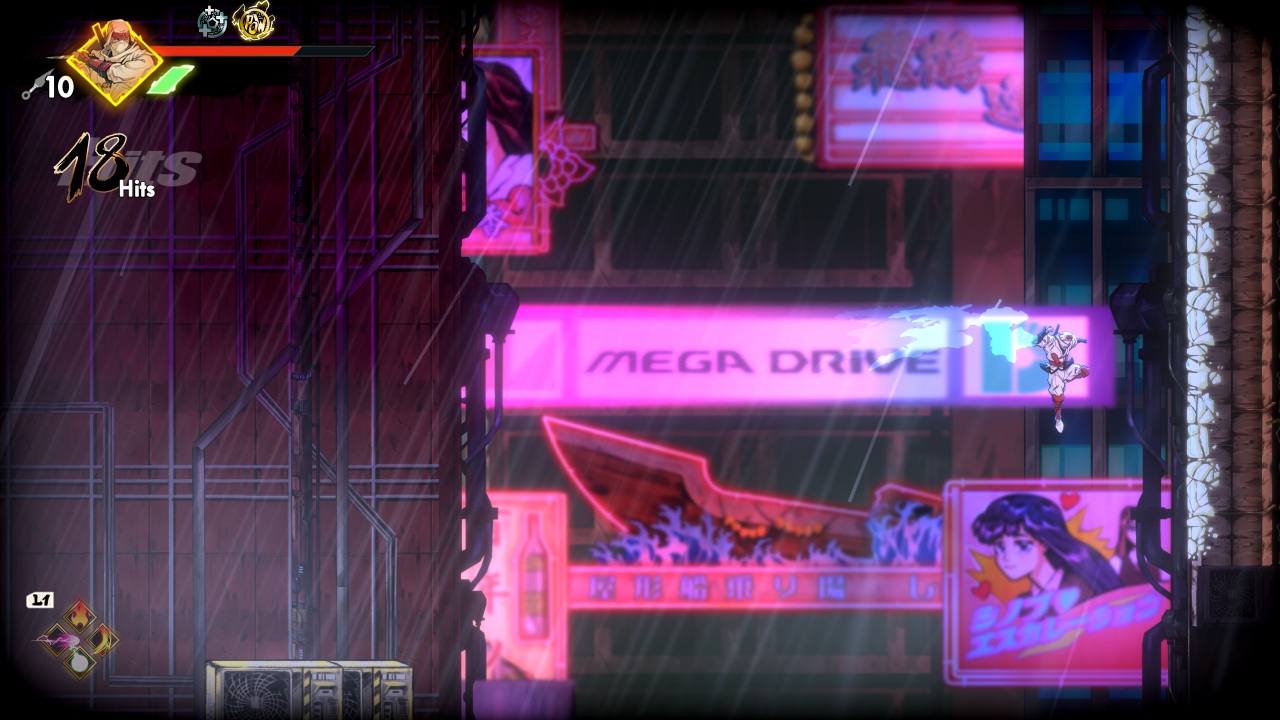
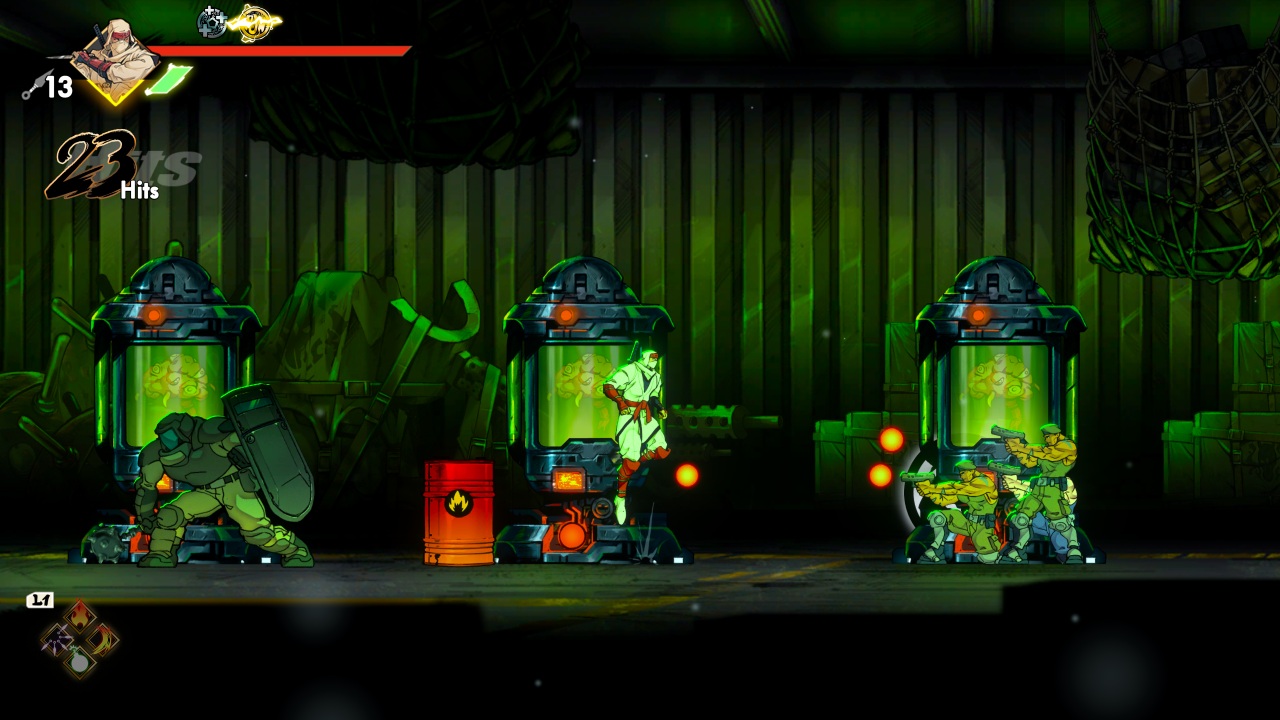
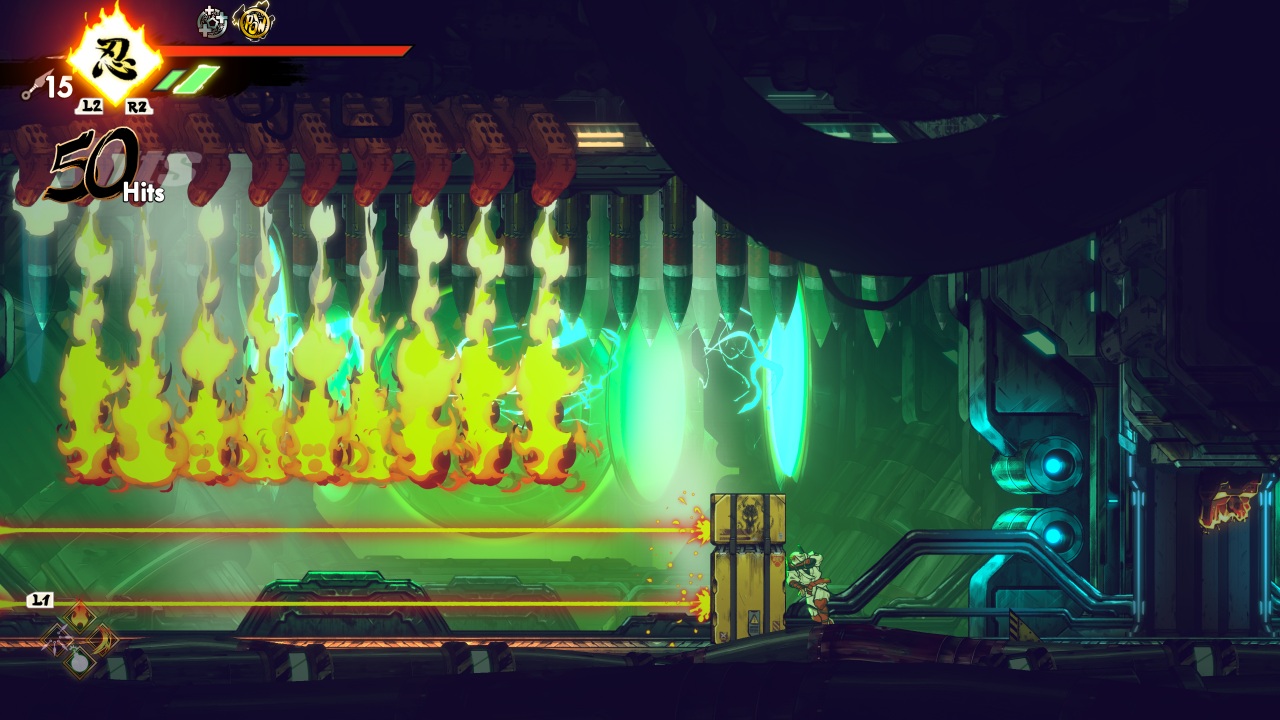
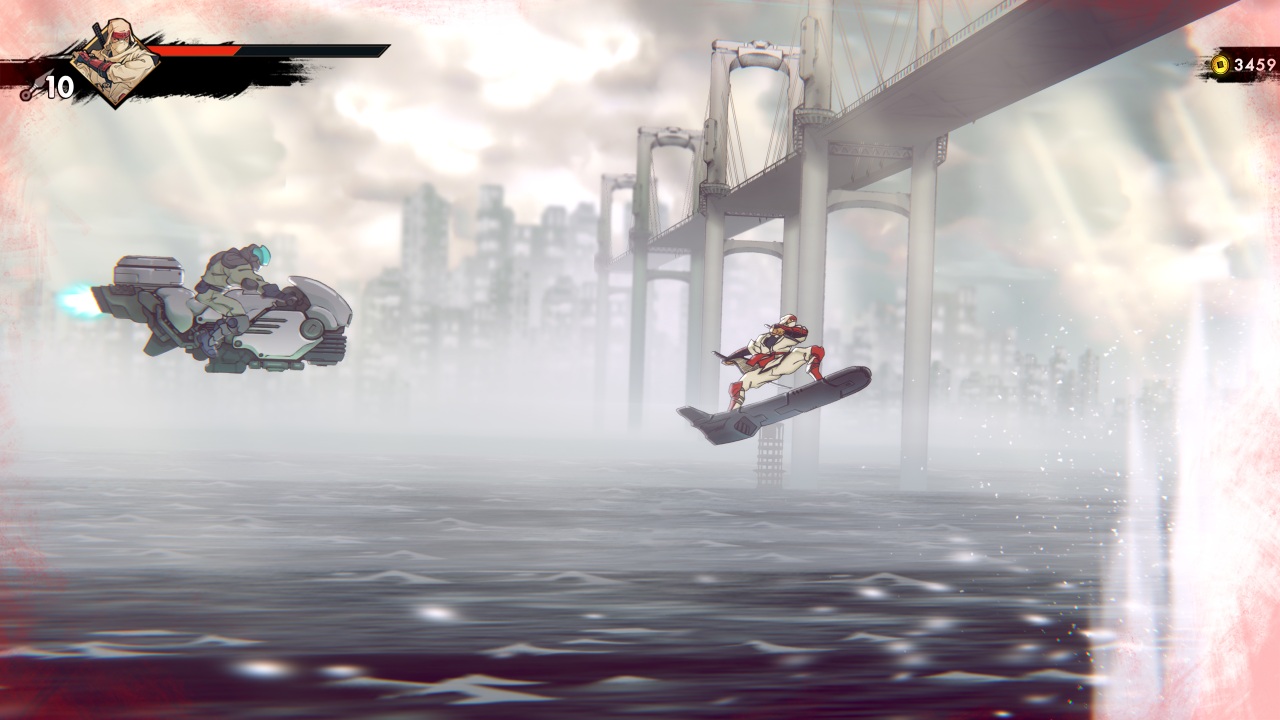
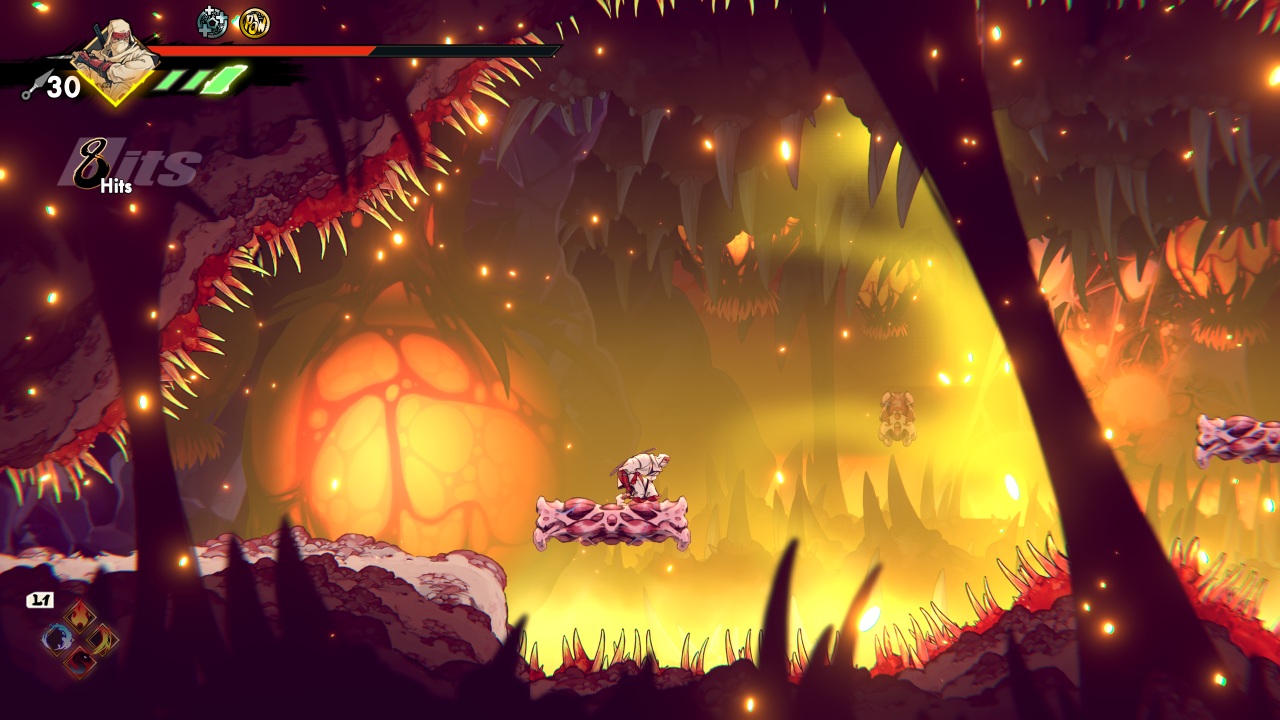
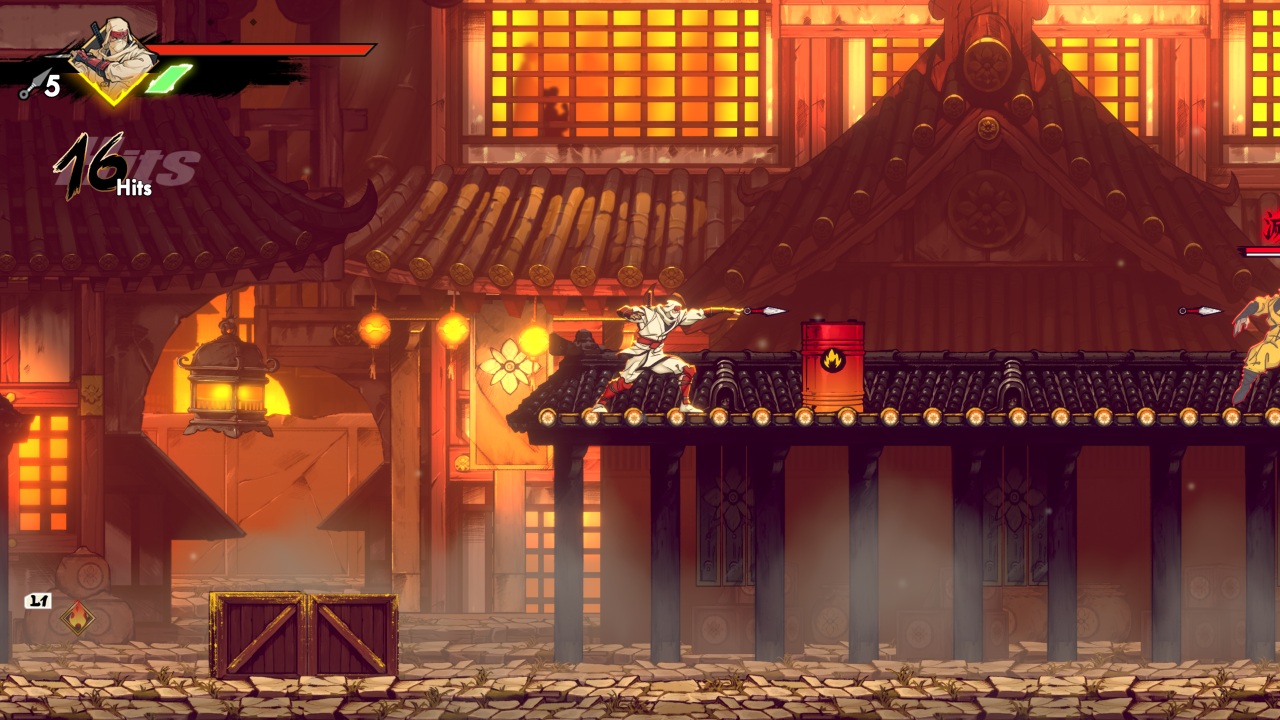
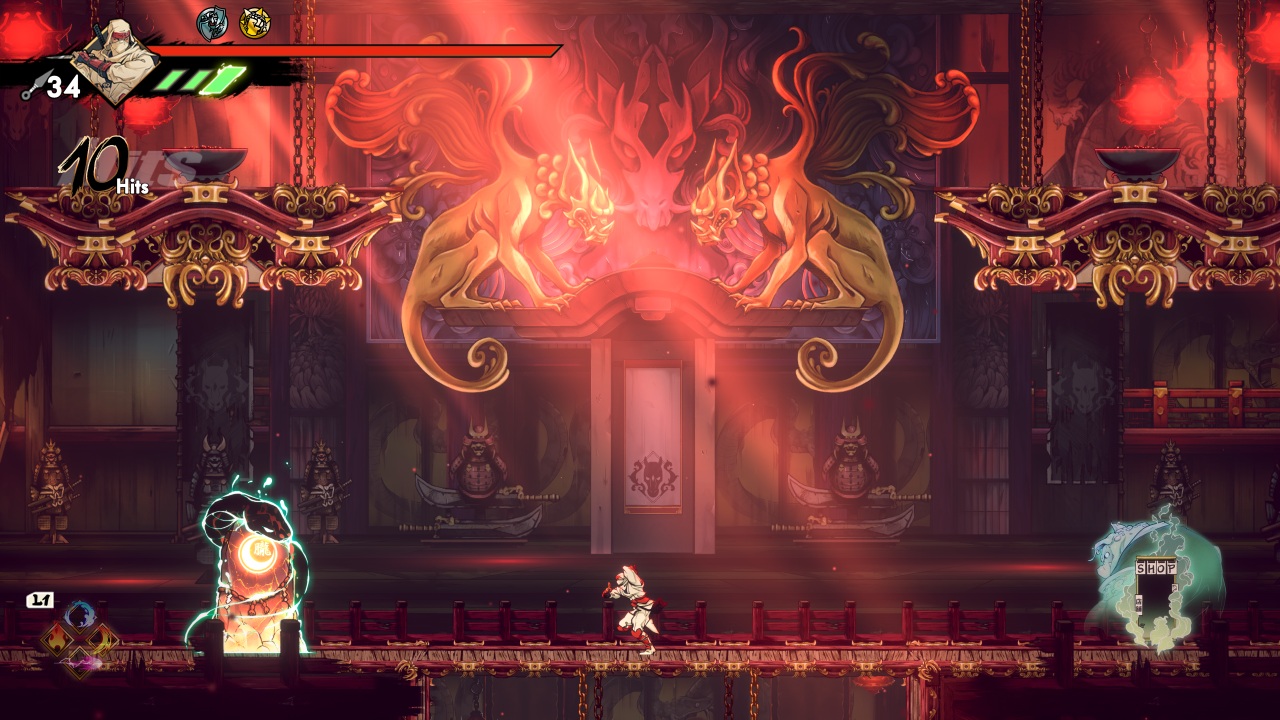
Most of the other levels are based on themes from Revenge of Shinobi and Shinobi III, combining elements of classical Japanese buildings, modern urban environments, and futuristic bio-horror. You’ll fight through a lantern festival in Japanese village, as fireworks go off in the background; you’ll explore the buildings of the neon-soaked Neo City (and save children that look right out of the original Shinobi); you’ll visit the docks of a fish market (keep an eye out for a cameo from Shenmue’s Ryo Hazuki and his forklift); and there are plenty of underground bases where terrifying experiments come to life to try to murder you. You even get to meet Mandara again, the spinning statue boss from the original Shinobi arcade game, who’s none too happy about the state you left him in. The DLC Villains stage brings together characters from other Sega games, like Dr. Eggman from Sonic the Hedgehog, Death Adder from Golden Axe, and Goro Majima from Yakuza/Like a Dragon. Near the end of the game, you finally fight that enormous monster you see right at the beginning. But the heroes admit that it’s way too big to attack head on, so the only solution is enter its body, with the stage consisting of its head, lungs, and stomachs, until you reach the enormous cannon lodged in its belly. The bonus stages pay homage to classic Shinobi III stages, one where you ride through fields while dodging ninjas (though riding a large dog rather than a horse) and another as you surf on a river next to a city. The levels have regular checkpoints, allowing you to refill your health and kunai, and acting as respawn points, plus you can instantly teleport between them. Combat encounters and puzzles also stay completed once you beat them, even after death, so replaying the stages is always breezy.
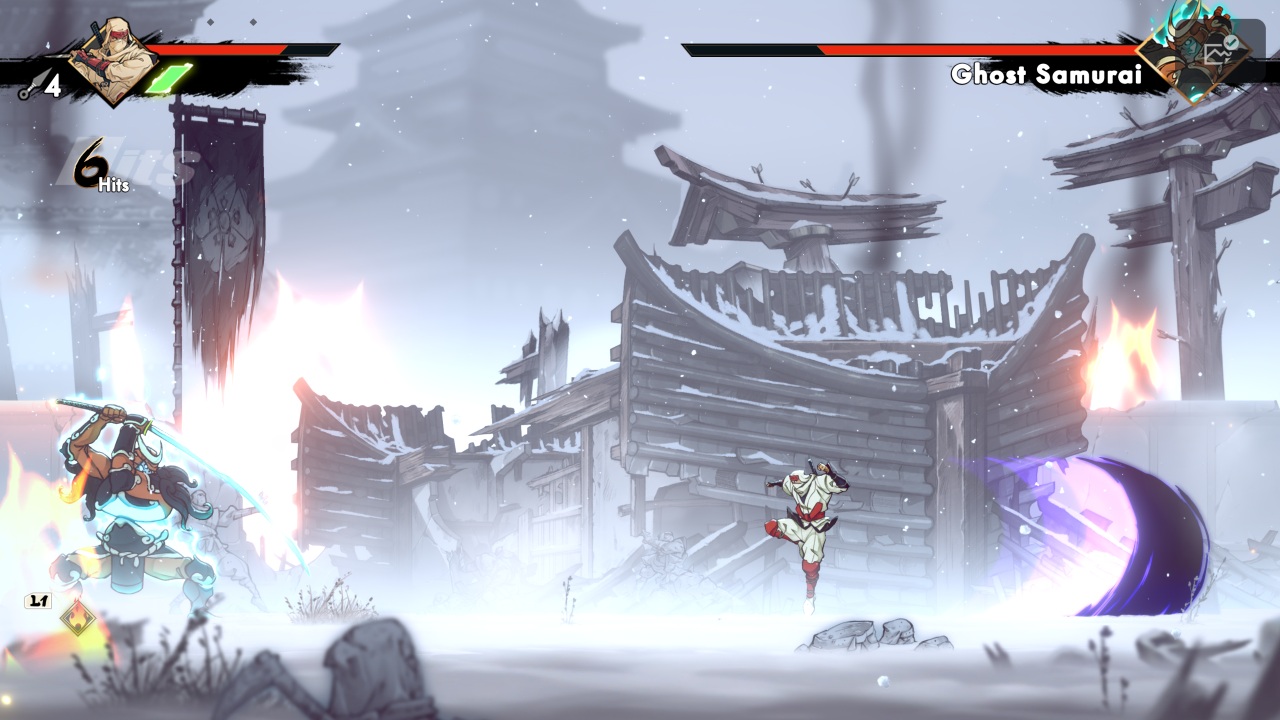
The combat in 2D Shinobi games have rarely been more complicated than “throw a shuriken” or “slash some guys”, but Shinobi: Art of Vengeance imagines conflicts into combo-based encounters with a substantially larger moveset than the 16-bit games. You have both weak and strong sword attacks, which can be strung into various chains, with more unlocked by purchasing items from the store. You also have a limited number of kunai, which are initially capped at five and also expanded as you play. These can be restored by finding them in the levels but they’ll also occasionally be dropped by enemies. Along with these are two tiers of ninja magic. The weaker Ninpo are meant to supplement your main attacks, including flame breaths, counters, bombs, and enormous shurikens. These are managed by Ninpo cells, which also regenerate as you kill enemies. The Ninpo moves are cool but require that hold down a trigger and then use one of the four face buttons to execute, which makes them little clumsy to use. The stronger magic are the ninjutsu familiar to Shinobi veterans – Karyu to damage everything on the screen, Shisui to restore health, Raijin to summon a lightning shield, and Mijin to blow yourself up, greatly damaging everything but almost mortally wounded Joe in the process. The rage meter for this also regenerates as you kill things, though more slowly, and you can only store one stock at a time.
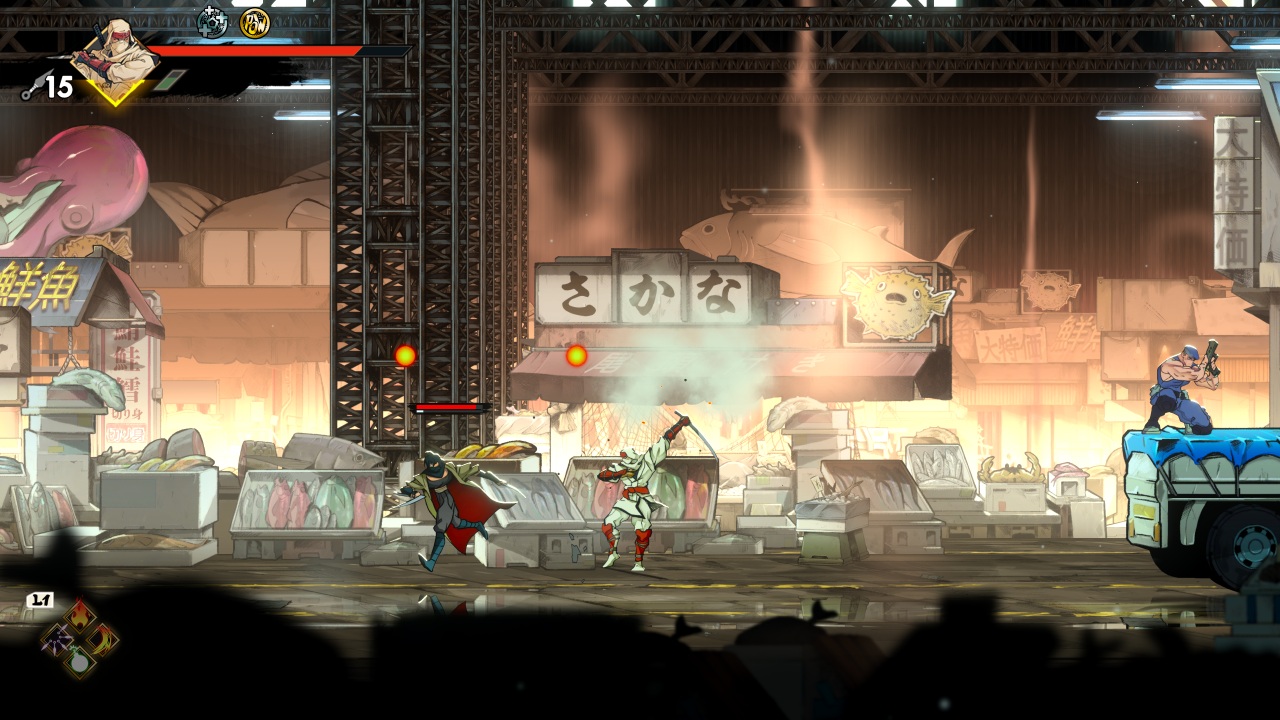
Joe’s acrobatic moveset is based on Shinobi III, but also greatly expanded. You can run and double jump, but also have a dodge roll as well as a mid-air dash. You’ll need to combine both strength and agility to master the combat system, with enemy encounters often sending a few different kinds of enemies to deal with simultaneously. Again, some of these are old Shinobi standbys, like the guy with the boomerang shield (who hails back from the very first arcade game), and the Shinobi III animated suits of armor, who attack with enormous swords and dark magic. Other enemies include snipers that attack from a distance, archers that attack with bolts of lightning, enormous ogres, electricity wielding robots, and even healers that restore enemy health. Sometimes you’ll also have to deal with armored foes, who won’t be hitstunned until you’ve taken down their defenses. Certain moves are obviously better for destroying armor than others. Unlike Shinobi III, there’s no block button, emphasizing the need for dodging, though there is a counterattack ninpo ability.
Along with their health and shield meters, most enemies also have an execution gauge, which builds up as they take damage. If it fills before they die, then a kanji appears above their head, marking them vulnerable to an execution move. By holding one of the triggers and pressing the attack button, the action will briefly freeze as Joe instantly dashes across the screen and carves them to bits. Not only does this look cool as hell, but it also drops more health/gold/kunai, so you should be aiming to pull this off as often as possible. Certain attacks, especially kunai, also fill the execution gauge quicker, so you’re encouraged to bring them into your combo attacks.
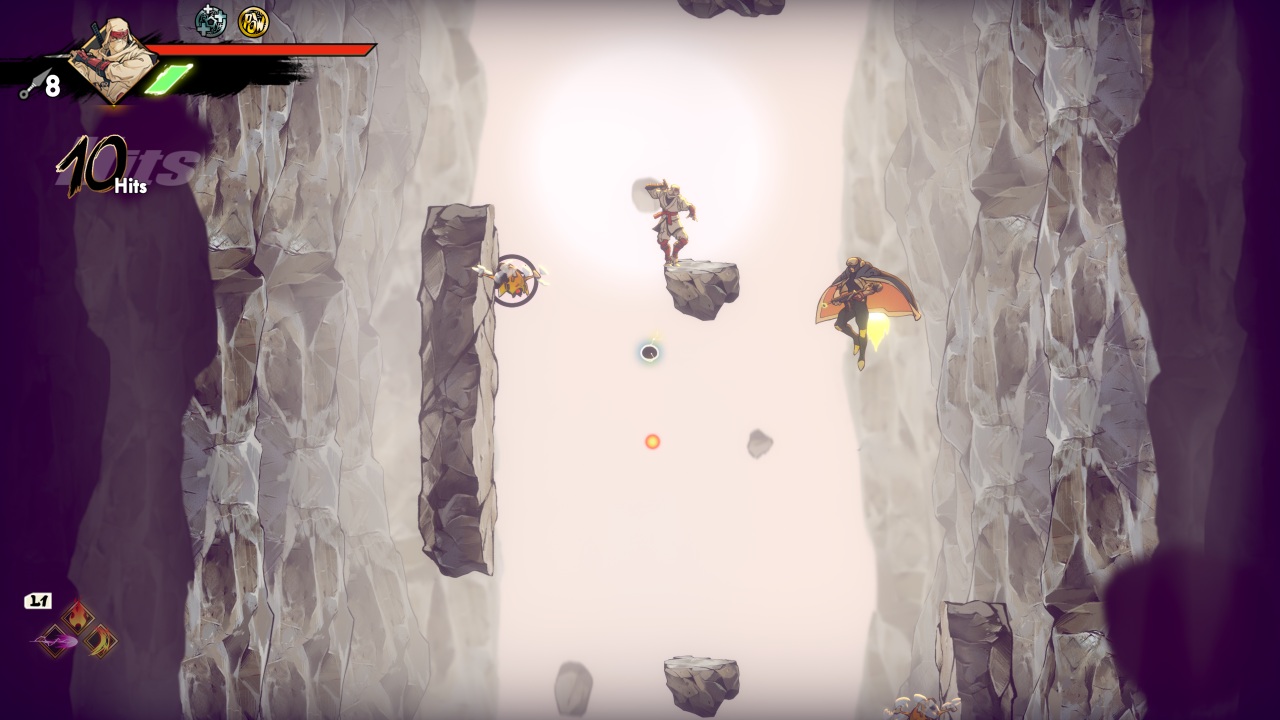
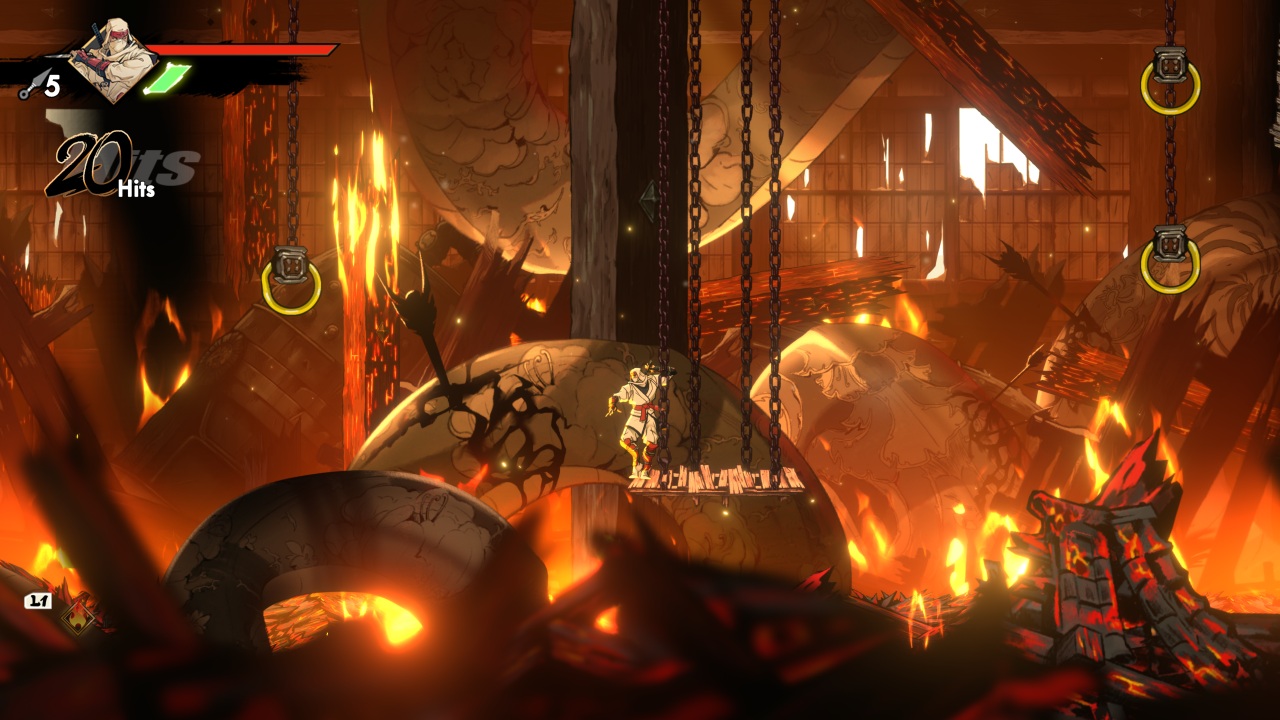
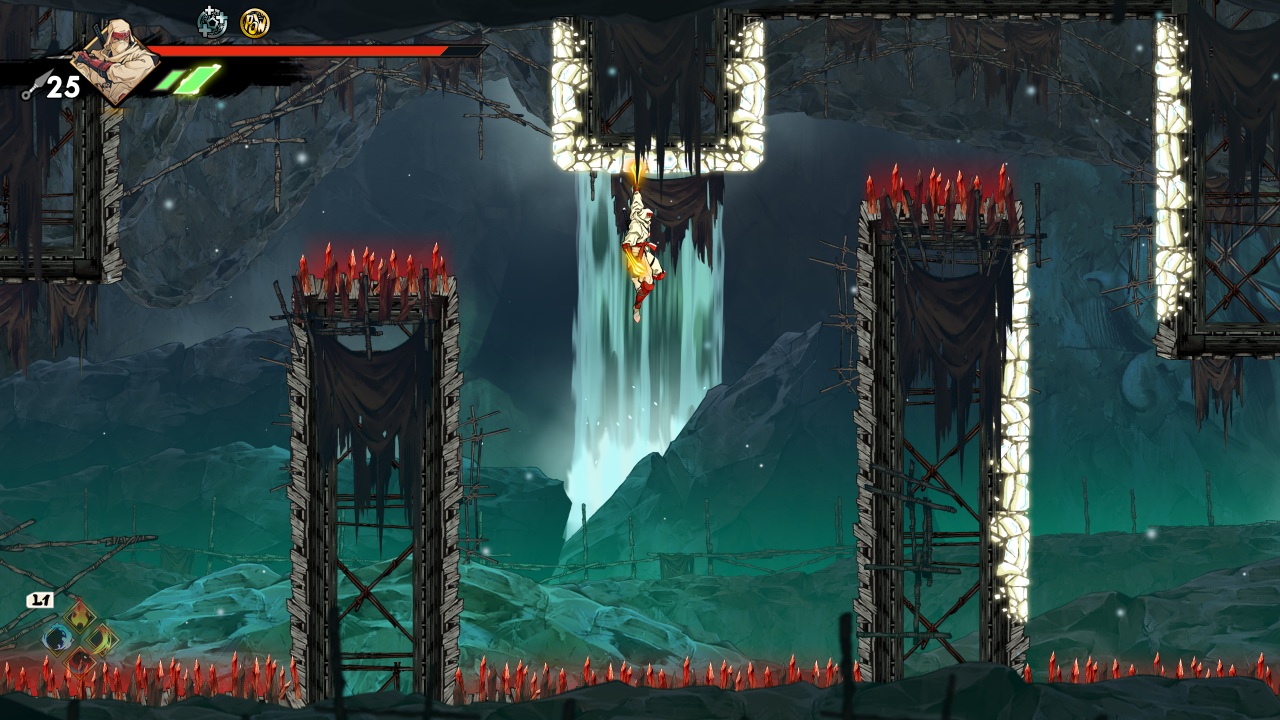
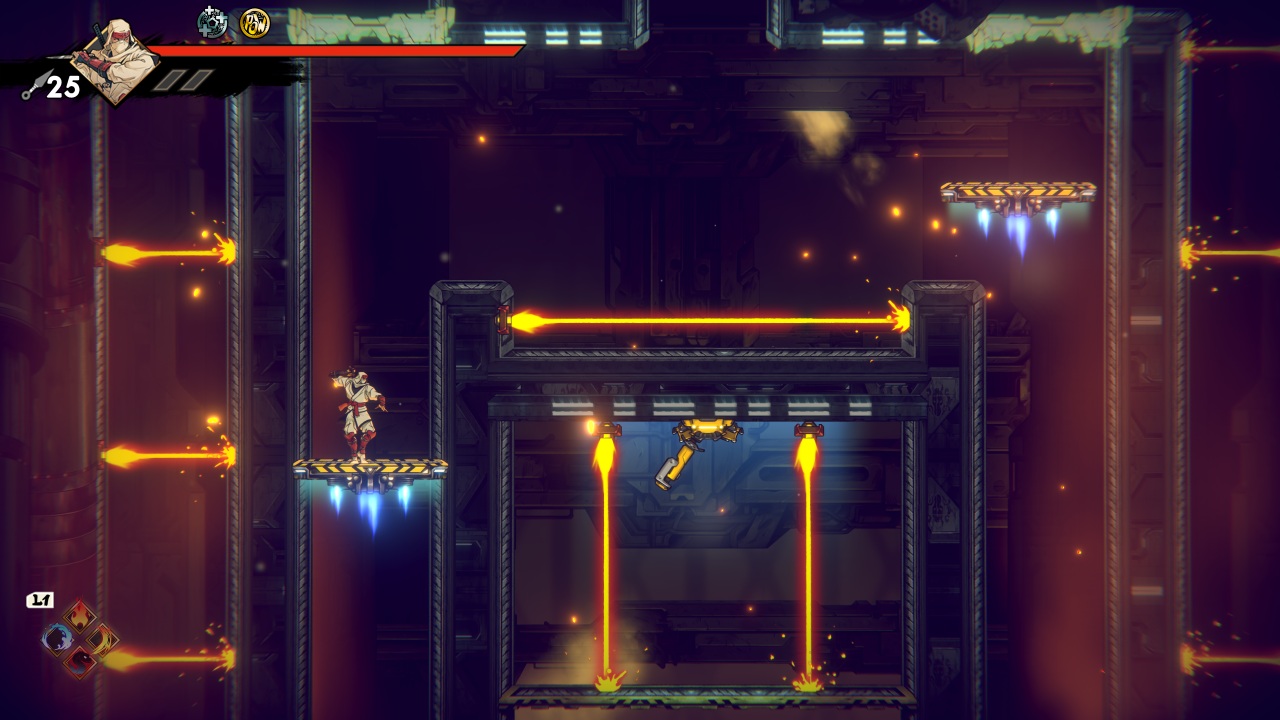
The first time you go through a stage, it’s fairly linear, with some occasional hidden items to find. But as you progress through the game, you’ll unlock new abilities, allowing you to revisit previously completed stages and find new items. You’ll find two attacks that let you destroy two types of barriers, along with a grappling hook to rappel along grapple points and a glider that lets you ride wind gusts. Not only are these used to access certain areas, but you’ll also have to deal with several platforming challenges that require the use of all of your skills as you weave through tight caves of spikes or jump between falling platforms, much like stages in the Genesis Shinobi games. Some of these become absolutely brutal by the game’s end, sometimes requiring up to a minute of continuous gymnastics, with a single error requiring that you restart. Getting hit by spikes or falling will typically respawn you at the beginning of the challenge with a small health penalty, but you’ll probably need to play these several times to get the rhythm down. These segments are far, far more challenging than any combat or boss encounters.
Each enormous stage also holds several secrets and optional items to find. The Oboro symbols unlock new items and abilities at the shop, while the Amulets let you strengthen certain things, like granting bonuses when attacking. Each stage has three Elite Squad encounters, optional enemy gauntlets that give a special item if you find and defeat all of them in a level. Each level also has an Ankou Rift, which take place in ethereal realms with floating bits of scenery and include some of the most brutal platforming challenges in the game. Completing all of these will grant the Dark Katana, which is slightly more powerful than your main sword. There are also lab keys to find, and collecting all six will allow you to face off against the secret boss, the Shadow Master from Shinobi III.
The music is provided by Tee Lopes (Sonic Mania, TMNT Shredder’s Revenge) along with contributions by Yuzo Koshiro. Each level track has more intense variation when fighting enemies, giving different sounds to exploration and action. It works well in context, but often falls into the background as it’s overwhelmed by sound effects. There are still some excellent songs throughout, particularly the boss battle and the bonus levels tracks, as well as the Ankou Rift themes, one of which sounds like it could come straight out of Streets of Rage. While he doesn’t talk much, Joe’s voice is provided by Sega legend Takenobu Mitsuyoshi (the Daytona USA singer, among many other roles).
The combat system feels fantastic and never stops being exciting, even once you’ve mastered it. And the platforming challenges are often very tough, especially considering Joe’s relatively large hitbox, but they’re also rewarding once you nail them. However, the game occasionally struggles with its metroidvania elements, and sometimes feels a little too expansive. For example, the average level in Shinobi III might take five or ten minutes at max. In contrast, most levels in Art of Vengeance take roughly an hour, and that’s on the first time through, not accounting for backtracking for hidden stuff. And while power-ups like health extensions and ninpo charges are highly desired, most of the optional items just unlock more moves and stuff in the shop, which grows less useful as the game goes on. Some of the amulets are of limited use, since many just improve certain ninpo and you can only equip two at once. It takes about twelve to fifteen hours to find everything and beat the game, which is a decent length for a typical metroidvania, but for an action-focused game like Shinobi, it sometimes feels just a little too long.
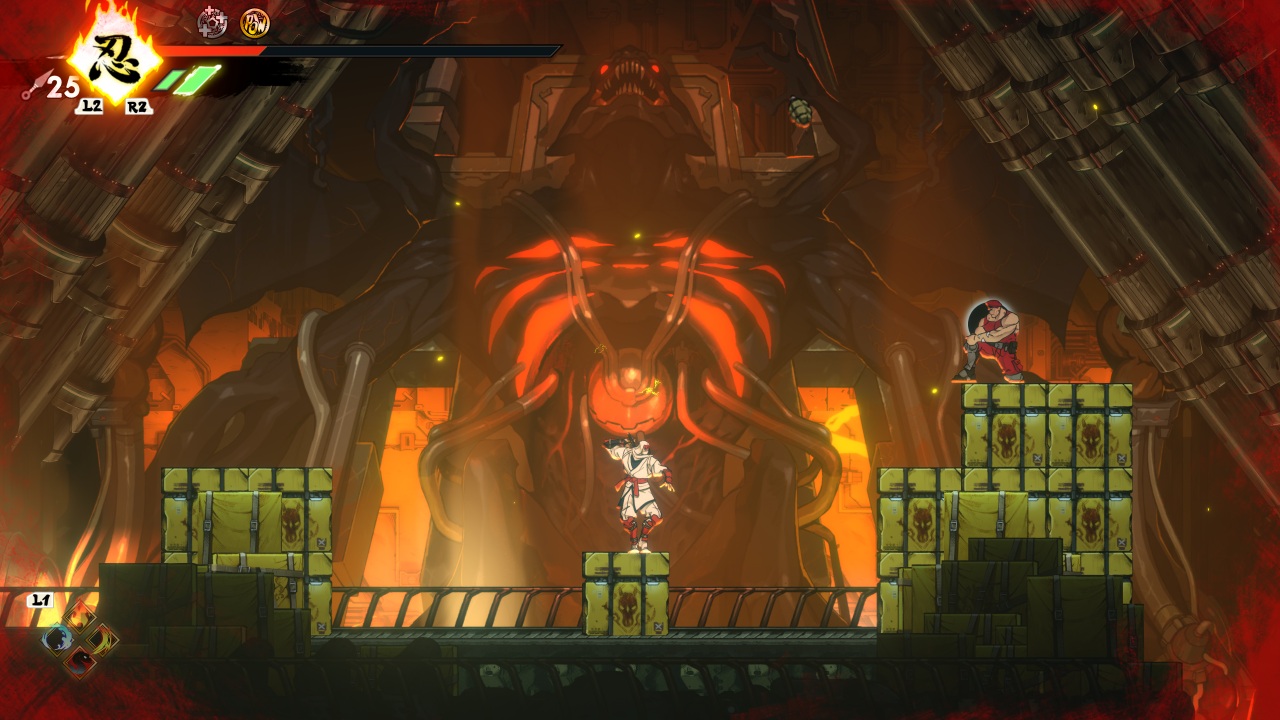
Still, the game drags only infrequently – for much of the adventure, it looks and feels fantastic, with some brilliant combat mechanics, a difficulty level that’s challenging but (mostly) manageable, and some remarkably animated visuals. The Shinobi series has been through plenty of permutations, not all of them successful, but as long as you’re down for its combat metroidvania stylings, then Art of Vengeance is easily the series has been since the 16-bit days.