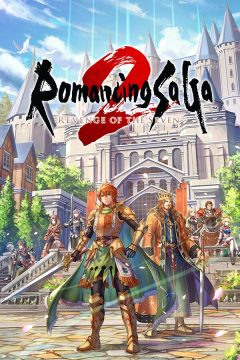
Romancing SaGa 2: Revenge of the Seven was released a mere six months after Emerald Beyond in 2024 and it’s massively different production values and goals are immediately apparent. As a remake, it has the luxury of having the core gameplay and story pre-established allowing it to focus on providing modern game design conveniences in addition to adding literal depth to the game world.
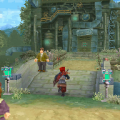
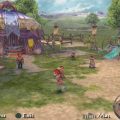
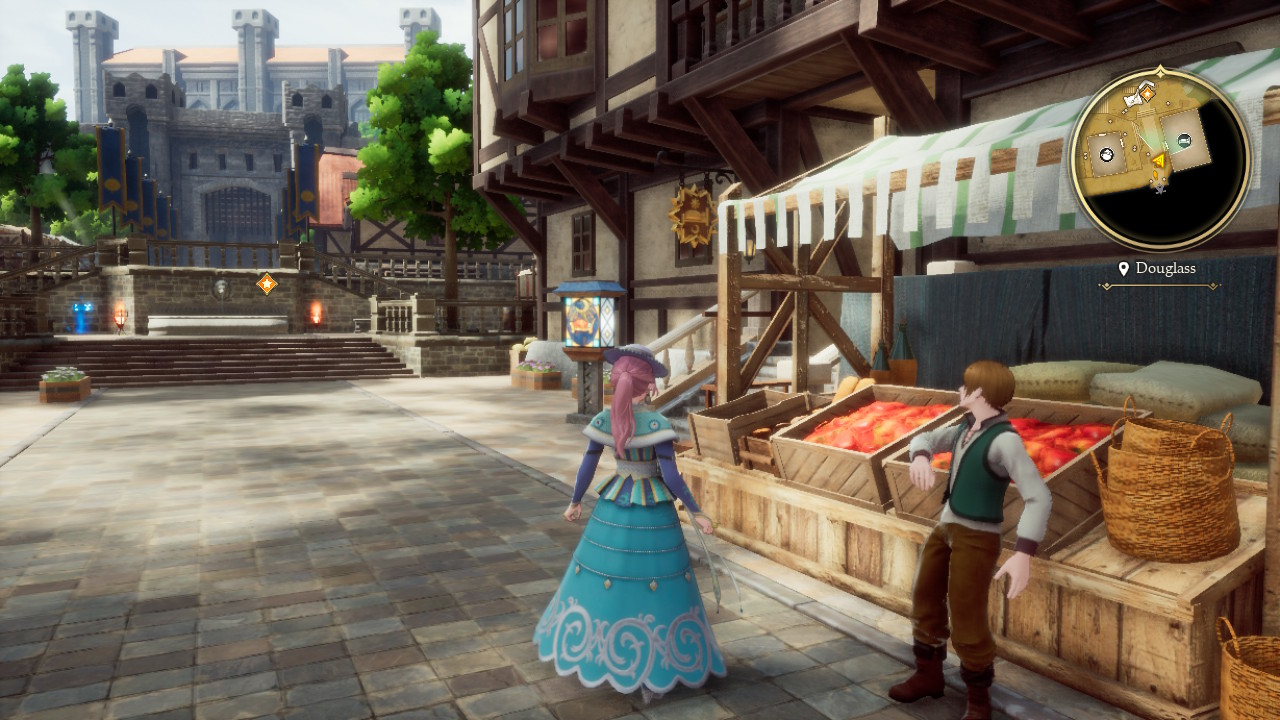
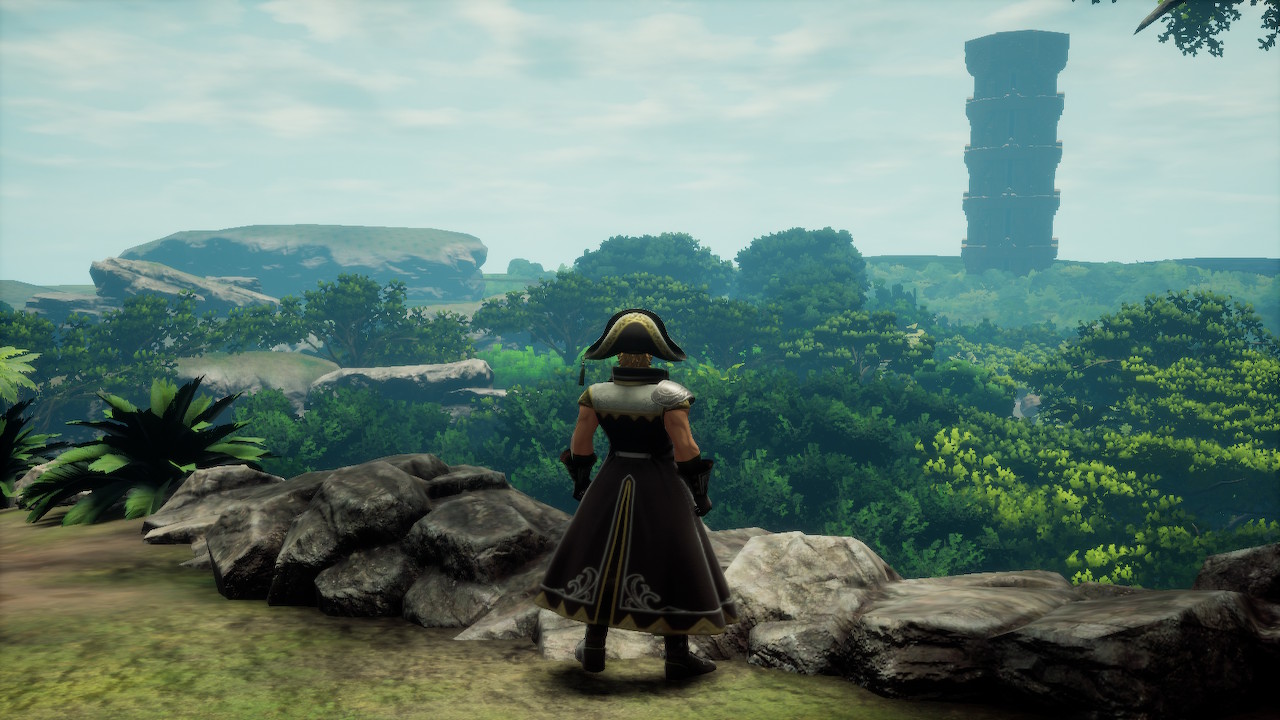
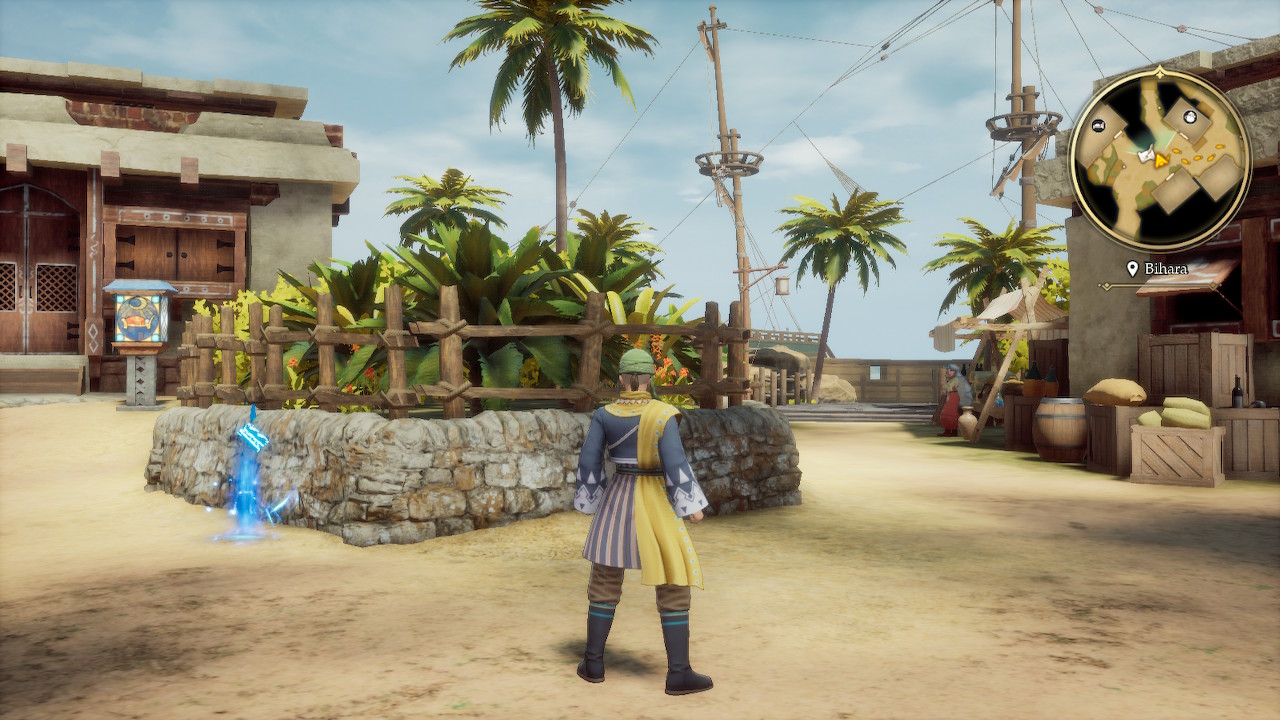
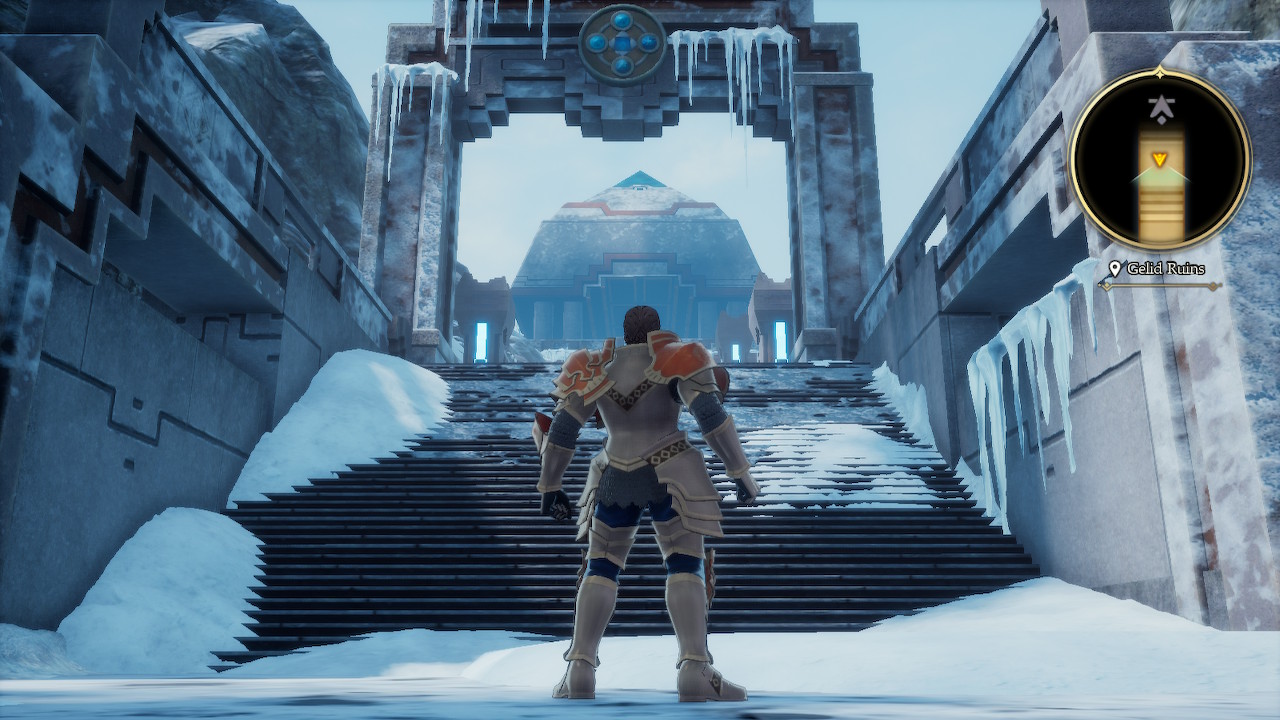
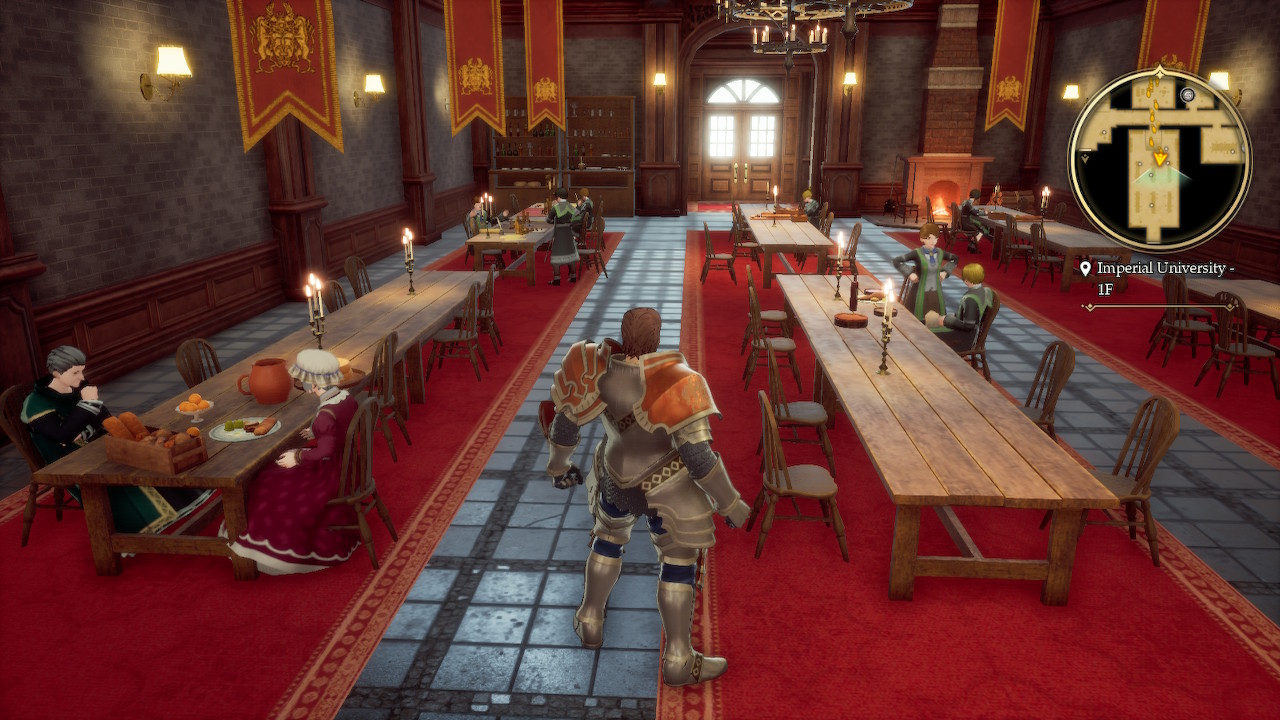
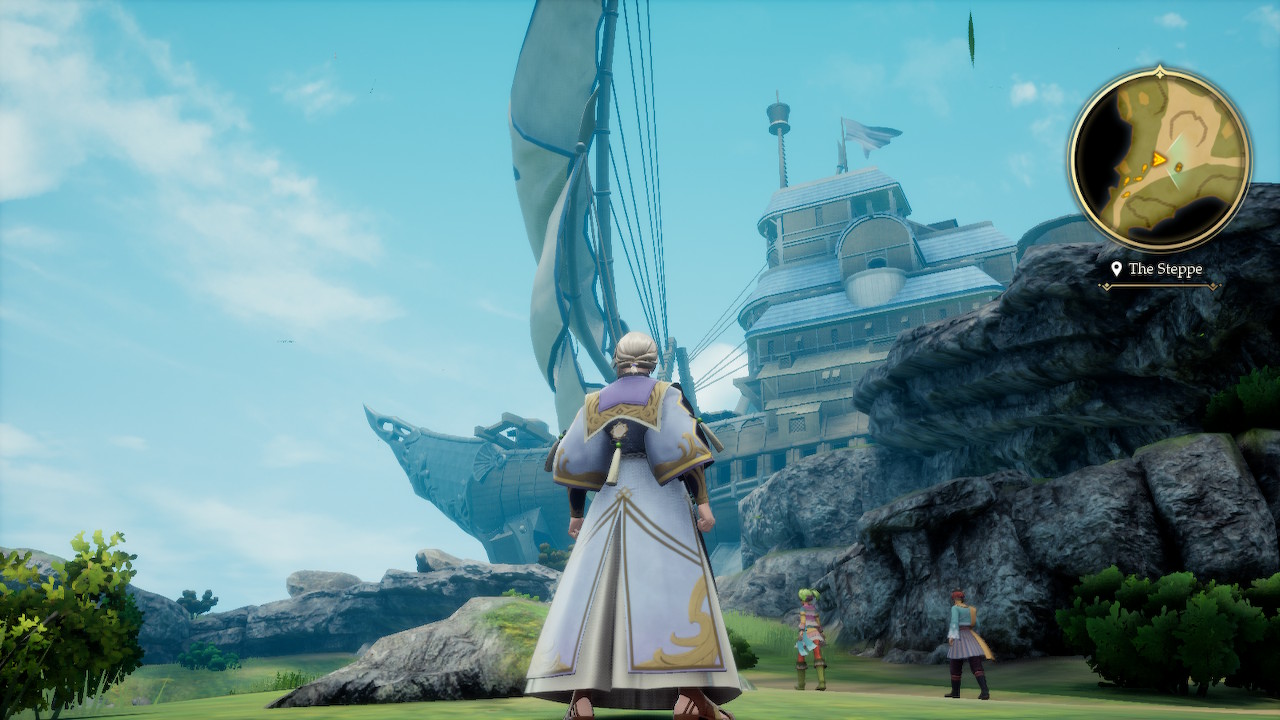
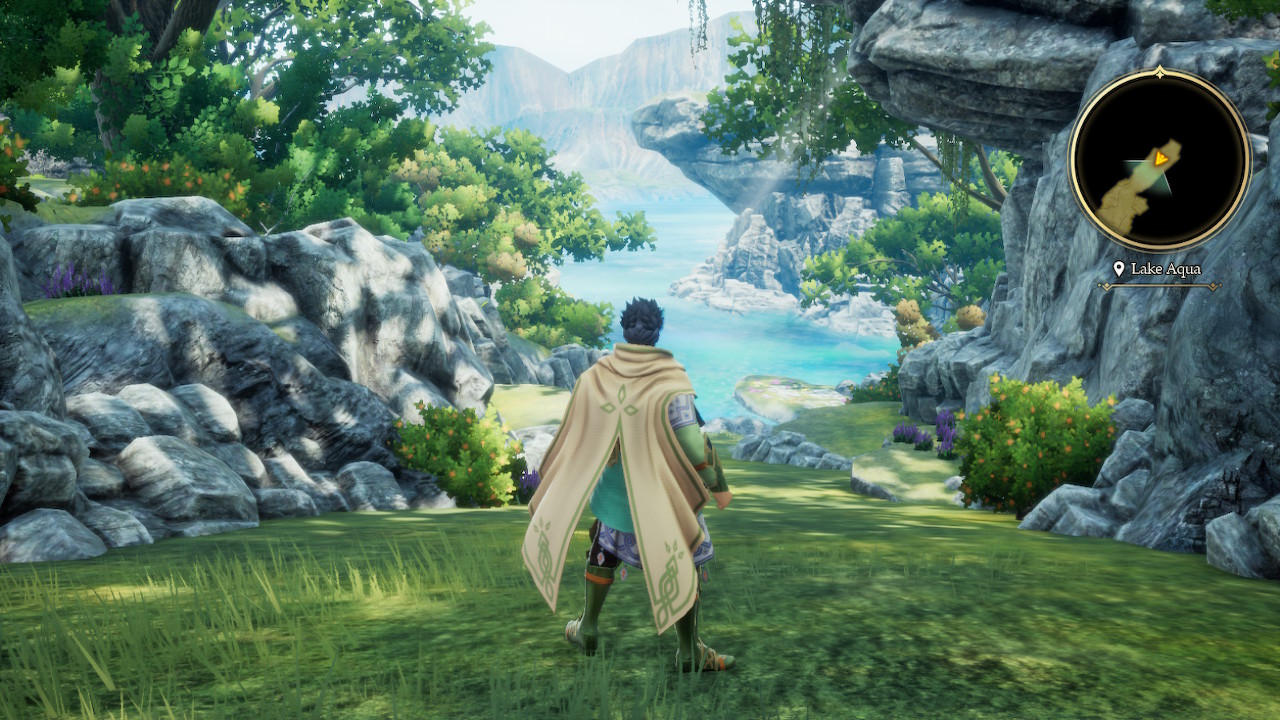
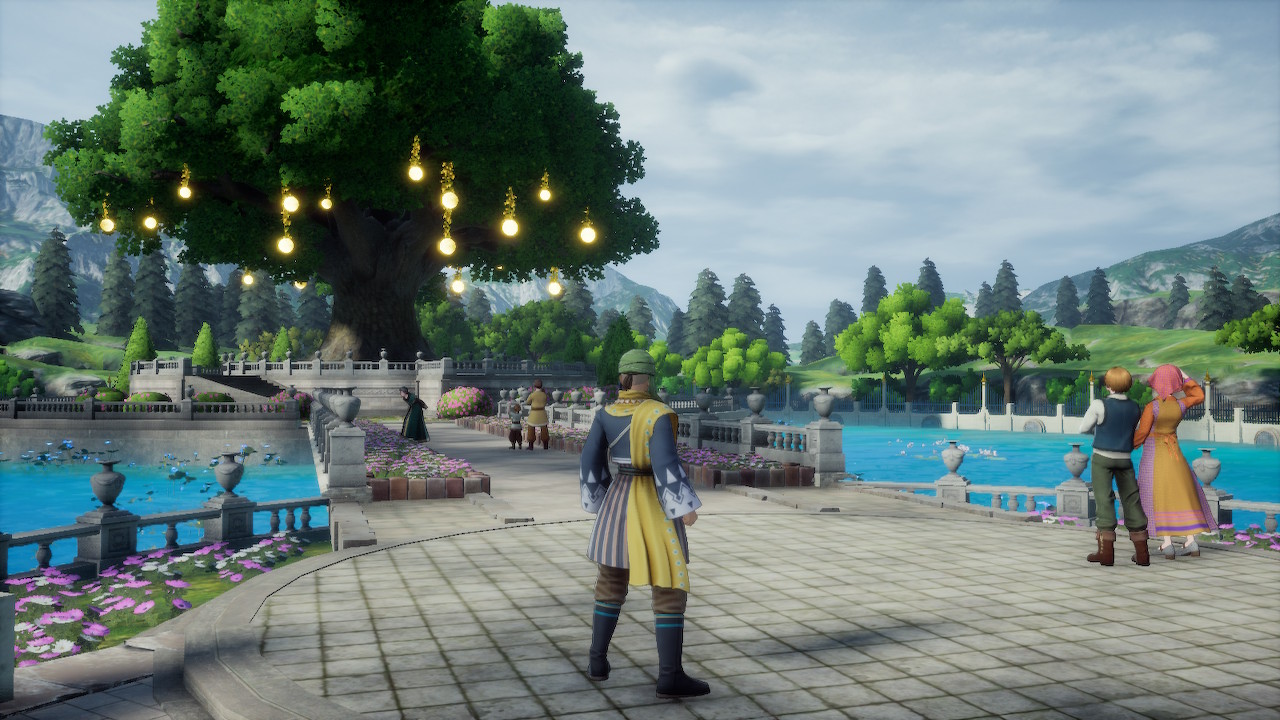
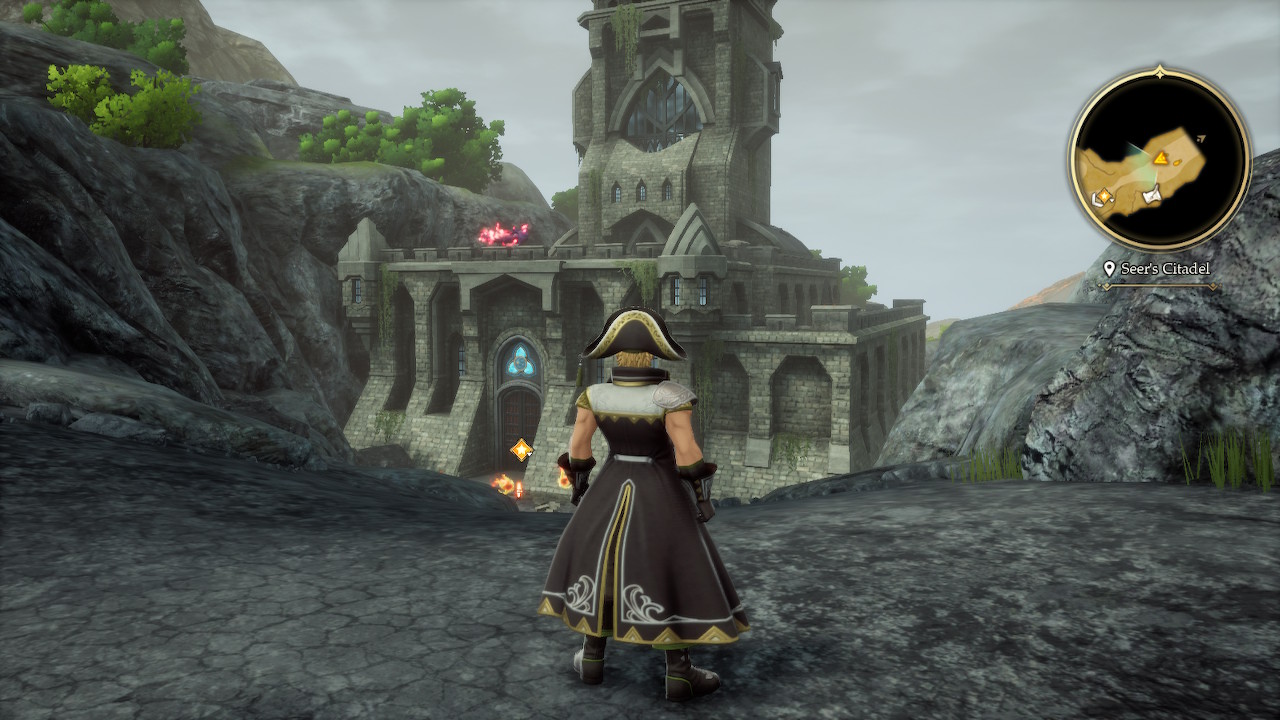
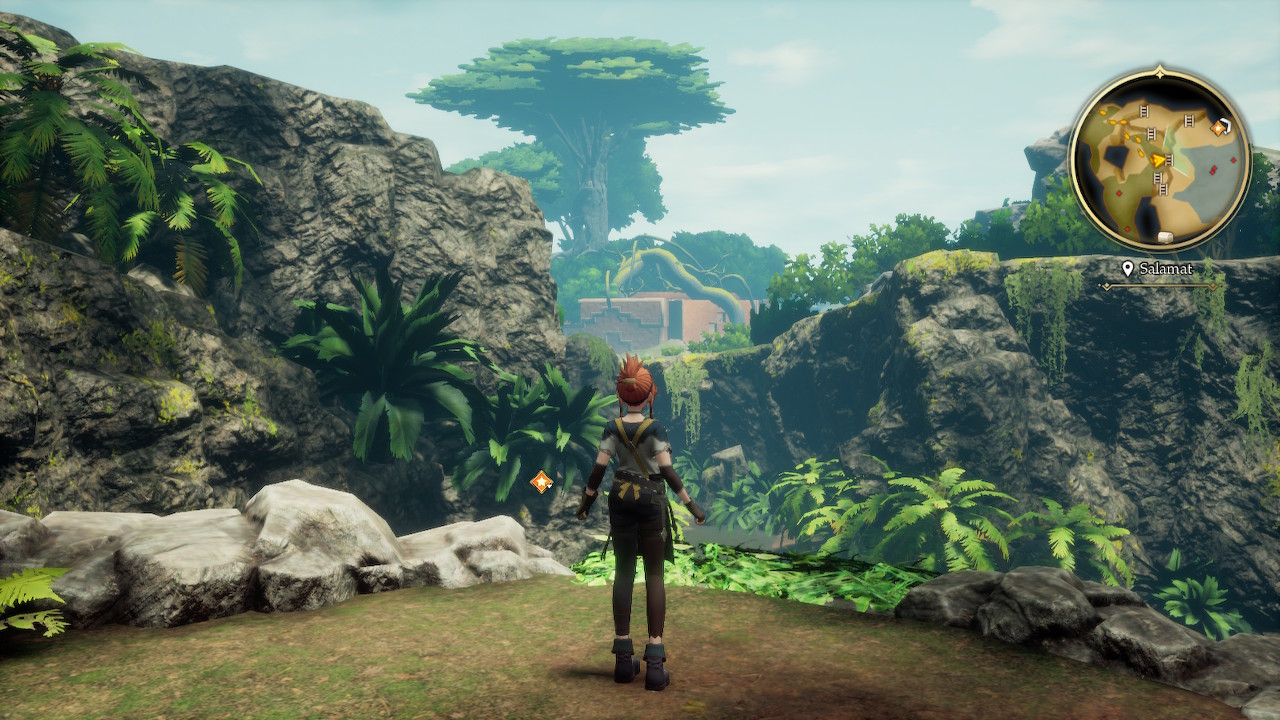
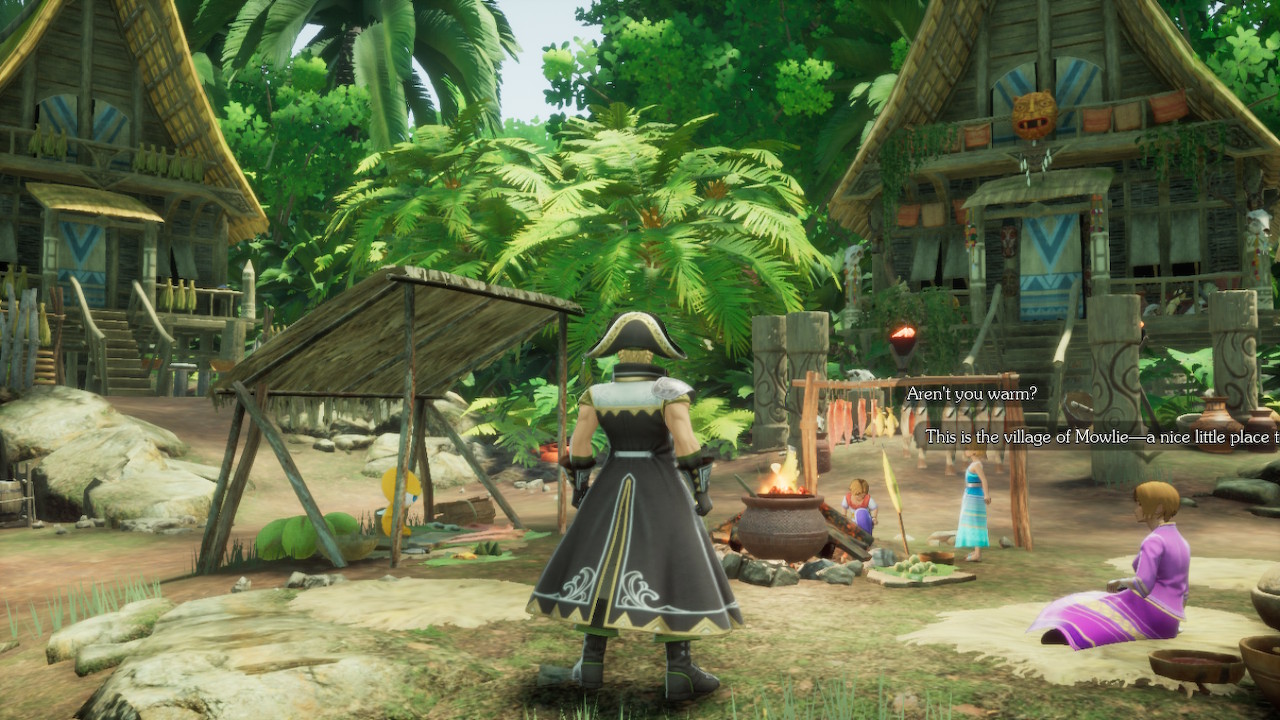
In many ways, Revenge of the Seven feels like tilting the camera from the top-down view of the original and behind the shoulder of the emperor into the 3D game world. The developer Xeen put an astounding amount of visual details and personality into the 3D environments. Getting right into the world of RS2 you will see than towns have detailed market stalls, castles from around the world have different styles of architectural ornamentation, and when you look out on the horizon you can see impressive vistas or large landmarks in the distance. In many ways it is like Final Fantasy VII Remake and Dragon Quest XI, which both adapted game worlds and visuals created on older hardware that still feel familiar and recognizable. This game is Xeen’s second go at converting a Super Famicom title into a modern 3D title after their remake of Seiken Densetsu 3 (given the official title Trials of Mana) released in 2020.
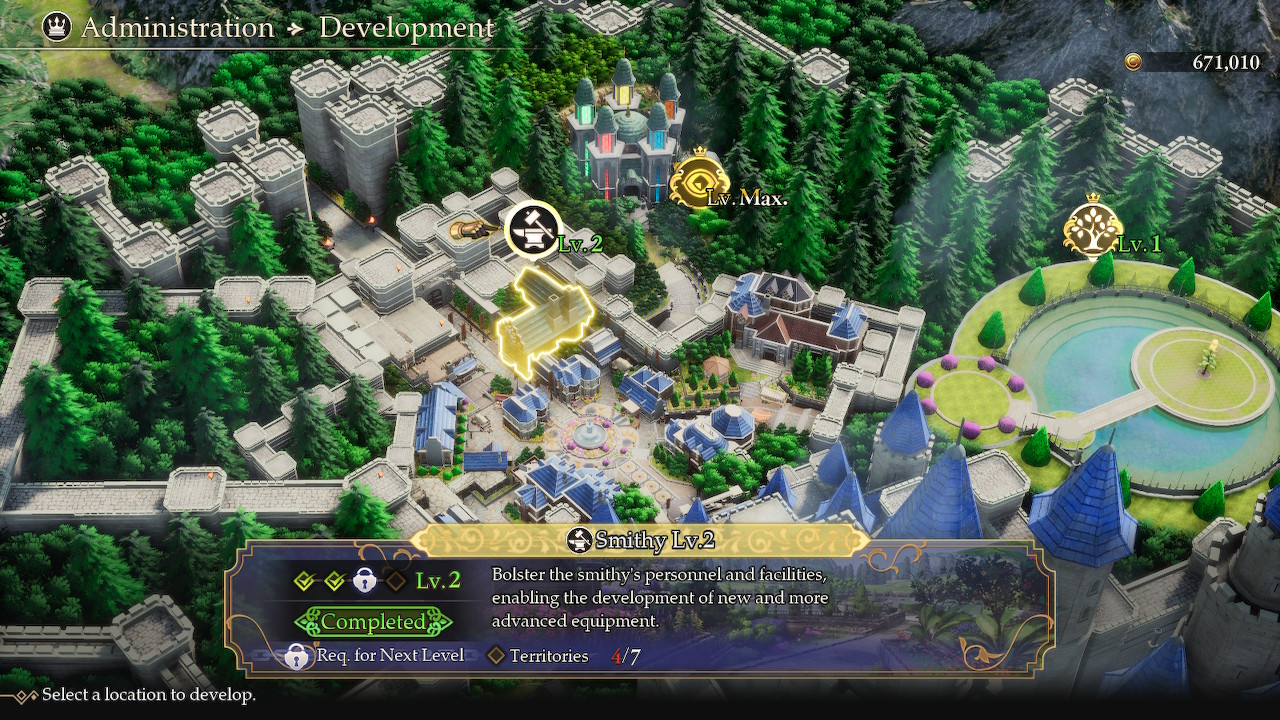
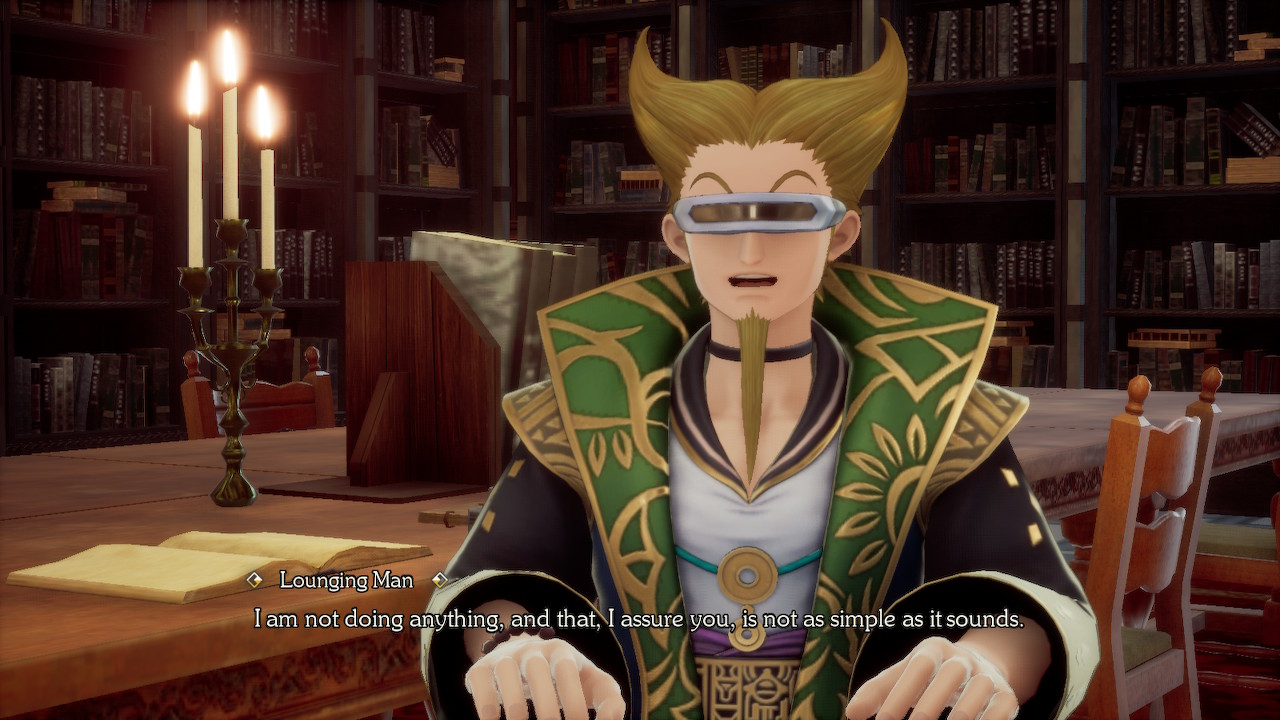
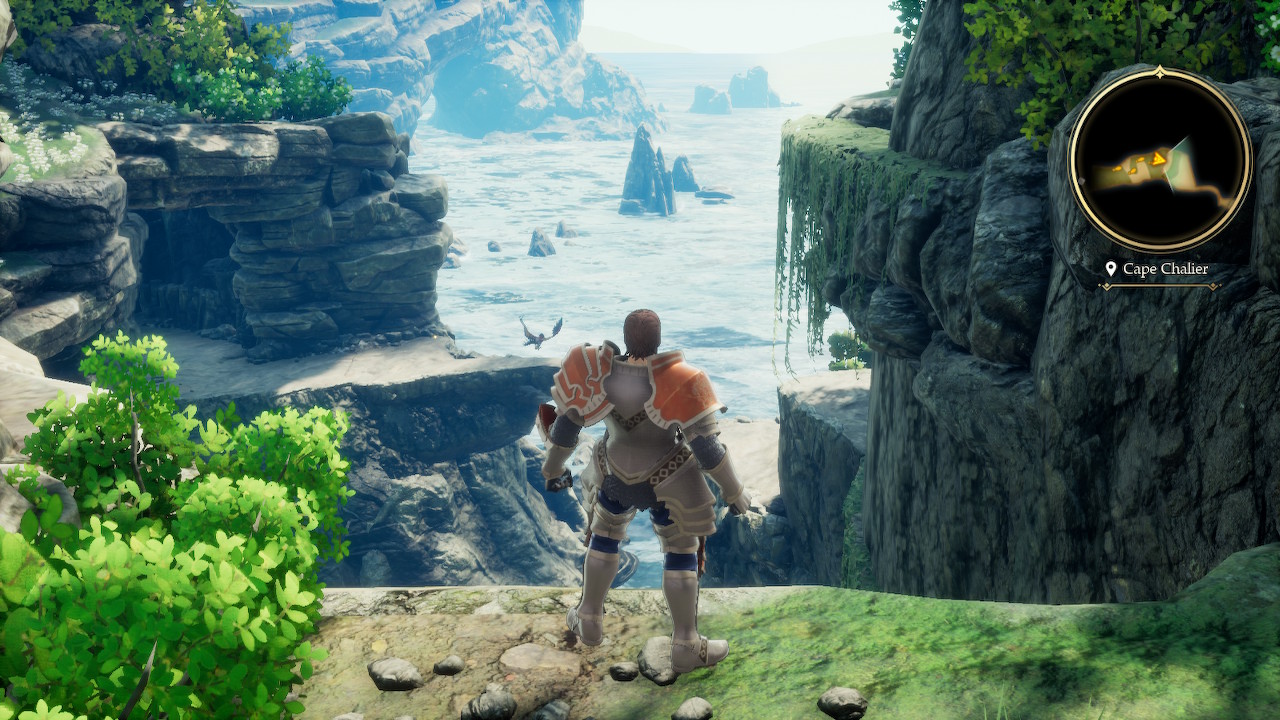
The game enco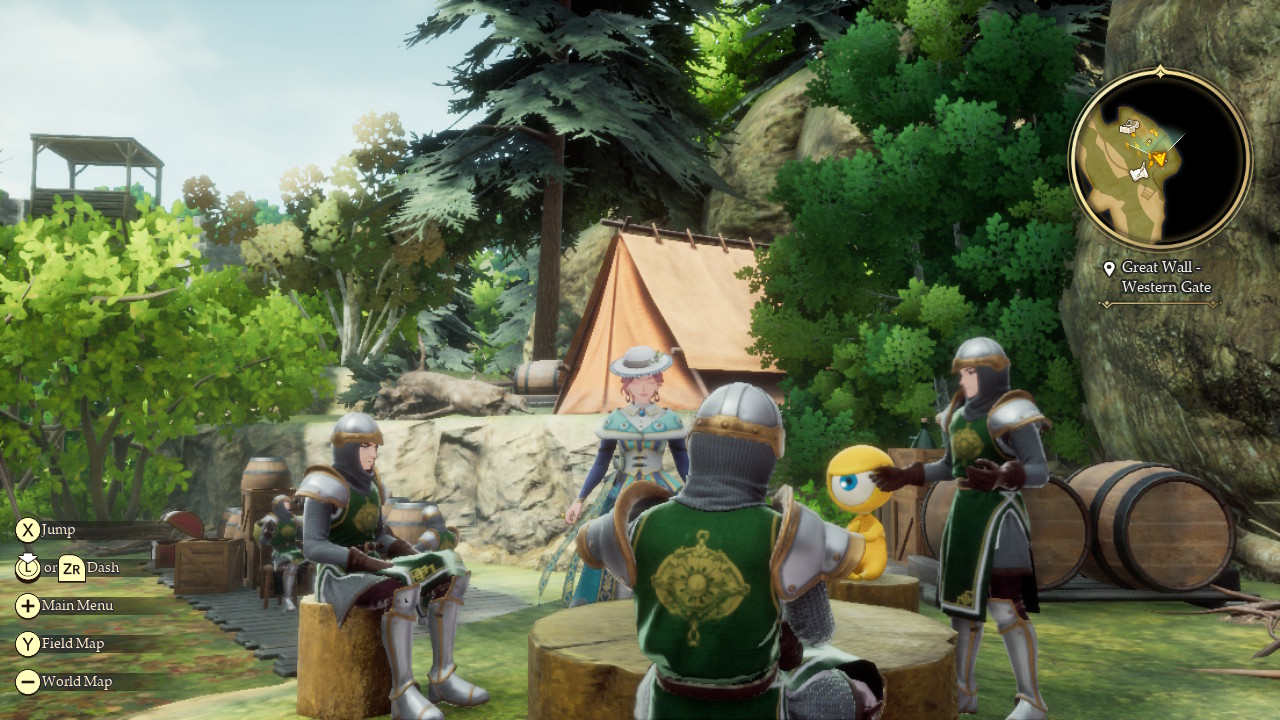 urages exploring these more detailed environments with many hidden treasures and rewards to find in addition to the familiar treasure chests. Developing new armor at the smithy is a returning feature, but now requires raw materials you have gathered around the world in addition to money. Mr. S, having retired from his mentorship gig in Final Fantasy Legend 2, is hidden all throughout the world playing the tourist and taking in the sights of the world’s many vistas. Finding Mr. S is tied to several strong rewards and he is generally fun to find throughout the game. This encouragement to explore and understand more about the game can also be seen in the greatly expanded university exams, with each region getting their own quiz players can take for rewards. As players will weave many different routes through the game, these quizzes can also be hints to alternate outcomes, possible quests in future playthroughs, or abilities to further explore.
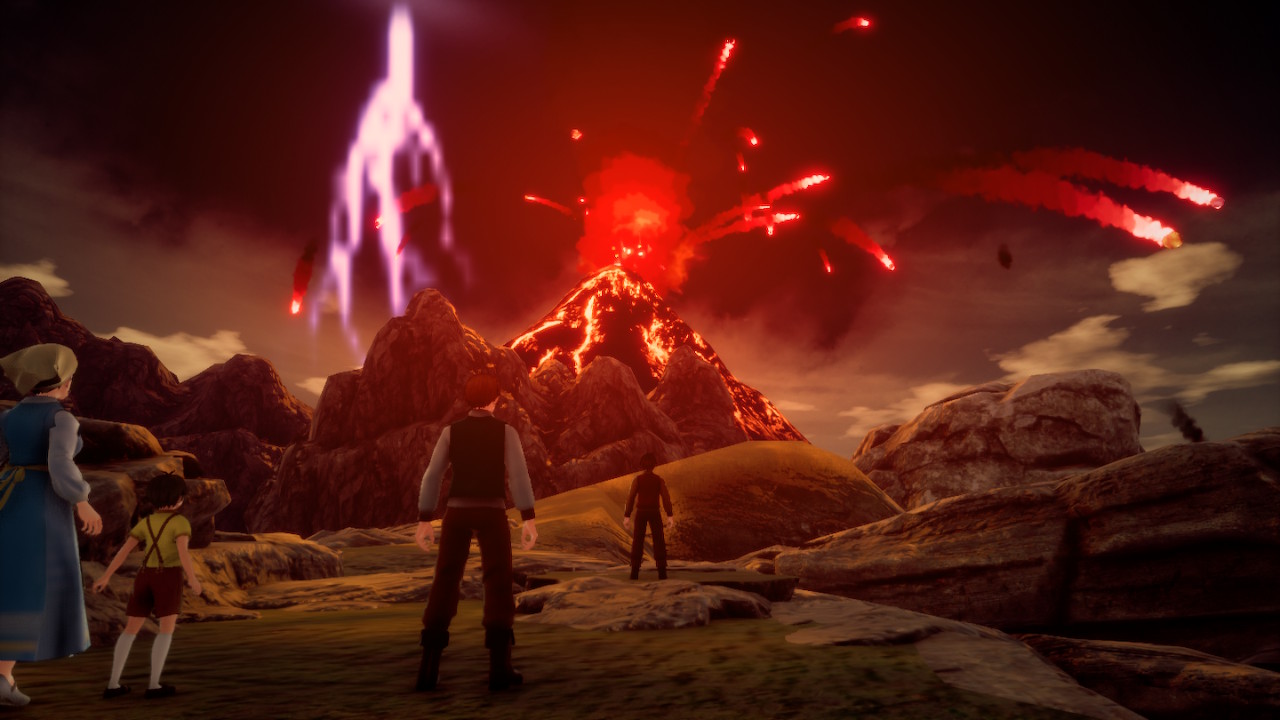
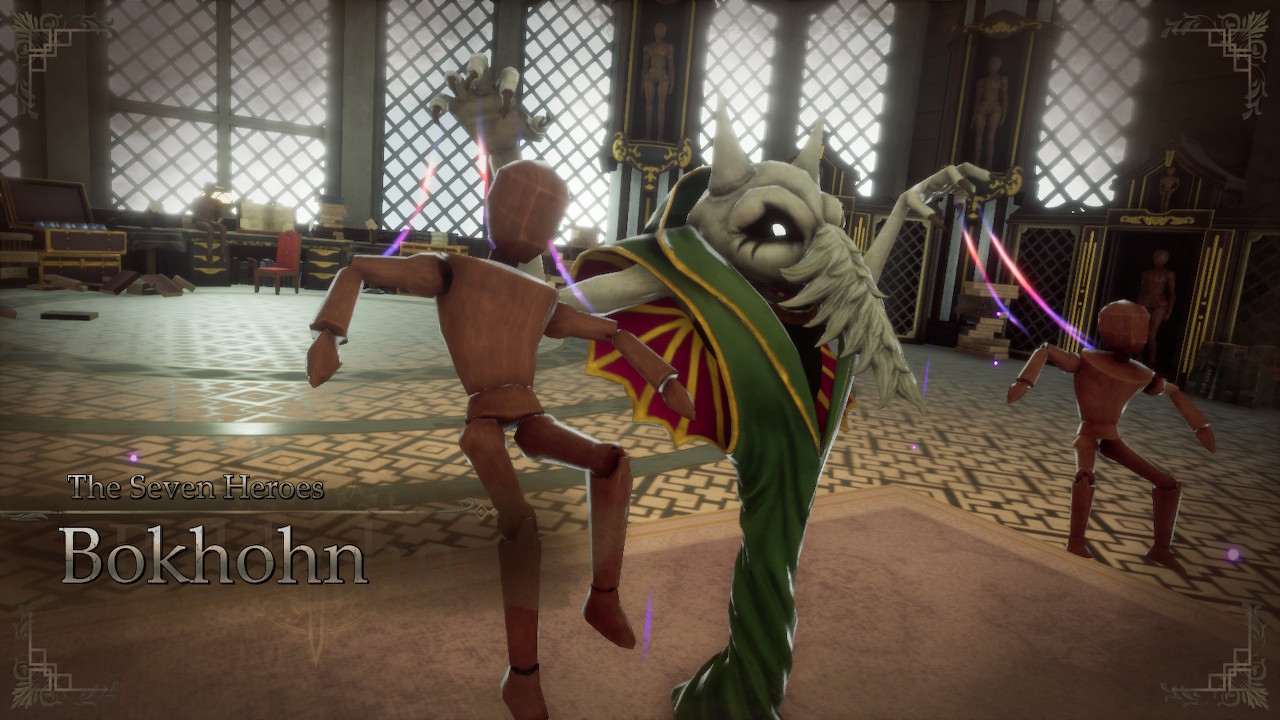
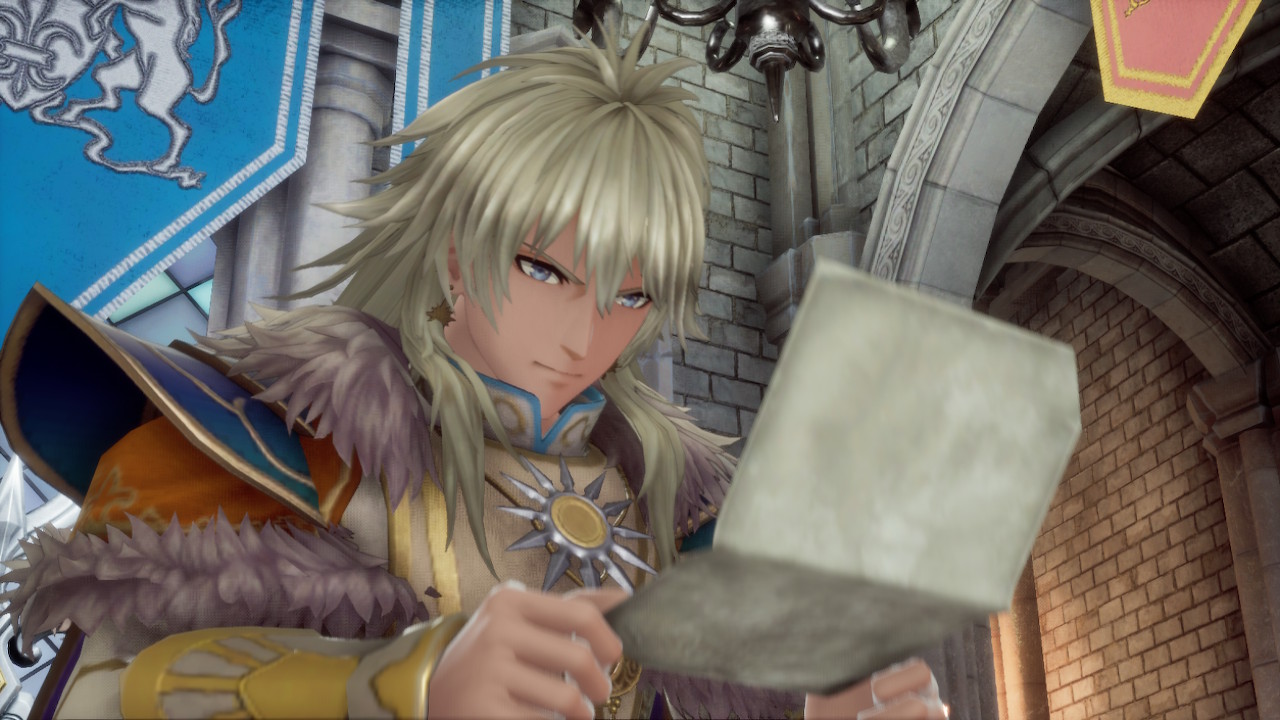
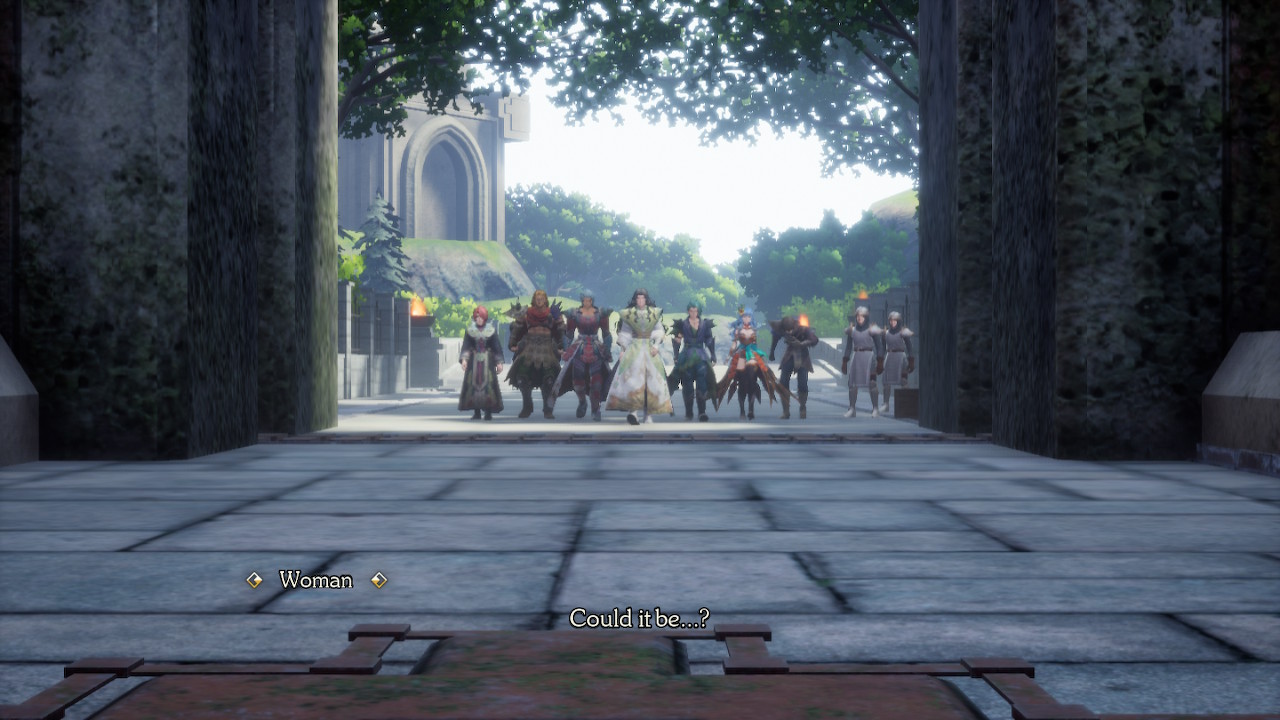
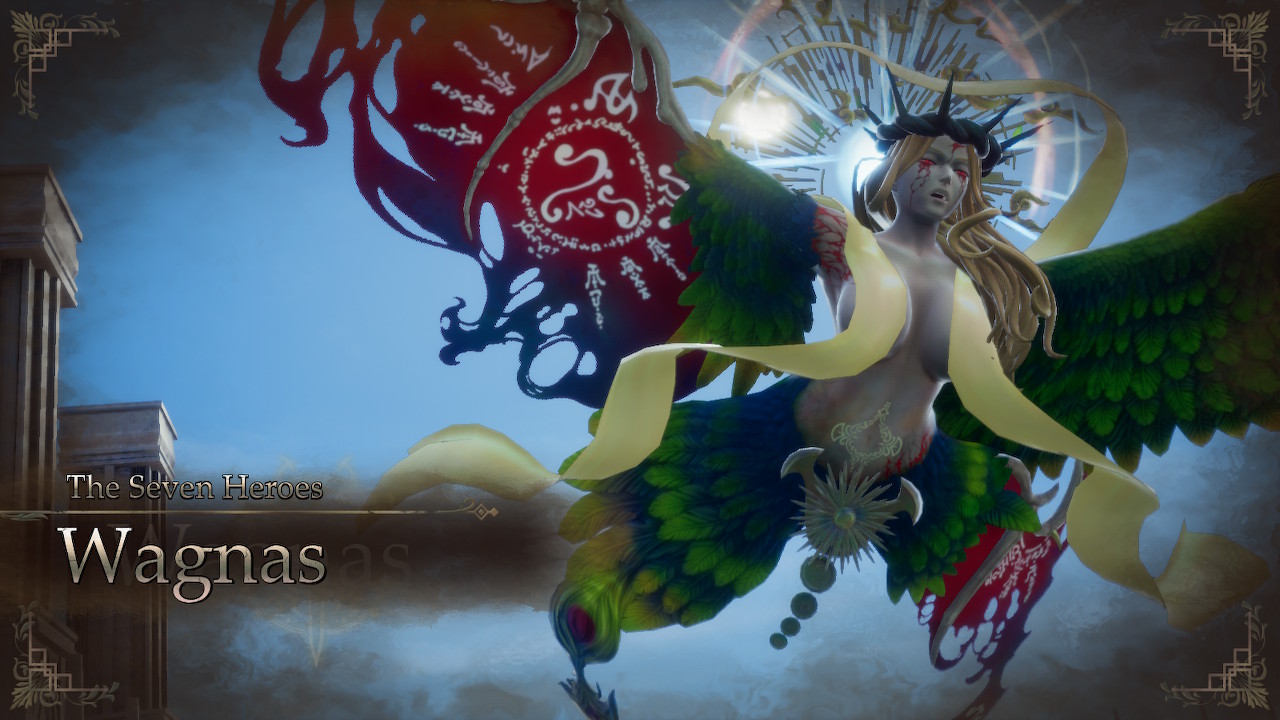
The other big addition that can be found in the world is lost fragments of the Seven Heroes’ trials, tribulations, and then terrible fall from grace. These add a strong narrative arc to an otherwise open-ended game. Each memory fragment clarifies the personalities of the Seven Heroes and the calamities they faced while also setting the stage for their centuries-long revenge plot. While these story scenes directly share a lot more with the player than the original did – incorporating story details from later works like the stage play – there are still very many mysteries to solve and a lot players will be expected to piece together for themselves.
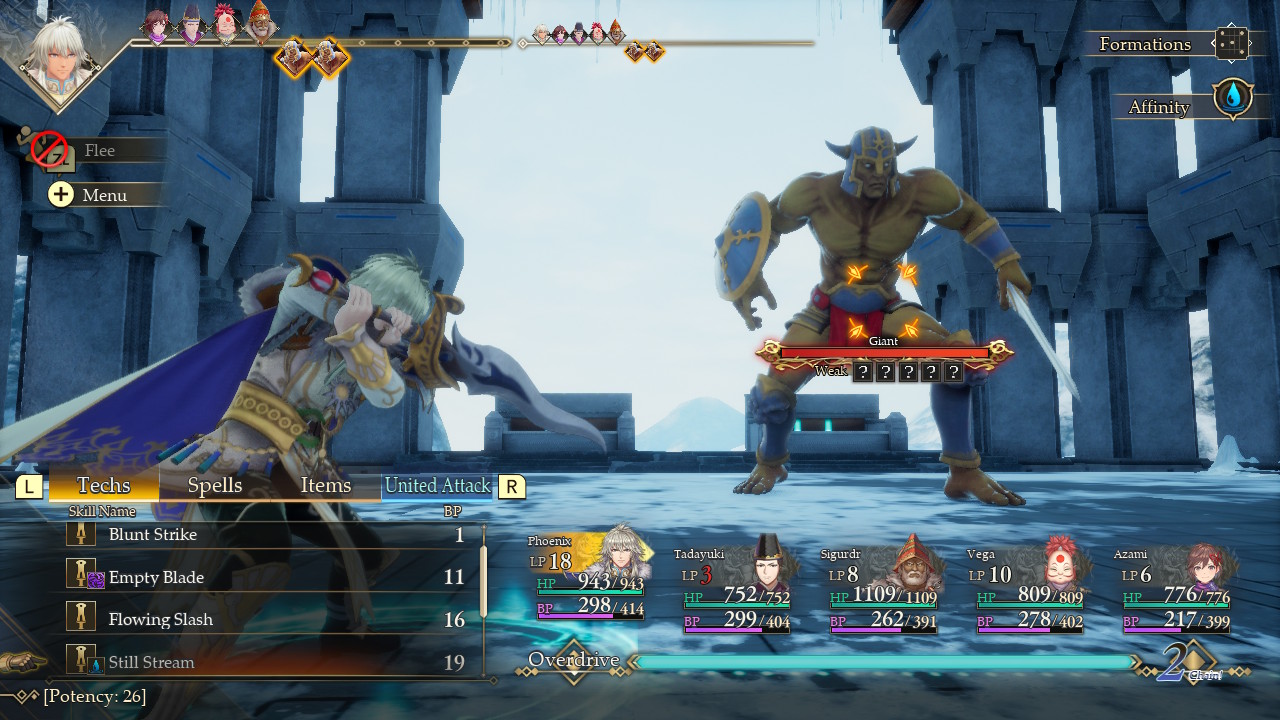
With all of the new cutscenes, tutorials, and other in-game information, there was certainly a lot of text to write and translate. In the 2000s we are living in a real golden age for strong translations: there are more games translated, from more languages, and with better quality than ever before into English. However, certain details seem to be consistently neglected. A weird phenomena can be seen in this game regarding some of the descriptions of abilities. Some seem to be copied from an older translation or older edition of the game, as they’ll reference mechanics that are not in use in the remake (such as the enemy row system). Others will use vague terms that are difficult to understand or poorly defined and some are just completely wrong (such as the greatsword’s Vertical Strike). It is a weird inconsistency in a game that is otherwise very transparent and informative with many clear well written tutorials that explain concepts that were hidden in the original (such as leyline manipulation).
The gameplay itself does a lot to feel very familiar to players of the original. You are still playing a multigenerational story, where insights and wisdom learned by one character can eventually be passed on to the next. The events have much of the same structure and similar choices. Some regions can be resolved in multiple ways, some lead to different outcomes, and some choices in one region can affect a quest in another.
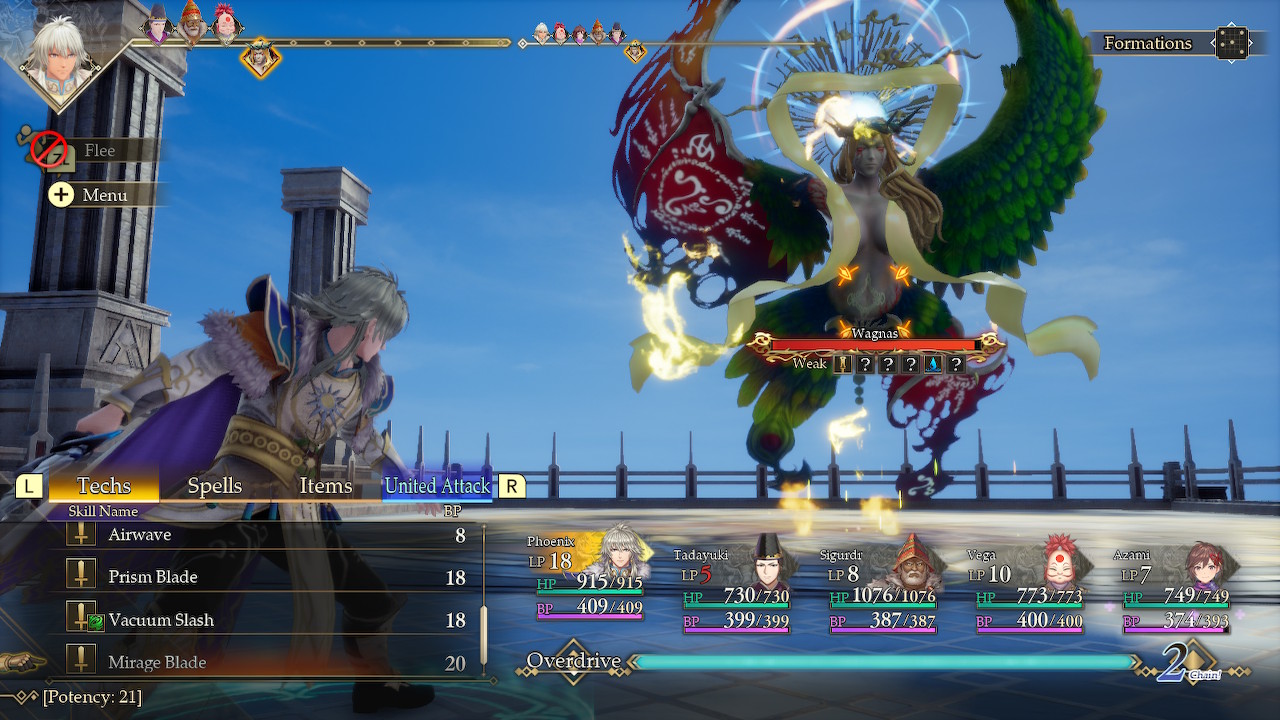
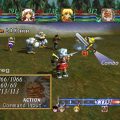
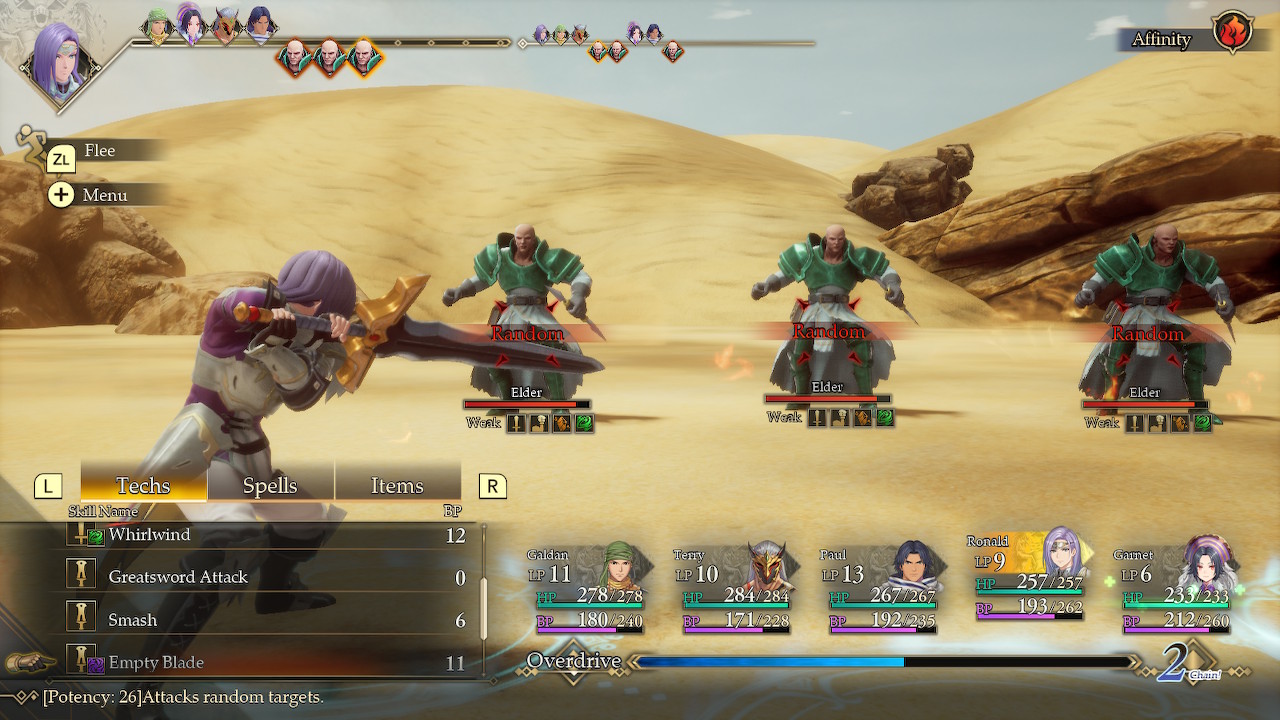
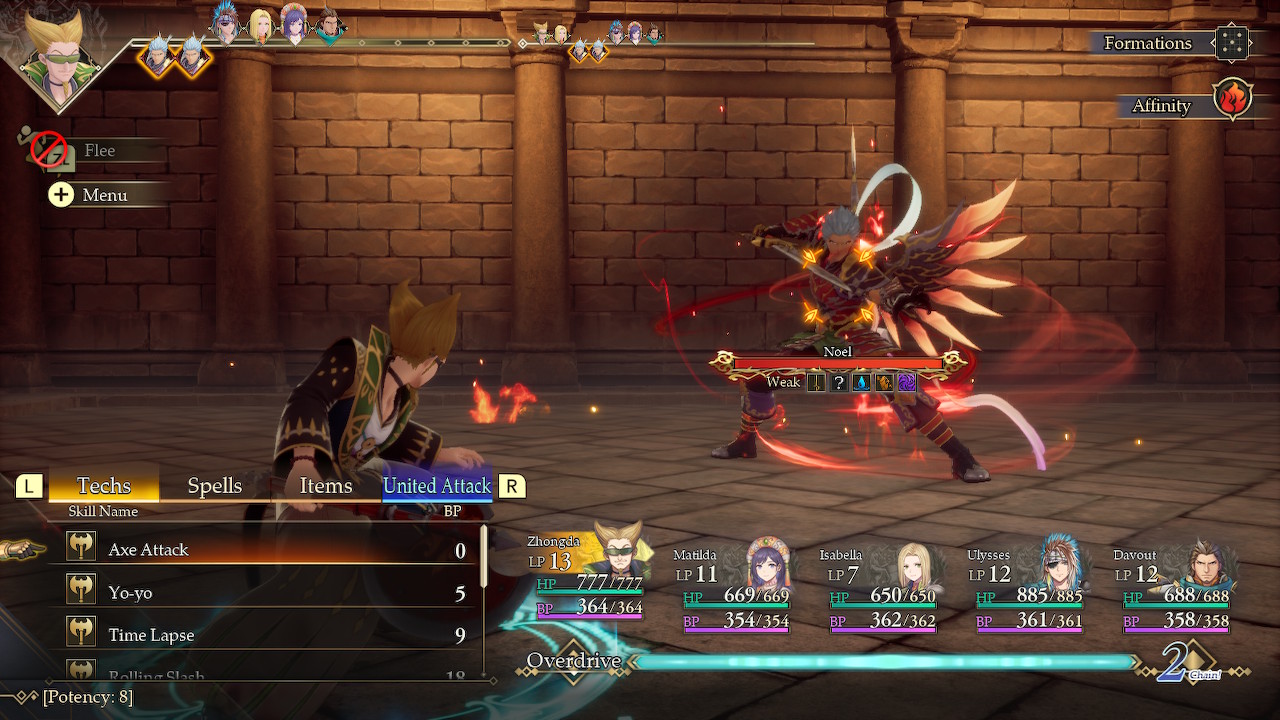
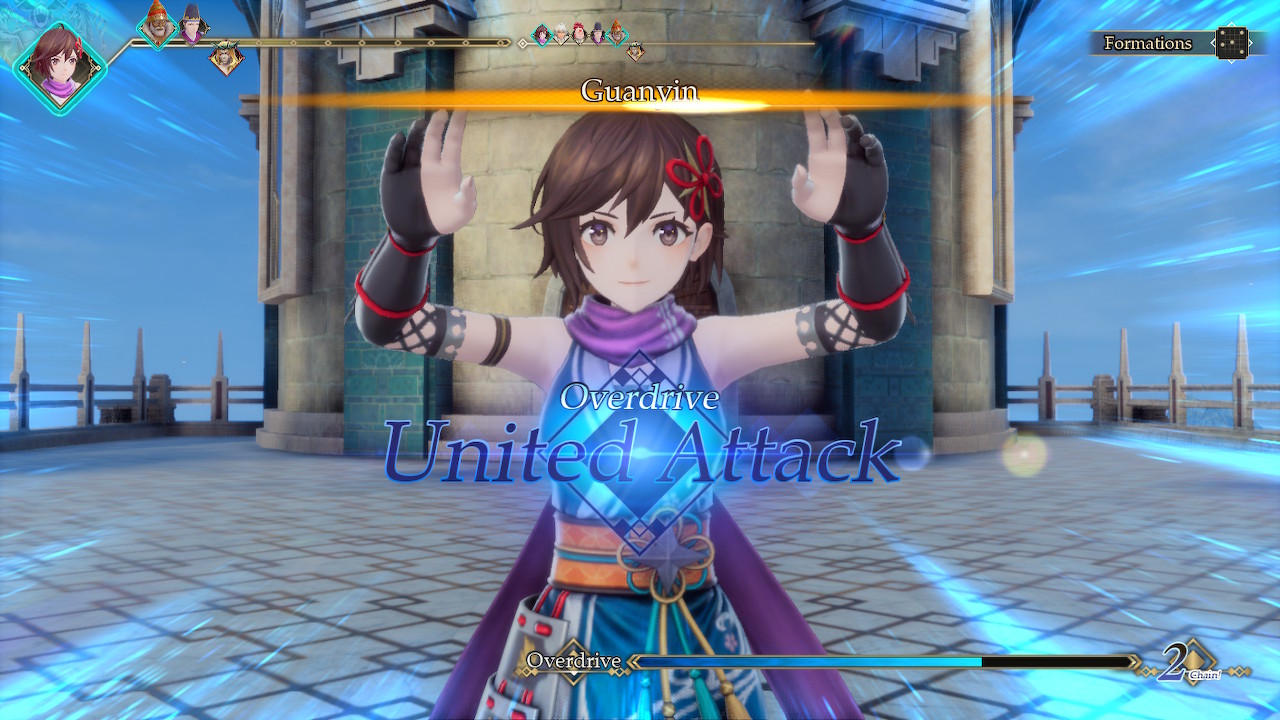
Under the hood, most mechanics are greatly simplified, but some are added. Instead of six or so secret defense stats, there is simply physical and magical defense. Enemies now have weaknesses to specific weapons or elements and those weaknesses, once exposed, will reveal a square in the weakness bar exactly like Octopath Traveler. Hitting these weaknesses will fill an Overdrive meter that, once filled, allows you to unleash a United Attack where the characters involved act consecutively and deliver bonus damage. Digging into the menus, there are now many options about what information players can receive. This is certainly not a game where you won’t know what to do next: By default, the game shares the next destination for quests, and shows potential questlines on the world map, but all of that information can be turned off in the menu, giving players a lot of control about how much help they receive. Even things like the action order, enemy weaknesses in battles, and which techniques can glimmer new ones can be turned off to stay more true to the original’s lack of information. Kenji Ito returns with all new arrangements of his original tracks, but players can also choose to switch to the original 16-bit soundtrack at any time.
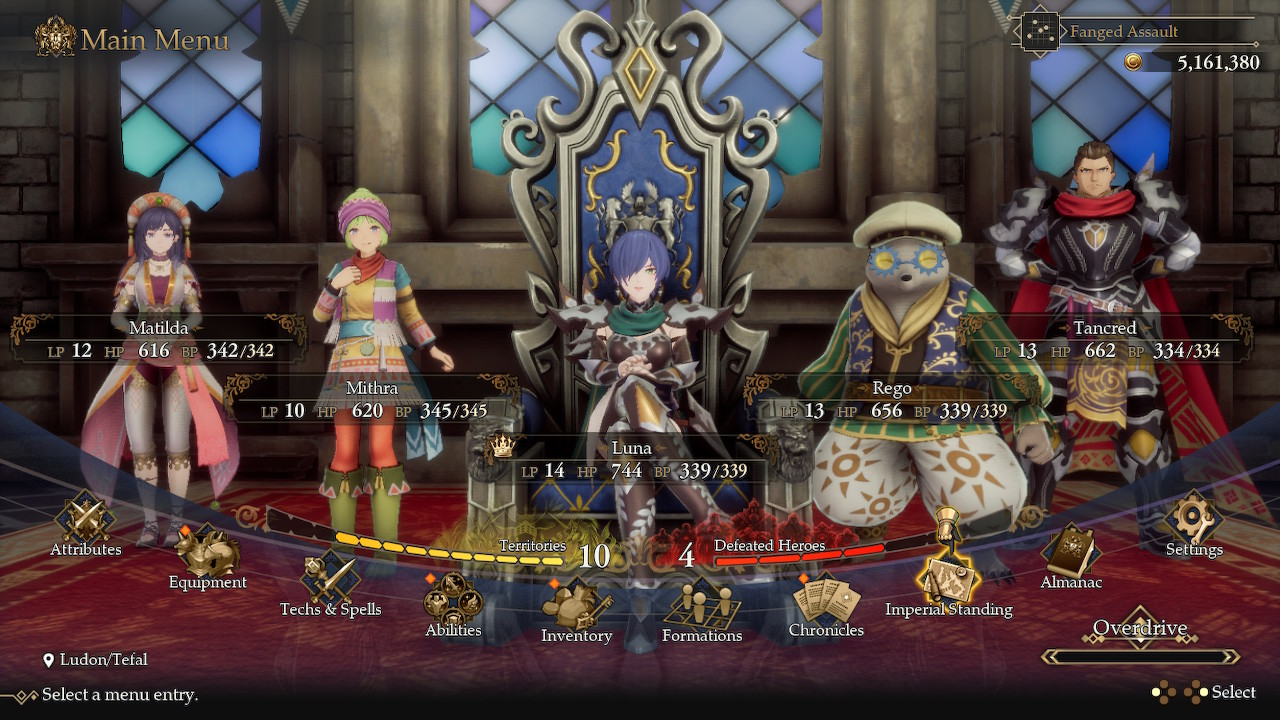
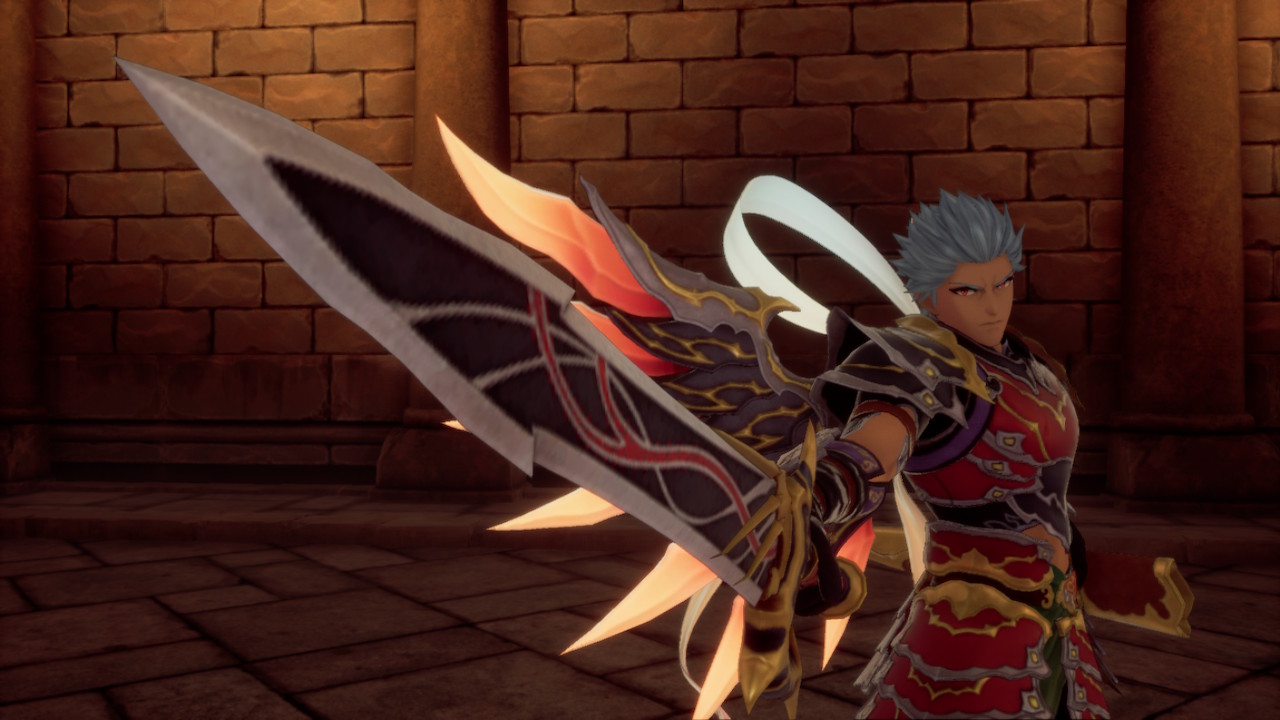
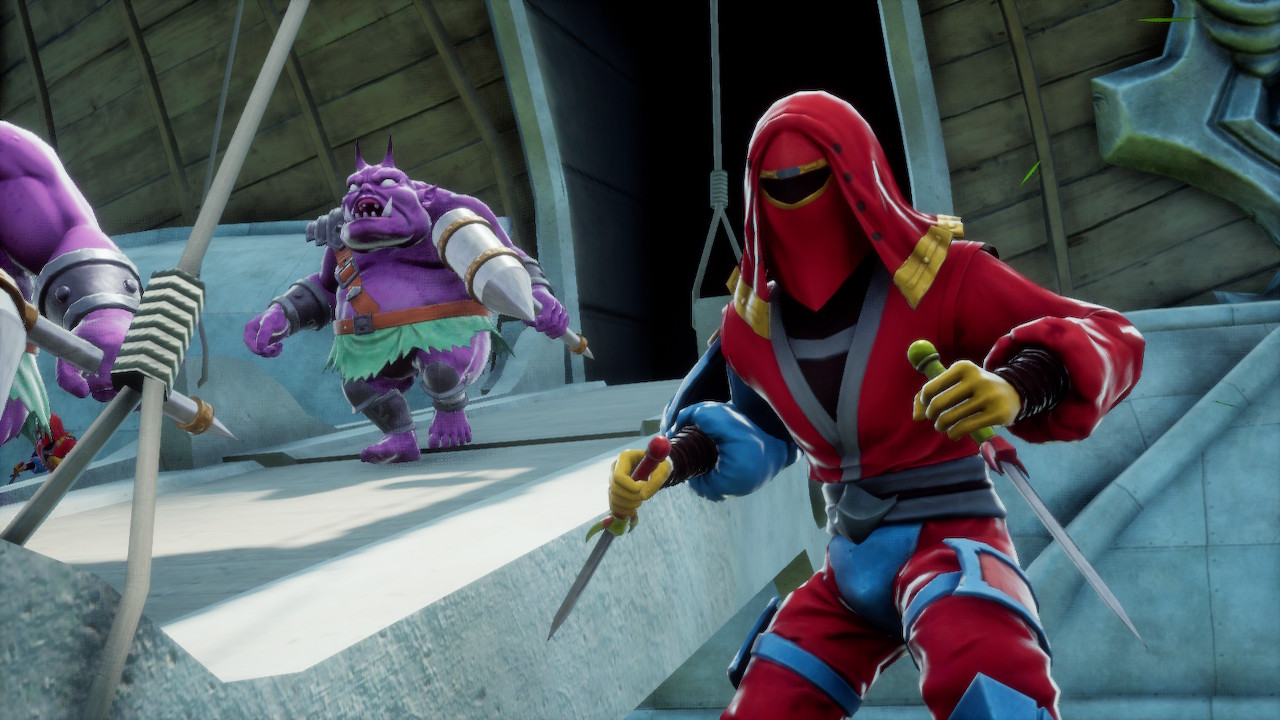
The character classes return, with some new ones from the remaster also joining the original roster. All of the new models do a good job of adapting elements from both the original concept art and the Super Famicom original (during loading screens, sprites inspired by the 16 bit game will also be displayed). In this entry, character classes are greatly differentiated with unique special abilities. An example is the heavy infantry’s auto-parry skill. This allows the class to block physical damage without dedicating an entire action to activating the Parry command, further reinforcing his defensive role. Later in the game you can master these abilities and equip them on other retinue members, greatly incentivising trying out all of the classes and making your own blends of abilities. While characters start out with one ability, in the late game there are options for four or five different ones. With the range of techniques and synthesized spells, there are even more potential ways to build your characters that add well to the options present in the original game. There are also now many more formations, with every class bestowing one if you make them Emperor.
Characters
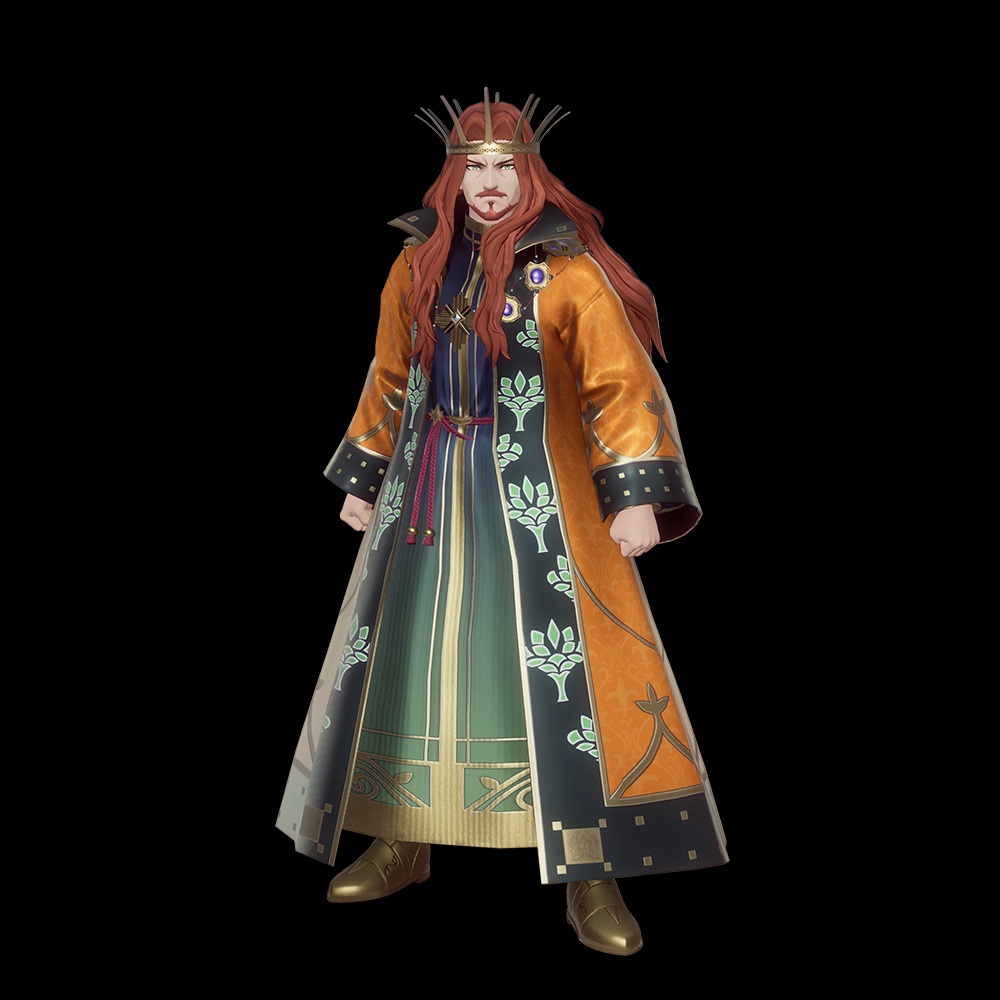
Leon
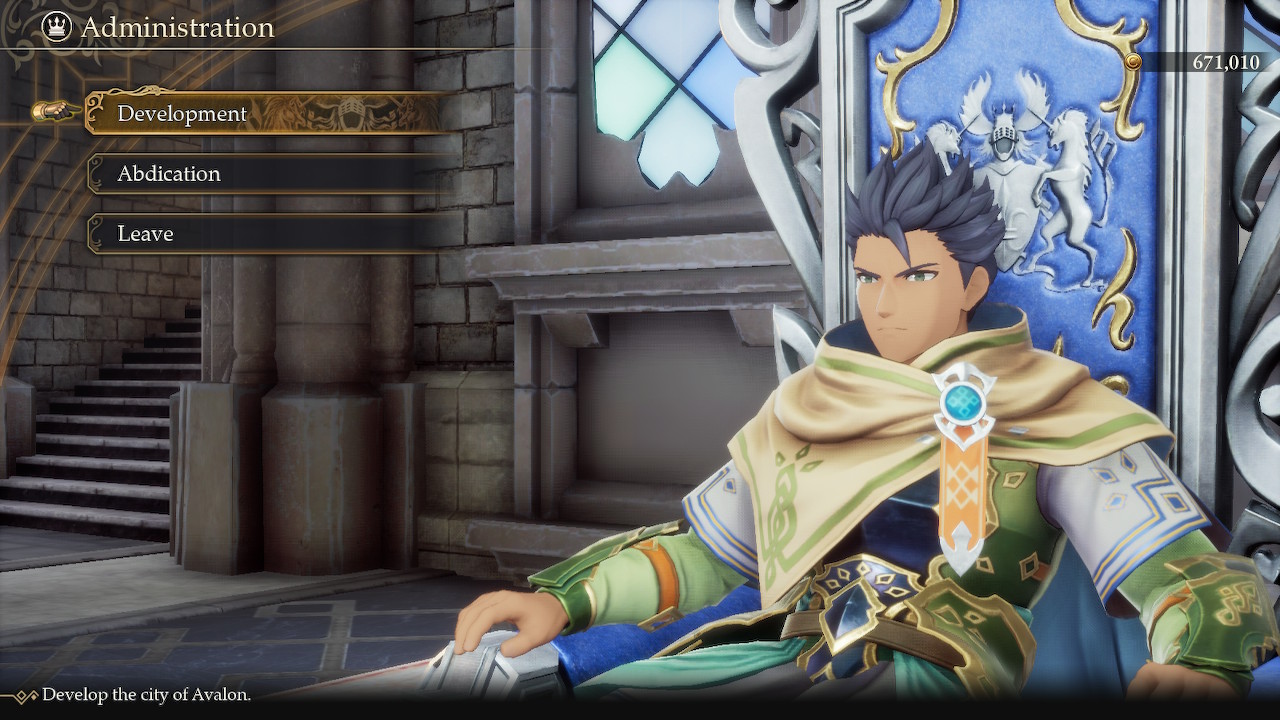
The original Emperor of Avalon that you begin the game with. The wisdom he gains from his sacrifice early in the game demonstrates the incredible power of inheritance magic.
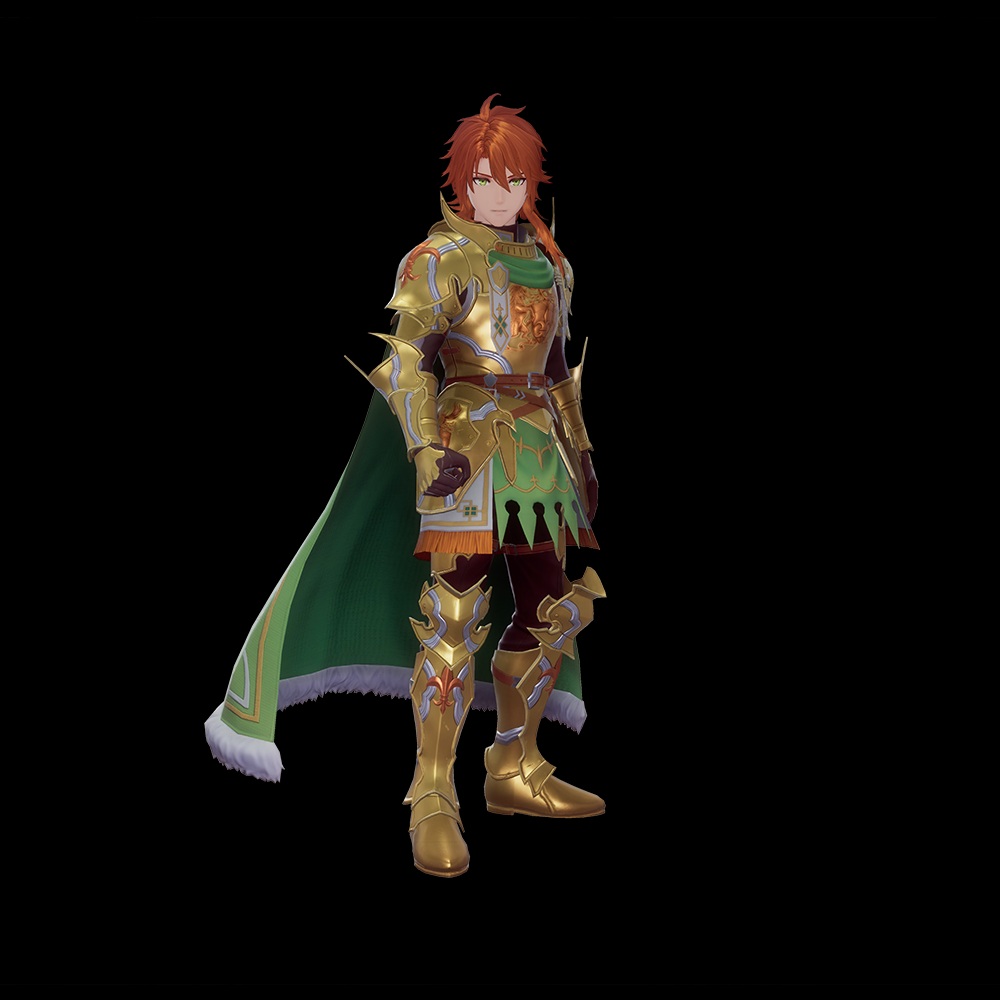
Gerald
Gerard is Leon’s son. While initially very weak and needing to be protected, he is able to inherit his father’s skills and is transformed into a more capable leader.
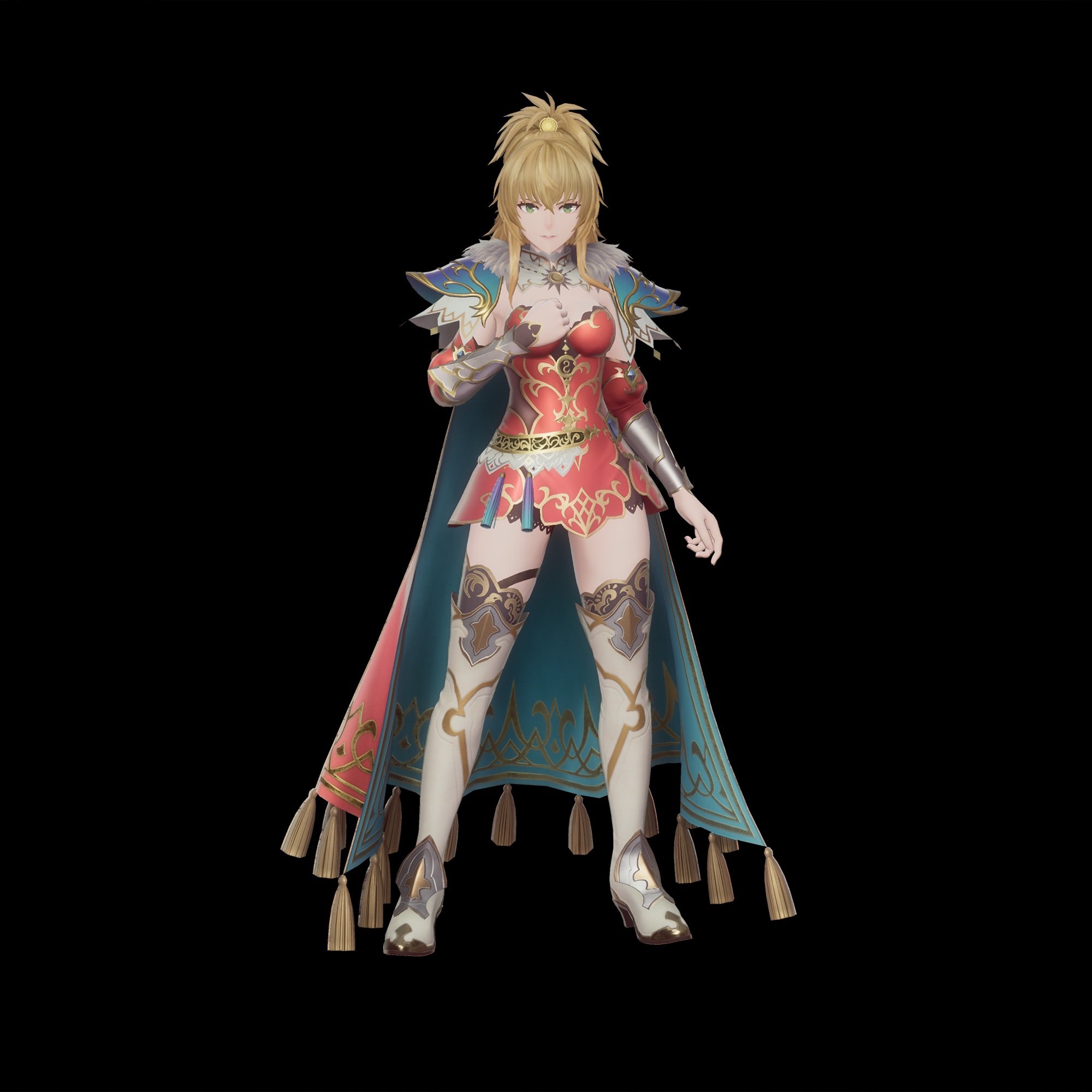
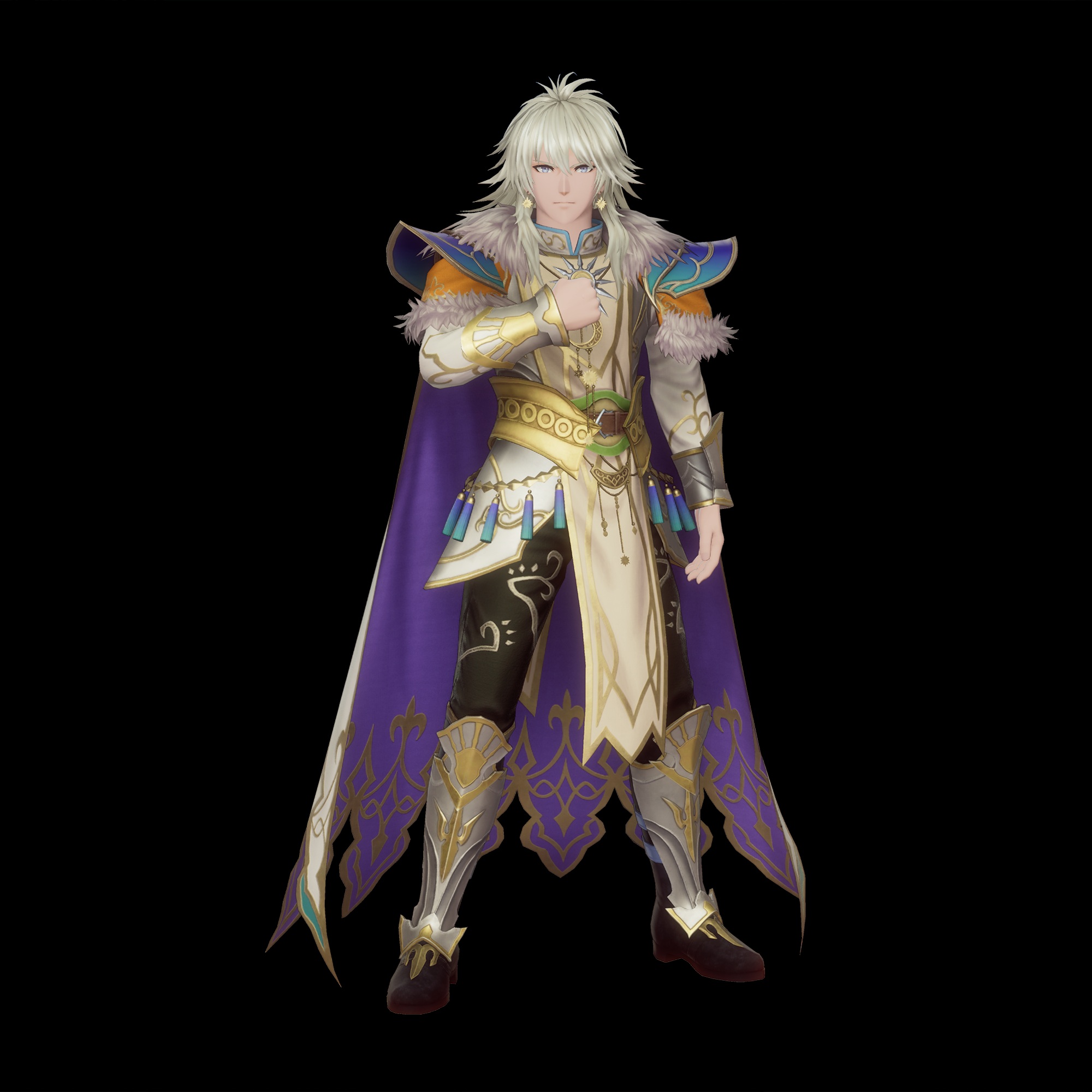
The Final Emperor/Empress
Initially named by the player far before their appearance, they lead the final generation of the empire with the sum total skills and abilities of every emperor who has come before.
The remake changes up the enemy placements, tying specific enemies to specific locations, unlike the original and many other entries that escalate the tier of each enemy type by your progress. While enemy stats still increase as you progress, this ends up giving dungeons stronger identities while still offering a challenge regardless of the order you tackle events. It also allows the designers to theme encounters more deliberately, helping players guess what kinds of resistances (such as avoiding charm and confusion) or damage types (such as paralyzing and stunning beastmen) they’ll need to be prepared for.
The game is still challenging, even when it lays out the rules. It adapts a fair amount from the Remaster as well (such as the new classes and some items), but has its own original dungeon instead of the remaster’s Maze of Memory. It even includes a New Game Plus with higher difficulty options for those that what to test the game’s limits. Altogether, this is an easy recommendation for a first entry into the series. It adds a lot, keeps the satisfyingly strategic gameplay, offers a ton of choices during playthroughs, and compromises in only minor areas.