A History of Korean Gaming
by Sam Derboo - updated January 2013
Introduction
Video games are an incredibly young medium, but nevertheless their history is already full of myths and mysteries, lost treasures and forgotten heroes. The seeming inability of developers and publishers to properly preserve their company history, but much more the incredibly fast-lived nature of the industry has left the aspiring game historian with a huge mess to clean up. Yet a decent number of competent video game histories have been compiled so far.
Works like David Sheff's Game Over, Steven L. Kent's The Ultimate History of Video Games (first edition titled The first quarter) or even Winnie Forster's The encyclopedia of Game Machines all not only help gamers to grasp a greater picture of the industry around their hobby, but also supply them with countless details and anecdotes that make events of former video game times come to live. What they left out is nowadays only a few clicks away, and the curriculum vitae of the American star designer on Wikipedia is as up-to-date as the news on rediscovered Japanese prototype games from twenty years ago.
But here lies already the crux of the matter—even the most prestigious English publications are virtually confined to the two regions where video games originated and reincarnated, respectively. The internet fills the gaps for much of Europe, but every country that doesn't use latin script is locked off to Western retro gamers for the most part. People can only hope to stumble upon the oddball localization or even accounts about games from places like Russia or continental East Asia, and South Korea was no exception until it began to unleash it's wave of MMOs upon the world. This article tries to depict the history of the industry and culture from the very beginnings until its rise to fame in the new millenium. Everything before that breakthrough, especially considering the early stages, is so far covered only vaguely and anecdotally even in Korean. A whole country full of games many may have never heard about awaits.
Enriched with tons of company profiles, short reviews and specials, the finished article could easily fill a book, and probably a rather thick one at that. Therefore, it is divided into three greater parts of which only the first two are available so far, covering the beginnings of game development in Korea and the rise and fall of PC single player games. Stay tuned (but don't hold your breath yet - it will take a while) for the final part, which will talk about the MMO explosion the Korean game industry is famous for today.
Discuss on the forums!
Table of Contents
0. Conventions and disclaimer
A. History
Part 1: First steps and emancipation
Part 2: The rise and fall of the Package
B. Specials
Finding Korean retrogames
Lost games: 1987-1993
Lost games: 1994
Lost games: 1995
Lost games: 1996
Lost games: 1997
The other Korea: Video games in the North
Korean games for the World: Games by Koreans, but not (primarily) for Koreans
Interview: Kim Kyongsoo and Kim Seongwan
Interview: Jason Park
C. Companies and Organizations
A+
Ablex
Afega
Andamiro
Anicom
Aproman
Byulbram Creature
Clover
Daou Infosys
Daewoo Electronics
Deniam & Amuse World
Dooyong
Danbi System
DS Game Channel
Dragonfly
Ecstasy, Digital Impact, Cyonex & Aeonsoft
Eolith
Family Production & Pentavision
FEW
Gamepark, GPH, Gambros
Gleam Entertainment
Goldstar / LG / Hanbit Soft
Gravity
Grigon Entertainment, Garam and Baram, Mira Space
HIC Infocomm / Digital Dream Studio
HiCom / eSofnet
HQ Team, JoyOn, nDoors
Hyundai Electronics
Jamie System
Jigwan
Joymax
KOGA
KRG Soft
Makkoya
Mantra
Marixon
Mips
Mirinae Software
Open
Open Mind World
Orange Soft
Phantagram & Blueside
Philko
Prosoft
Sailon / Uzdream
Sammi Computer
Samsung Electronics
Seed 9
Semicom
SIECO, Gameline
Sigmatec / SiEn Art
SKC, Namil Soft, Wizard Soft
Soft Action
Softry / ST Entertainment
Softmax
Softmen
Sonnori, Ntreev & Ironnos
Static Soft
SunA
T3 Entertainment
Taff / Ntix Soft, Red Duck
Topia
Triggersoft
Unico / Uniana
TWIM
Viccom
Zemina
Other games 1988-1993
Other games 1994-1995
Other games 1996
Other games 1997
Other games 1998
Other games 1999
Other games 2000
Other games 2001
Other games 2002
Other games 2003-2004
D. Appendices
Game Release Index
Overview of game consoles
Early home computers
Gaming magazines
Localized games from Korea
Game credits repository
E. Supplements (blog)
Korean Street Fighter animated movie
Visit to the GoldenBell Joymax factory in 1993
|
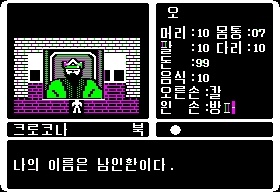
Sin'geom-ui Jeonseol (Apple II, 1987)
|
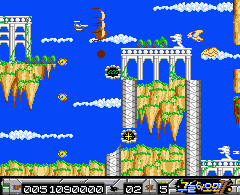
The Day II (MSX, 1991)
|
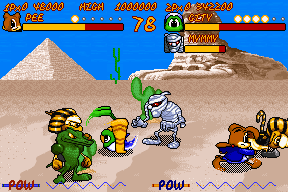
Pee & Gity Special (PC-DOS, 1994)
|
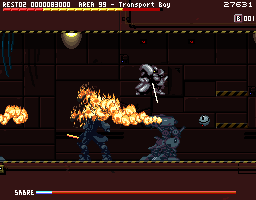
Astrocounter of Crescents (PC-DOS, 1996)
|
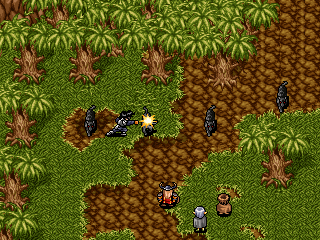
Forgotten Saga (Windows, 1997)
|
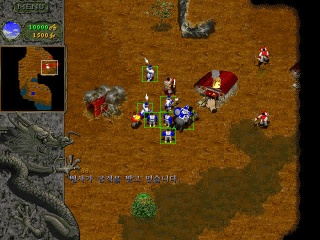
Jang Bogo-jeon (Windows, 1998)
|
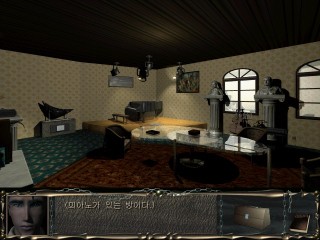
Zaphie (Windows, 1999)
|
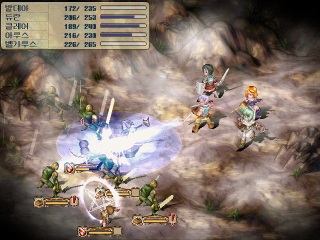
Seal: Travelers of Destiny (Windows, 2000)
|
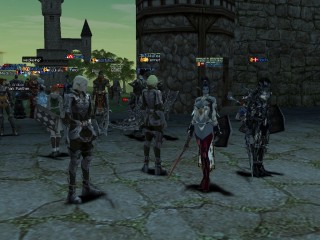
Lineage 2 (Windows, 2003)
|
|