A History of Korean Gaming
판타그램 Phantagram

|
Founded: |
June 1994 |
|
Status: |
active |
|
Key People: |
이규환 Lee Kyuhwan: |
|
Website: |


블루사이드 Blueside

|
Founded: |
October 2003 |
|
Status: |
active |
|
Key People: |
김세정 Kim Sejeong: |
|
Website: |
Phantagram's roots go back to the 1980s, as its founders and long time co-CEOs were both members of New Age Team, who developed Legendly Knight for Topia1. After a few years of going seperate ways, five of the original New Age members got back together to create the company that remains one of the most iconic names in Korean video games until today.
For a short while, the company was host to the famous development team Sonnori, which developed Forgotten Saga at Phantagram before establishing themselves as an independent company in February 19982.
In the early 2000s, Phantagram was itself taken over by NCSoft due to financial difficulties, during which time co-CEO Lee Kyuhwan left the company to found Nemonix3. Phantagram re-established its independence in 2003, when Lee Sangyoun bought back his stock majority4. From then on, however, development of the Kingdom under Fire console game series took place at Blueside, which consists mostly of former Phantagram employees and is also lead by Lee Sangyoun5. In 2008, the company changed hands again, when Dragonfly obtained it through its subsidiary Future Port6.
Games
Zyclunt (지클런트, ジィークラント) / Blade Warrior - IBM PC, Windows (December 1995)
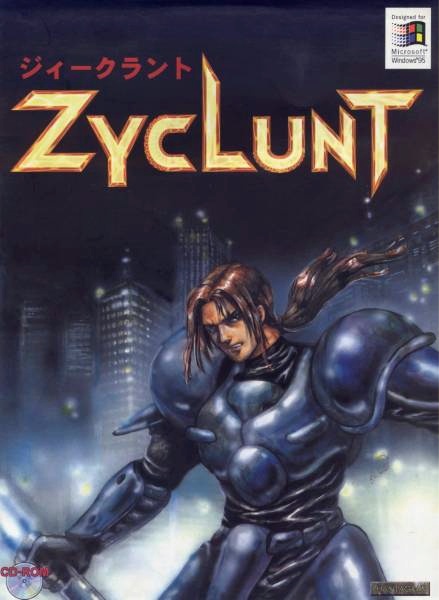
Japanese Cover
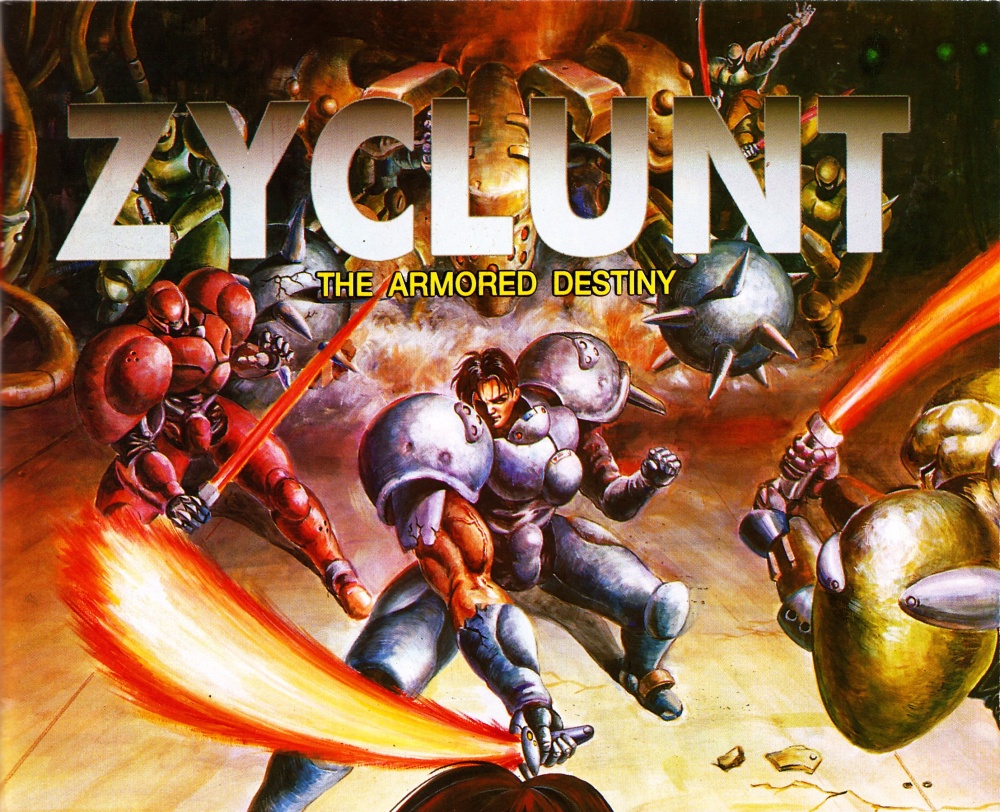
Advertisement
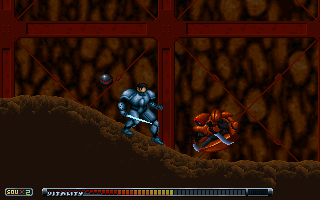
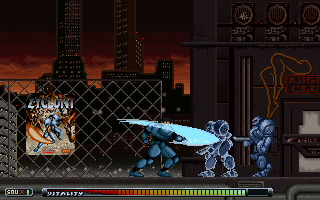
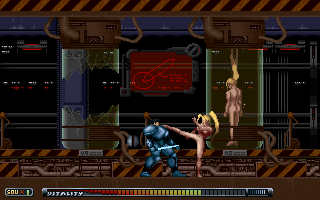
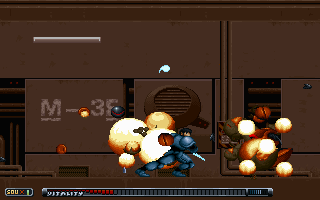
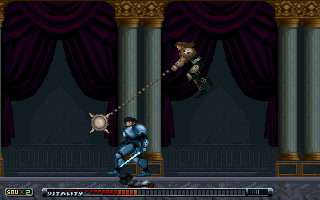
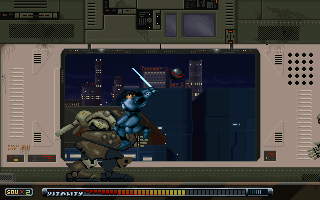
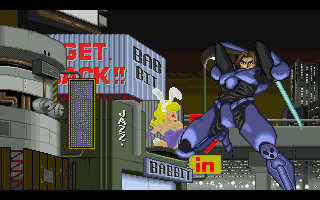
Zyclunt at first look almost seems like a run&gun in the spirit of popular Japanese mecha games like Genocide and Assault Suits, only that the main character himself is human here, and the main weapon is his sword. Ranged attacks can only be used through a variety of robot sattelites, whose use it limited though.
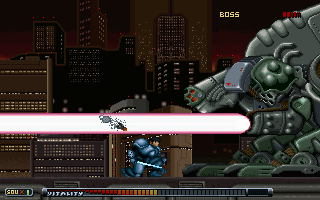
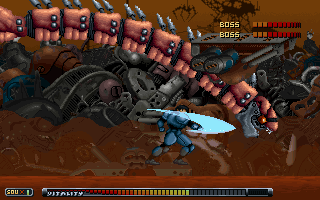
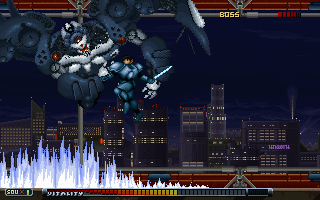
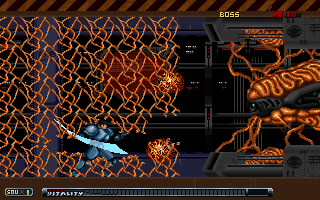
There's not enough to Zyclunt's level design to call it an action platformer, either. Like in a brawler, one can only progress in a stage after eliminating all enemies in each section, and enemies' attacks can be blocked by holding the attack button. Most enemy types require a new approach to beating them, making up for the stages that are usually little more than a straight road. The exciting fights against huge boss sprites at the end easily make one forget that flaw, too.
As one of the first Korean PC games, Zyclunt was published in Japan in September 1996, likely thanks to the familiar-looking art direction. A release in the west retitled Blade Warrior followed. While the game came out originally for DOS, Phantagram ported the game to Windows 95 for the international versions. Blade Warrior also replaces the great pixel art intro with a not-so-great render FMV, and epands the game with a scrapyard stage.
Quick Info:
|
Developer: |
Phantagram |
|
Publisher: |
Miwon |
|
Genre: |
Action: Side-Scrolling |
|
Theme: |
Cyberpunk |
Blade Warrior (Windows)
Blade Warrior (Windows)
Blade Warrior (Windows)
Blade Warrior (Windows)
Blade Warrior (Windows)
Blade Warrior (Windows)
Blade Warrior (Windows)
Blade Warrior (Windows)
Blade Warrior (Windows)
Blade Warrior (Windows)
Comparison: Intro
IBM PC
Windows
Forgotten Saga (포가튼 사가) - IBM PC, Windows (November 1997)
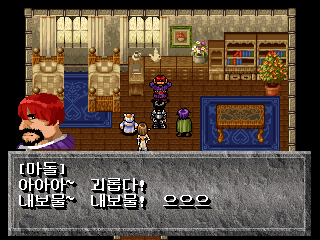
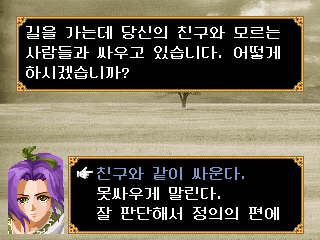
Developed by Sonnori Team at Phantagram, this game is be introduced at the Sonnori profile.
Quick Info:
|
Developer: |
Sonnori |
|
Publisher: |
HiCom |
|
Genre: |
RPG |
|
Theme: |
Fantasy |
Forgotten Saga (Windows)
Forgotten Saga (Windows)
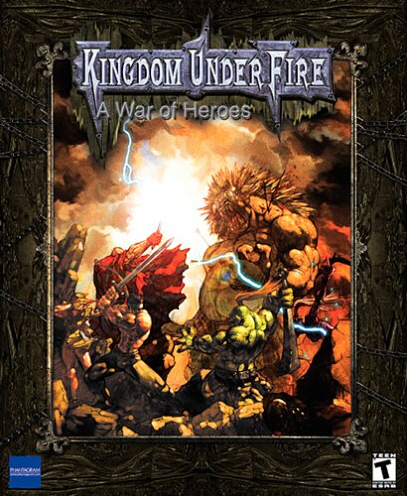
Kingdom Under Fire: A War of Heroes (킹덤언더파이어) - Windows (December 1, 2000)
American Cover
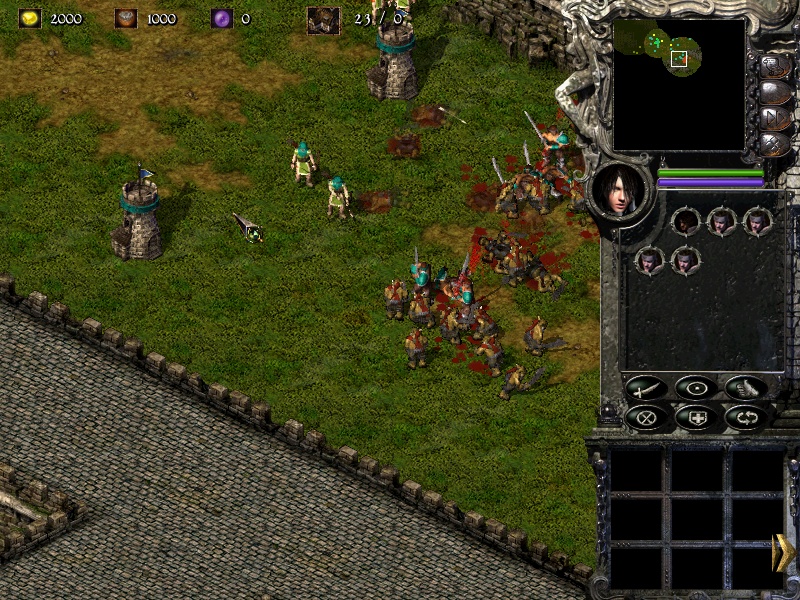
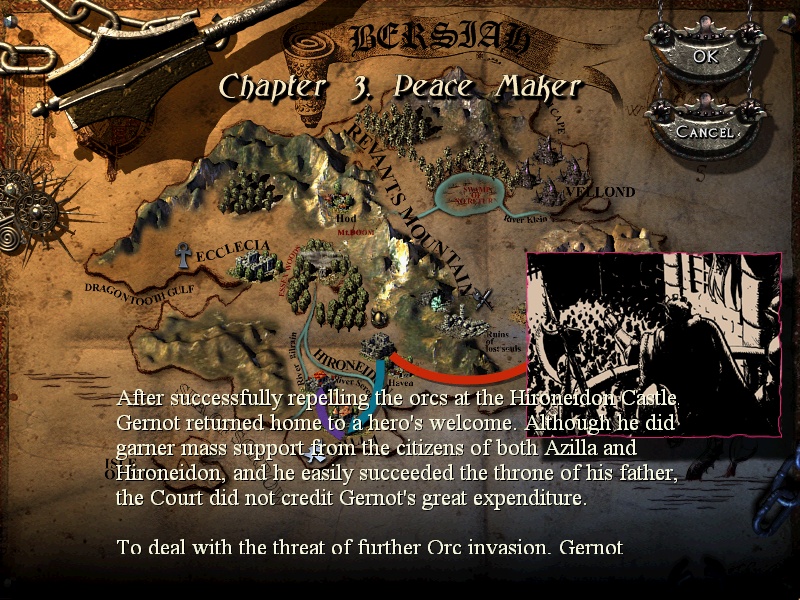
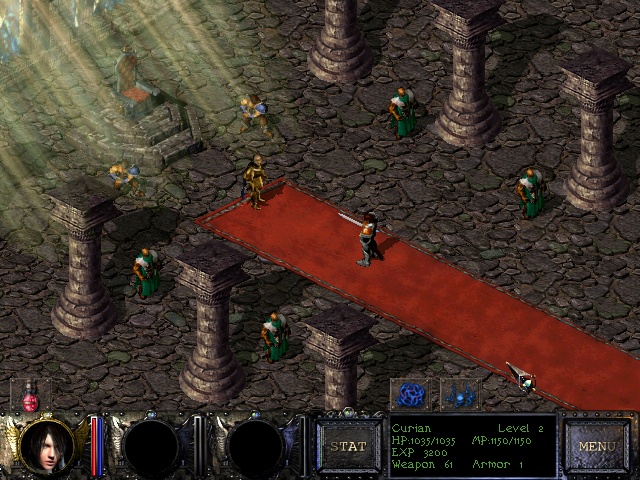
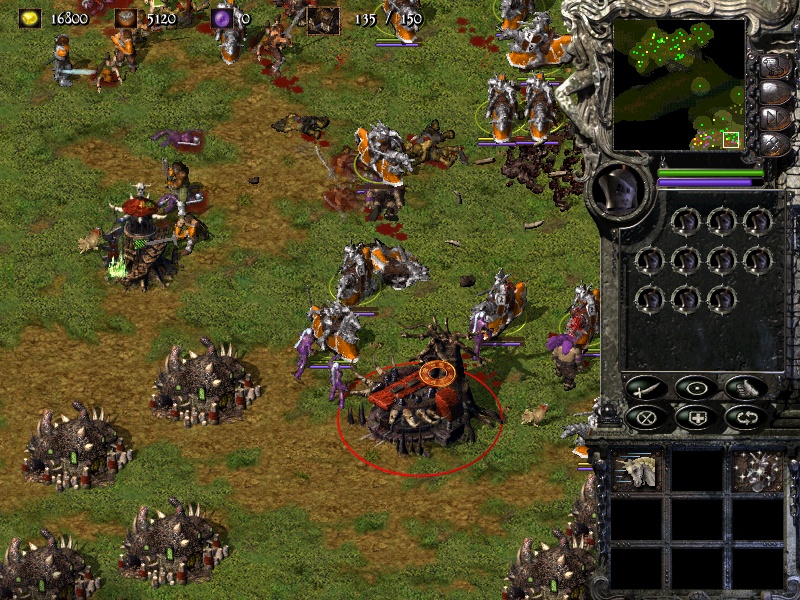
The "orcs vs. humans" setting of Kingdom Under Fire is so bluntly derived from Warcraft that one could easily mistake it for an alternate dimension Warcraft III only with the dark elves from Record of Lodoss War thrown in. The standard RTS gameplay is equally unoriginal, although it is occasionally interrupted with Diablo style action RPG missions with a party of up to three.
Quick Info:
|
Developer: |
Phantagram |
|
Publisher: |
Phantagram |
|
Genre: |
Strategy |
|
Theme: |
Fantasy |
Kingdom Under Fire (Windows)
Kingdom Under Fire (Windows)
Kingdom Under Fire (Windows)
Kingdom Under Fire (Windows)
Shining Lore (샤이닝로어) - Windows (March 20, 2002)
Artwork
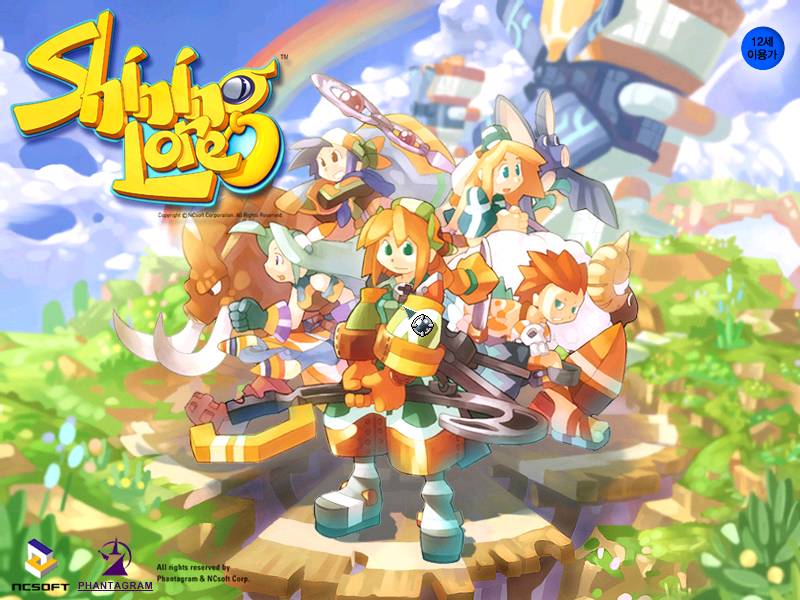
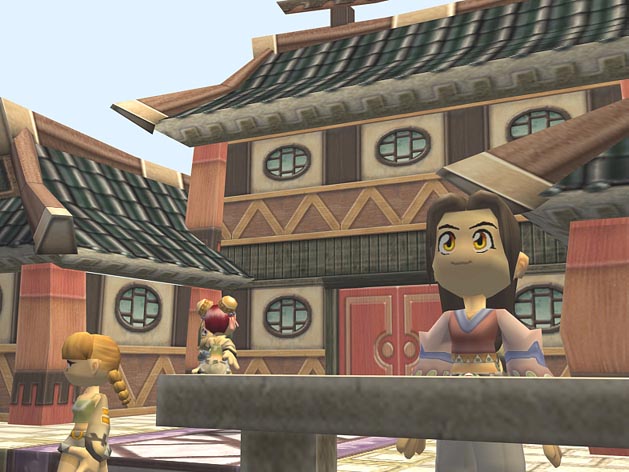
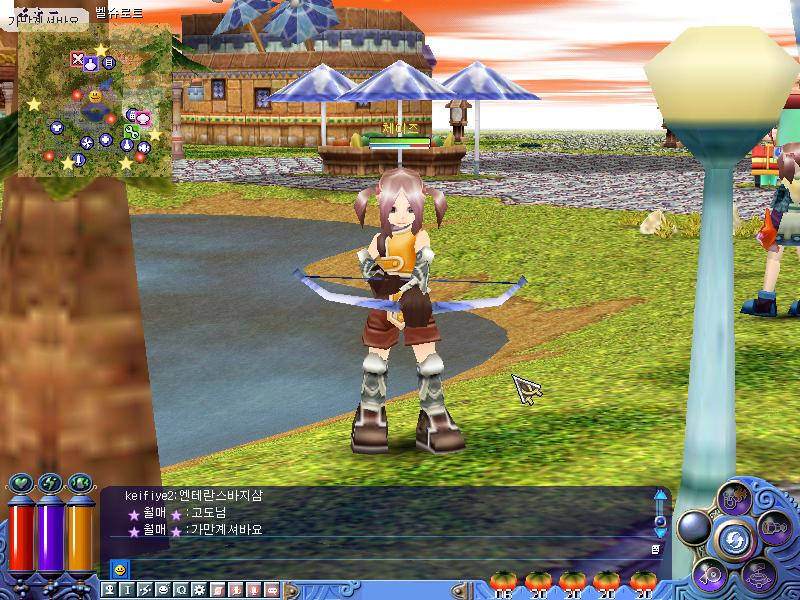
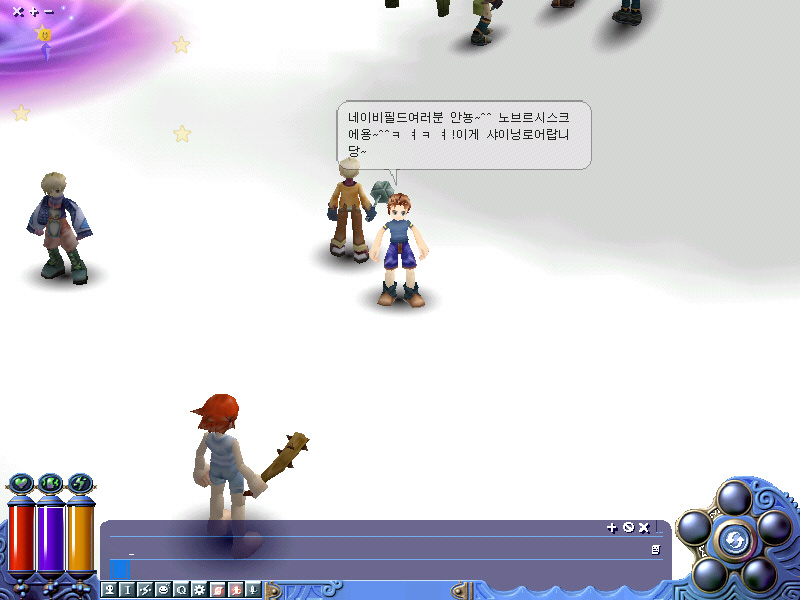
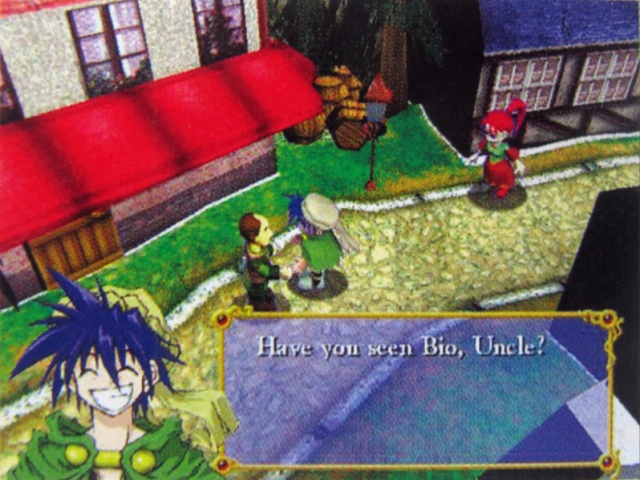
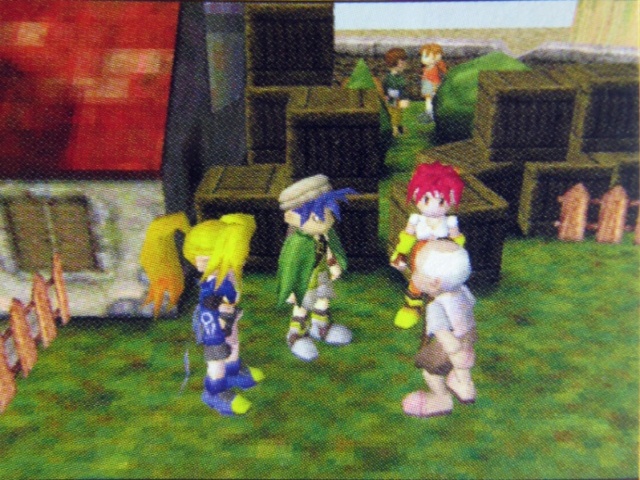
Shining Lore was originally conceived as a single player RPG for Dreamcast and a continuation of Sega's Shining series. However, Phantagram had to accept that they were not yet ready to deliver a quality console game, as president Lee Sangyoun admitted7, and the game was cancelled.
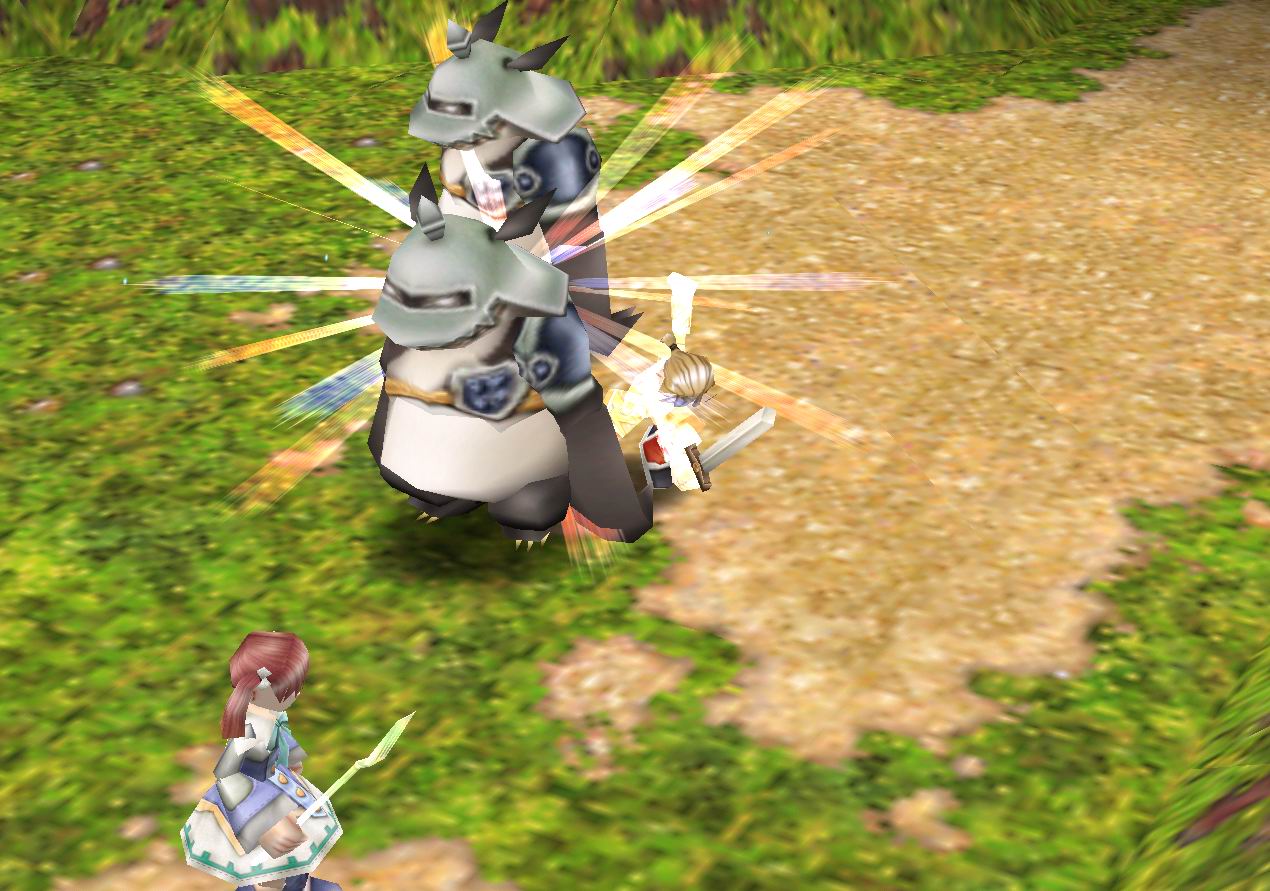
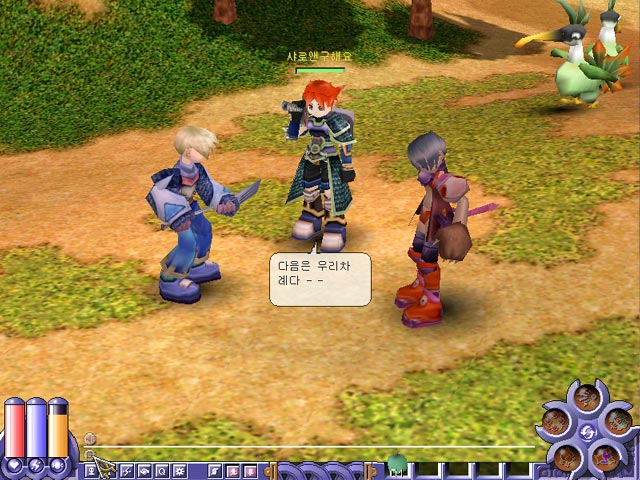
Shining Lore did make it in the end, however, only as a PC MMORPG. Not for too long, though, as soon after NCSoft took over Phantagram, the game was shut down already on November 28th, 20038. Many rumours surround the closure, some claiming NCSoft had bought out the game to eliminate competition for Lineage, given fire by the fact that the compensation for users was a free-for-a-month subscription to NCSoft's flagship9. A planned English release as well as an Xbox version didn't even come out.
Park Seunghyun, the producer of this game, left the company soon after and founded Nflavor, taking part of the team with him.
Quick Info:
|
Developer: |
Phantagram |
|
Publisher: |
NCSoft |
|
Genre: |
MMORPG |
|
Theme: |
Fantasy |
Shining Lore (Windows)
Shining Lore (Windows)
Shining Lore (Windows)
Shining Lore (Windows)
Shining Lore (Windows)
Shining Lore (Windows, single player beta)
Shining Lore (Windows, single player beta)
Kingdom Under Fire: The Crusaders (킹덤언더파이어: 더크루세이더즈) - XBox (October 5, 2004)
Cover
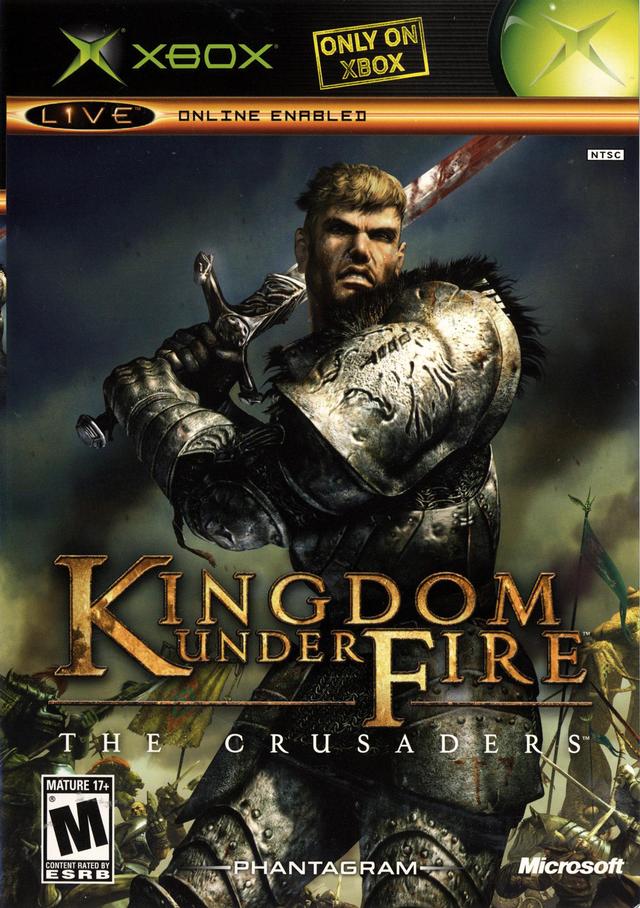
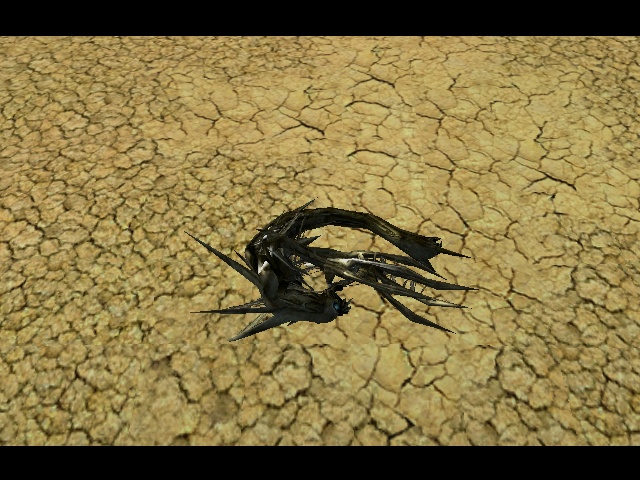
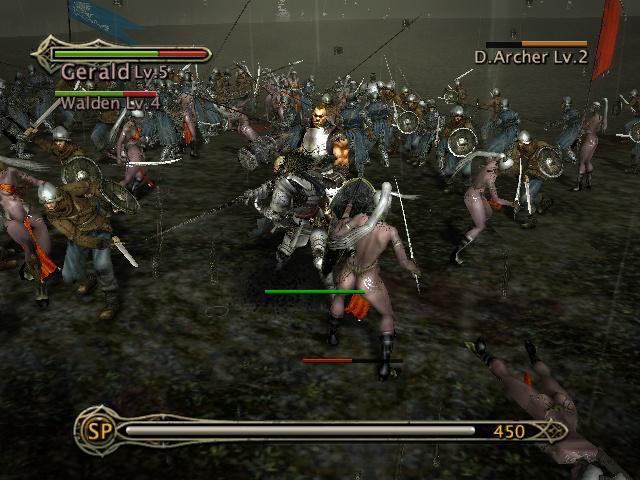
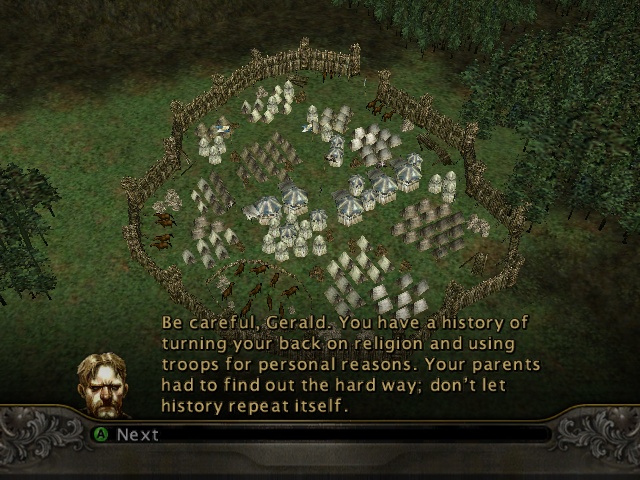
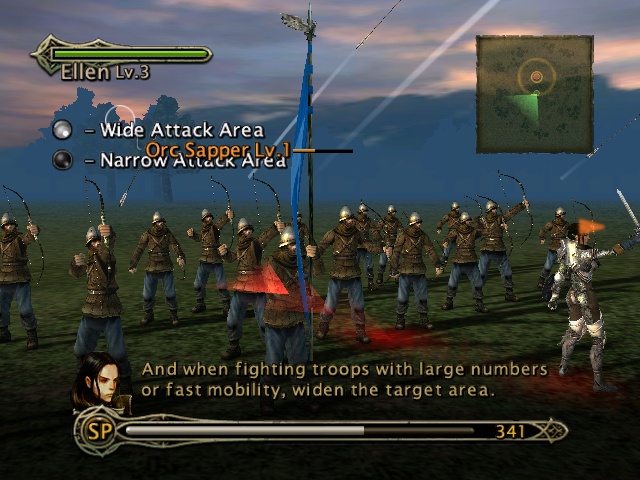
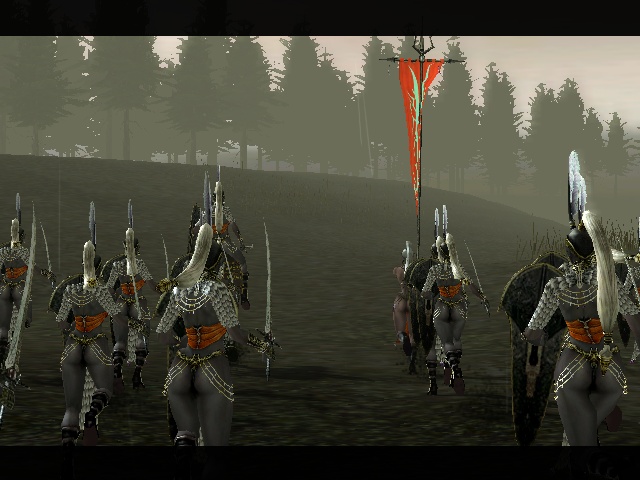
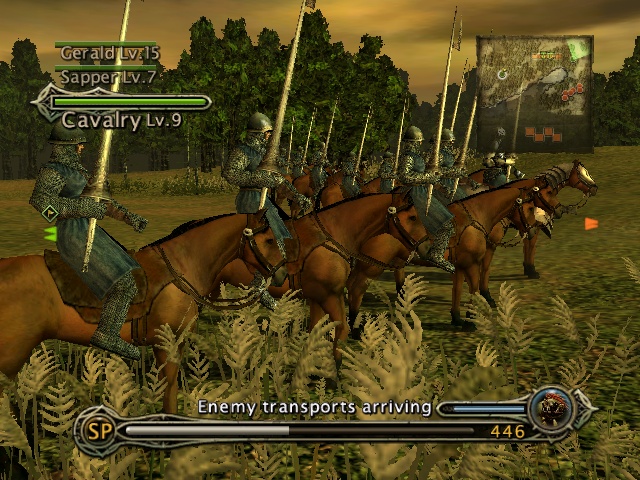
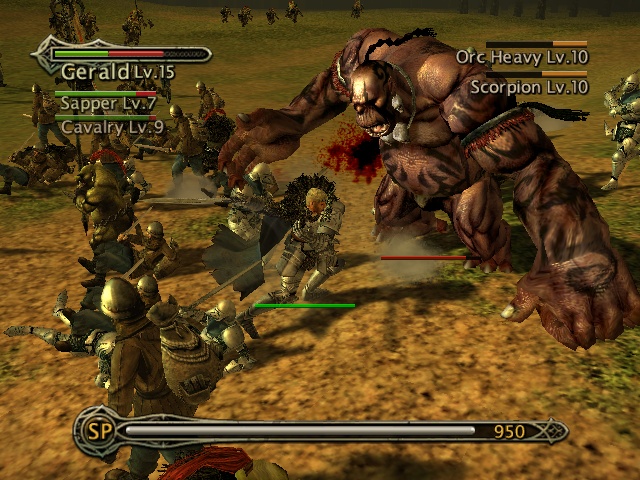
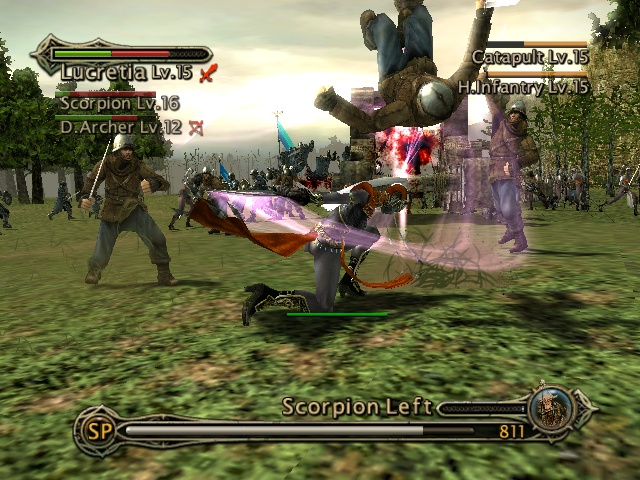
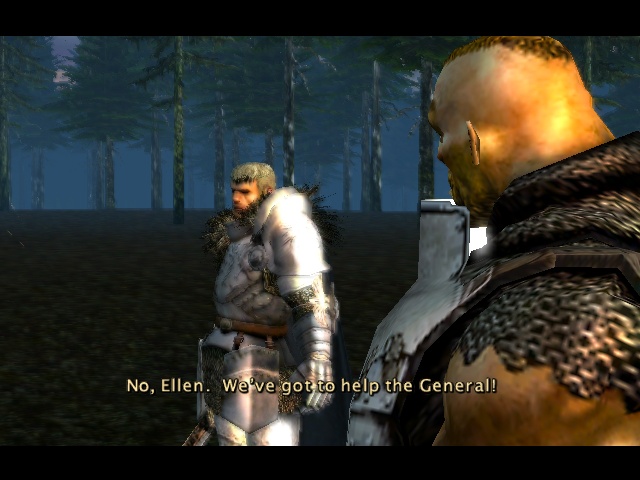
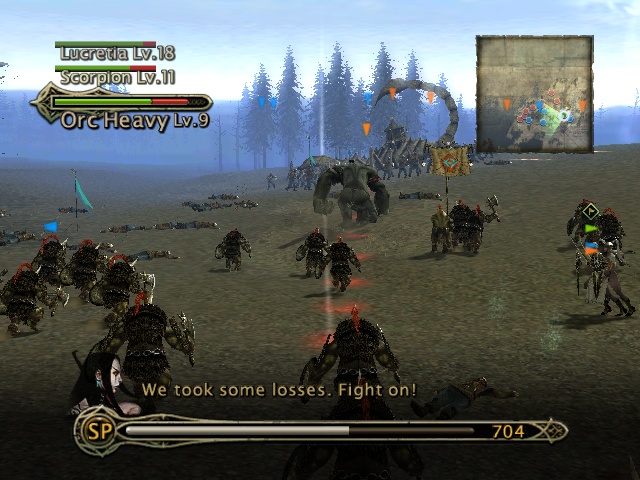
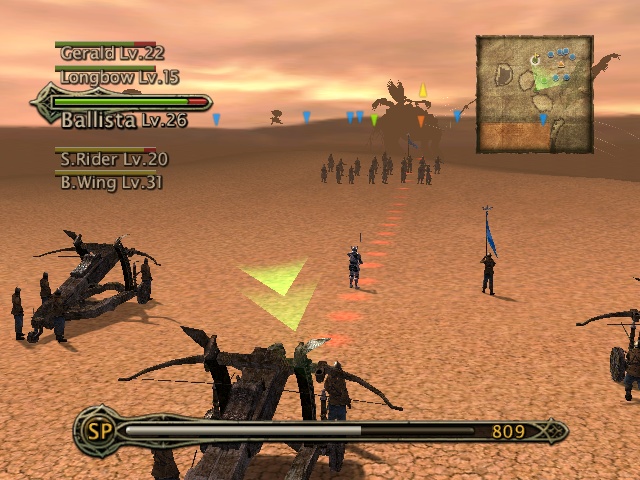
With their continuation of Kingdom Under Fire, Phantagram/Blueside managed to turn a perfectly boring off-the-mill RTS into a very interesting mixture of tactical games like Myth or Warhammer with the hack & slay of Dynasty Warriors. In four campaigns players alternately fight for the humans or the dark legion, commanding up to five regiments of footmen, archers, cavalry, sappers and even monsters and war machines, all with their individual strength that tend to cancel each other out rock, paper & scissors style. The game initially also supported online multiplayer modes, but since the servers have been shut down, they're not available, anymore.
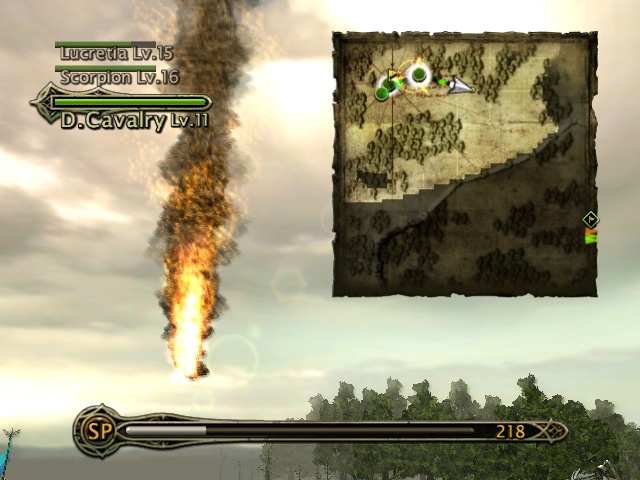
The controls might feel a bit unintuitive at first, but once one handles to use the map to order units around effectively, one will learn in no time to flank the approaching enemies with cavalry, set out traps before they reach the infantry, and cut off the reinforcements by setting the woods on fire with the archers. There's a lot of attention to minute details, so archers have to be positioned so that they never face the sun, elves slowly get healed in the woods and terrain has a direct effect on the battle.
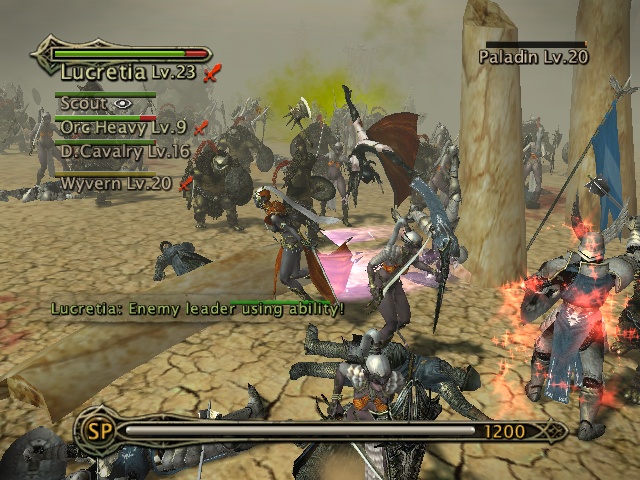
A lot of the tactical finesse is cancelled out, however, when your main unit approaches the enemy, then it's time to hack about with the current campaign's hero directly, complete with special moves. There's always two lieutenants in the same regiment that can be called for even more devastating attacks. All special moves and spells cost action points, which are recharged in melee or by using the designated specialities of each regiment. Unfortunately, the skirmishes often boil down to finding and eliminating the enemy leader as fast as possible, after that the hostile regiment will back down in no time.
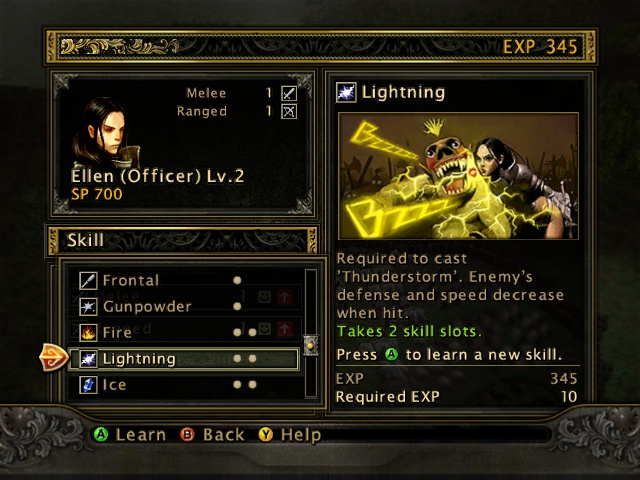
In between missions the game's RPG elements come into play, as experience and money from the battle can be invested into better equipment and skills that allow for class changes in the troops. Here the humans are very flexible as any regiment can take any job with the right leader, while the dark legion troops are strictly divided between orcish and dark elven leaders, which poses more limitation and forces more frequent use of the other option, the hiring of mercenaries. While the introductory missions (specifically the greater part of the first campaign) dictate the troops to the player, the selection gets more and more liberal, so hired mercenaries play a bigger role and even allow for job classes that are not even mandatory to ever use in the whole campaign.
Despite the huge number of troops on screen, the game runs almost always smoothly. Spell effects look brilliant, and the game does a good job to make one really see and feel the masses, especially in melee. The impression is only disturbed by a short sight range, not only in the foggy scenarios. The metal soundtrack sounds great, but over time puts a bit too much pressure on one's nerves.
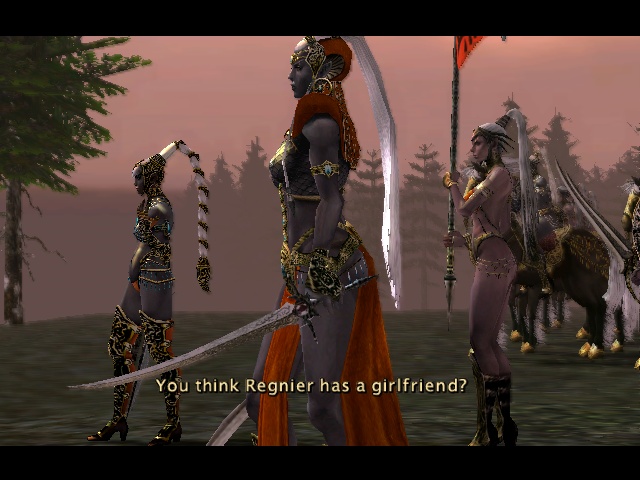
The story about several factions that try to get hold of the holy ground is surprisingly life-like, so much that there's a word constantly muted out in the speech. It says "patriarchal" in the subtitles, but one can imagine that the original word was probably more specific. The story is quite interesting with puzzle pieces spread out over all four campaigns to form a whole. If only it wasn't told so clumsily. The writing is bad enough and betrays its origin in translation all too often, but it's brought down even further by the voiceacting, which is passable at best and horrible at worst. Of all things, the actor for Gerald, the hero in the first campaign, delivers a performance so hilariously bad it almost turns the whole game into a comedy.
Despite the awkward storytelling, Kingdom Under Fire: The Crusaders is one of the better and most unique entries in the original Xbox' catalog. It was the first big console hit coming from Korea, and in his home country was awarded the grand prize at the Korean Game of the Year Awards 2004, the first and so far only console title that ever had the honor, and the only non-MMO game since 2001.
A Zerg?
Quick Info:
|
Developer: |
Blueside |
|
Publisher: |
Phantagram |
|
Genre: |
Action |
|
Theme: |
Fantasy |
Kingdom Under Fire: The Crusaders (Xbox)
Kingdom Under Fire: The Crusaders (Xbox)
Kingdom Under Fire: The Crusaders (Xbox)
Kingdom Under Fire: The Crusaders (Xbox)
Kingdom Under Fire: The Crusaders (Xbox)
Kingdom Under Fire: The Crusaders (Xbox)
Kingdom Under Fire: The Crusaders (Xbox)
Kingdom Under Fire: The Crusaders (Xbox)
Kingdom Under Fire: The Crusaders (Xbox)
Kingdom Under Fire: The Crusaders (Xbox)
Kingdom Under Fire: The Crusaders (Xbox)
Kingdom Under Fire: The Crusaders (Xbox)
Kingdom Under Fire: The Crusaders (Xbox)
Kingdom Under Fire: The Crusaders (Xbox)
Kingdom Under Fire: Heroes (킹덤 언더 파이어: 히어로즈) - XBox (September 24, 2005)
Cover
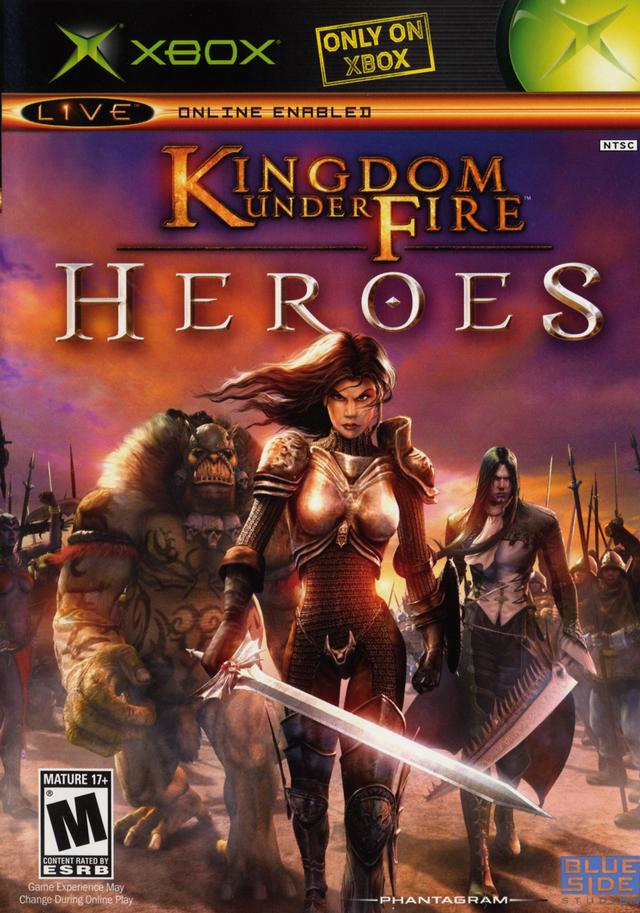
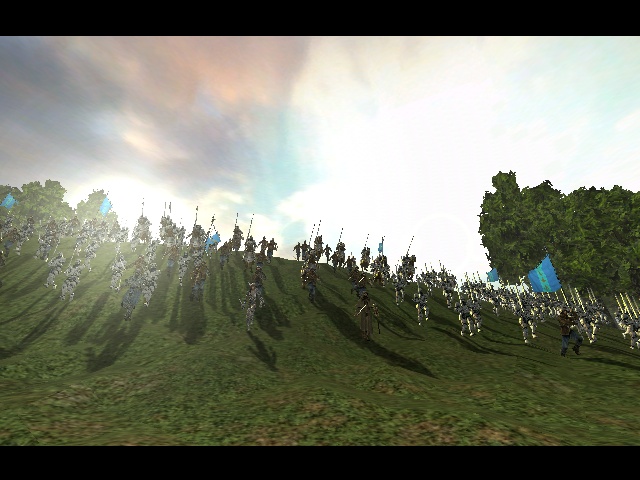
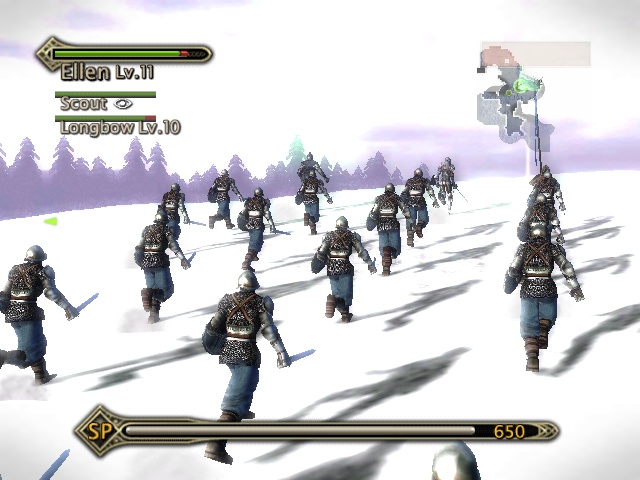
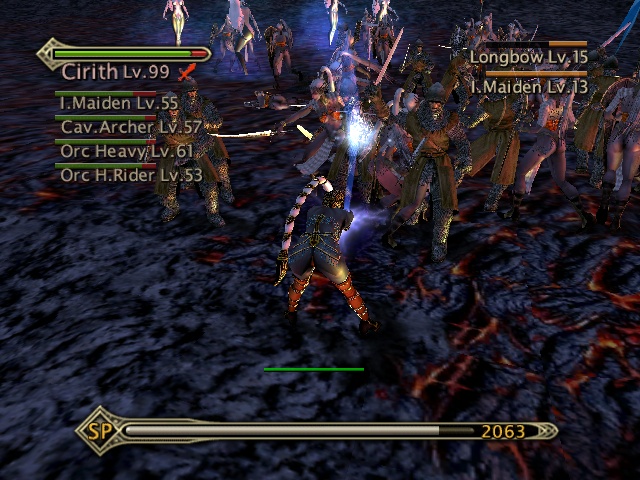
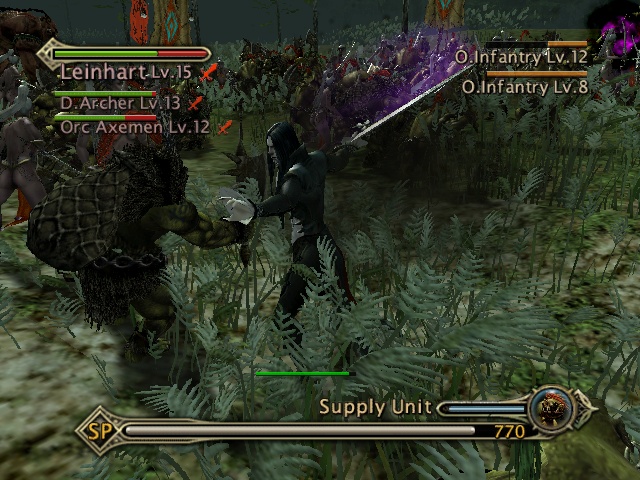
Kingdom Under Fire: Heroes takes place 5 years before The Crusaders and explores the earlier actions of many supporting characters from the former game, which amount to a total of seven story campaigns, enlightening the events leading to the war from even more angles.
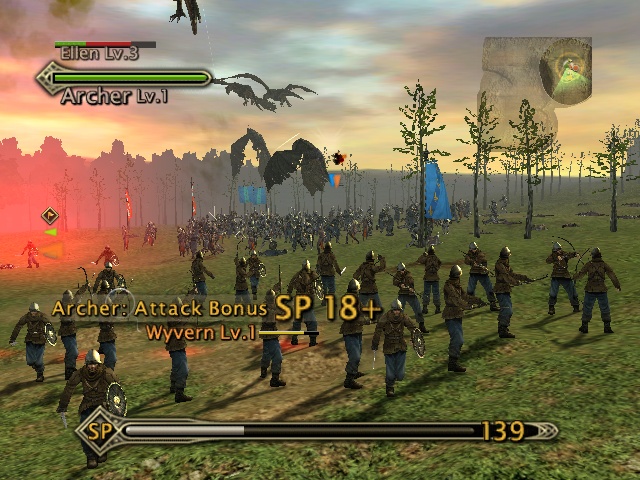
Blueside didn't make any big experiments with this prequel, which runs in almost exactly the same game engine. Aside from a few minor tweaks—lieutentant's moves are now triggered with the black and white buttons instead of the combinations, which are now free for new maneuvers like attacking enemies on the ground.
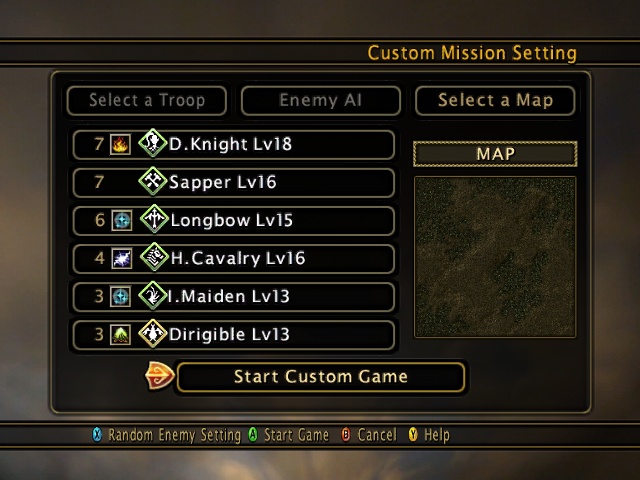
The biggest new element is the custom skirmish mode, which allows to create armies freely and test them against enemy waves in a number of simple maps.
Quick Info:
|
Developer: |
Blueside |
|
Publisher: |
Phantagram |
|
Genre: |
Action |
|
Theme: |
Fantasy |
Kingdom Under Fire: Heroes (Xbox)
Kingdom Under Fire: Heroes (Xbox)
Kingdom Under Fire: Heroes (Xbox)
Kingdom Under Fire: Heroes (Xbox)
Kingdom Under Fire: Heroes (Xbox)
Kingdom Under Fire: Heroes (Xbox)
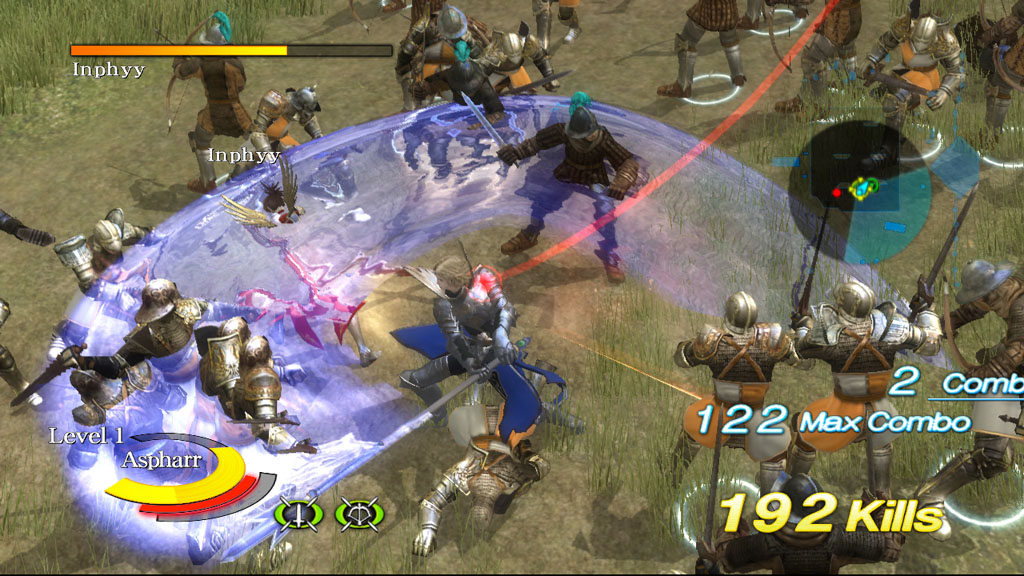
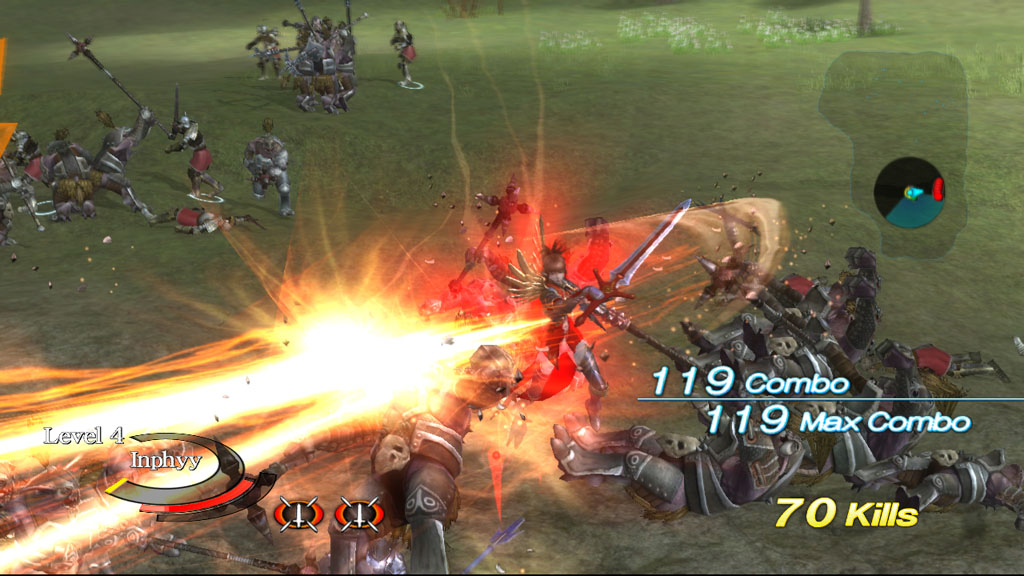
N3: Ninety-Nine Nights (나인티나인 나이츠) - XBox360 (May 18, 2006)
Phantagram and Blueside developed this Dynasty Warriors clone in cooperation with Konami. Although the Koreans made up the majority of the core development team for the first game, Phantagram or Blueside weren't involved at all with the sequel, anymore.
Quick Info:
|
Developer: |
Blueside |
|
Publisher: |
Microsoft |
|
Genre: |
Action |
N3: Ninety-Nine Nights (Xbox 360)
N3: Ninety-Nine Nights (Xbox 360)
Kingdom Under Fire: Circle of Doom (킹덤언더파이어: 서클오브둠) - Xbox 360 (December 2007)
Cover
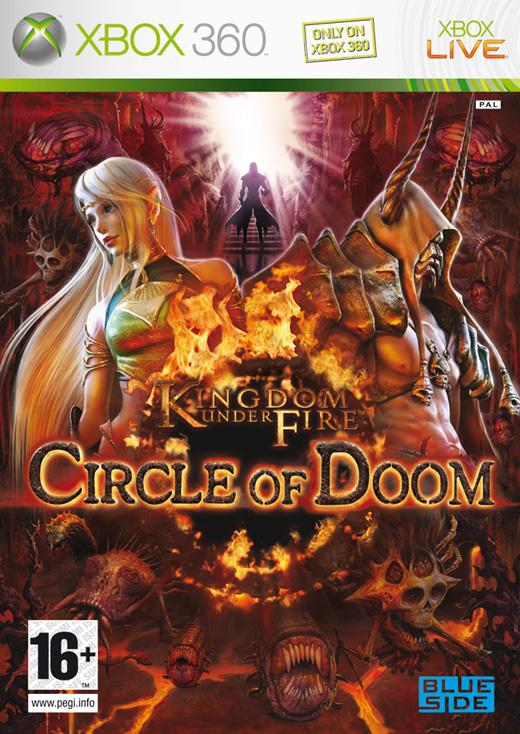
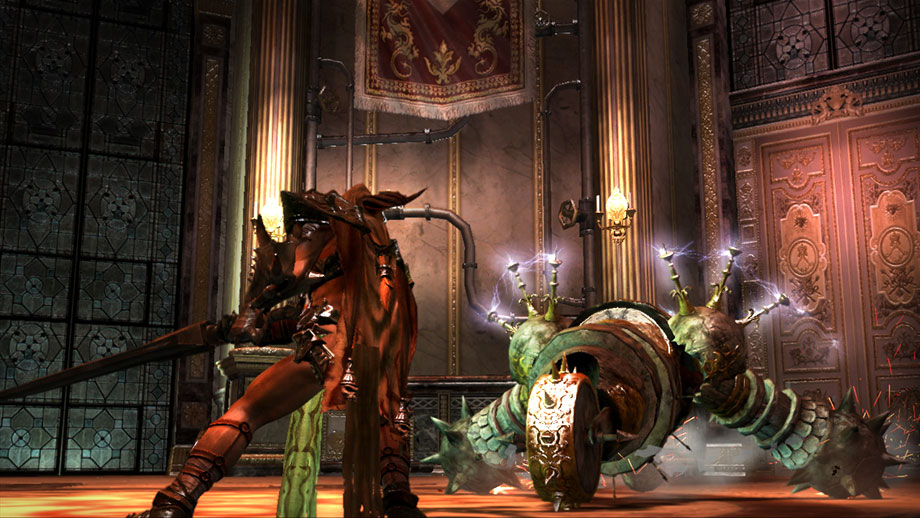
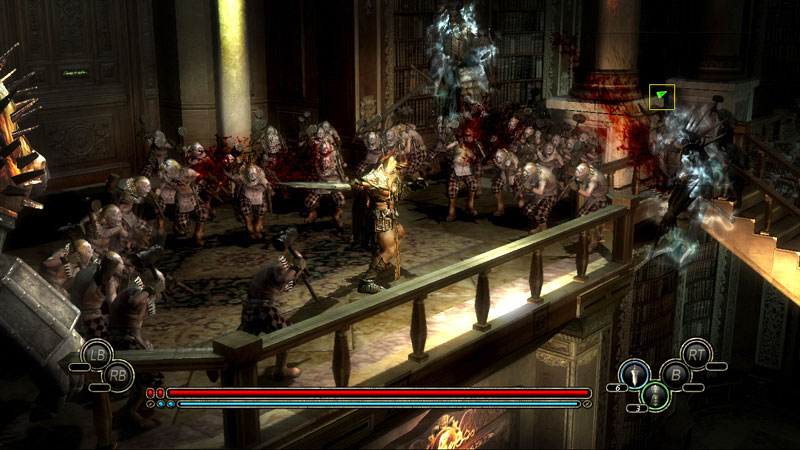
The HD debut for Kingdom Under Fire drops the strategic elements in favor of a pure hack&slay experience a la Diablo, complete with randomized items and areas. The six characters get to use some interesting weapons and skills, but neither those nor the beautiful graphics can save the game from the fatigue that tends to go along with this type of game.
Quick Info:
|
Developer: |
Blueside |
|
Publisher: |
Phantagram |
|
Genre: |
Action |
|
Theme: |
Fantasy |
Kingdom Under Fire: Circle of Doom (Xbox 360)
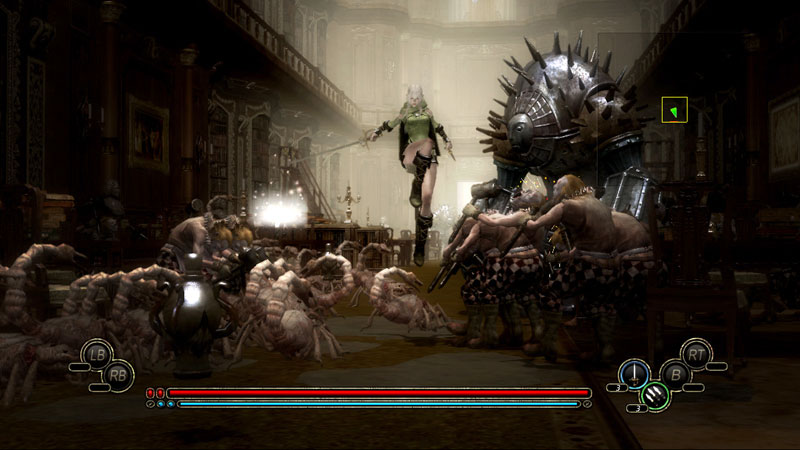
Kingdom Under Fire: Circle of Doom (Xbox 360)
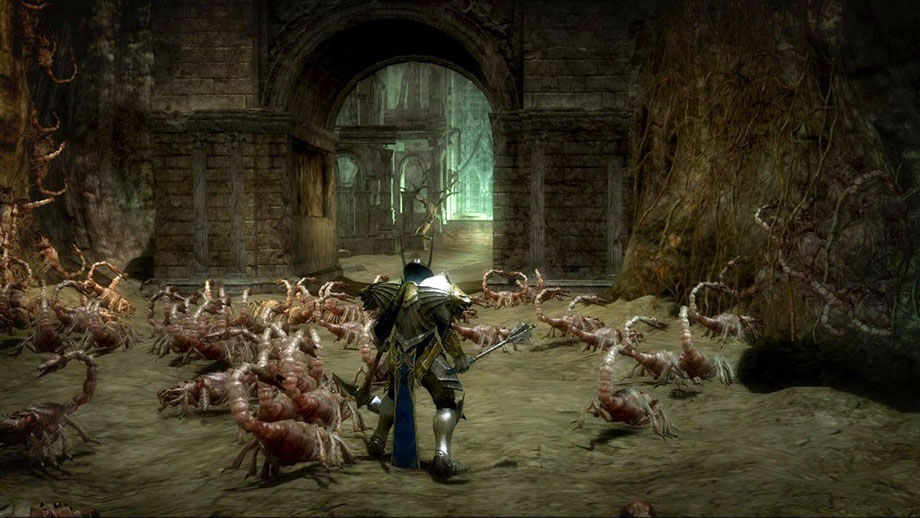
Kingdom Under Fire: Circle of Doom (Xbox 360)
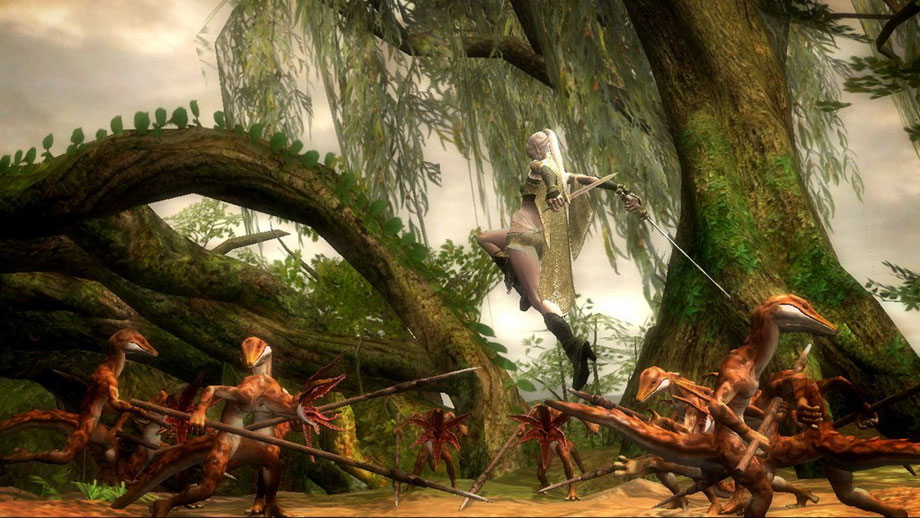
Kingdom Under Fire: Circle of Doom (Xbox 360)
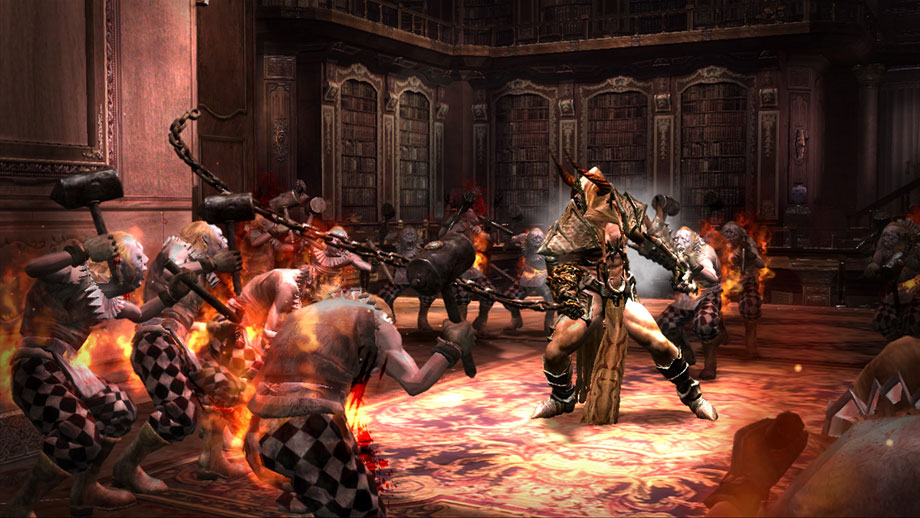
Kingdom Under Fire: Circle of Doom (Xbox 360)
Kingdom Under Fire: Circle of Doom (Xbox 360)
프린세스 파자마 (Princess Pajama) - iOS, Android (February 2012)
Artwork
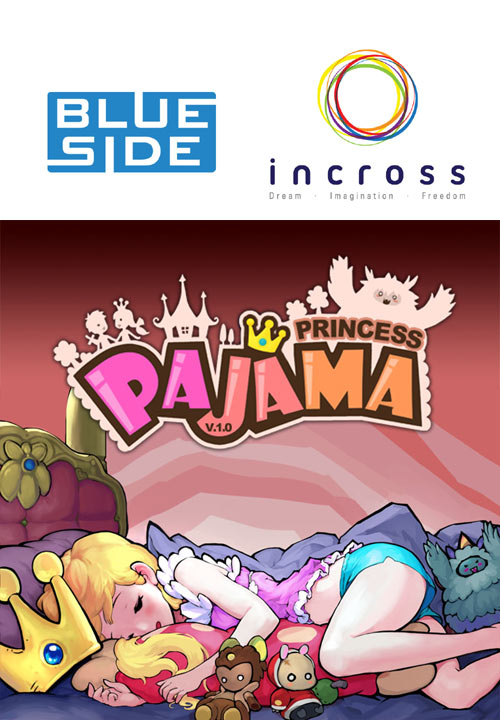
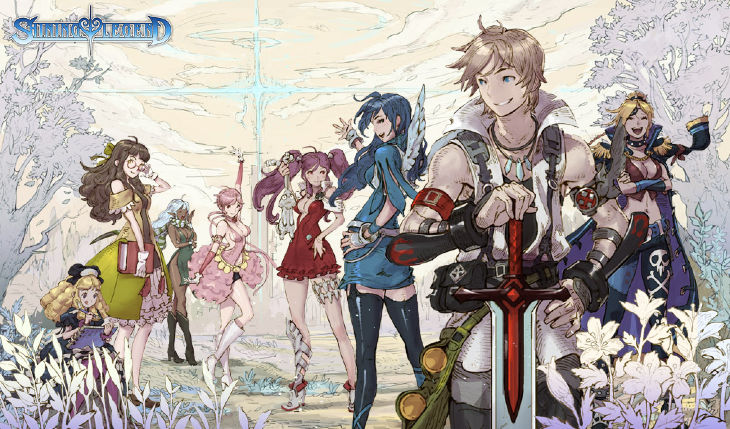
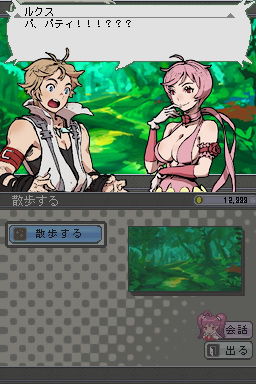
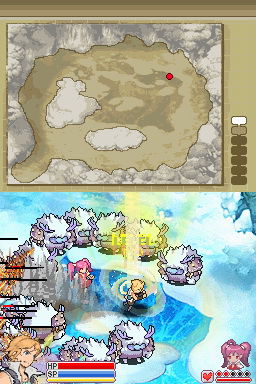
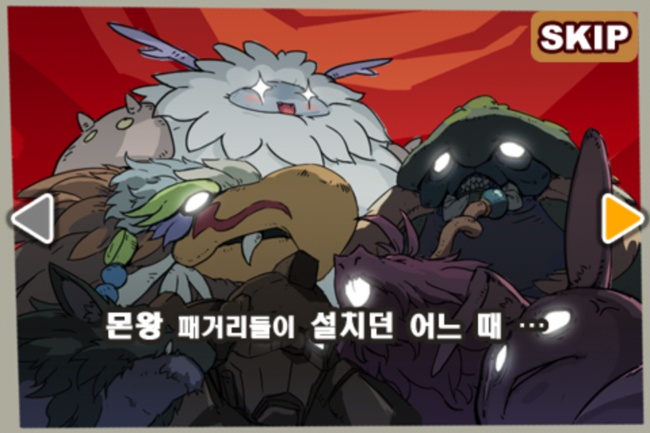
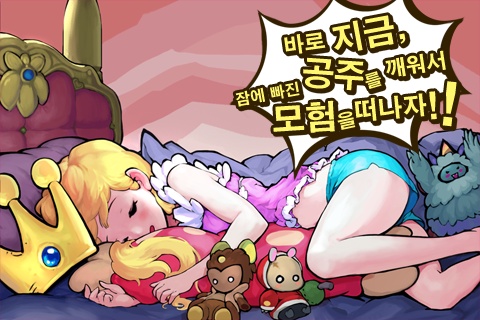
Blueside initially announced a game under the working title Princess and Knight in 2008, which quickly disappeared, but resurfaced two years later as Shining Legend10. The title once again made Shining Force fans listen up, but the game rather digs up old concepts for Phantagram's Shining Lore Dreamcast game, complete with dating sim elements.
The hero would have had to manage his relationships with no less than seven princesses, who may also aid him in battle, depending on their opinion of the protagonist. The premise about going on a quest to pay one's own country's financial debts sounded quite unique, too.
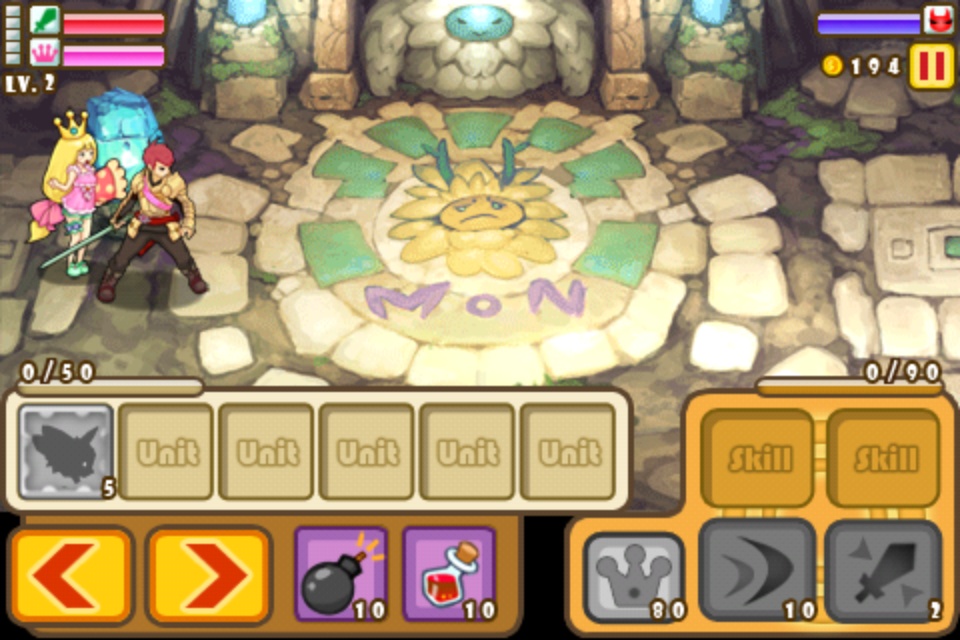
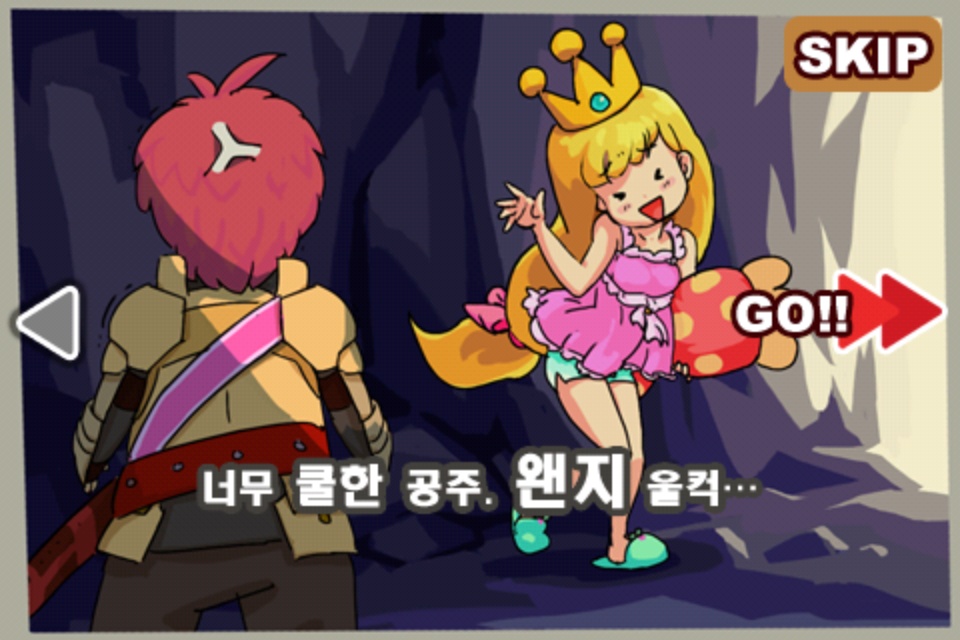
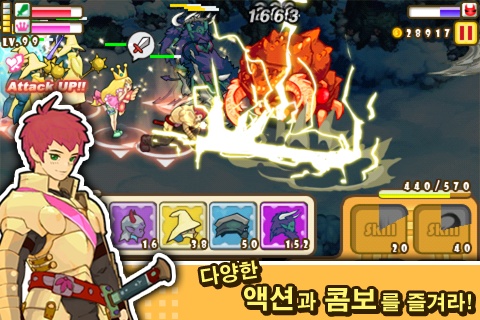
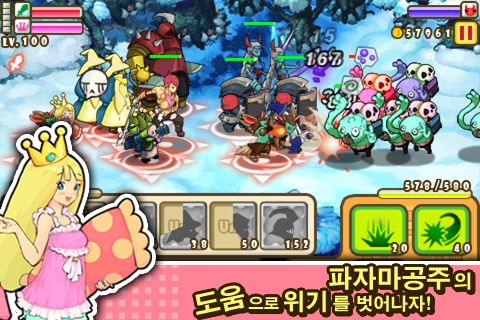
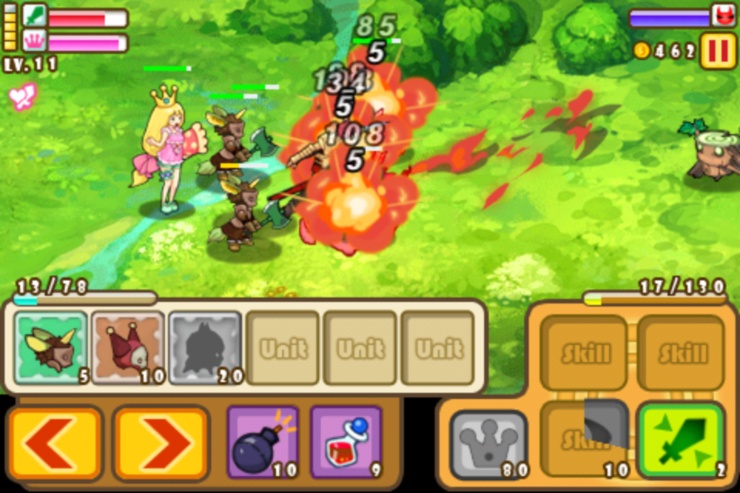
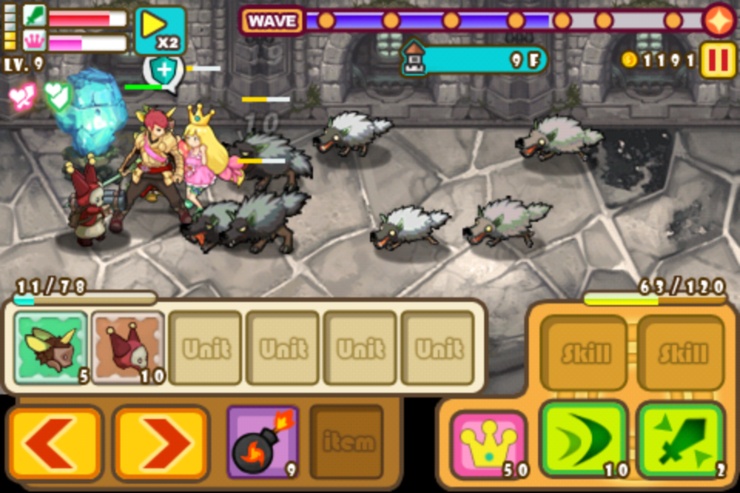
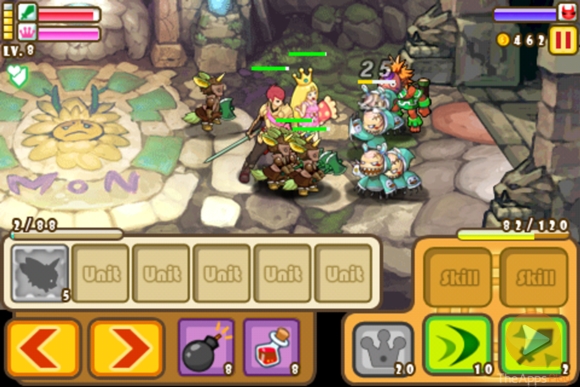
Shining Legend was originally announced for a late 2010 release, but that didn't happen. In 2012, the general concept was adapted into this smart phone game, bringing the princess count down to one and adding much whimsical.
Shining Legend Artwork
Shining Legend (NDS)
Shining Legend (NDS)
Quick Info:
|
Developer: |
Blueside |
|
Publisher: |
Blueside |
|
Genre: |
Action RPG |
|
Theme: |
Fantasy |
Princess Pajama (iOS)
Princess Pajama (iOS)
Princess Pajama (iOS)
Princess Pajama (iOS)
Princess Pajama (iOS)
Princess Pajama (iOS)
Princess Pajama (iOS)
Princess Pajama (iOS)

Princess Pajama (iOS)
Princess Pajama (iOS)
Kingdom Under Fire II (킹덤 언더 파이어2) - XBox360, PS3, Windows (TBA)
Artwork
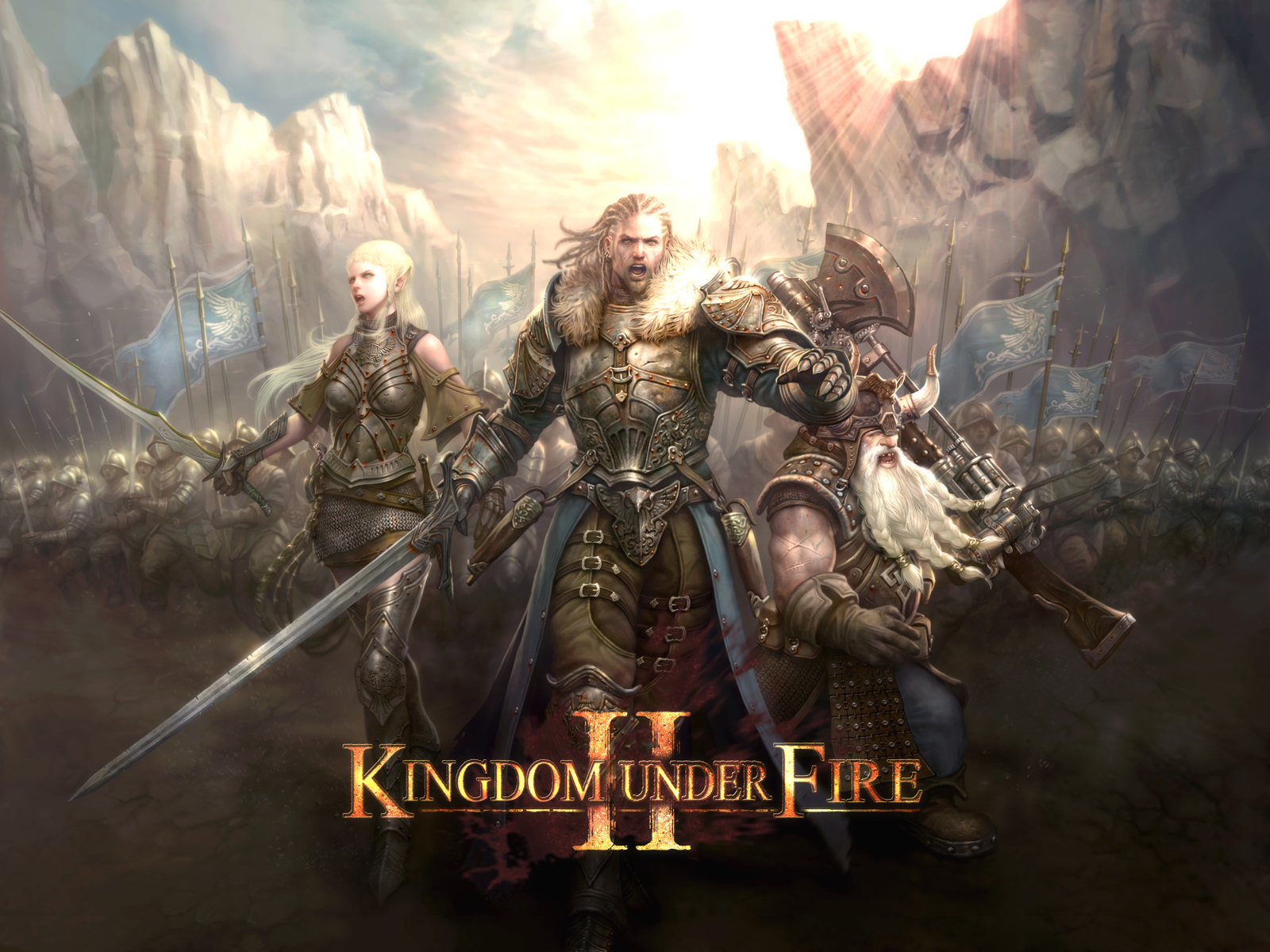
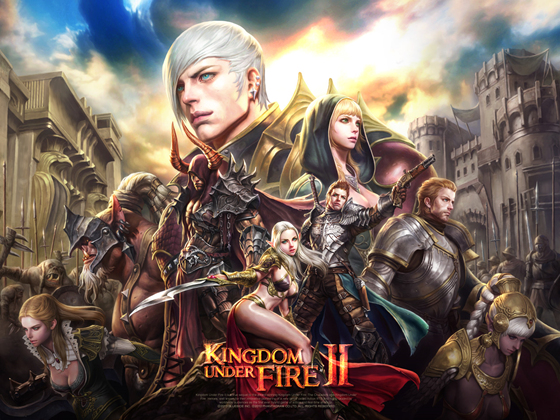
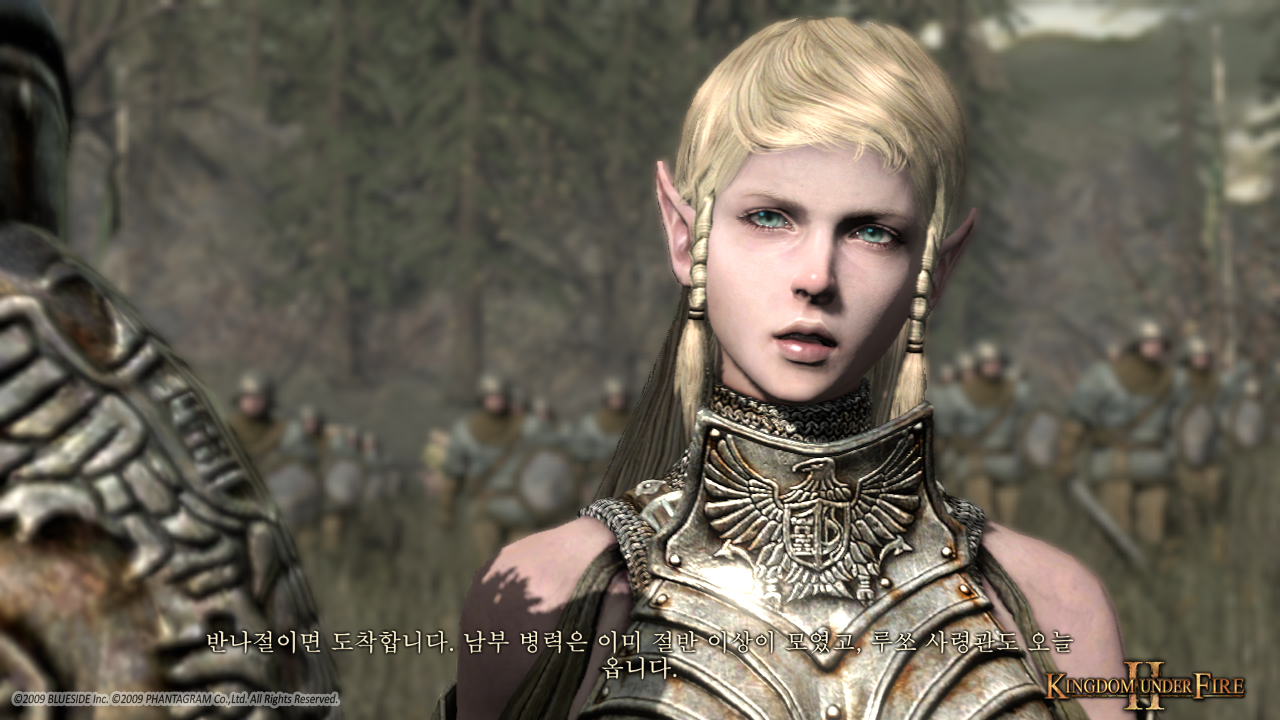
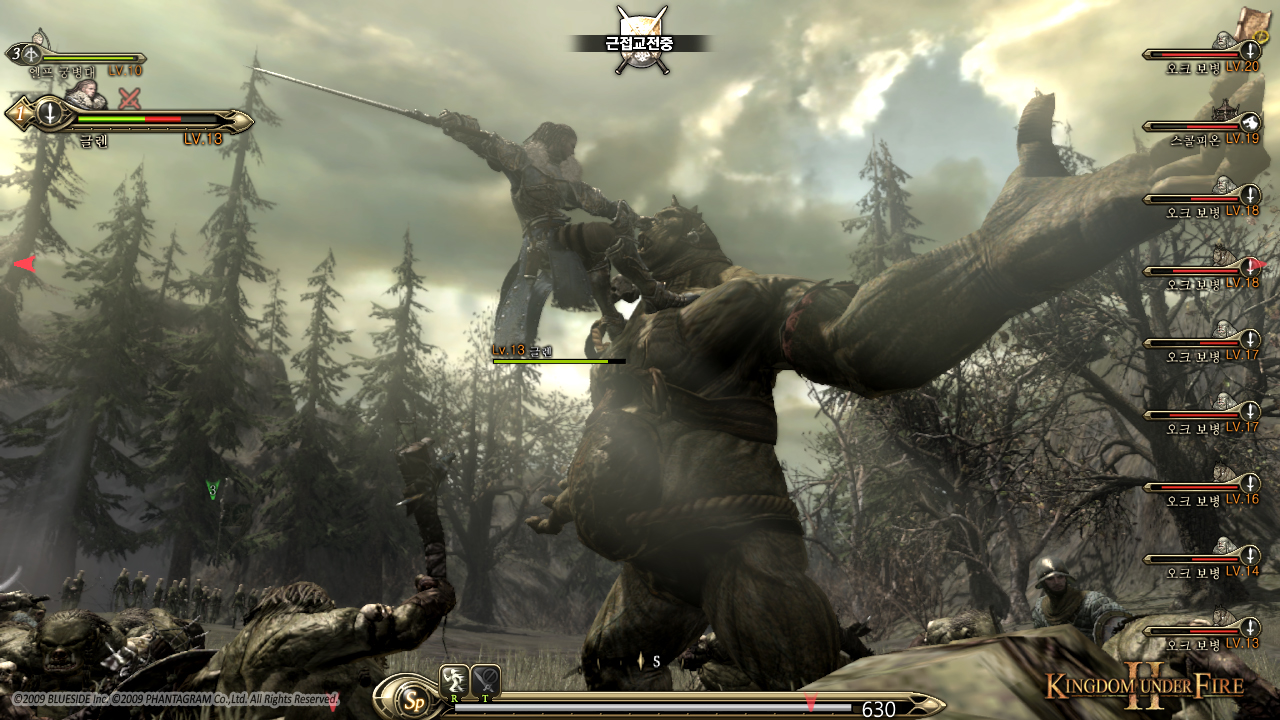
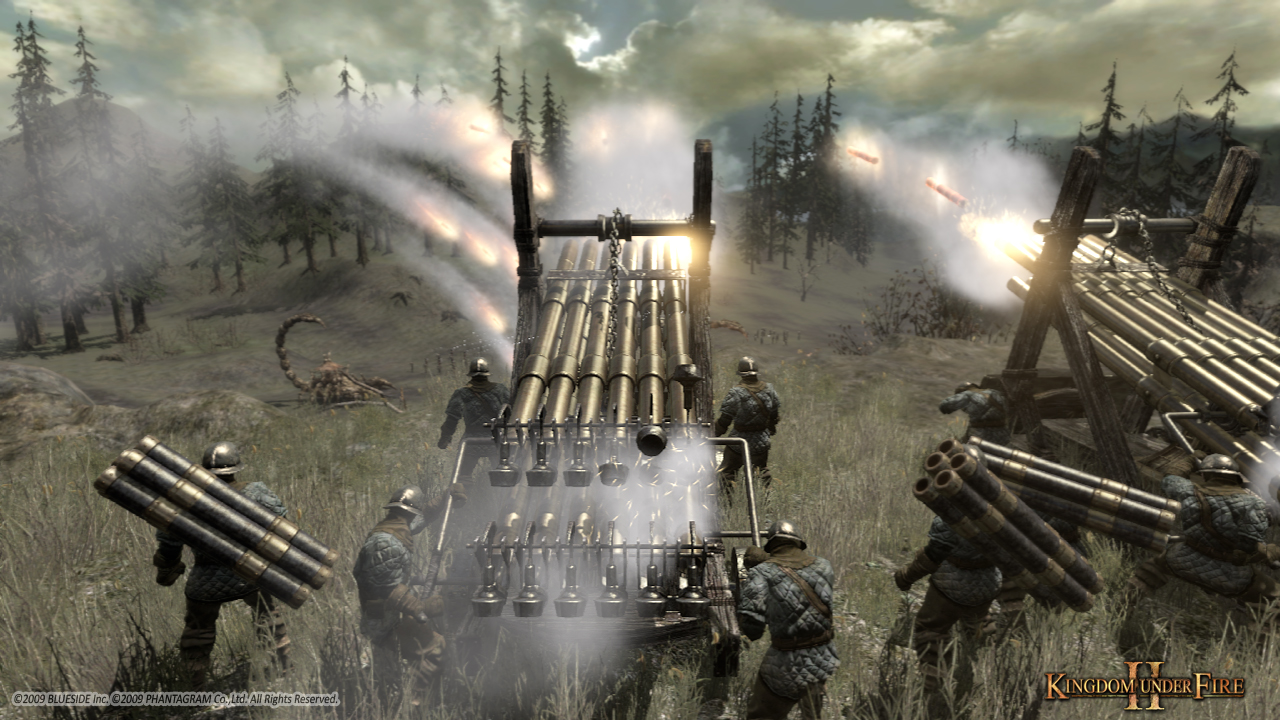
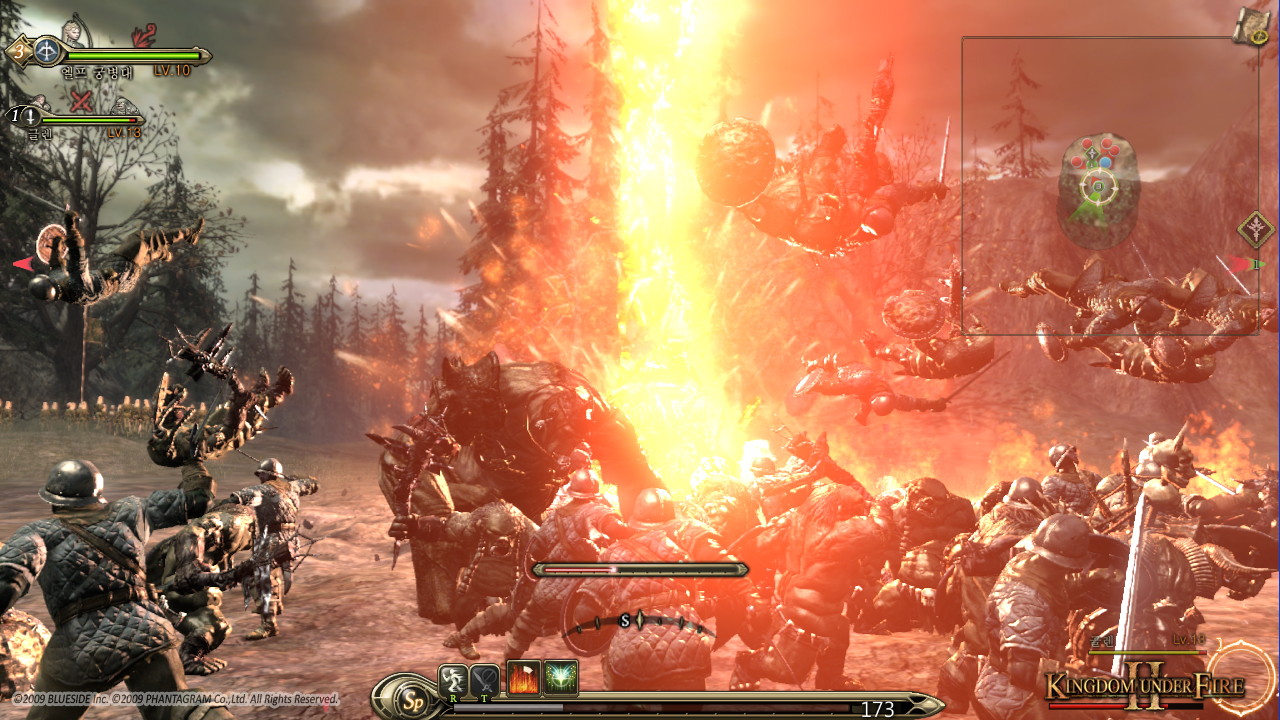
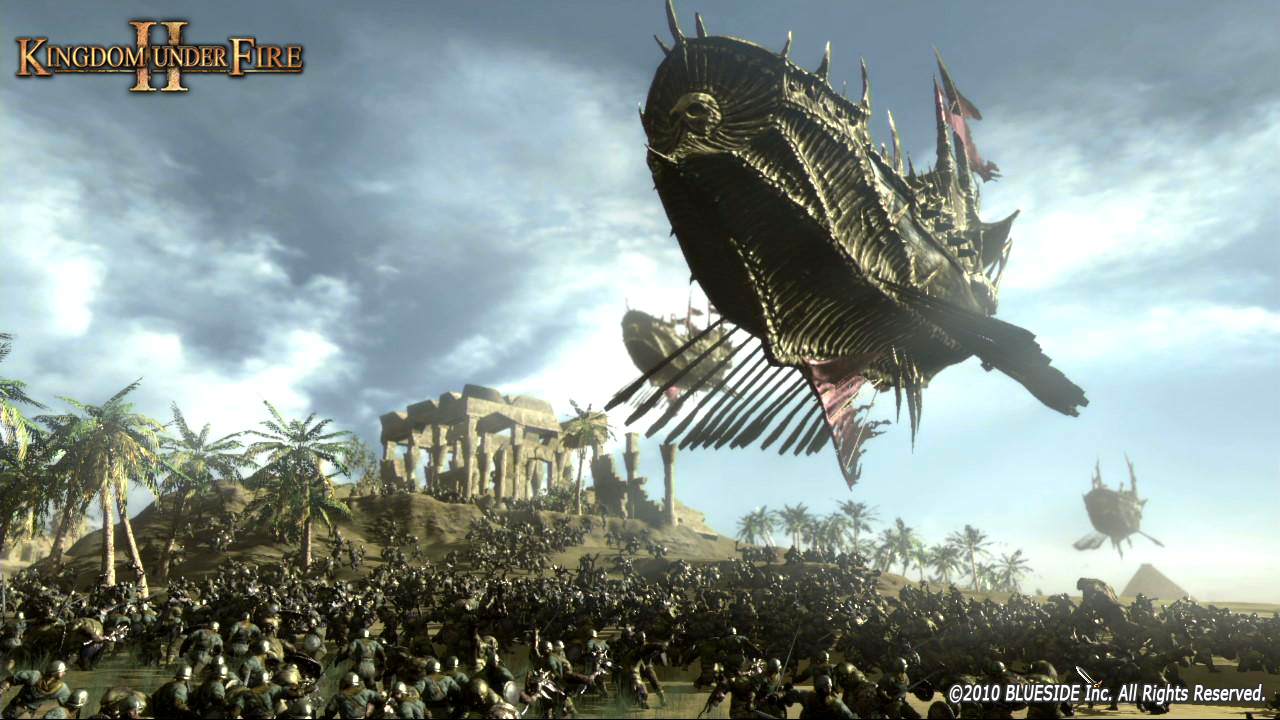
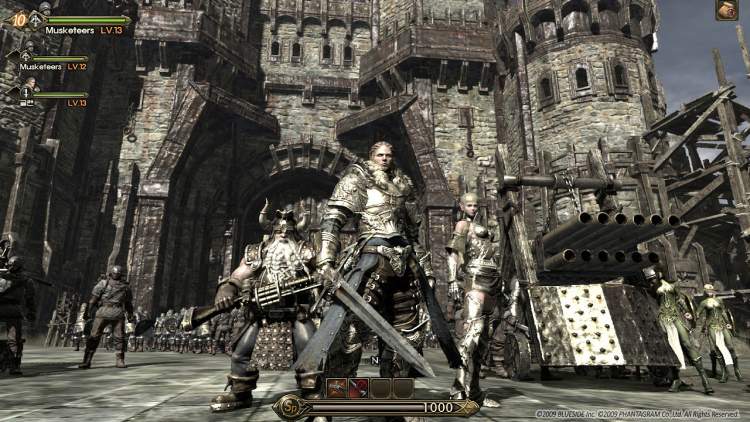
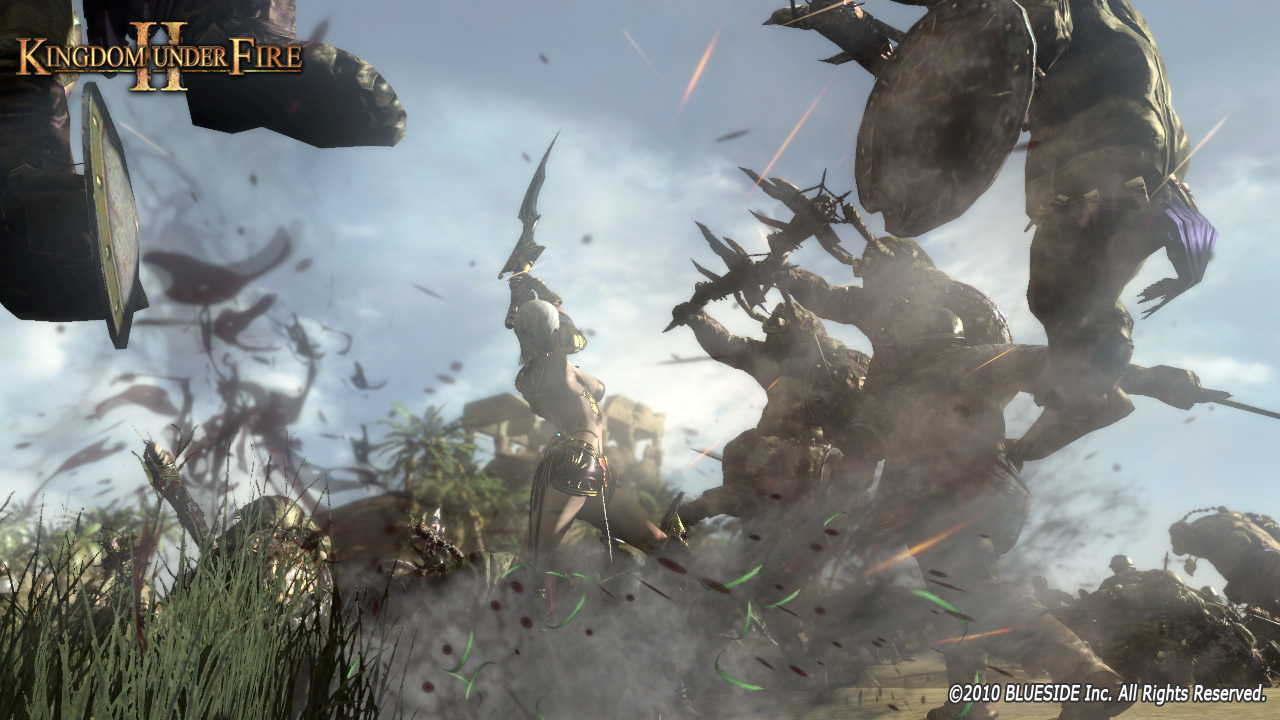
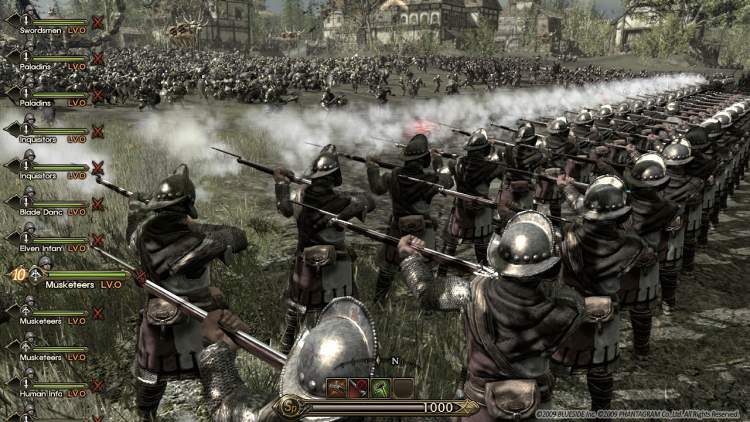
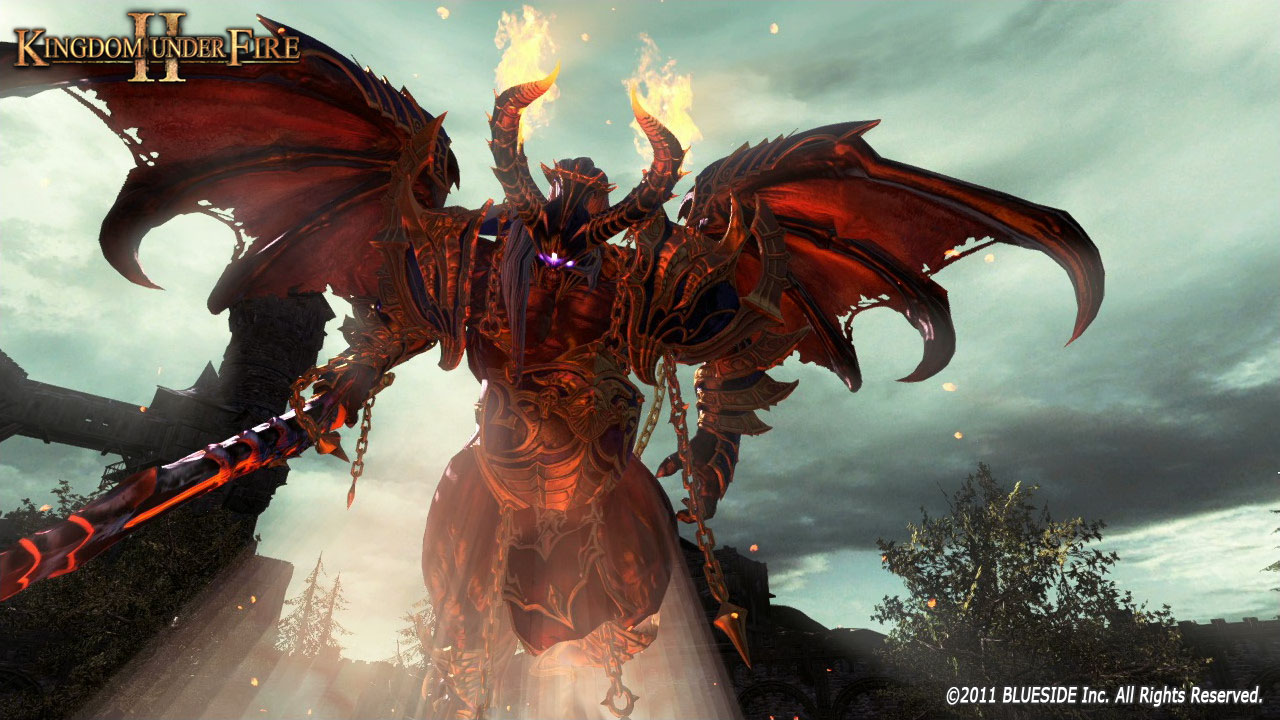
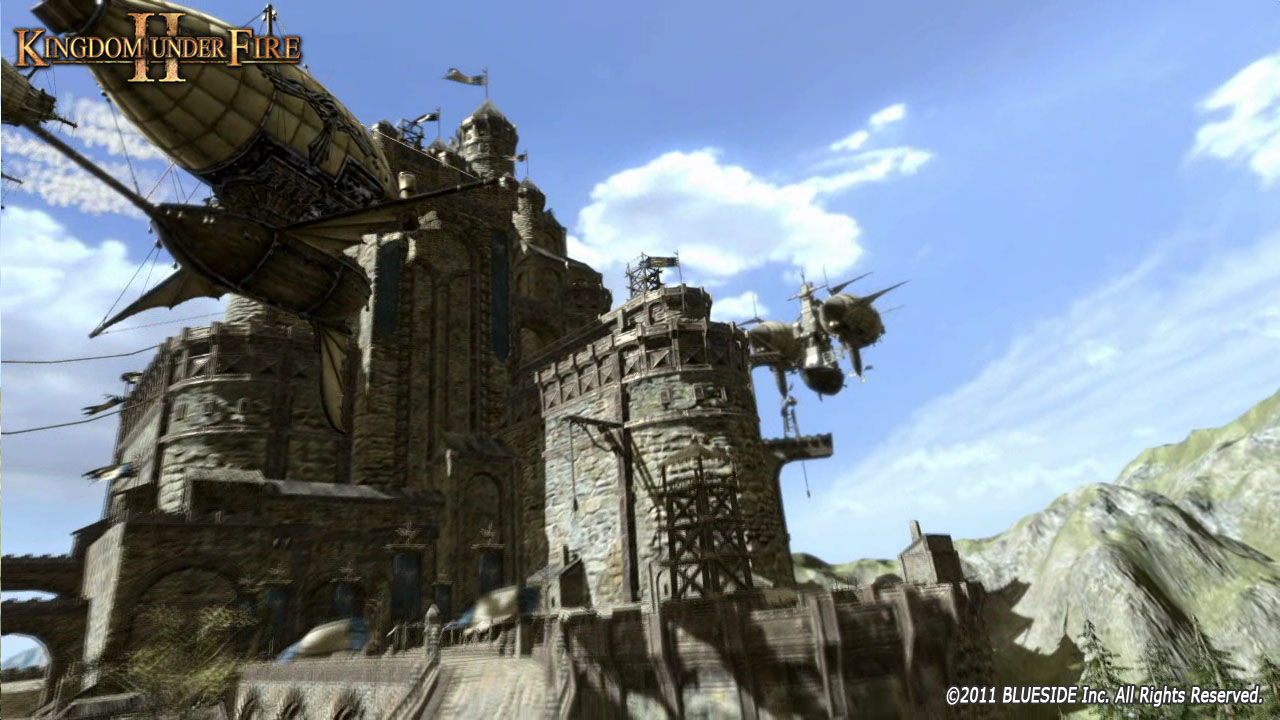
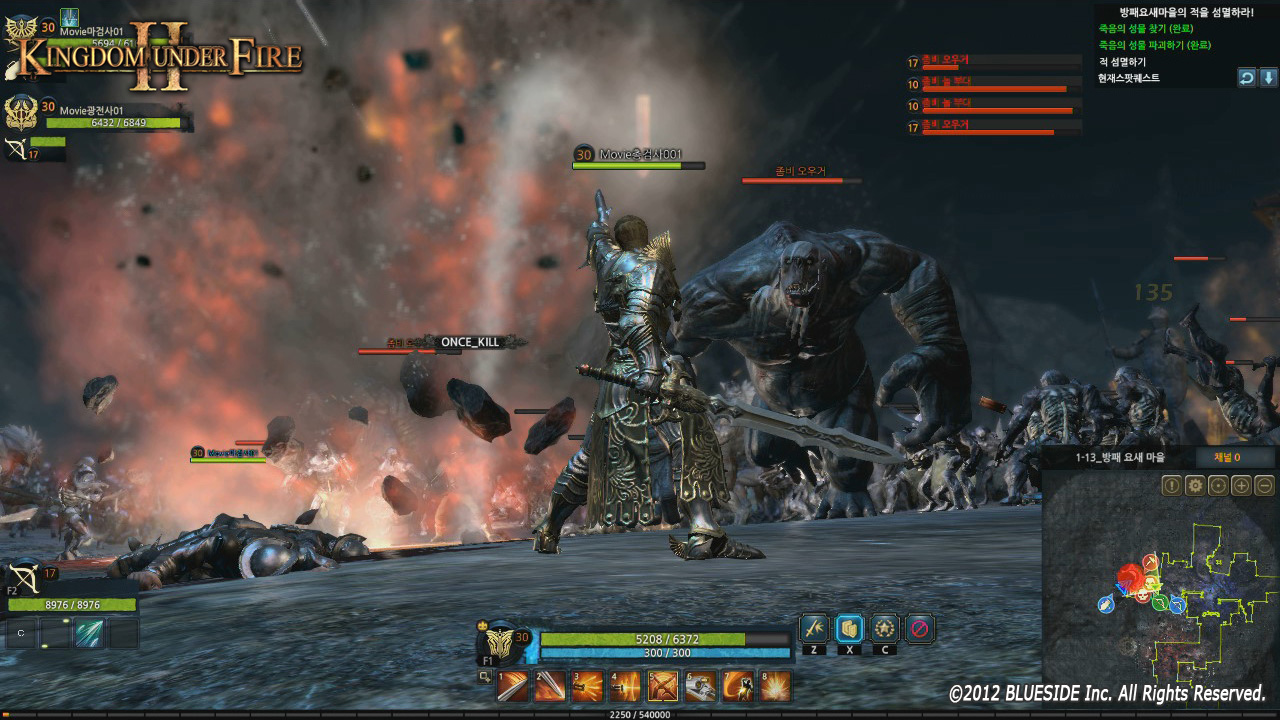
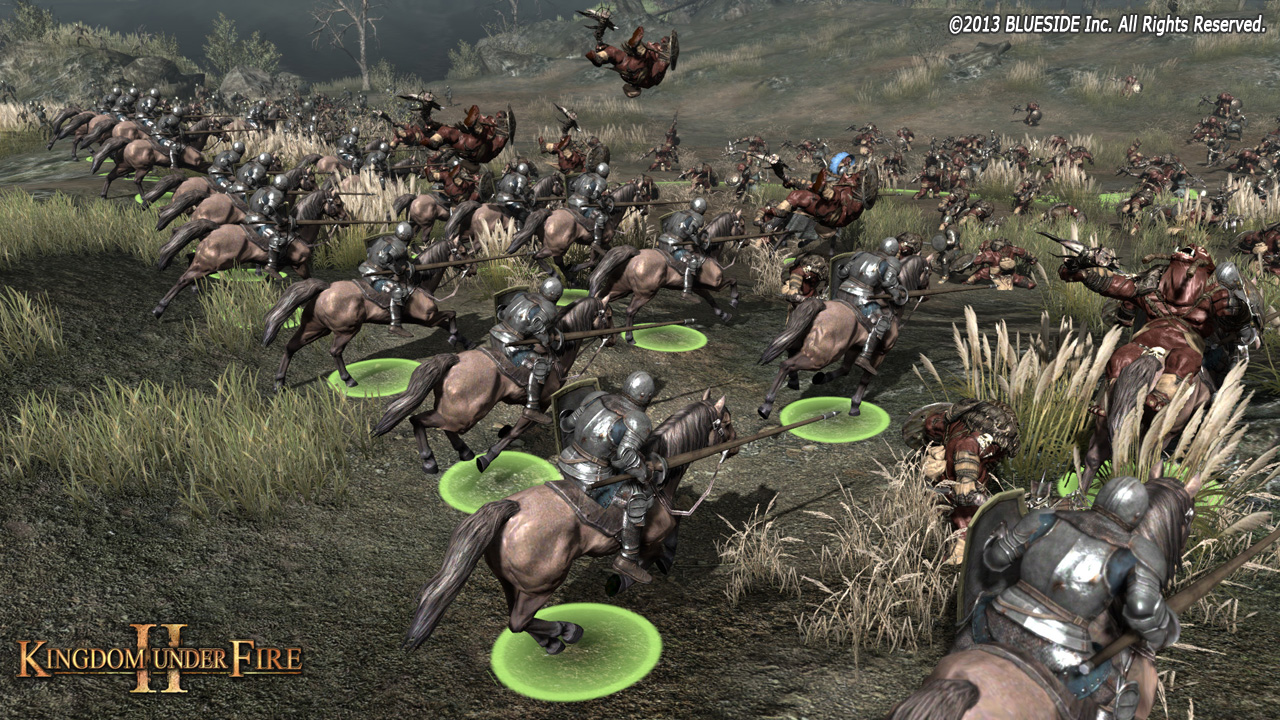
Coming that late in a series, a game titled with the numerical "II" might seem a bit confusing. The game this is actually meant as the direct sequel to is Kingdom Under Fire: The Crusaders, going back to its mixture of tactical RTS warfare and action-oriented skirmishes. Blueside is promising battles with more than a thousand soldiers.
Artwork
Quick Info:
|
Developer: |
Blueside |
|
Genre: |
Action |
|
Theme: |
Fantasy |
Kingdom Under Fire II (Preview)
Kingdom Under Fire II (Preview)
Kingdom Under Fire II (Preview)
Kingdom Under Fire II (Preview)
Kingdom Under Fire II (Preview)
Kingdom Under Fire II (Preview)
Kingdom Under Fire II (Preview)
Kingdom Under Fire II (Preview)
Kingdom Under Fire II (Preview)
Kingdom Under Fire II (Preview)
Kingdom Under Fire II (Preview)
Kingdom Under Fire II (Preview)
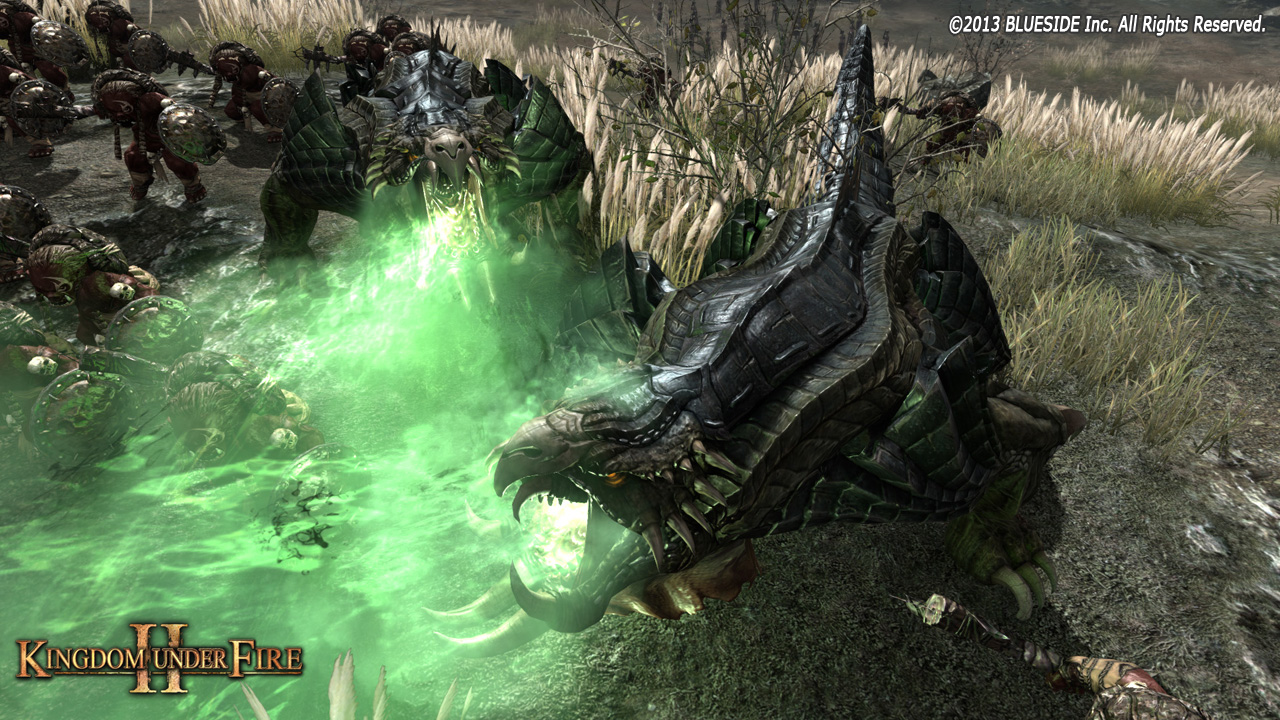
Kingdom Under Fire II (Preview)
Unreleased Titles:
Shining Lore Dreamcast version (1998)
Strident: The Shadow Front (2001-2002)
Princess and Knight / Shining Legend (2008-2012)
References
1. Phantagram Company History
2. Sonnori Company History (archived)
3. Gameshot - Interview with Lee Kyuhwan and Kim Gyeongwan 2/21/2006
4. Game Meca 12/26/2003
5. http://media.paran.com/news/view.kth?dirnews=3588743&year=2010
6. ET News 6/13/2008
7. http://game.chosun.com/article/view.php?no=35162
8. Gamemoum
9. Enha Wiki - Shining Lore
10. Go Nintendo 9/19/2010