A History of Korean Gaming
삼성전자 Samsung Electronics

|
Founded: |
1960s |
|
Status: |
active |
|
Key People: |
Jeong Sanghui: |
|
Website: |
Samsung Electronics licensed Sega's home consoles for the Korean market, the first one being the Samsung Gam*Boy, a renamed version of the Sega Master System. Versions of the Mega Drive (first Super Gam*Boy, later Super Aladdin Boy) and its peripherals, as well as the Saturn followed. Samsung was first supposed to license the 3DO as well, but dropped those plans early in fall 19941. The Dreamcast was instead planned for release through Hyundai-Sega2.
Samsung was the first publisher to produce professional localizations, their first translated releases were Alex Kidd in Miracle World, Kenseiden and Phantasy Star Online. They even developed a single Mega Drive game on their own, Uju Geobukseon. In September 1994 they founded the Samsung Game Software Group (SGSG), a number of console, PC and edutainment developers funded by the conglomerate3. Samsung promised no less than 10 Mega Drive games through this pact, 8 of which were purportedly close to completion by fall 1995, with HiCom's IF and Power Ball 2, and Open's EXP planned for export4. Eventually, though, the whole project was abandoned around the time the Saturn came about.
In the mid- to late nineties the company also became known as a publisher for PC games, most notably the Final Fantasy Series (Samsung even advertised a PC port of Final Fantasy V, but it got cancelled) and of course Sega's PC ports. In more recent times, Samsung Electronics appeared as service provider for online games like Astro Ranger by Biscuit Soft (service discontinued on December 24, 2009) or Lost Saga by IO Entertainment.
Games
SPC games - SPC-1000, SPC-1500 (1984-1987)
In the mid-1980s, Samsung kept offering games for their own major home computer system, many created by second parties like Static Soft, but also a lot of supposedly in-house developments.
A few of the games are definitely conversions of other computer games: Bangsaneung Oyeom is an improved version of the PC-6001 game Aldebaran Part 1 by Hudson Soft, while Gong Sa Pan is based off Hard Hat Mack. Others, like Pengo and Scramble, carry the names of famous arcade games, although they're completely different.
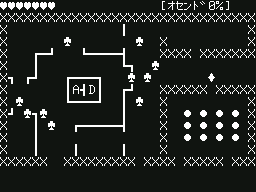
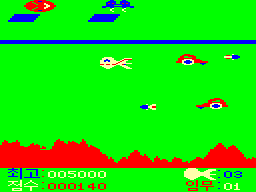
Jeontuham Keenon (SPC-1000)
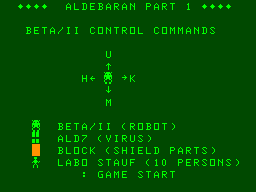
Bangsanseung Oyeom (SPC-1000)
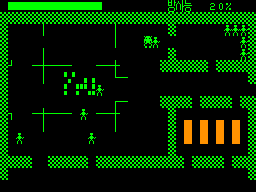
Bangsanseung Oyeom (SPC-1000)
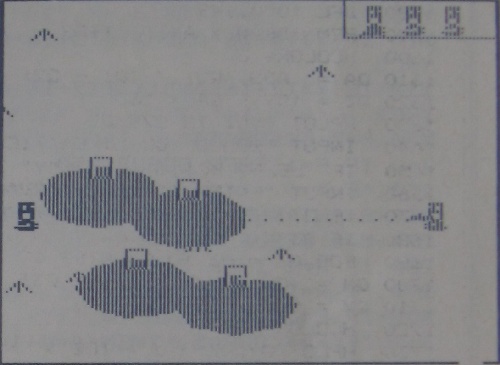
Escape (SPC-1000)
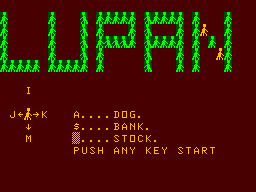
Lupan (SPC-1000)
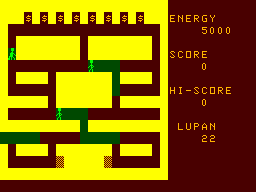
Lupan (SPC-1000)
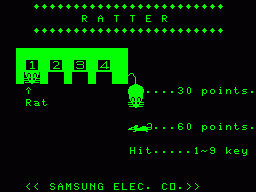
Ratter (SPC-1000)
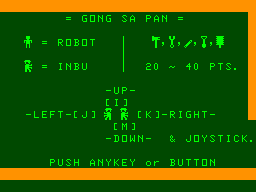
Gong Sa Pan (SPC-1000)
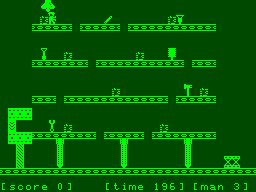
Gong Sa Pan (SPC-1000)
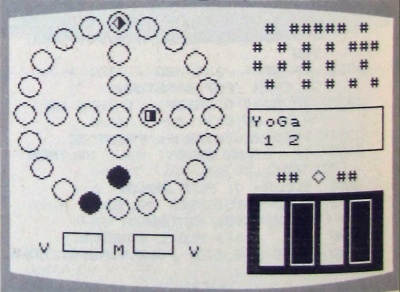
Yut Nori (SPC-1000)
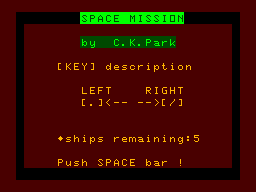
Space Mission (SPC-1000)
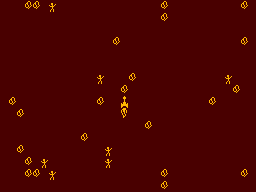
Space Mission (SPC-1000)
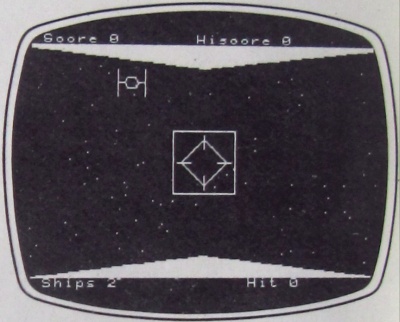
Uju Jeonjaeng (SPC-1000)
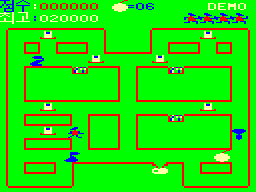
Hat Bag (SPC-1000)
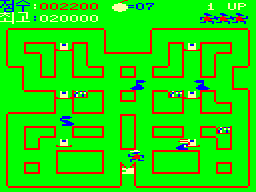
Hat Bag (SPC-1000)
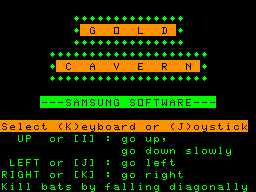
Gold Cavern (SPC-1000)
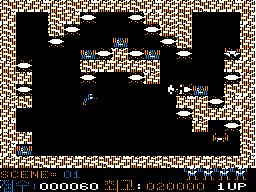
Gold Cavern (SPC-1000)
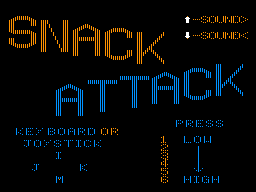
Snack Attack (SPC-1000)
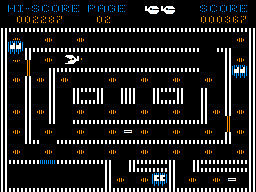
Snack Attack (SPC-1000)
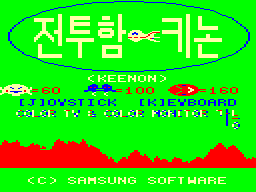
Jeontuham Keenon (SPC-1000)
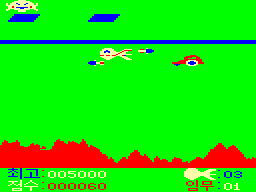
Jeontuham Keenon (SPC-1000)
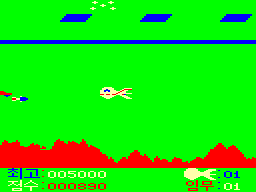
Jeontuham Keenon (SPC-1000)
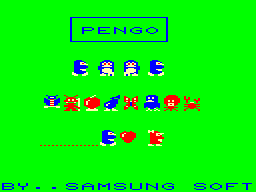
Pengo (SPC-1000)
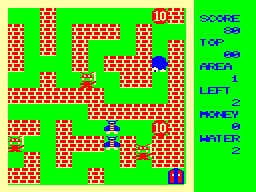
Pengo (SPC-1000)
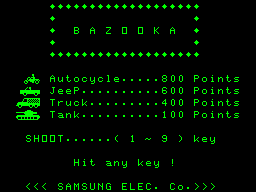
Bazooka (SPC-1000)
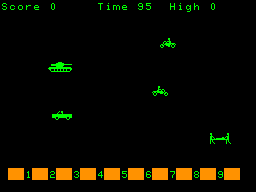
Bazooka (SPC-1000)
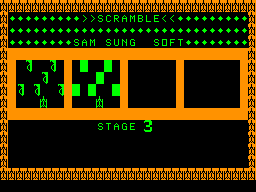
Scramble (SPC-1000)
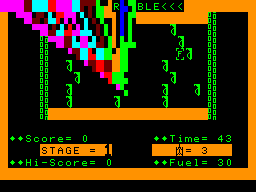
Scramble (SPC-1000)
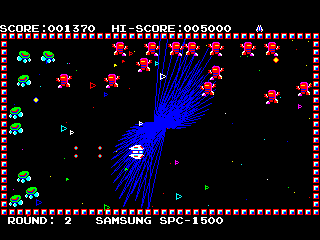
Space Game (SPC-1500)
우주 거북선 (Uju Geobukseon) - Mega Drive (April 28, 1993)
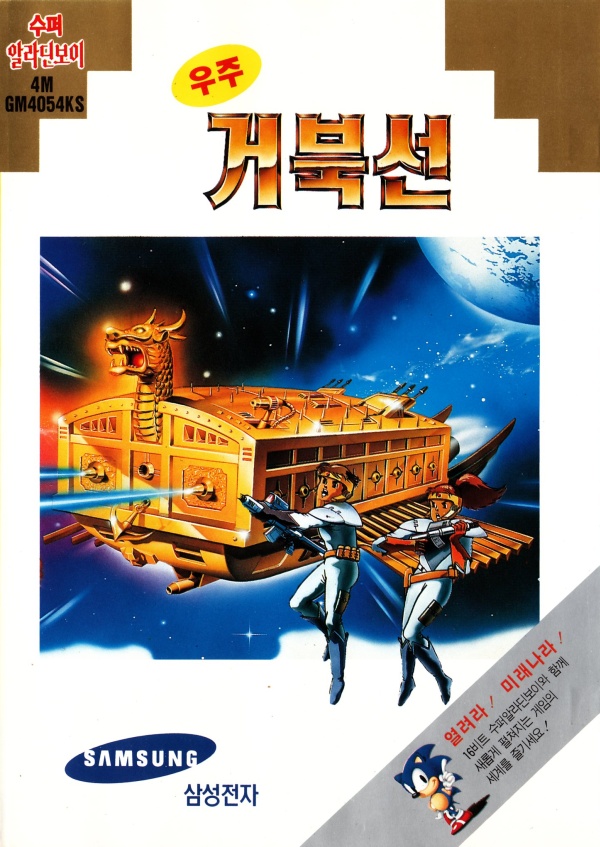
Cover
The first and only (released) Korean Mega Drive game takes the legendary armored "turtle ship", that historically ended the Japanese invasion in Korea at the end of the 16th century, into outer space (hence the title, which translates to "Space Turtle Ship". It is often transcribed as "Uzu Keobukseon").
A typical but reasonably well executed shoot 'em up, nothing about Uju Geobukseon is as interesting as the premise. The weapon system is quite simple, there's only one weapon (other than the smart bombs) that can be upgraded many levels, the highest of which also change the ship's appearence for a more futuristic chassis.
The game is unforgiving for failure, though. Any enemy hit downgrades the weapon by multiple levels at once. When hit at a low status, the player loses a life and is reset to a checkpoint, barely armed and extremely slow, which makes it very hard to catch up again in later leves. Not enough, when losing in short sequence, which is rather probable, the ship is set even further back than the first time.
Uju Geobukseon received some rather unfavored reviews in Korea compared to other domestic games at the time, but it really isn't all that bad. Samsung's game development team engaged in more Mega Drive projects after this was completed, but none of those saw a release.
Quick Info:
|
Developer: |
Samsung |
|
Publisher: |
Samsung |
|
Genre: |
Shoot-'em-up: Vertical |

Uju Geobukseon (Mega Drive)

Uju Geobukseon (Mega Drive)

Uju Geobukseon (Mega Drive)

Uju Geobukseon (Mega Drive)

Uju Geobukseon (Mega Drive)

Uju Geobukseon (Mega Drive)

Uju Geobukseon (Mega Drive)

Uju Geobukseon (Mega Drive)
마지막 승부 2on2 (Majimak Seungbu 2on2) / Last Game 2on2: The Legend of Street Basketball - Windows 3.1 (1996)
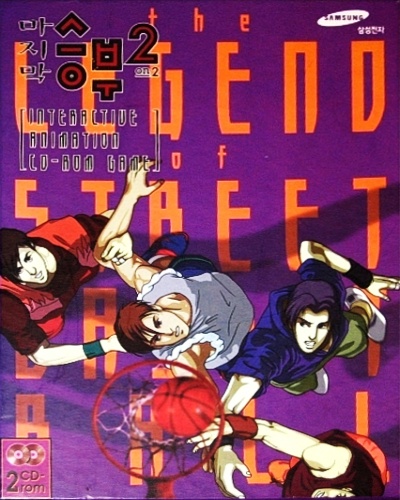
Cover
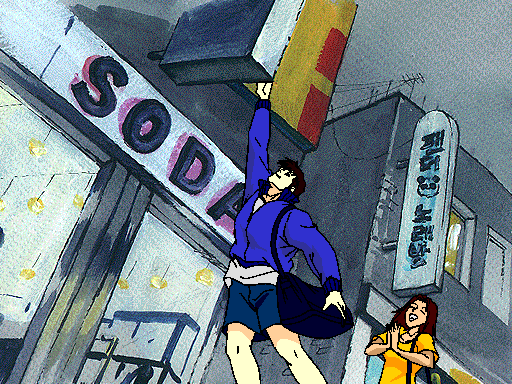
Allegedly Korea's first interactive animated movie, Last Game 2on2, tells a story of basketball, courtyard rivalries and kidnappings. Aside from the occasional multiple choice decisions, there are "playable" basketball sequences in the game, but they're completely menu based. Most of the time, it's just a matter of watchign the movie play out, though.
Last Game 2on2 runs in Windows 3.1 and uses ancient Quick Time technology. This results in an image that's much more crisp than contemporary FMV games, but the animation is really choppy. (Screenshots are taken from Sparu World.)
Quick Info:
|
Developer: |
Samsung |
|
Publisher: |
Samsung |
|
Genre: |
Interactive Movie |
|
Theme: |
Contemporary: Urban |
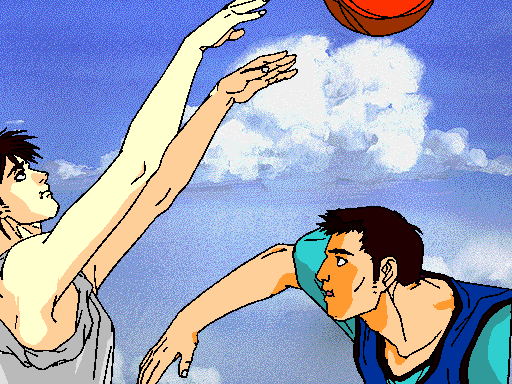
Last Game 2on2 (Windows 3.1)
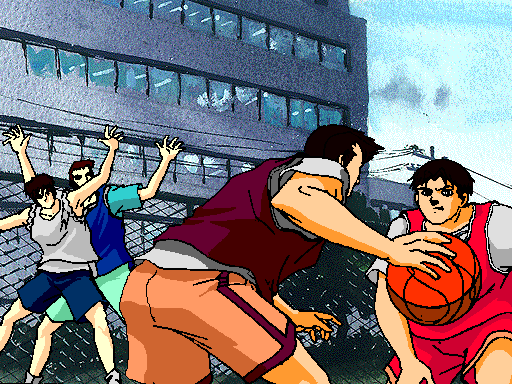
Last Game 2on2 (Windows 3.1)
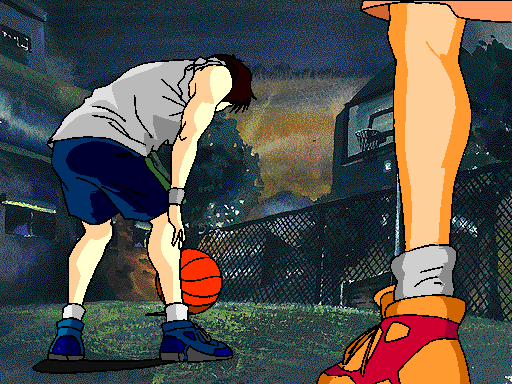
Last Game 2on2 (Windows)
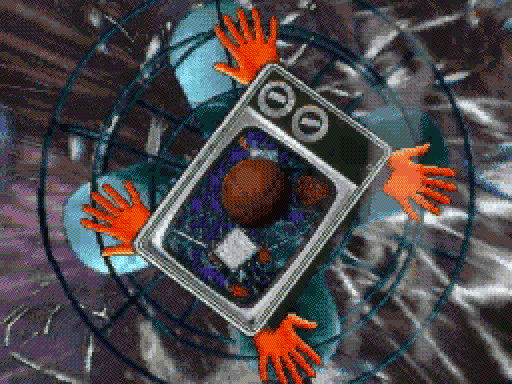
Last Game 2on2 (Windows)
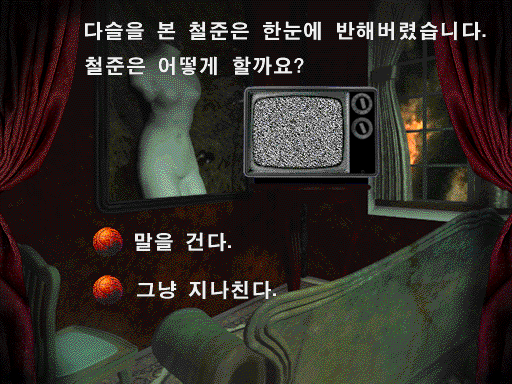
Last Game 2on2 (Windows)
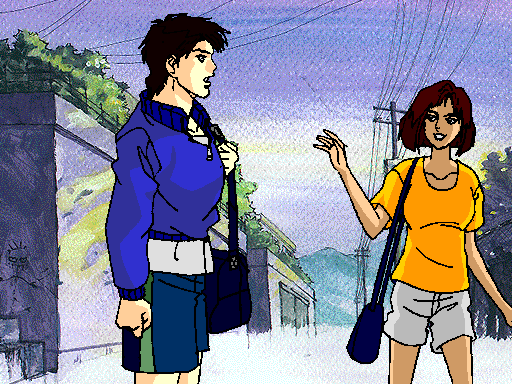
Last Game 2on2 (Windows)

Last Game 2on2 (Windows)
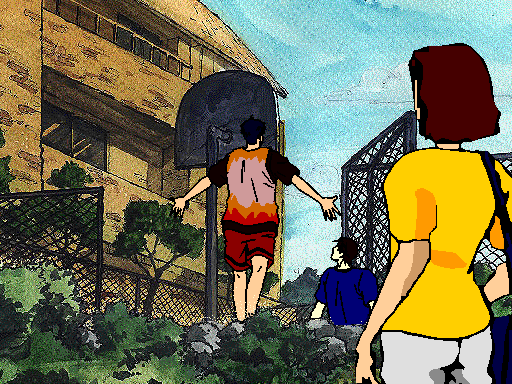
Last Game 2on2 (Windows)
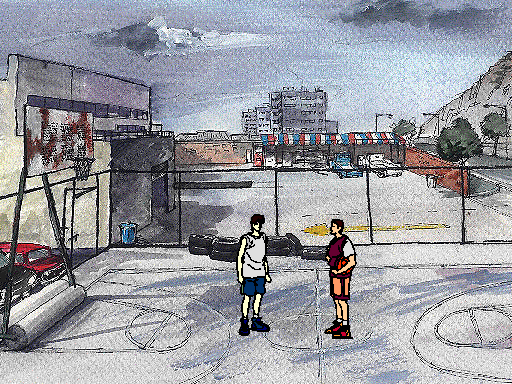
Last Game 2on2 (Windows)

Last Game 2on2 (Windows)
Last Game 2on2 (Windows)

Last Game 2on2 (Windows)
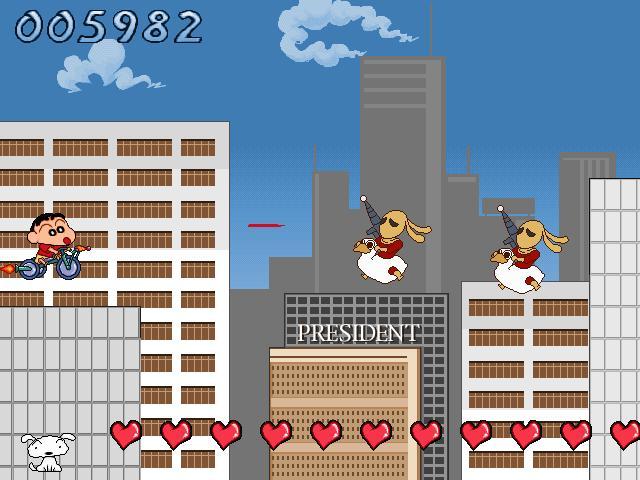
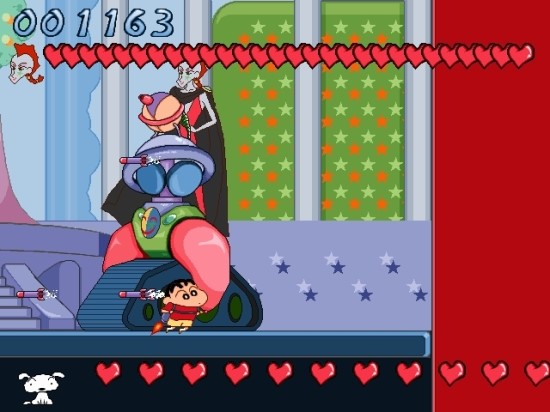
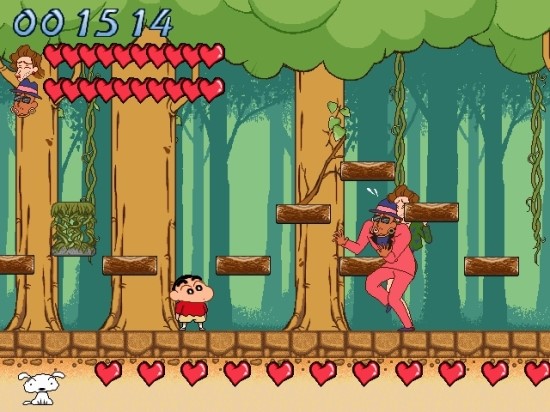
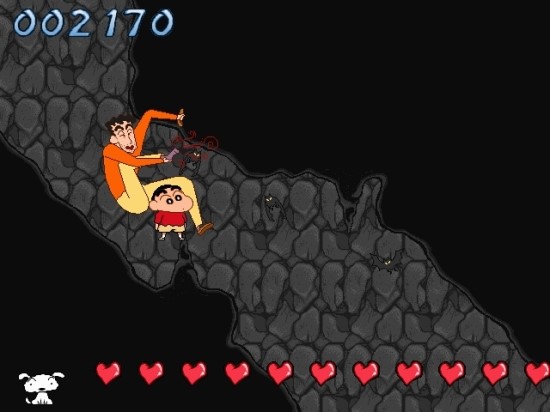
짱구는 못말려 (Jjanggu-neun Monmallyeo) - Windows (July 1997)
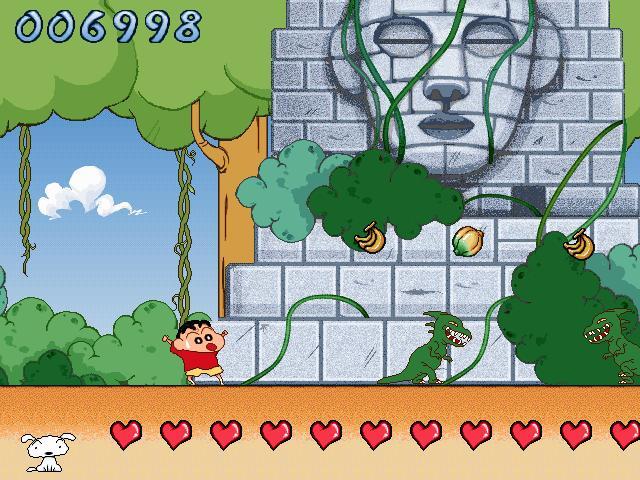
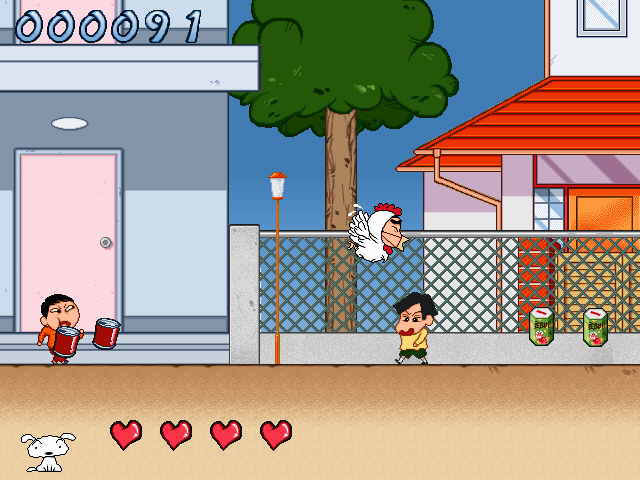
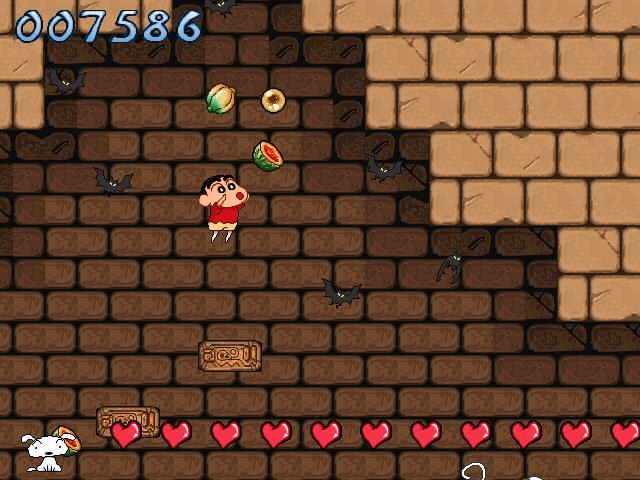
Samsung was a company of many firsts for Korean games, and so this was the first Korean game in official license to a Japanese IP, Crayon Shin-Chan. As one would expect from a Shin-chan game, the graphics in this platformer look decidedly low-end, nonetheless the style doesn't always look truly faithful to the source. It has all the crazyness, though, and the story is told in animated sequences that would fit perfectly into the show. A flying chicken costume and several sequences on vehicles guarantee variety from the standard running & jumping.
Samsung published many more sequels to this game, but only this first entry was developed by their internal studio Reality Weaver, while all subsequent games were outsourced to other teams, thus will be dealt with in later parts of this article.
Quick Info:
|
Developer: |
Reality Weaver |
|
Publisher: |
Samsung |
|
Genre: |
Platforming |
|
Theme: |
Licensed |
Jjanggu-neun Monmallyeo (Windows)
Jjanggu-neun Monmallyeo (Windows)
Jjanggu-neun Monmallyeo (Windows)
Jjanggu-neun Monmallyeo (Windows)
Jjanggu-neun Monmallyeo (Windows)
Jjanggu-neun Monmallyeo (Windows)
Jjanggu-neun Monmallyeo (Windows)
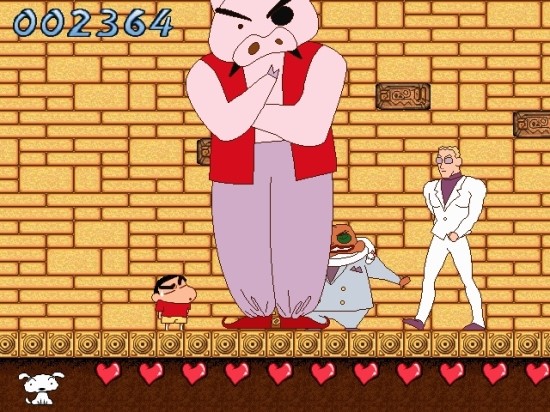
Jjanggu-neun Monmallyeo (Windows)
섹시 라이언 (Sexy Lion) - Windows (1998)
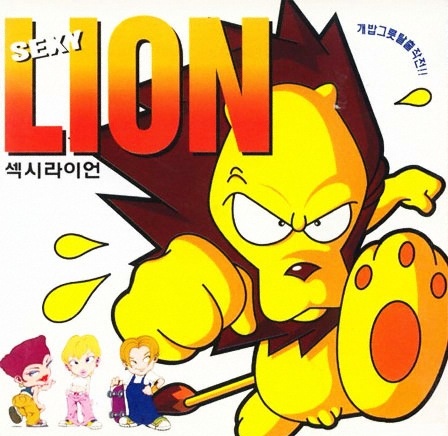
Jjanggu-neun Monmallyeo (Windows)
Despite this game being called Sexy Lion and the lion featured big on the cover (with his testicles drawn, disturbingly), he actually plays a minor role in the game as well as the story.
The actual hero is a boy named ID (yes, that's I-dee) who has been shrunk by a witch and his girlfriend kidnapped. So his has to make it all through the garden and the house, divided into nine stages, in his microscopic state to rescue her and get rid of the spell.
Most of the time ID just walks left to right, jumping over obstacles and attacking enemies with his yo-yo. But for the boss fights, the game switches into a terrible brawler-mode featuring the worst collision detection in gaming history. Every once in a while stages mix it up a bit with a race against the Lion, a trolley or a swimming level. The game is very glitchy, though, so getting that far before it crashes is rare.
This game was made by another internal team called Dream Craft Goo.
Quick Info:
|
Developer: |
Dream Craft Goo |
|
Publisher: |
Samsung |
|
Genre: |
Platforming |
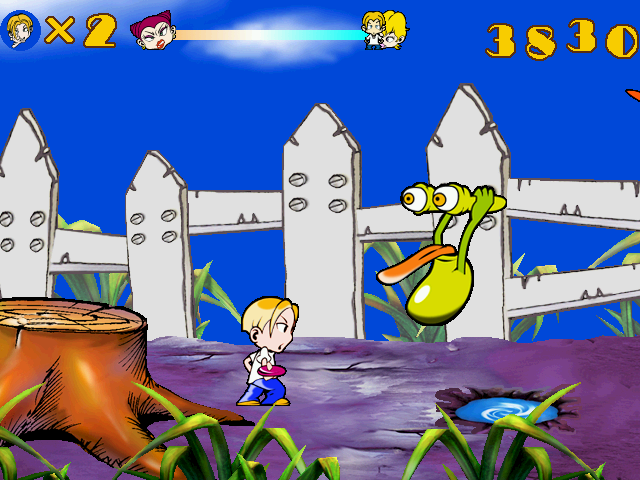
Sexy Lion (Windows)
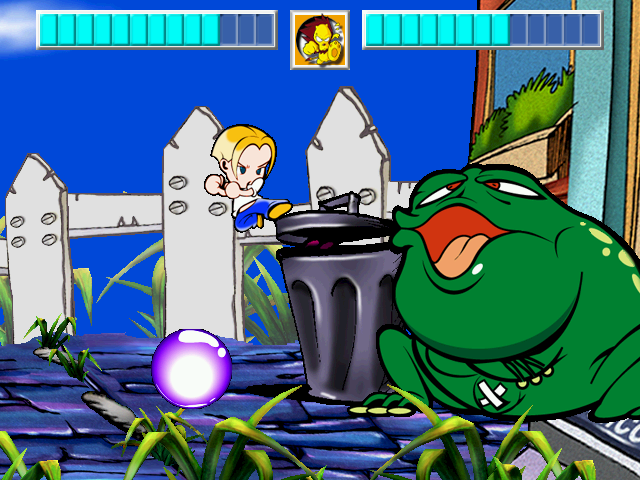
Sexy Lion (Windows)
라브린토스 (Laburinthos) - Windows (1998)
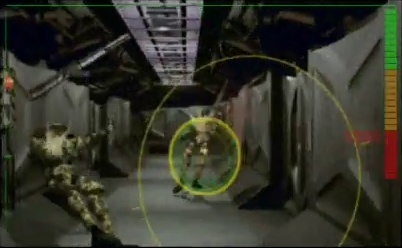
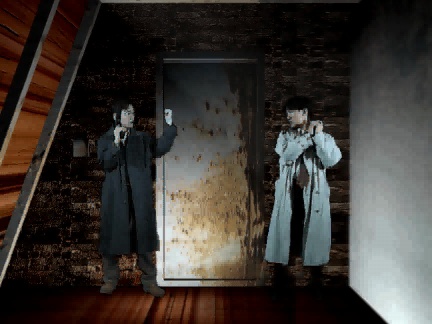
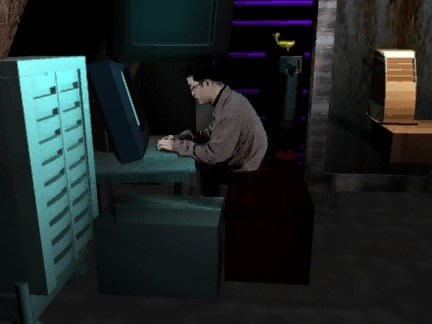
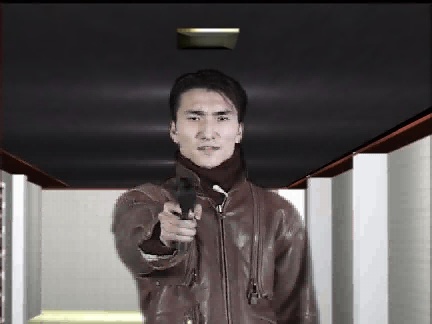
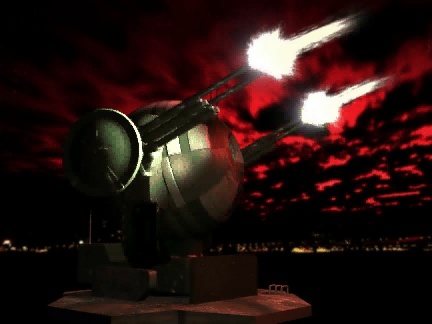
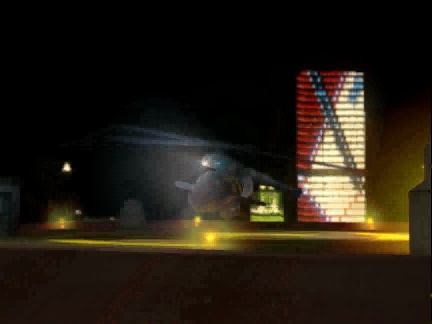
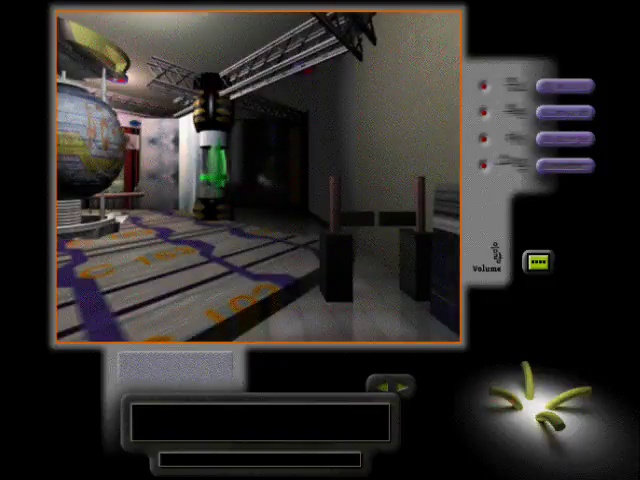
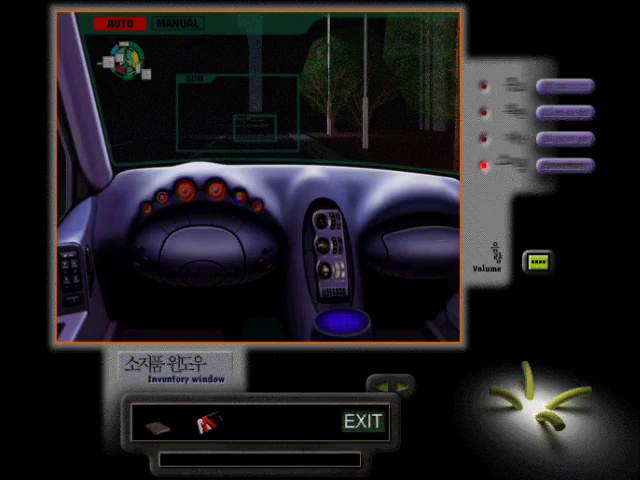
This game doesn't seem to have been released as a standalone box, at least it is only known as an extra for the CD-ROM that came with Gamepia issue 2/1998. Somewhere between Myst and a typical "interactive movie", or more precisely a crime thriller set in what was then the near future (2011), it also featured a bunch of small arcade and puzzle sequences.
Laburinthos (Windows)
Quick Info:
|
Developer: |
Samsung |
|
Publisher: |
Samsung |
|
Genre: |
Adventure: First Person |
|
Theme: |
Cyberpunk |
Laburinthos (Windows)
Laburinthos (Windows)
Laburinthos (Windows)
Laburinthos (Windows)
Laburinthos (Windows)
Laburinthos (Windows)
Laburinthos (Windows)
강가딘 (GungGadin) - Windows (2002)
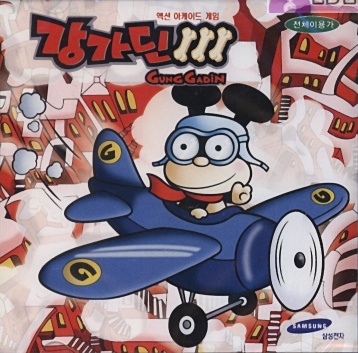
Cover
Gung Gadin was an old comic strip that started in 1965, but Samsung rebooted the franchise more than 45 years later. The game is known to have been released because a shop sold a jewel case copy at one time, but that's all the info on the title there is.
Quick Info:
|
Developer: |
Samsung |
|
Publisher: |
Samsung |
|
Theme: |
Licensed |
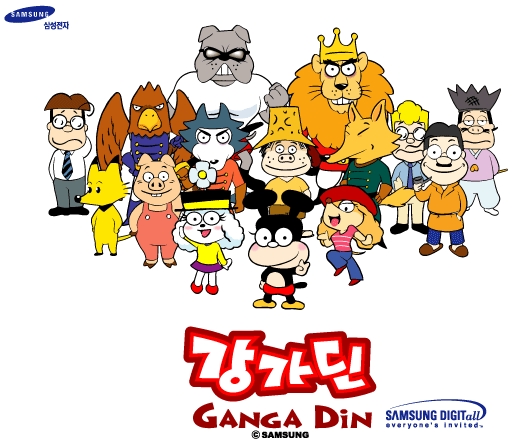
Character Artwork
만화왕국: 내 친구 꺼벙이 (Manhwa Wangguk: Nae Chin'gu Kkeobeongi) - Windows (2003)
The release of this game is not quite secured - even though a screenshot exists and news stories in February 2003 suggested that it would be released very soon1, no actual copy of the game could be traced down, not even just referenced.
In the game, a platformer with various mini games, players would travel through Korean history and meet several classic manhwa characters on the way.
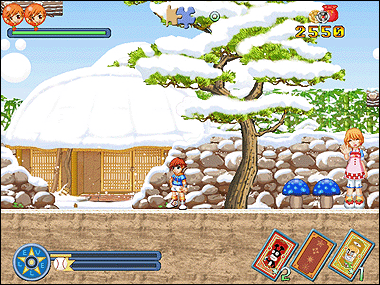
Manhwa Wangguk: Nae Chin'gu Kkeobeongi (Windows)
Quick Info:
|
Developer: |
Samsung |
|
Publisher: |
Samsung |
|
Genre: |
Platforming |
|
Theme: |
Licensed |
Unreleased Titles:
씨티 히어로즈 (City Heroes) (1993-1994)
Final Fantasy V PC Version (1998)
바이오캅 윙고 (Biocop Wingo) (1998-2000)
References
1. GameChamp 9/1994, page 57
2. Amuseworld 7/1999, page 123
3. Maeil Gyeongje 10/6/1994, page 16
4. Maeil Gyeongje 9/20/1995, page 12
5. iNews24.com 2/20/2003