A History of Korean Gaming
|
Other Games: |
||||
|
|
|
|
|
Lost Games Page 2 (1994)
94 Korean Series - IBM PC (1994)
후라보맨 (Huraboman) - IBM PC (1994)
In one of their first advertisements Softry showed artworks for these two titles, but those two images remained all that was ever seen of them. They might have just been projects for Softry's Game School and not intended for an actual release to begin with (although after Cheonha Mujeok, it's hard to believe Softry wouldn't release anything they can, no matter how bad it may be).
Quick Info:
|
Developer: |
Softry |
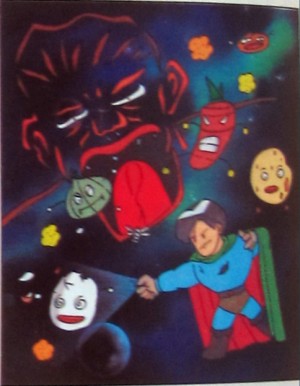
Huraboman Artwork
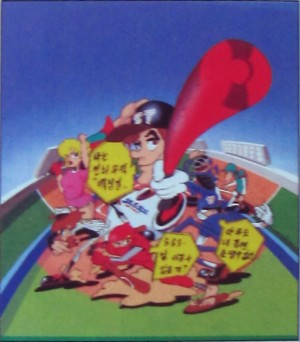
94 Korean Series Artwork
영혼의 검 (Yeonghon-ui Geom) - IBM PC (1994)
Planned RPG by a new developer named Sigmatec Entertainment1. Yeonghon-ui Geom ("Soul Sword") likely never left concept state, despite Sigmatec becoming one of the more productive software houses in Korea for the next few years.
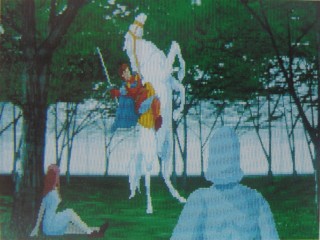
Yeonghon-ui Geom (IBM PC)
Quick Info:
|
Developer: |
Sigmatek Entertainment |
|
Genre: |
RPG |
|
Theme: |
Fantasy |
도깨비가 간다 (Dokkaebi-ga Ganda) Betas - IBM PC (1994-1995)
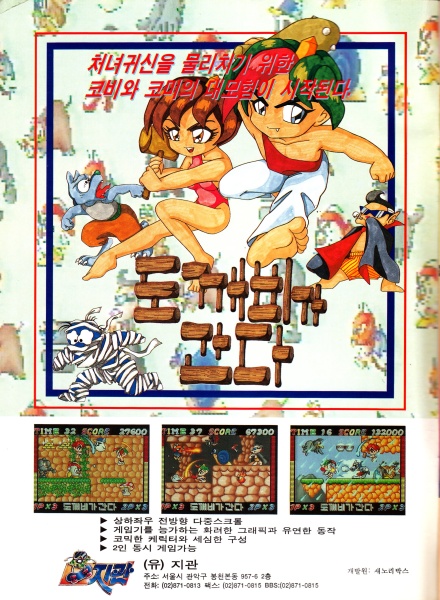
Advertisement
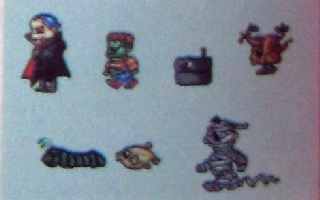
A year before its release, Senori Box' Dokkaebi-ga Ganda was first shown with completely different sprites and backgrounds3.
A later version in early 1995 showed the final graphics, but it uses a different on-screen display and teases a simultaneous 2-player mode, which is missing in the released game, even though it was mentioned in early advertisement4.
Quick Info:
|
Developer: |
Kim Seongjin |
|
Genre: |
Fighting |
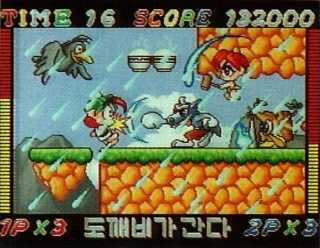
Dokkaebi-ga Ganda later Beta (IBM PC)
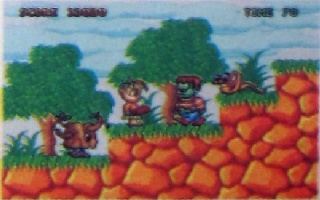
Dokkaebi-ga Ganda Beta (IBM PC)
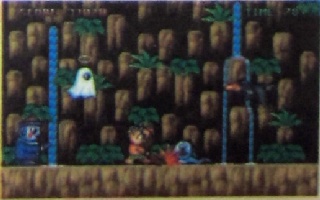
Dokkaebi-ga Ganda Beta (IBM PC)
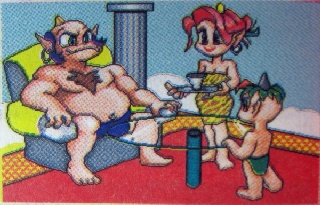
Dokkaebi-ga Ganda Beta (IBM PC)
Dokkaebi-ga Ganda Beta (IBM PC)
할로윈 캡슐 (Halloween Capsule) - Mega Drive (1994)
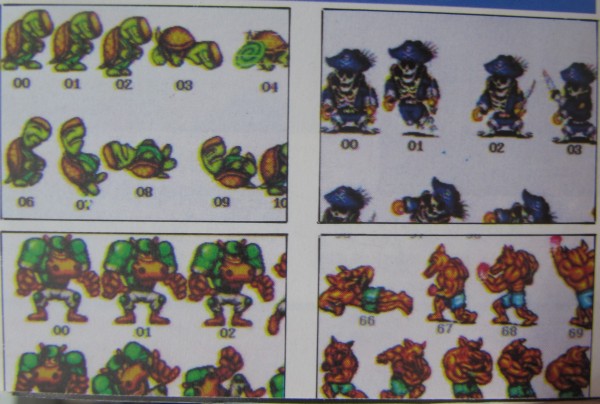
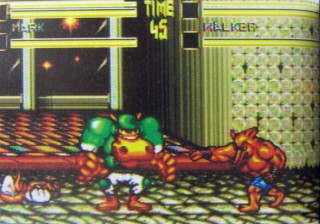
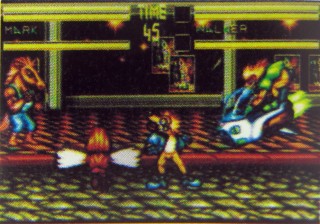
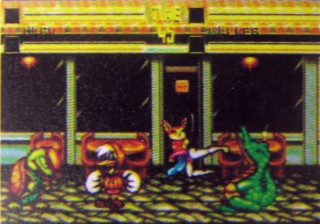
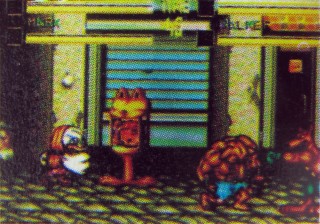
On the PC Softmax can look back at an exceptional released/unreleased ratio among Korean developers, but the company's early venture into the 16-bit console market was less fruitful. The most promising work was the Mega Drive beat 'em up Halloween Capsule. Taking place in a world where all animals have become anthopomorphic after the experiments of a mad scientist, the game would have featured three main characters—a cat, a dog and a duck.
About a year after the company was founded, Softmax gave up its console game ambitions, which meant the end for Halloween Capsule5. Previews of the game already showed an impressive number of character sprites, which could have made up the entire cast in some genre specimen, but stage-wise only one single background was ever shown (of a planned 7), so it's hard to speculate how far into development this went5.
Quick Info:
|
Developer: |
Softmax |
|
Genre: |
Beat-'em-Up |
|
Theme: |
Protagonist: Anthropomorph |
Sprite Sheets
Halloween Capsule (Mega Drive)
Halloween Capsule (Mega Drive)
Halloween Capsule (Mega Drive)
Halloween Capsule (Mega Drive)
오래된 이야기 (Oraedoen Iyagi) - IBM PC (1994)
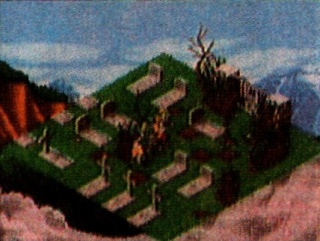
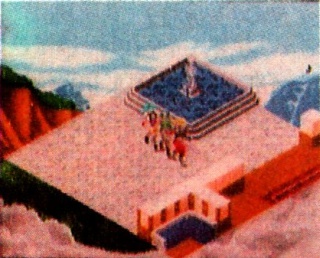
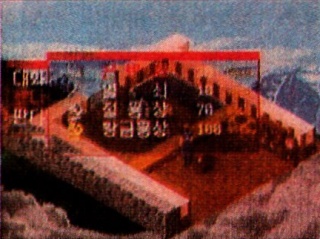
Korea's most steady supply of RPGs for a while came out of Taiwan, but while a lot of the RPGs developed there used an isometric "quarter view", the technique never really caught on in Korea until after the release of Diablo. Only Shock Team started an attempt at the subgenre with Oraedoen Iyagi, claiming several solutions to problems and "beatiful girls" as party members for the hero as the main features6.
Quick Info:
|
Developer: |
Shock Team |
|
Genre: |
RPG |
|
Theme: |
Fantasy |
Oraedoen Iyagi (IBM PC)
Oraedoen Iyagi (IBM PC)
Oraedoen Iyagi (IBM PC)
파워볼 AD2001 (Power Ball AD2001) - Mega Drive (1994-1995)
Power Ball AD2001 (Mega Drive)
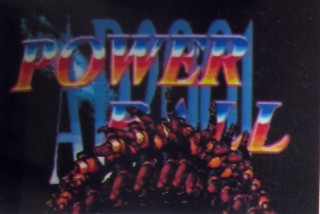
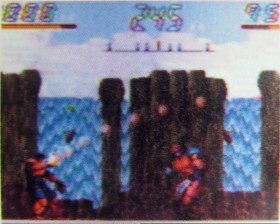
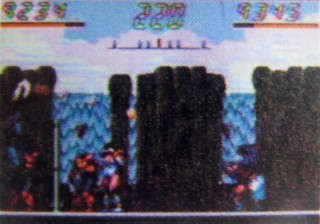
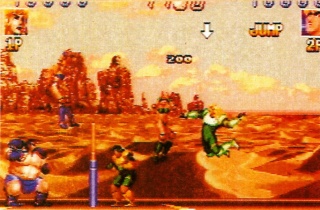
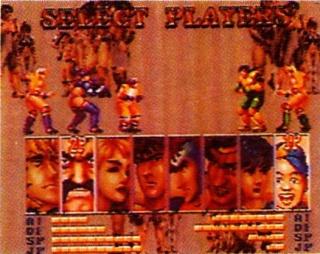
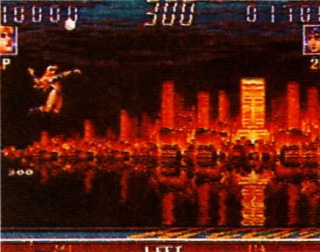
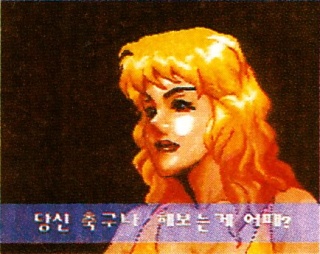
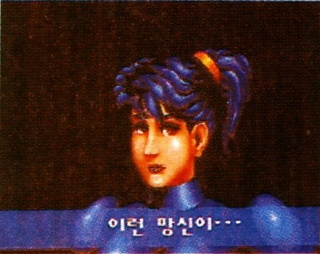
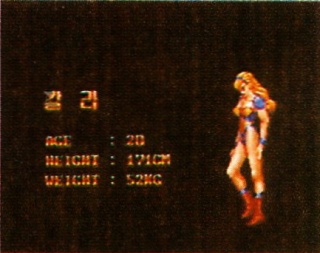
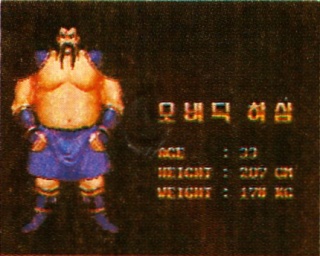
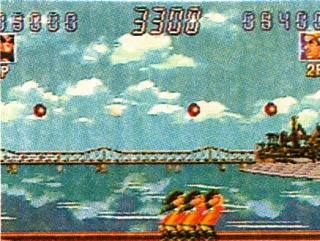
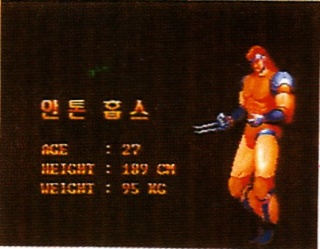
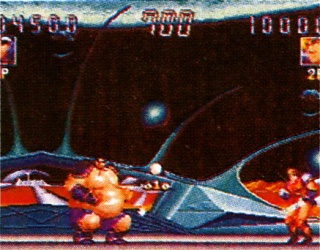
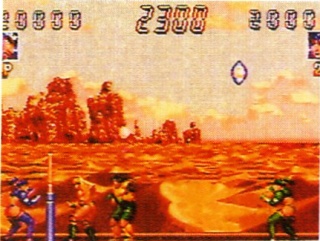
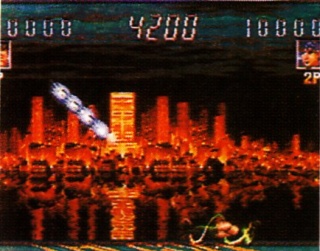
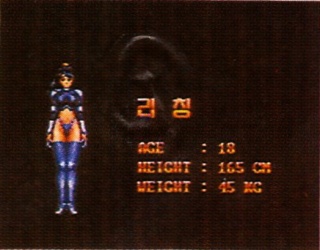
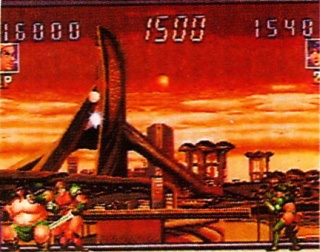
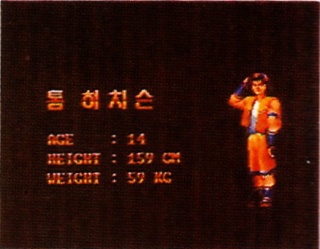
HiCom's first Super Aladdin Boy / Mega Drive project was a futuristic 3-on-3 sideview volleyball game, very similar to the Hyper League mode in Power Spikes II. Power Ball AD2001 seems to have been more "indivudualized", though, featuring 8 characters with individual special moves and 6 different stages. Following in the footsteps of Samsung's City Heroes, the game was announced finished in magazines7, but due to some unfortunate chain of events never made it out onto the market.
Quick Info:
|
Developer: |
HiCom |
|
Genre: |
Sports |
|
Theme: |
Cyberpunk |
Power Ball AD2001 (Mega Drive)
Power Ball AD2001 (Mega Drive)
Power Ball AD2001 (Mega Drive)
Power Ball AD2001 (Mega Drive)
Power Ball AD2001 (Mega Drive)
Power Ball AD2001 (Mega Drive)
Power Ball AD2001 (Mega Drive)
Power Ball AD2001 (Mega Drive)
Power Ball AD2001 (Mega Drive)
Power Ball AD2001 (Mega Drive)
Power Ball AD2001 (Mega Drive)
Power Ball AD2001 (Mega Drive)
Power Ball AD2001 (Mega Drive)
Power Ball AD2001 (Mega Drive)
Power Ball AD2001 (Mega Drive)
Power Ball AD2001 (Mega Drive)
Power Ball AD2001 (Mega Drive)
"Amegedon" Project - IBM PC, Mega Drive (1994)
Teaser Art
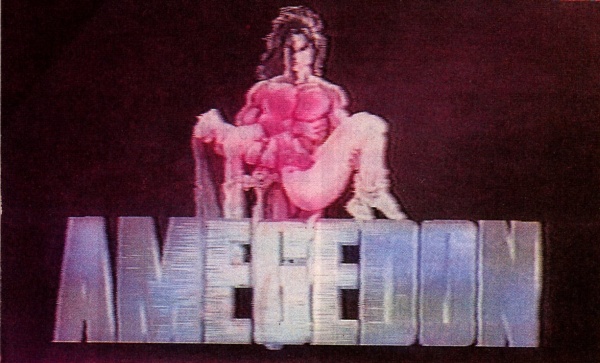
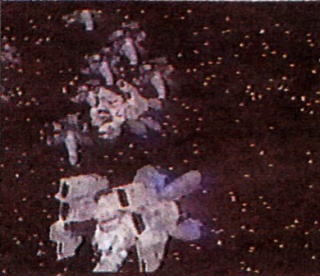
When Lee Hyunse started to plan the animated adaption to his Amegedon (later more correctly transcribed Armageddon) manhwa series, he conceived it as a media-overarching giant project, and together with the first concepts for the movie talk about a number of game tie-ins emerged.
Mirinae should deliver a PC game in form of an RPG, while Softmax was supposed to take over 16-bit consoles with a fighting game8. Mirinae eventually delivered their game, although it turned out a 3D space shooter rather than an RPG. This of course was a better result than the supposed Softmax project, which never amounted to anymore than the initial mention.
More games based on the license appeared later, though, namely LG's 3DO game and, in 2001, an RTS by Mips Soft.
Target Render
메카닉플라모델 (Mechanic Pla Model) - IBM PC (1994)
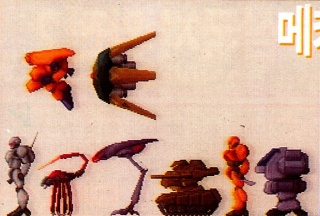
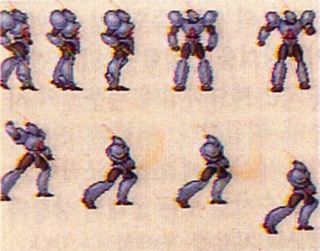
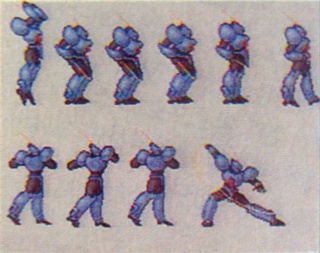
An action game not based around mechas, but plastic models of mechas. Judging by the sprites Sigmatek prepared for the game, this would have hardly made any difference, though. While the game never made it in the form it was shown, it might be possible that it developed into the brawler Mechanic War, although that would still mean the pixel art was dropped entirely in favor of prerendered sprites.
Quick Info:
|
Developer: |
Sigmatek Entertainment |
|
Genre: |
Action |
|
Theme: |
Mechas |
Mechanic Pla Model (IBM PC)
Mechanic Pla Model (IBM PC)
Mechanic Pla Model (IBM PC)
스타필드 (Star Field) - IBM PC (1994)
3D 크래이 (3D Clay) - IBM PC (1994)
The 2nd Edutainment Software Exhibition (The Korean name 제2회 컴퓨터 학습 및 게임 SW 페스티벌 actually translates to "2nd Computer Educational And Game Software Festival") held from August 25 to 28, 1994 showed a downright boom towards domestic game development. Among the many exhibitors was also a new company called Gasang Jeonja (가상전자, "Virtual Electronics"), introducing two titles at once9.
3D Clay was supposed to become a 1st person shooter, while Star Field was a would-be space ship action simulation a la Wing Commander. Both games should run in high resolution, but it is doubtful how sincere Gasang Jeonja's efforts were, as of each game only a single screenshot was shown, both of which were very likely mockups.
Quick Info:
|
Developer: |
Gasang Jeonja |
|
Genre: |
Action: First Person |
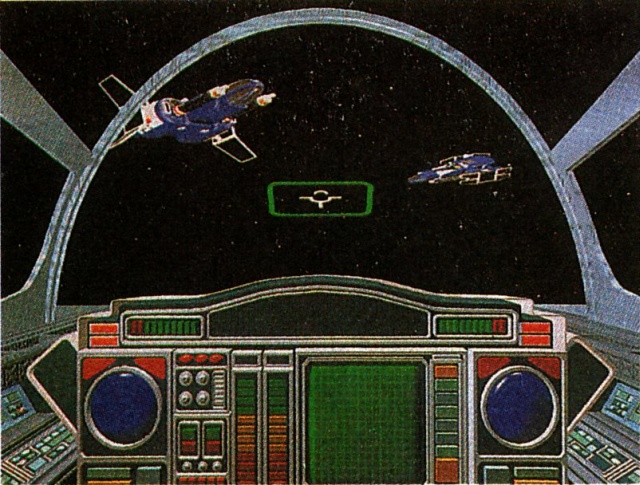
Star Field (IBM PC)
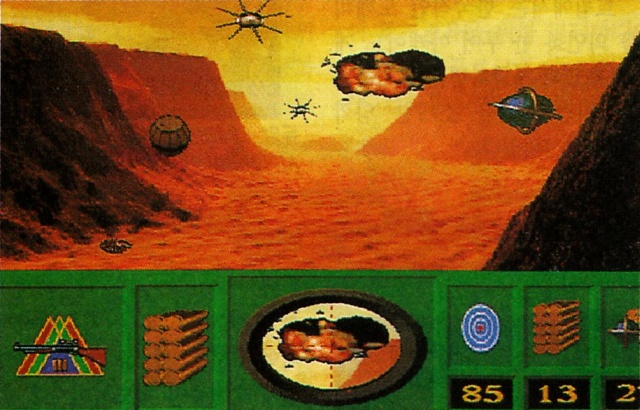
3D Clay (IBM PC)
퇴마록 (Toemarok) - IBM PC (1994-1995)
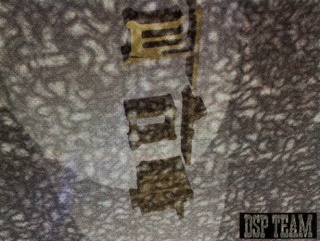
Toemarok (IBM PC)
DSP Team was an odd development team, as they kept announcing titles without ever releasing anything. The first in their line of failed games was Toemarok, based on a series of online fantasy novels first posted January 1994 by Lee Woohyuk. Parallel to the action side-scroller seen on the screenshots, they worked at the same time on a MUD adaption, too10.
Quick Info:
|
Developer: |
DSP Team |
|
Genre: |
Action: Side-Scrolling |
|
Theme: |
Fantasy: Far East |
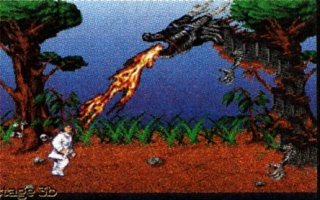
Toemarok (IBM PC)

Toemarok (IBM PC)
용의 후계자 (Yong-ui Hugyeja) - IBM PC (1994)
Another unfulfilled RPG dream by Family Production. Likely never went beyond the concept stage.
Quick Info:
|
Developer: |
Family Production |
|
Genre: |
RPG |
|
Theme: |
Fantasy |
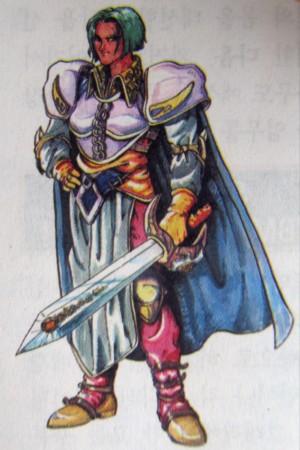
Concept Art
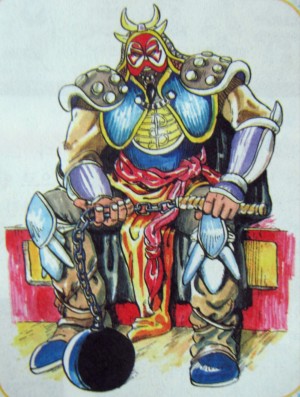
Concept Art
광안리 액션 (Gwangalli Action) - IBM PC (1994)
When Sailon Soft split from Mirinae Software, it didn't immediately abandon its shooter roots. Gwangalli Action showed off some interesting enemy designs before being cancelled.
Quick Info:
|
Developer: |
Sailon Soft |
|
Genre: |
Shoot-'em-Up: Vertical |
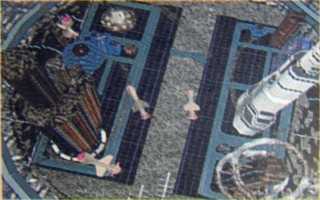
Gwangalli Action (IBM PC)
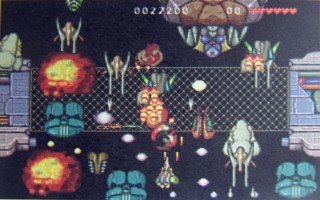
Gwangalli Action (IBM PC)
天下無敵 (Cheonha Mujeok) / Best of the Fight - Arcade (1994)

Best of the Fight (Arcade)
Not to be confused with Softry's PC game of the same title. This fighting game is only known by its application at the Korean game ratings board. Nothing else can be found on it, so it was likely never released. In fact, as the rating board only lists publishers and no developers, it isn't even sure whether it was really developed in Korea. The stage on the available screenshot shows a drum with typical Korean painting and spectators with traditional clothes, which Japanese or Chinese developers most likely wouldn't have had the cultural sensitivity to bother with (compare the big fuss about Juri's stage in Super Street Fighter IV, which looks more Chinese than Korean).
Quick Info:
|
Publisher: |
Goldstar |
|
Genre: |
Fighting |
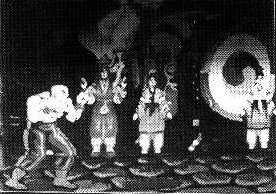
Best of the Fight (Arcade)
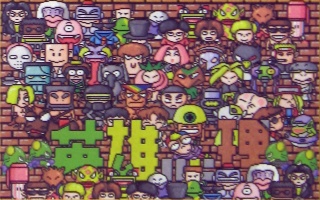
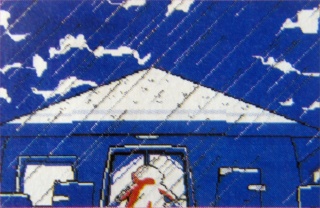
영웅심리 ~토파즈를 찾아라!~ (Yeongung Simni: Topajeu-reul Chajara!) / Heroism: Search for the Topas! - IBM PC (1994-1995)
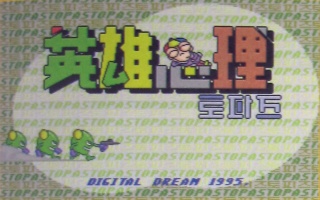
Heroism (IBM PC)
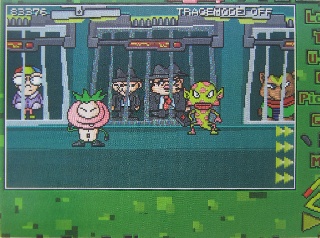
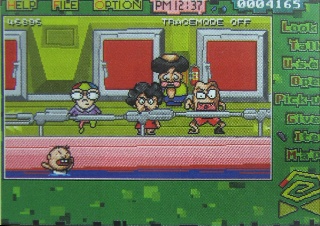
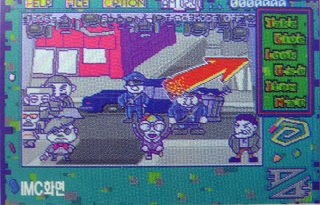
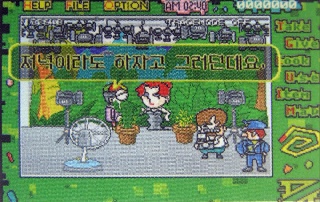
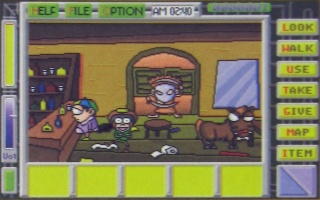
If Heroism had been released, it would have become the only Korean adventure game using the classical verbal control scheme known from early Lucas Arts games. With 19 staff members working on the game for more than a year until late 1994 and aiming at 40 hours of gameplay, it was an unusually ambituous project11.
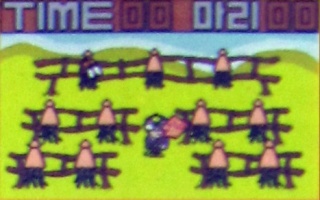
The plot promised a crazy ride for hero Kim Shimon, who is fired from his current acting role for messing up his scene after a night of chatting. In the following events, he not only would have had to deal with his everyday worries, but also dodge criminals, aliens and racially insensitive depictions of wild bushmen. The game also would have included various mini games, and a help system where former Korean president Kim Youngsam would come in a superman costume to aid the protagonist through particulary dangerous situations12.
Quick Info:
|
Developer: |
Digital Dream |
|
Genre: |
Adventure |
|
Theme: |
Wacky |

Heroism (IBM PC)
Heroism (IBM PC)
Heroism (IBM PC)
Heroism (IBM PC)
Heroism (IBM PC)
Heroism (IBM PC)
Heroism (IBM PC)
Heroism (IBM PC)
Heroism (IBM PC)
Fox Ranger III Betas - IBM PC (1994-1995)
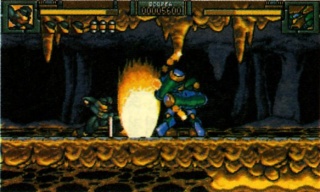
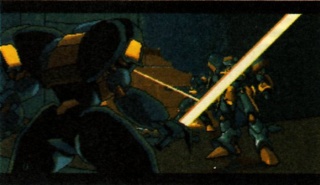
The last part of the Fox Ranger trilogy was released in 1997, but previews first started to show up a whole three years beforehand. Originally Soft Action would only show concepts for cartoon cutscenes that couldn't contrast any more with the later prerendered intro (and lack of storytelling through the game). In 1995 they presented ingame screenshots as well, which also still looked very different from the final game. The preliminary screen layout rather gave the impression that the series would make a transition to a fighting game, instead of the action platformer it turned out to be in 1997.
Quick Info:
|
Developer: |
Soft Action |
|
Genre: |
Action: Side-Scrolling |
|
Theme: |
Mechas |
Fox Ranger III Beta (IBM PC)
Fox Ranger III Beta (IBM PC)
투캅스 (Two Cops) - IBM PC (1994)
블루시걸 (Blue Seagull) - IBM PC (1994)
DS Game Channel announced not one, but two games based on movie licenses in 1994. The first was Two Cops, a typical detective buddy movie, and one of the most successful Korean movies of its time. Starting in March, the company assembled a team of 15 to get the game done by Christmas, about a year after the movie's release. The game was supposed to be "arcade action" game with digitalized images and voices of the movie's main actors, Ahn Sungki and Park Joonghoon13.
On May 20th followed an announcement for Blue Seagull. This time the original was slated as Korea's first adult animated film, which means plenty of pointless sex and violence, and even more pointless crappy early-90s render sequences. Not Korea's most glorious work of animation, but not its worst, either. The game, developed by an internal 10-man-team called Paradigm Shift, was apparently equally a product of its time, and thus meant as a 2-CD multimedia adventure, using footage from the animated feature14. DS Game Channel never showed so much as a screenshot for either game.
Quick Info:
|
Developer: |
DS Game Channel |
|
Publisher: |
DS Game Channel |
|
Theme: |
Licensed |
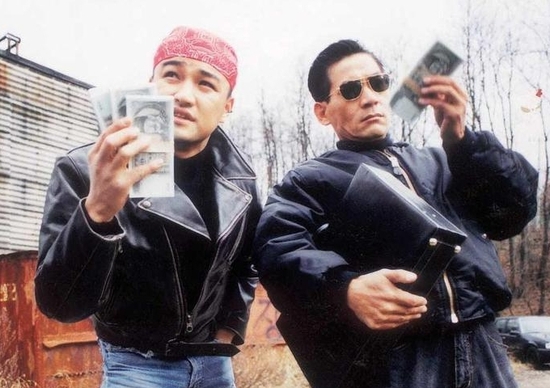
Two Cops (Movie)
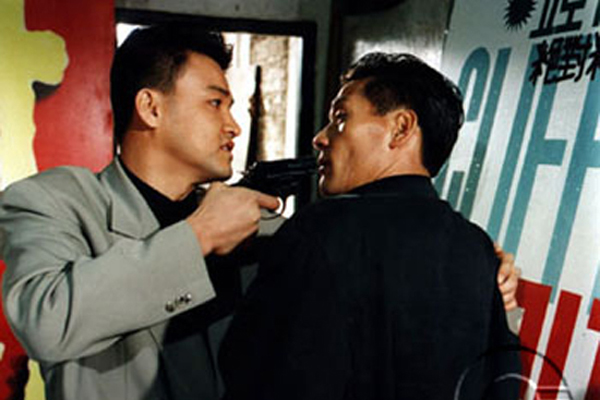
Two Cops (Movie)
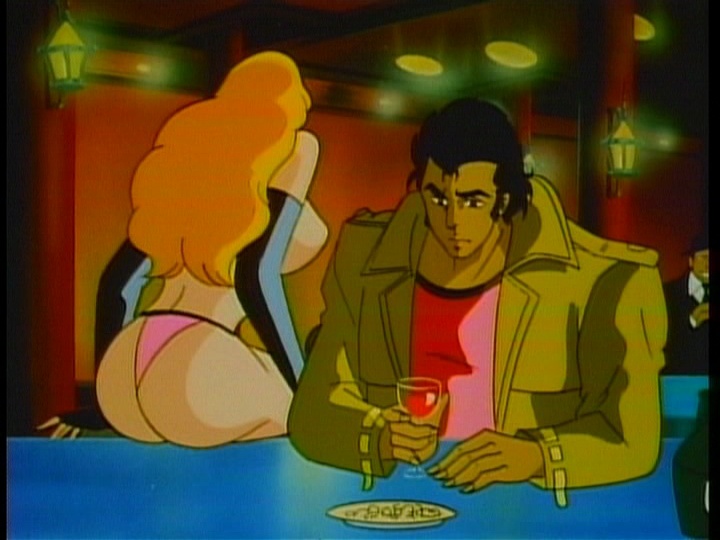
Blue Seagull (Movie)
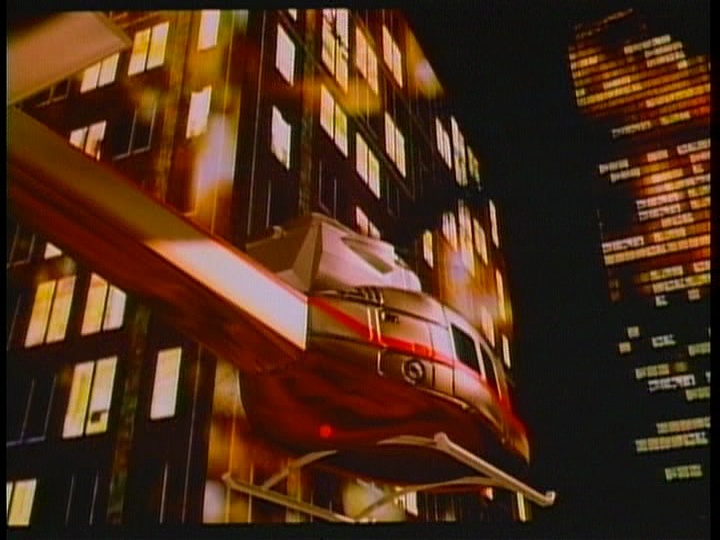
Blue Seagull (Movie)
메카탐정 (Meca Tamjeong) (Vanslug Beta) - IBM PC (1994)
Soft Action's first deviation from their shoot-'em-up routine, Vanslug was also first shown with a completely different set of graphics in mid-1994, at the time the game was reportedly already 70% completed15. The character sprite found use in the Soft Action logo animation for Eardis before it got scrapped.
Quick Info:
|
Developer: |
Soft Action |
|
Genre: |
Action: Side-Scrolling |
|
Theme: |
Cyberpunk |
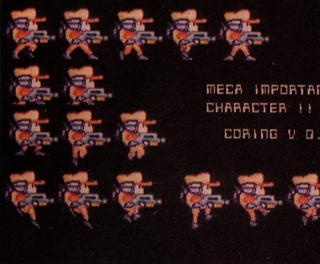
Meca Tamjeong (IBM PC)
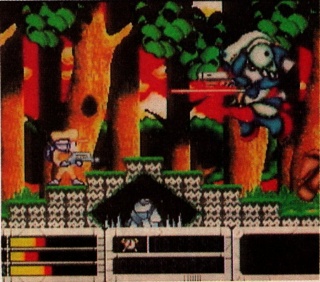
Meca Tamjeong (IBM PC)
Dinosaurs - Master System (1994)

Dinosaurs (Master System)
This run-'n-gun by Open Production appears to have never even been announced anywhere in a magazine, but somehow an unfinished build ended up on a Genesis pirate compilation cart. There it bears the Korean title "Jyuragi Sup" ("Jurassic Forest"), but that name only applies to the first (and the only playable one in this release) stage. It gets a bit close to copyright infringement - the cursor on the stage select screen is just the Jurassic Park icon with the T-Rex skeleton.
Quick Info:
|
Developer: |
Open Production |
|
Genre: |
Action: Top-Down |
|
Theme: |
Prehistoric |
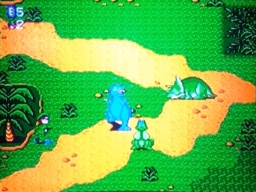
Dinosaurs (Master System)
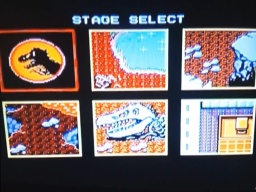
Dinosaurs (Master System)
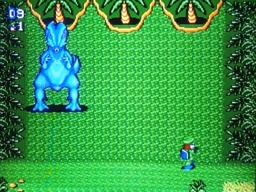
Dinosaurs (Master System)
그날이 오면 5 (Geu Nal-i Omyeon 5): Assault Dragon Beta - IBM PC (1994)
Late in 1994 Mirinae Software showed an early screenshot for the final part of its flagship series. Although the enemy seen there is in the game just like it appears on the screenshot, the player character doesn't. The whole compsition makes it appear like an action platformer, strangely parallel to the direction Soft Action was taking with Fox Ranger III16.
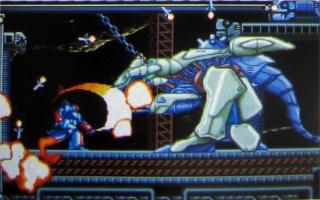
Assault Dragon Beta (IBM PC)
Quick Info:
|
Developer: |
Mirinae Software |
|
Genre: |
Action: Side-Scrolling |
|
Theme: |
Mechas |
References
1. PC Advance 4/1994, page 188
2. http://blog.paran.com/haneter/32372449
3. Game Champ 8/1994, PC game booklet page 10
4. Game Com in MyCom 2/1995, page 16
5. Kyunghyang Shinmun 7/11/1995, page 29
5. Game Champ 9/1994, page 112
6. IBM PC World in Game World 5/1994 page 23
7. Game World 1/1995, page not numbered
8. [reference needed: softmax amagedon fighting]
9. IBM PC World in Game World 10/1994, page 3
10. IBM PC World in Game World 1/1995, page 39
11. PC Champ 1/1995 page 177
12. Game Power in Game Champ 12/1994, page 15
13. Game Channel 4/1994, page 27
14. PC World 7/1994, page 62
15. Game World 6/1994, IBM-PC portion page 21
16. GameCom in MyCom 1/1995, page 16
|
Other Games: |
||||
|
|
|
|
|