Scarlet Grace was a surprise to many people. Romancing SaGa’s remake for the PlayStation 2, Minstrel Song, was released 14 years before the international release of Scarlet Grace Ambitions but it would only be a mere five years more until Emerald Beyond debuted. In that intervening time, a steady clip of remasters and modernized ports of many of the older SaGa games have been released on modern devices. There has never before been more and better ways to try titles in the series. With more confidence that a new title would find an audience, what direction would a follow-up to Scarlet Grace go?
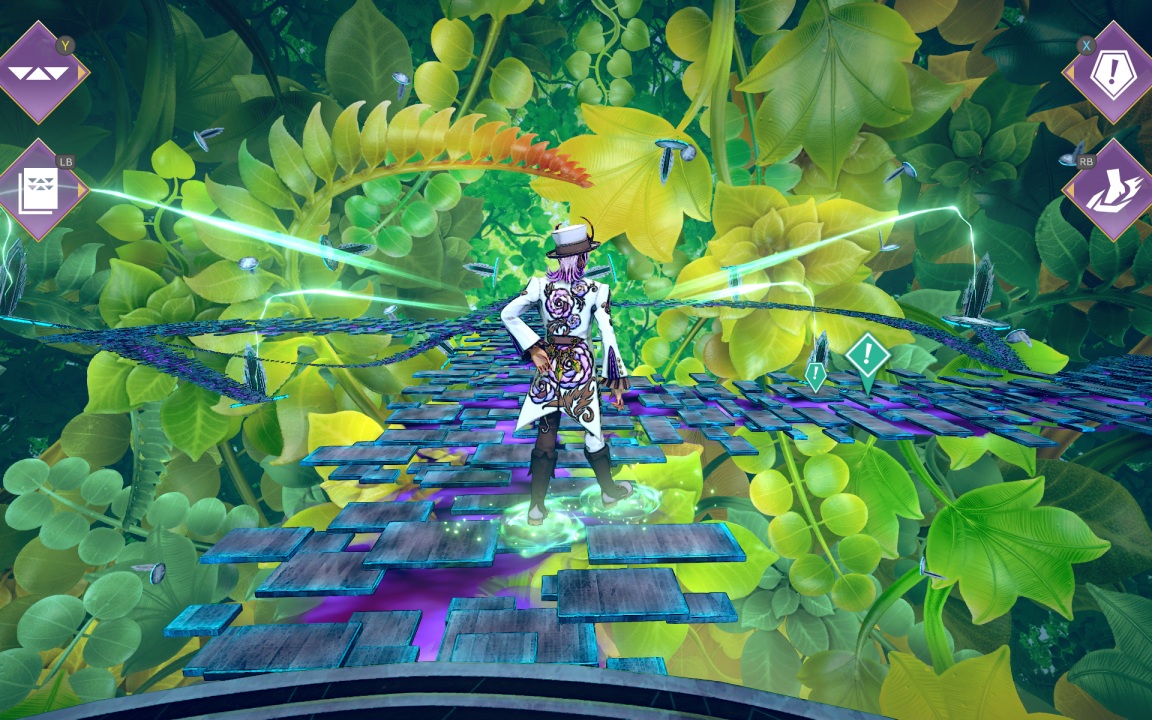
Emerald Beyond is a true conceptual sequel to Scarlet Grace’s experiments. It expands greatly on the original’s combat mechanics and diverse quest outcomes in almost every direction. Nearly every feature makes a return, reintegrated into a whole new game. The regions you visit all have original ways to interact with them and it is clear the developers put a lot of hard work and thought into each of the game’s seventeen diverse regions.
The premise of Emerald Beyond takes a lot of inspiration from SaGa 2 and SaGa Frontier. This is a multidimensional world, but many of these self-contained areas are completely ignorant of each other. Often your main character will visit these regions, carry on through a quest, and then weave in that protagonist’s main quest as well. Each protagonist has an incredible amount of distinction from the others with a significant and satisfying change to their gameplay that is resonant with the theme of their story. The literal throughline is the Emerald Vision, a thin line that connects the player to your possible choices and places to go both in the worlds and in the Junction that connects them.
Characters
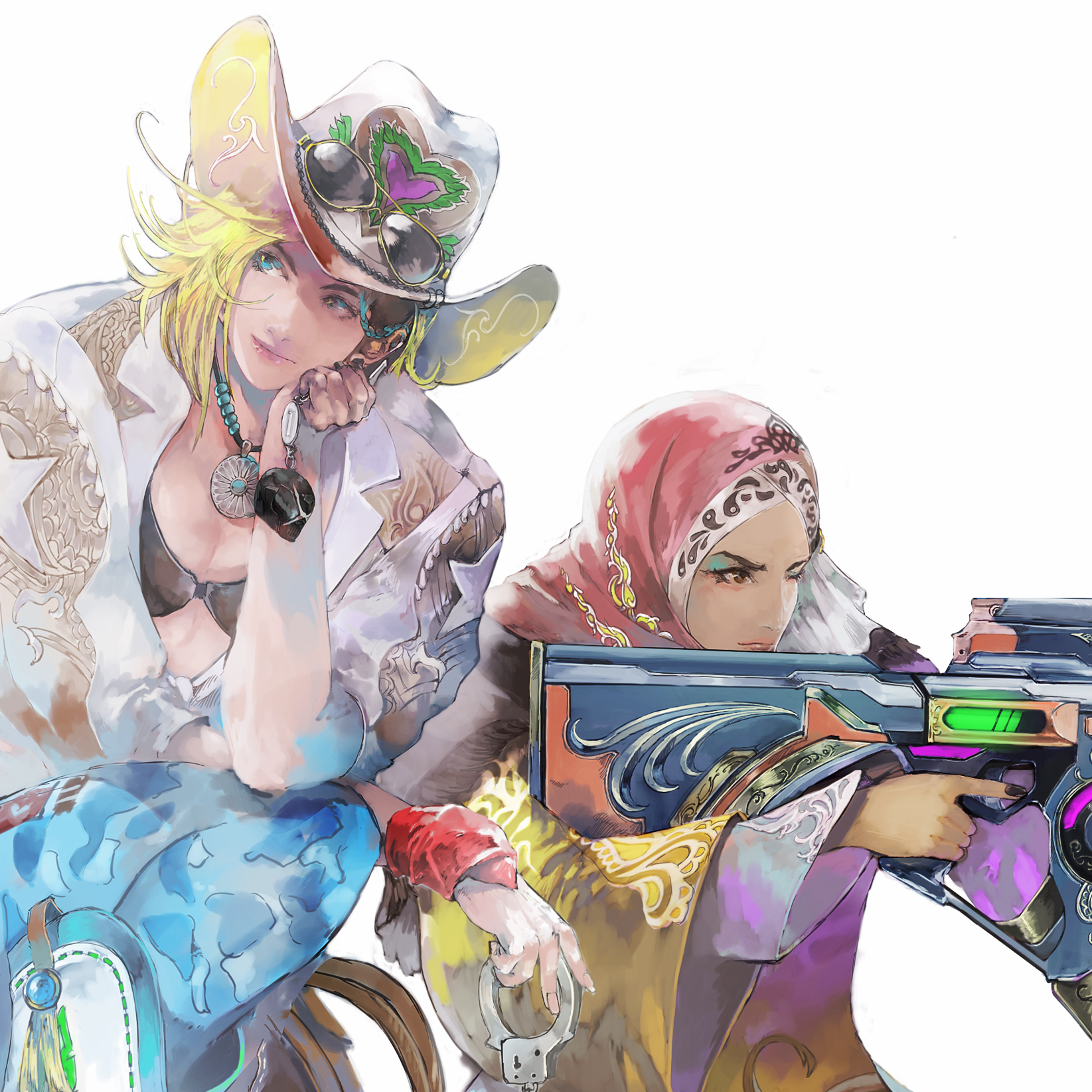
Bonnie and Formina
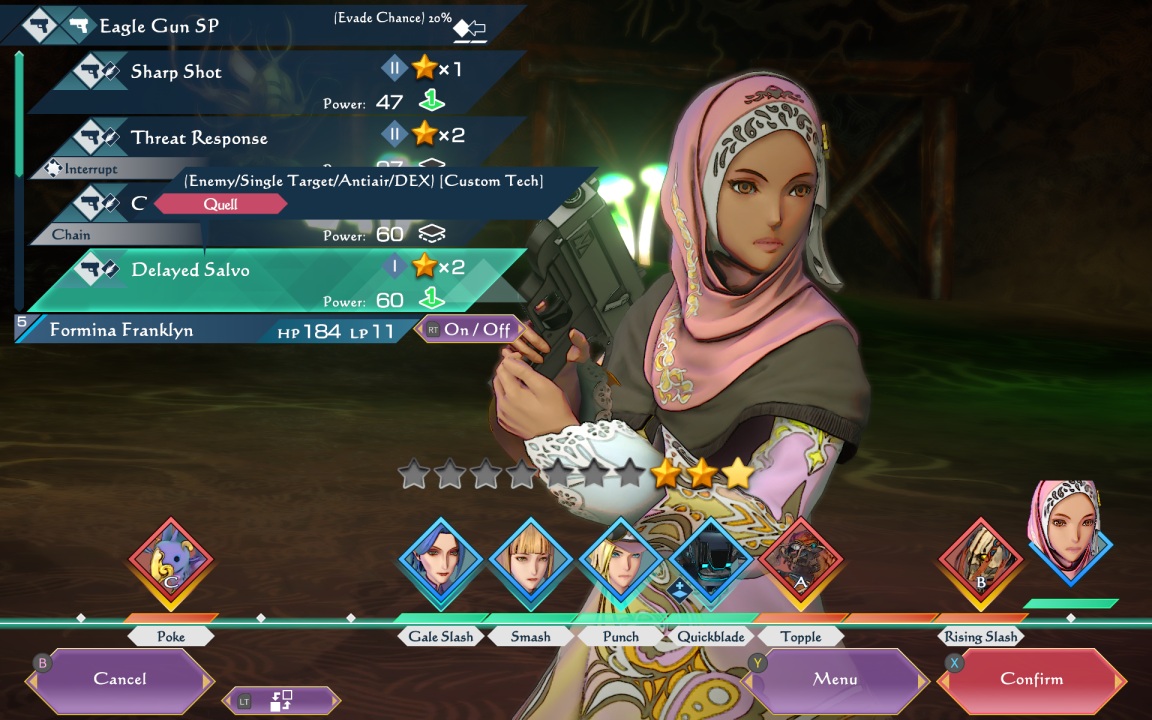
Two police officers pursuing the same goal: unraveling a multidimensional conspiracy theory. This pair of characters has the best view of the interweaving threads between the universe’s seventeen regions and the two protagonists must find ways to work together and compliment each other’s diverse skillset.
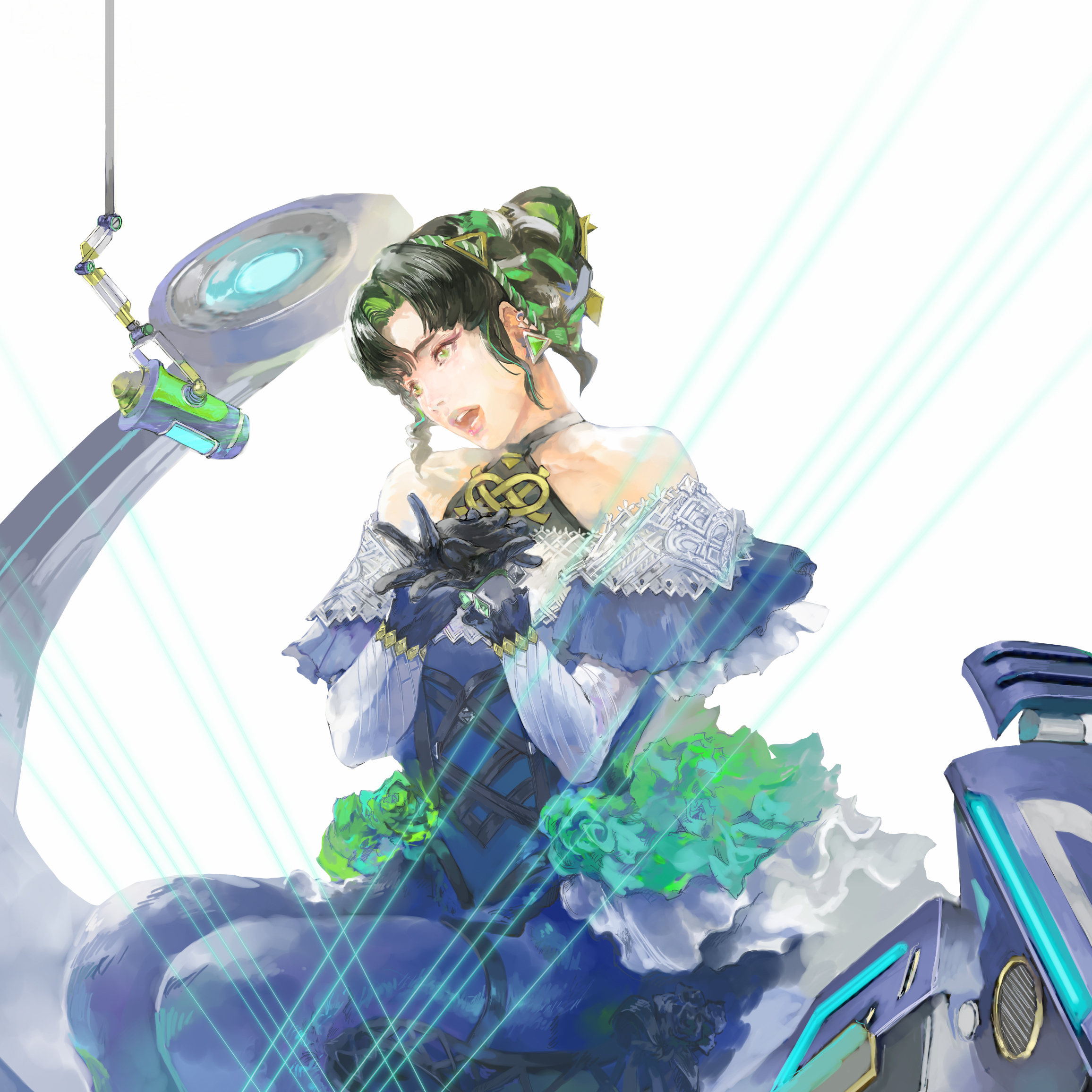
Diva No. 5
A robot who loses her defining feature, her singing voice, and must forge a new identity. Her journey is a robot heavy run with the most eclectic cast of characters in the entire game. Diva No. 5 has the unique ability to change her body on her mission, enabling the widest variety of robot abilities.
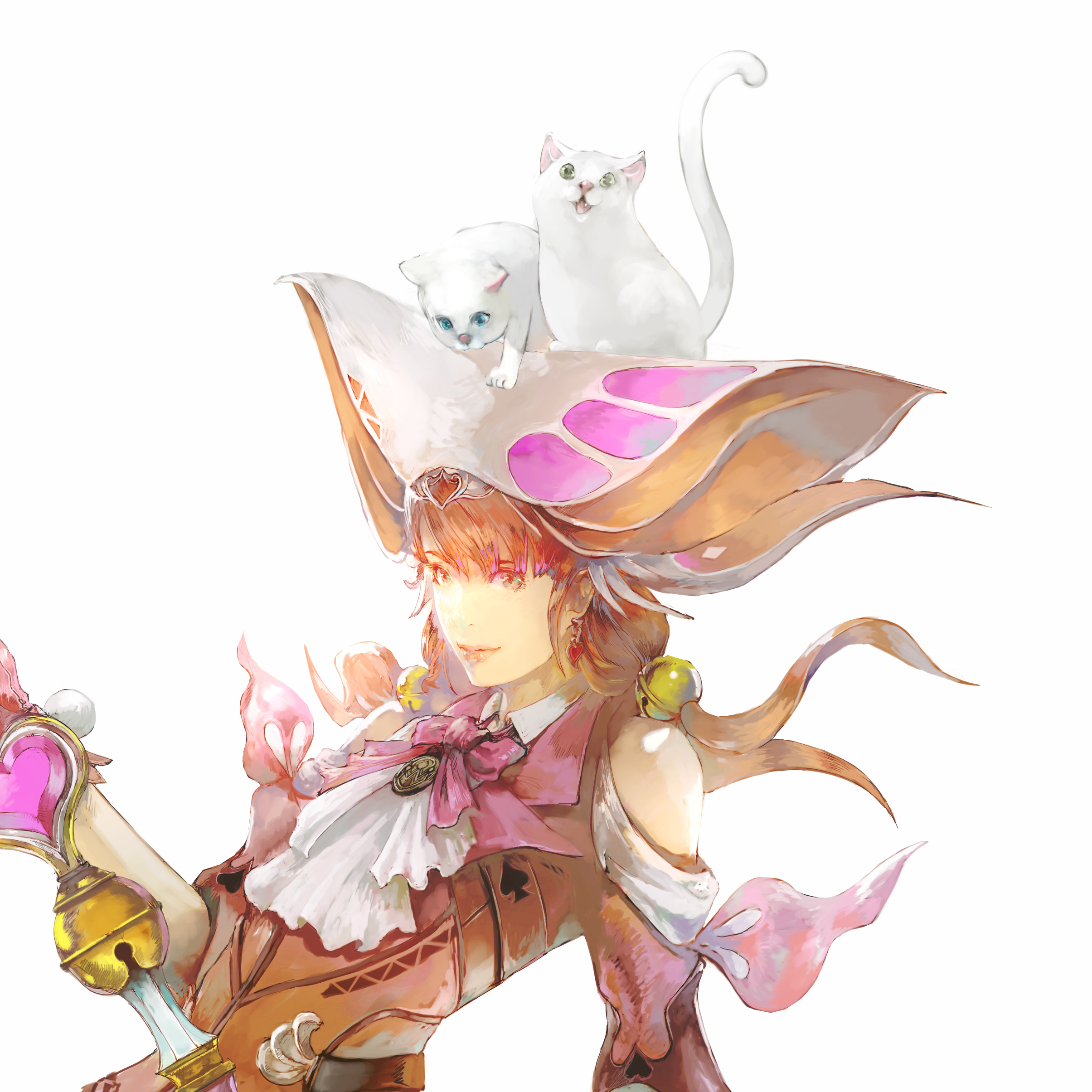
Ameya
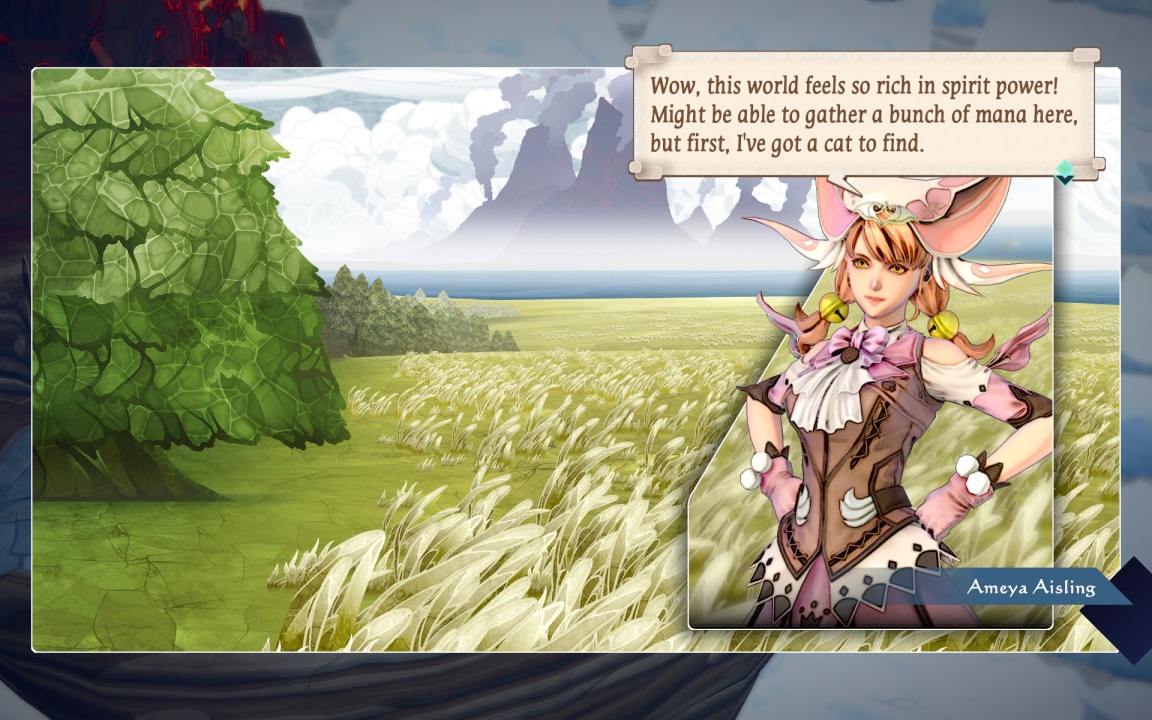
A Witch who loses her magic which is then scattered throughout the Beyond in the form of cats. She can become incredibly powerful with access to a unique magic school and feline themed equipment, if only she can balance her cat collecting with passing her witchterms.

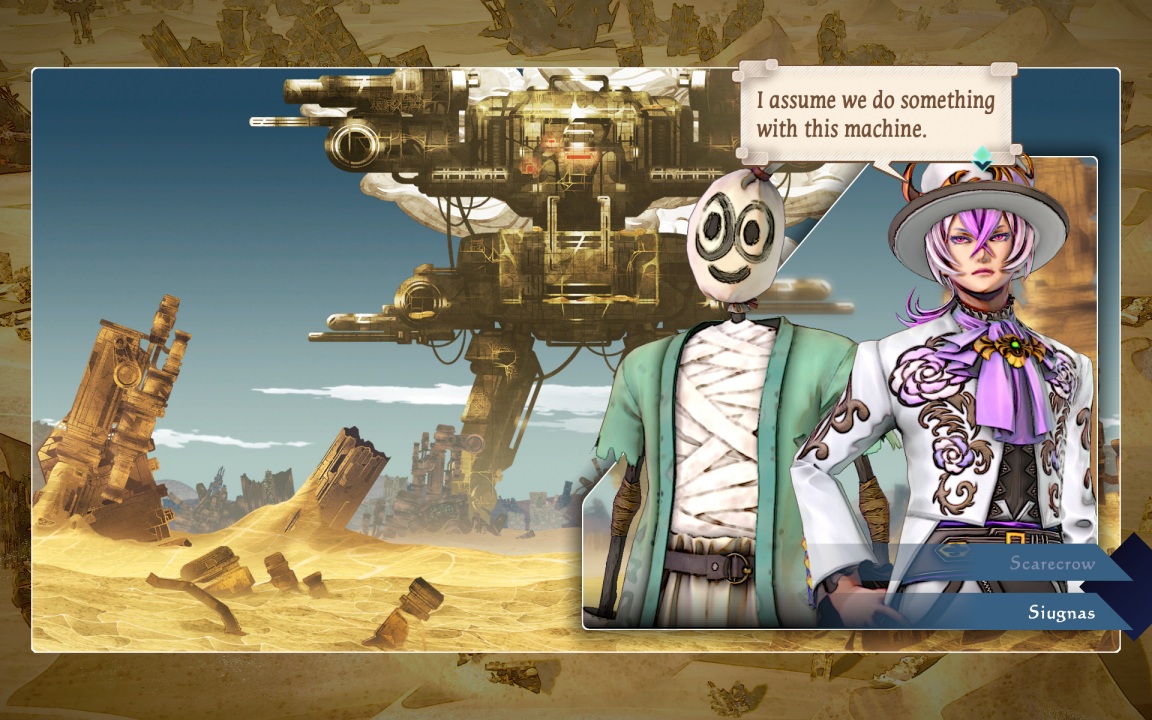
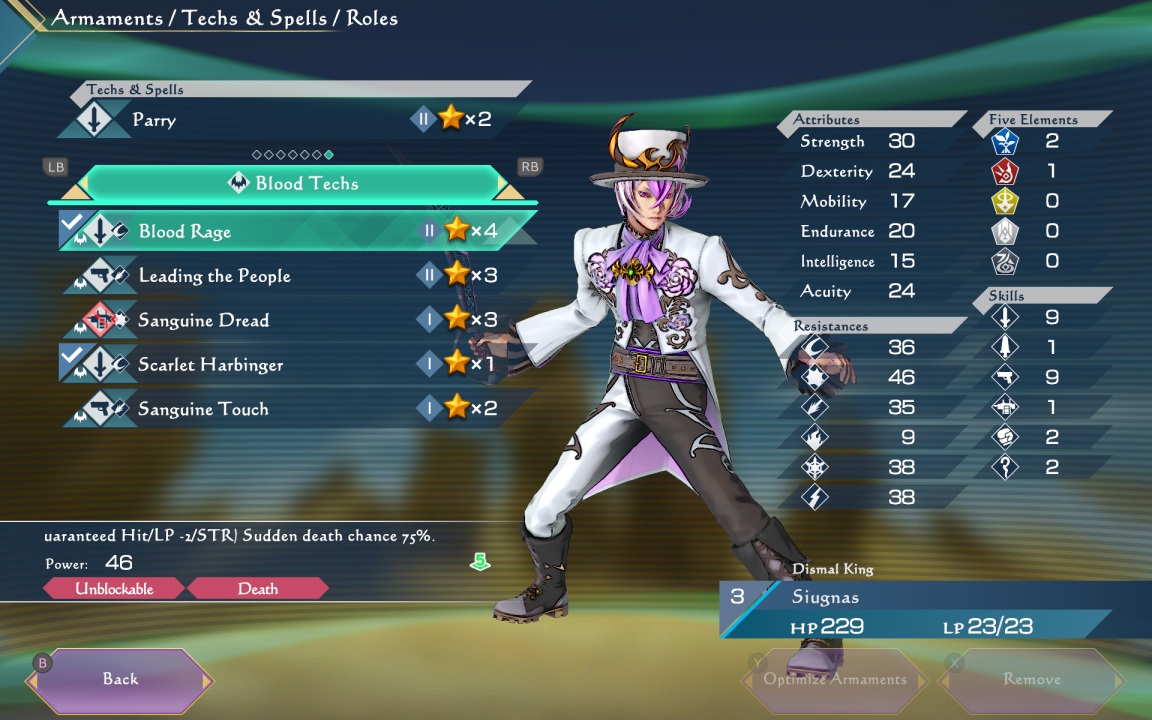
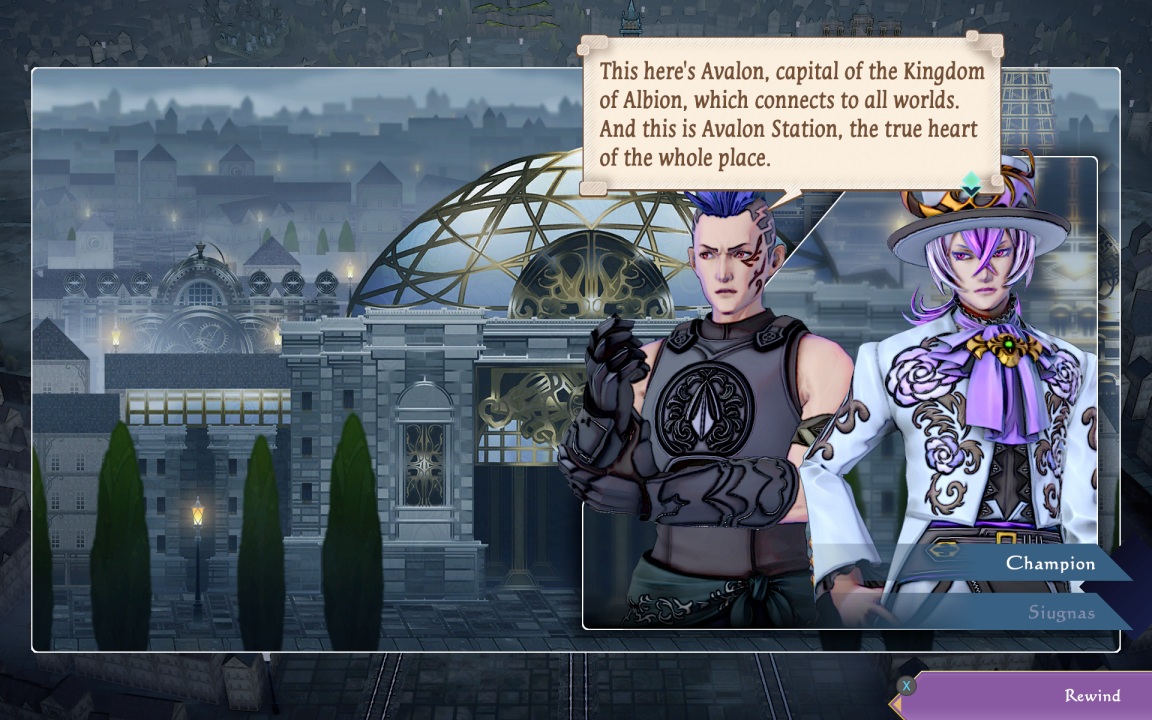
Siugnas
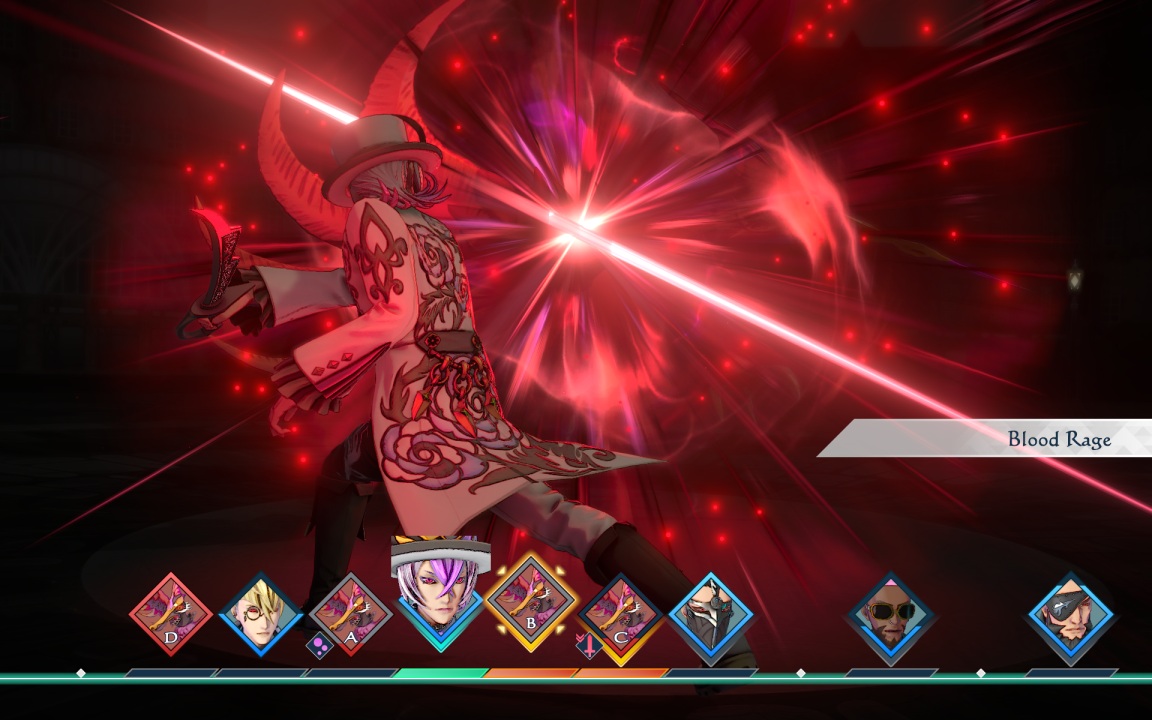
A vampire who seeks out the darkness in others to enthrall them and gain power. He was deposed from his throne in Yomi and joins forces in a Valhalla-like realm with a band of fighters who presumably died in conflicts all throughout the Beyond. Siugnas is fueled by humans, gaining access to powerful Blood techs which are powered by life itself, represented as series mainstay LP (life points). He can choose to share his power, creating vampiric knights, but if he ever removes that power the once-honored are left as fragile wastrels.
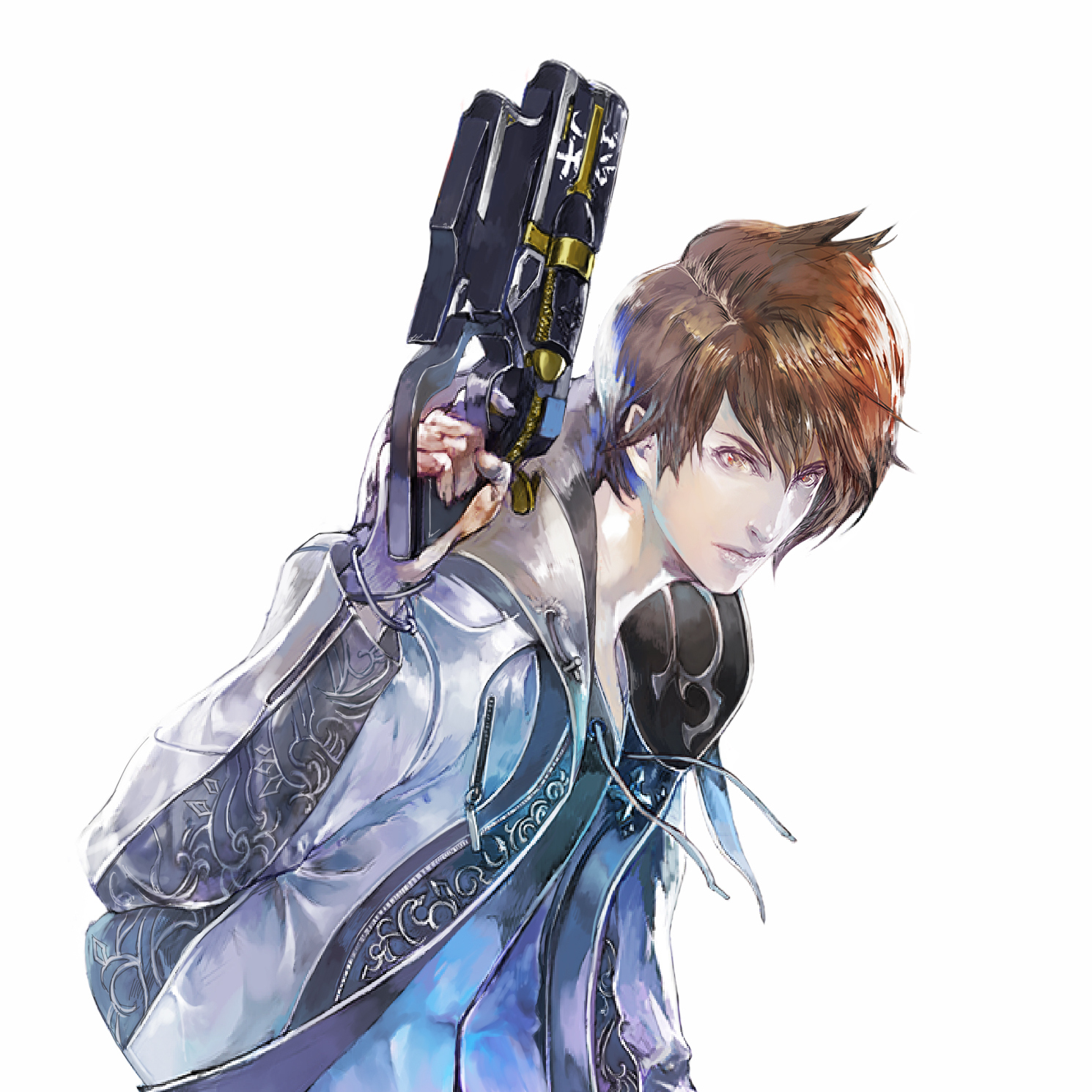
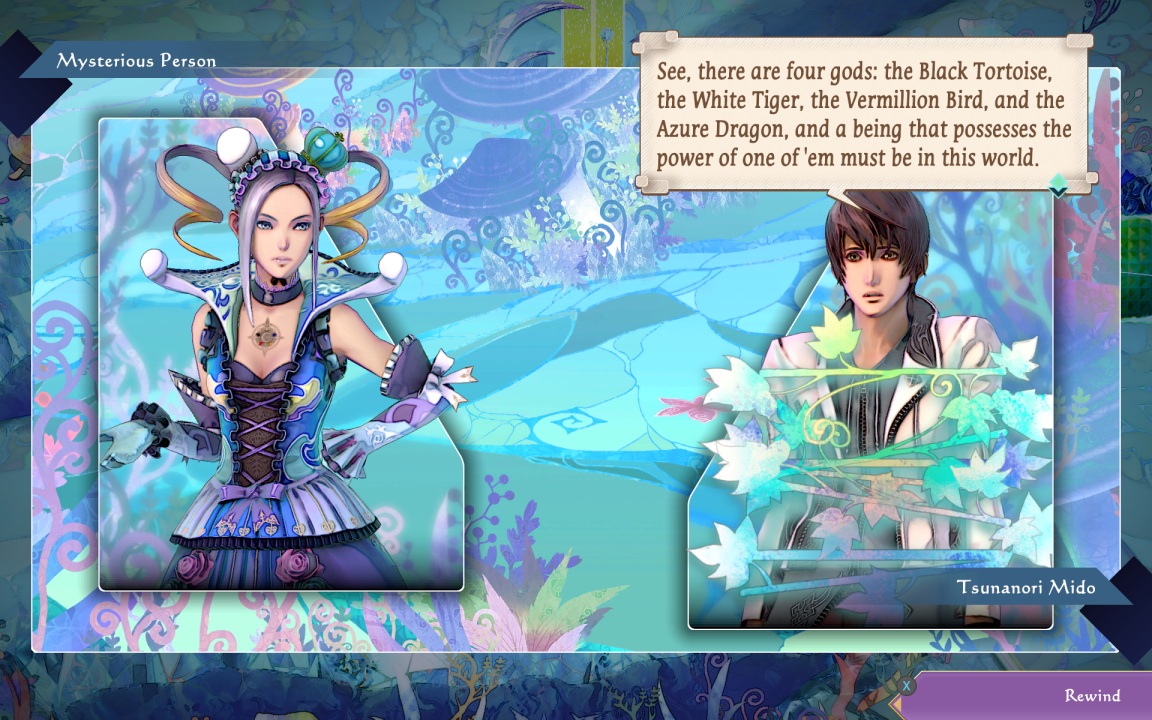
Mido
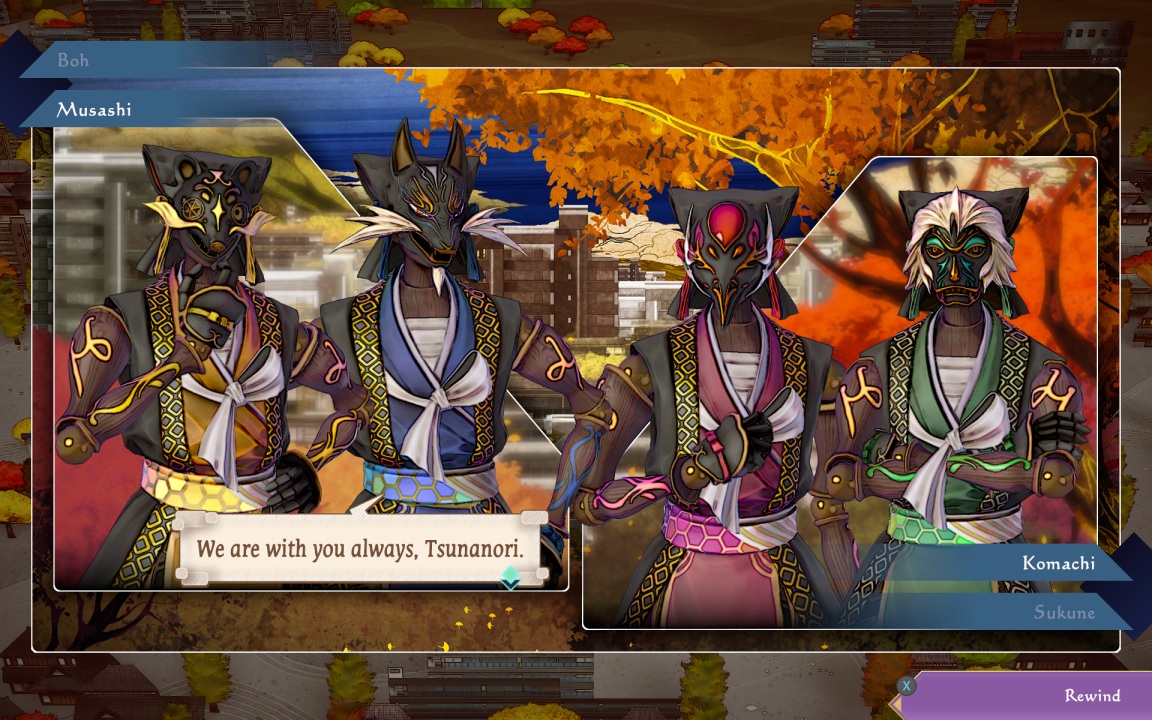
Mido is on a quest for powerful spirits, which he can infuse into his team of mannequin-like Kugutsu. Kugutsu are a bit like monsters and humans, they gain new techs from mimicking humans, but also can gain new powers from the spirits of the monsters they face.
Taking further the inspiration from SaGa 2 and SaGa Frontier, many classic races return.
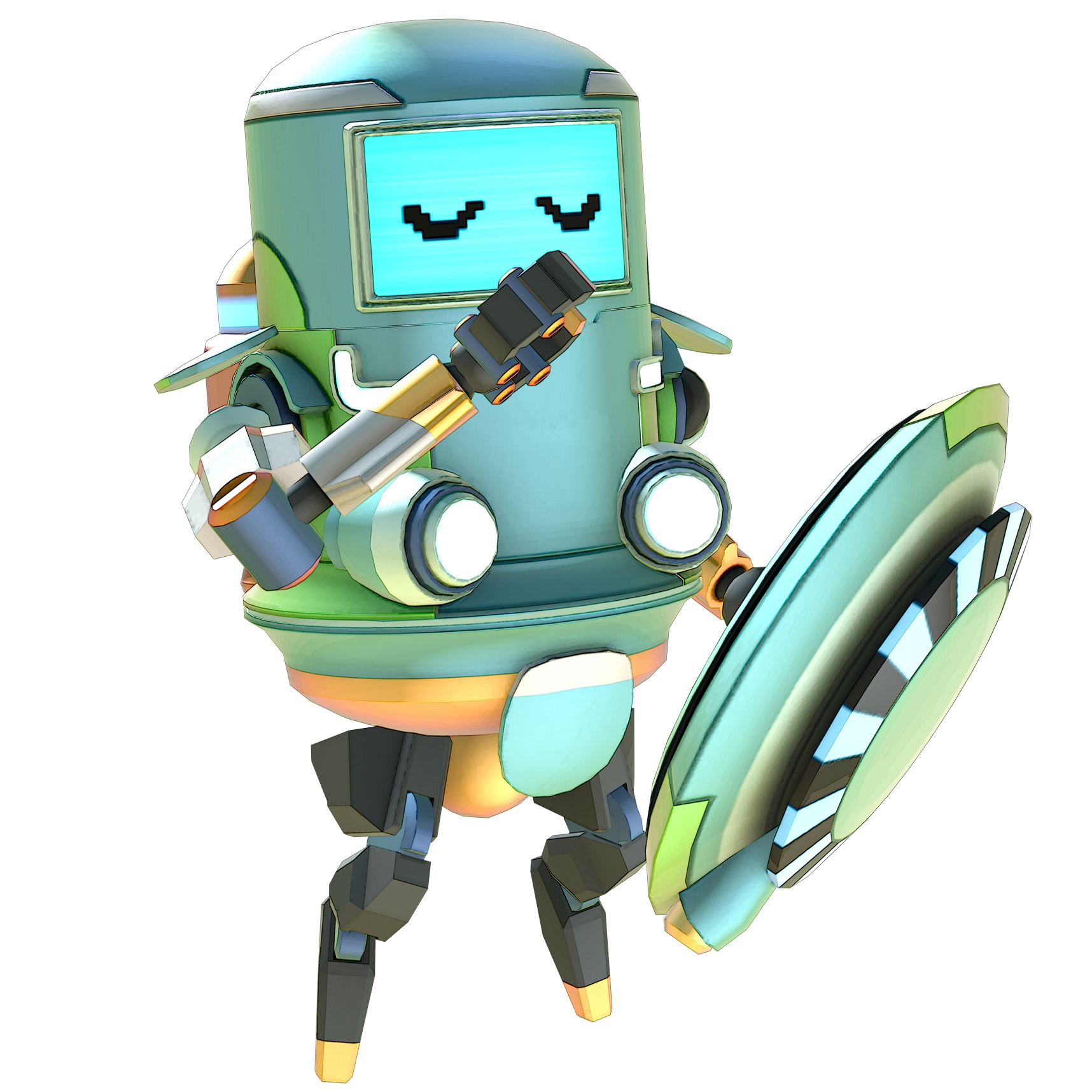
Mechs continue to be generally agnostic to growth through experience in battle and can be completely rebuilt from the party’s equipment between combats. This can completely change their abilities and role on the team.
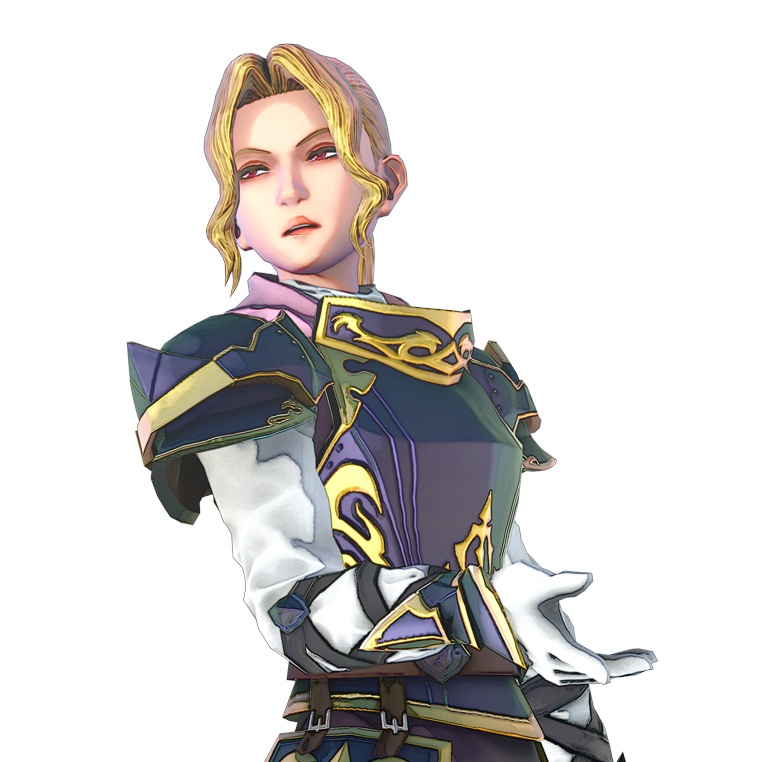
[Human]
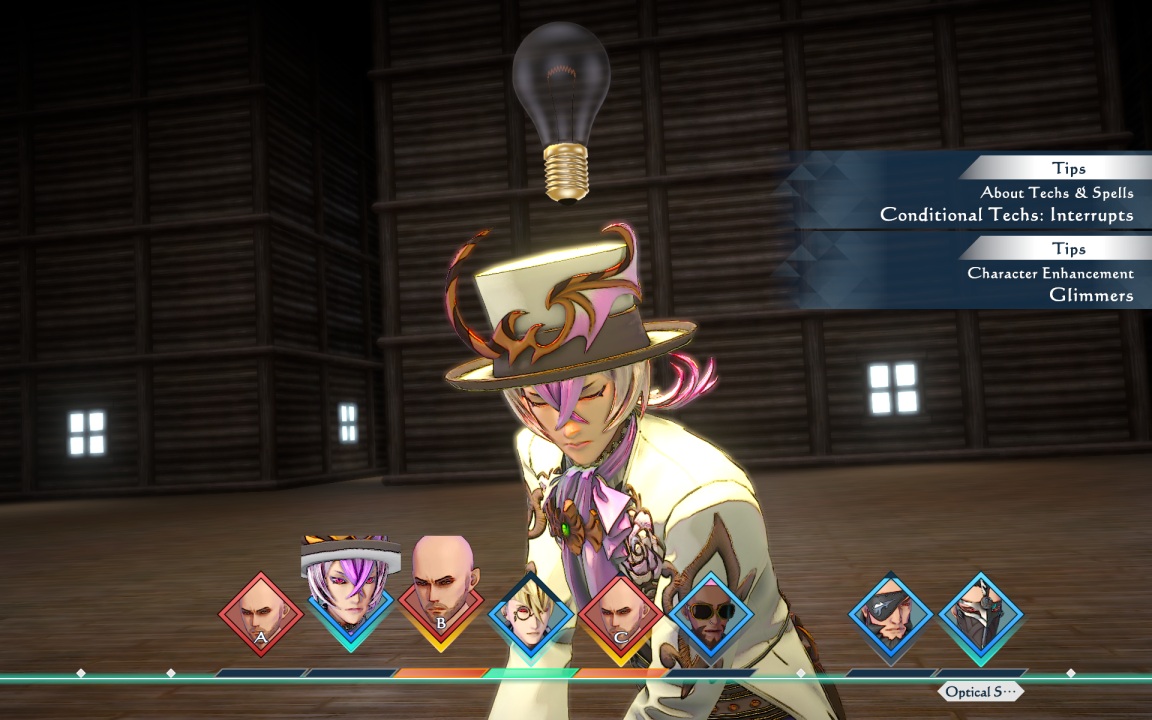
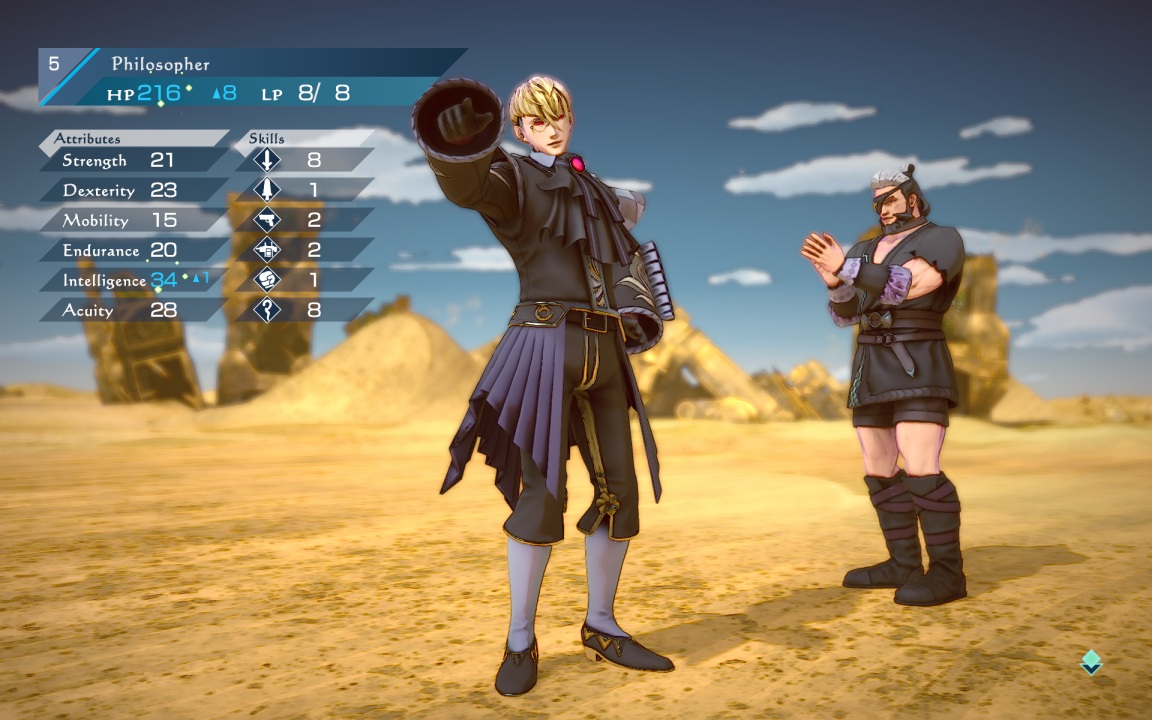
Humans return as a stalwart member of the party having both a lot of versatility and allowing a lot of control over their development by growing in the ability areas that they are used. Humans have an alternate version of every weapon technique and will spark these new “custom techs” alongside their vanilla versions. This results in a high frequency of glimmering during the entirety of a playthrough even when specializing in a small number of weapons.
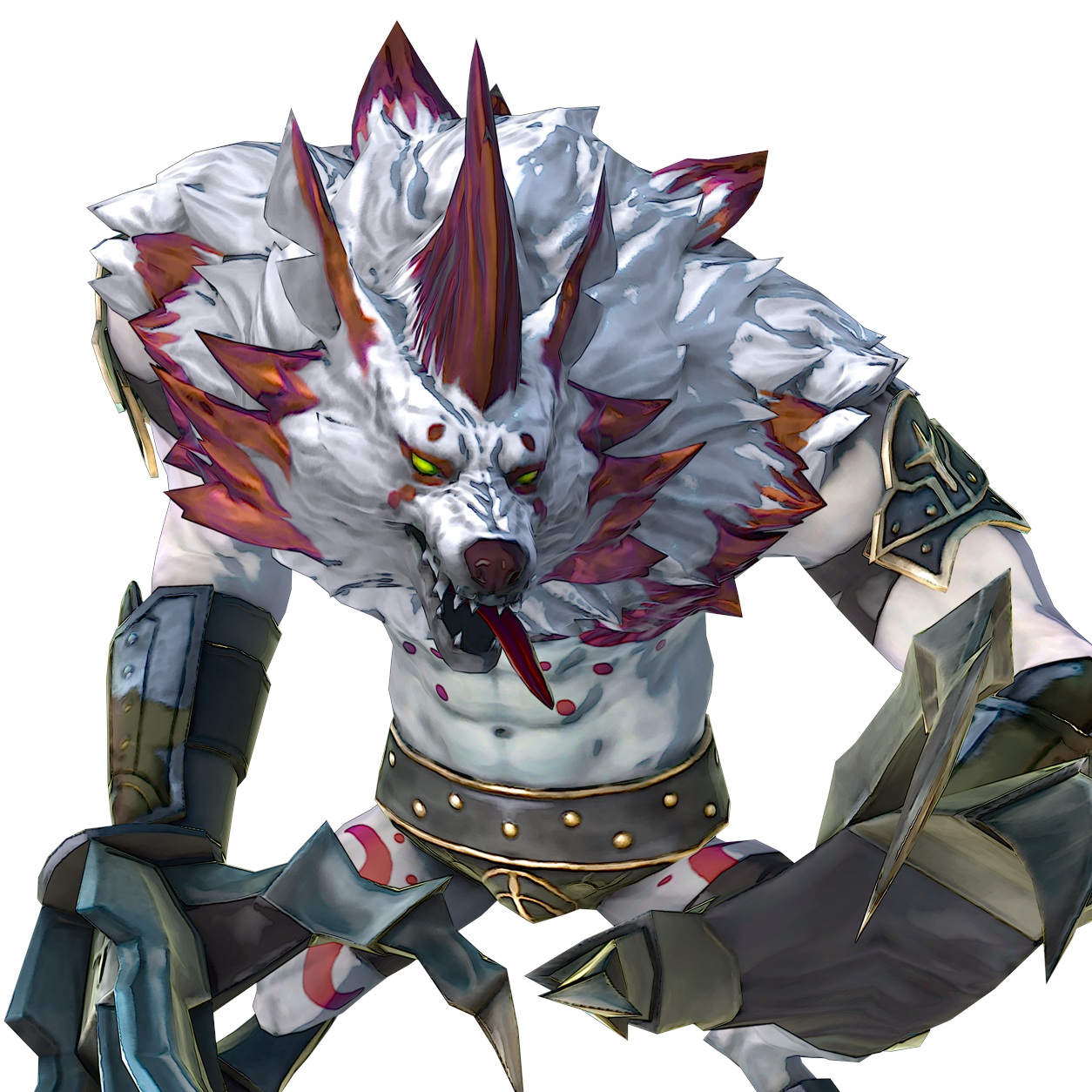
[Monster]
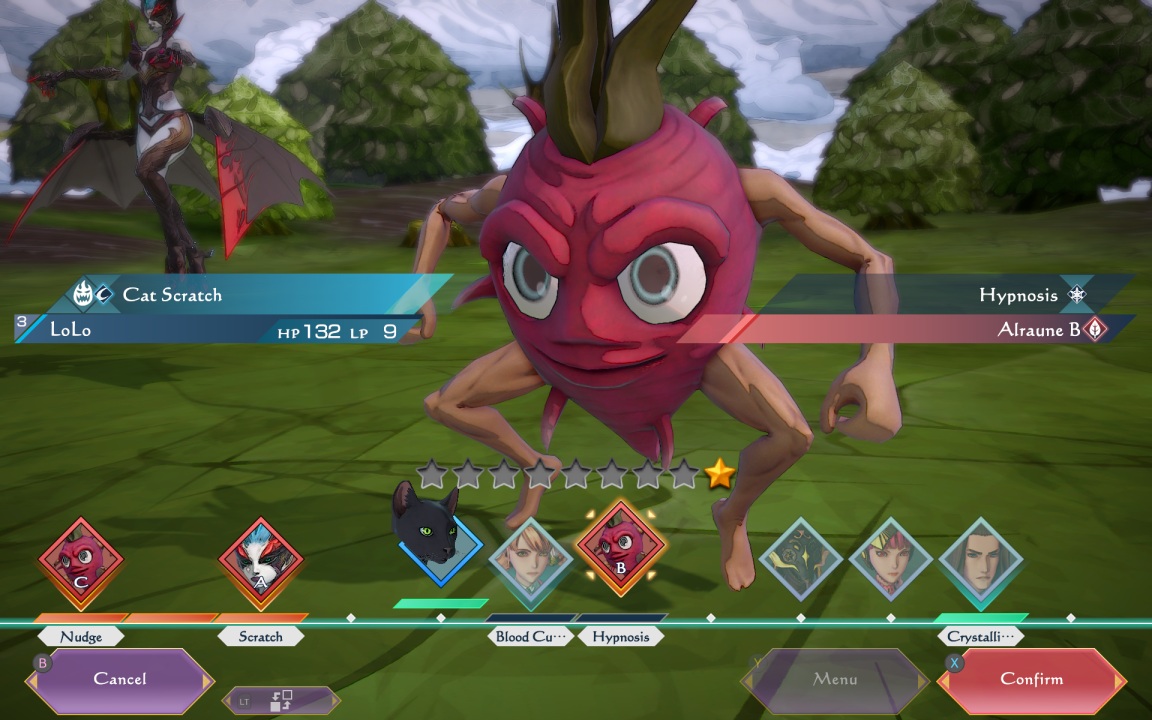
Monsters are the final returning race with a new in-game bestiary making the large number of possible monster techniques comprehensible. They continue to be chaotic creatures that require a good dose of flexibility and patience for developing knowledge of the monsters you face in the game. They can also “unleash” an ability, reducing its BP cost to one, boosting its power and also permanently discarding it. However, that then leaves space to absorb a new one from defeated monsters which is available to use on the very next turn.
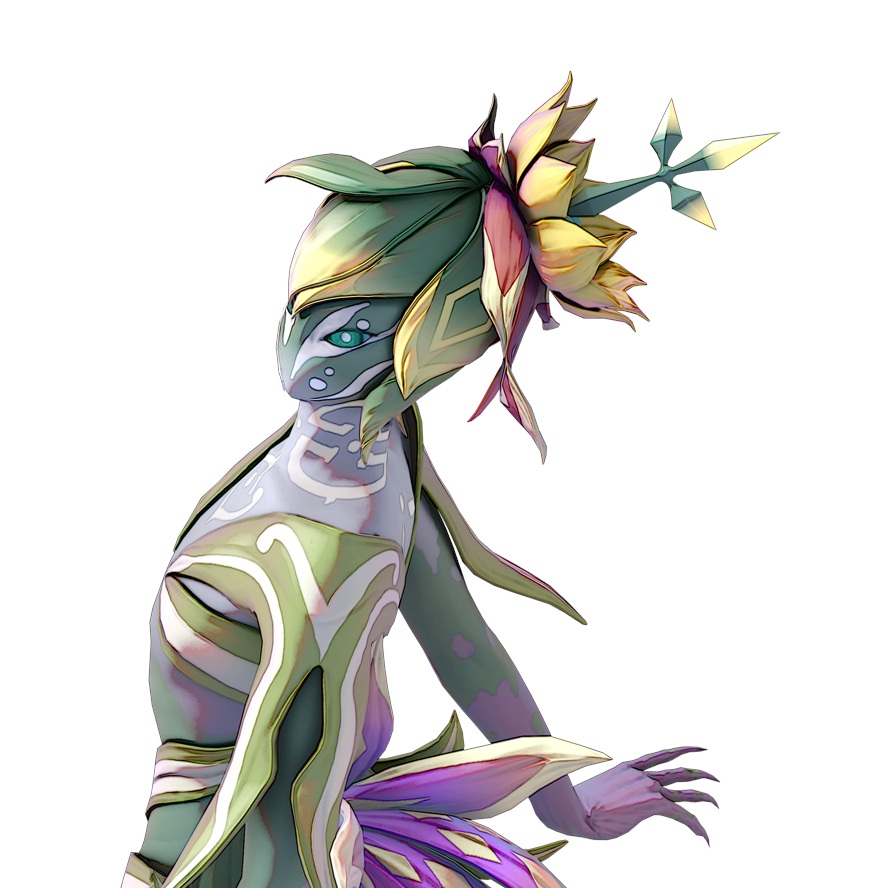
[Ephemeral]
Ephemerals are a completely new race to the series. They can die by exhausting all their LP and are then reborn, going each time through a life cycle from juvenile to elder with advantages and disadvantages at each stage of life and their own line of abilities.
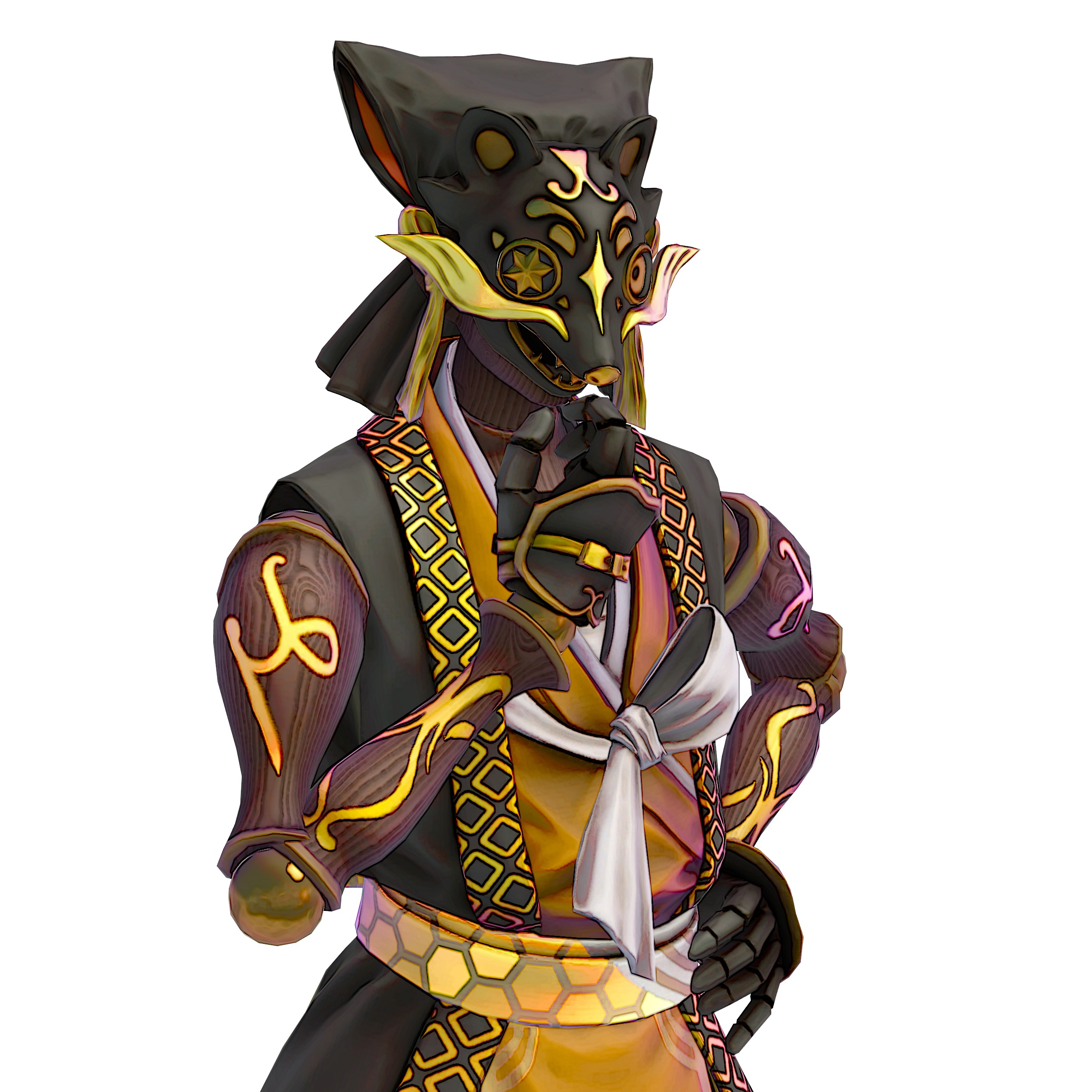
[Kugutsu]
Finally, there are kugutsu, wooden puppets that act like humans and can be infused with different souls from the monsters you face. Their power of mimicry can be very potent if used well with human team members and is also the only way they can learn new techniques.
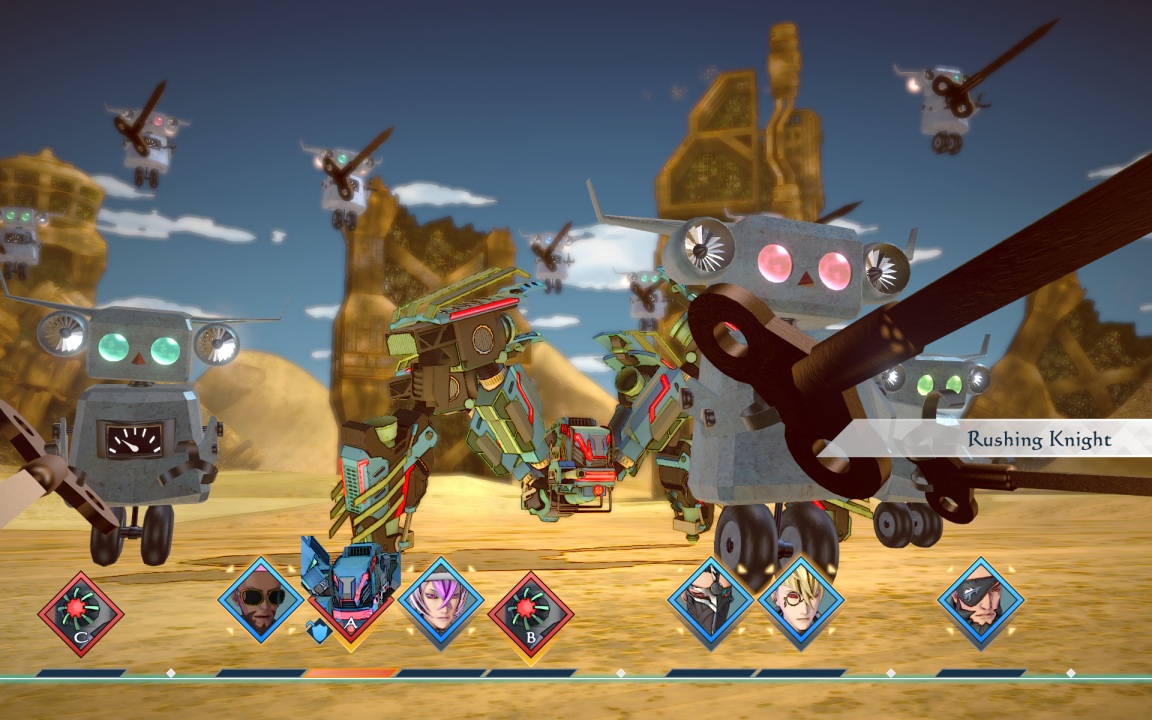
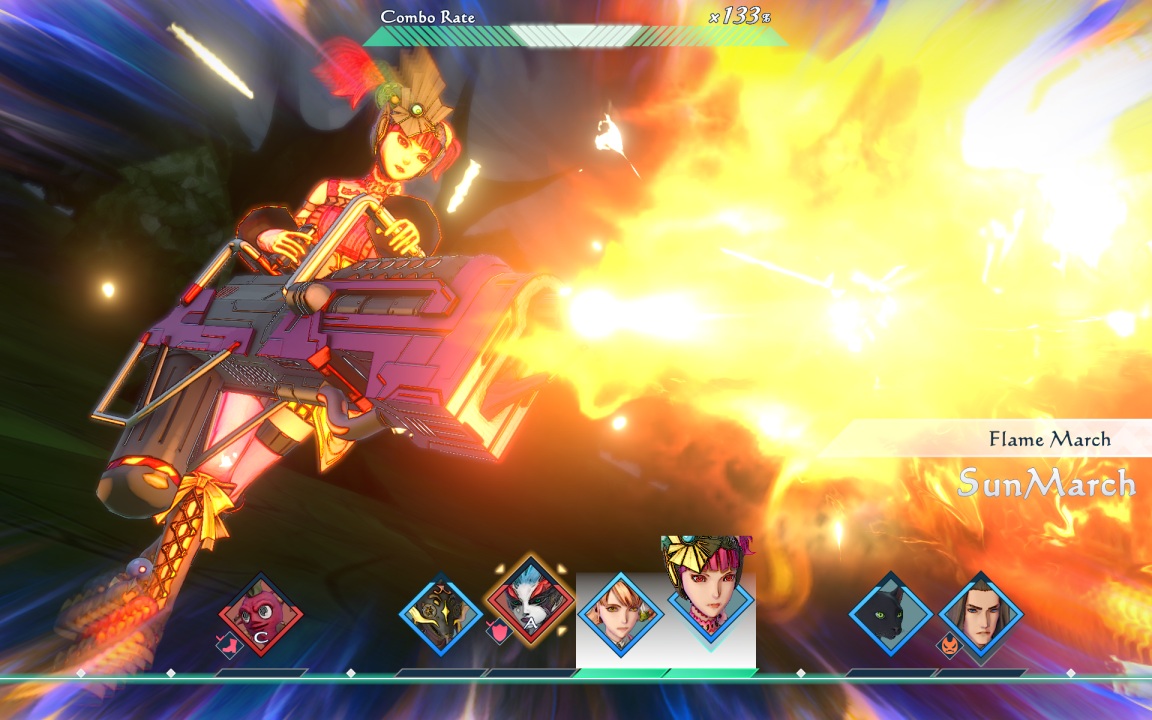
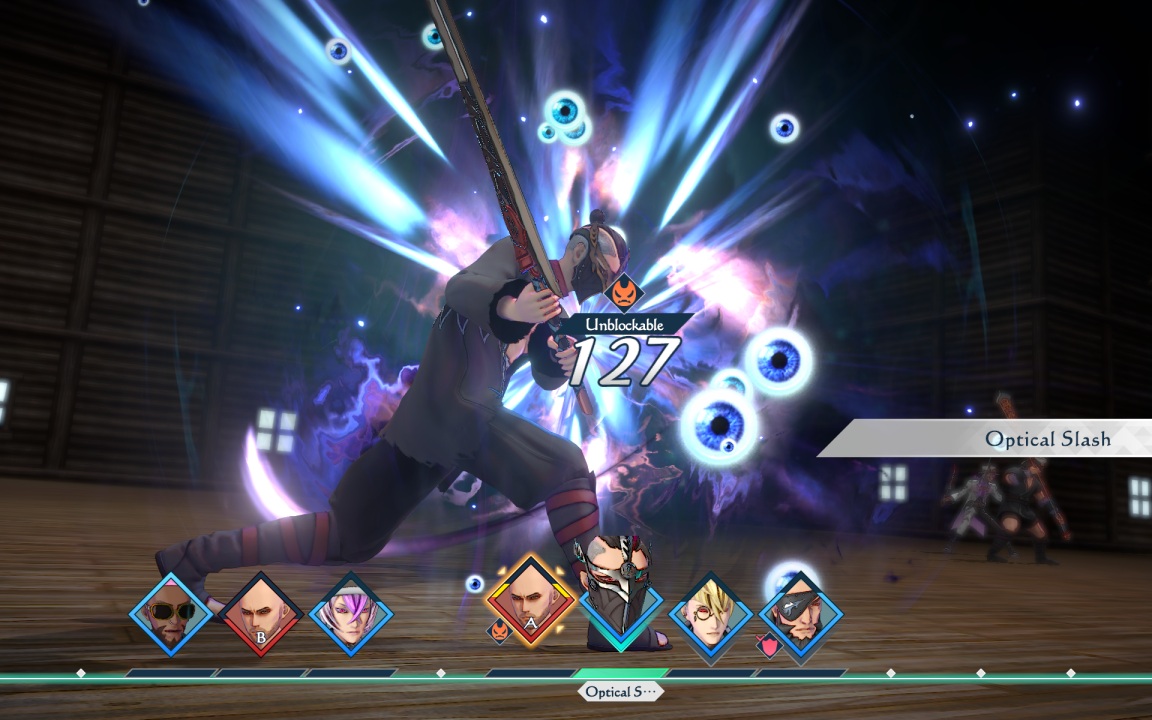
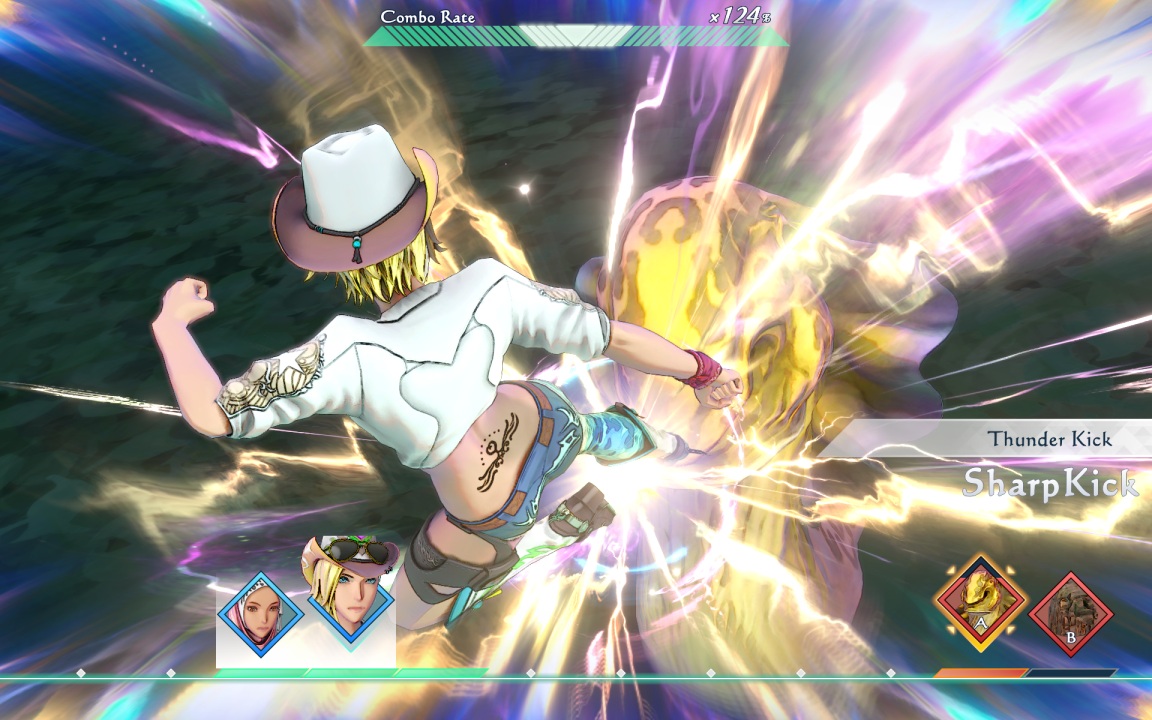
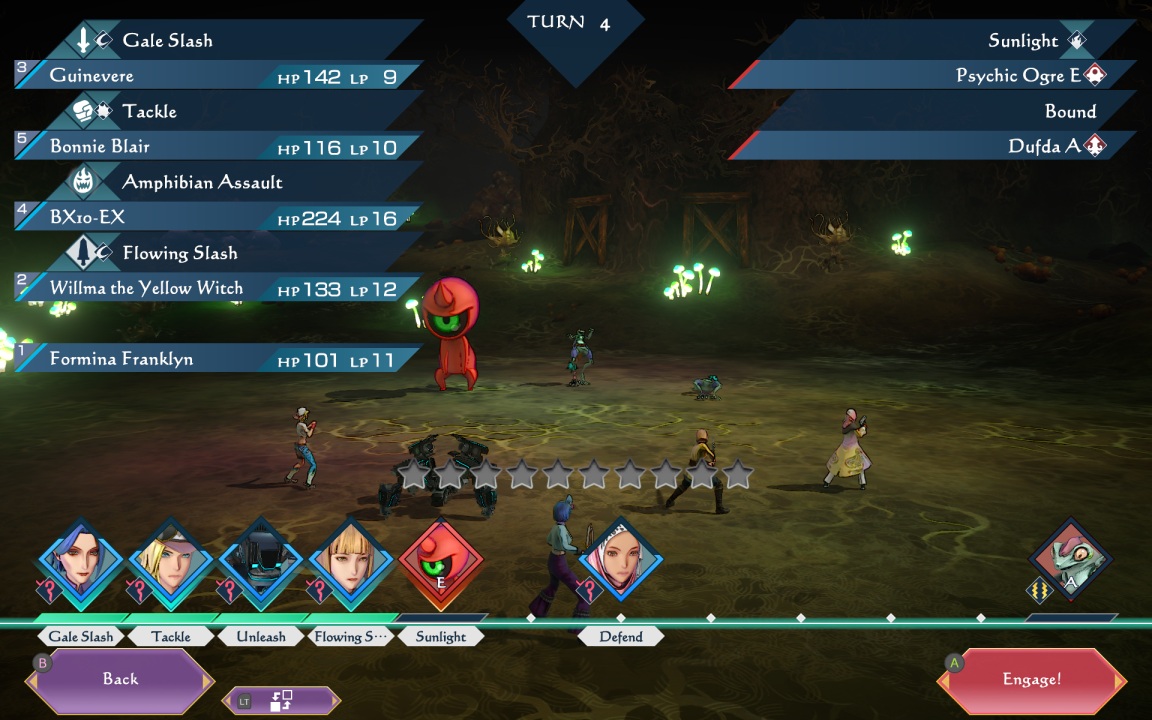
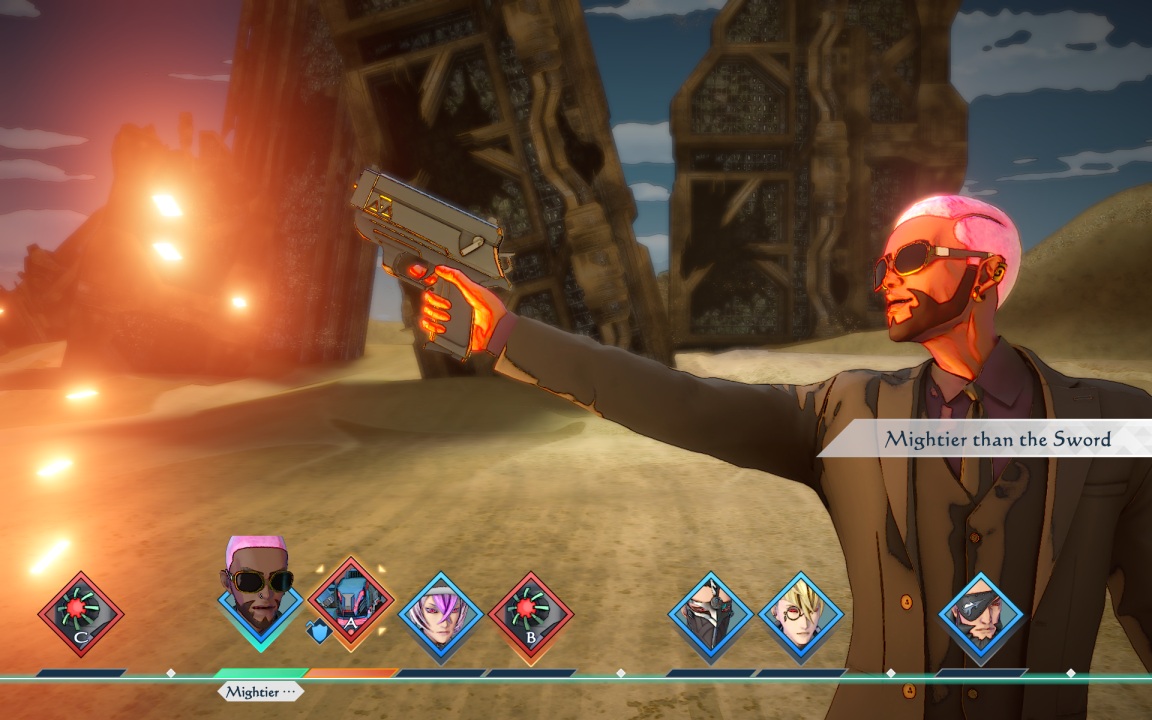
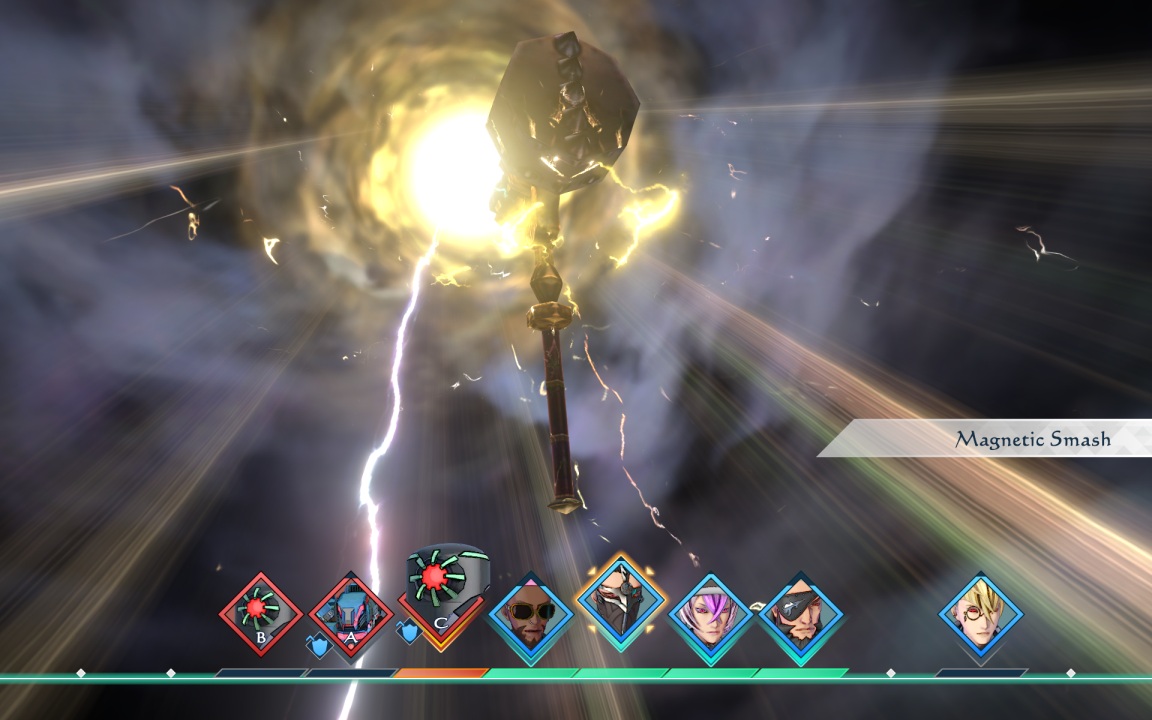
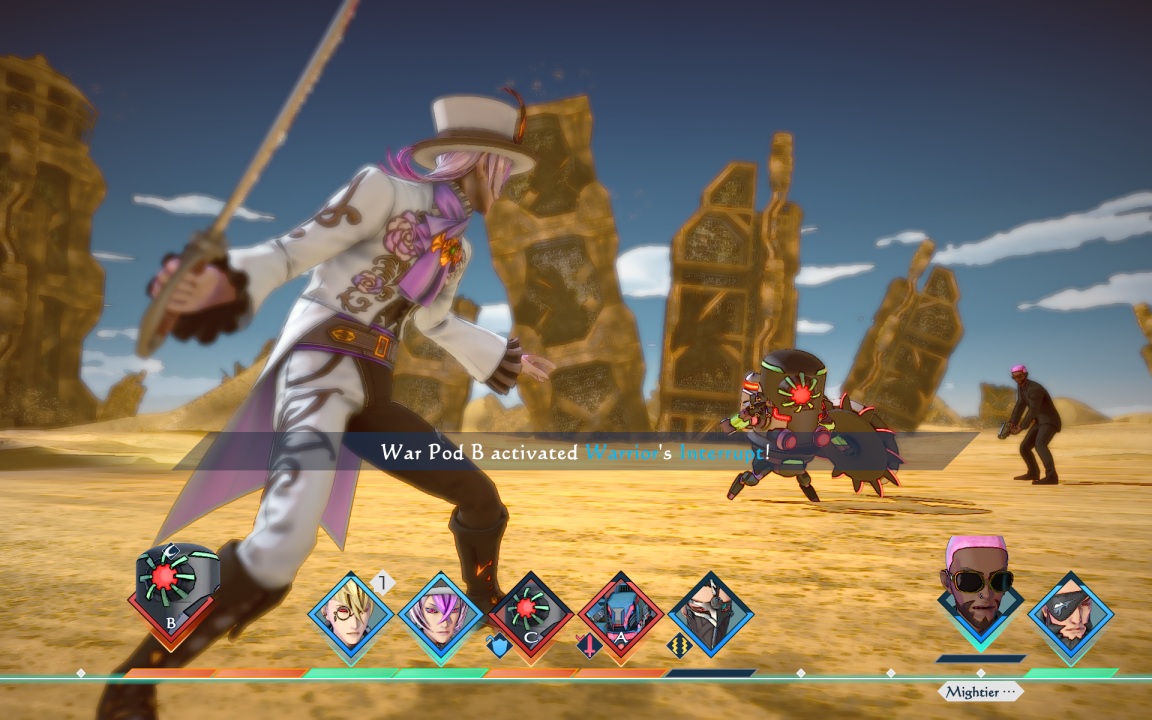
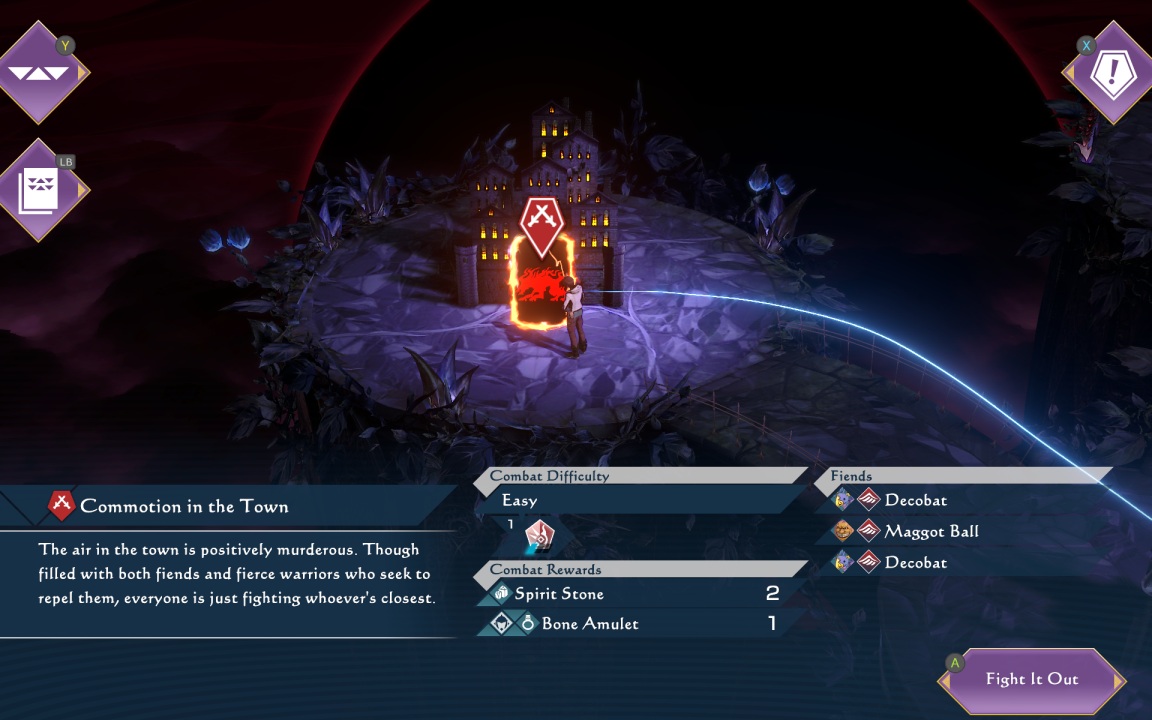
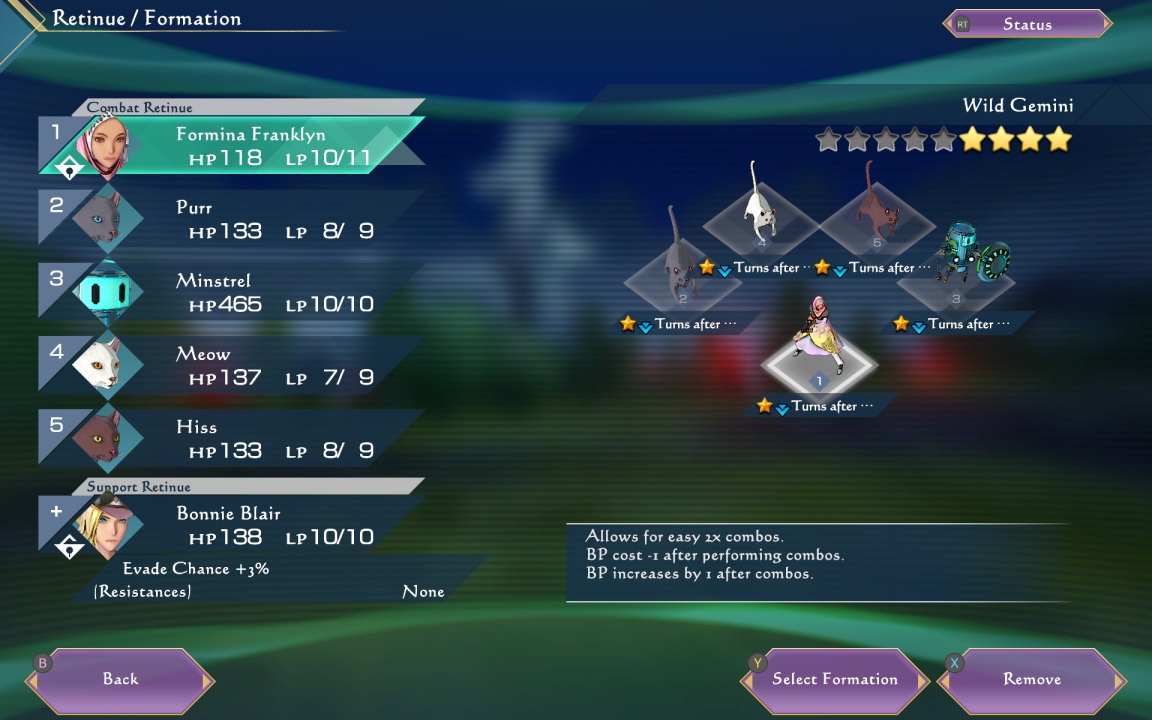
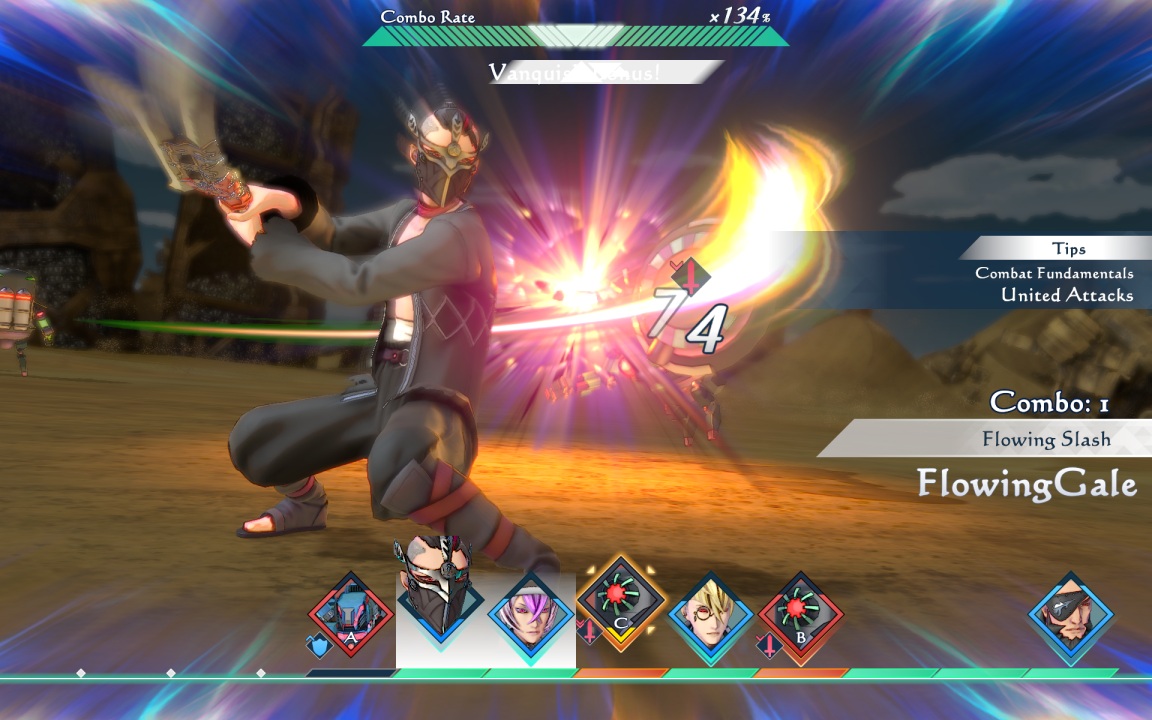
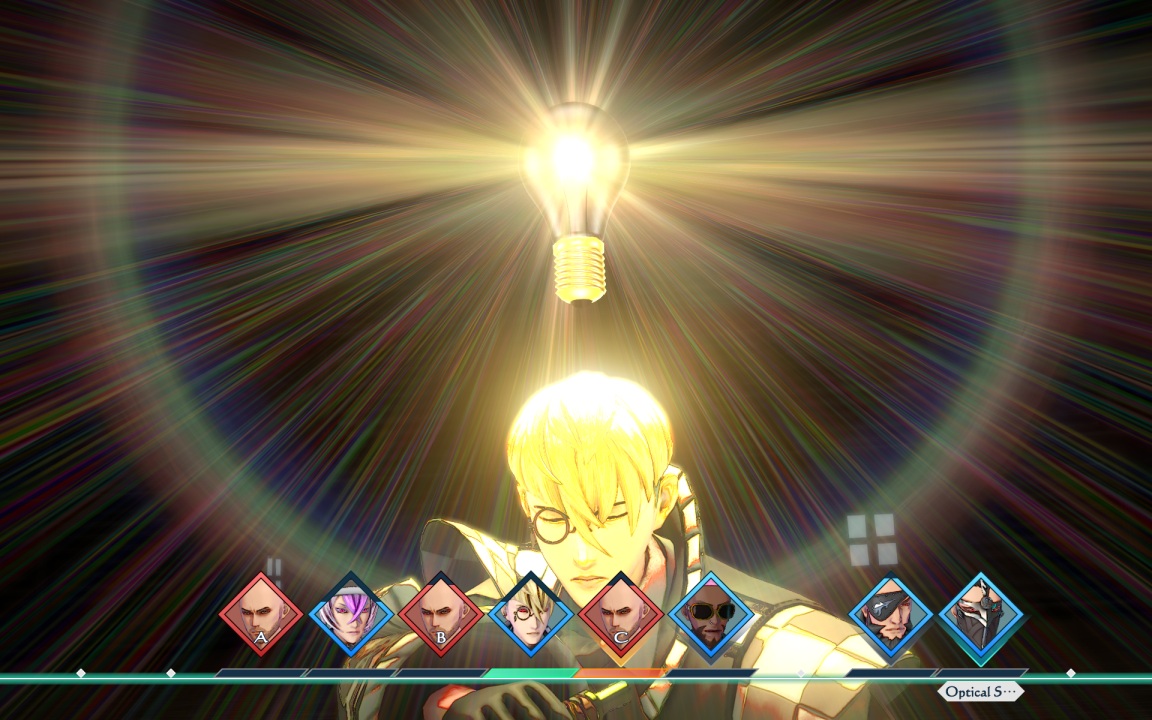
Combat is yet another strong point in this entry. While United Attacks are gone there are more expanded tactics and strategies with the new combo system. Players will still be manipulating their five-person teams back and forth on the timeline and using a pool of increasing BP (action points), but instead of working to isolate and eliminate an enemy, they are trying to draw a green combo line between their characters while also breaking up the enemy’s red combo lines on the turn order. Comboing can create a lot of advantages such as a BP discount with some formations, but its real advantage is the chance of creating an “overdrive” if the combo meter goes over 150%. This is basically a free extra attack with the combo participants. Of course, as team members get eliminated, it becomes easier for the player to make combos, or even end up in a situation where there is no one left to combo with. That then leads to the antithesis of combo attacks, the Showstoppers. Basically if anyone is sufficiently isolated on the timeline and not in a combo, they will do a multistage solo attack using all of your remaining action points. This can be a powerful equalizing comeback move or a terrible tragedy if you mistakenly isolate the opponent too much. These two outer boundaries keep the excitement high throughout each battle and feel incredibly fun to pull off.
Many mechanics have been tweaked or enhanced to increase meaningful decision making and give you more tools to refine your characters’ roles in the tactical combat. Some formations depart more radically than others, such as giving discounts or bonuses for defending or even giving you maximum BP right from your first turn. In this entry, characters can equip two weapons at once, customizing a list from amongst them, essentially creating a hybrid class with a blend of tools for different situations. Magic also has totally new life with its role of being a massive boost to the combo meter and a wide range of buffs and positive effects in addition to high damage. A much better trade off for the casting time delay. Healing is completely gone, giving combat decisions high stakes as it is impossible to recover fallen members during battle. Your party also has a sixth support slot, with a passive related to the character who is in that position to further tweak your strategy.
With so many tools at your disposal in this entry, it seems the developers tuned down the difficulty during common encounters (which could sometimes destroy you in Scarlet Grace and were generally more demanding). This certainly opens up the sandbox, allowing players to experiment a lot more. The challenge is reintroduced with the Mr. S Trials, similar to the rewards of the previous game, but set by the player and requiring more knowledge and curiosity about how to tweak and manipulate the game’s system. Opportunities for mini bosses, brutal encounters, and of course the final boss also put your strategy and team to the ultimate test. Nearly everything in Scarlet Grace Ambitions is expanded upon here and the interconnectedness of the varying systems is delightful when you start to see the connections.
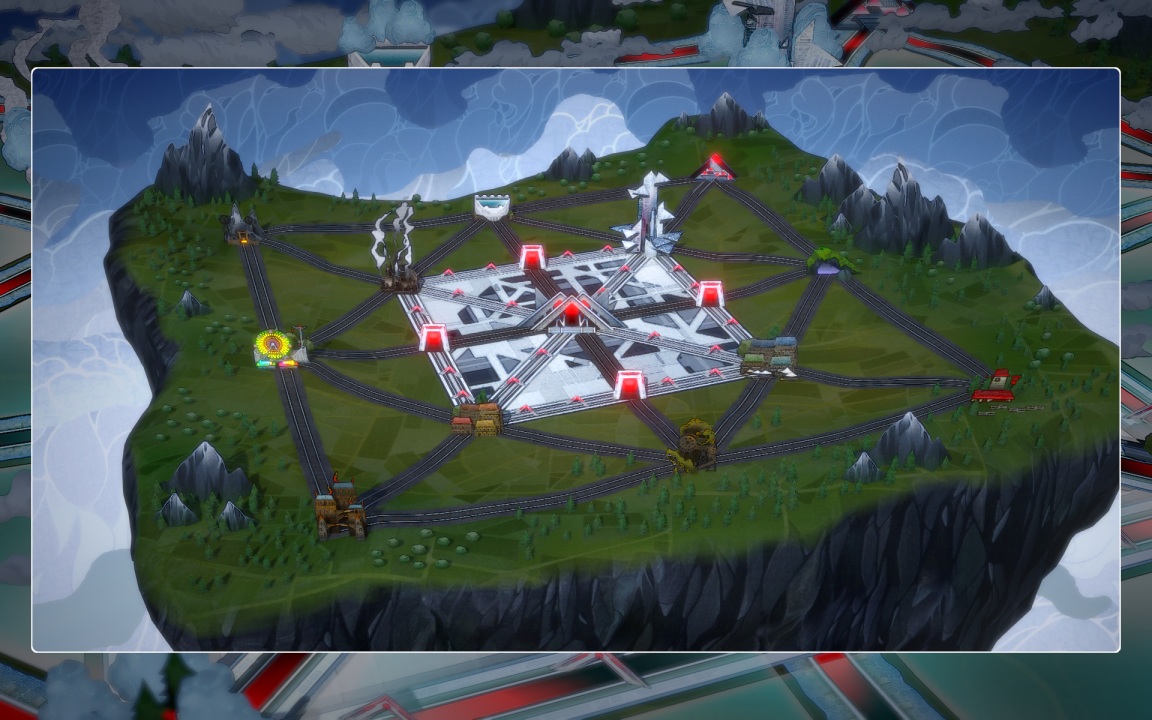
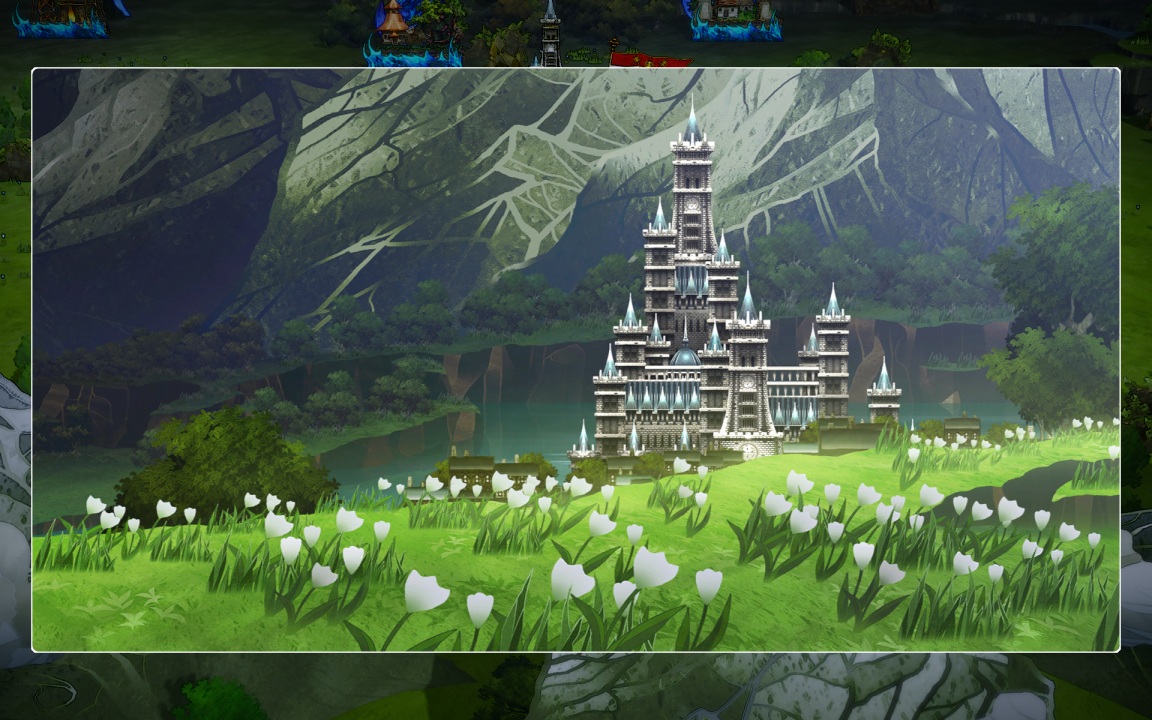
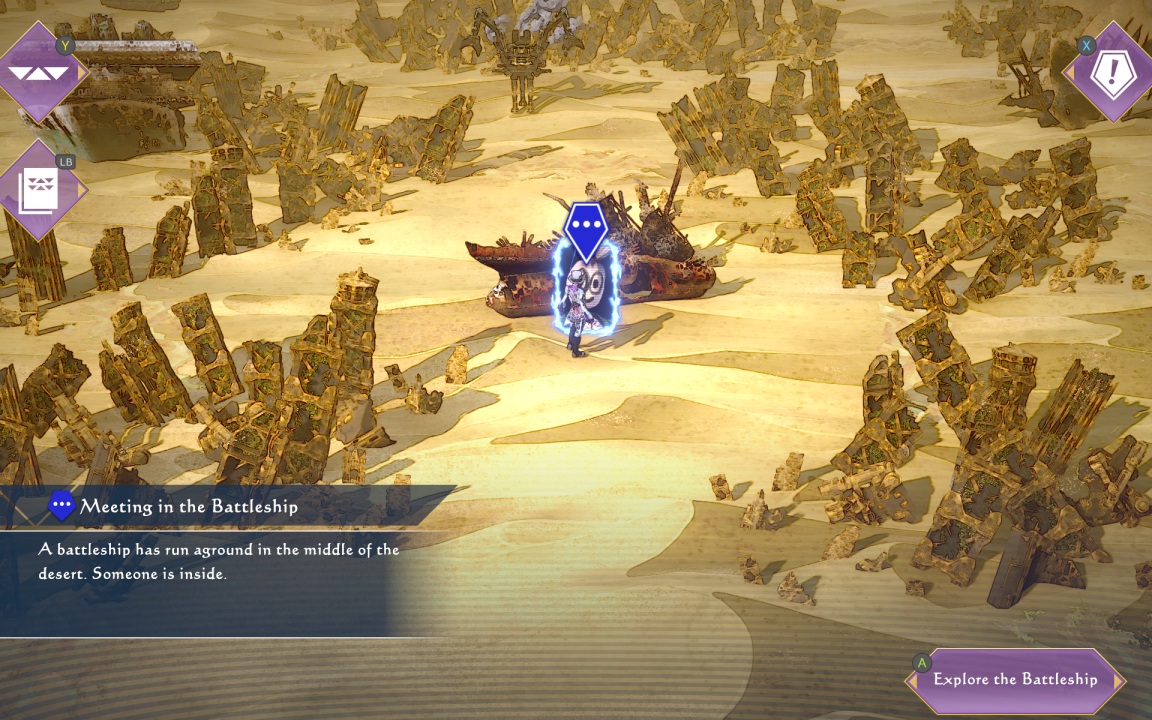
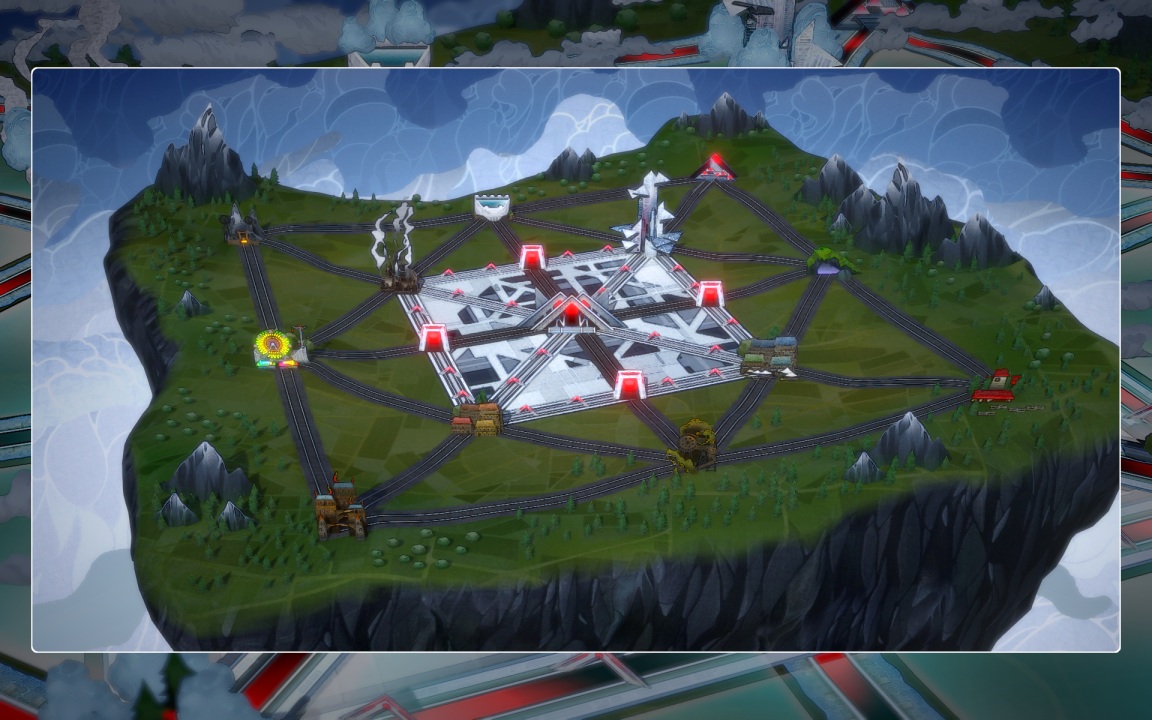
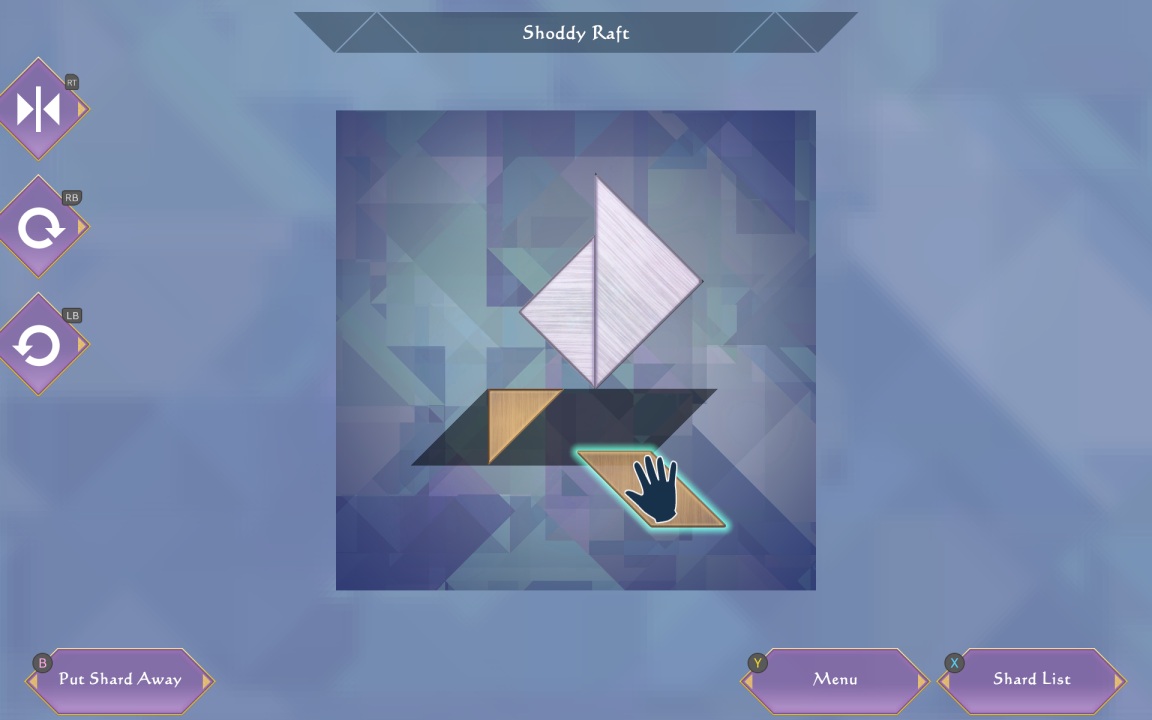
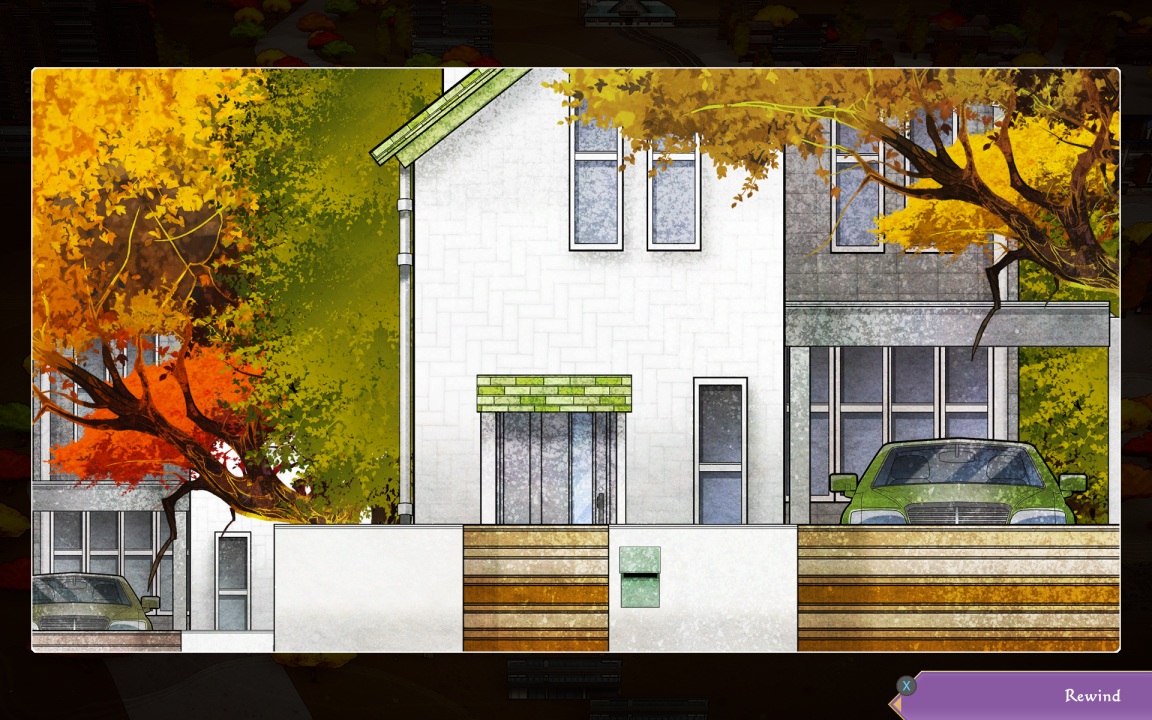
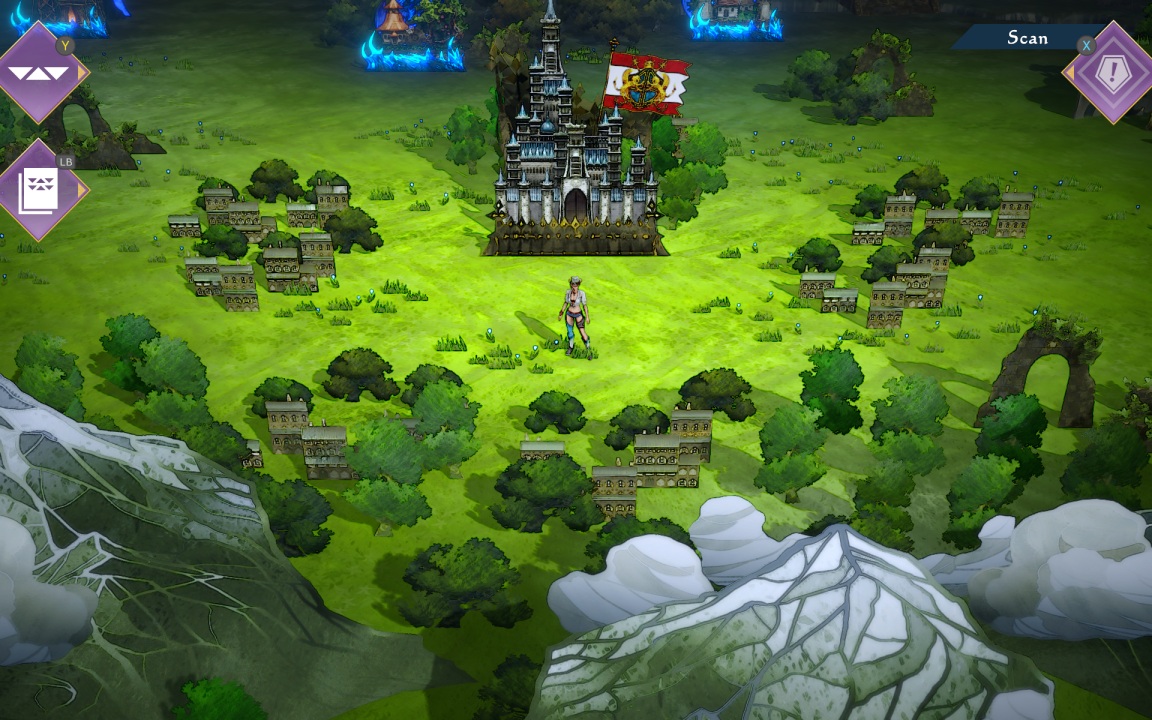
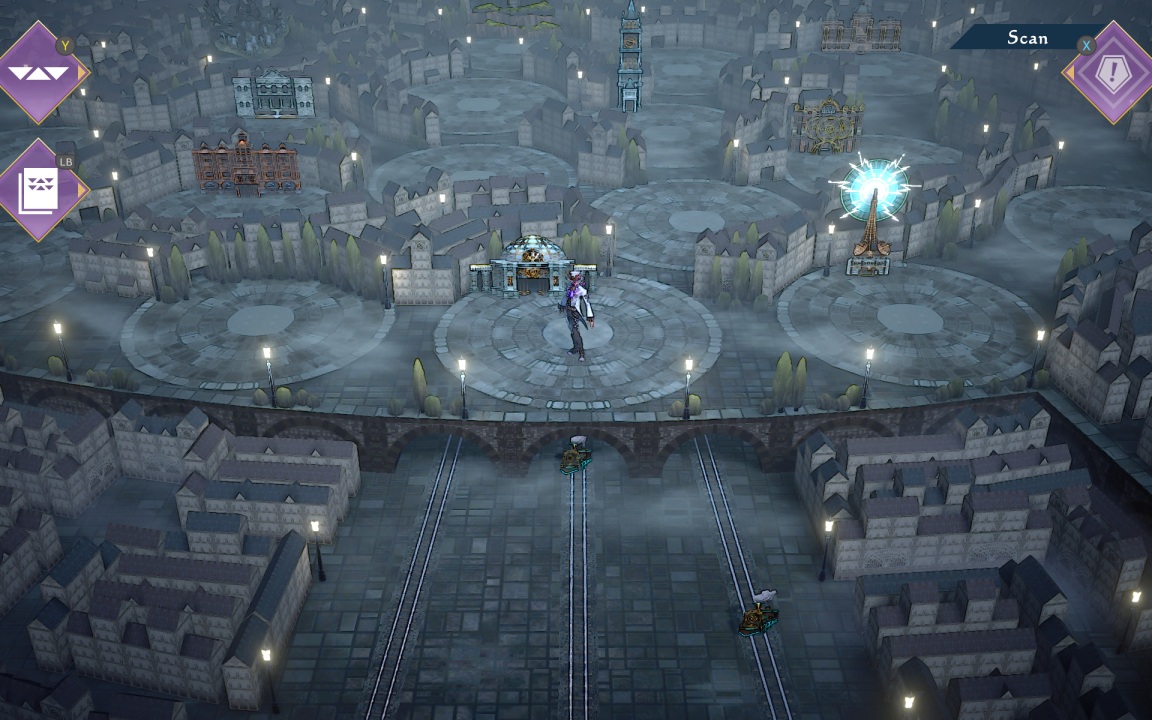
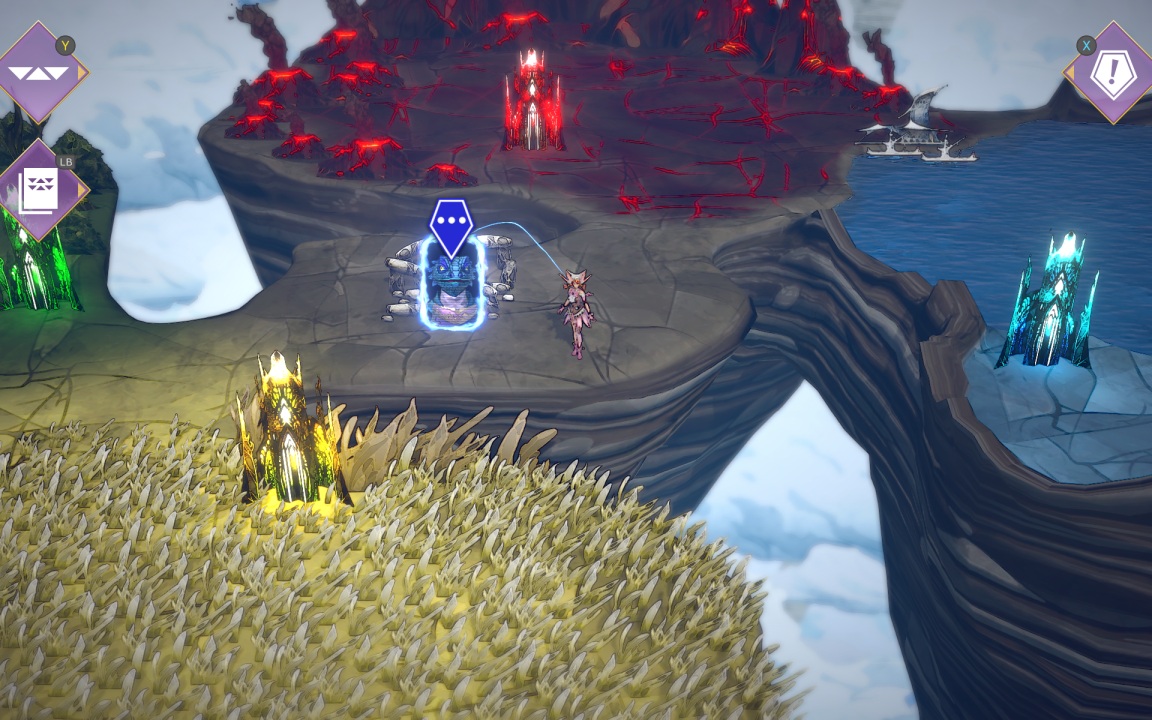
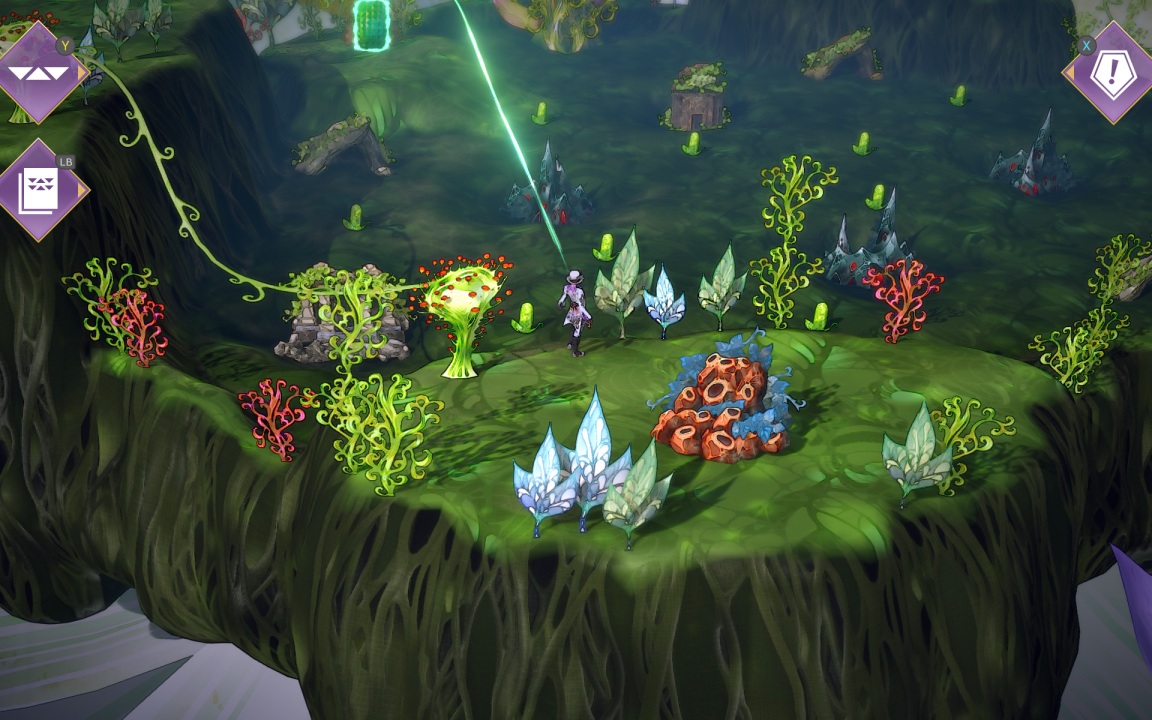
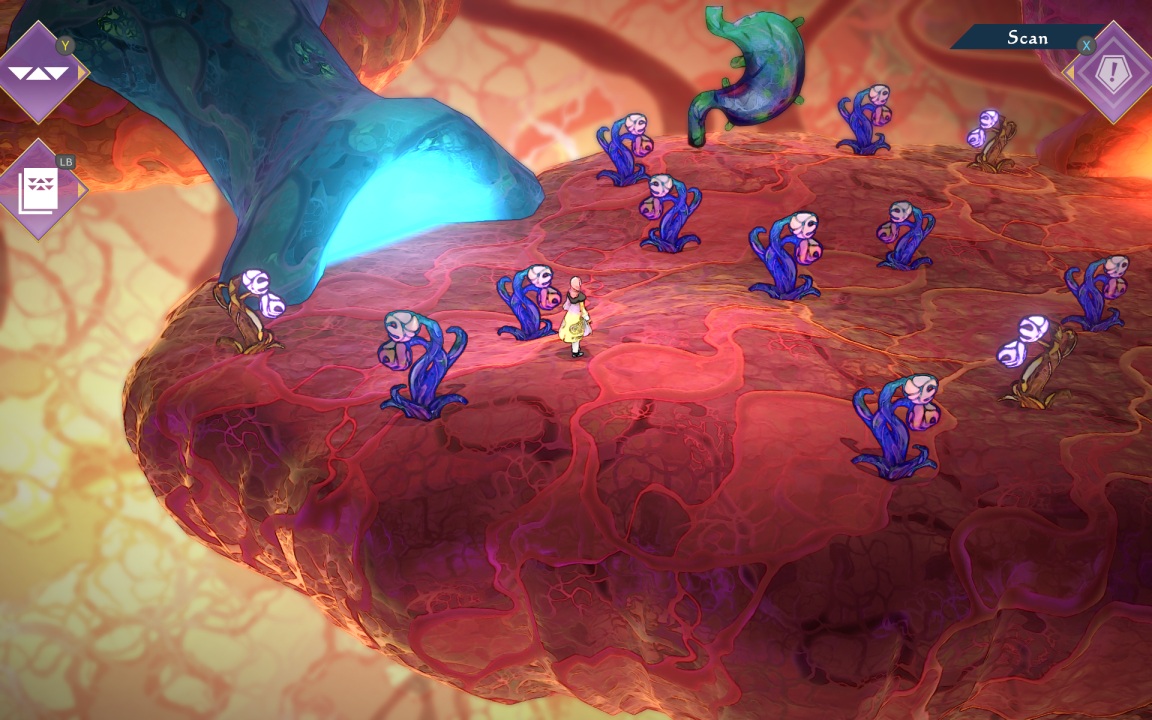
There is still a massive world to explore and each of the world’s regions has its own distinct identity. As mentioned before, this isn’t just in appearance and environment, but they certainly are diverse that way too. In one region you are sailing the high seas amidst pirates fighting over a legendary treasure. In another you bolster and break apart tenuous alliances between elemental priests. However, the regions are also mechanically diverse. In one region you are playing a board game through a grand city, carefully managing tram, carriage, and car tickets in order to land on spaces with valuables that increase your score of diamonds while also avoiding hazards. Of course, this being a SaGa game, even bad sounding hazard spaces can have their own advantages. Another region has you rooting through an entirely underground world creating paths, finding treasures – or even more precious worms – in the dirt. However, those paths will soon fill in with dirt as well as new treasures and enemy encounters. Yet another region has you claim points on a map to create triangles like in an abstract board game. But in this game the spaces are homes, farms, or power plants and you may have to do a little convincing of the people that live there in order to claim those spaces. And yet another forces you to make hard choices to decide who to save and trust as you thaw out a world after an icy apocalypse. And the list certainly goes on.
One of the perennial problems of the series the SaGa team set out to solve was players not knowing where to go next, so now all the options of places to visit at any one time are almost always explicitly revealed via the ever-present Emerald Vision. As part of that, once you have started a region, you must proceed until specified stopping points. So if you don’t like a particular region, tough luck, you are in it until the end. Some of the region’s gimmicks are rather simple, which can make them feel like they drag on too long. It also can be completely opaque what you are actually deciding on, or the special opportunities a region can offer until a replay of that region or when you receive the rewards at the end of the quest and prepare to re-enter the Junction.
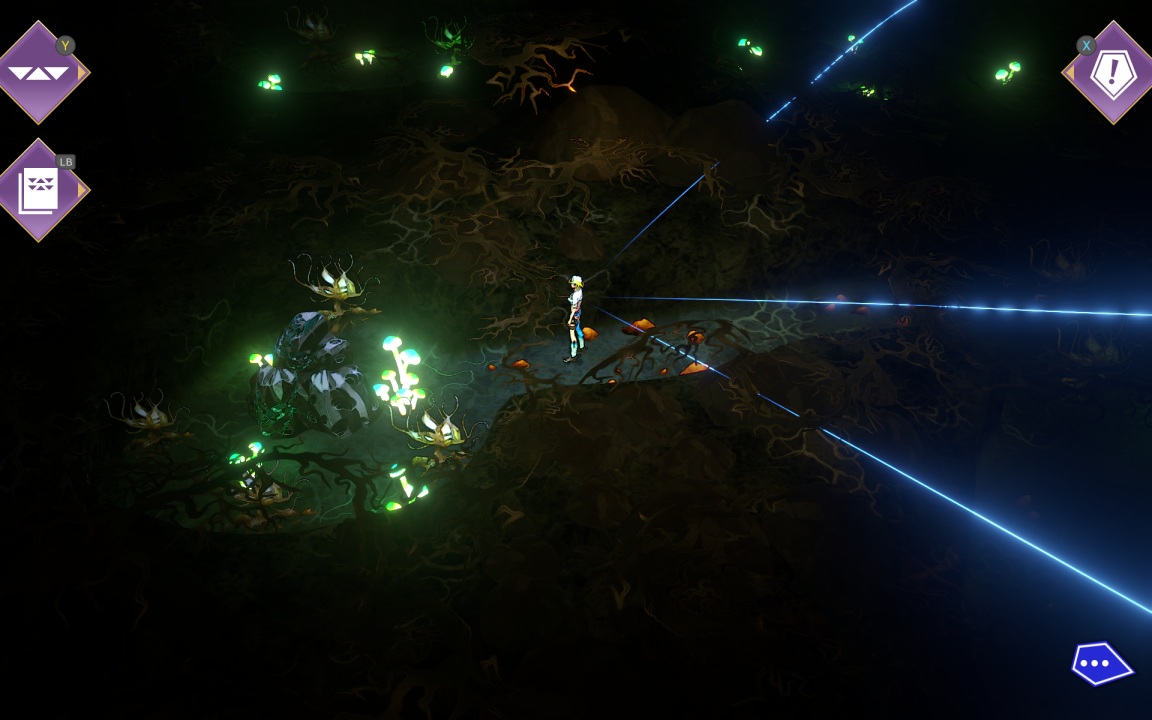
Because of how the game is structured, visiting each region can feel extremely disjointed. It’s like your protagonists are jumping into an episode of an established TV show, briefly getting caught up on events in the intro and then expecting players to readily jump in to their assigned role. It is a bit disappointing that the worlds don’t always feel as fun to play as the amount of creativity and work that went into creating them. Or at least that fun doesn’t show up until a subsequent playthrough.
Speaking of subsequent playthroughs, one of the biggest features is the tightly integrated new game plus. The game is made to be replayed, with many features not fully revealing themselves and a lot to explore on second, third, or fourth playthroughs (or Beyond!). Basically everything is carried over, allowing you to gather a massive collection of treasures and abilities.
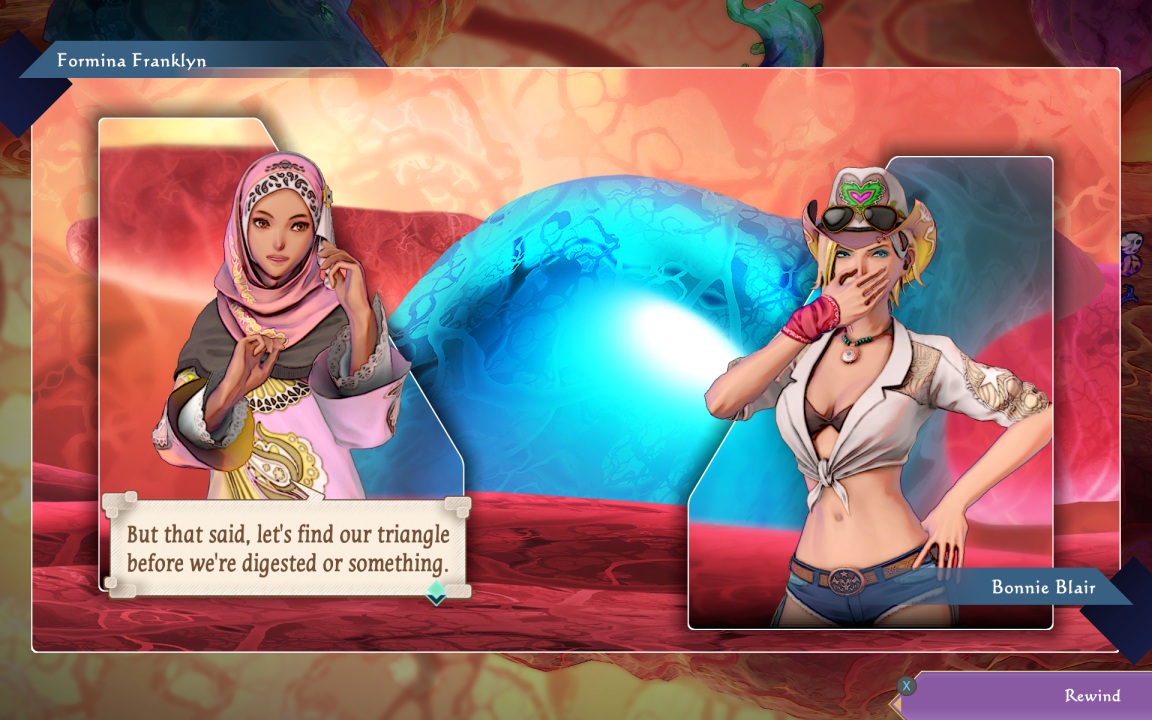
For all of its amazing improvements, the game strains the limits of the UI and navigation which still has its foundations in the work of the previous entry. Since all choices still need to be done in the dialogue settings, you have to transition to the scene for every choice, sadly obscuring the unique elements with a repetitive veneer due to the frequent and sometimes tedious screen transitions. The team used what they already had, but it is hard not to want to wonder if some additional presentation and interface changes could have better brought out the feel of each region right from the first impression.
Kenji Ito again returns for the music. According to the interview in the SaGa Emerald Beyond Original Soundtrack, this game marked the first use of an actual concert hall for the production. Akitoshi Kawazu also wrote lyrics for one of the songs that Ito’s team then adapted into a battle theme that incorporates vocal work. The piece is very fitting for Diva No 5, as it combines human emotions in the vocals with synthesized music. The song is based on the Scottish song “Auld Lang Syne”, and uses a musical technique called contrafactum – replacing lyrics without otherwise changing the music. Kawazu’s original lyrics are not translated into English and instead the English version simply uses “Auld Lang Syne”. The English version is still a beautifully rendered song, but sadly misses out on the thematic resonance to the game that the Japanese lyrics have. Nonetheless, one of the stories bookends an acapella song with an instrumental electronic theme and then weaves the two together for an emotionally thrilling high point and impressive musical feat.
Sources:
Square Enix. SaGa Emerald Beyond booklet. Square Enix Music, 2024. Interview with Kenji Ito, Hidenori Iwasaki, and Yohei Kobayashi
Links: