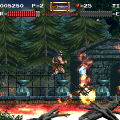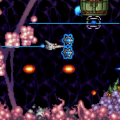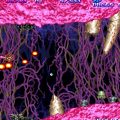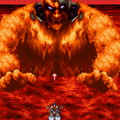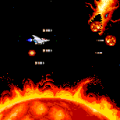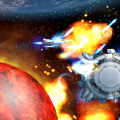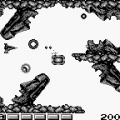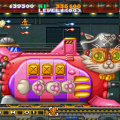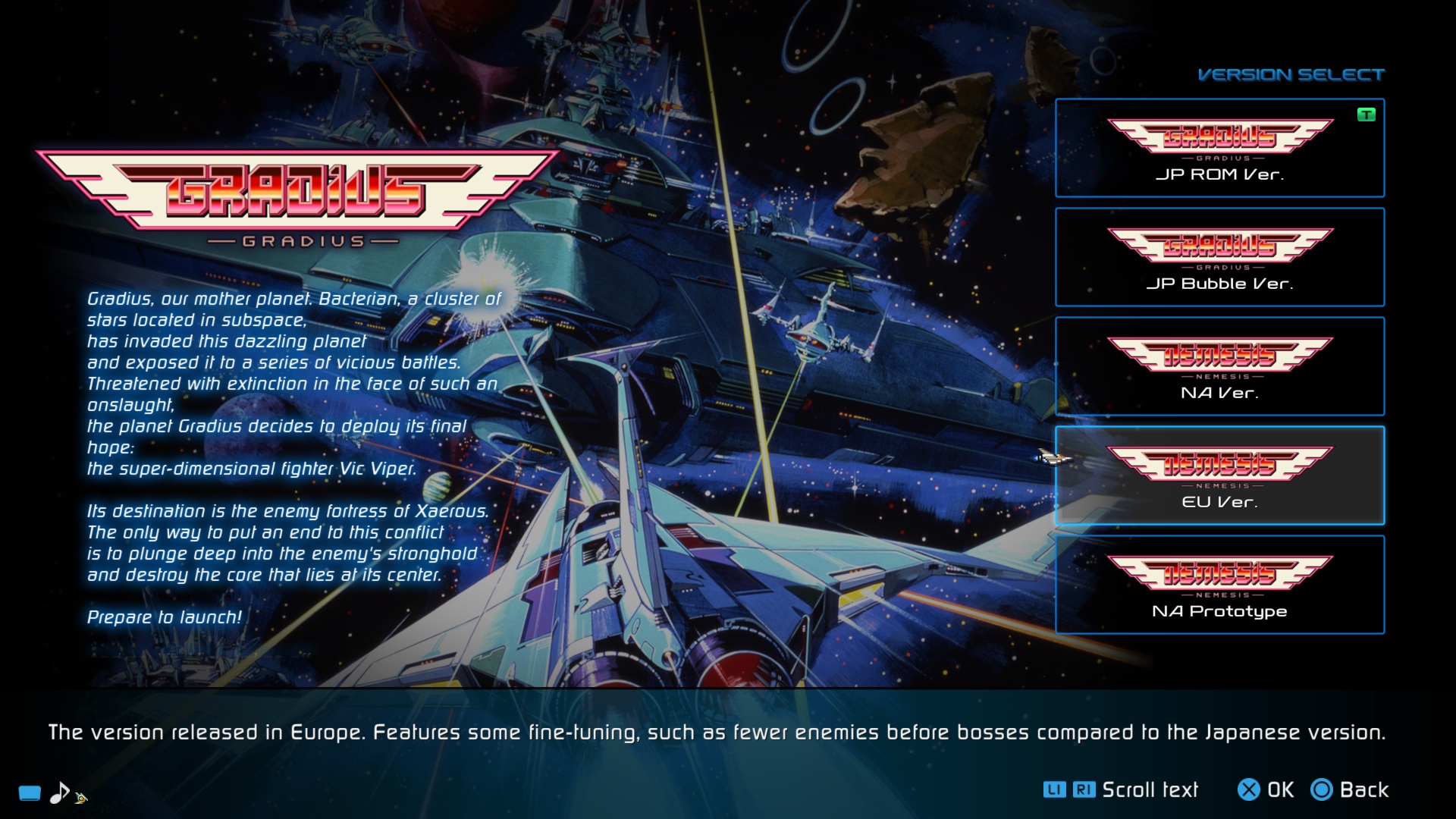
Gradius Origins is a compilation of Konami’s classic arcade shoot-em-up series, developed by emulation wizards M2 as part of their ShotTriggers line. The marketing boasts “18 versions”, but these just refer to different arcade ROM sets with minor changes, as there are effectively six games included.
Gradius
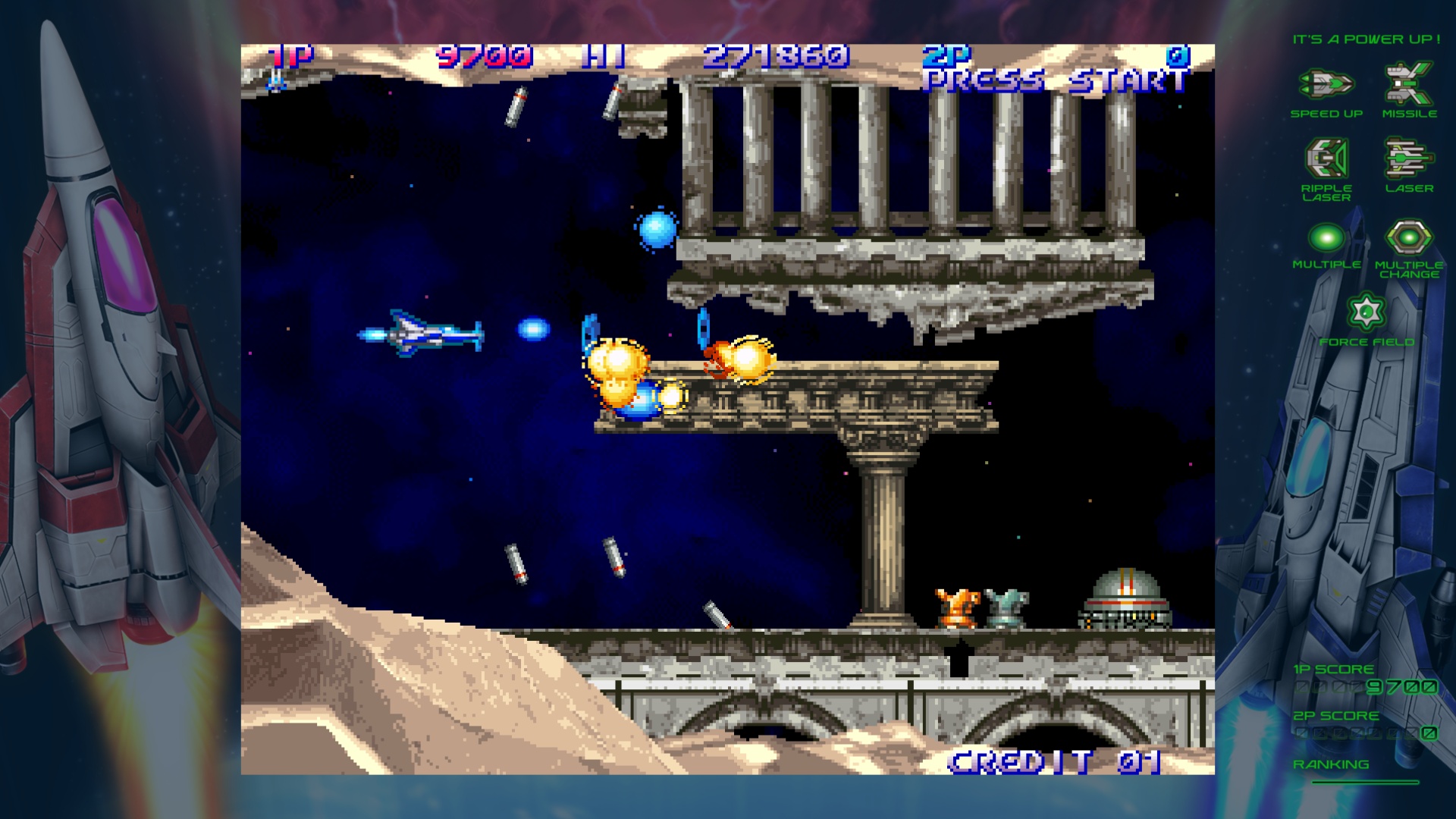
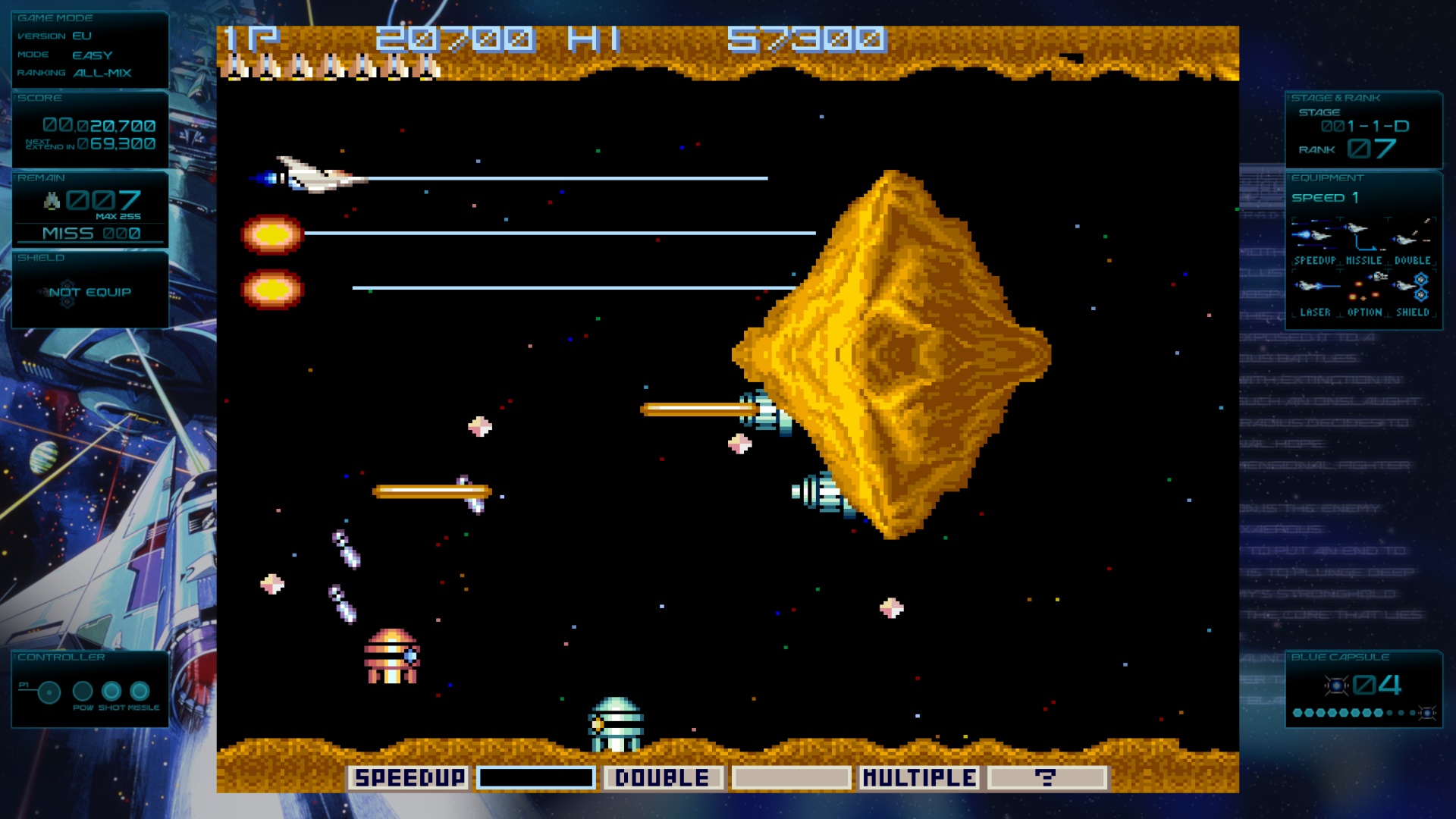
The game that started the series, this entry is a little basic compared to other entries – only one set of weapons, a recurring Big Core boss at the end of almost every stage, chirpy sound – but it set a firm foundation and the game is still quite playable by modern standards.
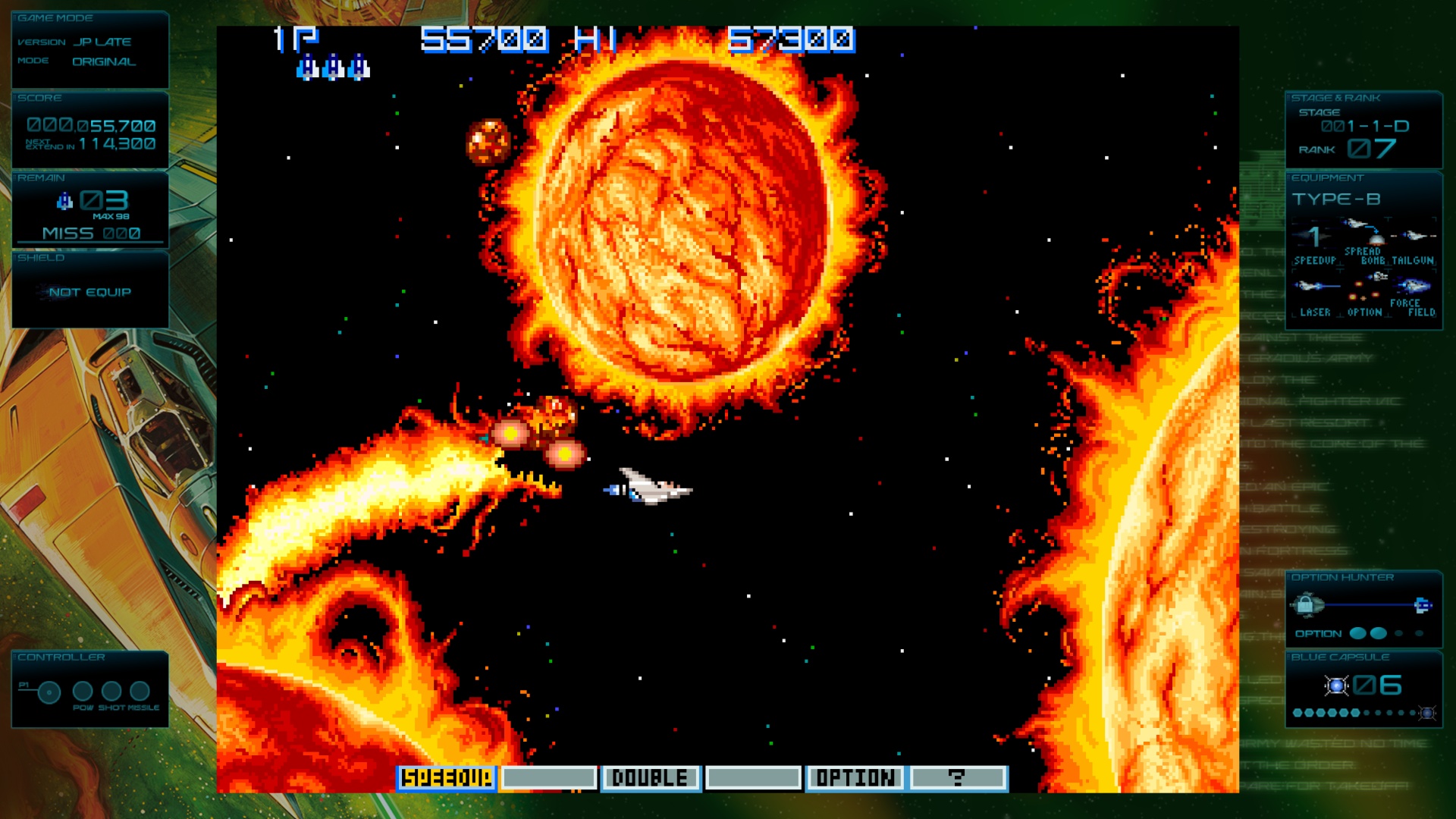
This sequel moves to a stronger arcade board, allowing for more impressive graphics (huge flaming dragons!) and crisp sound. It adds four selectable weapon sets along with unique bosses for every stage. It’s also quite difficult – if you die at a certain point, it might just be better to start the whole game from scratch because you’ll have a tough time re-equipping your weapons.
Gradius III: Densetsu kara Shinwa e
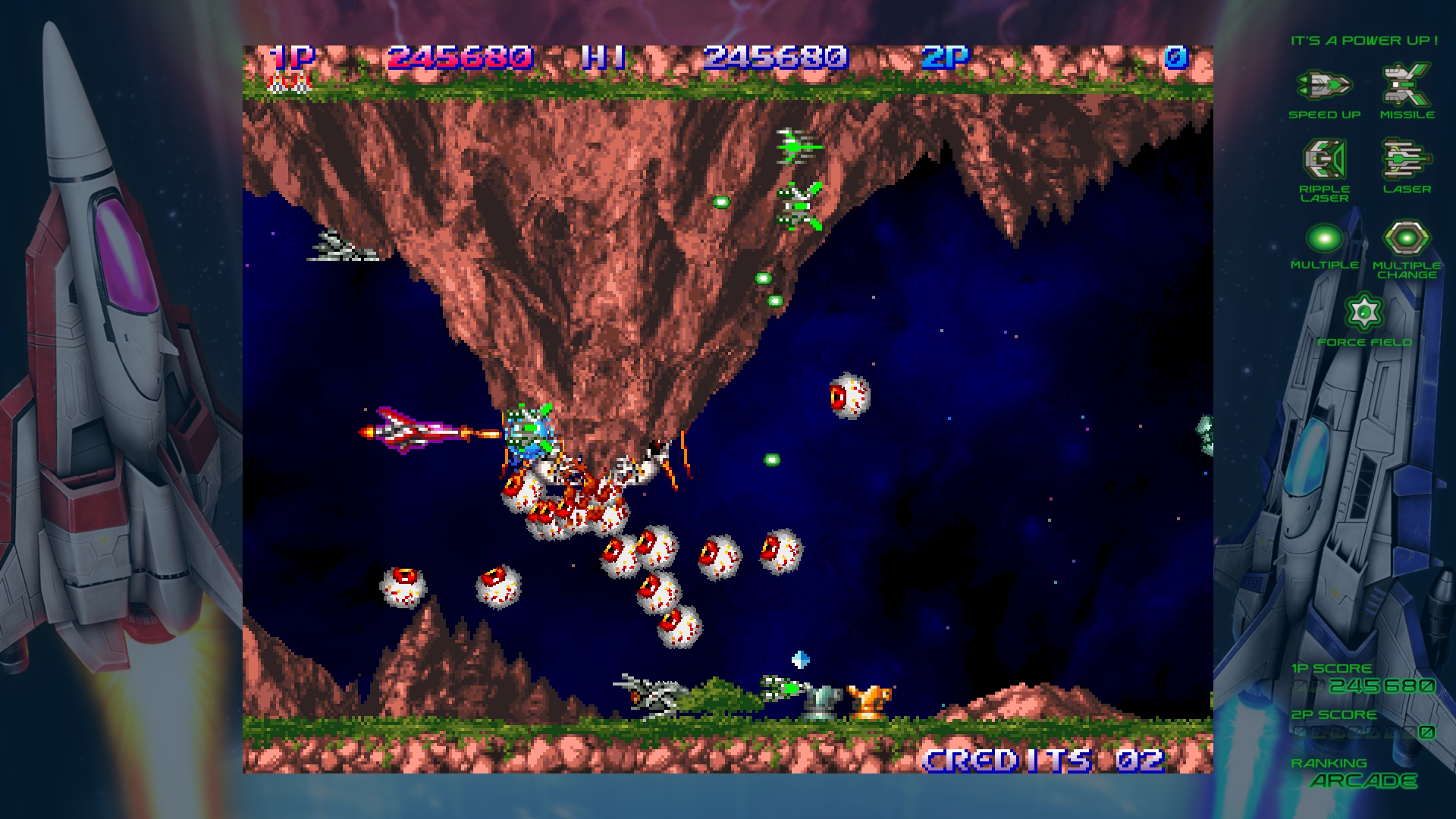
The third Gradius game adds even more weapons, and ups the difficulty even further, to absurd levels. Most Westerners are familiar with the SNES game, which was toned down significantly, but the original arcade game is quite brutal.
There are three different versions here, with a bit of a story behind them. While this is technically a Gradius spin-off, as it also features the Vic Viper in a starring role, and has similar weapons, it’s actually quite different – it features a straightforward power-up system where you grab items instead of selecting them from a power bar, it features two-player co-op, it includes both vertically and horizontally scrolling stages; and it includes instant resurrection on dying rather than checkpoints.
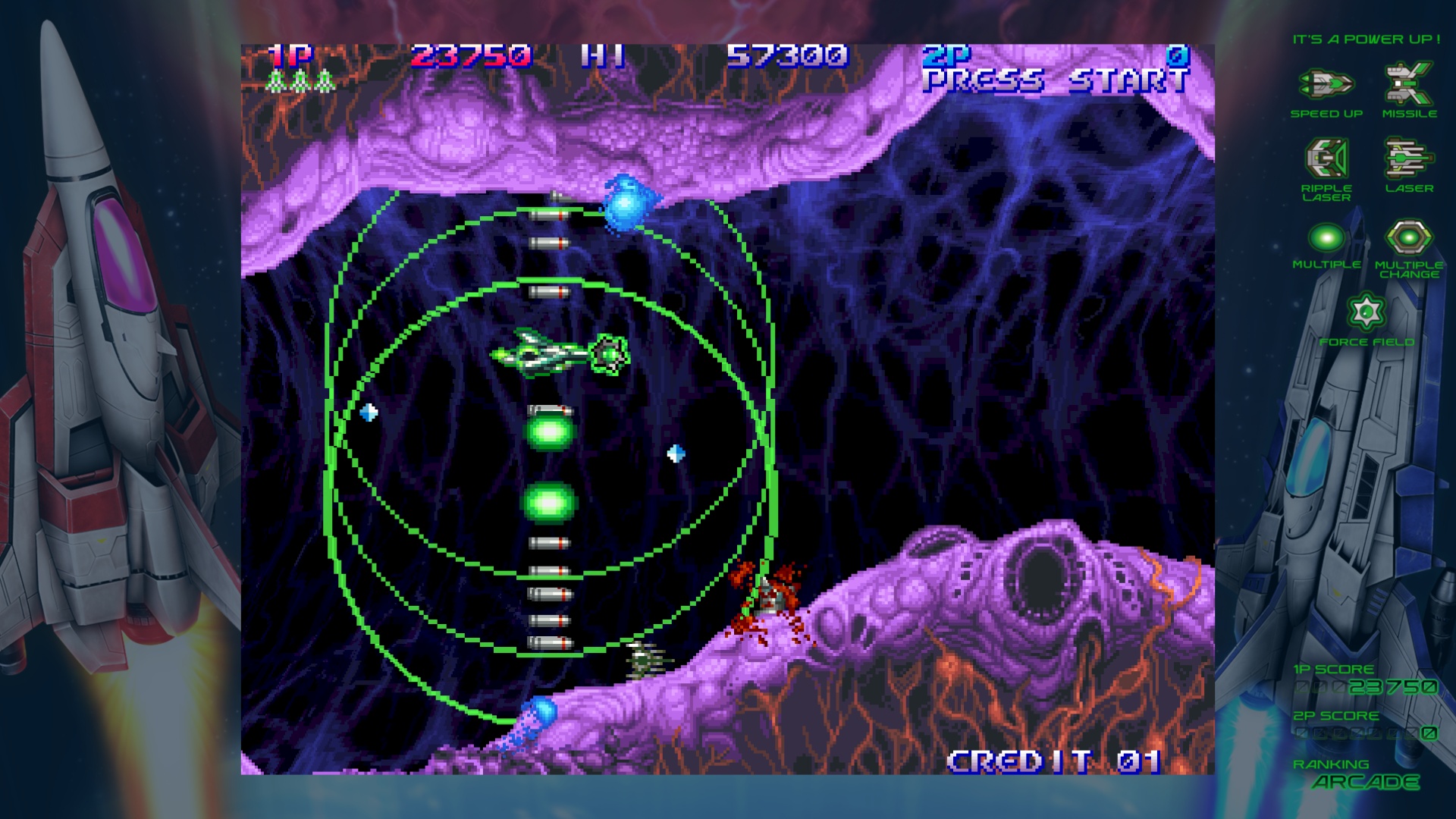
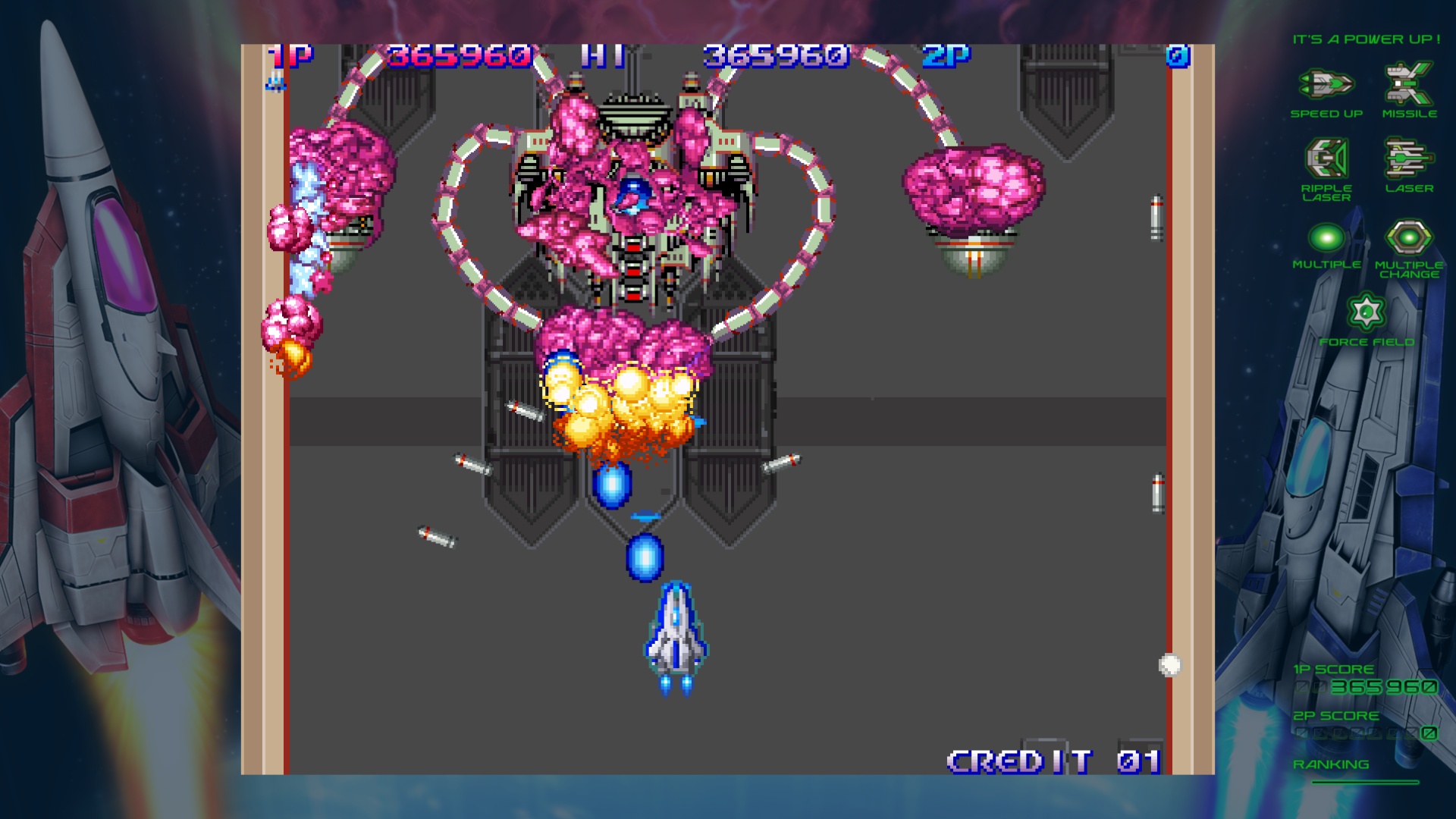
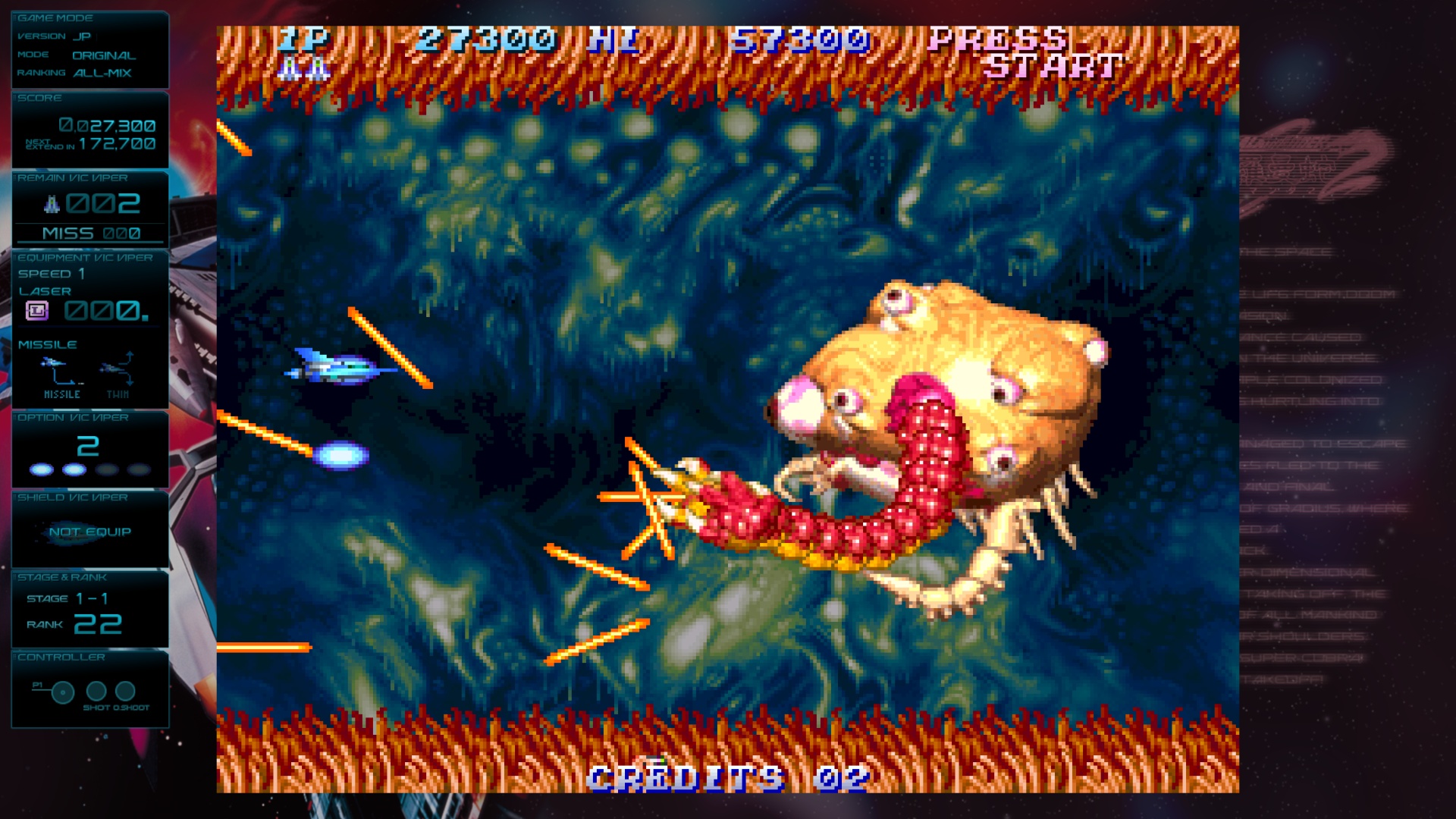
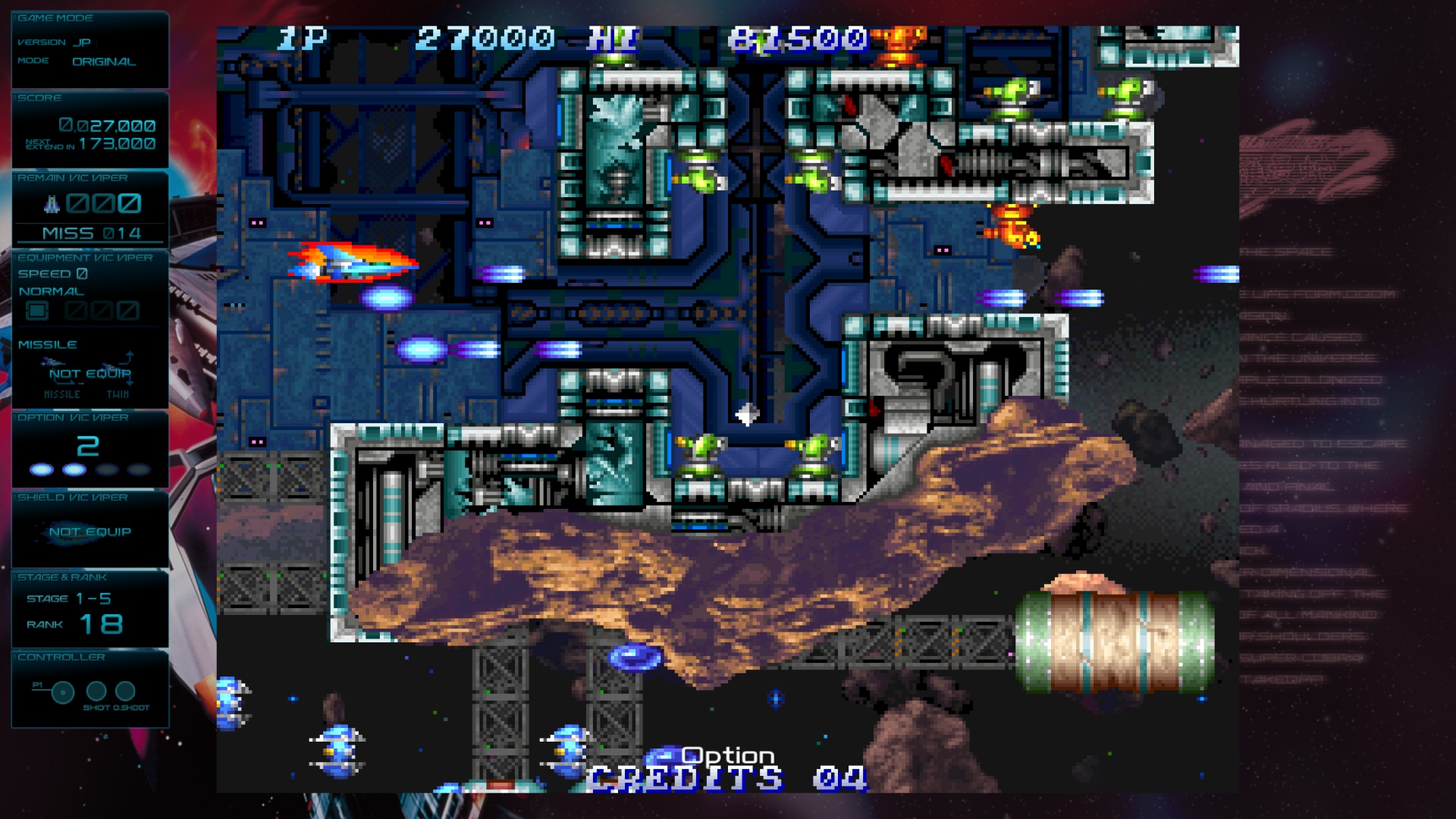
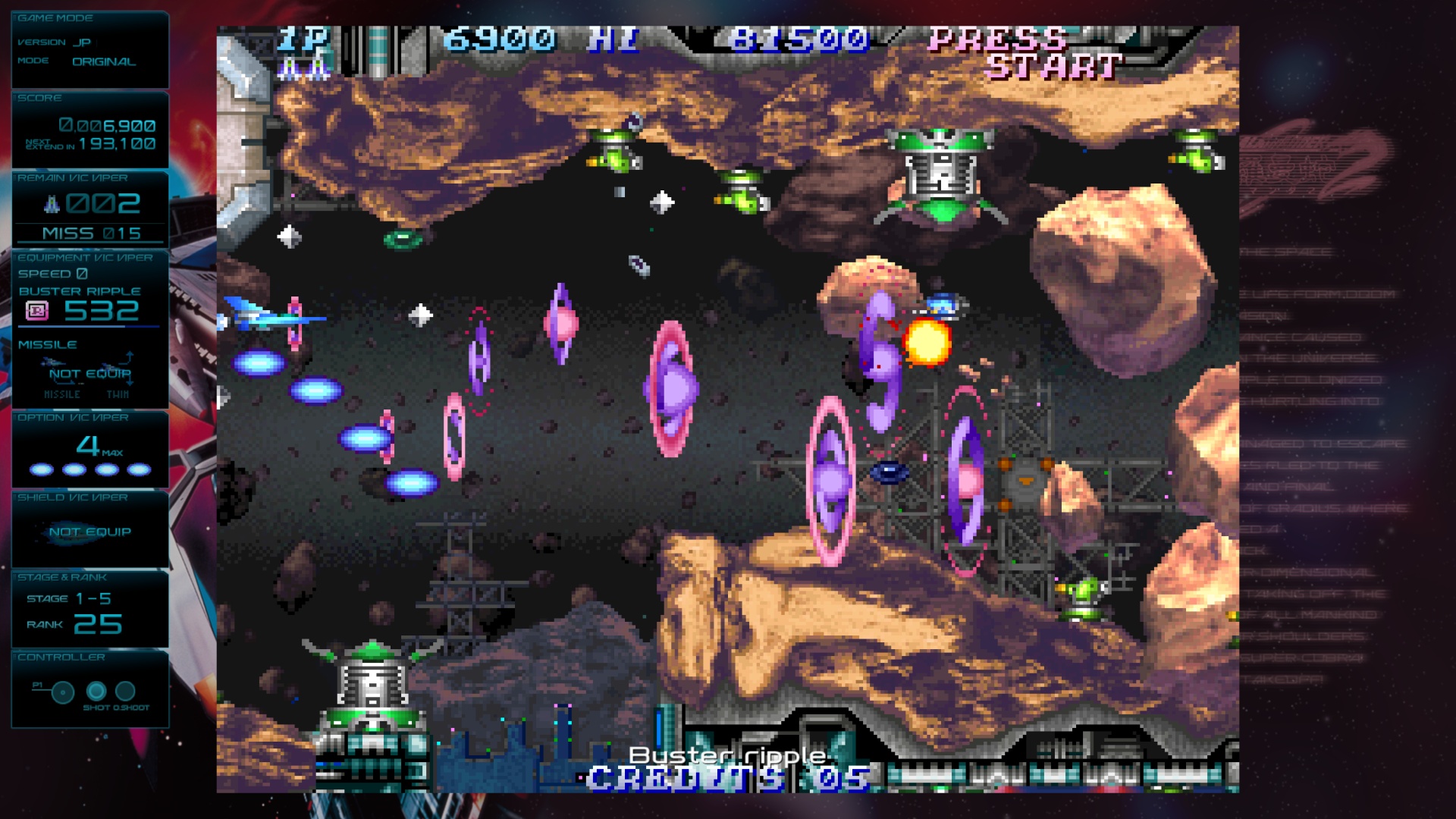
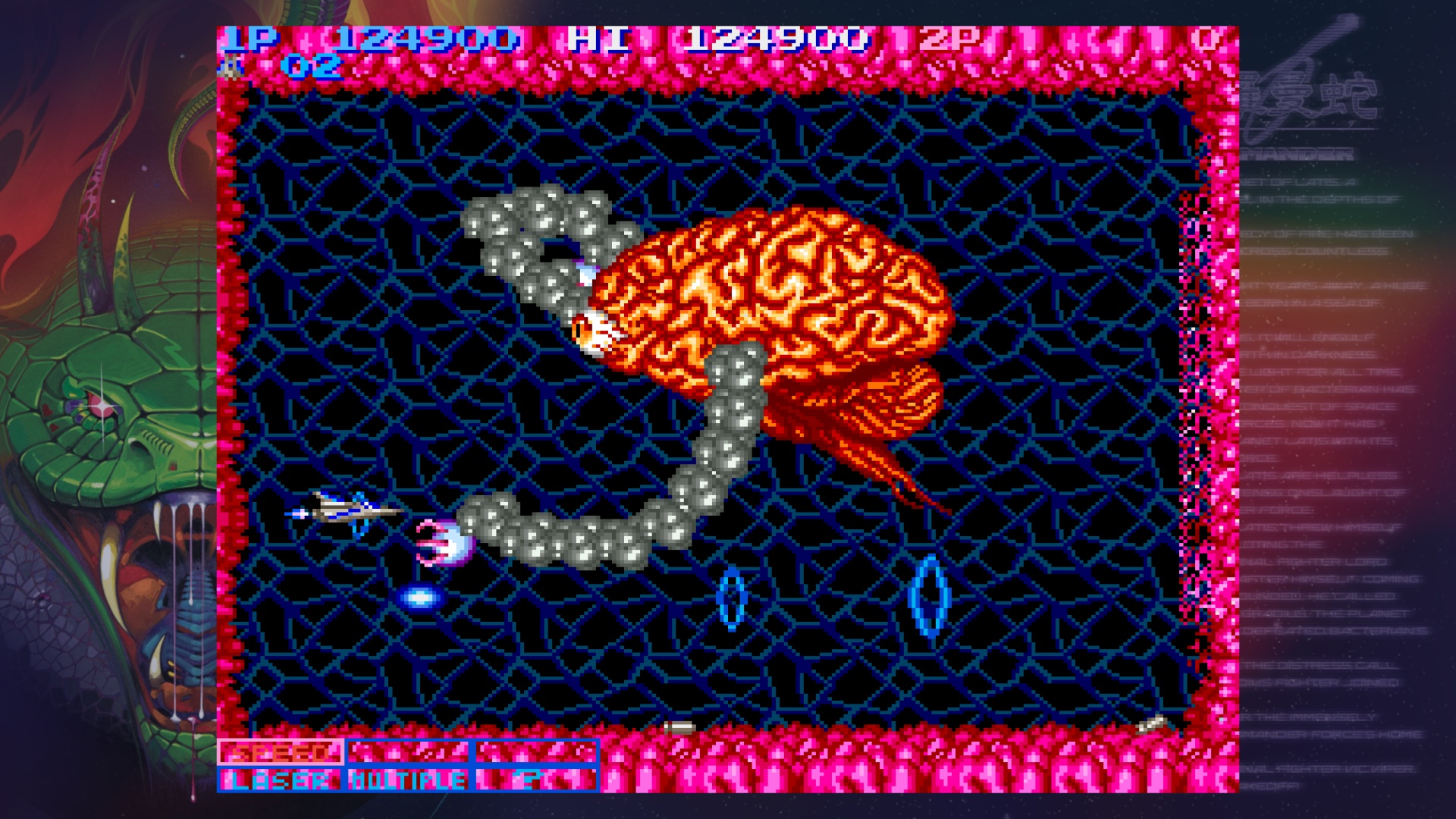
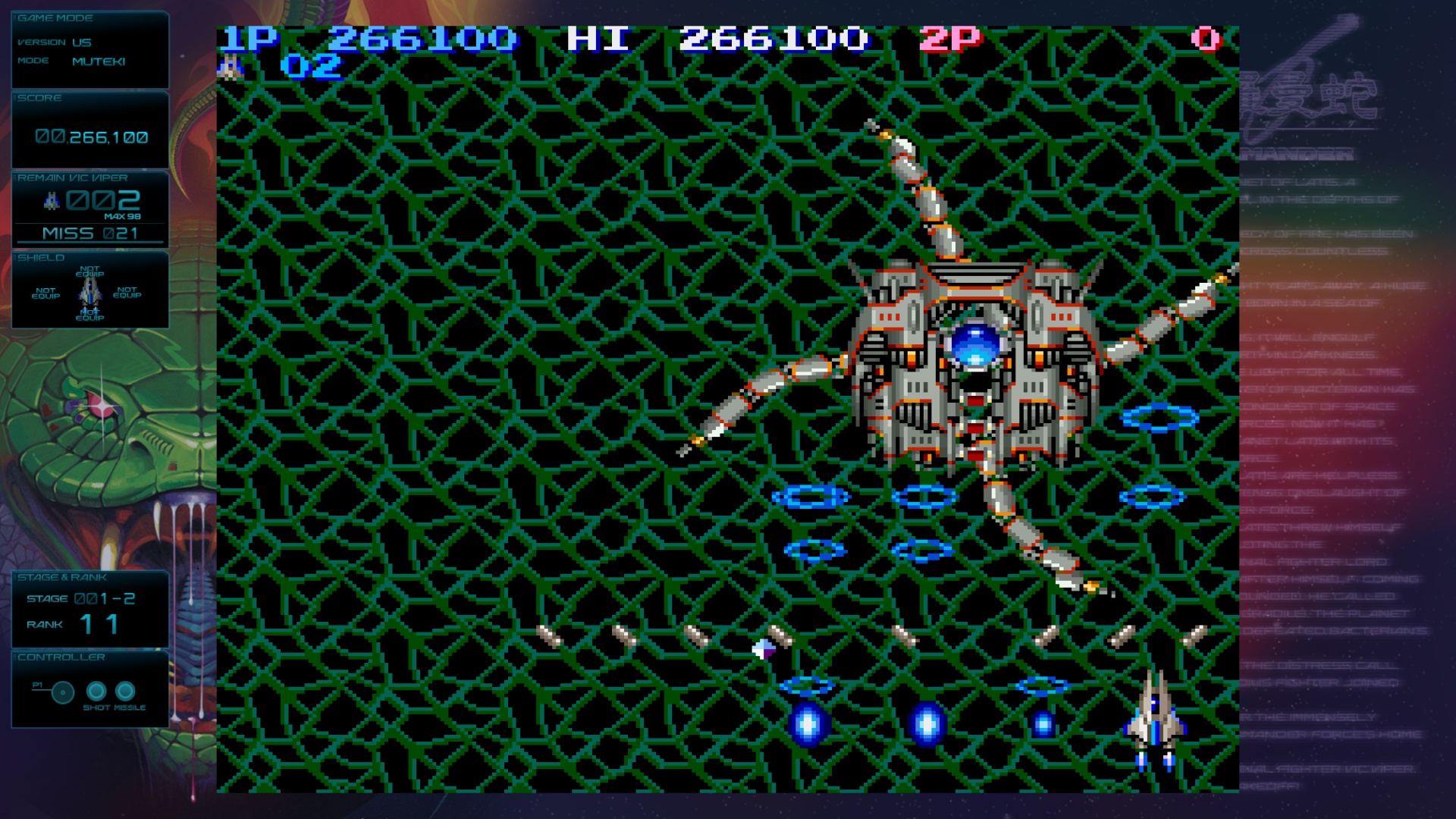
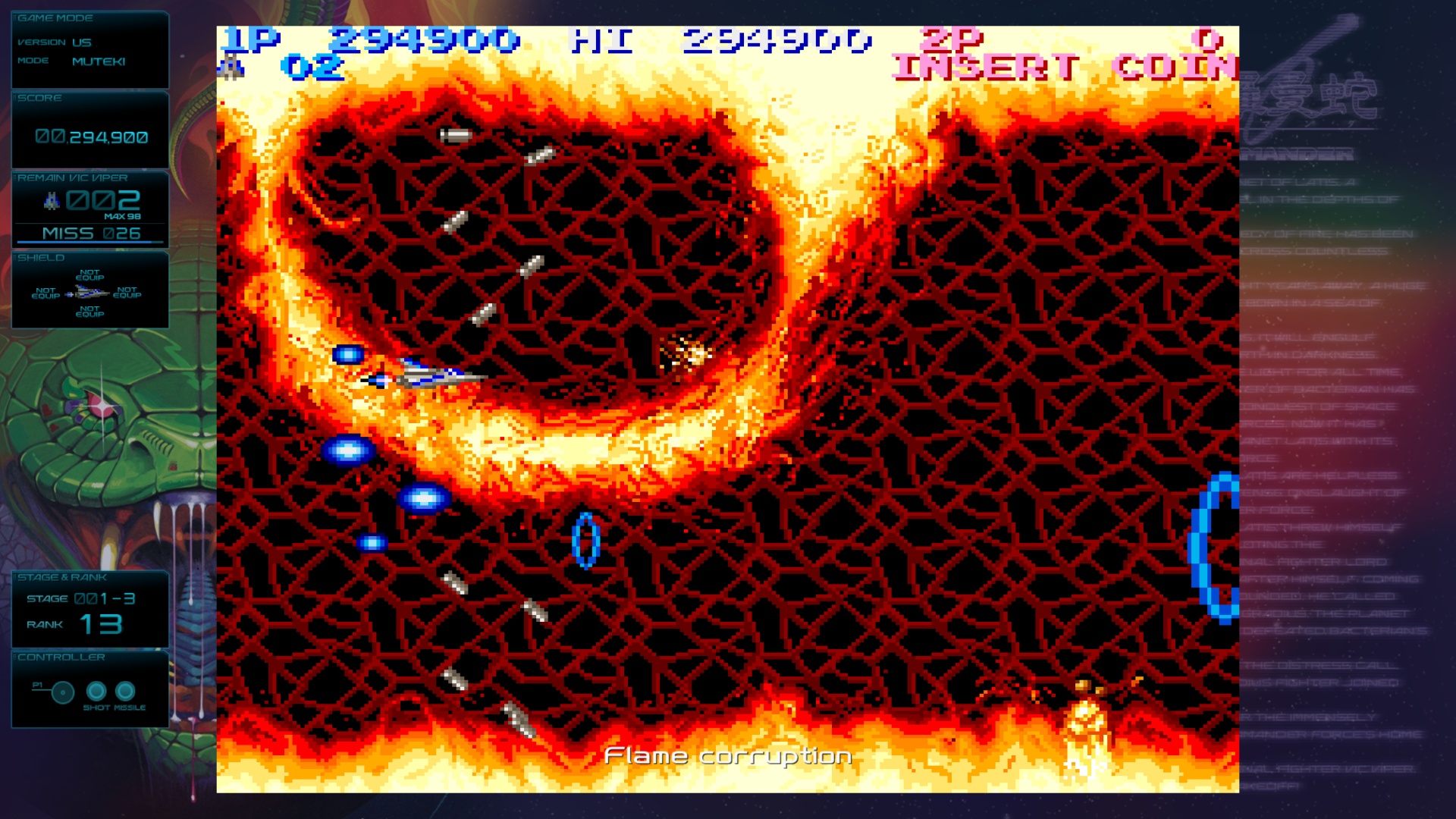
The first level of Salamander had a cool biological theme. For its international version, called Life Force, the story was rewritten so that the whole game takes place in the body of an enormous monster. Outside of changing some backgrounds and adding some voice clips, the game is otherwise mostly the same. However, this version was re-released in Japan, also under the name Life Force, featuring even more graphical changes as well as the inclusion of a Gradius-style power-up system.
The 1996 sequel, keeping the two-player co-op, simple power-up system, and other elements of the original game, with updated visuals and a fantastic soundtrack.
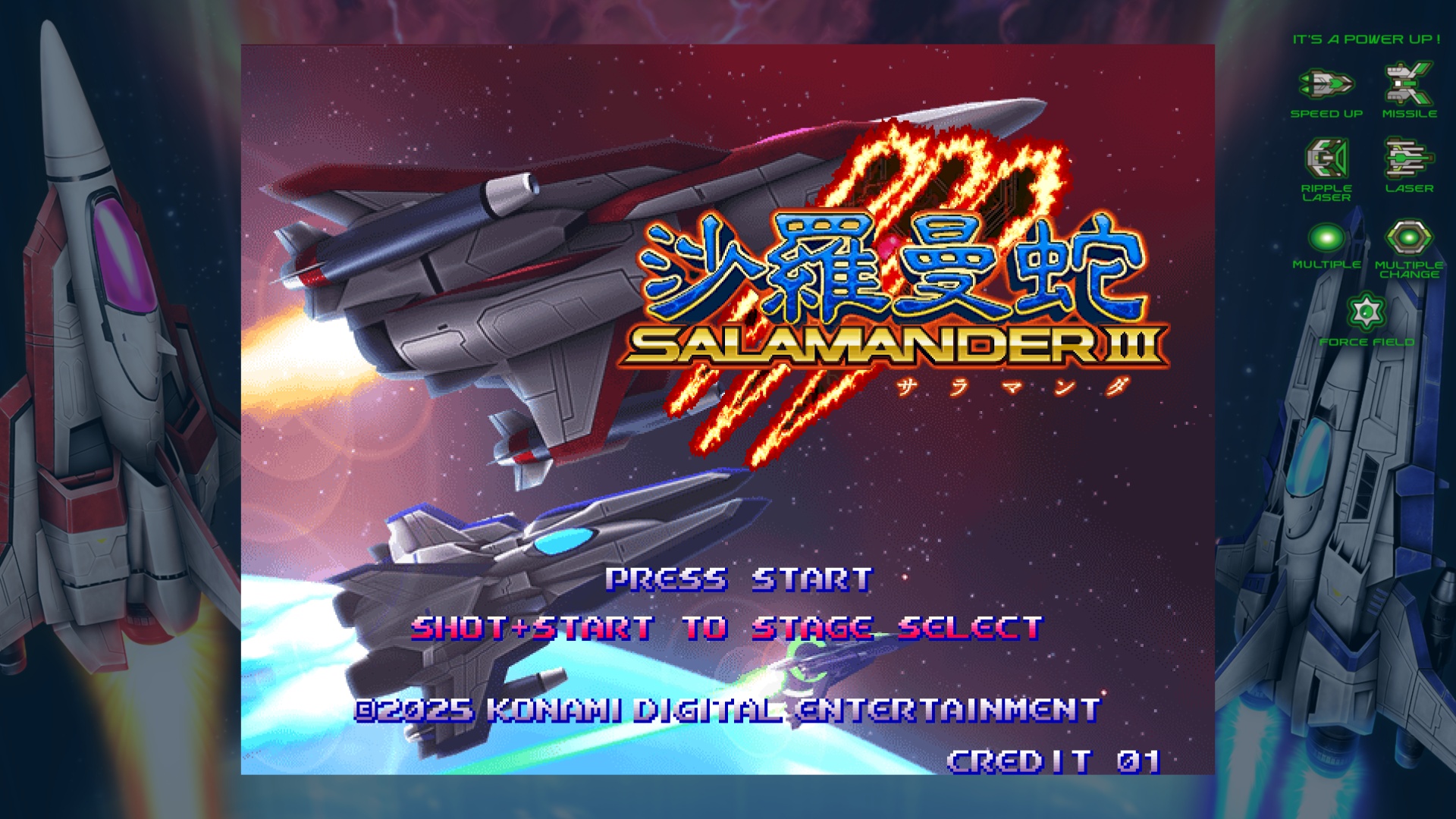
A brand new game created by M2 just for Gradius Origins, done in a retro-style that channels the late 1990s.
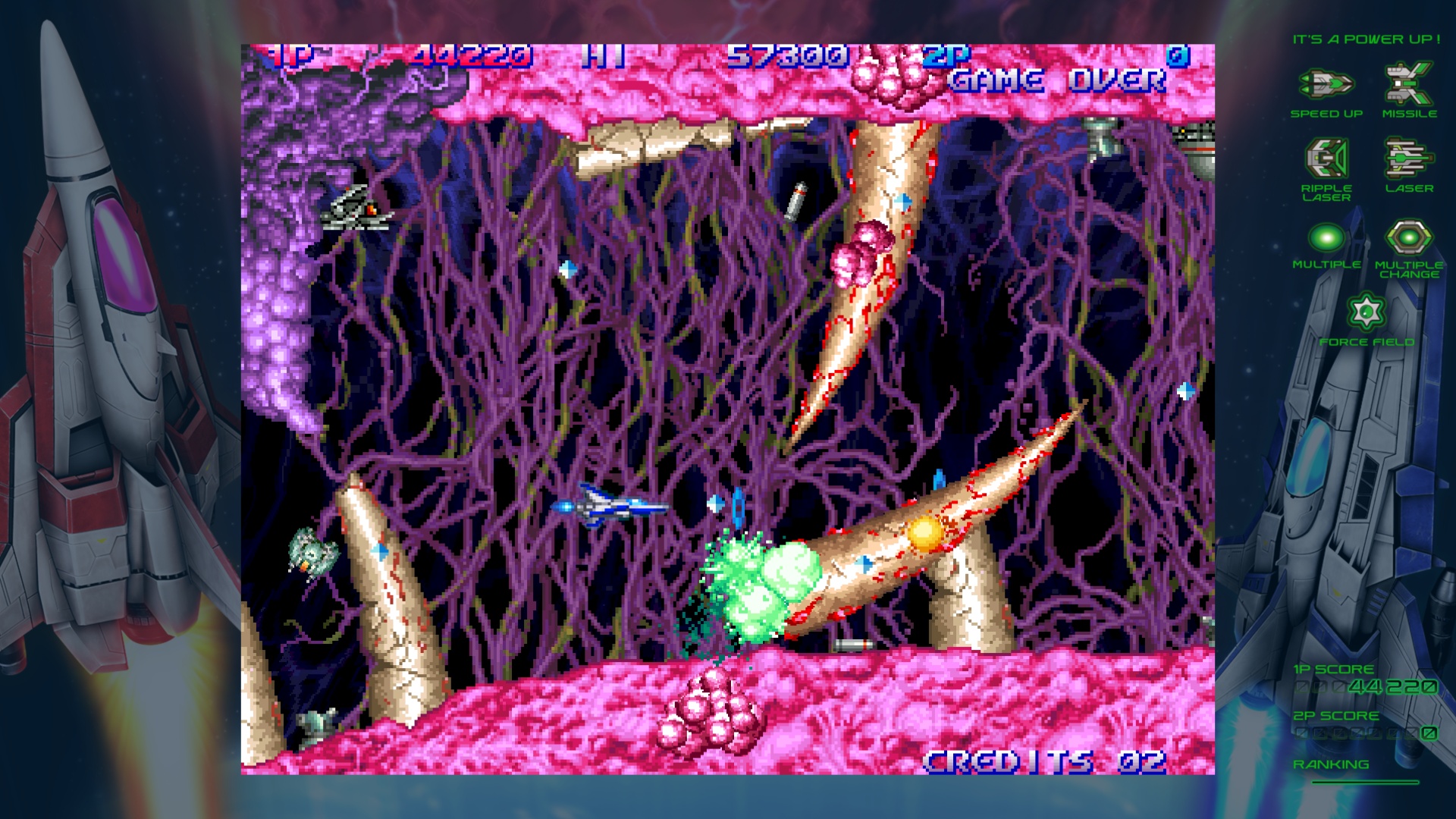
Salamander III
Also hidden are two other versions, activated by inputting the Konami code on the Gradius and Salamander game selection screen (if playing on the PlayStation, use OX in place of BA).
Vs. Gradius
A straight port of the NES version of Gradius, made for arcades.
Salamander Power Up Capsule
The original Salamander using the Gradius power-up system instead of the item collection system. This is basically a hack of the Japanese Life Force that restores the graphics from Salamander.
Other than Salamander III, these titles have been re-released in the past on other compilations. And most of them (outside of Salamander 2) were already released on the PlayStation 4 and Switch as part of Hamster’s Arcade Archives series. So what does Gradius Origins bring to the table?
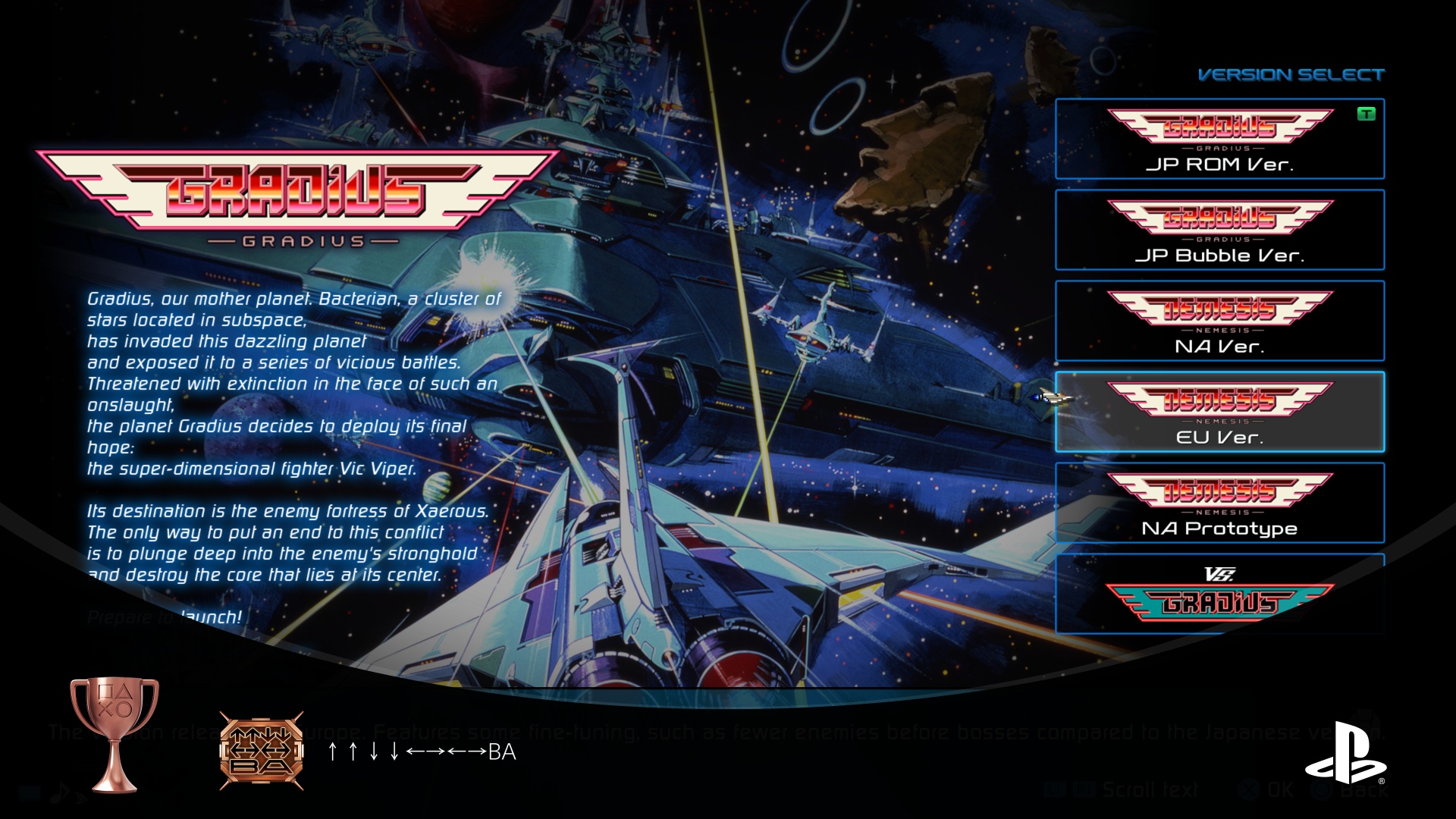
Each game has several different ROM sets, including regional variations. Some of these just rebalance the difficulty or fix issues related to scoring. The overseas versions of Gradius and Gradius II, dubbed Nemesis and Vulcan Venture, respectively, also allow you to continue after running out of lives. Certain ROM sets have training modes, effectively a stage select that lets you pick out individual parts of each stage to practice. Previous ports have seen similar features, but Gradius Origins goes a few steps further by allowing you to tweak and fix certain bugs, and also enable visible hit boxes. Each game has an Easy mode, which shrinks the Vic Viper’s hurtbox, and an Invincible Mode, which lets you play through the whole game without dying.
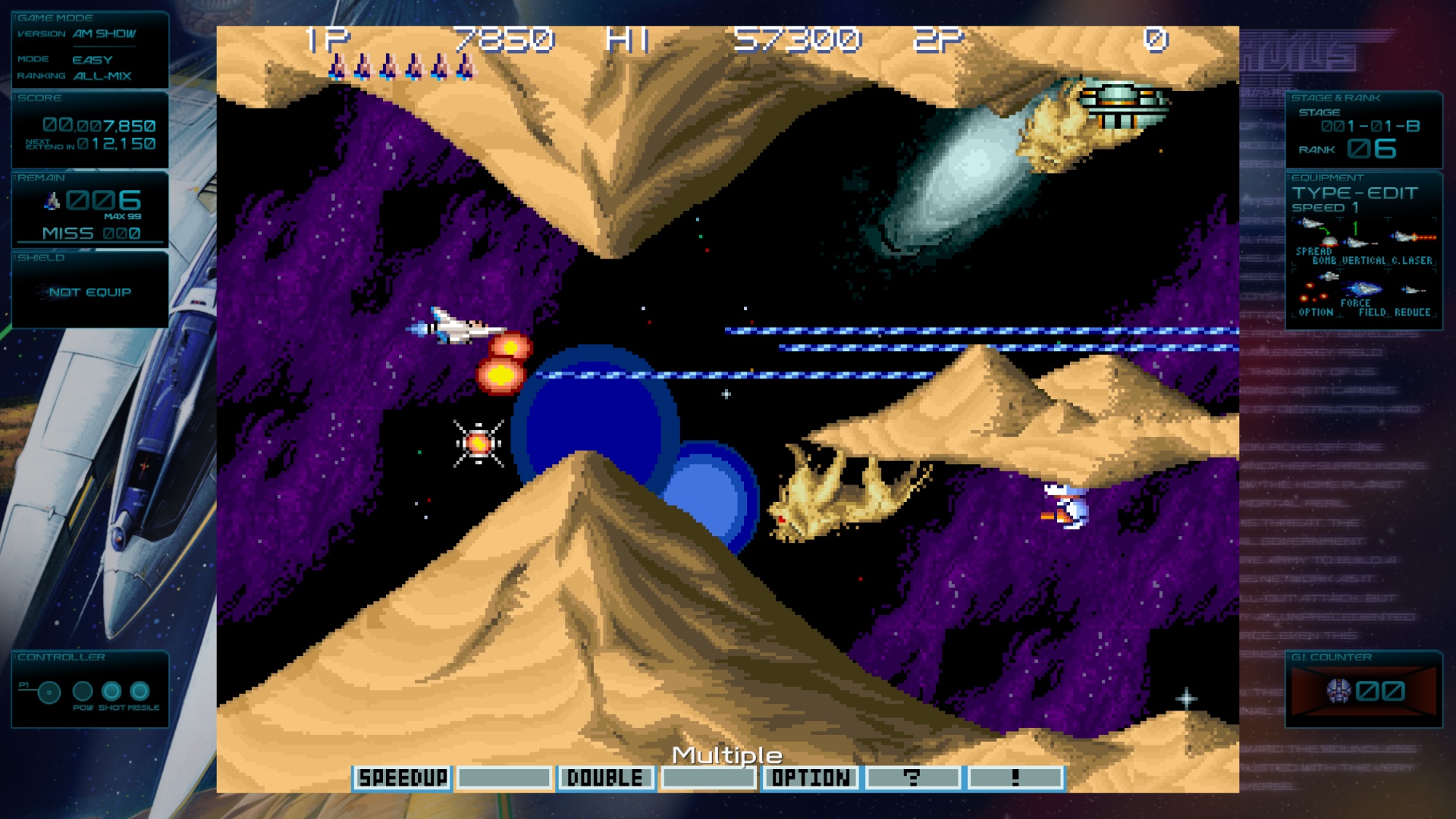
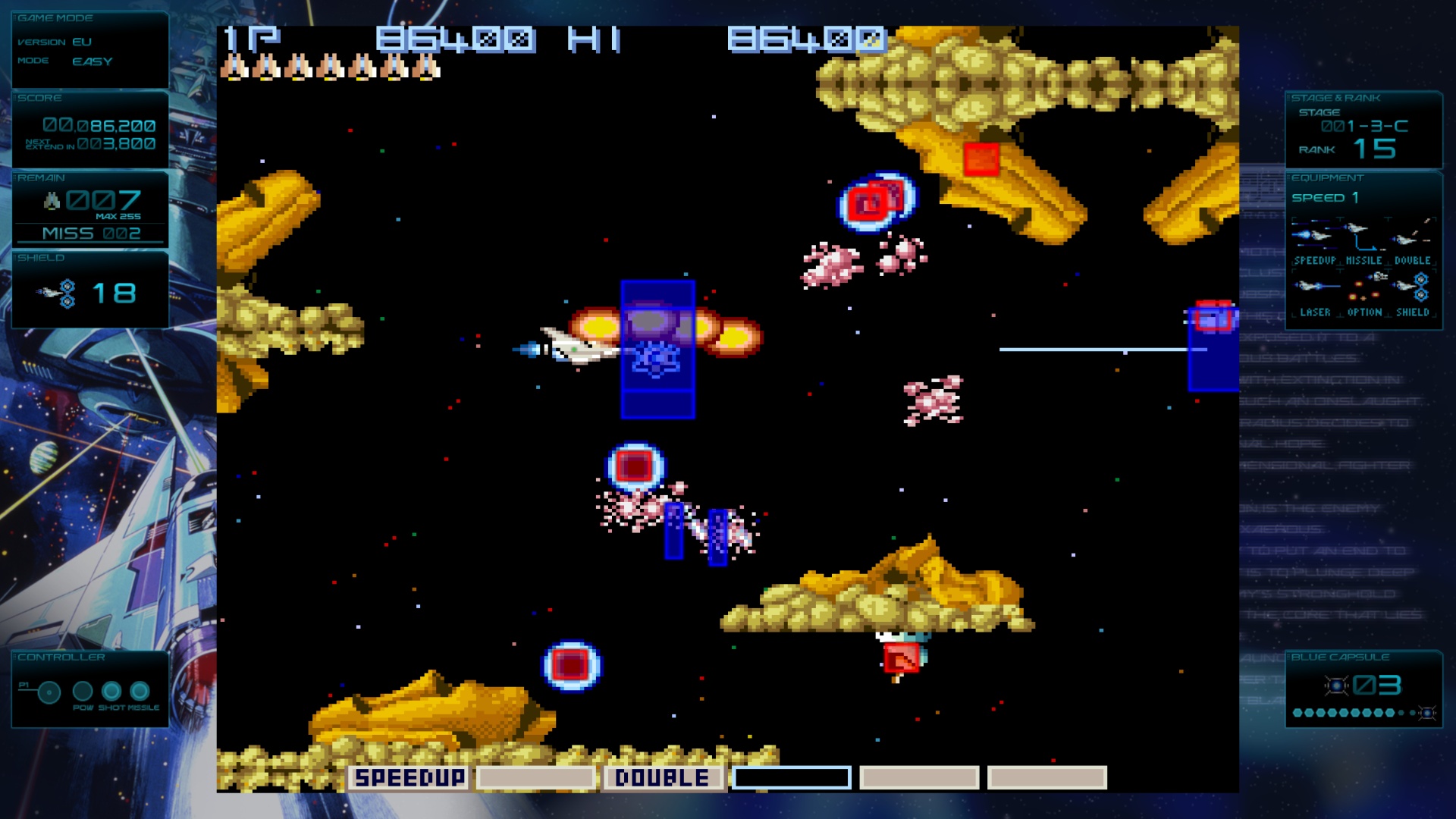
It has standard CRT filters and save/reload state options, plus the ability to rewind, which newbies will probably want to use a lot. Like other ShotTriggers releases, each game has windows that reveal the inner workings of the game, like the difficulty rank (which changes with your equipment and increases the longer you play without dying), your shield strength, and revealing when the next screen-killing blue power orb will appear. There’s also a gallery that has plenty of artwork and design documents for all of the classic arcade games, along with an absurdly expansive sound gallery which includes not only the original music but lots of arranged tunes from the various soundtrack albums released across the 1980s and 1990s, including the MIDI Power Pro CDs.
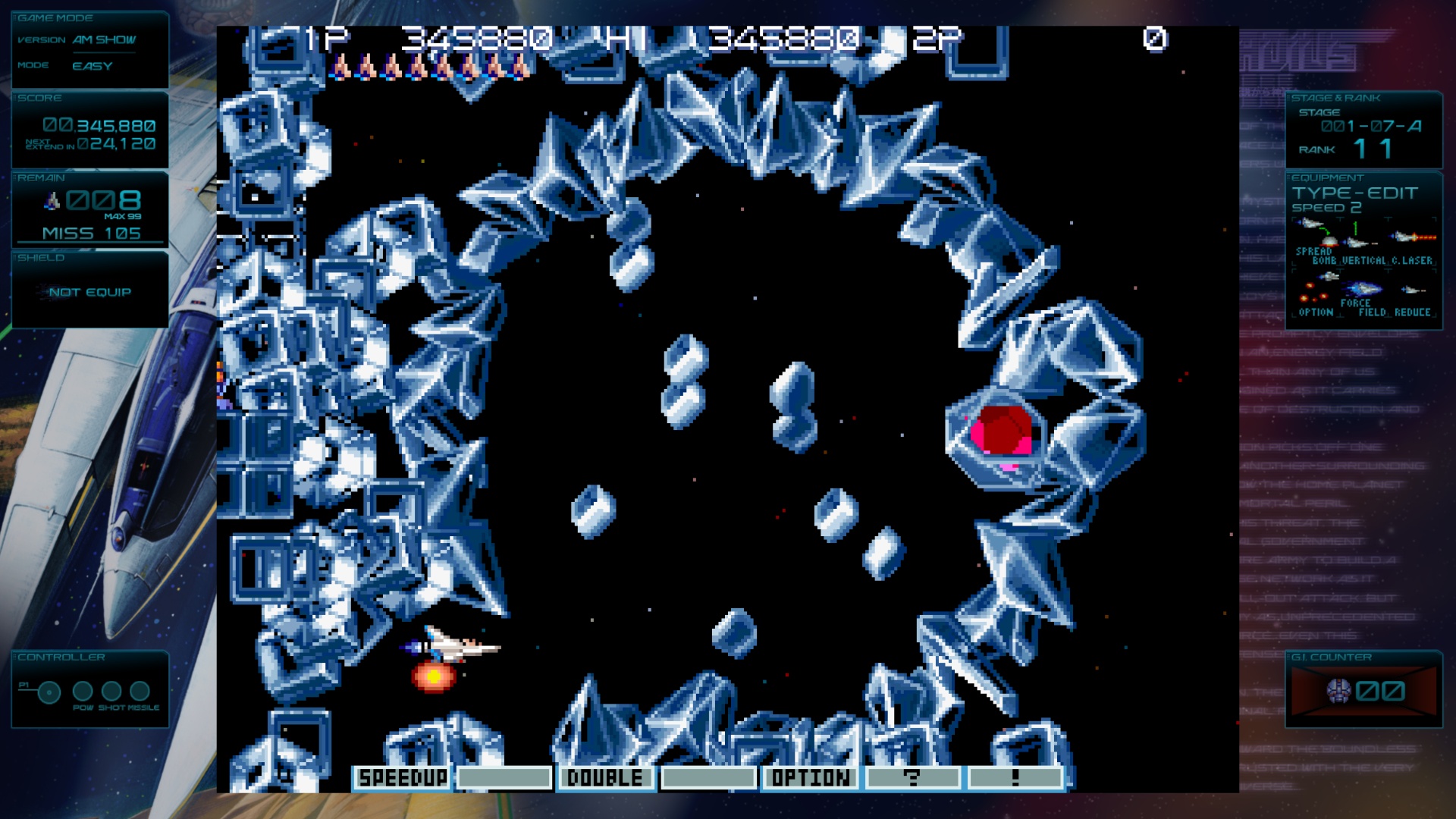
Gradius III AM Show Version
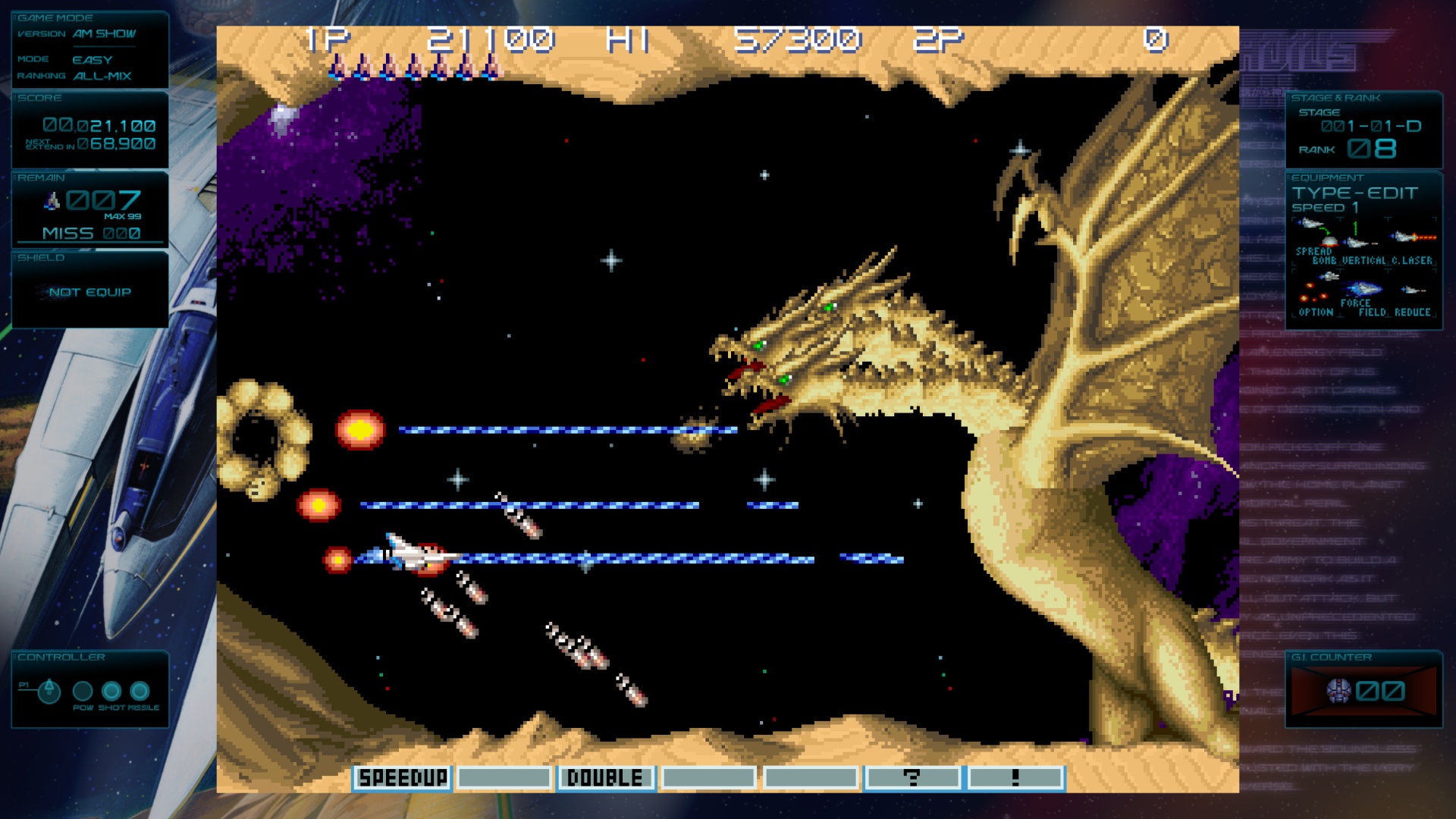
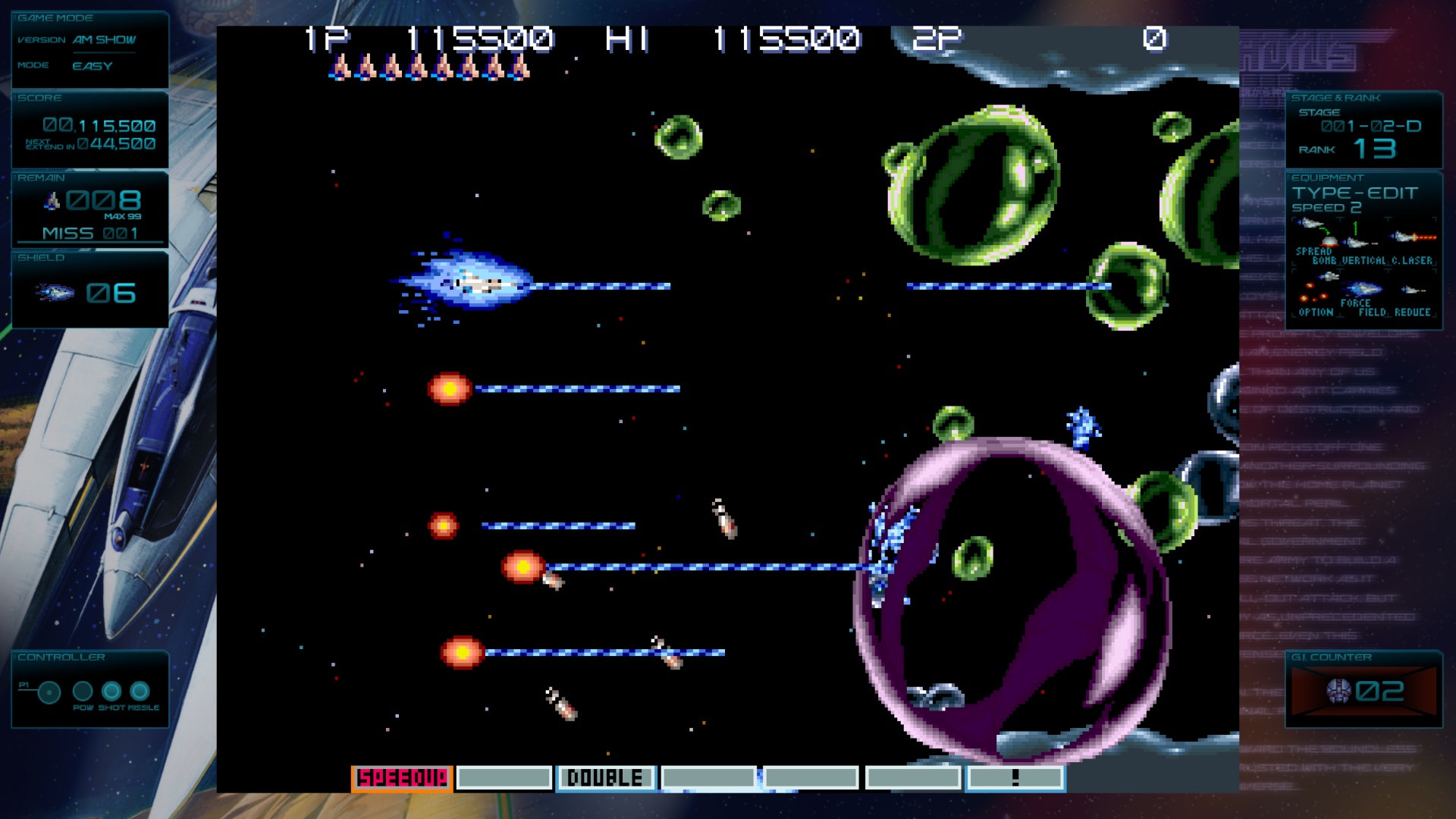
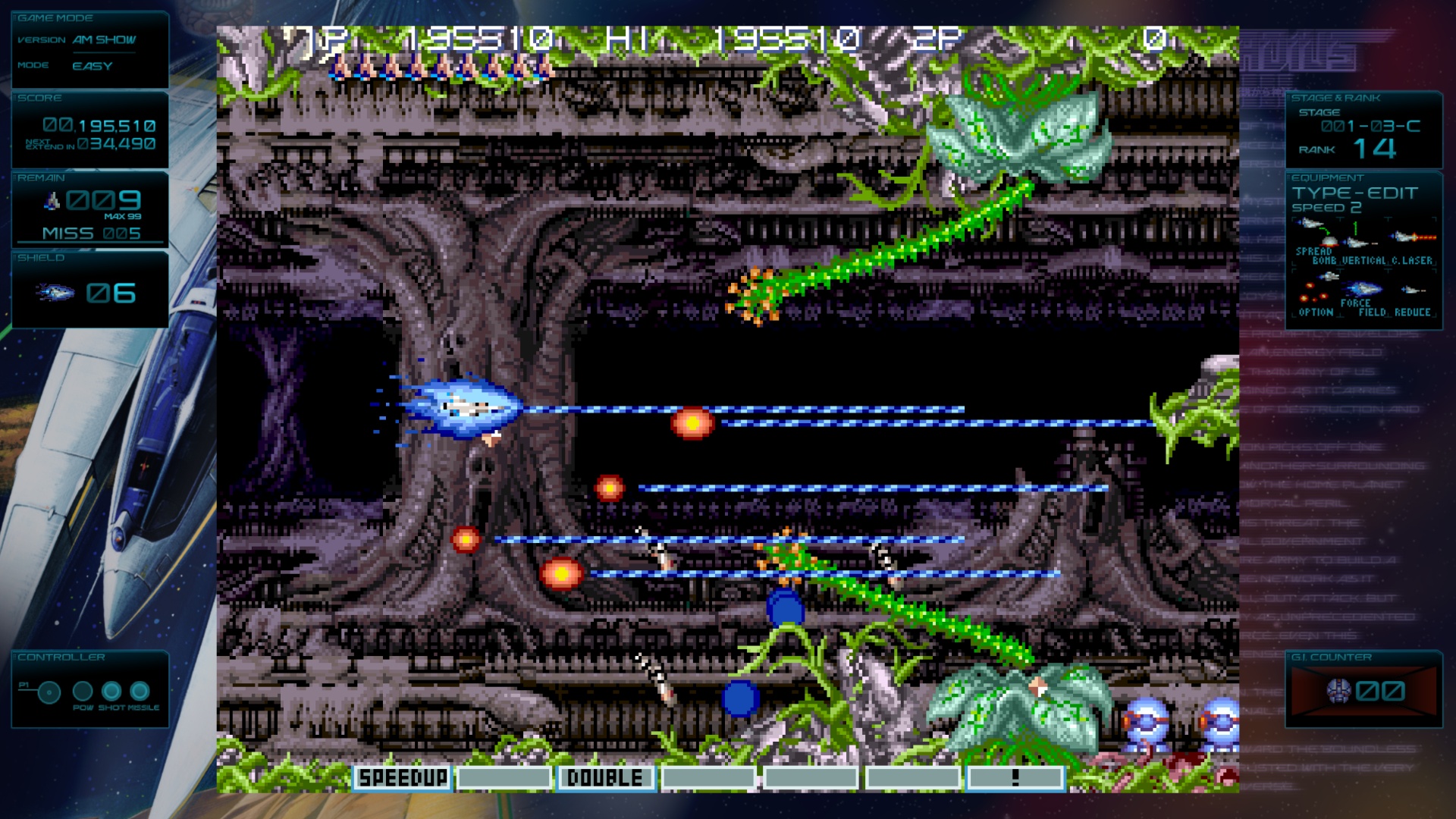
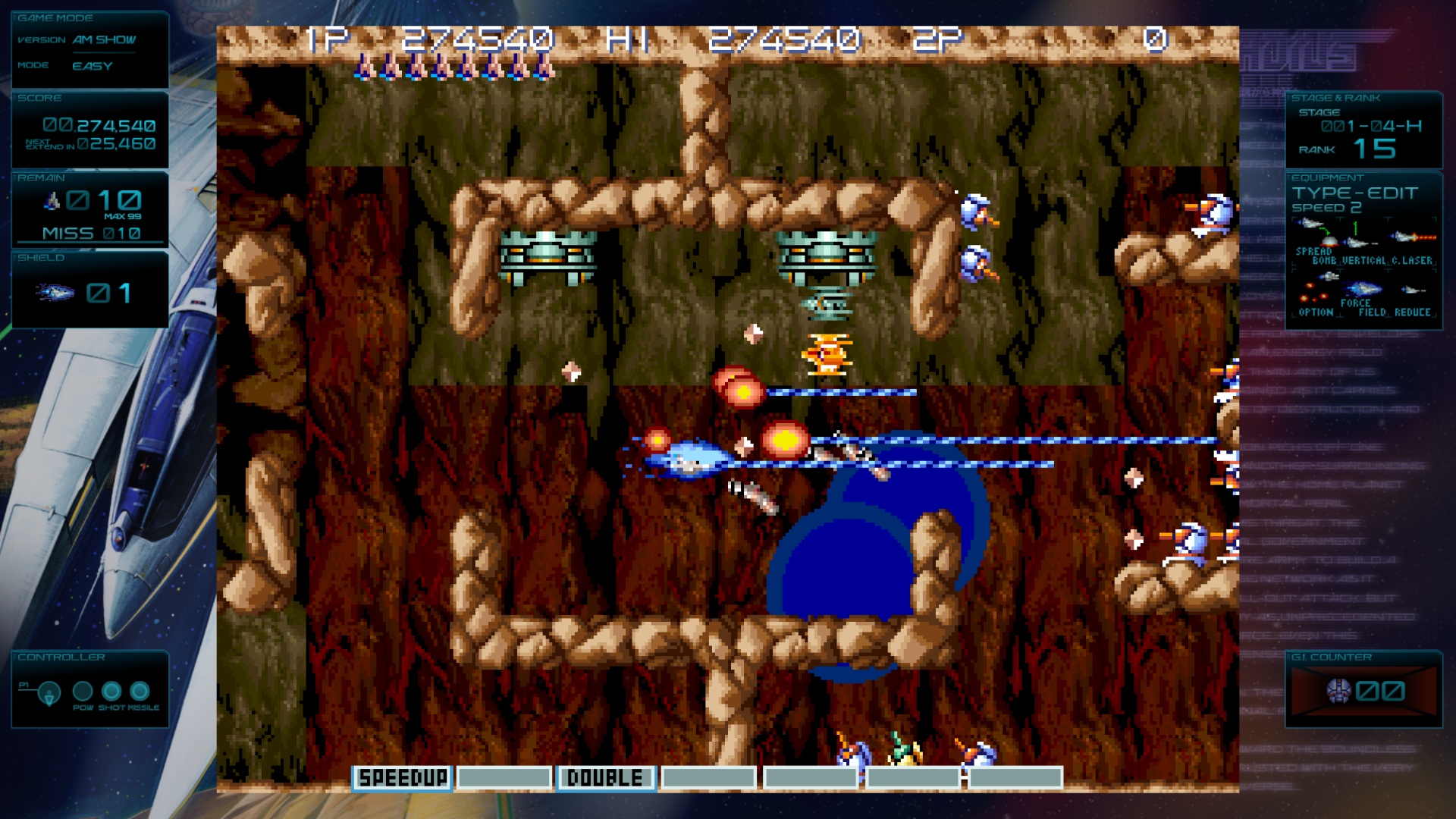
One of the biggest inclusions, at least for longtime hardcore Gradus fans, is the inclusion of the AM Show version of Gradius III, which was shown off at a 1989 trade show before release. While pictures and stories had circulated about this version for years, its ROMs and have never been publicly dumped, and this is the first time it’s ever been made widely available. It’s a prototype version in early stages of development, containing only five stages, but there are plenty of differences from the final version, the most significant being two bosses. At the end of the first stage, you fight an enormous three-headed sand dragon, rather than the large insect in the final version. This boss was not totally removed for the final version, but was rather repurposed as the flame dragon boss later in the game. The other boss is a crystalline foe that forms a circle, allowing only a small opening in its corner. It floods the inside of this circle with smaller crystals, making it extremely difficult to hit or get close to its central weak point.
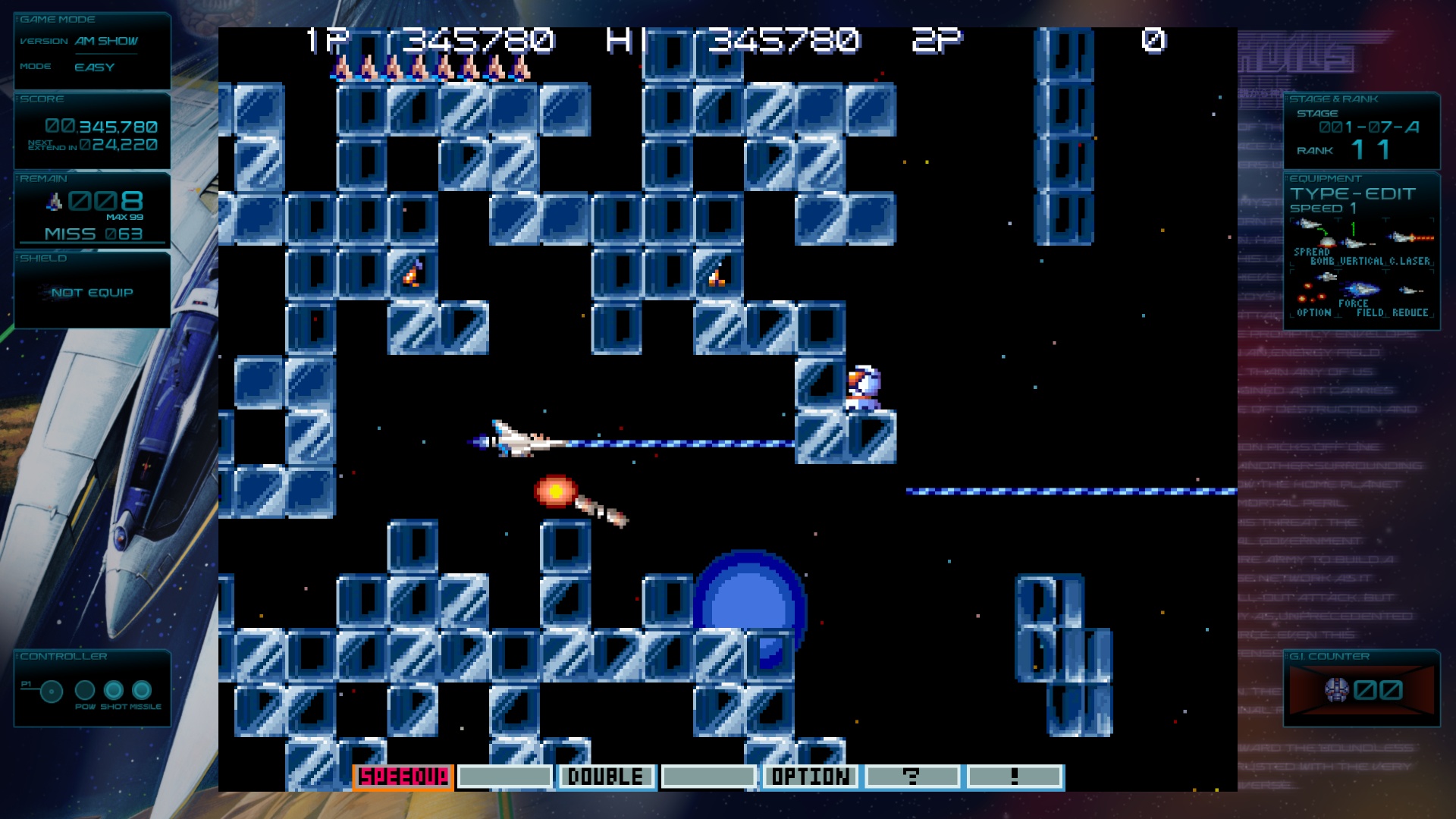
Since this is an early version, it’s not really balanced at all. Rank increases quickly and enemies absolutely flood the screen with bullets. The slowdown is near constant in areas, even worse than the SNES version of Gradius III. The cube section (the fifth and final stage of this version) is just miserable, as it regularly traps you unless you know the precise places to fly. It’s more meant as a curiosity than something you’d actually want to sit down and conquer, but getting to experience an early version of such a famous title, especially one with content cut from the final game, makes for a fascinating bit of history. It’s doubly important that this is an official release and not just a leaked ROM set, acknowledging that there’s a desire on the marketplace to see these pre-release versions.
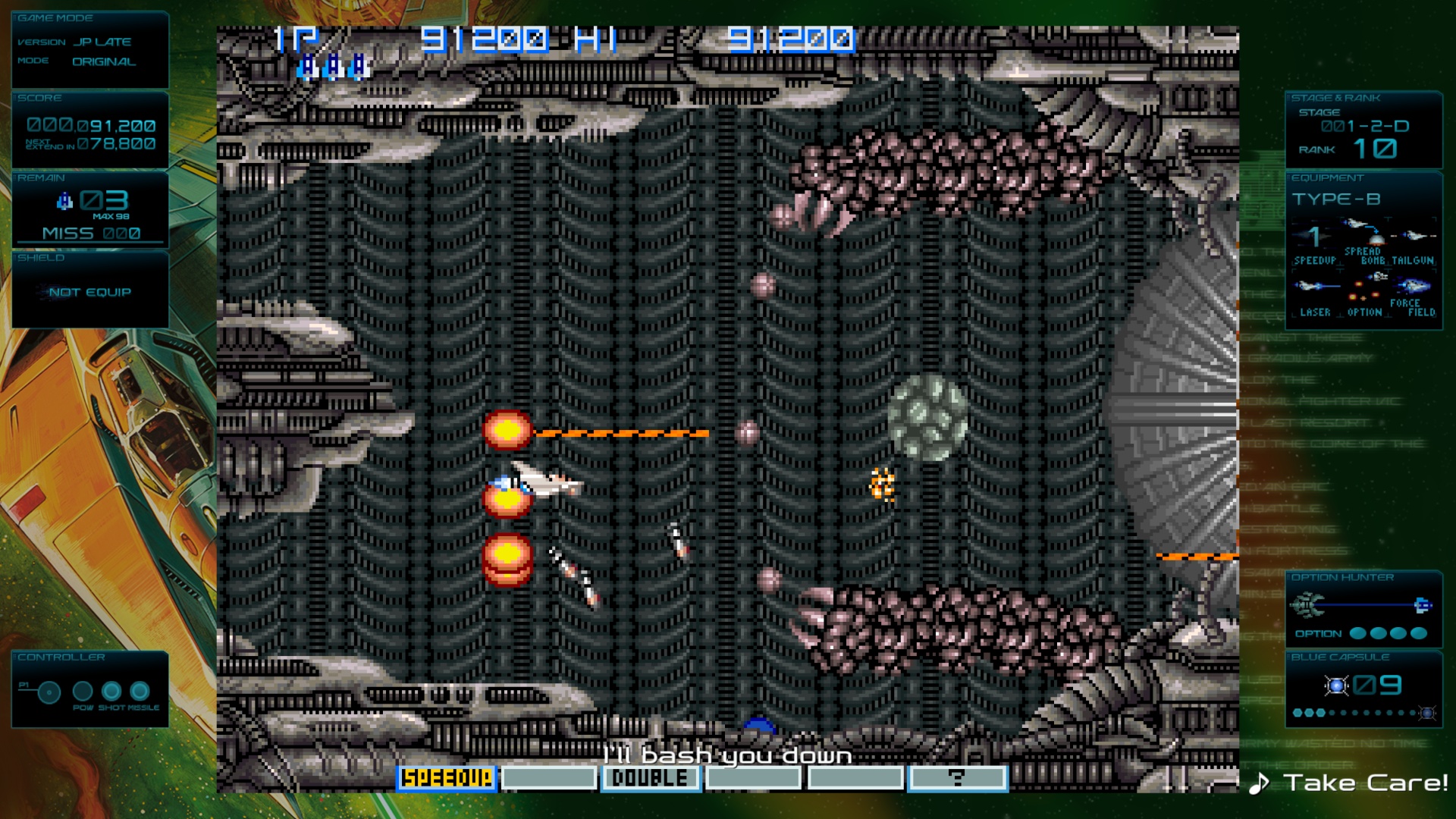
Gradius II
It’s an incredibly well-produced product, even without taking the new Salamander III into consideration, but the sole downside is that it only includes arcade releases, and even then, it’s still incomplete. It is called “Gradius Origins”, so later titles like Gradius IV, Gradius V, and Gradius Gaiden were probably outside of the scope, so fair enough. But other previous M2 compilations, like the Contra Anniversary Collection and Darius Cozmic Collection, also included some of the console ports. While the original NES version of Gradius is featured here on a technicality (it is an arcade game, after fall), it’s sorely missing the FC/NES versions of Salamander/Life Force and Gradius II, and the SNES version of Gradius III. Salamander/Life Force, Gradius, and Gradius II even got solid conversions to the PC Engine, which were included on the TG16 Mini console but again, are missing here. And this isn’t even mentioning the four MSX games, which have their own unique qualities.
These are not merely downgraded ports but rather have a substantial amount of unique content, and in some cases, actually make for the superior game (especially Gradius III for the SNES). Hopefully there will be some DLC or another release down the line.
This aside, Gradius Origins is a fantastic collection, giving plenty of respect to one of the most important shooters in history. Now, one can hope that Konami will give the same effort to some of its other neglected properties, as we are long overdue for the return of TwinBee, Parodius, and Ganbare Goemon.