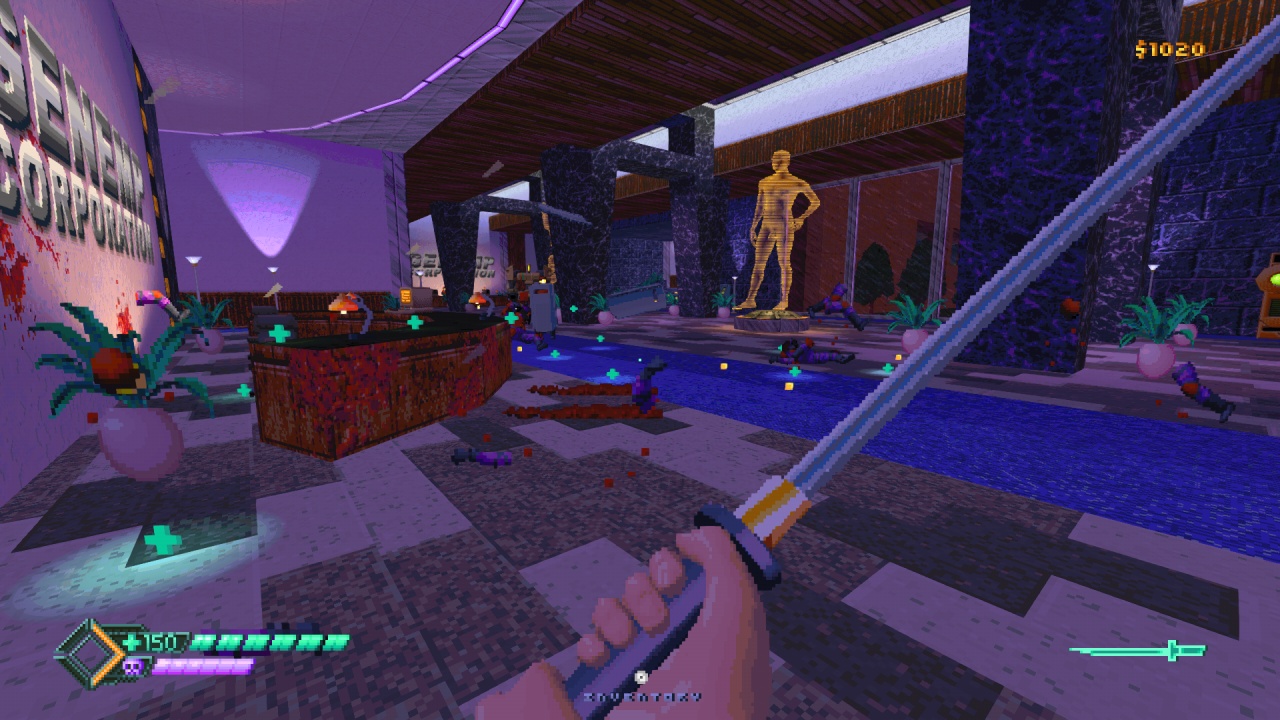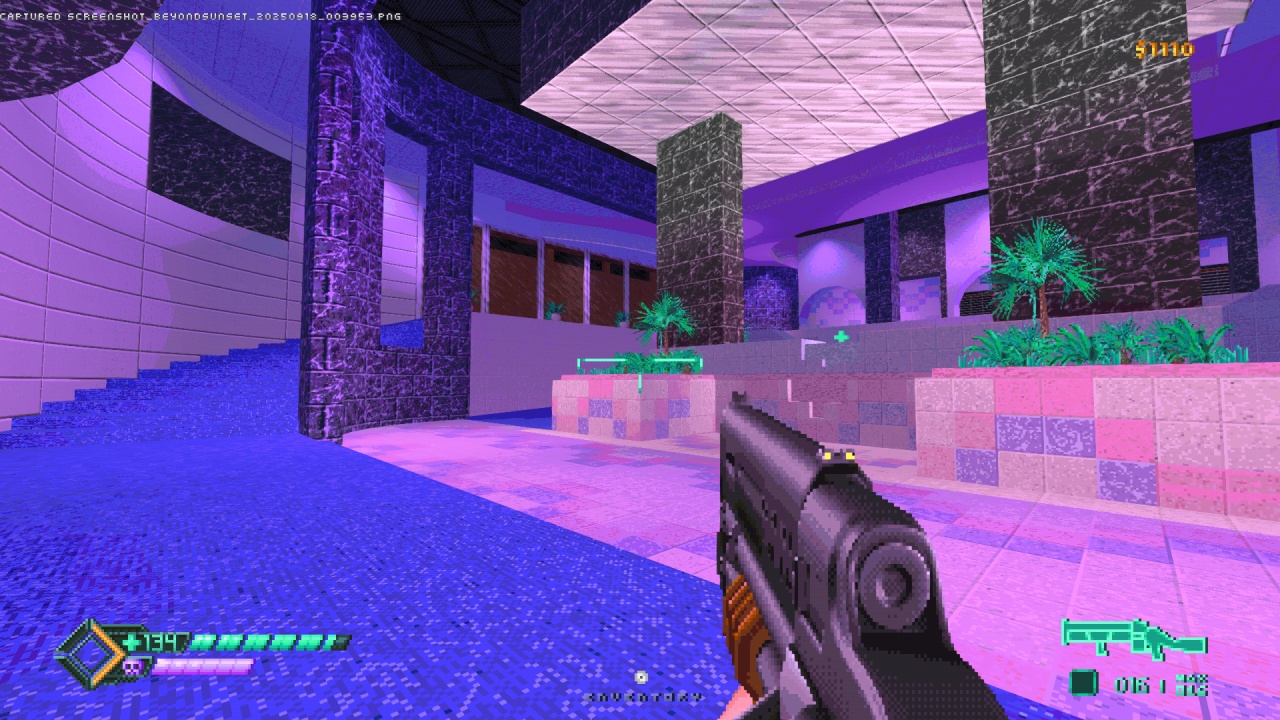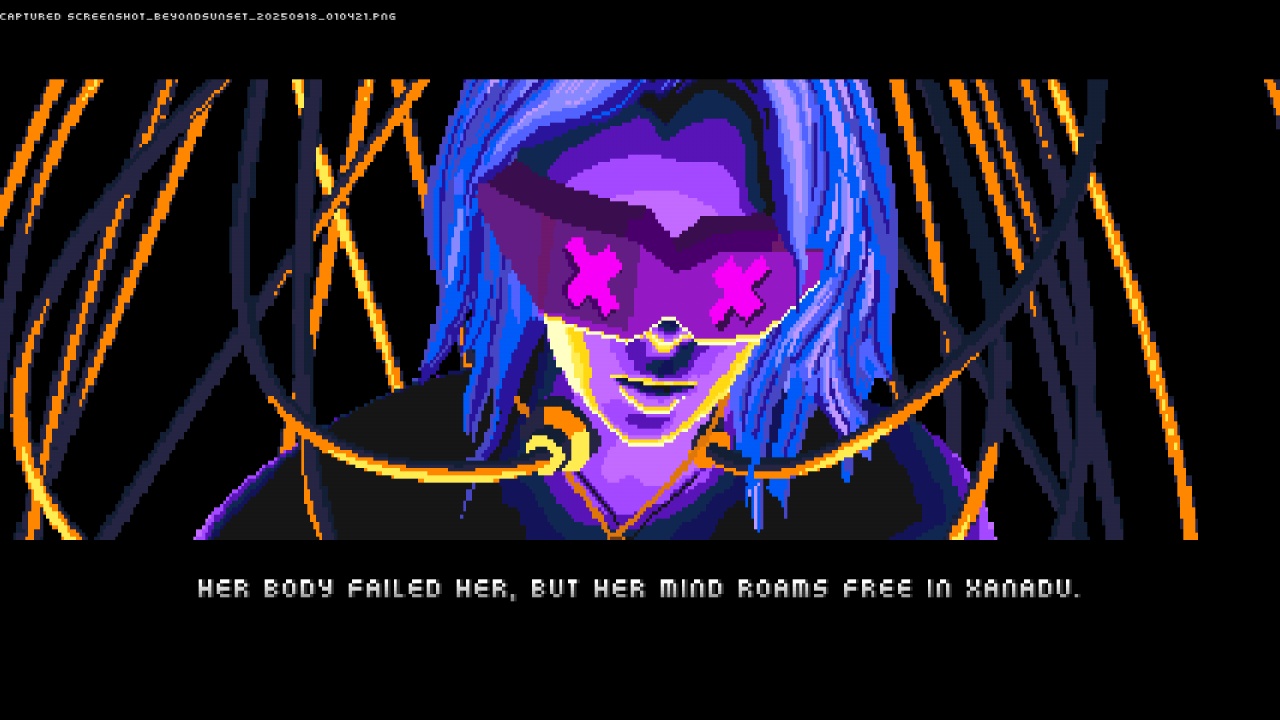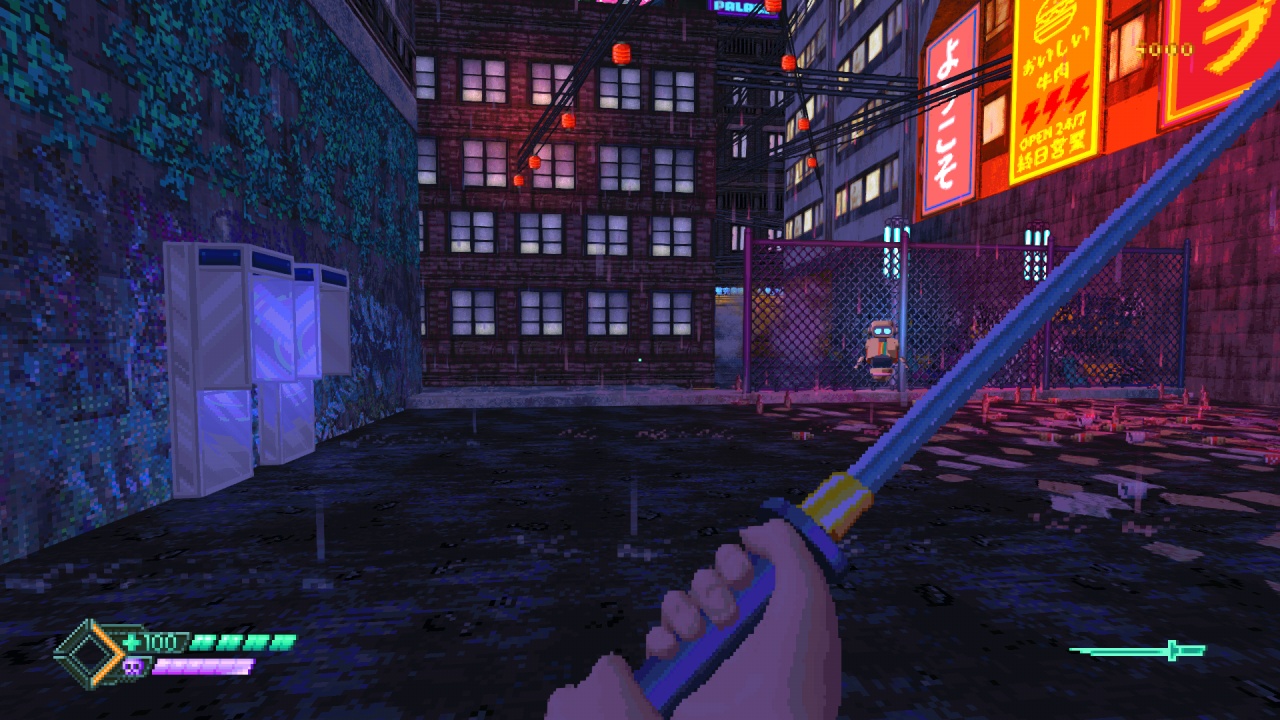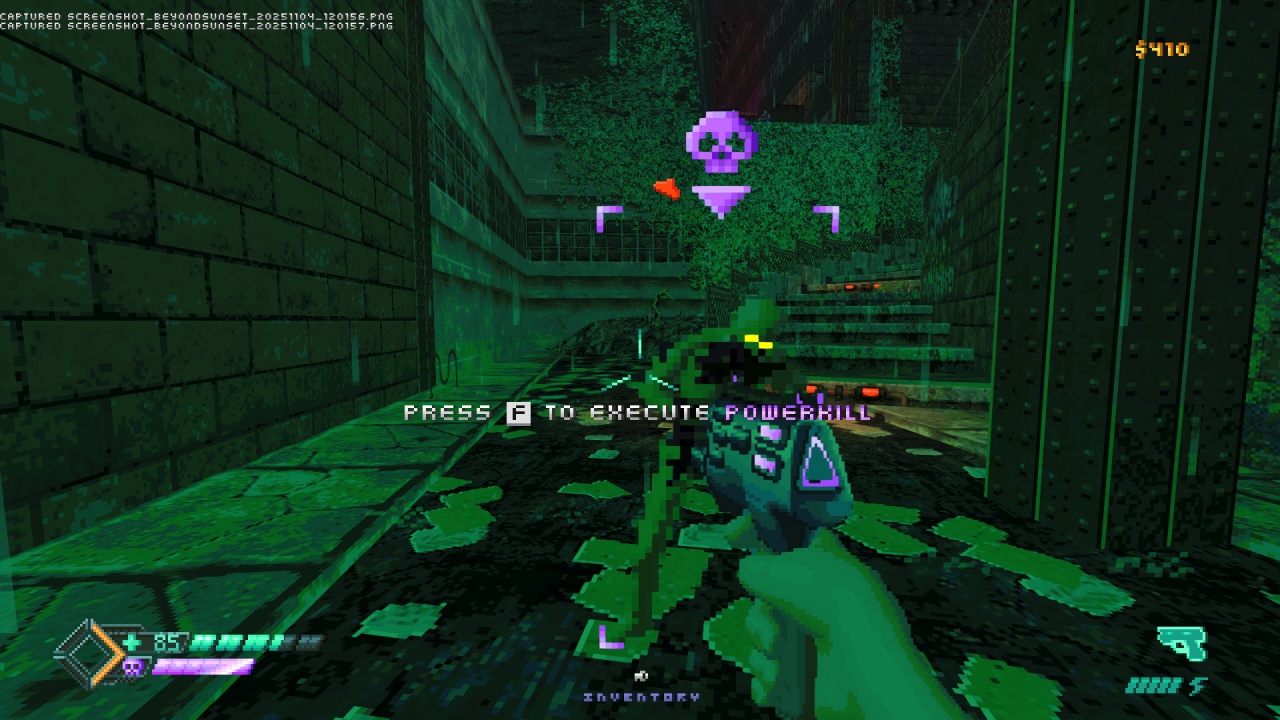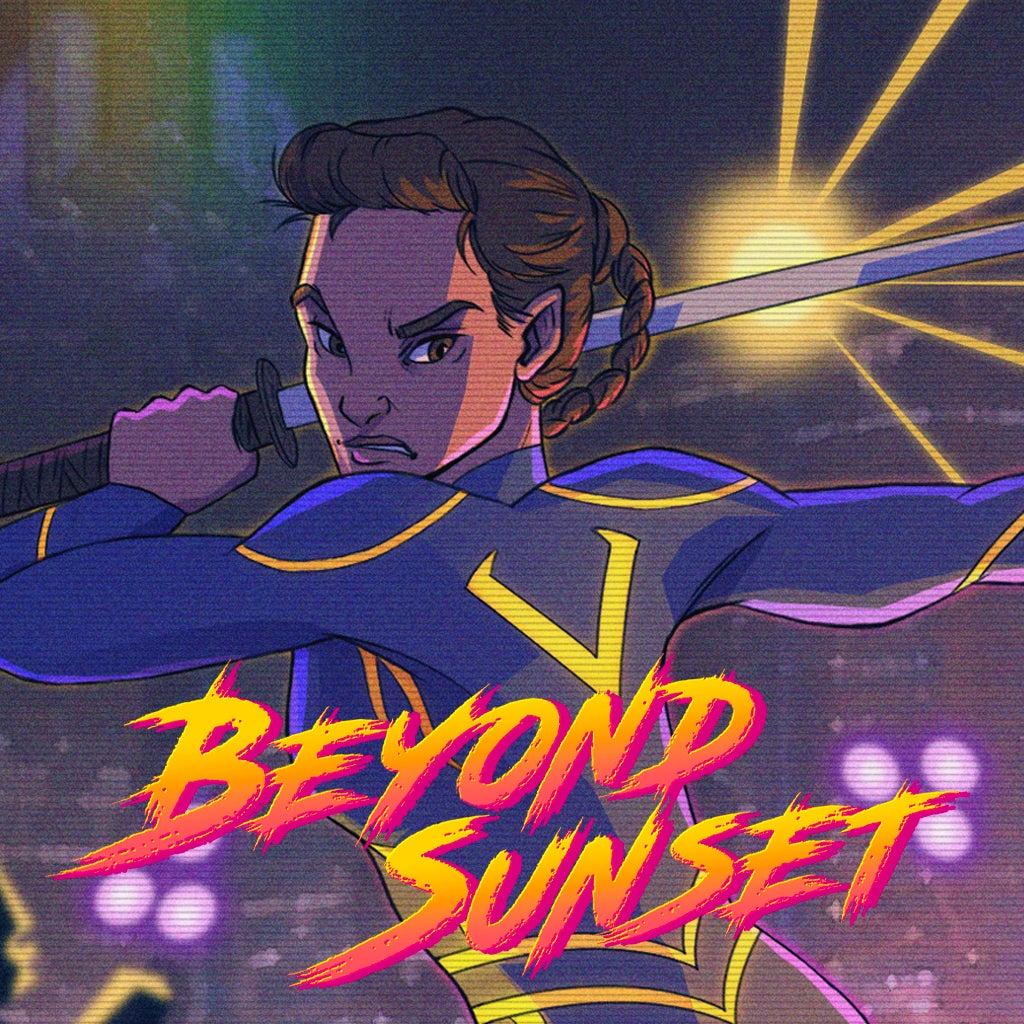
The indie boomer shooter Beyond Sunset is 80s cyberpunk to the max. Neon lights, dystopian cities, evil corporations, computer hacking, everything. You control amnesiac ninja Lucy, who’s woken up in the secret laboratory of GenEmp. After hacking and slashing her way out, she explores Sunset City and uncovers shadowy corporate conspiracies.
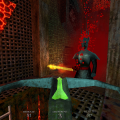
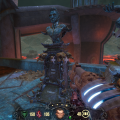
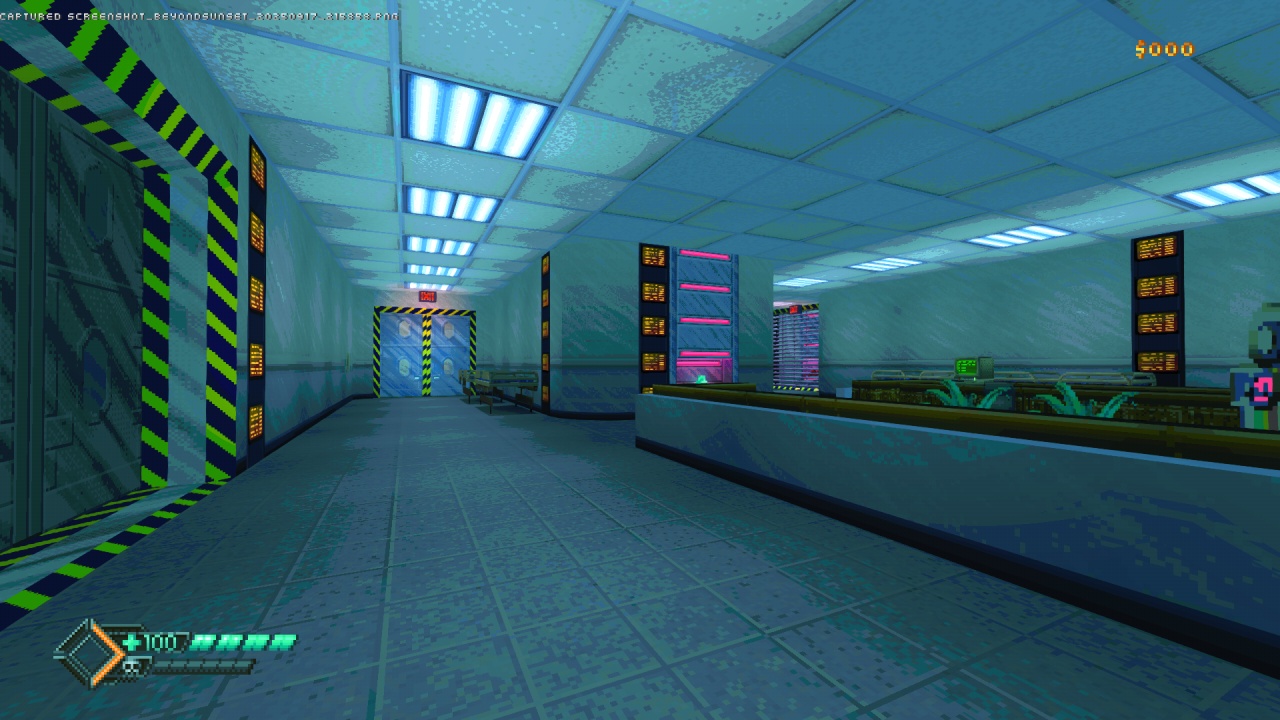
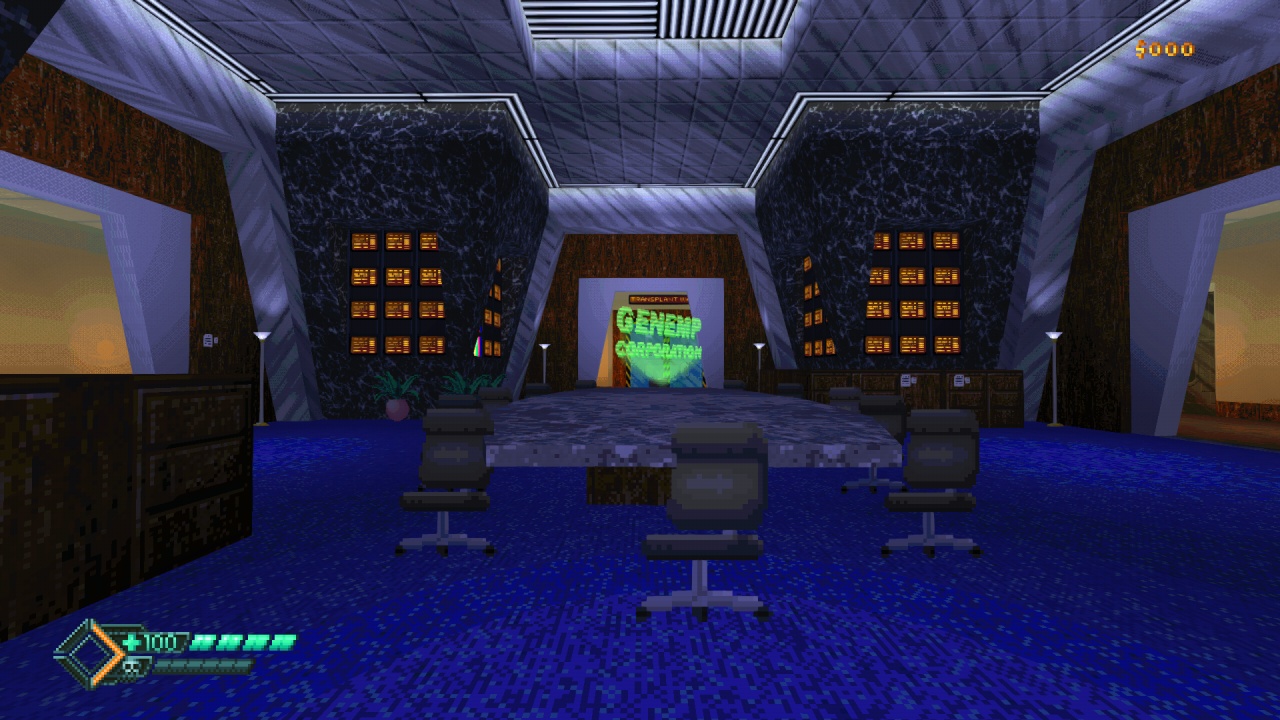
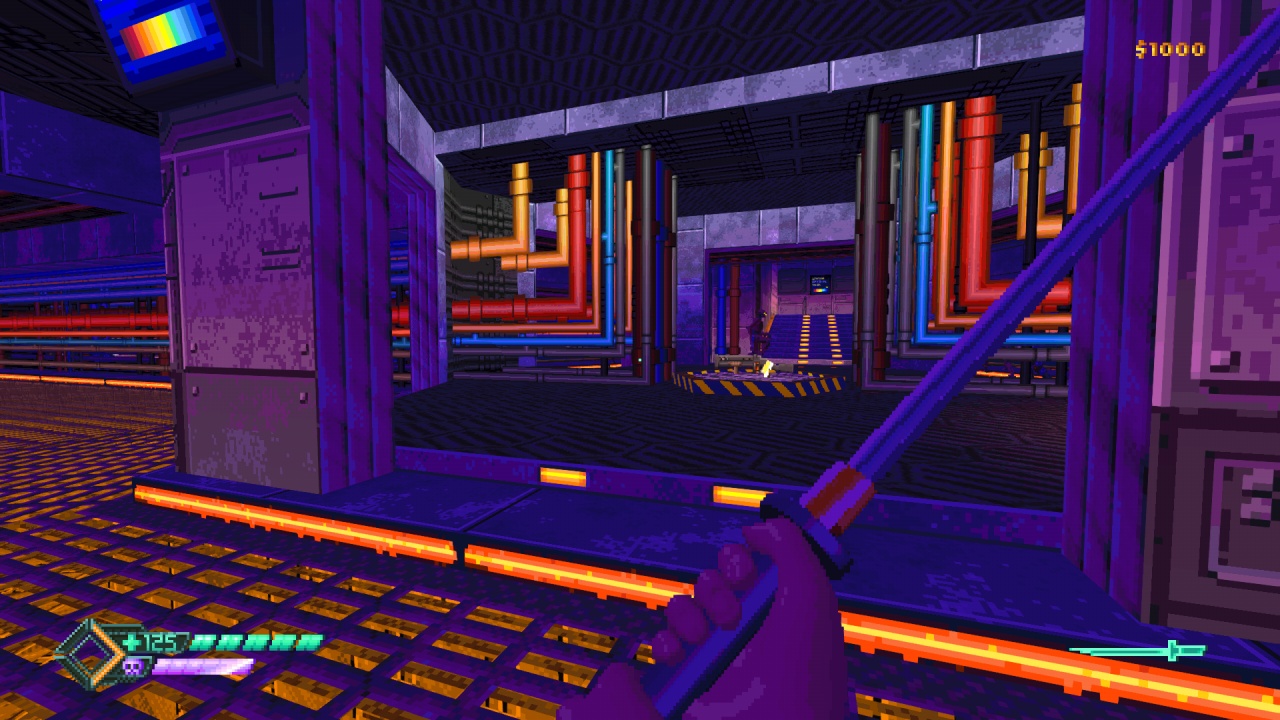
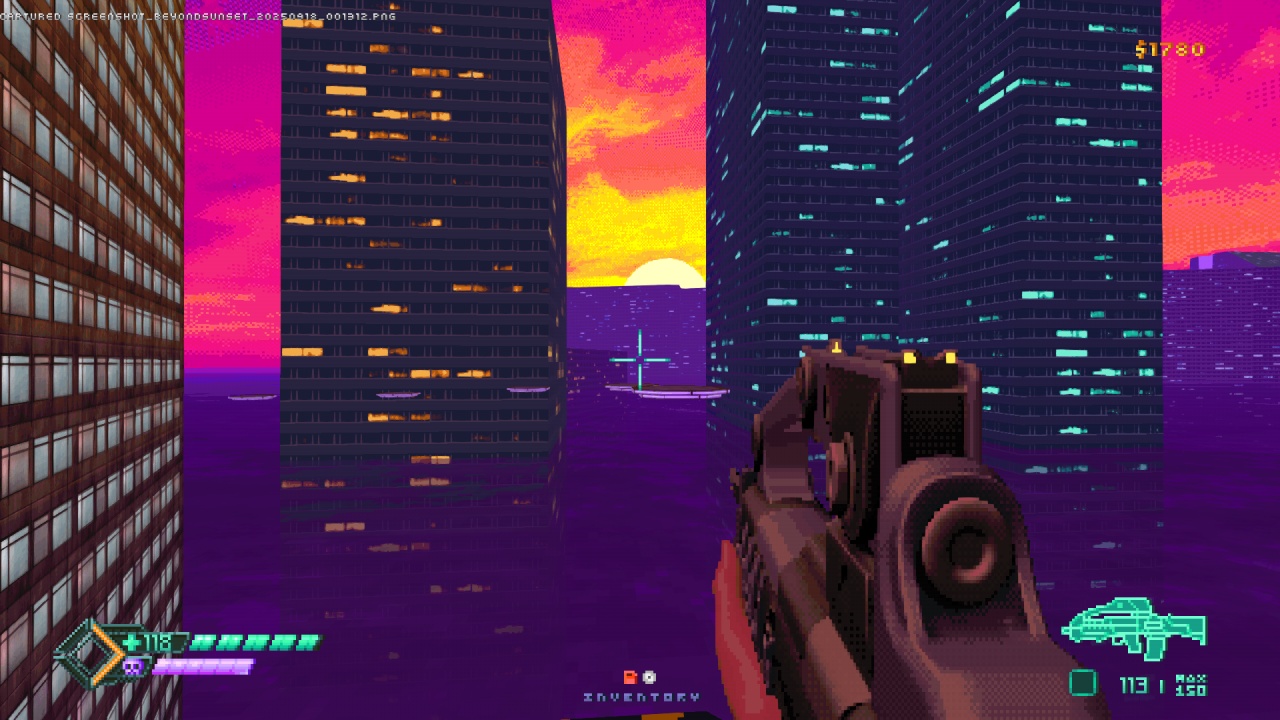
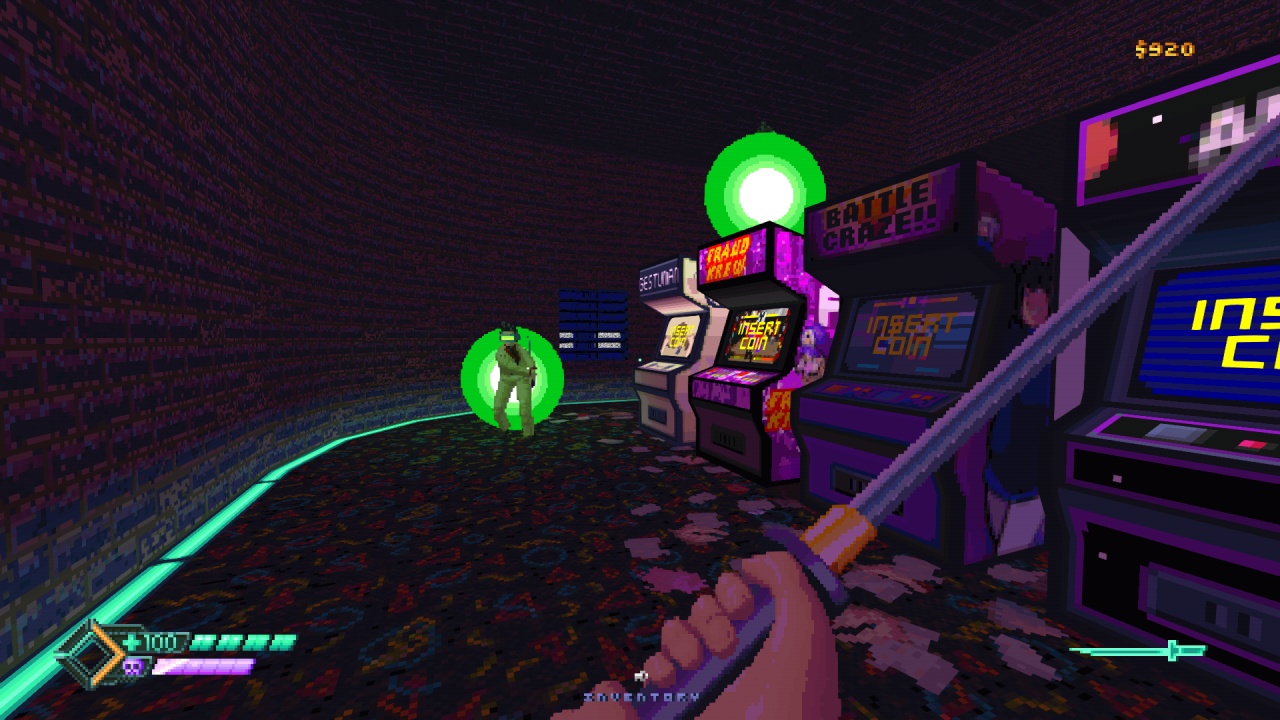
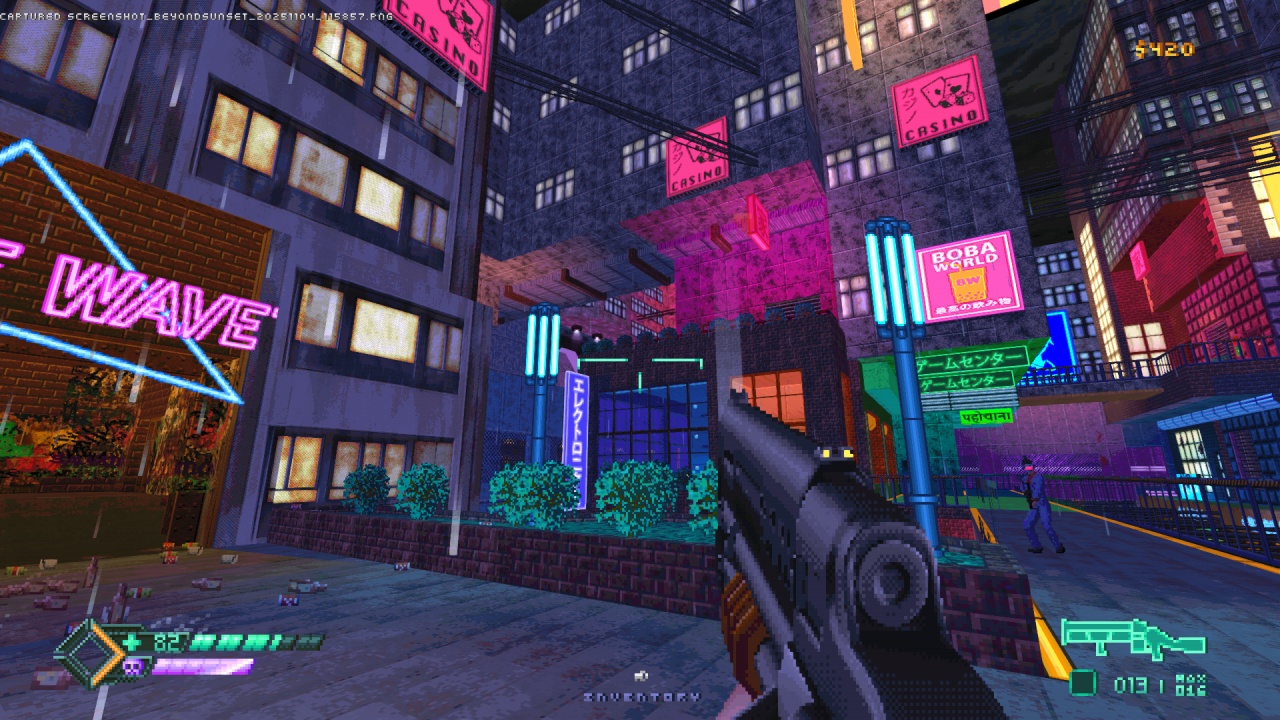
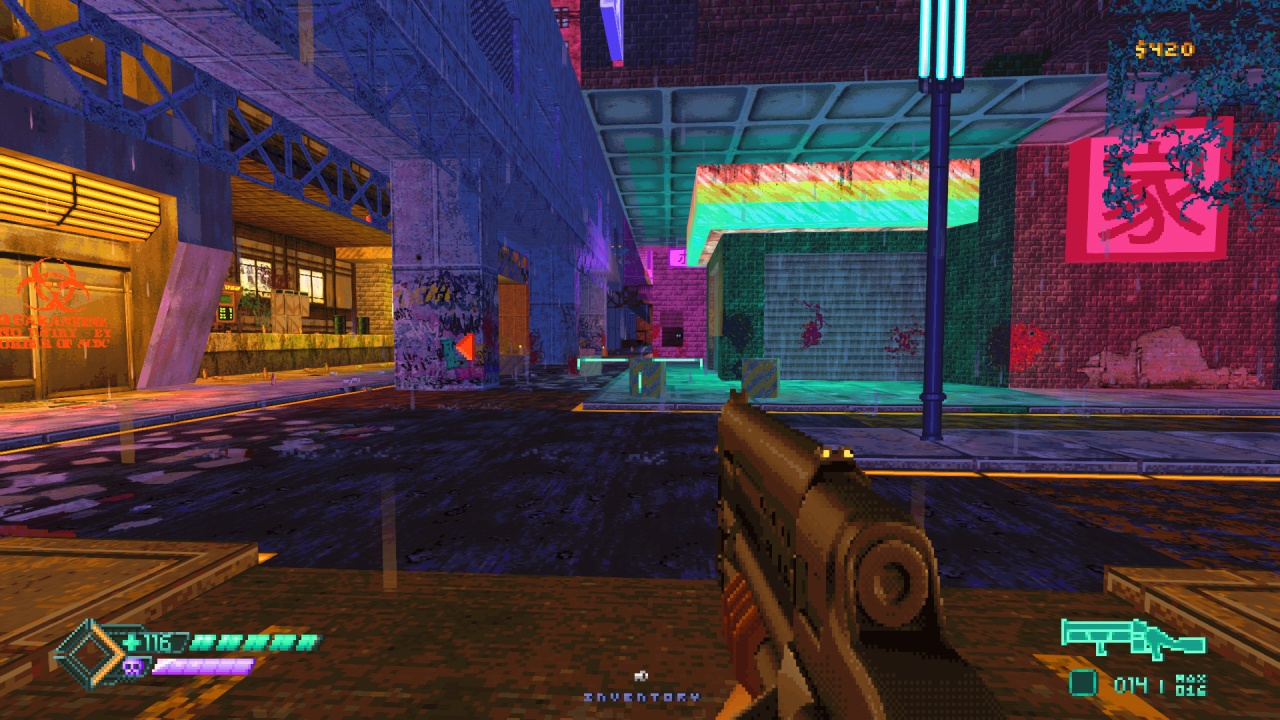
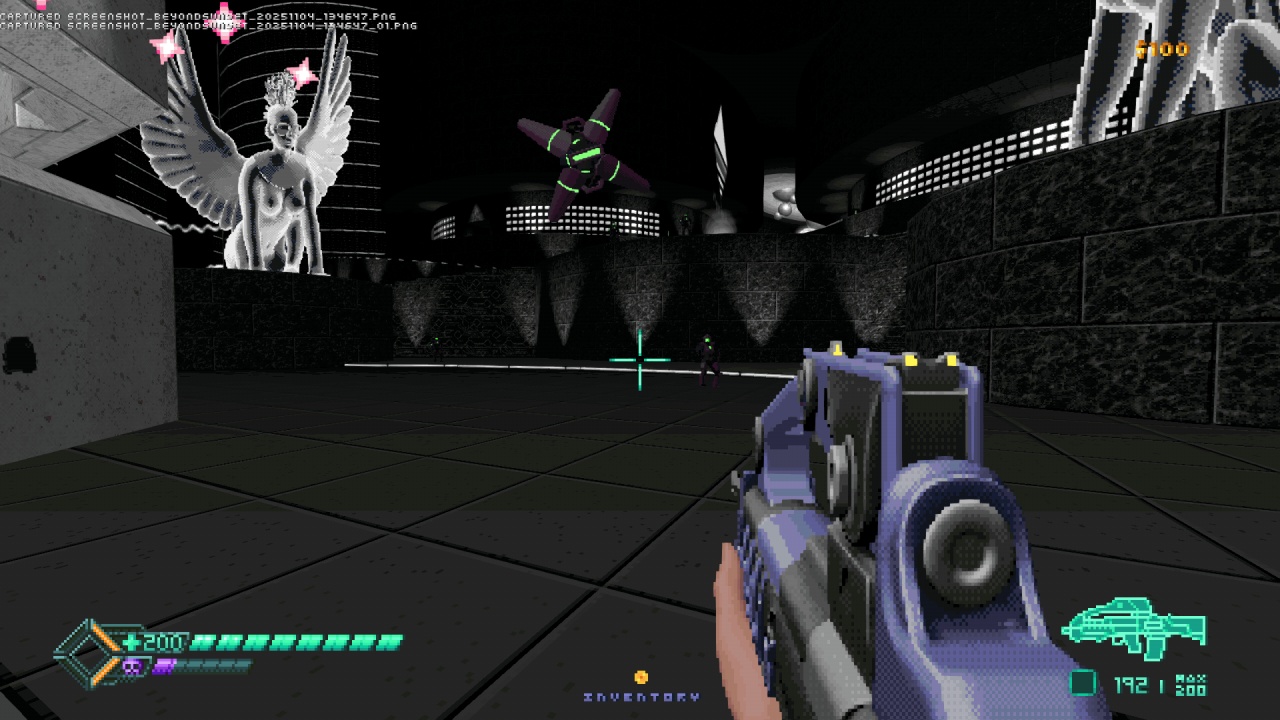
The vibes of Beyond Sunset are impeccable. The halls of Metacorp perfectly exemplifies corporate artistic bankruptcy, with stark colors and gaudy monuments, but it’s the impeccable neon-colored cityscapes that look truly fantastic. The synthwave soundtrack is expected given the genre, but is equally as effective. Even more impressive is that the game runs on the GZDoom engine, making it feel authentically retro. The engine has seen many improvements over the decades, but it’s still fascinating that the game is fundamentally running on something built back in the mid-1990s.
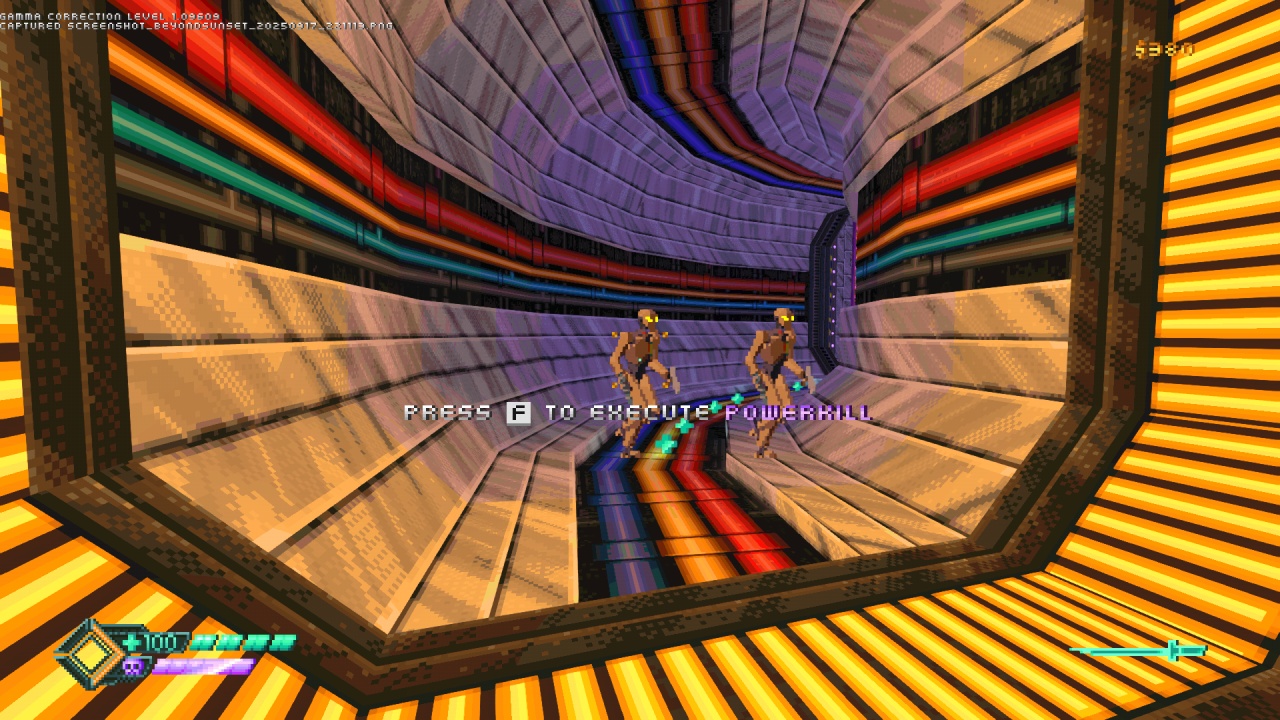
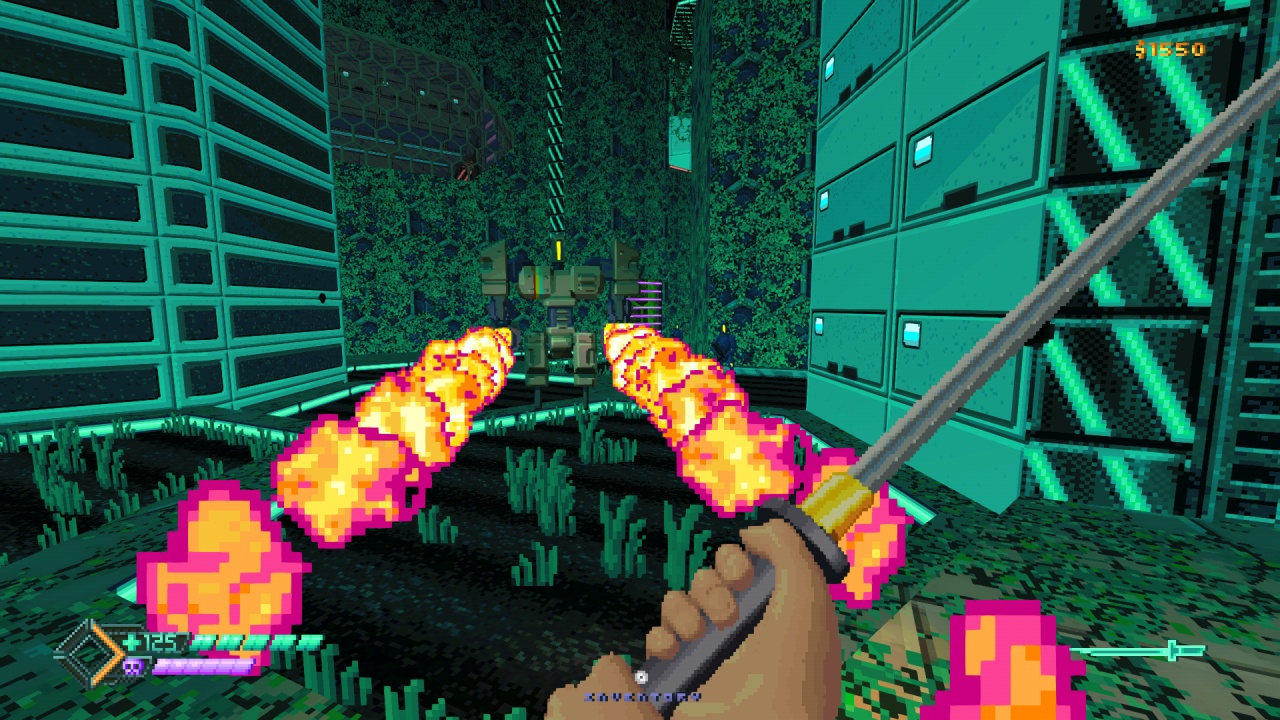
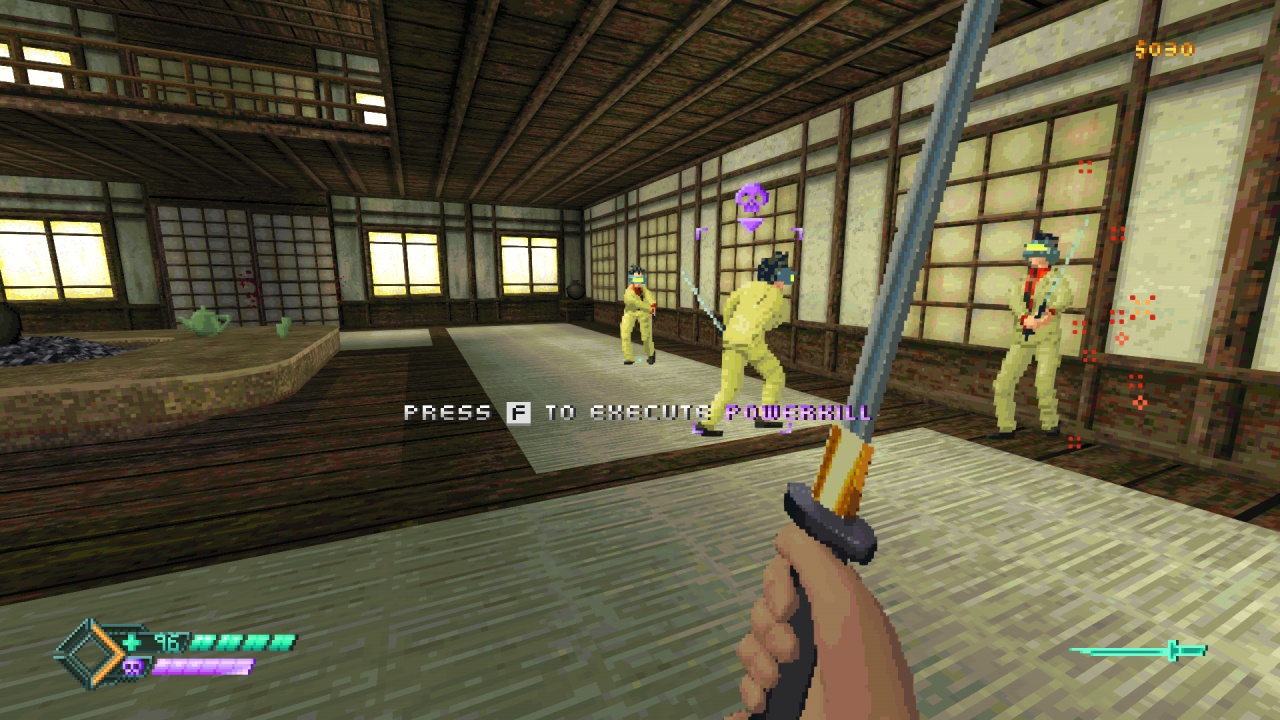
Lucy’s main weapon is her katana, which can smoothly carve up most any basic enemy. You can also activate a parry, which reflects back almost any type of bullet. In fact, you can hold down the parry button, and while it won’t catch everything, it also forms a strong barrier so you won’t take much damage, as long as you’re not hit from the sides or behind. Killing enemies or deflecting bullets also builds up a powerful gauge, which allows you to perform close range powerkill moves, which not only quickly kills foes but also drops tons of health and ammo.
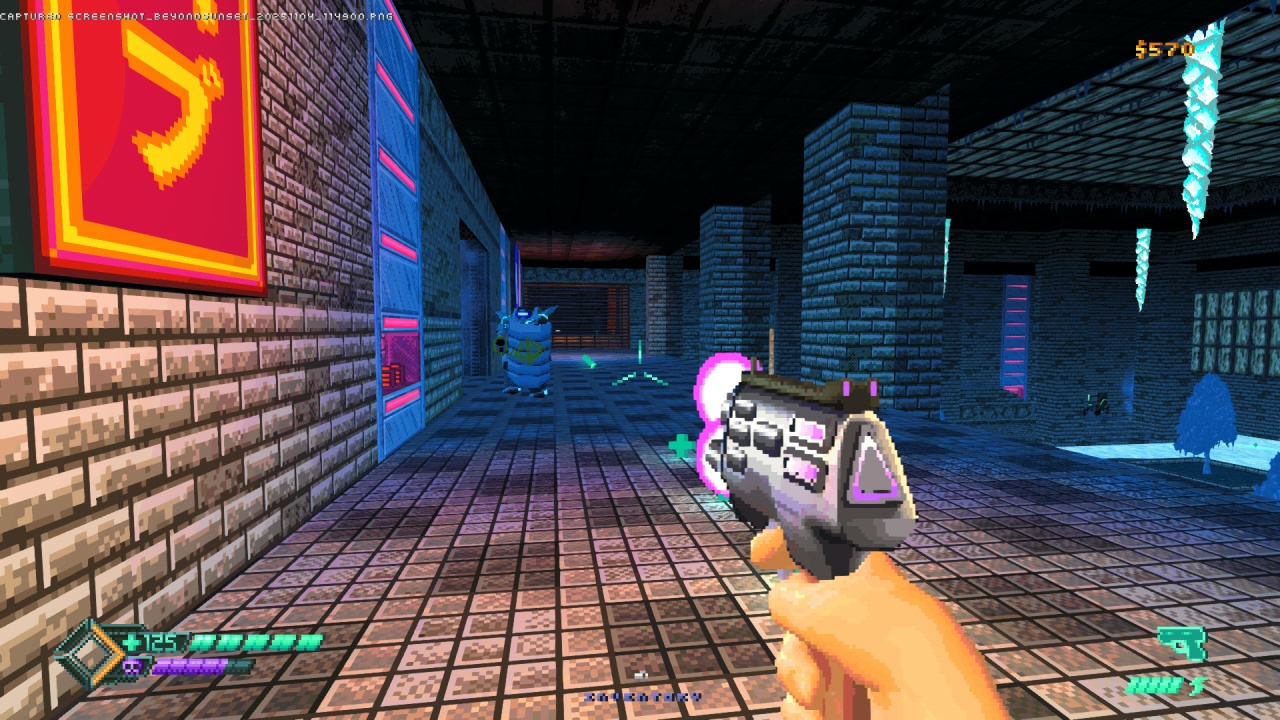
Of course, the sword only works on weaker foes that use bullets, so any other enemies like armored mechas or other foes that use flamethrowers or beam weapons, you’ll need to use one of the other projectile-based guns. These include an energy-based pistol, a shotgun, and a rapid assault rifle, each with alternate fires that include charge blasts and missiles. You’ll often need to switch between them in order to effectively take down the hordes of foes that the game regularly sends at you. At a certain point you can also equip them with poison or ice augments for extra effects. Your cyberninja abilities are rounded out with a double jump and slide, which are put to good use in some platforming segments, and while you can’t run around at full speed, you do have a sleek dash maneuver.
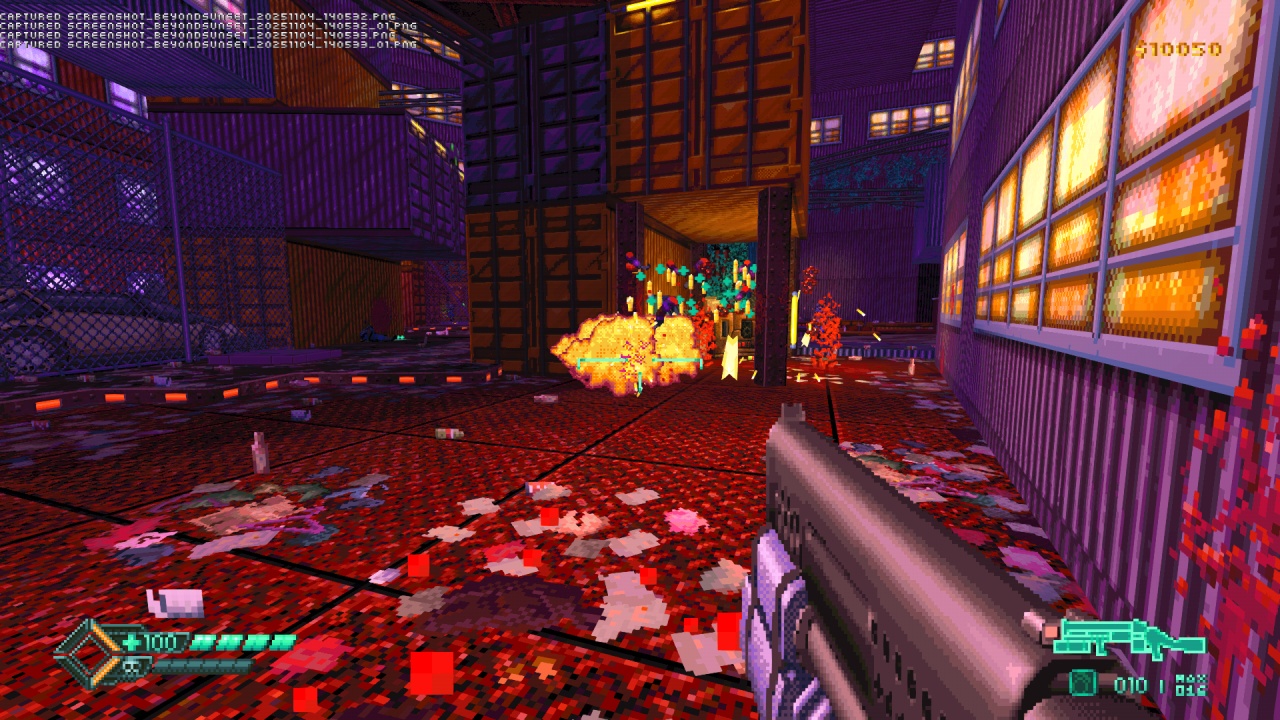
The game consists of five episodes, which each consist of several large, interconnected stages. Some of them, like Sunset City in the second episode, feature an urban district as a central hub, with missions that branch off in different directions. The closest comparison as far as retro shooters is something like Strife. Additionally, killing enemies yields money, which can be used to purchase upgrades at various computers. Some of these increase your maximum health or ammunition, while others expand your abilities, like grabbing items from further distances or allowing you to dash more frequently.
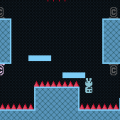
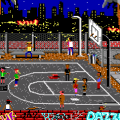
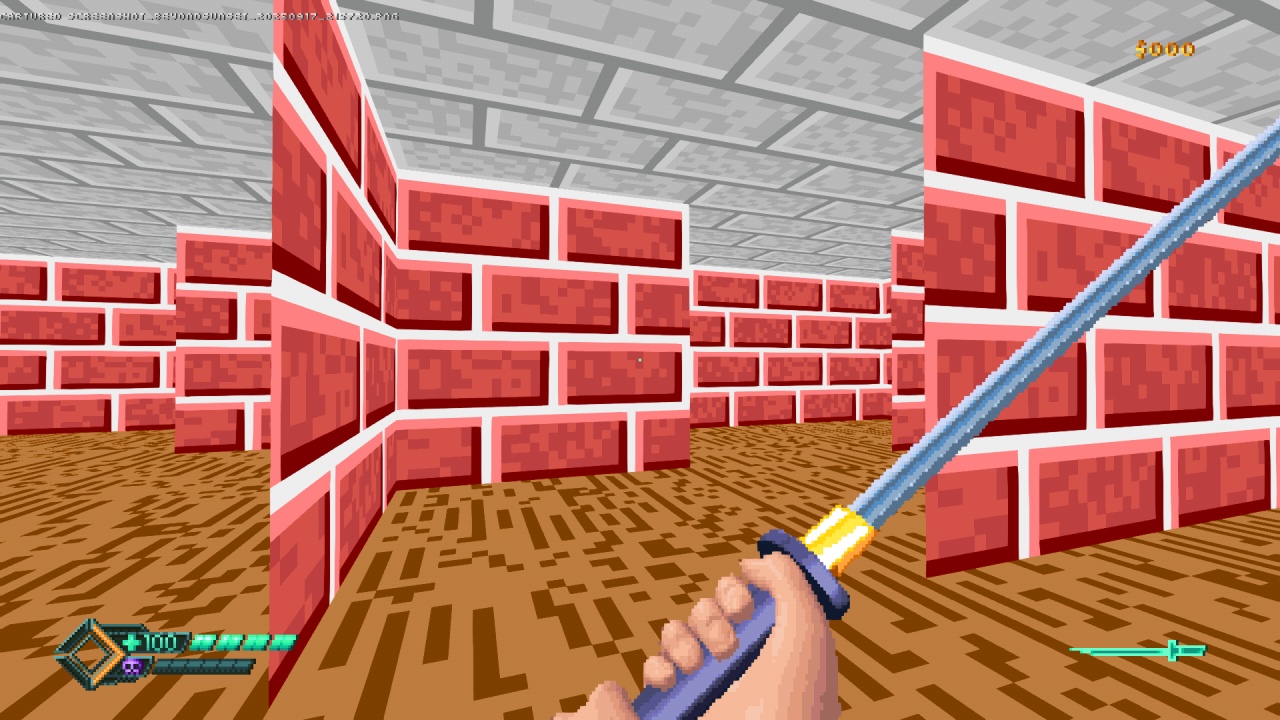
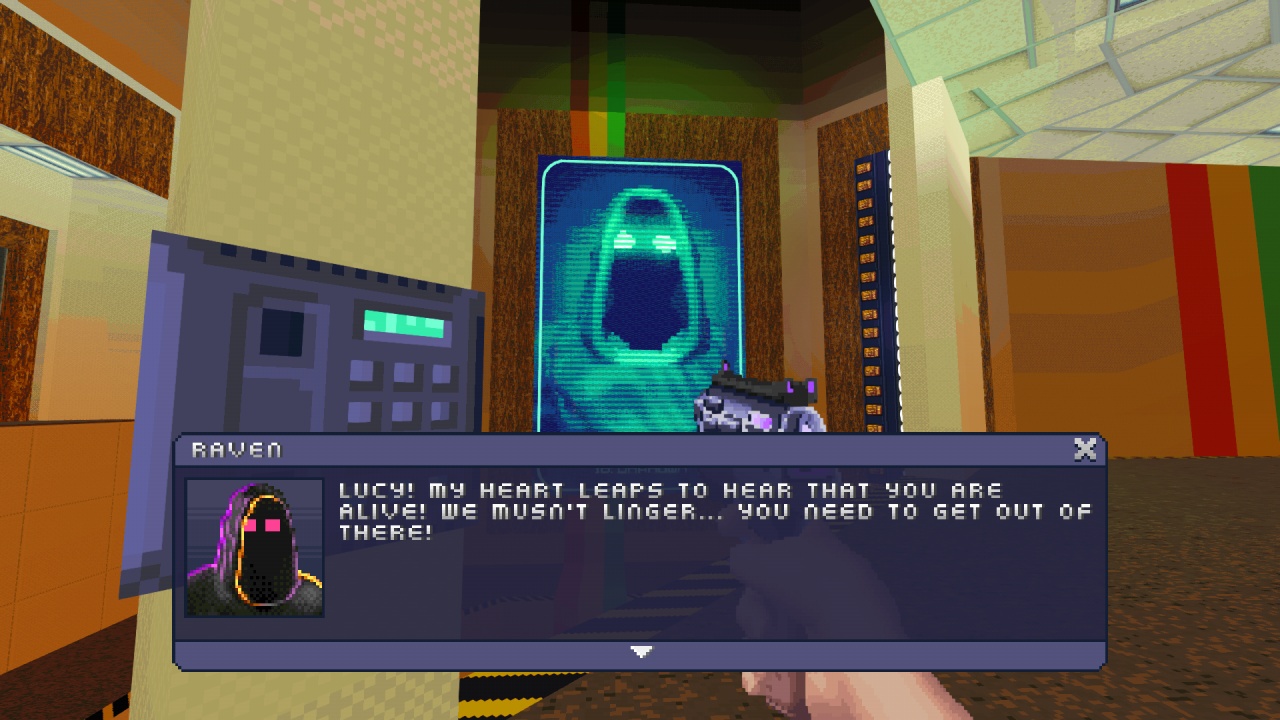
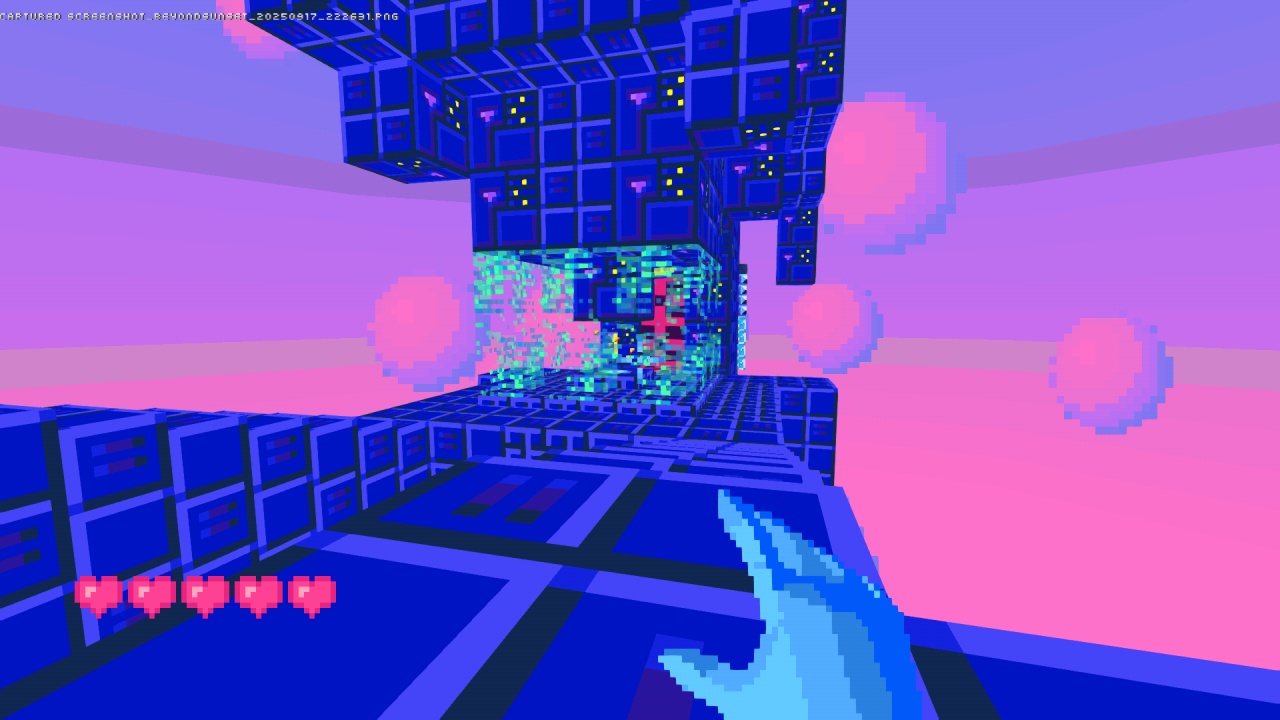
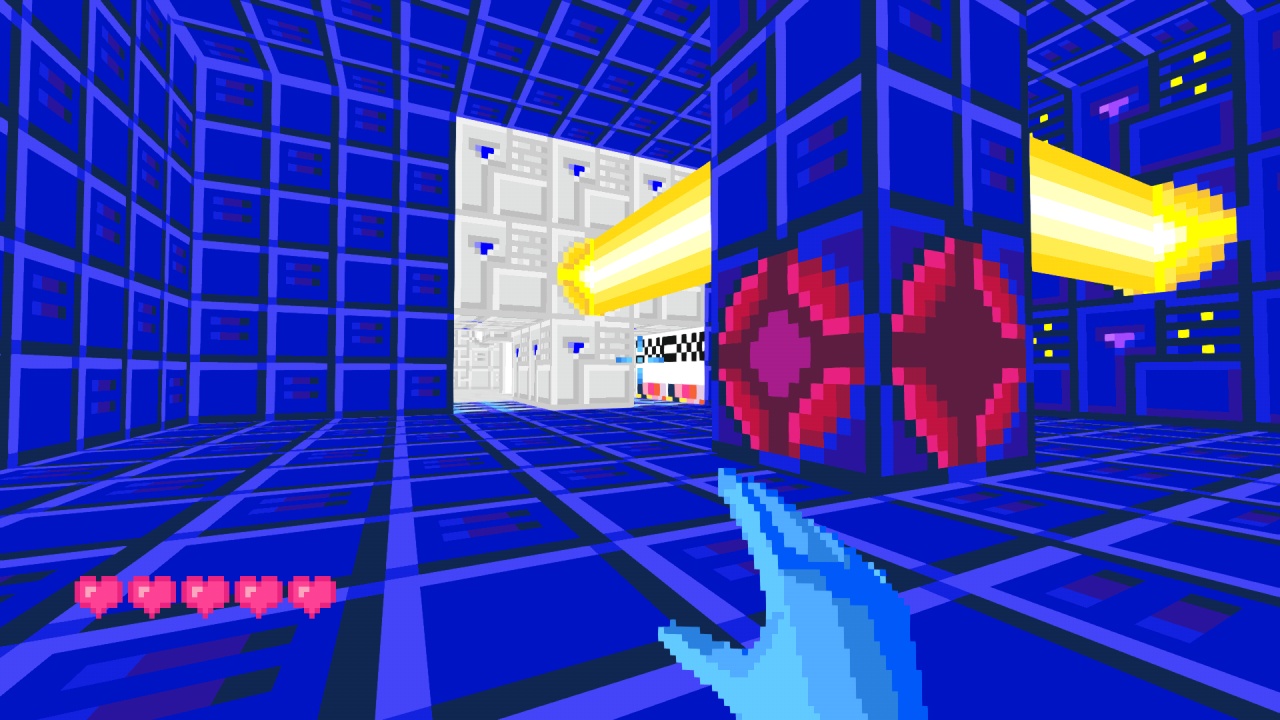
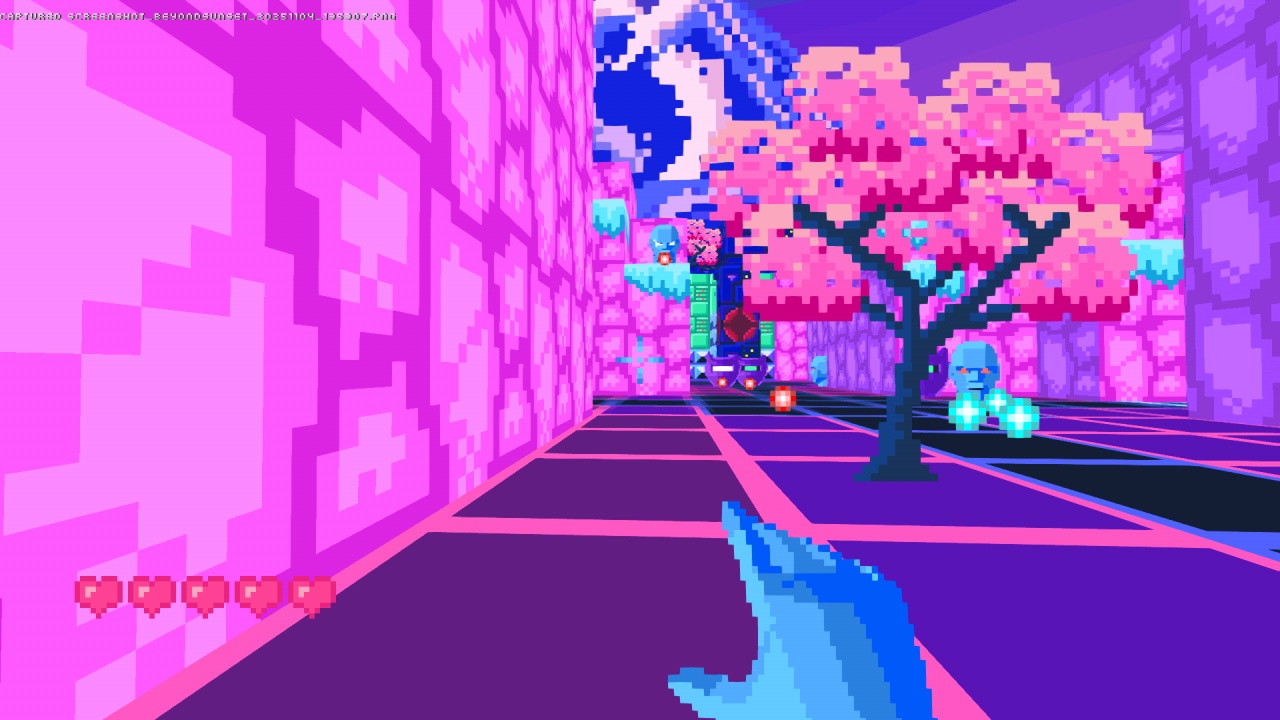
Beyond Sunset also channels System Shock with its many computer terminals. Most of the time, these are used to read emails that reveal the story, open locked gates, or give a peek into security cameras. But in certain cases, you’ll need to dive into cyberspace in order to hit some virtual switch. Here, the visuals give way to colorful pixelated blockiness, and mechanics totally change, with the main goal being to solve puzzles by guiding laser beams. You’ll still need to deal with enemies though, though you can only take five hits before being booted out, and your method of attack is far less powerful than in the “real” world. It’s certainly a change of pace from the main game, even if rotating lasers isn’t quite as exciting compared to dismembering yakuza dudes.
However, for all of its ambitions, Beyond Sunset makes some design and mechanical missteps. This is still a 90s-style FPS, so it’s expected that you’d be running around trying to find the next goal with minimal guidance, but the enormous levels can sometimes make this more difficult than usual, even in cases where you have hints. The most egregious is in the prologue episode, where you need to destroy some coolant tanks. Some of these are easy to find, because they’re in a room helpfully marked “coolant tanks”. But that only contains half of them, and while one might expect the rest of be located nearby, you need to go to the far end of the stage and take a circuitous route to reach them. When one of the stickied posts in your Steam forum tells you how to find a basic goal in the opening mission, then there’s something probably wrong with your level design.
For all of the flash and care put into the environment designs, the enemy sprites look thin and lifeless. The basic swordplay feels a little flat, especially the execution moves – they’re obviously inspired by the glory kills from the 2016 Doom, which were always fun to pull off, but in Beyond Sunset there’s no impact to the moves, as there’s just an underwhelming effect and enemies fall apart. You’re often gated in certain rooms and need to kill all the baddies to proceed, but the game likes to spawn new enemies all around you, basically guaranteeing some cheap hits until you get your bearings.
The basic moveset is fun, but the bosses are way too hard, with dense bullet patterns requiring too many fancy gymnastics that are way too challenging for a first-person shooter, especially considering their heavy armor and your relatively low defense. Thankfully, some of the old Doom cheat codes still work, but you shouldn’t have to IDDQD your way through some of these difficulty spikes. Some technical issues also occur due to the GZDoom engine, the very least are the slight hiccups when saving and brief load times when entering new areas.
None of these issues are game ruining, but compared to other boomer shooters, and especially ones that run on old school engines like Selaco and Ion Fury, Beyond Sunset just feels less refined. Nonetheless, the game promises strong cyberpunk vibes and definitely delivers there, so it’s still a worthwhile time for retro FPS fans.