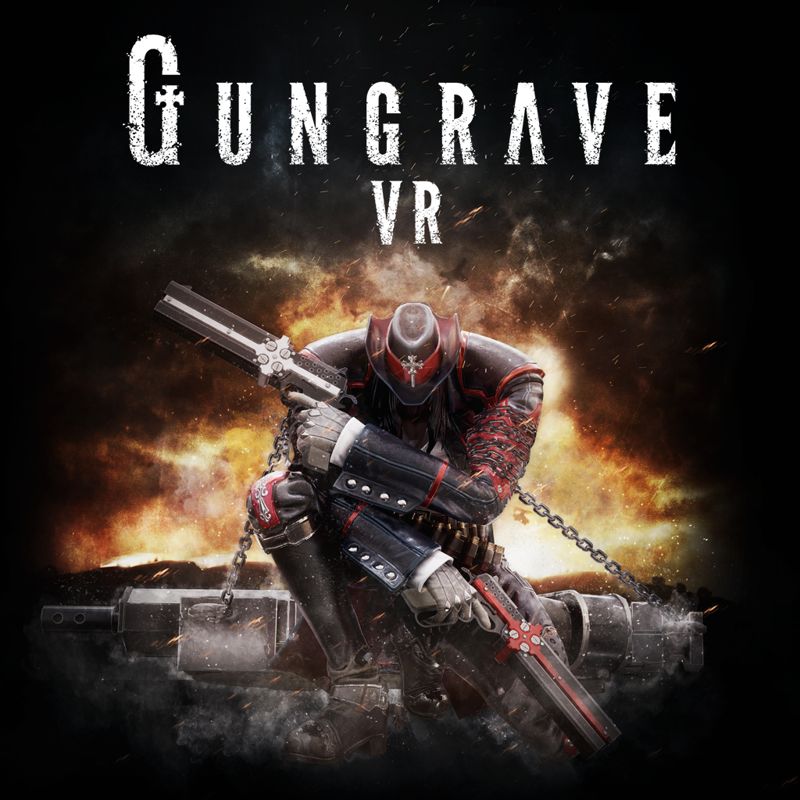
14 years after the previous game, Gungrave rises from the grave to return in a fashion nobody could have expected. Instead of using the standard third-person shooting approach that the series is known for, new South Korean developer IggyMob (with advisory support from Red Entertainment) decided to turn Gungrave into a VR experience that puts you in the shoes of Beyond the Grave in both first-person and third-person perspectives. While the fundamentals end up working out the same, being little more than an excuse to let you shoot everything in sight, the new perspective results in an overall different experience that’s both a fresh take on the series and somehow even more straightforward than what came before it. Even with the change in interface and developer, Gungrave VR picks up where Overdose left off, telling the story of Grave and Mika as they continue to hunt down criminals peddling the drug called SEED within the confines of South City.
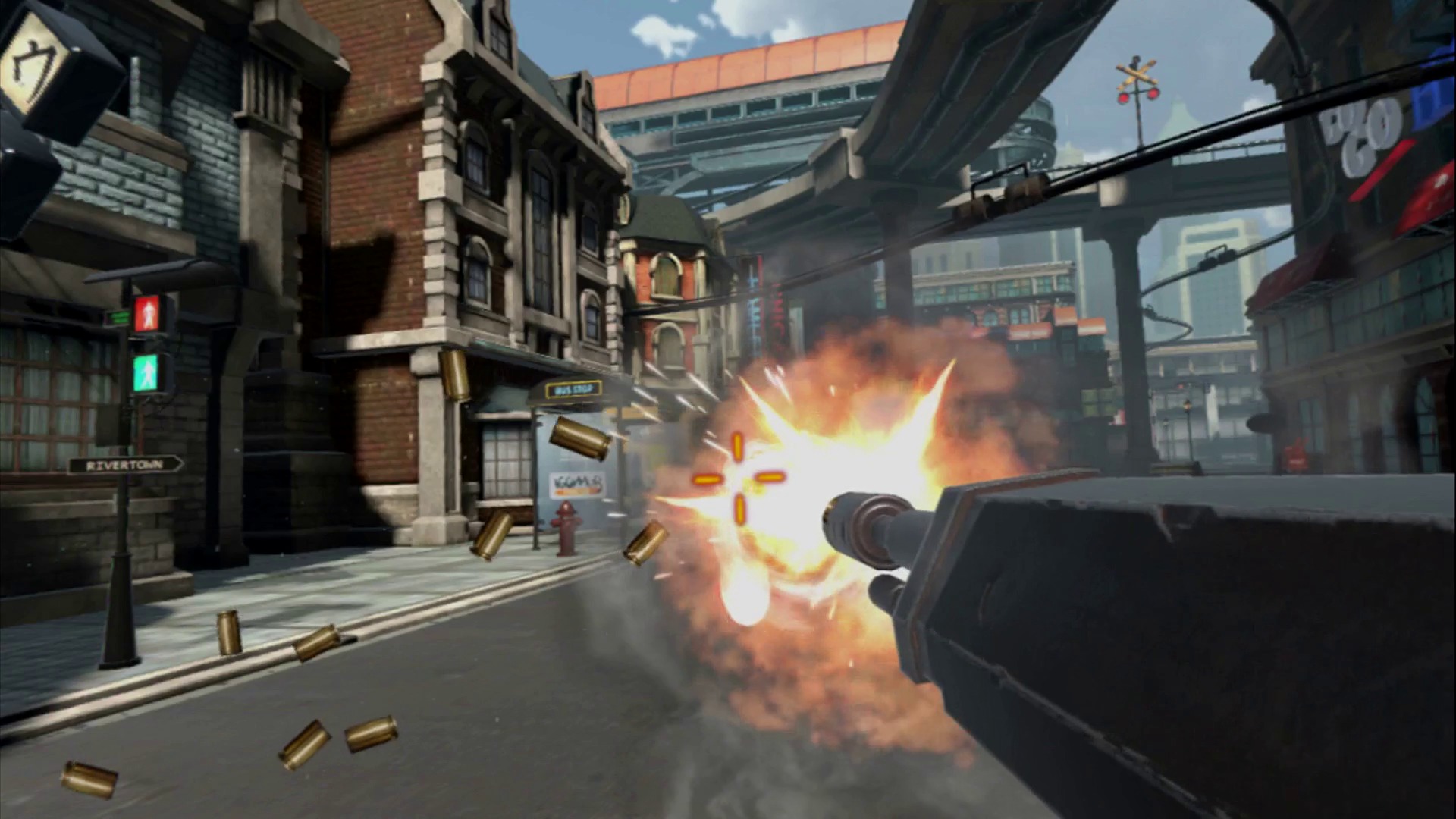
Gungrave VR is meant to be something of a prologue to the (at the time) unreleased Gungrave G.O.R.E., but the story is so minimal that those who choose to skip it will miss out on absolutely nothing of note. None of the characters from Overdose return and none of the villains you encounter have anything to say that elaborates upon their motivations or the world they reside in. Grave’s capabilities have also been trimmed down compared to Overdose, losing out on things like melee combos, charge shots, and the wider array of demolition shots. Because of this and its short length, clocking in at about an hour across five levels, the game feels less like a proper continuation and more like a proof of concept meant to pin down the potential direction for a series reboot, which it functionally may as well be.
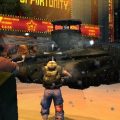
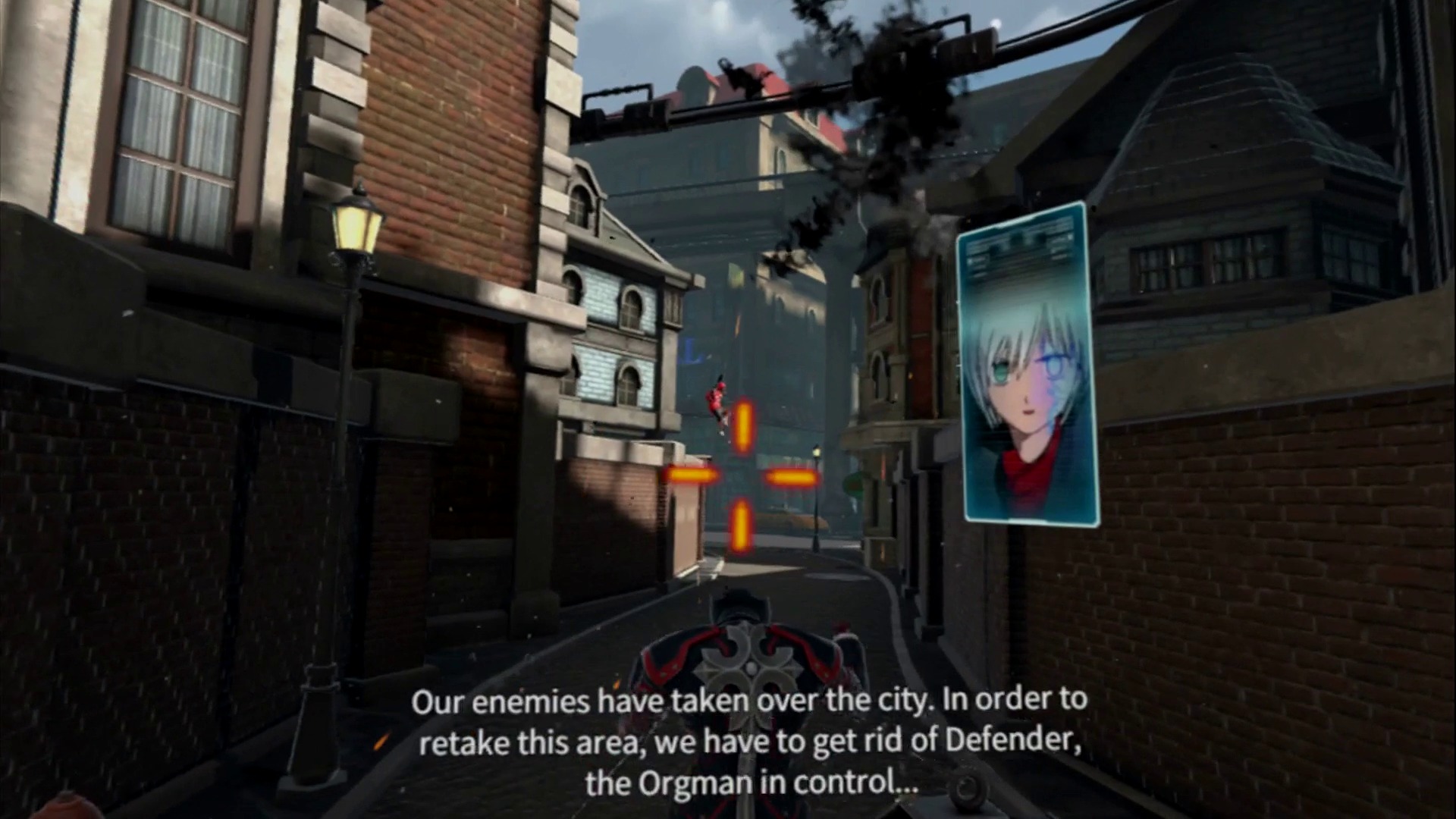
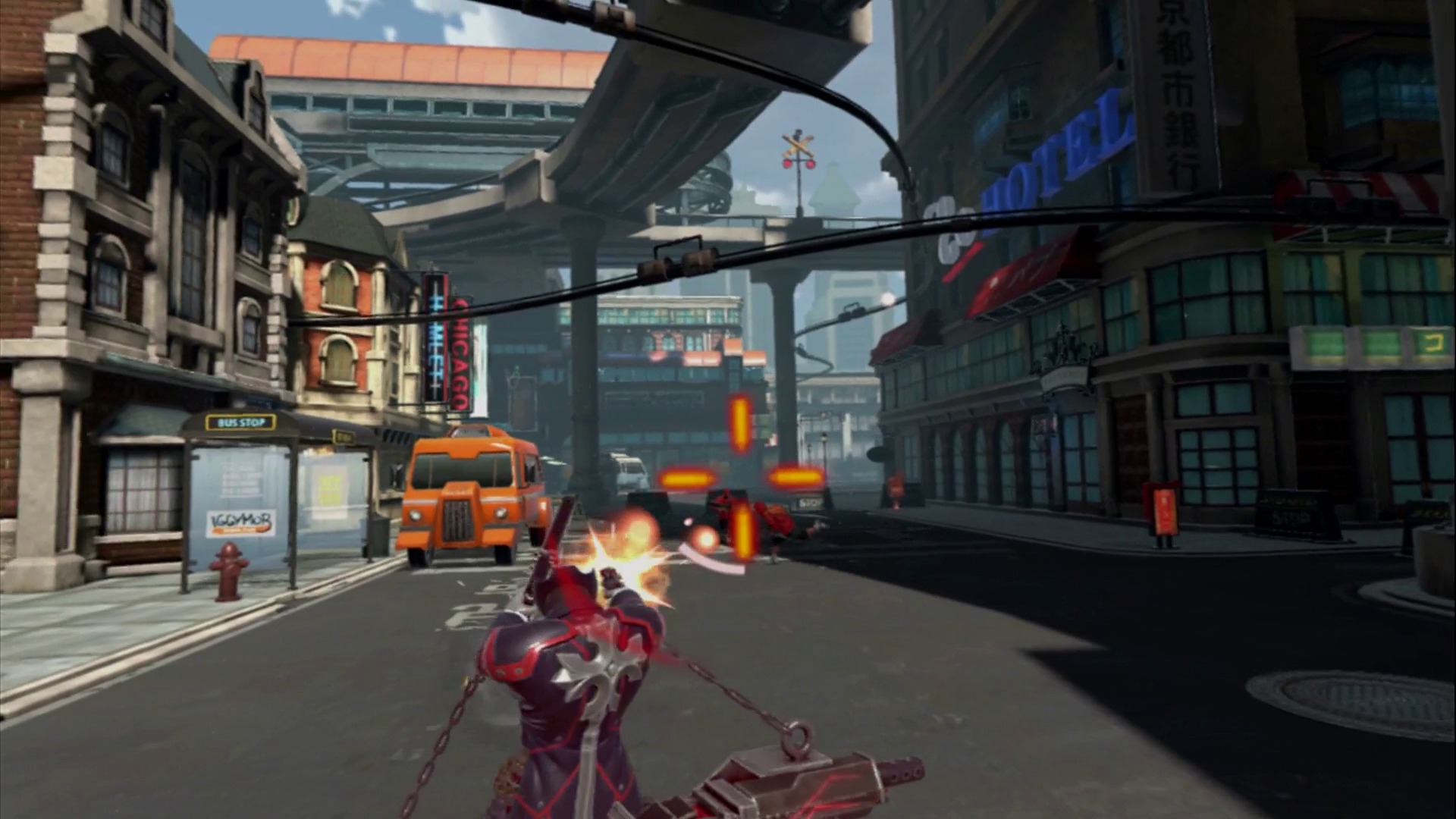
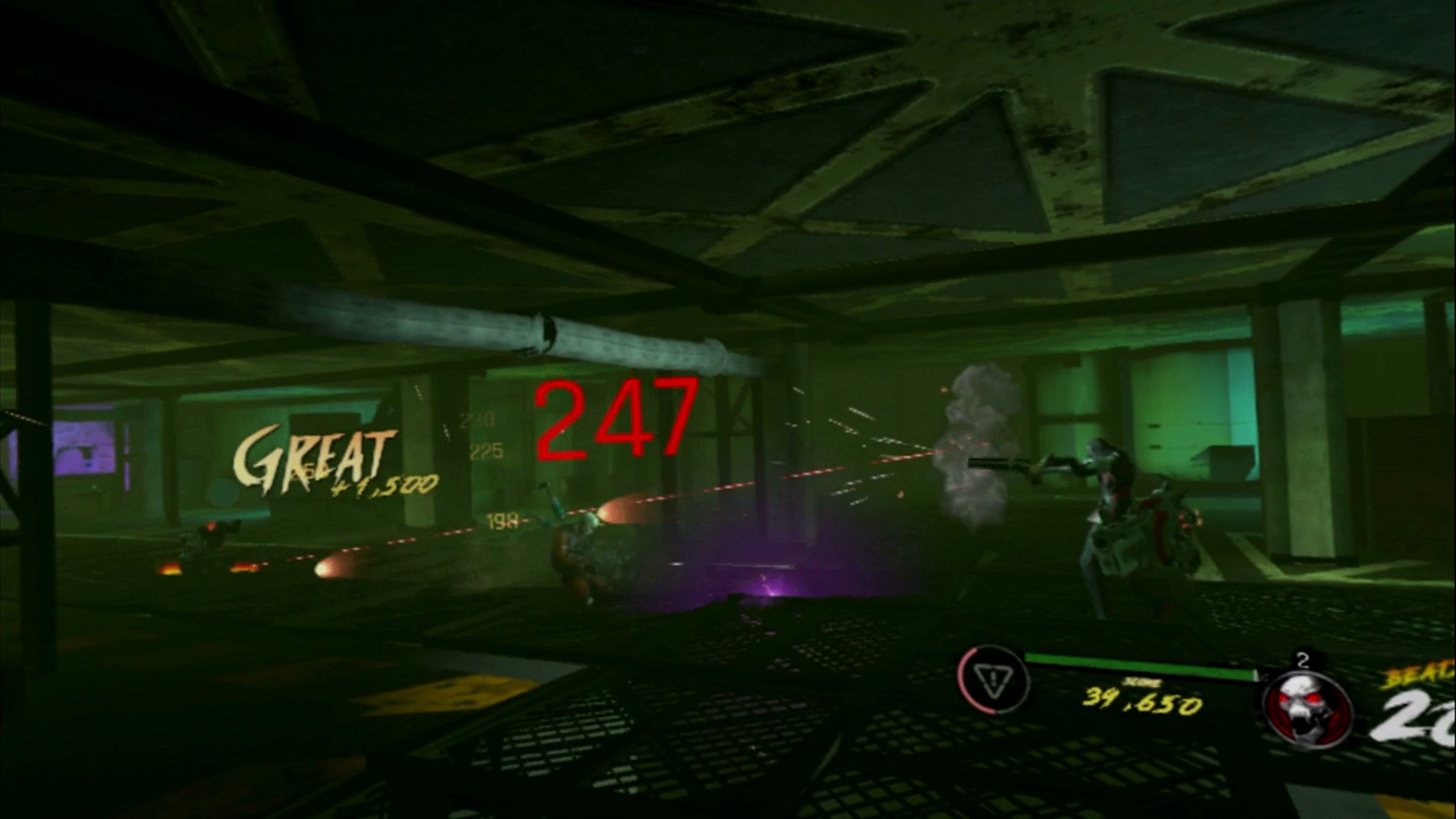
Through the five levels, you’ll encounter segments like the original games where you control Grave from a behind the back perspective, using your head to aim at enemies. “Aiming” has always been more of a suggestion than a necessity in this series, but in VR, you’ll have to actually pay some attention to where you’re pointing Grave’s tools of destruction. Grave’s arsenal is closer to that of the first game’s, featuring the standard dive, AoE and single target demolition shots, and gun dance maneuvers, but he now has a new ability called “Reaper Time”, which allows him to slow down time for a couple of seconds. This ability doesn’t seem like much at first, but it replenishes very quickly after use, allowing it to be liberally applied to any situation for scoring or evasion purposes. It’s also worth noting that the shield mechanic is gone entirely and health restoration is fairly rare, which makes avoiding stray hits extra important.
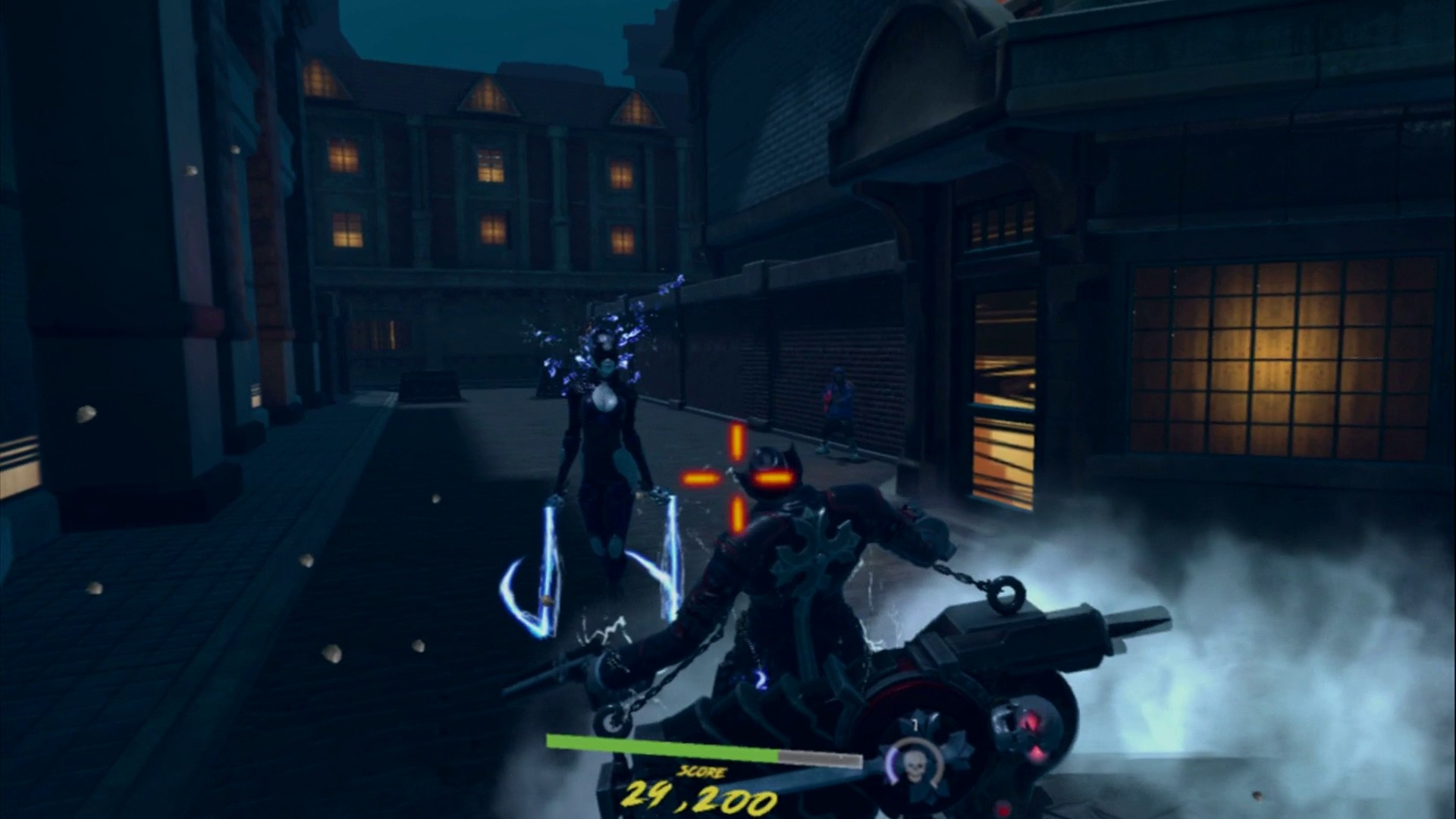
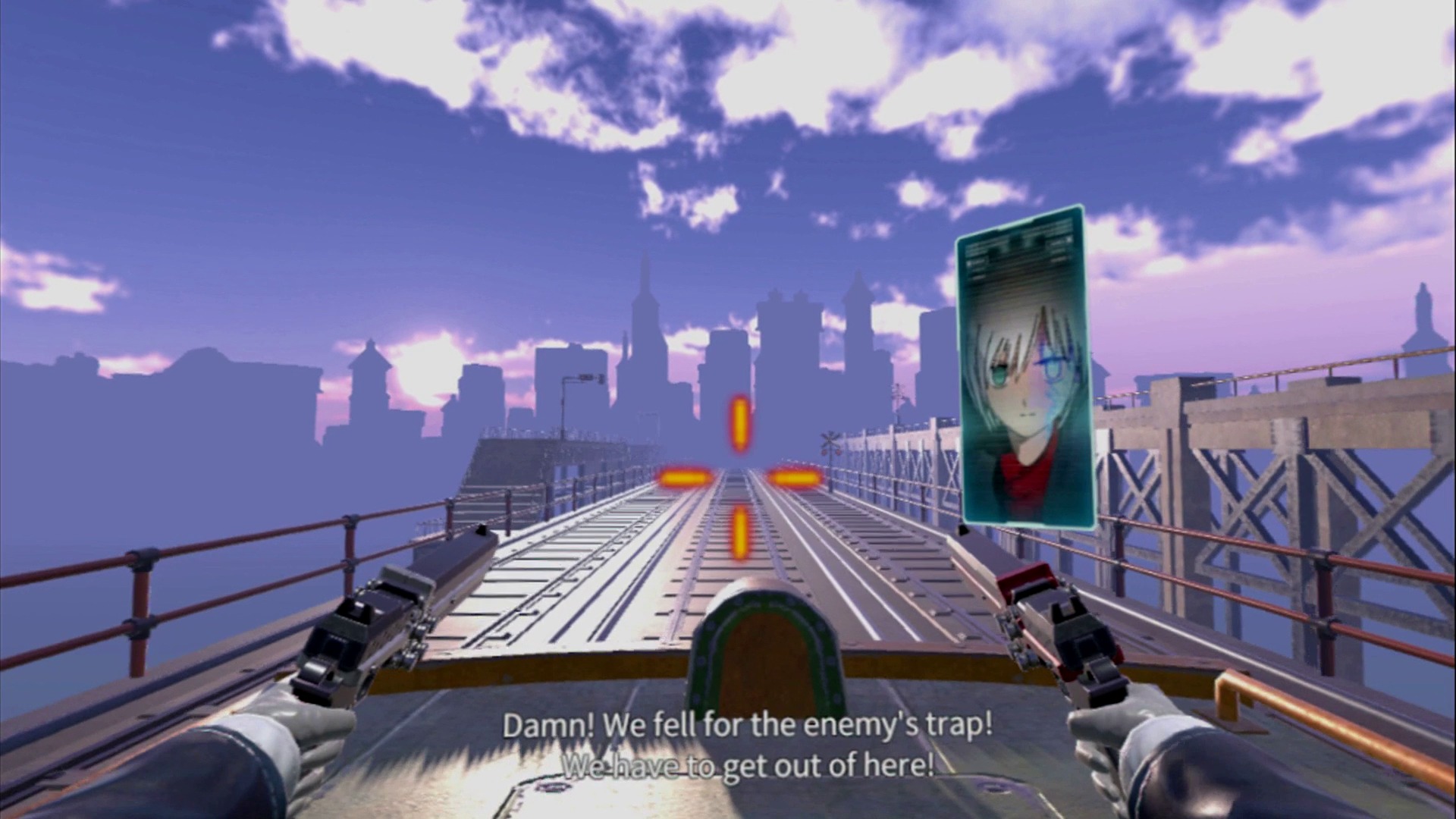
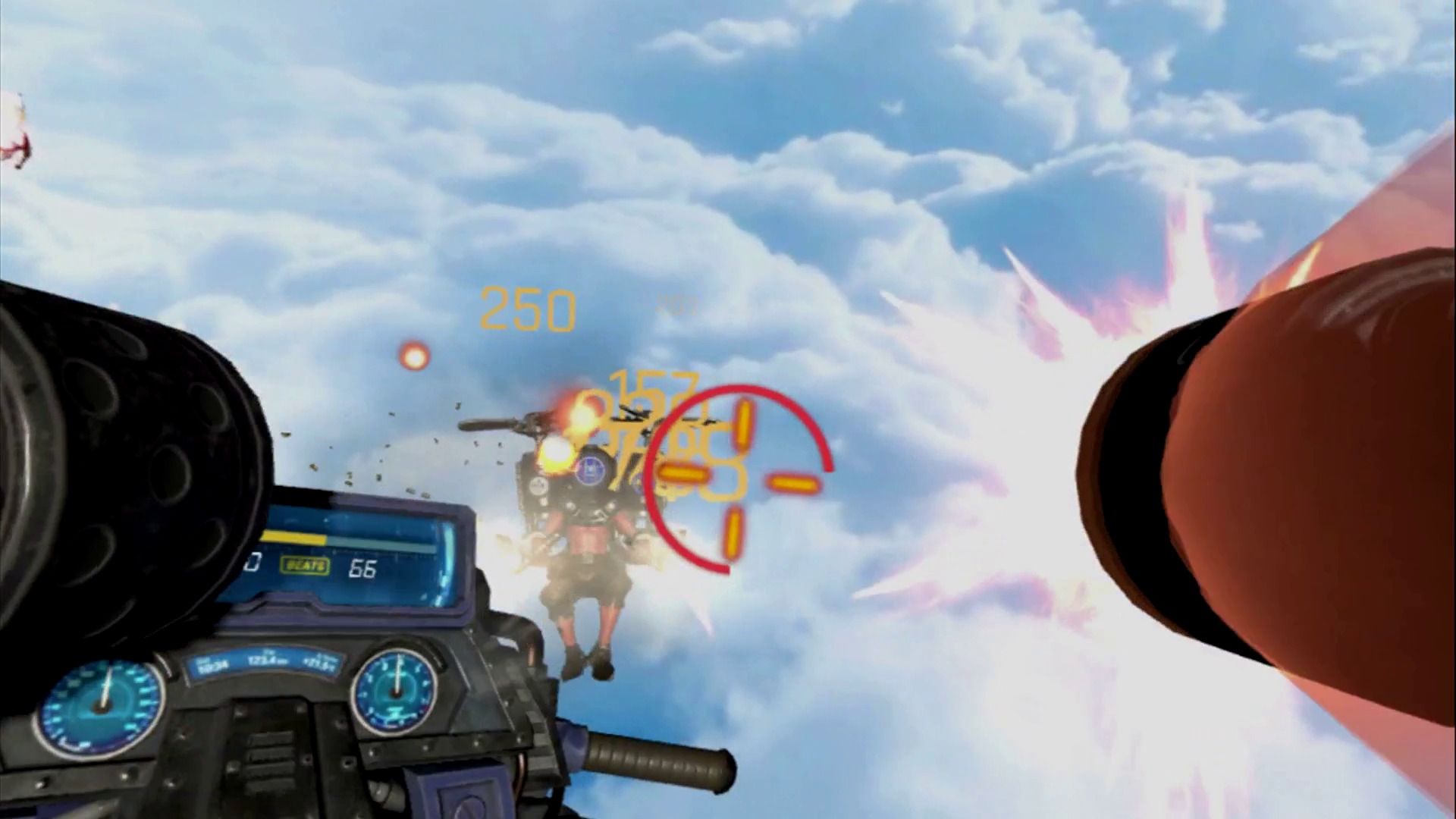
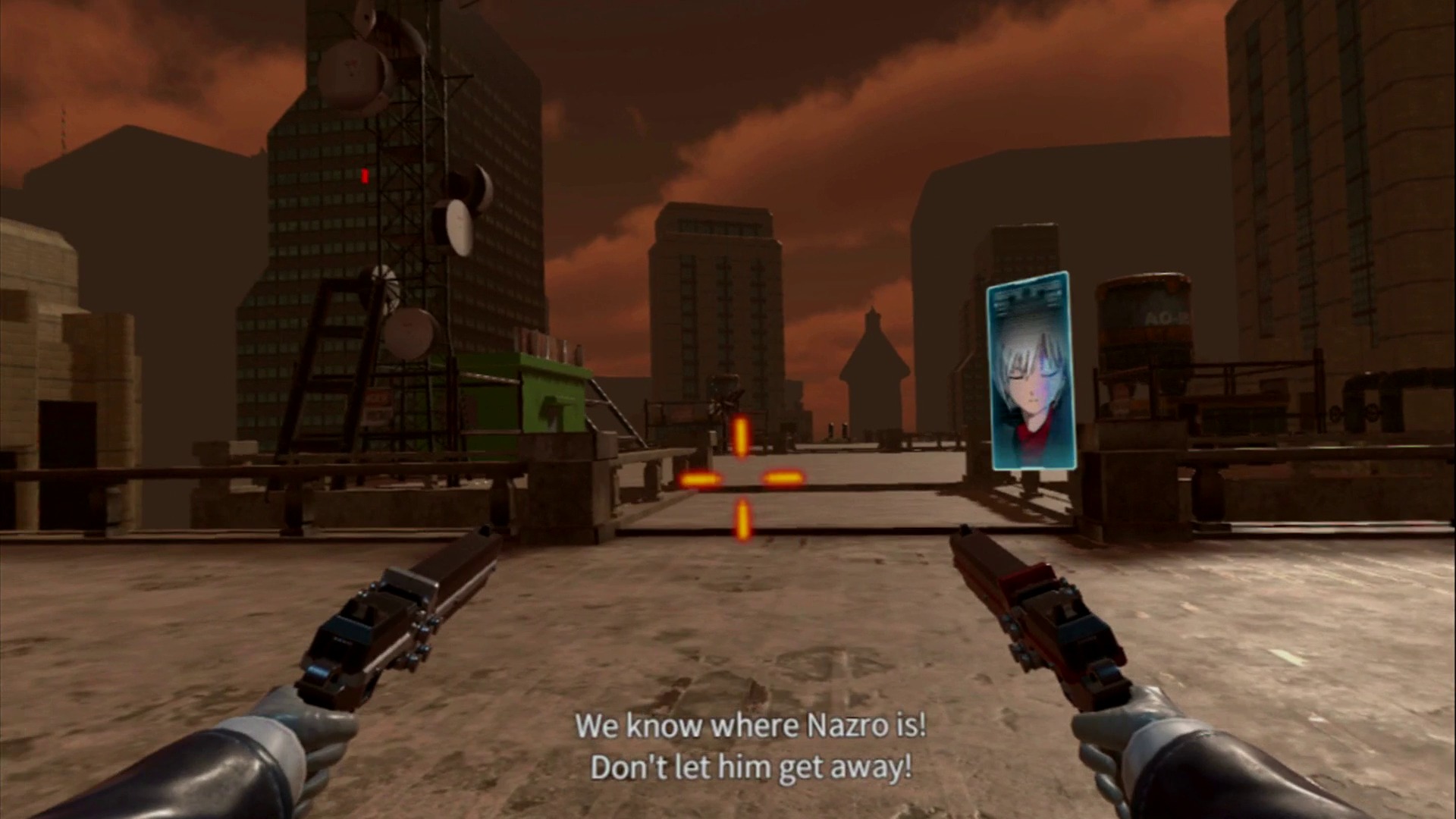
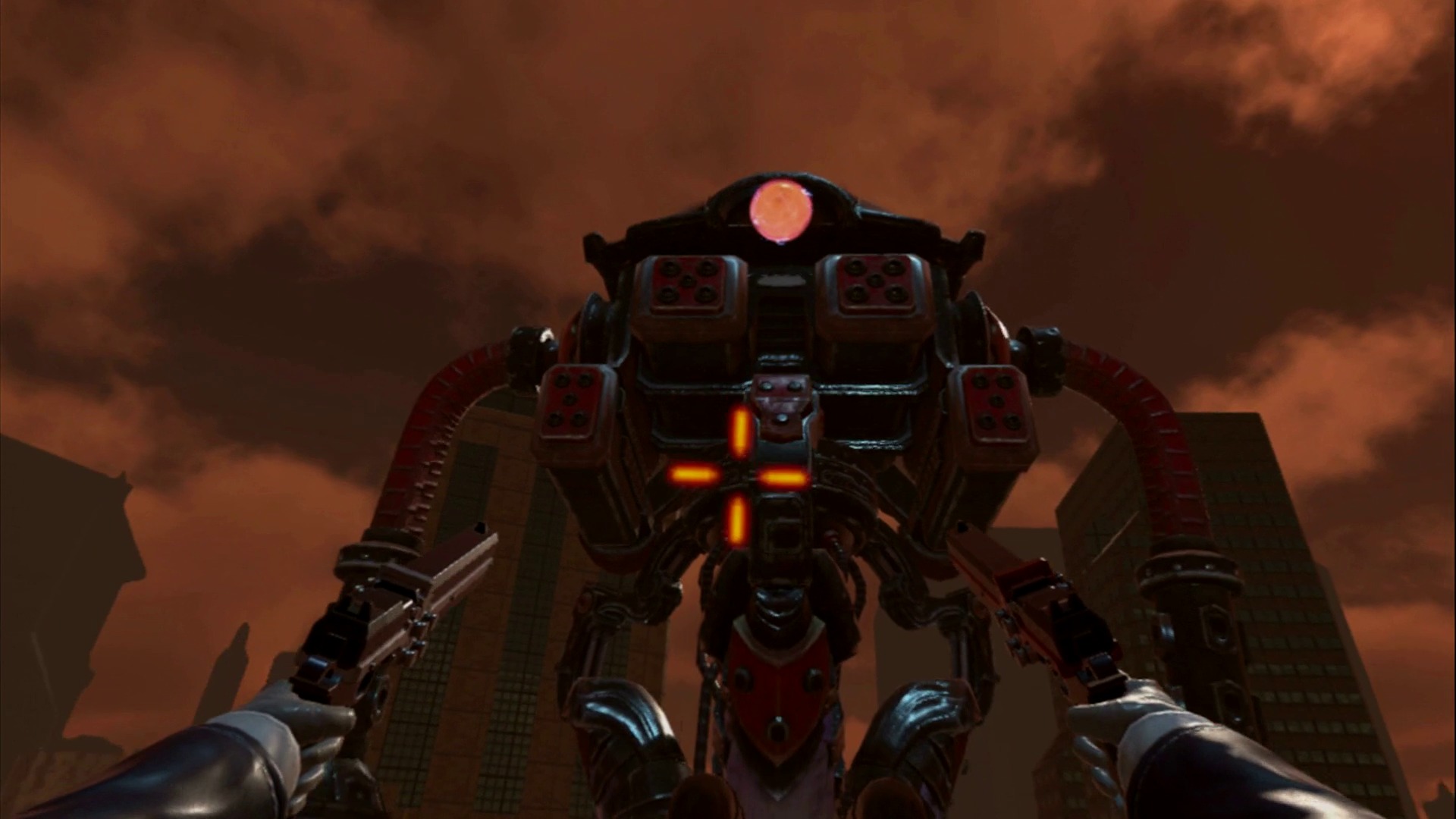
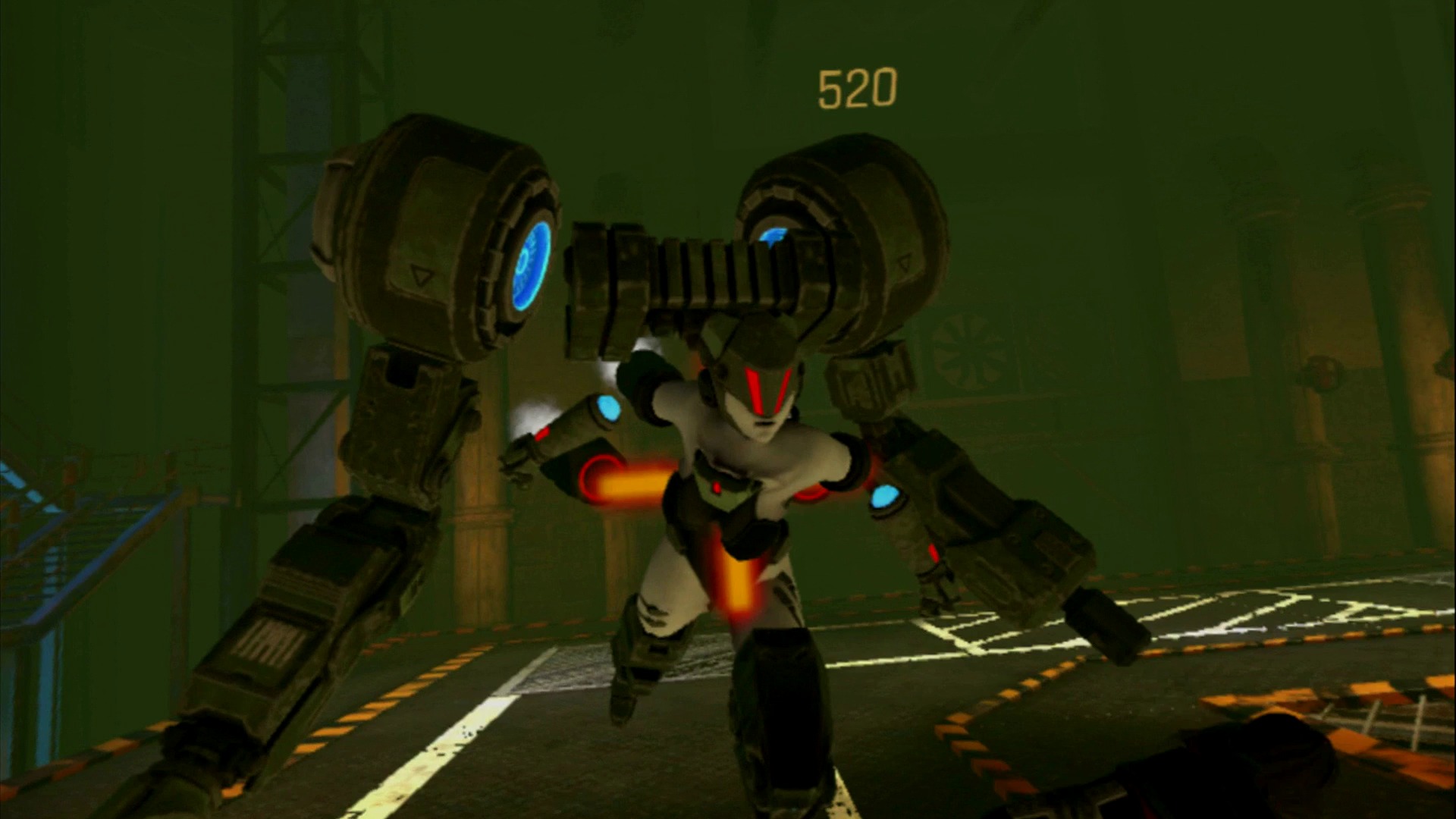
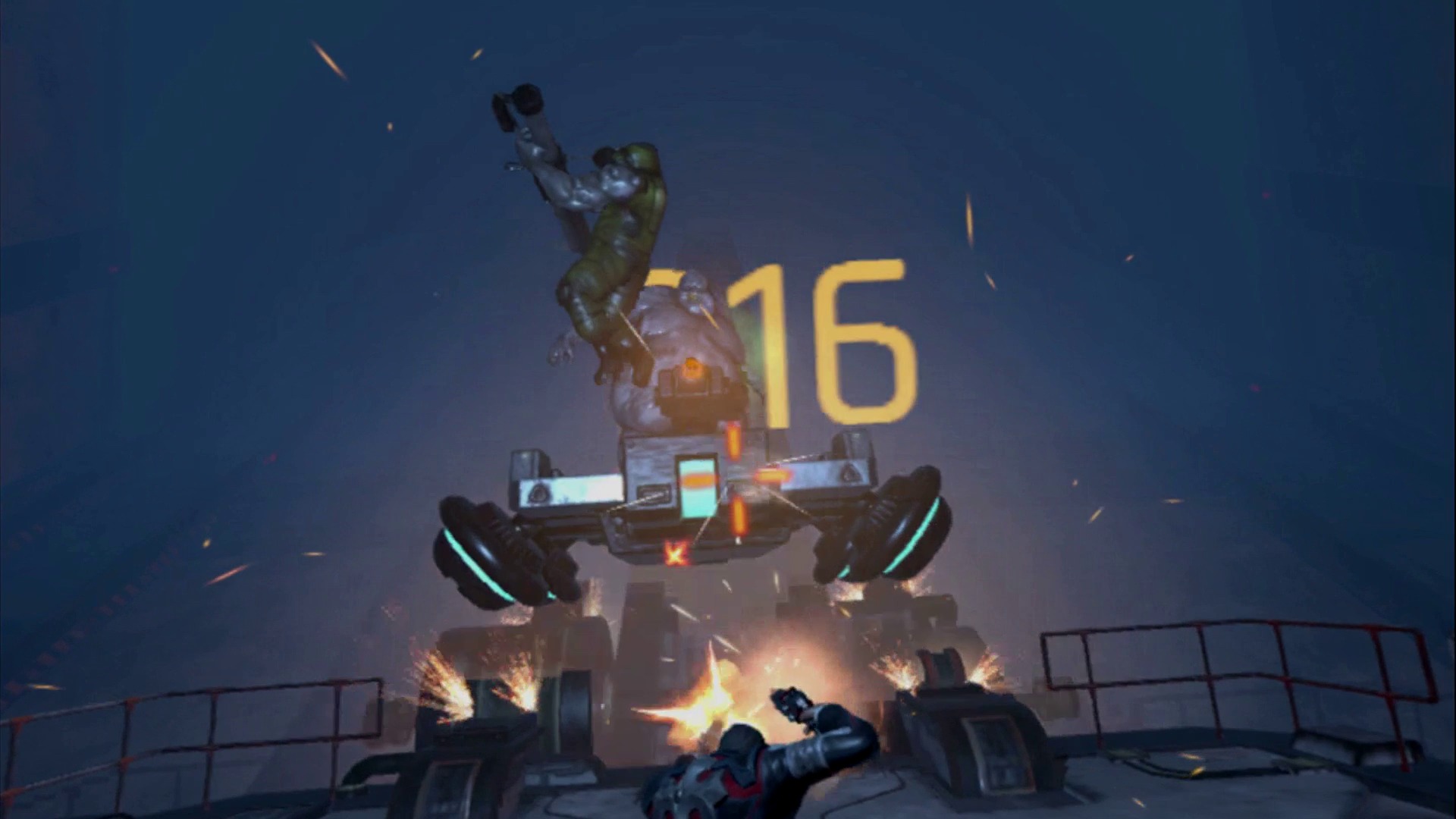
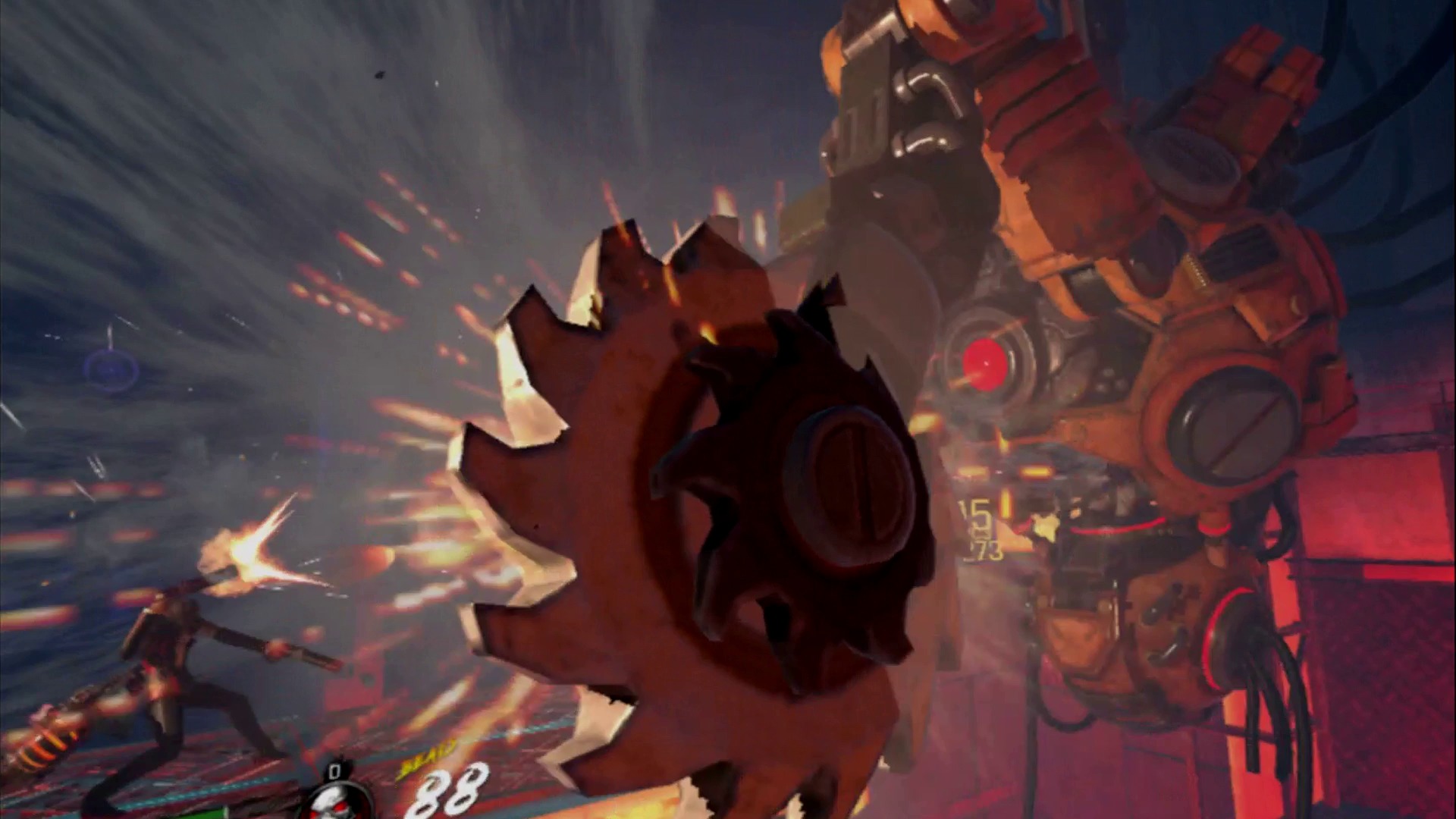
Levels one, three, and five are the only ones where you play in the third-person perspective; levels two and four shift things to first-person, turning the game into something that’s less Gungrave and more like a light gun shooter you’d find at an arcade. Stage two restricts Grave’s movement completely, forcing him to fend off enemy hordes while rooted down on the back of a train, but stage four tries something oddly out of character for the series and puts Grave into a flying vehicle, which allows for full movement in first-person. These segments play as well as the third-person ones do, but they’re far too long for what they are (stage four is just a boss fight, but it takes an eternity to defeat) and also take up a significant portion of the game’s runtime. In contrast, the first level is just a single room and the final level is only slightly larger than that, culminating in a final boss that has to be fought in first-person and resulting in disappointingly little time spent in the more conventional style that fans likely wanted more of. Even when you do get to play in third-person, the gameplay doesn’t feel like it has improved upon or learned from the previous games at all. Grave still struggles to get out of range of faster threats, the incremental camera control is far too slow to allow you a good view at all times (forcing you to rely on frequent head turning), and bosses like the giant samurai in level three can easily stunlock you with their massive attacks that can catch Grave even while evading.
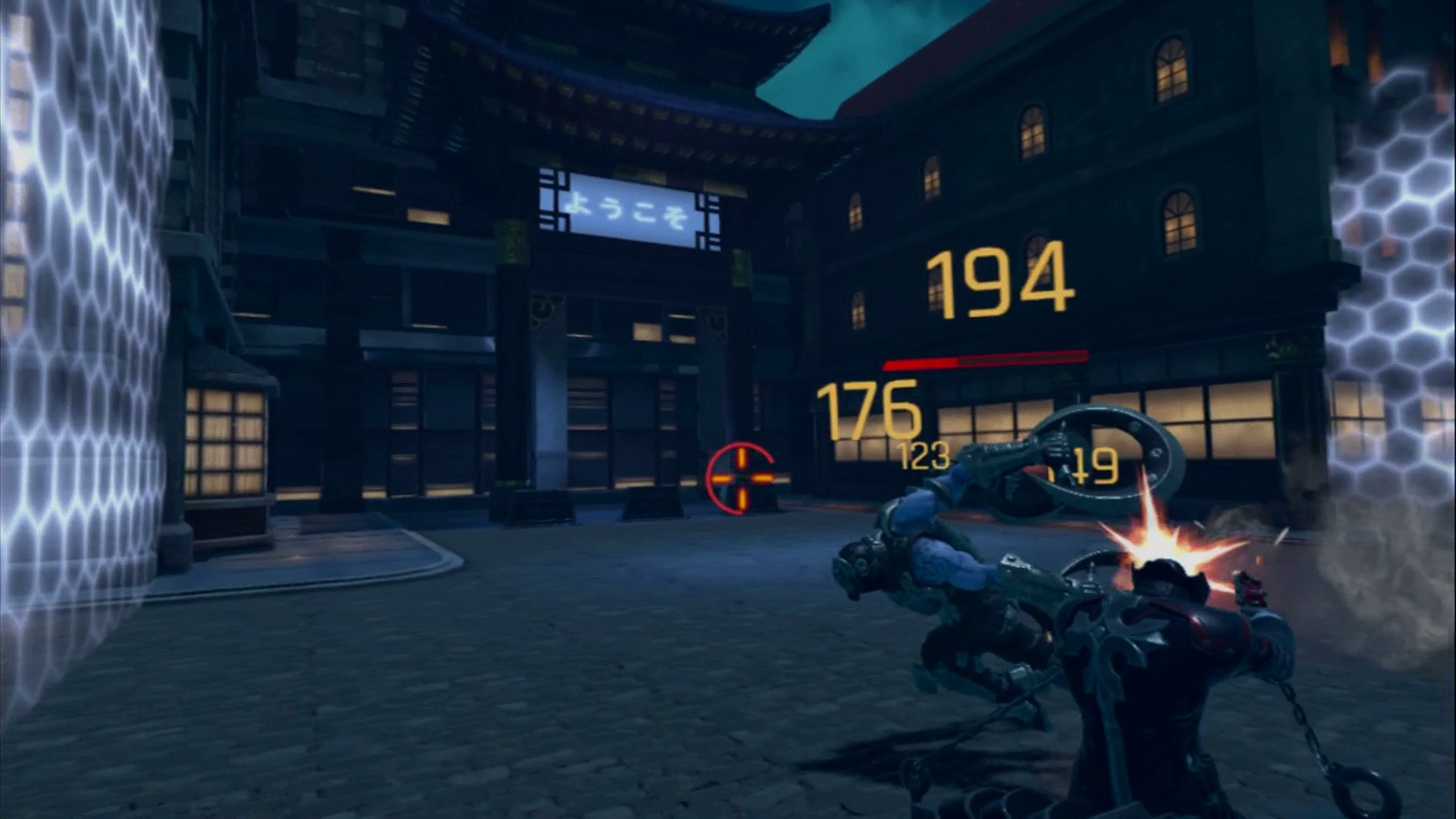
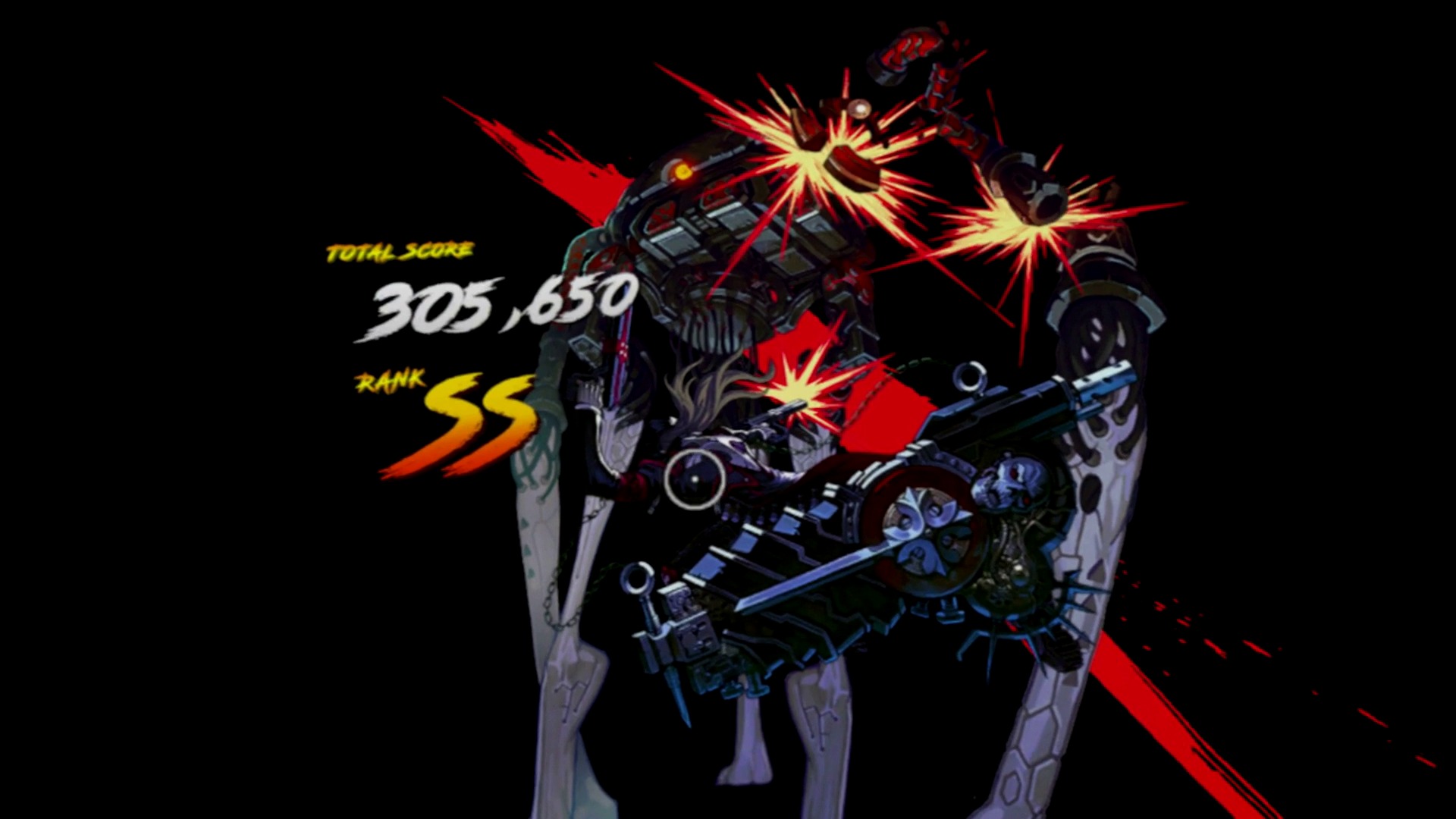
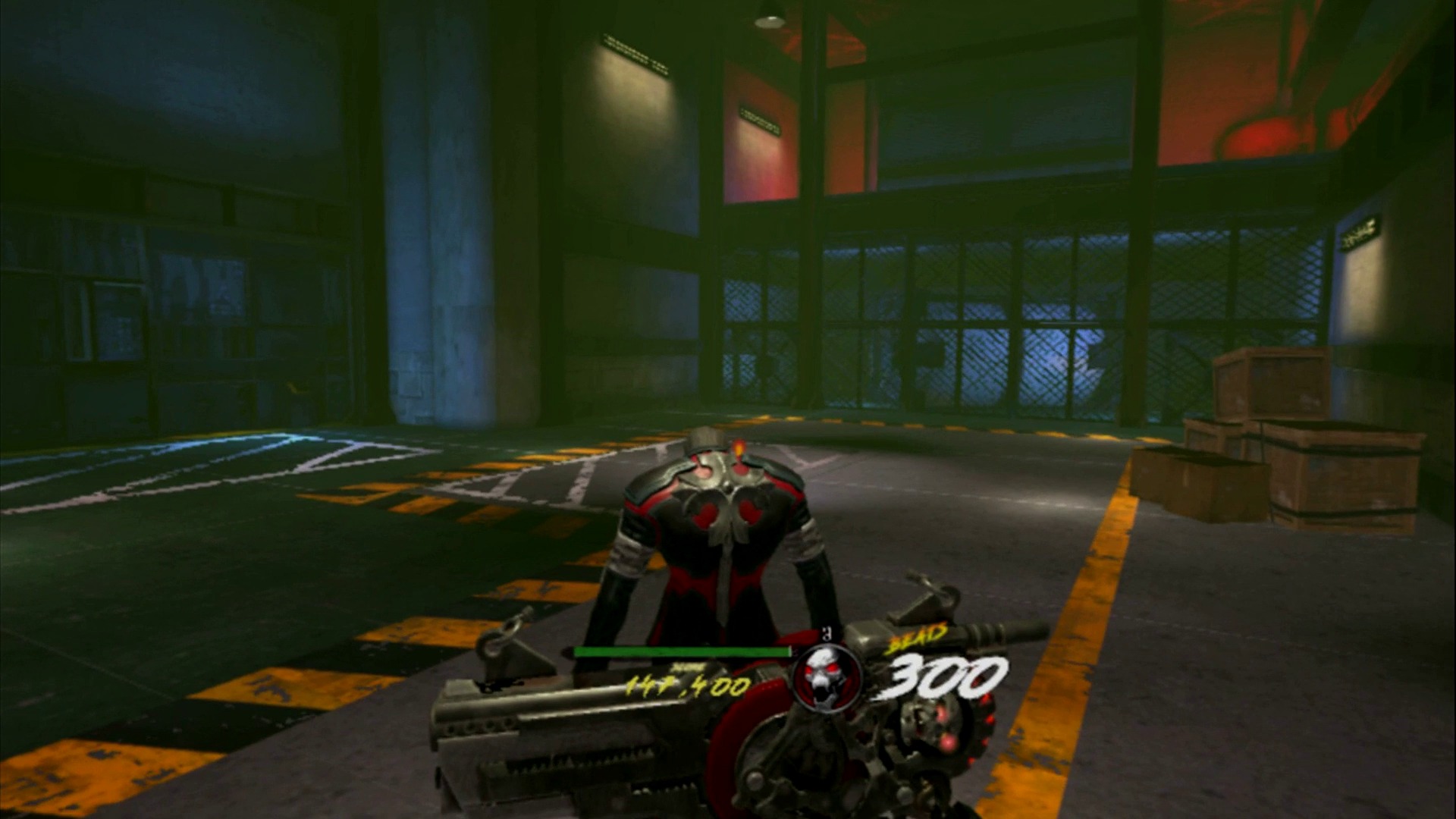
Depending on how you defeat enemies, whether that’s through regular shots, melee attacks, or demolition shots, you’ll earn points, and the amounts of points earned determine your rank at the end of the stage. Demolition shots are limited, but earn you the most points per shot, and headshots significantly increase the amount of points you get further. Ranks don’t do much beyond unlocking a single costume and earning you trophies/achievements, but they serve as the primary incentive to replay stages if higher difficulties don’t appeal to you. The scoring system seems quite harsh at first and you’ll probably get stuck with Cs and Bs despite doing just fine, but it becomes significantly easier once you figure out the strange way the game wants you to play. Instead of lumbering through levels with nothing more than the determination to complete them like a man on a mission, Gungrave VR wants you to play with your food. Most foes will slowly crumple to the ground and then vanish upon their defeat, an animation that would typically inspire players to move on to another target as soon as they see it. However, their hurtboxes linger for the entirety of the animation, which allows savvy players to continue shooting their head for more points. This strange method of rubbing salt in the wound turns the game into a curiously paced experience, causing the focus to shift from survival to sadism.
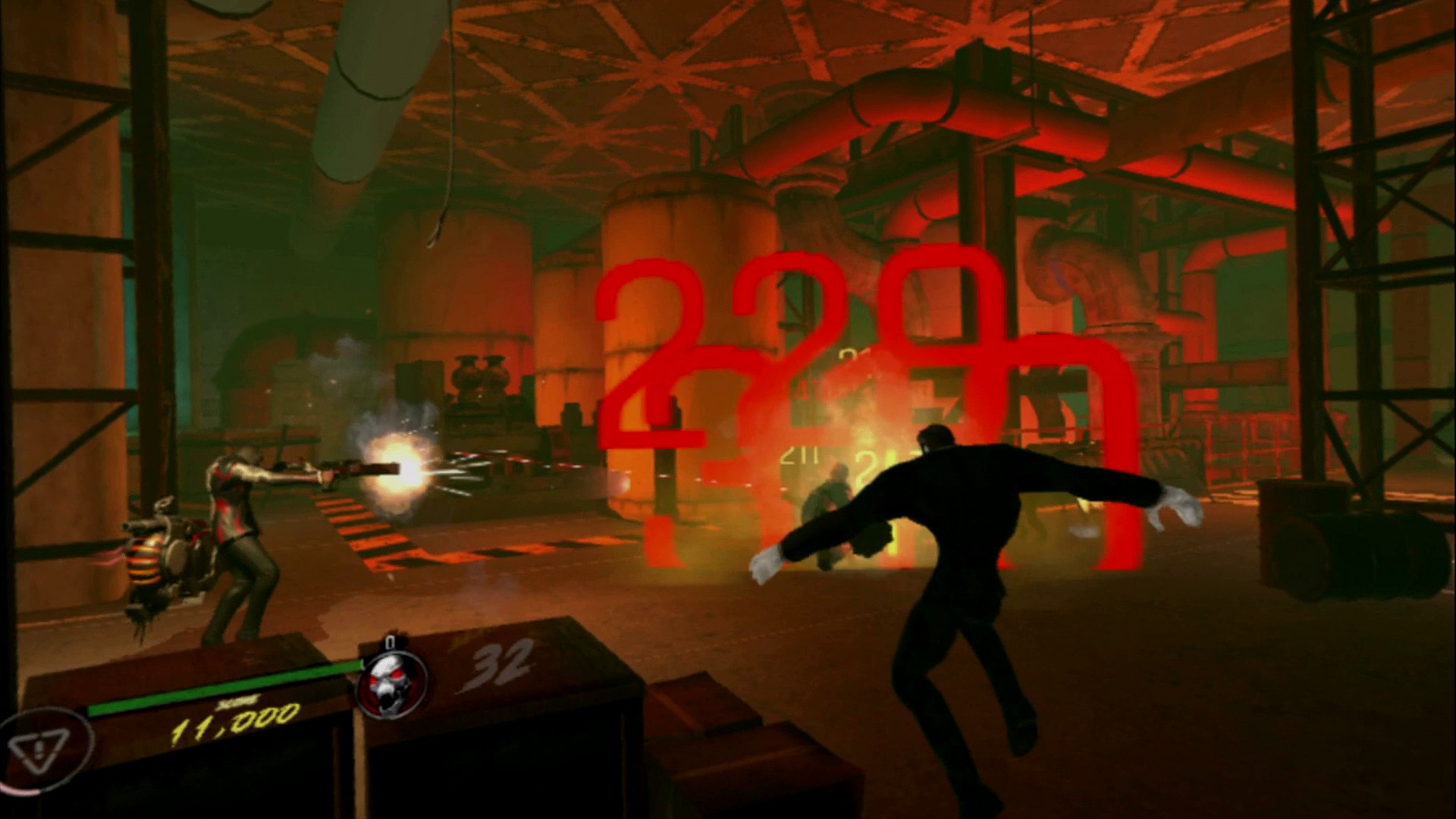
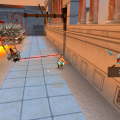
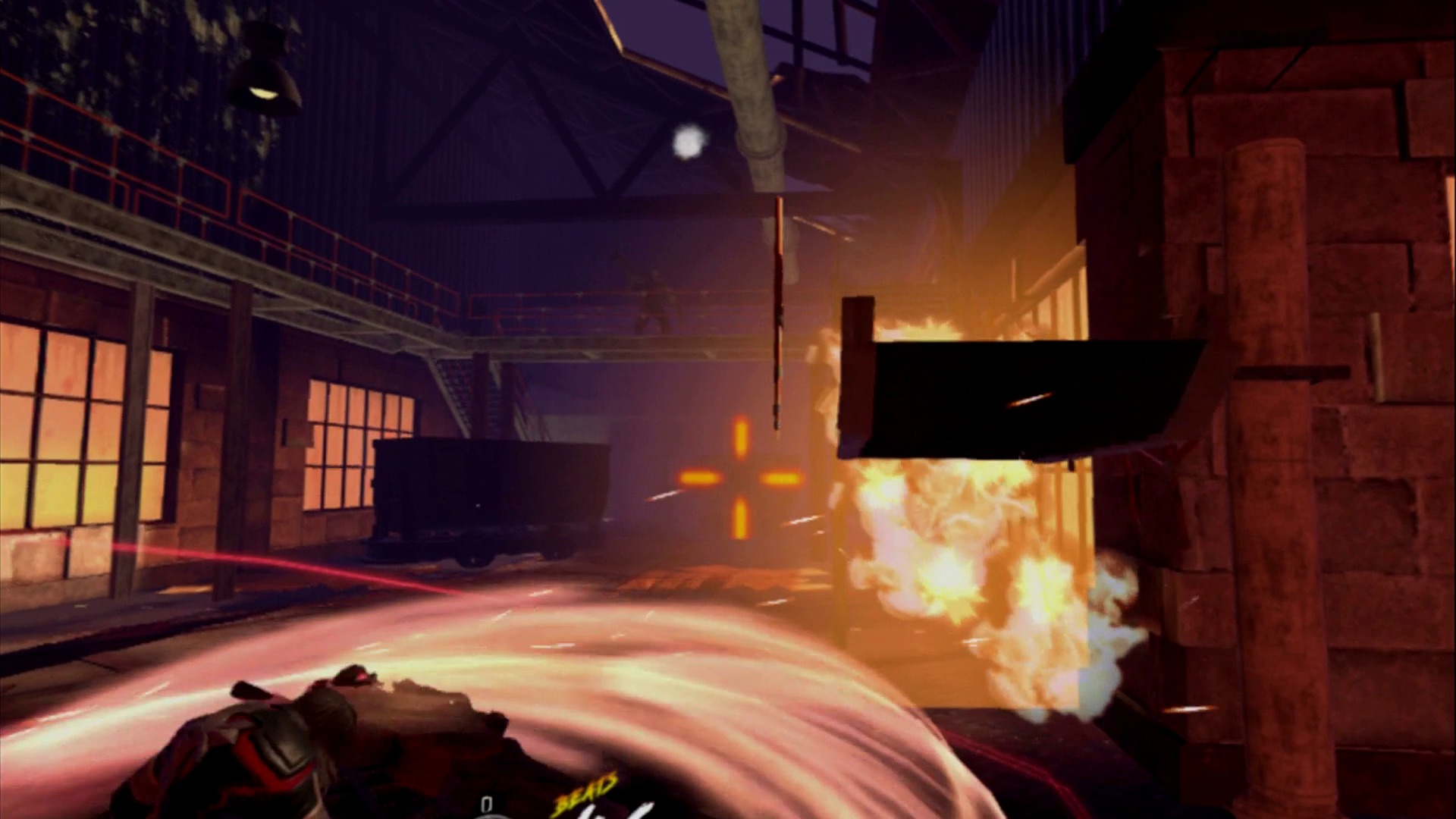
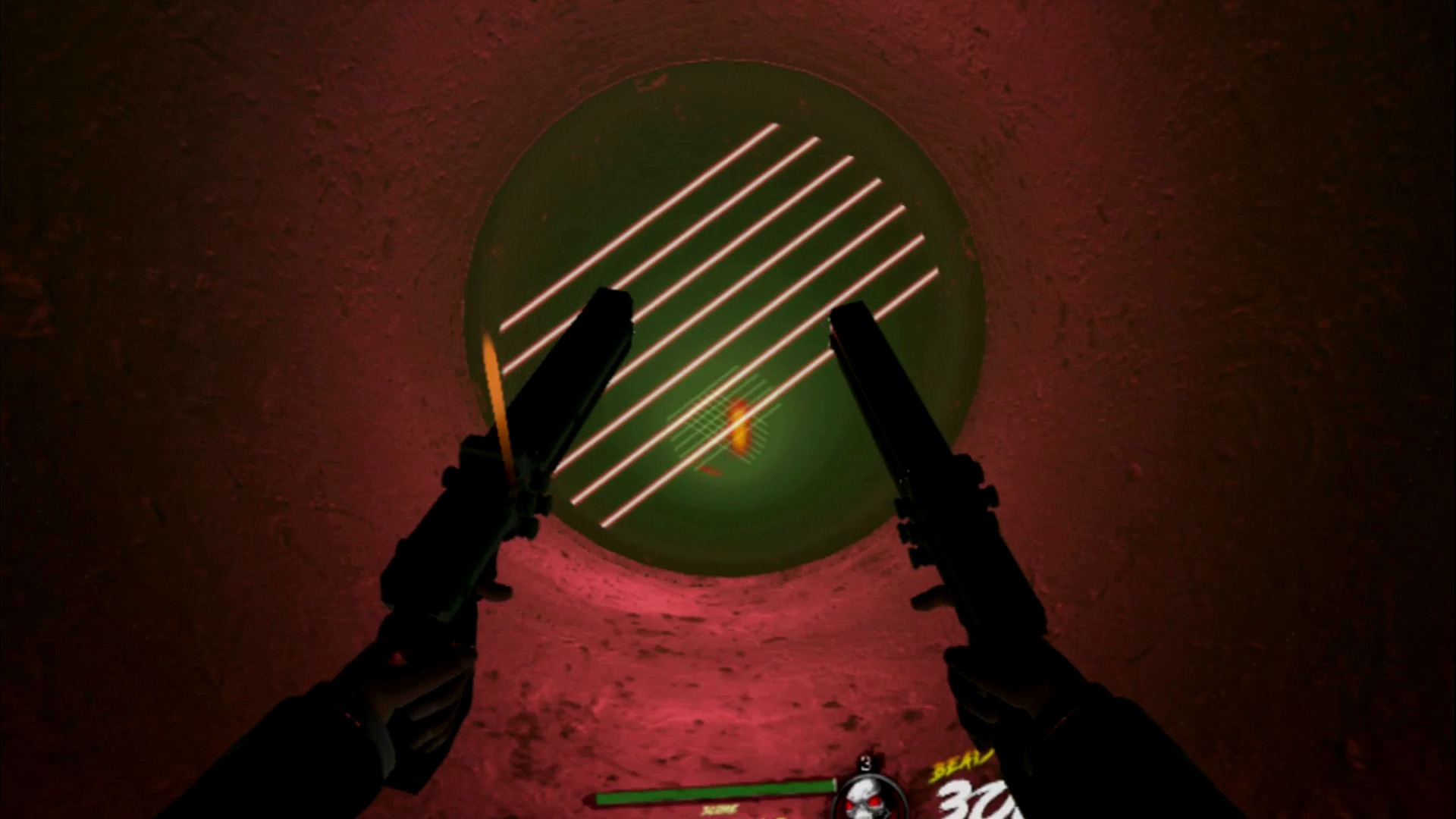
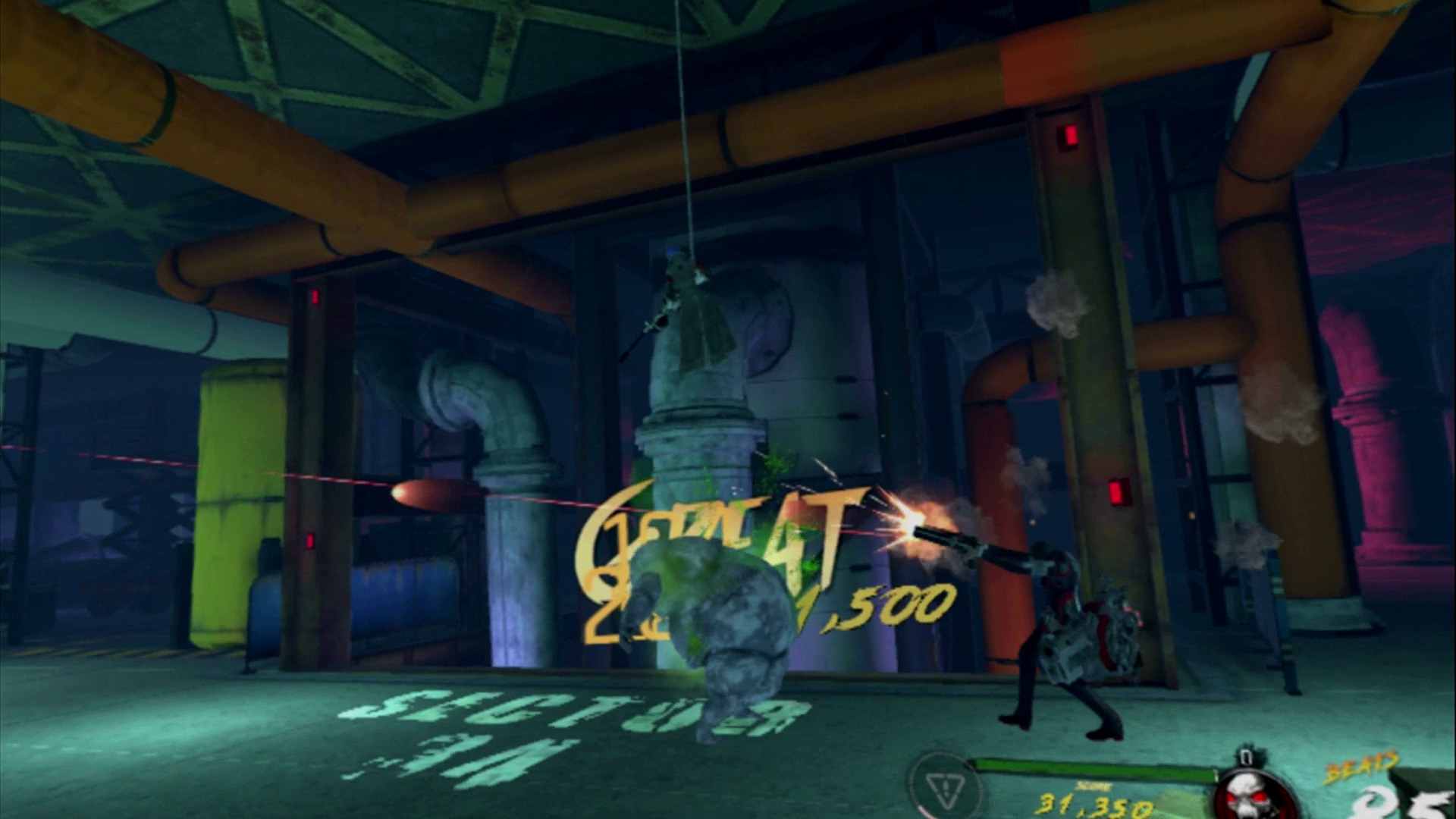
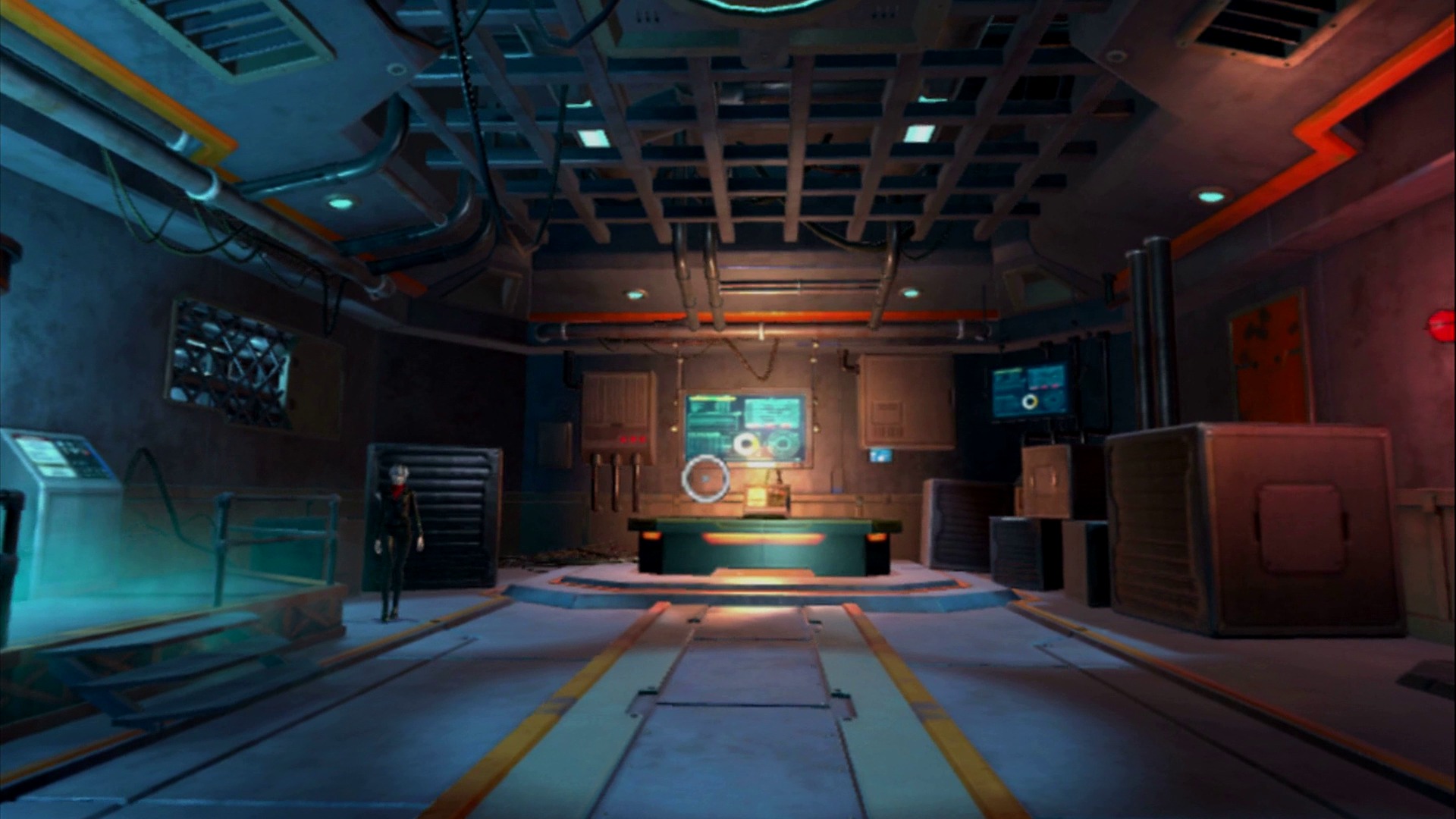
Alongside the initial VR game, a sequel/expansion of sorts called Gungrave VR U.N was released, and the two are bundled together via the “Loaded Coffin” edition. Taking place entirely in a chemical plant in South City, U.N delivers a more well-rounded experience that improves upon the base VR game in most ways. Though it debatably still has some focus issues thanks to the introduction of several side-scrolling segments to break up the classic Gungrave perspective once again, these portions are far more enjoyable than the first-person segments of VR. They’re lengthy, but the action is more frantic due to the confined spaces they take place in and the new enemy types, including mutated husks that jump around and explode and stealthy snipers that hang from the ceiling using grappling hooks, are a more interesting batch to deal with than the ordinary grunts and robots of VR. A couple of first-person sections do make an appearance, but they’re dedicated to obstacle courses that have you sliding down tunnels and avoiding laser grids by literally ducking your head, which feels like one of the better uses of VR that the game provides. Boss fights are improved here as well, featuring bosses that make use of both perspectives, come with a wider arsenal of attacks, and take place in more reasonable arenas to work with. The story is still very much inconsequential, but there’s at least an extremely brief teaser at the end that more overtly ties into G.O.R.E., giving fans at the time the tiniest of morsels to work with.
Gungrave VR was unsurprisingly lambasted by critics upon its release who found little to enjoy in its short runtime and simplistic mechanics. Taken outside of its original context now, it’s easier to accept its flaws since you can pay much less than its retail price to see what it has to offer. It’s also no longer where the series ends, so if you can’t play it or don’t enjoy it, you’re not completely out of luck. As for Gungrave G.O.R.E., it’s the full course in comparison, offering (on paper) exactly what fans have been waiting for all these years. Like VR, though, it’s certainly not free of growing pains and lessons learned for IggyMob, so there’s plenty to be said about it.