- Dragon Quest (Introduction)
- Dragon Quest
- Dragon Quest II
- Dragon Quest III
- Dragon Quest IV: The Chapters of the Chosen
- Dragon Quest V: Hand of the Heavenly Bride
- Dragon Quest VI: Realms of Revelation
- Dragon Quest VII: Fragments of the Forgotten Past
- Dragon Warrior VIII: Journey of the Cursed King
- Dragon Quest XI: Echoes of an Elusive Age
- Slime Mori Mori Dragon Quest
- Dragon Quest Heroes: Rocket Slime
- Slime Mori Mori Dragon Quest 3
- Dragon Quest Heroes
- Dragon Quest Heroes II
- Dragon Quest Wars
- Dragon Quest Swords
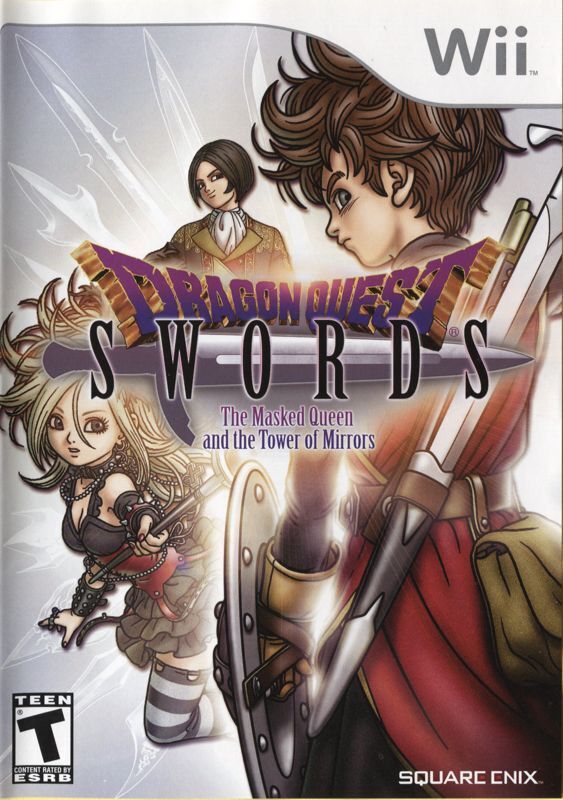
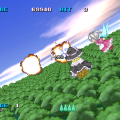
In 2003, Kenshin Dragon Quest was released, a plug-and-play TV game that has players using a toy sword and shield in order to fight the usual Dragon Quest monsters. Instead of turn-based combat, players had to act quickly and accurately in real-time to both attack and defend, which was unique enough to be a success. Kenshin Dragon Quest was never ported to conventional game consoles, likely due to its unique interface being an integral part of the experience. However, when the Wii hit the scene in 2006, Square Enix saw an opportunity to resurrect the idea for use with Nintendo’s new Wii Remote. With the help of Eighting and Genius Sonority, Dragon Quest Swords was born. Swords takes the concept of Kenshin Dragon Quest and expands upon it in every way possible, but as anyone who’s familiar with the Wii knows, the system’s motion controls seldom resulted in flawless experiences.
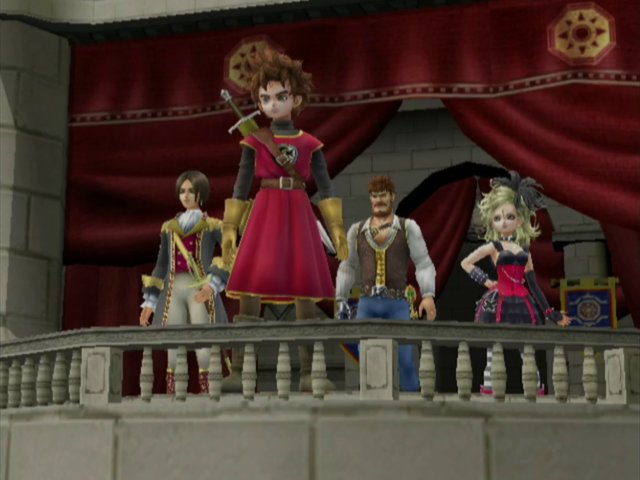
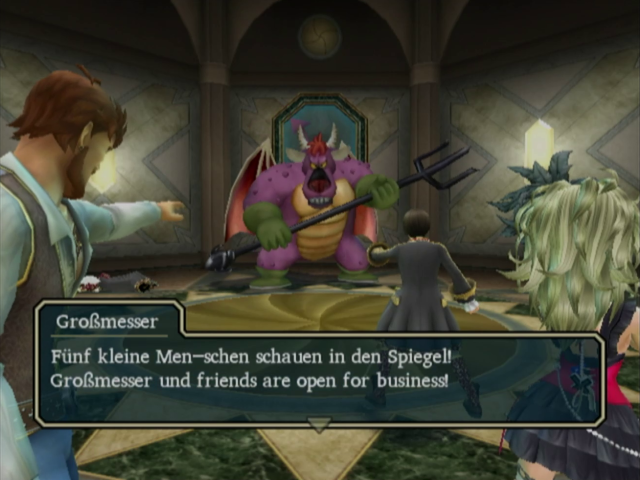
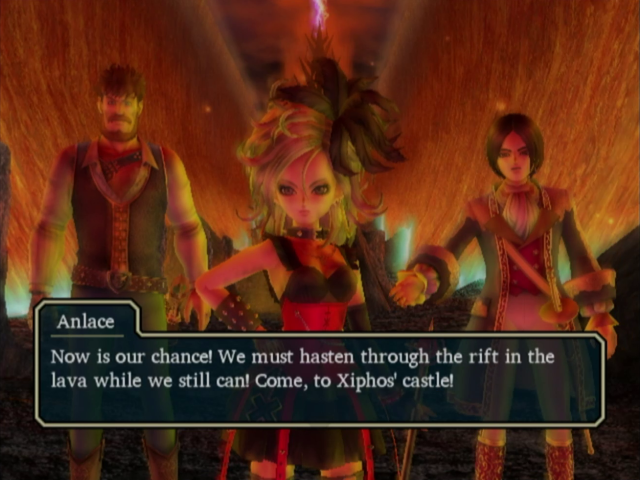
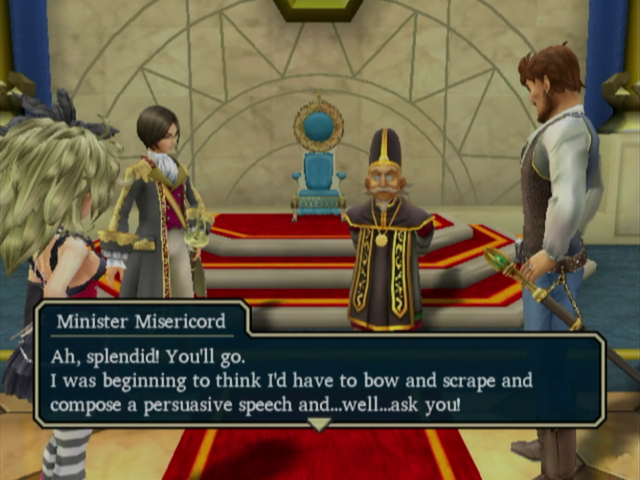
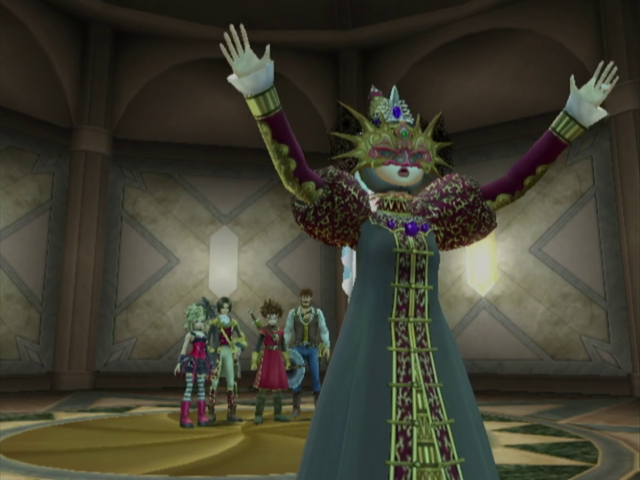
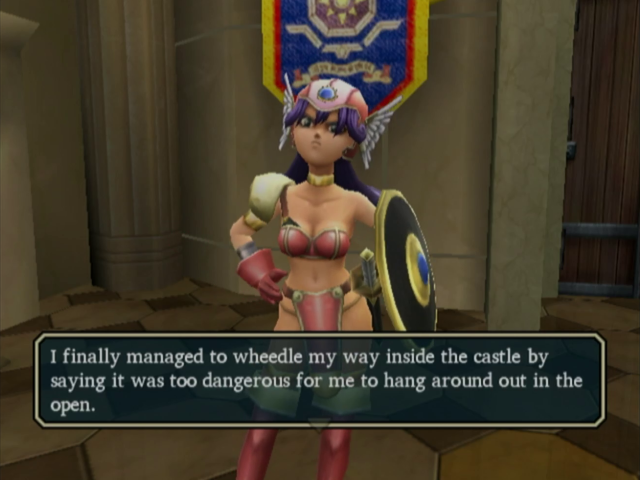
While Kenshin Dragon Quest was effectively a retelling of the original Dragon Quest, Swords tells a completely original tale. In the kingdom of Avalonia, the protagonist celebrates his 16th birthday by embarking on the Walk of Worth to prove that his sword skills can live up to those of his father Claymore, one of the heroes responsible for defeating Xiphos the Deathbringer five years prior. Shortly after his return, the protagonist gets enlisted by Prince Anlace to investigate the unusual behavior of the queen and the mask she recently started wearing. As the mystery escalates, you also get involved with Fleurette, a former priestess searching for her brother, climb the titular Tower of Mirrors, and discover how it all links back to Xiphos despite his presumed defeat. You don’t get a ton of time with each character and the supporting cast is rather minimal, but your party members manage to have distinct personalities that make them memorable overall. Fleurette is more than happy to flatter the player and even lets you choose what nickname she’ll call you throughout the game. Claymore lacks the nobility and humbleness you’d expect from a hero, preferring to flirt with women regularly despite being married. Anlace comes off as unapproachable at first, but it doesn’t take long to realize that he deeply cares about his mother and is willing to take on what appears to be an impossible task to help her.
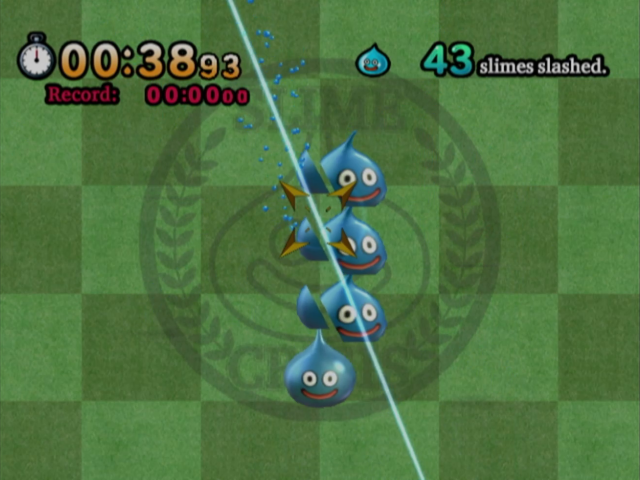
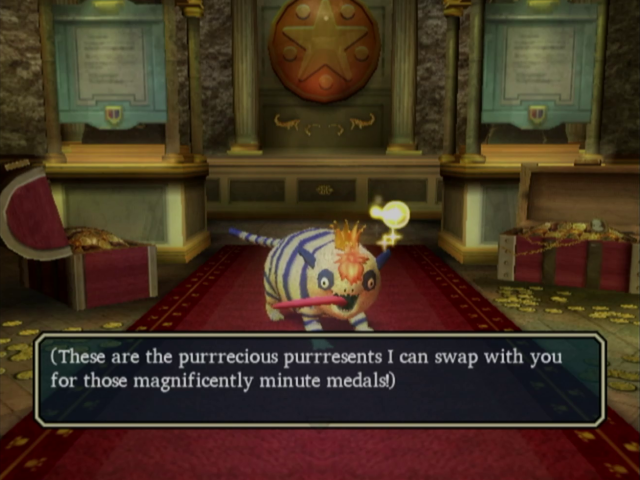
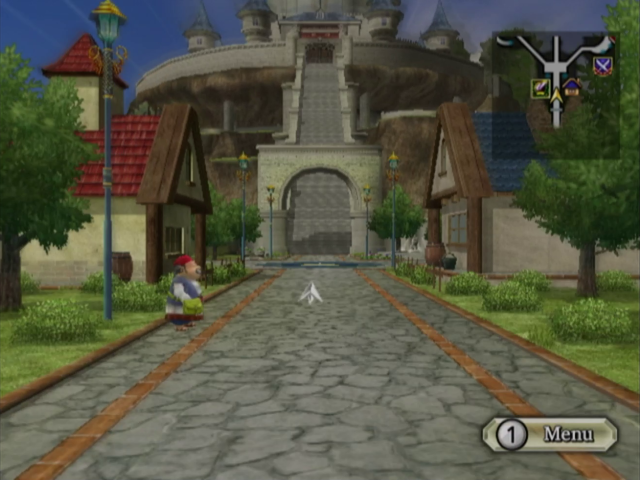
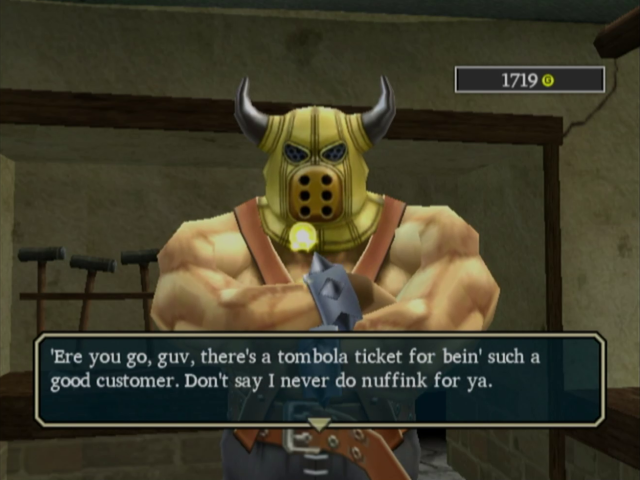
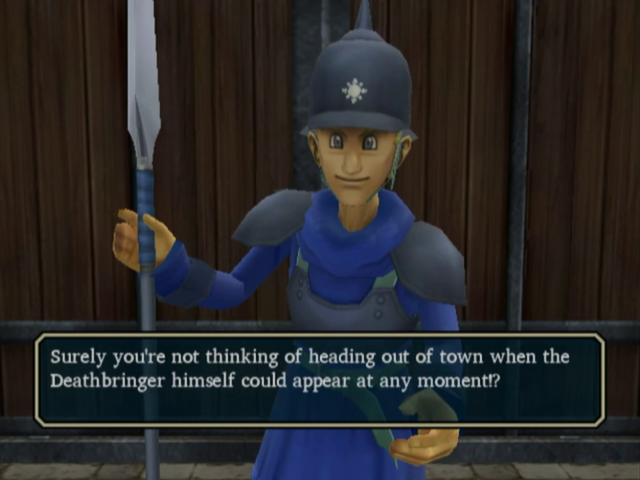
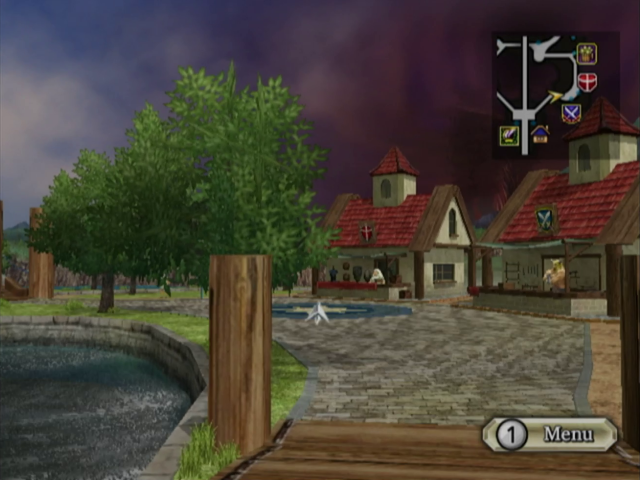
The presentation of Swords builds off what Dragon Quest VIII established. Characters are fully voiced and the localization into English was once again handled by Plus Alpha Translations, who used their same accent and pun-heavy approach. Character models look similar though the colors aren’t as vibrant nor does it maintain DQVIII‘s cel-shading. Though some veteran staff was involved, Swords has some interesting one-time contributions from unexpected places that give it a distinct identity compared to other games in the series. The art direction was handled by James Turner, known for his work on the Pokemon series from Black/White onward. Instead of Koichi Sugiyama, the soundtrack was composed by Capcom veteran Manami Matsumae, who made their mark with the music for games like Mega Man and Final Fight and transfers much of their energetic nature to Swords. Though there’s only one town in the game, the fact you can fully explore it like you would any other Dragon Quest town does a lot to make Avalonia feel alive. NPCs provide new dialogue after every chapter and Mini Medals are present like usual, making it worthwhile to explore. You can even play a few minigames, including one cheekily called “Slime Crisis” that returns from Kenshin Dragon Quest, so Avalonia feels solidly fleshed out and more analogous to a Dragon Quest VIII town than what its direct predecessor offered.
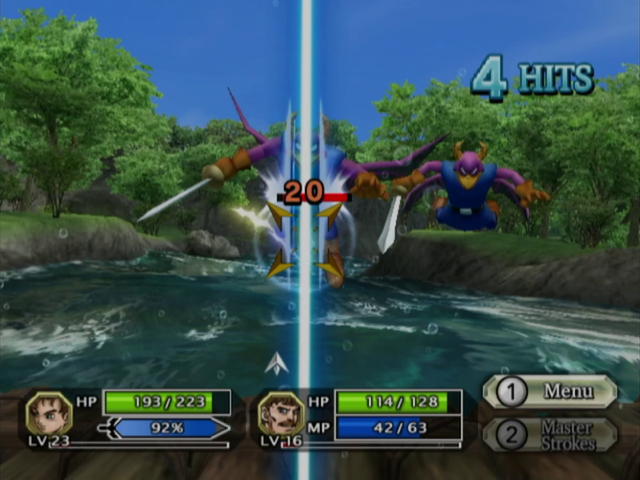
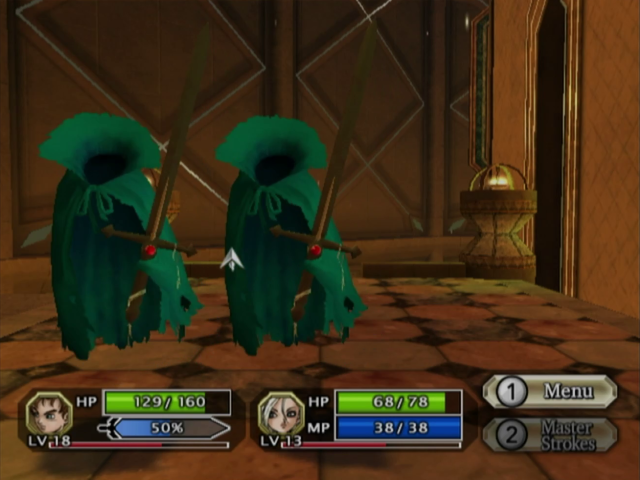
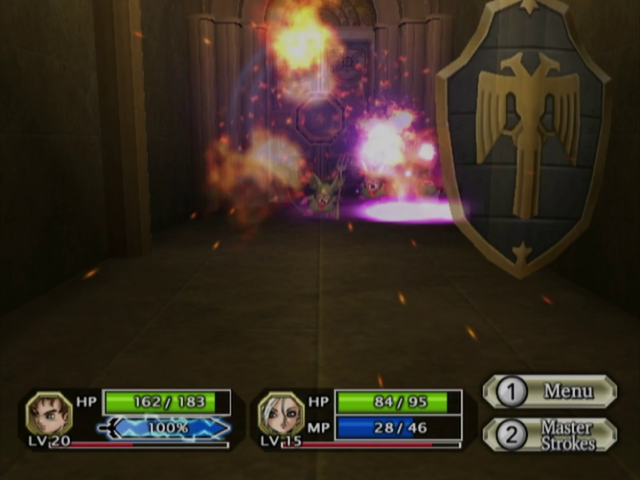
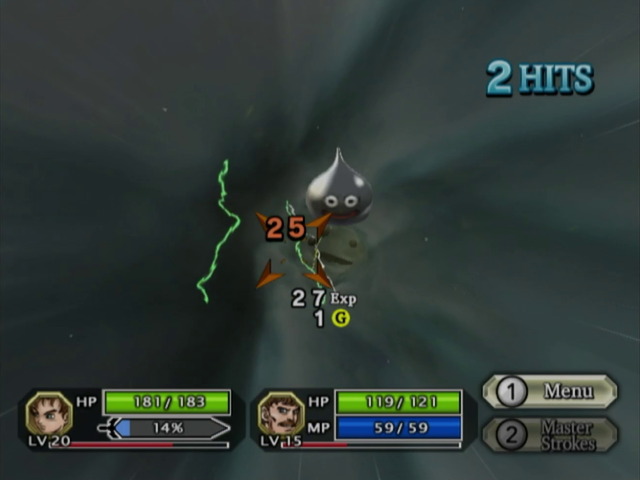
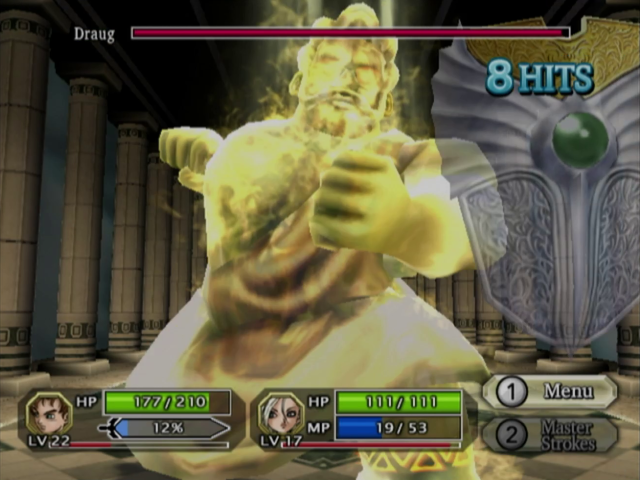
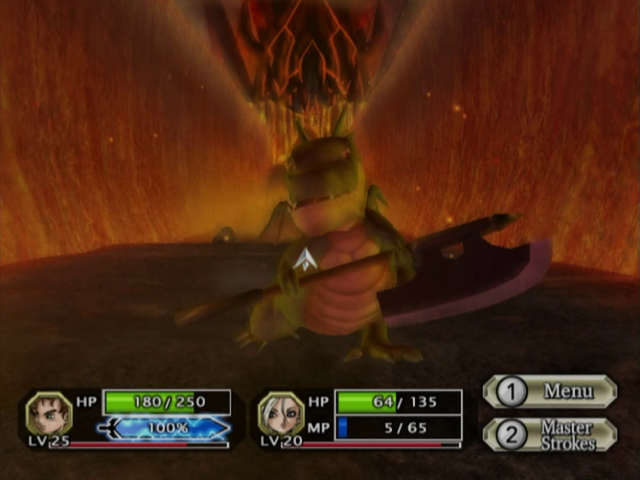
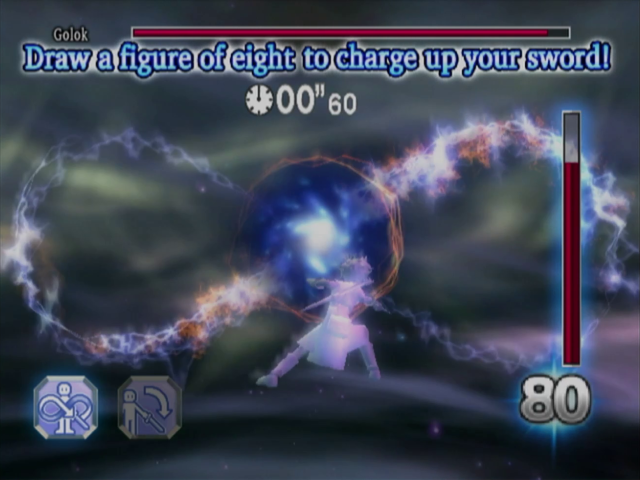
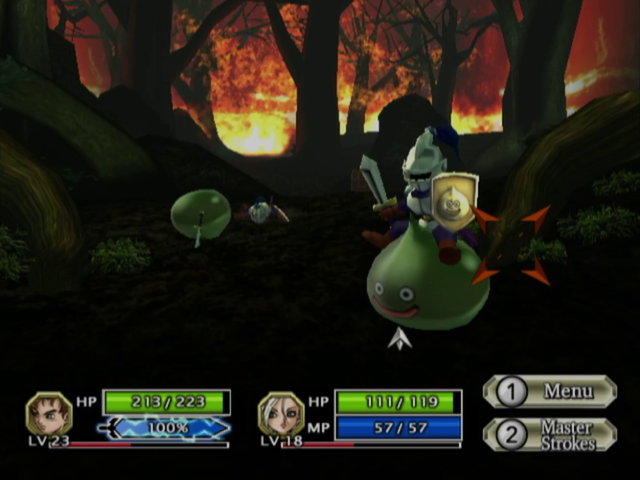
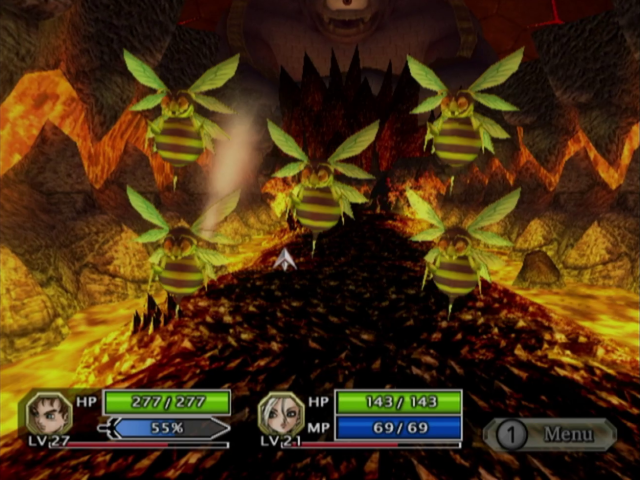
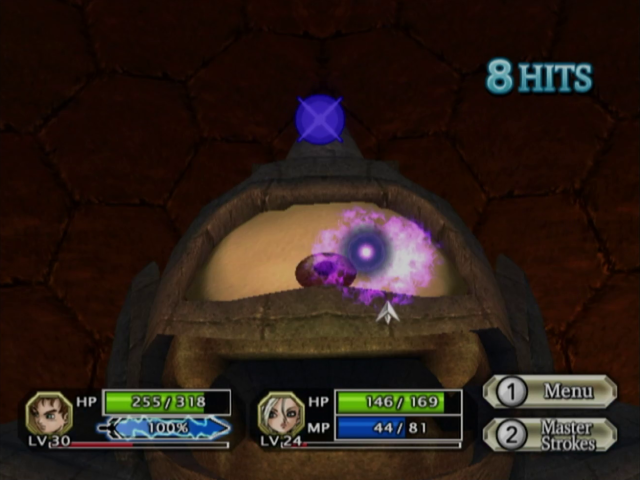
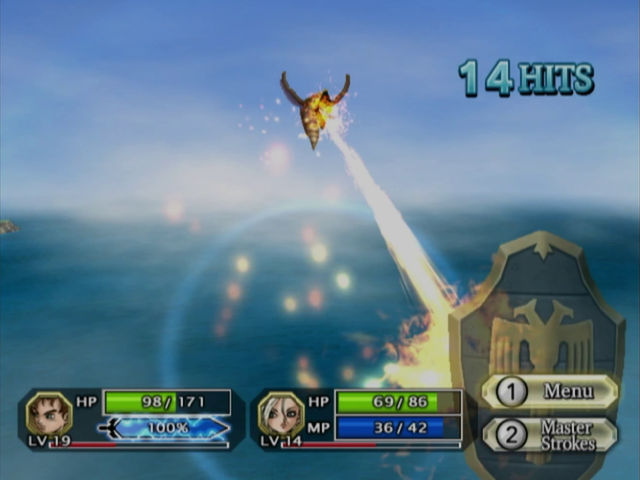
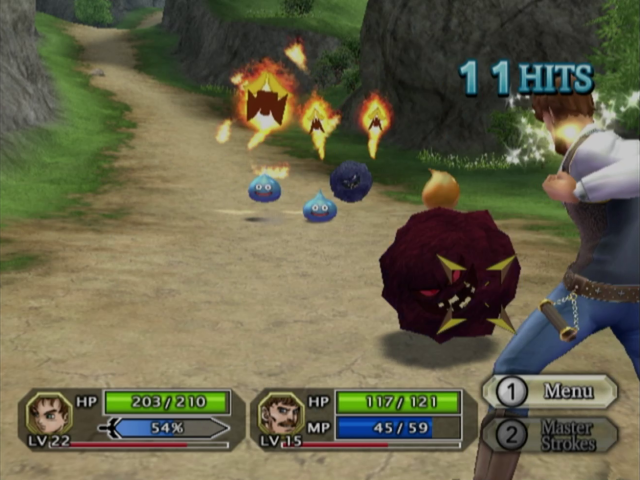
During combat, the protagonist is capable of various directional slashes and defending just like the Kenshin Dragon Quest protagonist. Depending on how enemies are lined up, you’ll either slash vertically, horizontally, or diagonally to try and hit as many targets as possible. Swords also adds thrusts, which can be used to knock certain enemies like Rockbombs into other enemies. In order to avoid damage, you’ll have to point your cursor at attacks to block them with your shield. Some projectiles have to be blocked, but others offer the chance for you to reflect them with well-timed slashes. By default, your attacks are centered on the screen and you need to use the cursor to mark another place on the screen to become the new target for all your sword slashes. This was the only workaround for the Wii Remote at the time since MotionPlus didn’t exist yet, but it ends up being a rather awkward solution that makes targeting fast enemies difficult. Said mark is also erased whenever the player blocks, so any situation that has the player blocking and countering in quick succession has several additional button presses tacked onto it. As you battle, you also build up energy for your special moves called “Masterstrokes”, which do devastating damage if you can quickly repeat motions like figure eights and circles above your head.
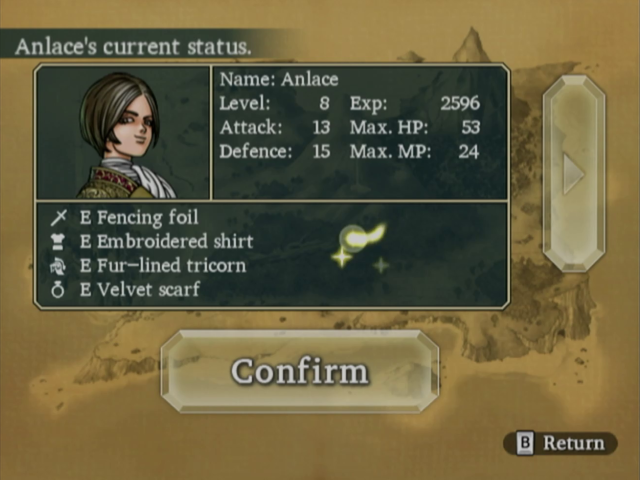
The protagonist is unable to use magic, but you get to bring in one party member to handle that for you. Each of your three members offers something a bit different; Fleurette is a dedicated healer who can also enlarge your shield temporarily, Claymore has buffs and Zap spells like a proper Dragon Quest hero, and Anlace offers a balance of offensive and healing spells. Magic is immensely helpful, but utilizing it requires frequent pausing of combat to issue orders. Teammates are supposed to abide by tactics just like the main series, but they’ll spend most of their time doing nothing unless you’re low on health. MP is extremely tight in this game, so this is ultimately for the best, but it can feel weird to listen to your allies cheer you on as they just stand around. This might seem like it would interfere with the pacing of what’s essentially a light gun game with a sword, but it actually results in the game feeling like a true blend of turn-based and real-time combat that upholds the series’ mechanical strengths while doing something fresh with them.
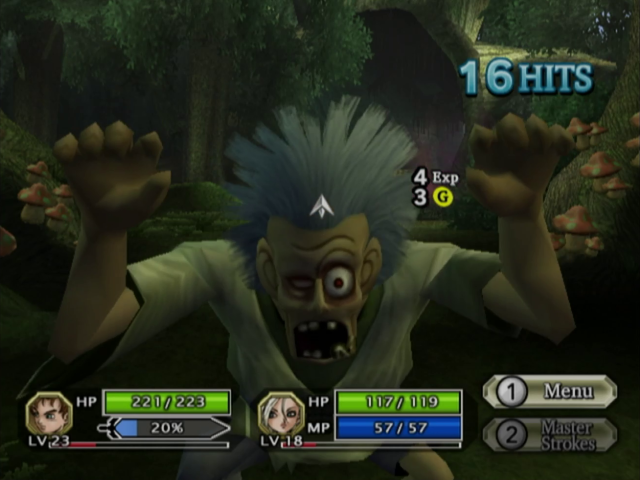
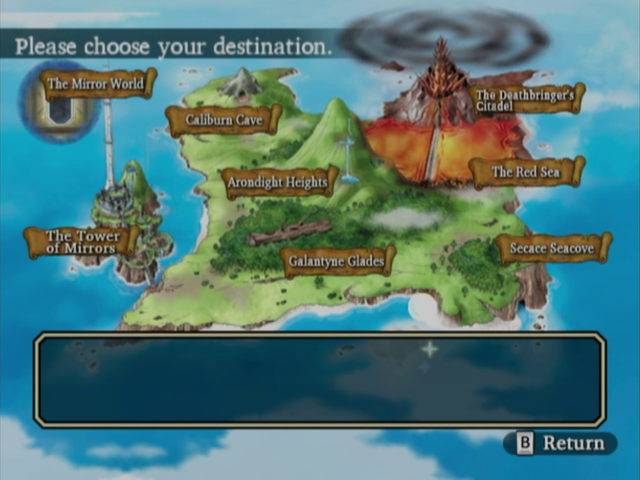
Each level in Dragon Quest Swords is on-rails, but they’re designed in ways that faithfully resemble conventional Dragon Quest dungeons. As you proceed, enemies will jump out at predetermined points to simulate random battles and bosses naturally await you at the end of each level. Each monster has their own way of greeting the player as well; some will simply walk on-screen, whereas others like Zombies will pop out and fill the entire screen with a proper jump scare. Levels offer branching paths that can lead to additional treasure and some even have secret routes that can only be accessed once you have a way of breaking boulders that block them. Like any light gun game worth its salt, Swords is also quite good at throwing setpieces your way to spice things up. One level offers a river ride where you’ll have to swing at Mermen and Gargoyles who pass by, and the Tower of Mirrors loves to make you sidle along its precarious walls as Wyverns harass you. One unique level carries you through the sky and asks you to repel monsters as they attempt to crash into you with a force greater than that of any attack they could do normally. The level design towards the end gets particularly evocative with the walk to Xiphos’ lair taking you through a parted sea of fire as you fight your way through a gauntlet of relentless foes, eventually making it into his castle that’s guarded by a massive Cyclops statue. Despite there only being eight chapters in the main story, Swords manages to make the player feel like they’ve completed a full-fledged Dragon Quest journey from the hero’s humble origins and surroundings to the climactic battle with evil.
The biggest problem Swords encounters is that it had the misfortune of being an early Wii title. While the motion controls are adequate enough to get through the game, the experience is riddled with frequent and frustrating misreads of player actions. Thrusts are frequently misread as other slashes and even horizontal and diagonal slashes aren’t fully reliable, especially if the player dares to go a bit too fast or swing a bit too wide. Slowing down when doing swings and only using your wrist helps to a degree, but Swords gets surprisingly demanding towards the end of the main story as it expects players to reflect plenty of projectiles and hit bosses with brief windows of vulnerability over the course of increasingly lengthy and taxing fights, which makes the inconsistencies all the more annoying. Blocking attacks is much more reliable since doing so just requires pointing the cursor at the right spot, but some attacks like quick sprays of fire breath can still be difficult to read and react to properly. The RPG elements help with mitigating these issues, but you can’t rely on them completely, so you’ll need to learn to live with the controls well enough to get through the main story’s chapters, some of which can take a long time and don’t offer checkpoints if you fail.
Despite its flaws, Dragon Quest Swords is an unusual and refreshing enough experience to be worth one’s time. It doesn’t ask for much time, either, and is easily one of the shortest games in the entire franchise, which could be a draw from those who are curious but don’t want to commit to a larger RPG. If it clicks with you, there’s a substantial post-game on offer that challenges you to take on tougher versions of the game’s bosses and unlock the game’s full suite of equipment as well as a new game+ mode that gives you a unique weapon to blitz through it in record time. It may not look the part from a glance, but Dragon Quest Swords is a bonafide Dragon Quest entry through and through, offering much of what makes the series so great while repackaging it in a way that stands out from all the other spin-offs.
Links
https://www.youtube.com/watch?v=ZuRUsTjb0Z0&t=3989s – Gameplay footage of Kenshin Dragon Quest