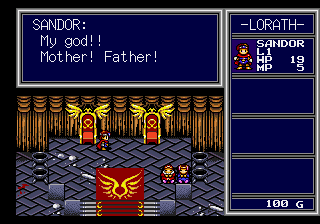
Thousands of years in the past, a powerful suit of armor fell from outer space onto an inhabited planet. Possessing technology far beyond the level of the natives, and given the name Vay (pronounced “vye”), it wreaked havoc until it was sealed away by five wizards. Fast forward to the present, and Prince Sandor’s wedding is crashed by the Danek empire, possessing powerful weapons that steamroll over them, destroy his castle, and kidnap his betrothed Lady Elin. It’s pretty clear that they’re harnessing the power of the long-lost Vay, leading Sandor to set off on an adventure to find the five orbs that originally sealed it away, face off against the Danek, and rescue Elin.
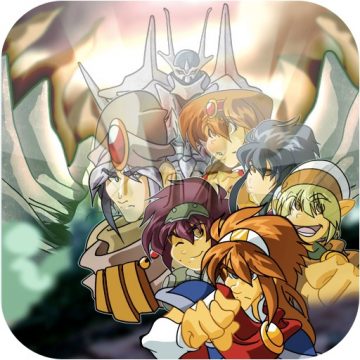
Characters
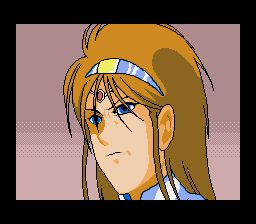
Sandor / Heibelger
The prince of Lorath, who sets off an adventure to find the legendary armor of Vay, avenge his kingdom’s destruction, and rescue his bride-to-be. He’s mostly an attacker but can use some magic.
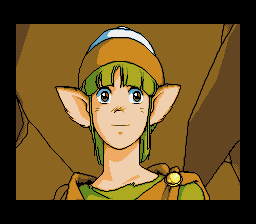
Pottle
The young apprentice of the sage Otto, who is an early companion on the quest. He has decent magic skills and can equip a variety of knives, bows, and bowguns.
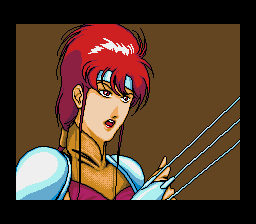
Rachel / Feilong
A mercenary that the crew meets during cave exploration. A “babette”, according to Pottle. She can barely use magic and instead is a heavy hitter with axes and claws.
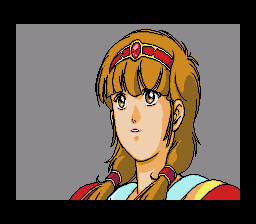
PJ / Nina
The court magician of Kerzalt, this young woman joins the party at the behest of the king, and enjoys basking in Sandor’s handsomeness. Her full name in English is Prudence Jurissa. She’s also the most experienced magic user of the team.
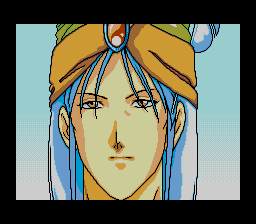
Lynx / Lance
A hard-drinking bard who has both great strength and magic skills.
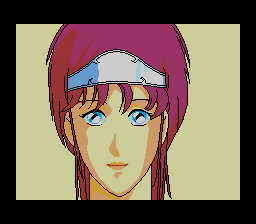
Kinsey / Mintz
A strong female pirate, similar to Rachel, she’s weak with magic but she’s killer with whips.
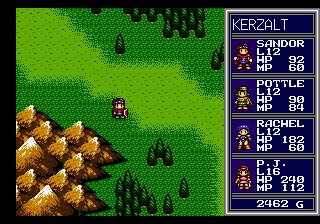
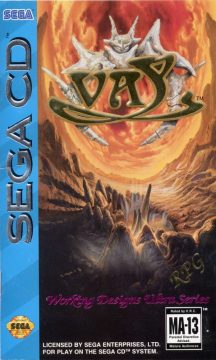
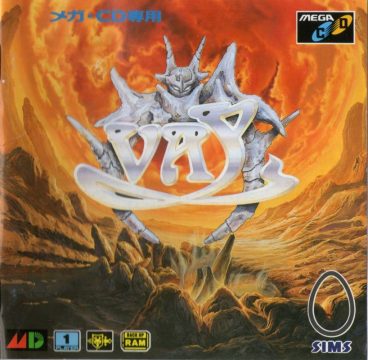
Vay was released for the Mega CD in 1993, developed by Hertz, the company behind OutRun 2019 and Psychic World, and published by Sims. It was then followed up by a localization by Working Designs for the Sega CD the next year, making their second release for the platform after Lunar: The Silver Star.
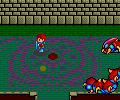
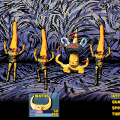
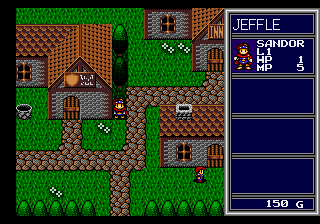
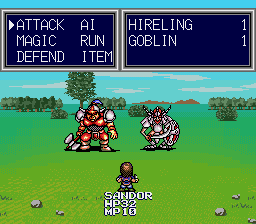
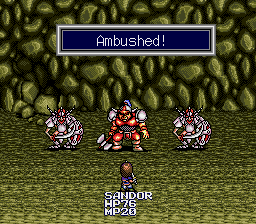
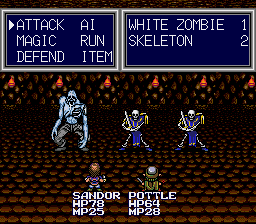
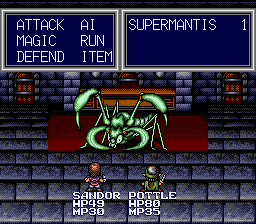
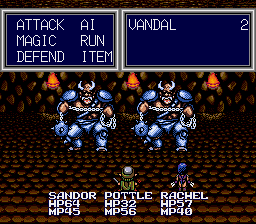
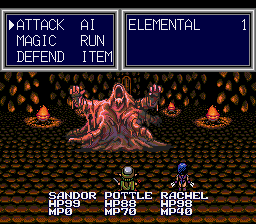
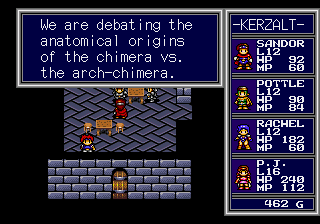
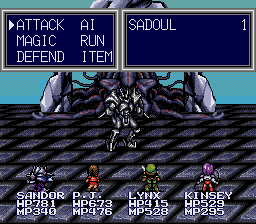
As far as 16-bit JRPGs go, Vay is about as basic as you can get, with a turn-based battle system and four character combat. It’s pretty speedy though, with minimal CD loading, a run button, and a fairly quick battle system, plus the ability to save almost anywhere. The fights are presented with an over-the-shoulder perspective similar to Lufia, with animated enemy sprites and your characters’ attack animations changing depending on their equipment. The speediness is very welcome because random battles are constant and the whole game is one big grindfest, even by the standards of 1993. Random battles are rarely any challenging, but boss fights always act as level and equipment checks to ensure you’re appropriately bulked up.
At least the CD audio music is fantastic. The world map, town, and dungeon themes are decent if typical, but the battle tracks are all excellent, perfectly danceable tracks that make the battles feel way more exciting than they actually are. The final dungeon theme also channels Michael Jackson’s “Thriller”, which also adds greatly to the atmosphere. There aren’t many music tracks altogether and you’ll probably get sick of them eventually with all of the grinding, but until then, they hold up very well.
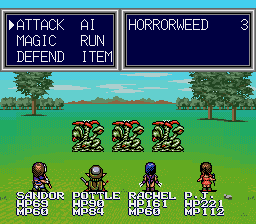
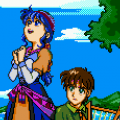
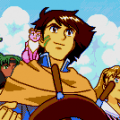
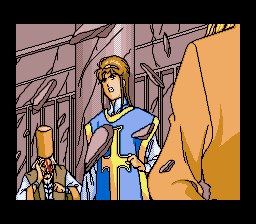
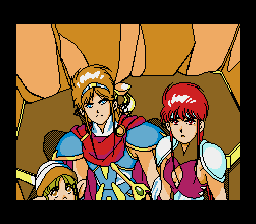
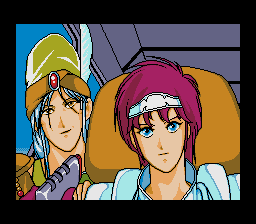
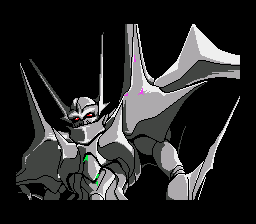
Of course, the main draw of any Sega CD RPG is the cutscenes, which pop up for character introductions and major story scenes. The character designs have a sleek mid-1990s anime vibe, with characters looking a little older and less cutesy than other games like Lunar, and their style makes up for the limited cutscene direction, which focus on close-ups. The voice acting is solid too, even in the English version, which was something that Working Designs excelled at.
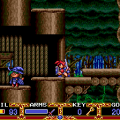
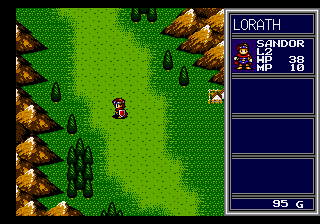
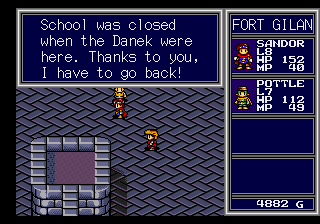
The rest of the game, however, is not so visually impressive. During exploration, the entire right third of the screen is taken up by a status menu, something that was common in late 1980s/early 1990s PC RPGs but looks pretty outdated for a Sega CD game. The fantasy/sci-fi premise, meshing swords and sorcery with mechas, was seen in the previous decade with anime like Aura Battler Dunbine and Panzer World Galiant, and later seen in the 1990s with Escaflowne and Magic Knight Rayearth. Unfortunately, Vay doesn’t make great use of the setting, as the early stages of the game look like a pretty standard JRPG, complete with vaguely comical Dragon Quest-style enemies. It’s not until you get further in the game that you begin to see robotic enemies and alien settings. But even then, the story is pretty basic RPG stuff, since the Vay armor is treated like the same ancient artifact that lies at the center of any number of similar games. For all of the effort to get to the end, the Vay armor isn’t even particularly impressive once Sandor gets to equip it.
The characters themselves aren’t that interesting either, with only occasional glimpses of personality during cutscenes or the rare dialogue exchanges. Of course, since this is a Working Designs localization, the script is punched up with plenty of jokes and innuendos – every male character in the area makes note of Rachel’s sexy leather outfit while PJ silently notes how “equipped” Sandor is when meeting him. Nearly all of the main characters names have changed as well – Sandor’s Japanese name was Heibelger, which is a little difficult to pronounce, and the English text wouldn’t have fit in the interface boxes anyway.
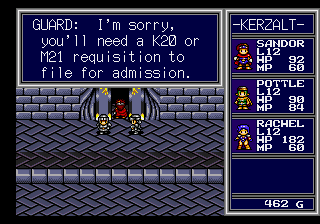
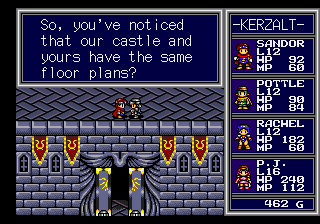
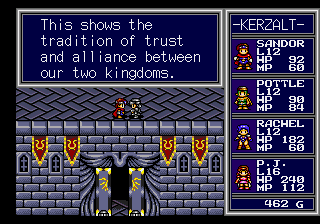
For the most part, this works in the game’s benefit, especially when it comes to NPC dialogue, which is often more funny than not. Children complain about going back to school when Sandor saves the day, and maids mutter about stinky soldier undergarments. There’s the occasional fourth wall break joke, like when a soldier muses about how similar all of the castles look, mentioning that it’s supposed to be a sign about the alliance between neighboring kingdoms but actually a way to preserve CD-ROM space. (This doesn’t even really make sense though, considering CD-ROMs had orders of magnitude more space that cartridge games of the era.)
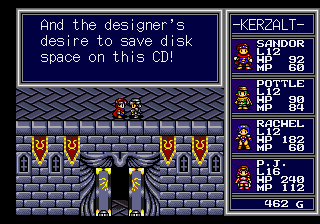
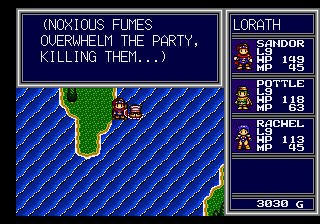
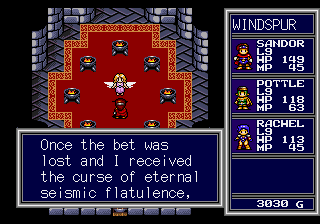
Adding humorous dialogue to give some flavor to an otherwise bland game became a Working Designs specialty, particularly with later titles like Albert Odyssey for the Saturn. But their propensity for juvenile gags reaches an apex with Sirufa, the wind fairy. In the Japanese version, she simply uses her powers to warp you to a new area. In the English version, she’s cursed with deadly flatulence, requiring that you buy and equip filtration masks on all of your party members. Otherwise, the smell will kill your party and you’ll need to reload the game. There’s also a joke chest in the original Japanese version that only gave you a single gold, which was changed to a “vortex chest” that sucks away your entire gold supply. How hilarious!
As expected for Working Designs, they also tinkered with all of the stats, ranging from enemy strength to item cost. The most egregious is the vastly increased MP usage, making spells much more expensive. Granted, the original Japanese version was already extremely grindy so the stat tweaks don’t make it too much worse, but it’s certainly not any better either.
When it was released in Japan, Vay was one of a handful of other Mega CD RPGs. In North America, though, Working Designs positioned it as a follow-up to their surprisingly successful release of Lunar. Though this makes sense from a marketing perspective, this sets expectations way too high, because Lunar is simply a much better game than Vay in pretty much every aspect. Vay’s story is too typical, its characters too thinly drawn in comparison, and its battle system too grindy. For something to sink some time into before the release of Lunar: Eternal Blue in 1994, it was okay, especially since there weren’t any other English JRPGs for the Sega CD. But in the grand pantheon of 16-bit JRPGs, it’s only barely average.
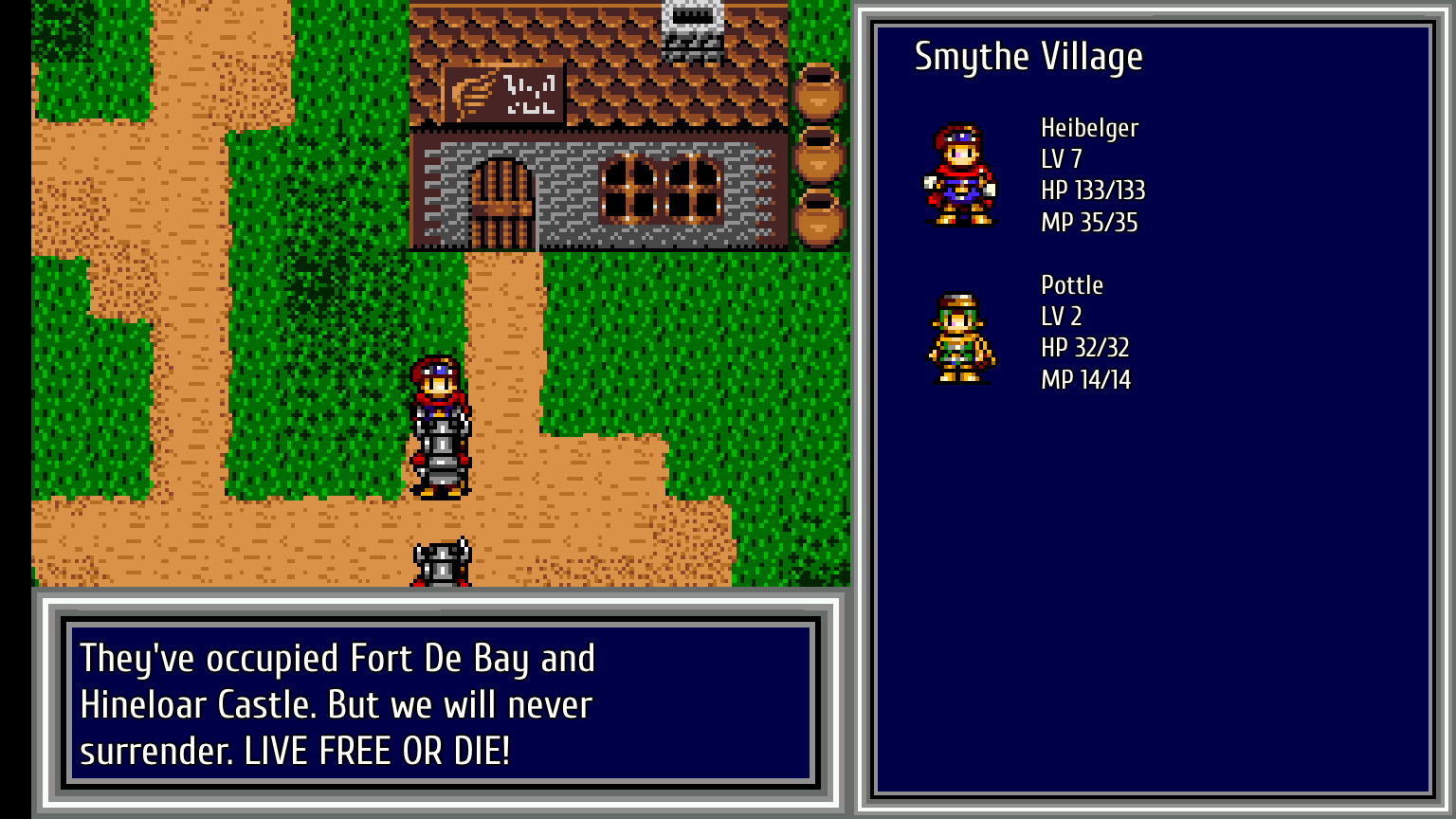
Vay was resurrected in 2008 by SoMoGa, first for iOS, then later ported to Steam in 2024. The original iOS version updates the interface with touch screen menus. While most of the visuals are taken from the Sega CD version, they decided to give HD makeovers to the character sprites and the battle backgrounds. This all looks really bad – the original sprites barely looked like their cutscene counterparts and the new ones are worse, especially since they’re drawn at different proportions. Furthermore, they didn’t update the enemy sprites, resulting in a bizarre mismatch of styles. The Steam version ditches the new sprites in favor of the originals, and includes an option to use the new HD backgrounds or the old Sega CD ones. Bizarrely, the cutscenes are all now video files rather than played out in the in-game engine, with noticeable compression artifacts. The rest of the game looks just as it should, though the expansion to widescreen also means that the interface window is even more enormous than it originally was.
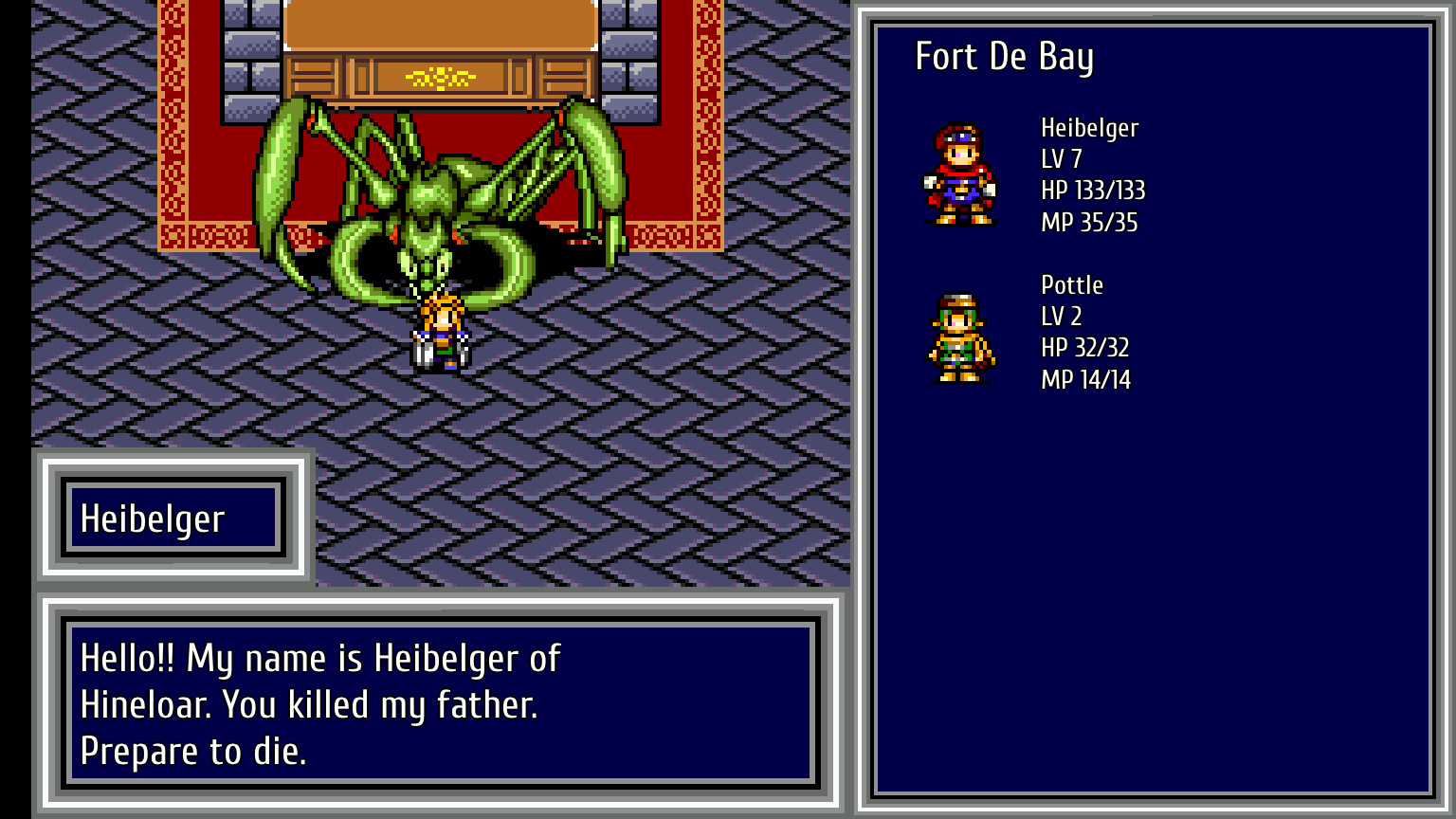
This re-release uses a completely new English translation rather than the Working Designs Sega CD one. It keeps the original character names, though you’re free to rename them whatever you’d like), and there’s new English dubbing too, though you can keep it in Japanese. The new script maintains a similar goofy sense of humor – Sandor / Heibelger quotes The Princess Bride before the first boss fight with the famous “You killed my father. Prepare to die”, Otto references The Legend of Zelda when telling Pottle to join with a “It’s dangerous to go alone” joke, and so forth. It’s still not entirely accurate to the Japanese text, but there are no farting fairies so it’s still an net improvement.
The game uses the original Japanese stats, so you can use magic much more freely. The Windows version also includes a number of quality of life enhancements, including the ability the speed up movement and battles, tweak EXP and money gain (up to 4x), and turn off random battles. The biggest qualm of the Sega/Mega CD version was its intense grindiness, so this lets you experience the game relatively smoothly.
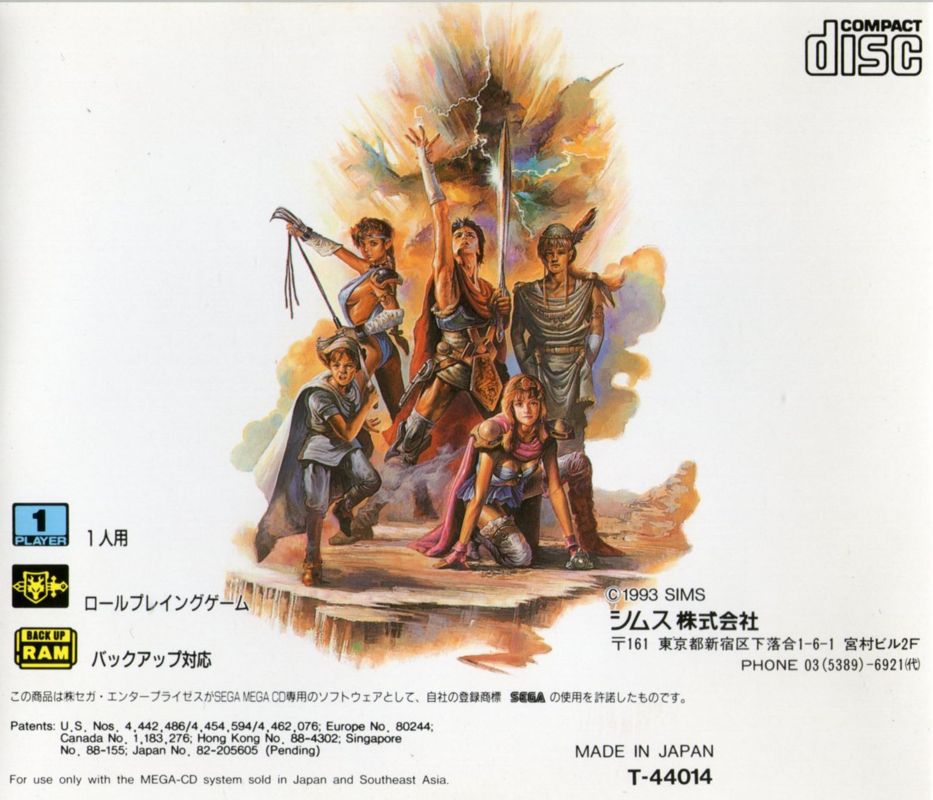
Japanese Manual Back Cover
Links:
RPG Classics – Includes a full walkthrough, some screens from here.
The Cutting Room Floor – Details on the regional variations
Screenshot Comparisons
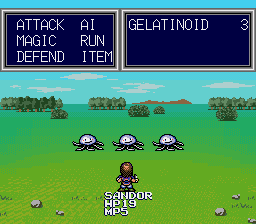
Sega CD
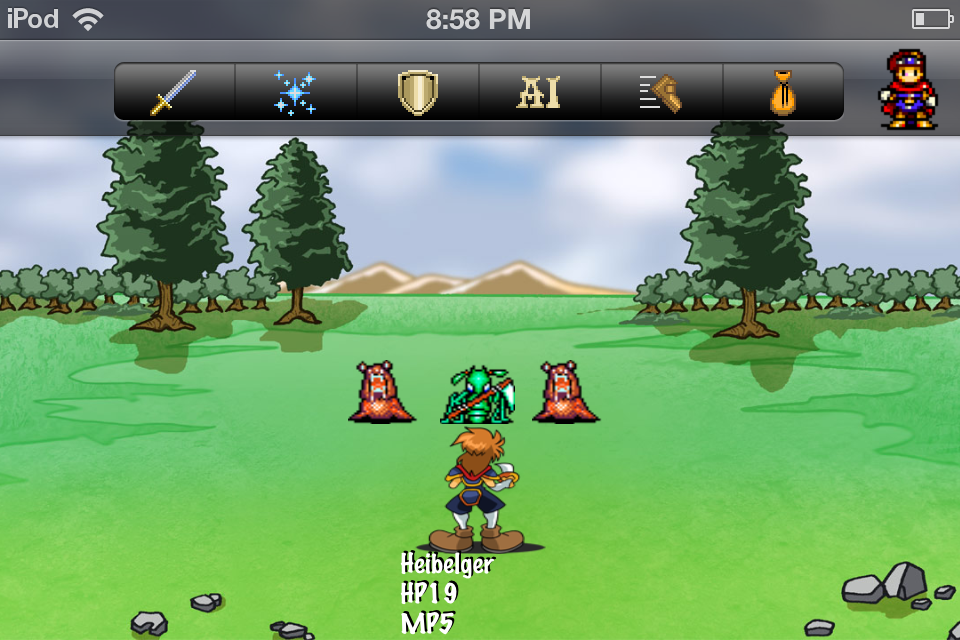
iOS