- Edna & Harvey: The Breakout
- Edna & Harvey: Harvey’s New Eyes
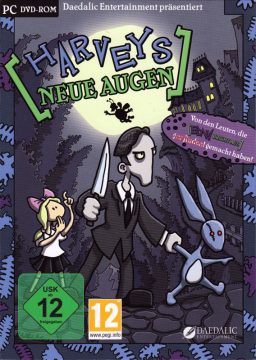
Daedalic’s early years were busy. Plenty of games got released under their name, but Edna and Harvey didn’t get lost in the shuffle. Thing is, while they had an idea for revisiting the duo in some form, the idea wasn’t to make a sequel. The title the second game ultimately got was a marketing decision, specifically mentioning both Edna and Harvey instead of just the latter, who has a much larger role this time. Characters and story beats from the original game are present, and the game does act as a sequel for Dr. Marcel specifically, but the focus has shifted to explore the themes of the first game in a new, far more meta way. Harvey’s New Eyes is a strange experiment of a game that still follows the dark comedy roots, and you can see what was tried here to mixed results being utilized more effectively in later projects.
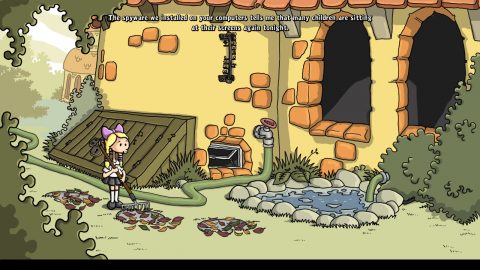
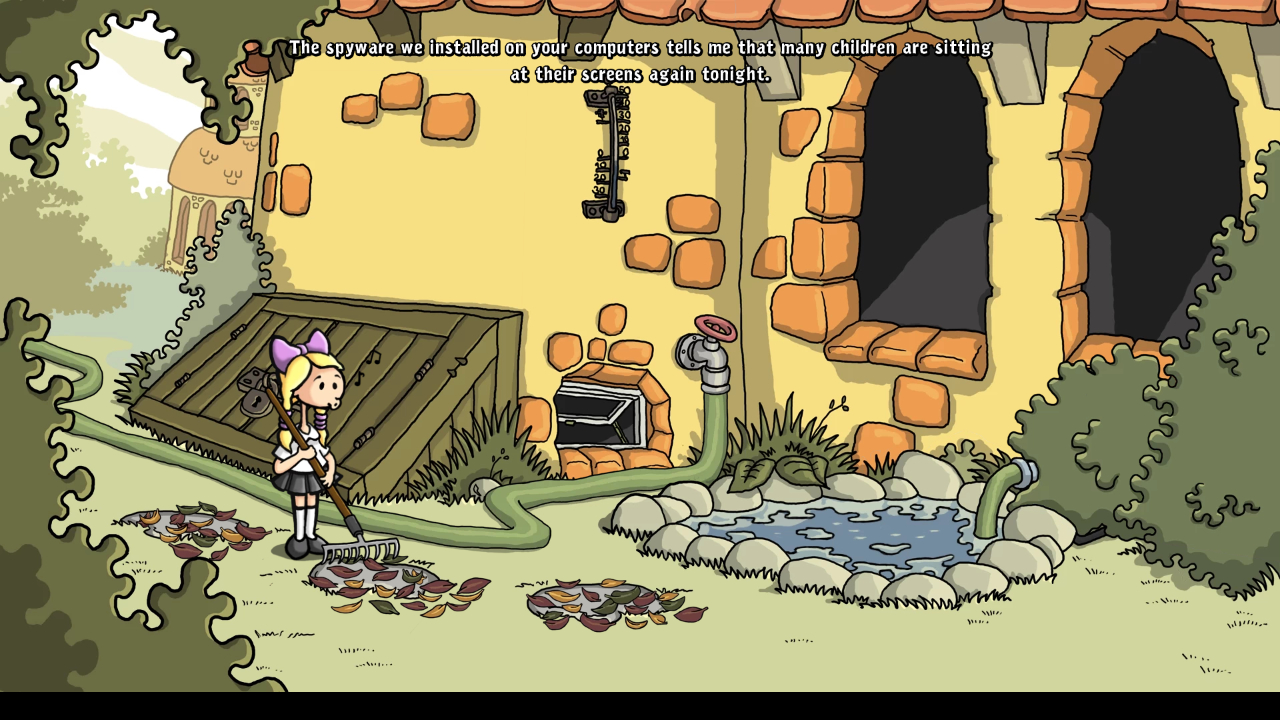
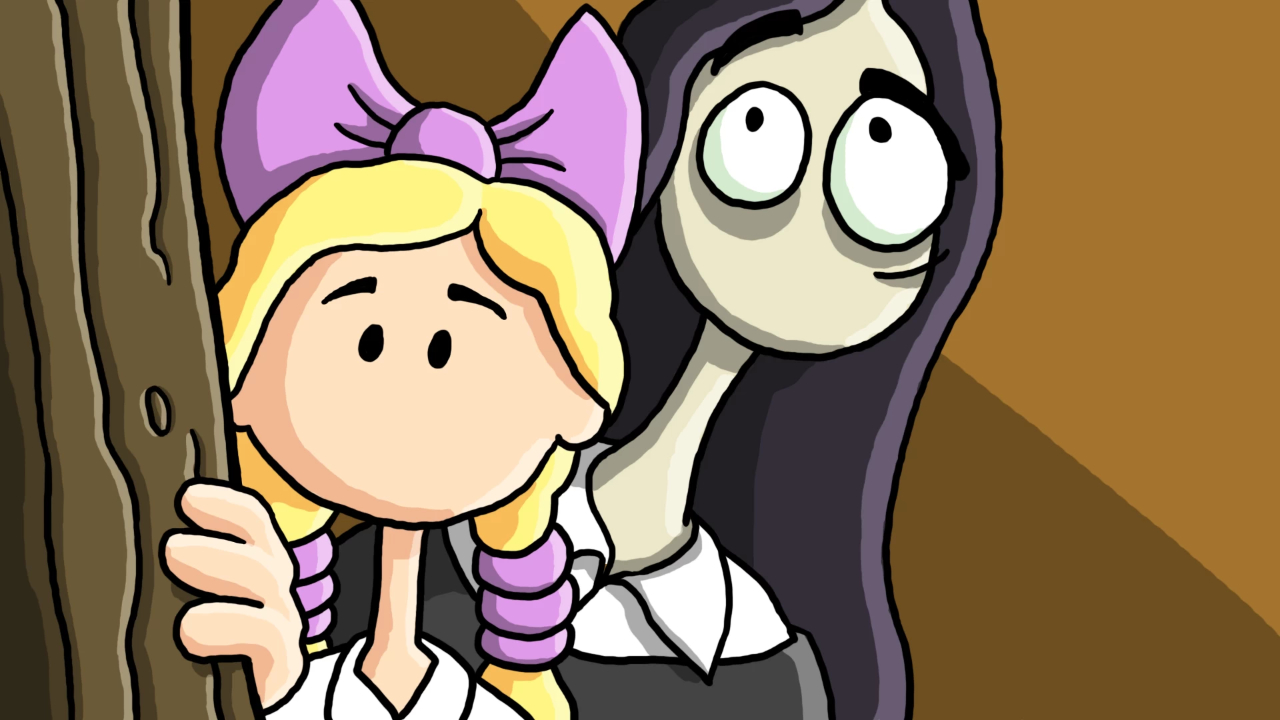
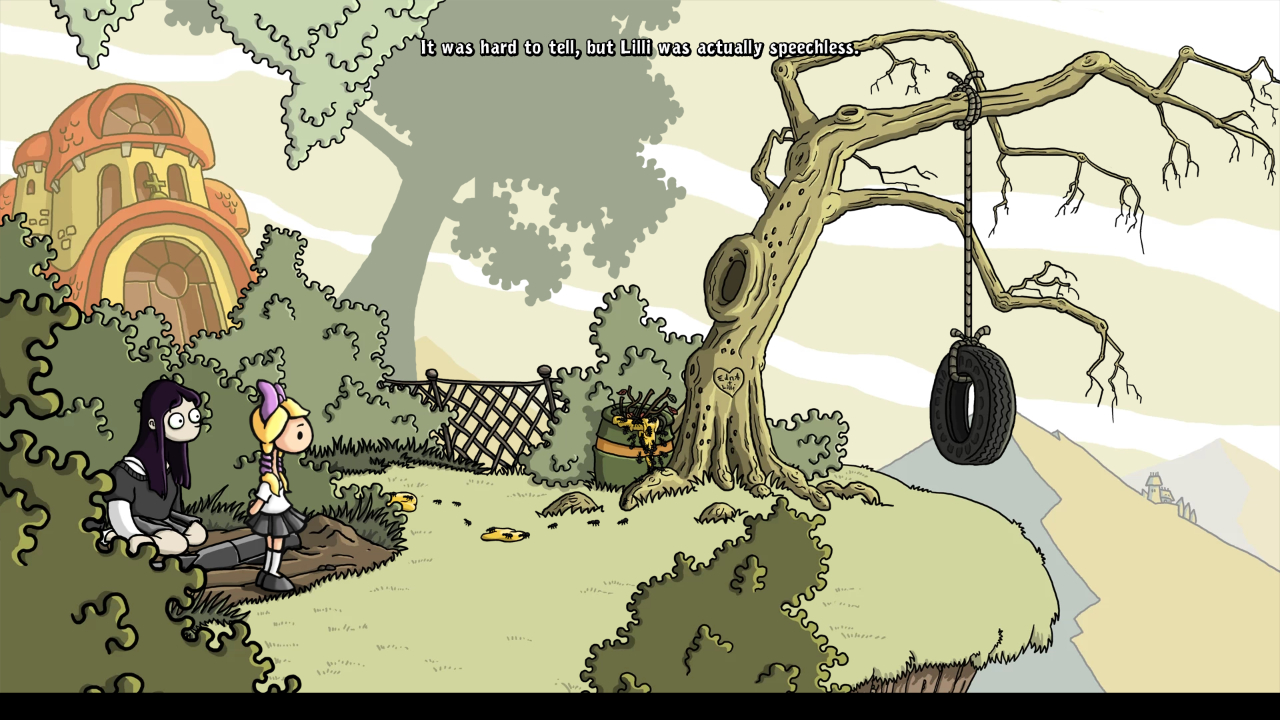
The game sets the stage for what’s coming very quickly, hitting hard with Michaelis himself singing a song about trying and failing to help hurt children over a long credit sequence following a thread connected to a ragged Harvey. From there, we get introduced to new lead character Lili, described by the overly enthusiastic and clearly untrustworthy narrator as a good girl who does whatever she’s told. We also quickly learn she gets interrupted whenever she tries to talk, and she’s also friends with Edna, who’s living at her convent.
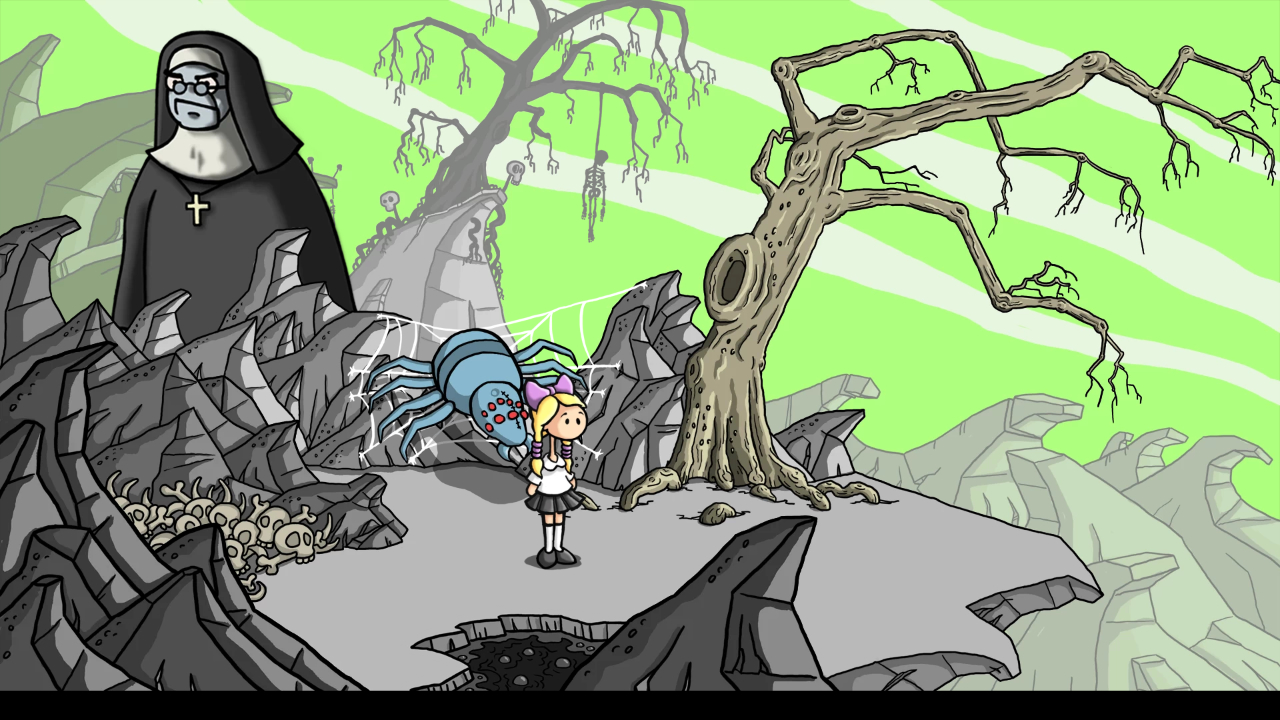
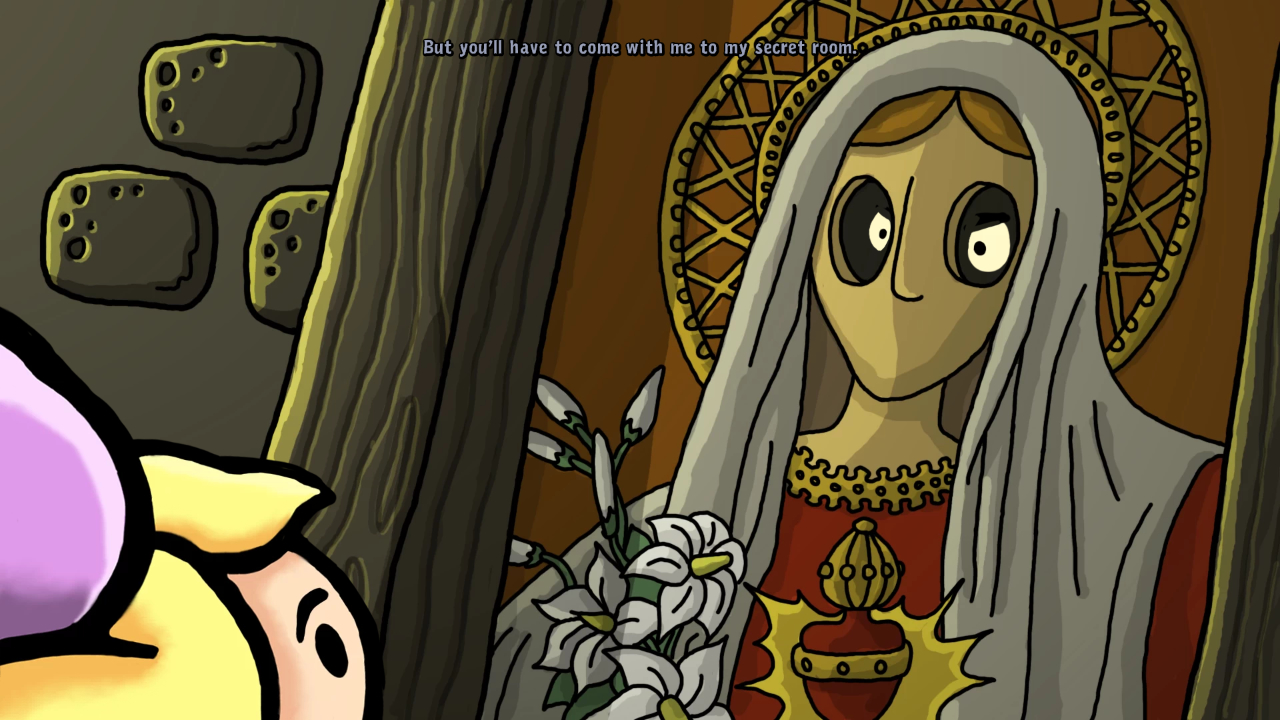
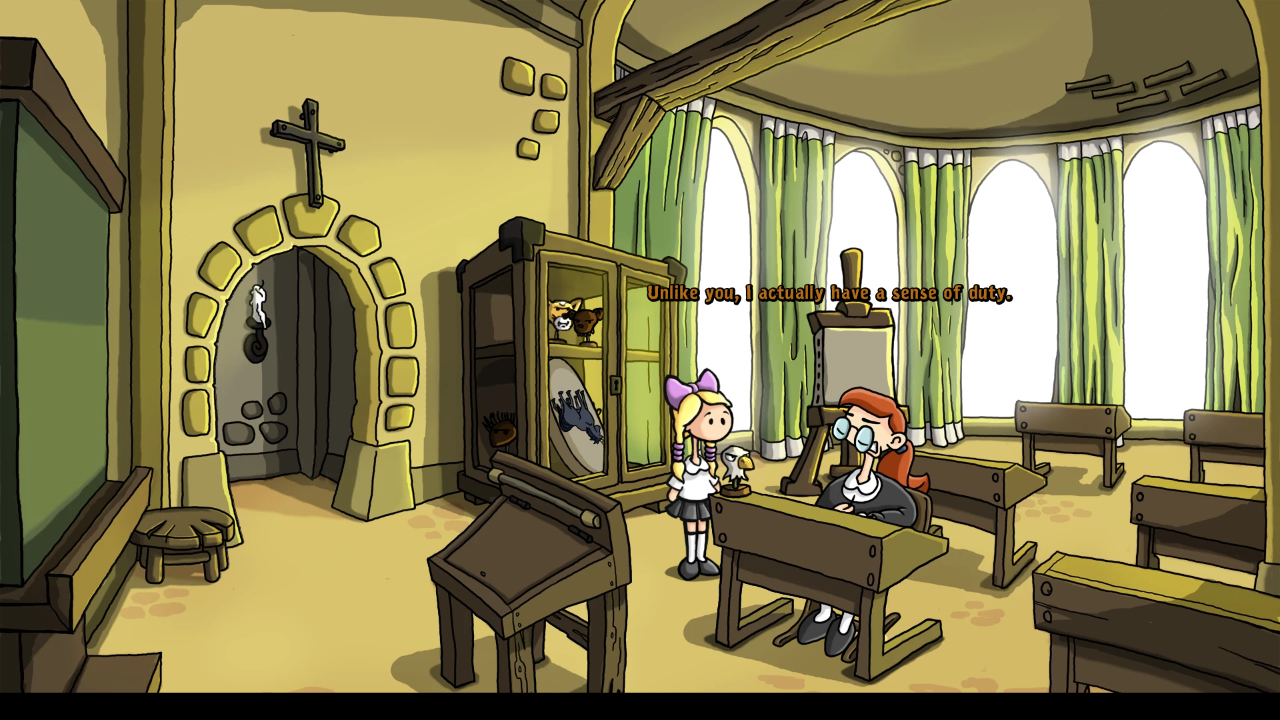
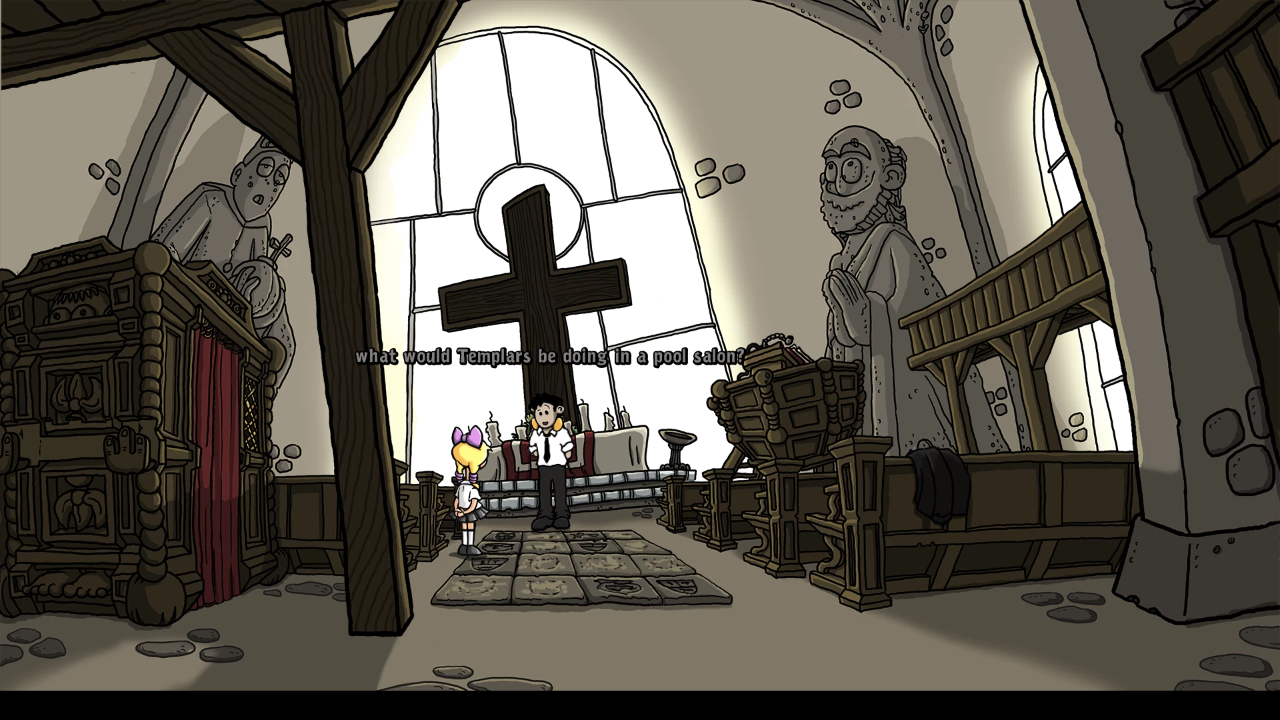
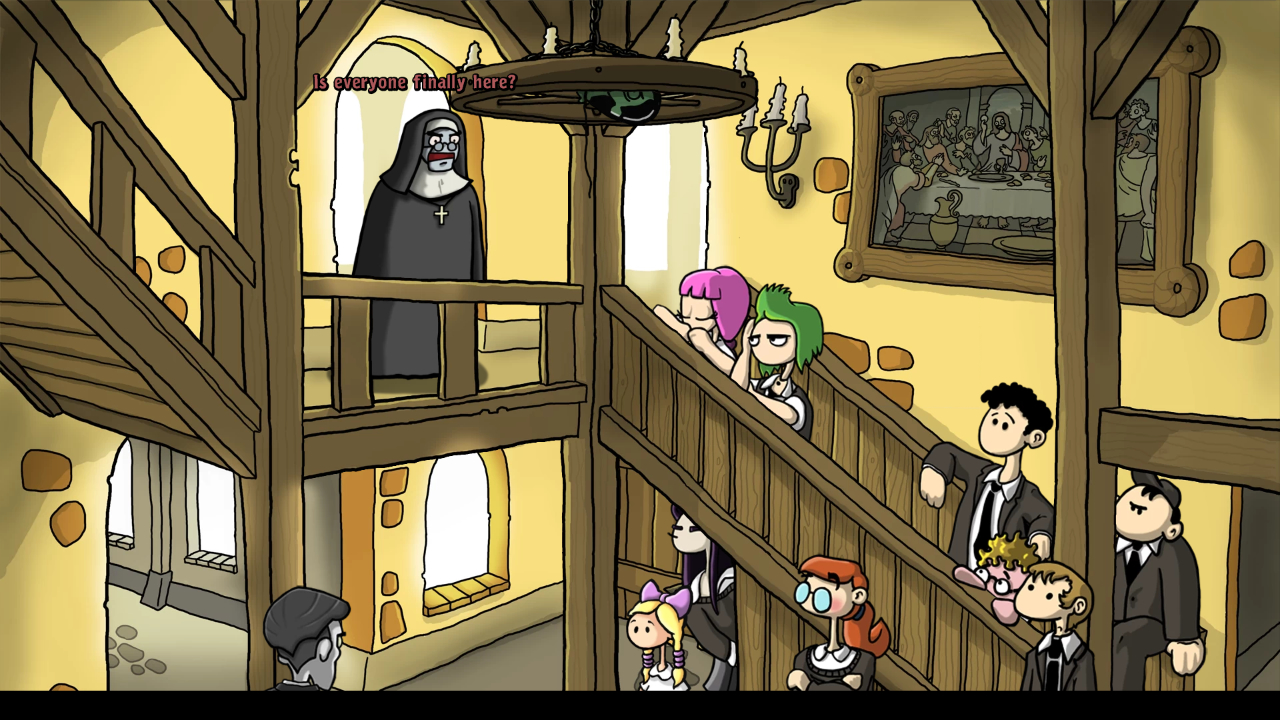
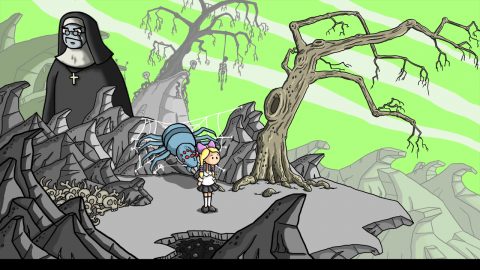
The usual adventure game happenings begin to occur as we learn that Dr. Marcel is coming to advise on dealing with the convent children and Edna starts freaking out…but things are off. Very off. Something seems to be wrong with Lili and how we’re even perceiving the story itself, which really starts to become apparent when the wacky kid characters end up dying in ways both comical and…not. Lili doesn’t seem to even register it either, their remains painted over by weird potato head looking “gnomes” and the game’s narrator never addressing what’s clearly happening to boot. When Marcel introduces a Harvey doll with modified eyes that hypnotizes people, things only get more surreal as Lili has to navigate bizarre dreamscapes and deal with the mental block Harveys to regain control of her own actions in order to leave and find Edna, who’s gone into hiding.
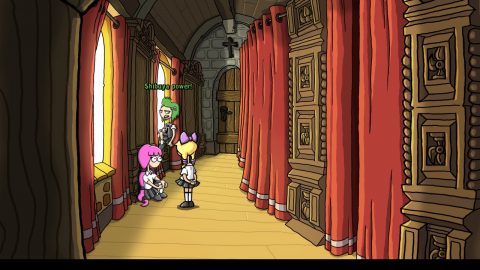
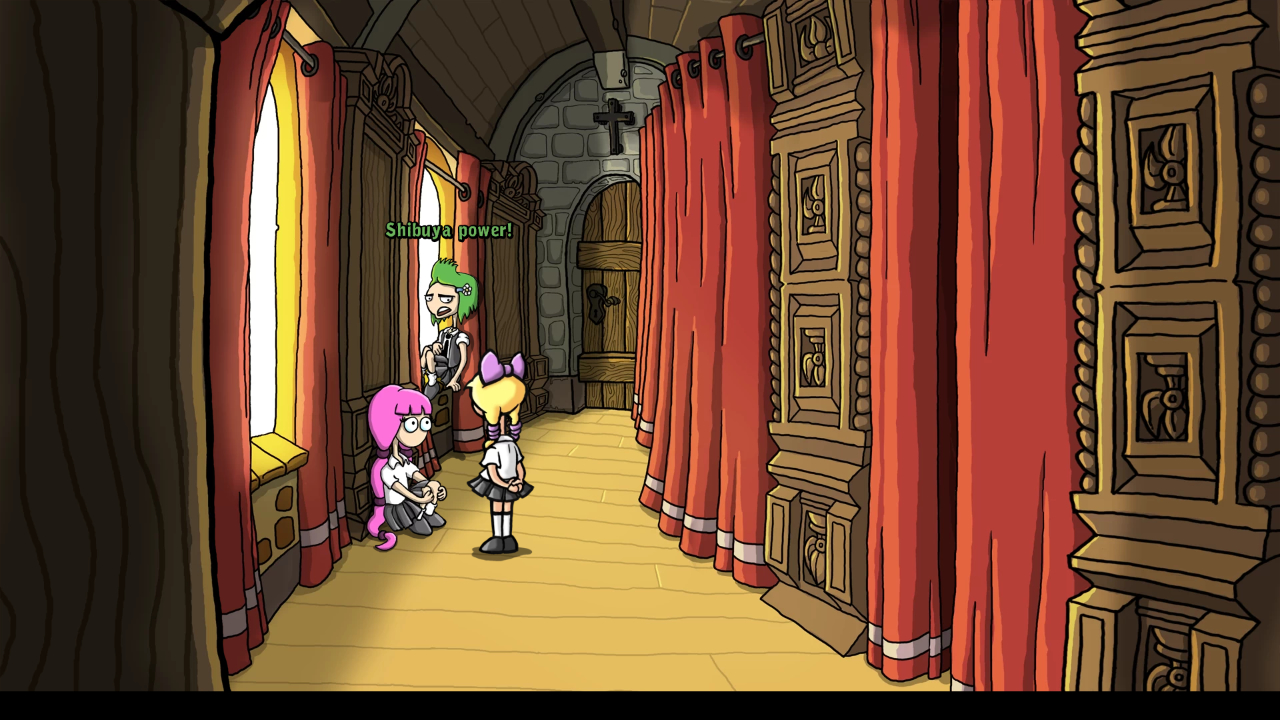
Harvey’s New Eyes is strange, even for a Daedalic game. It doesn’t feel nearly as cohesive as anything else the studio has put out, but every element does add together to a somewhat clear whole, just one that feels like several disconnected ideas and musings mixed together with a core theme of cycles of abuse to try and glue it together. At the same time, it’s one of the early examples of Michaelis embracing some meaner comedy to mixed effect, but mostly positive here. About as mean as it gets here is with a side weeaboo character that clearly exists because the man met an anime fan in real life and didn’t like what he saw. Otherwise, the dark humor leans more into sudden tone shifts.
A lot of familiar tricks are used here, including the big one of recontextualizing the earlier adventure and how we view the main character Lili, but it feels a tad lopsided. The game starts to fall apart in the last act as it returns to the asylum, tying into the original game more closely but not everything it tries to do feels like it got the attention it needed. The dead kid stuff comes back in a similar way as we’d see in the Deponia series with Rufus having to come to terms with his personal flaws, but because we’re so purposefully detached from Lili, who is literally unable to speak until the game’s final lines in one of the three endings, there isn’t a strong moment where everything comes together thematically. The end result is a story that feels very disjointed but gesturing into an interesting idea and message.
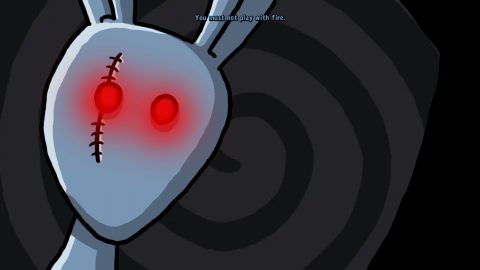
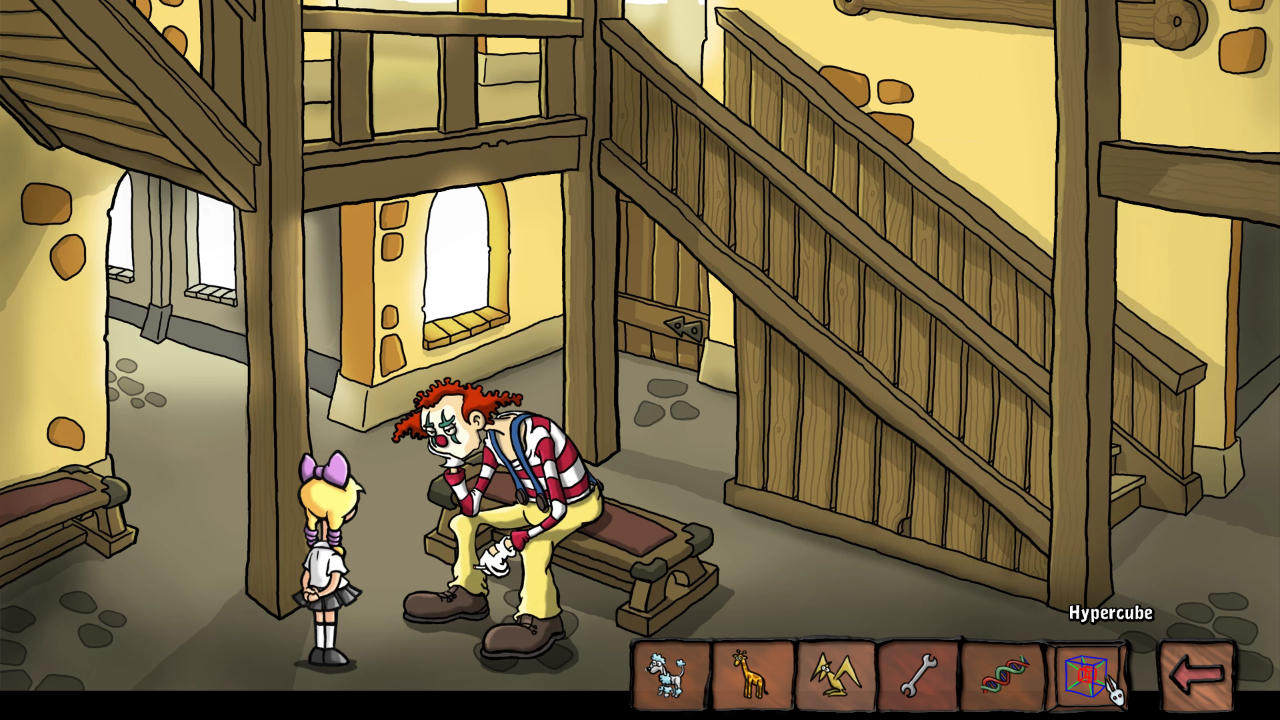
We do much better with the comedy in the puzzles. Harvey’s New Eyes cuts back on the first game’s verbosity in terms of interaction options, and it gets rid of the central area exploration until the final act, which is mostly stripped down. Instead, we get the more traditional Daedalic stage by stage structure, where we get put in new areas or situations and have to figure out how to deal with a given obstacle to continue, and it works really well here. The key to this is that every new area after the convent has Lili having to deal with a mental block set by a hypnotic Harvey, creating puzzles that require her to manipulate the real world to allow actions in her subconscious.
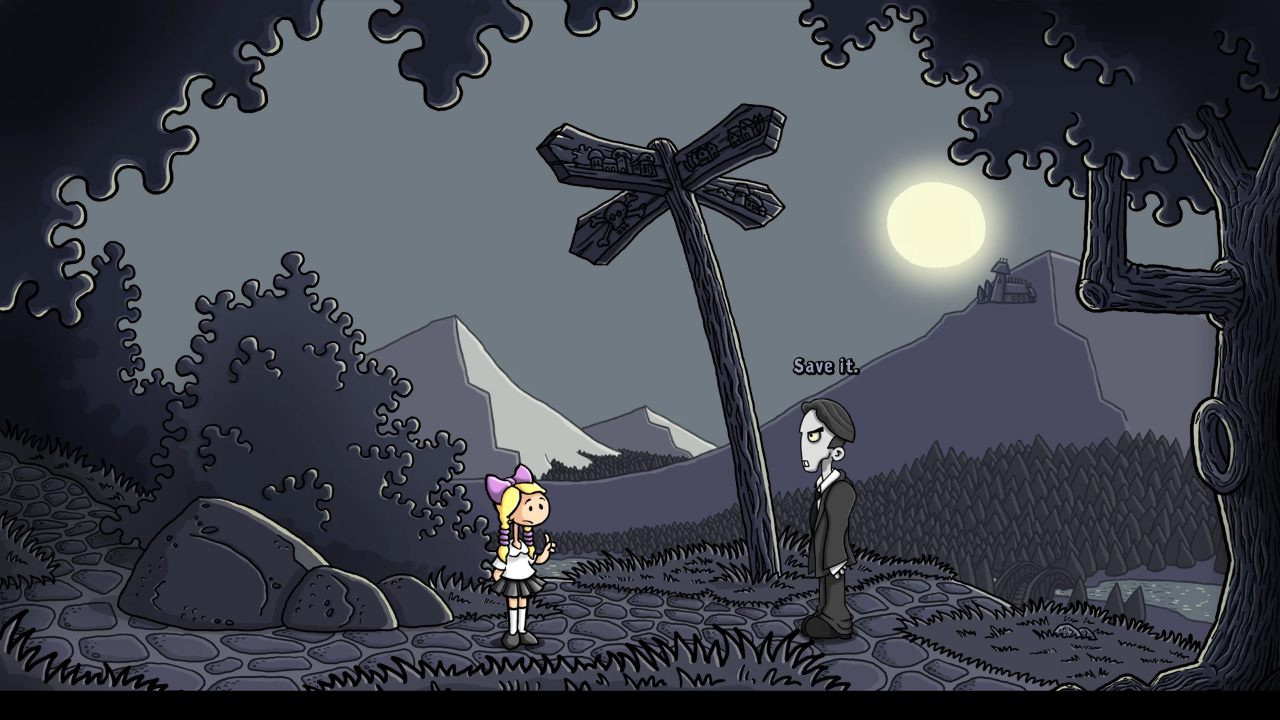
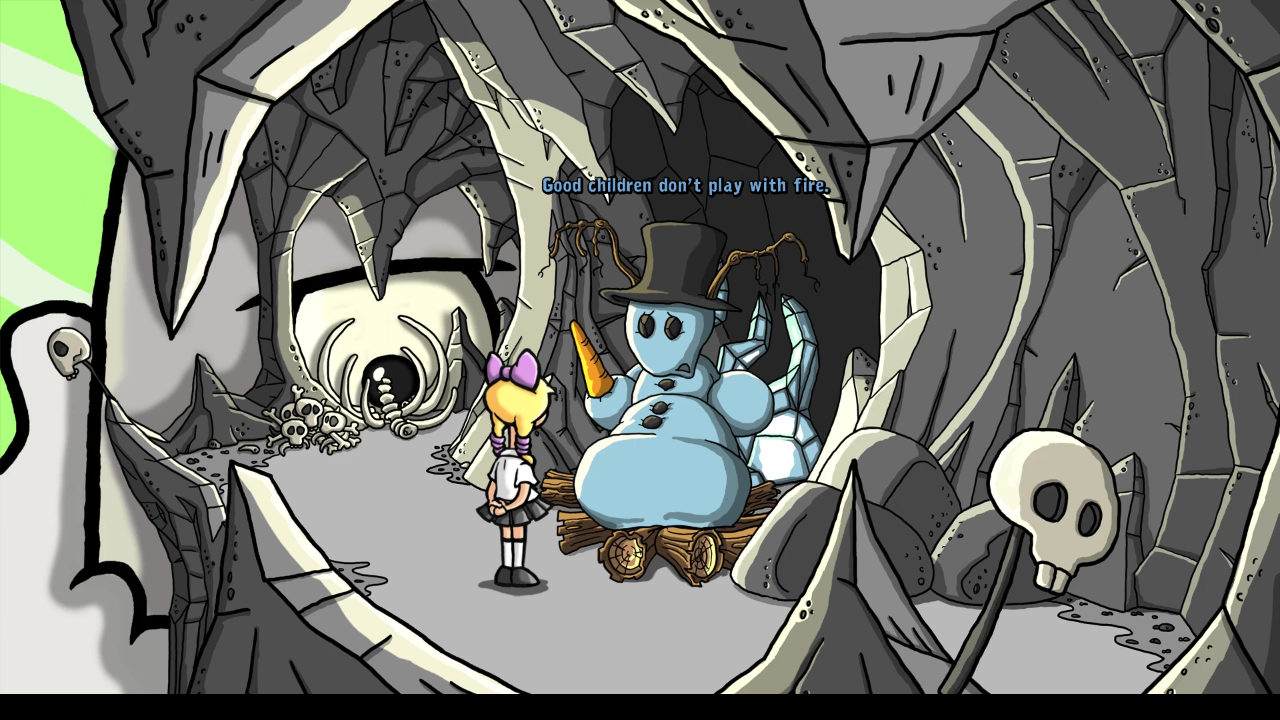
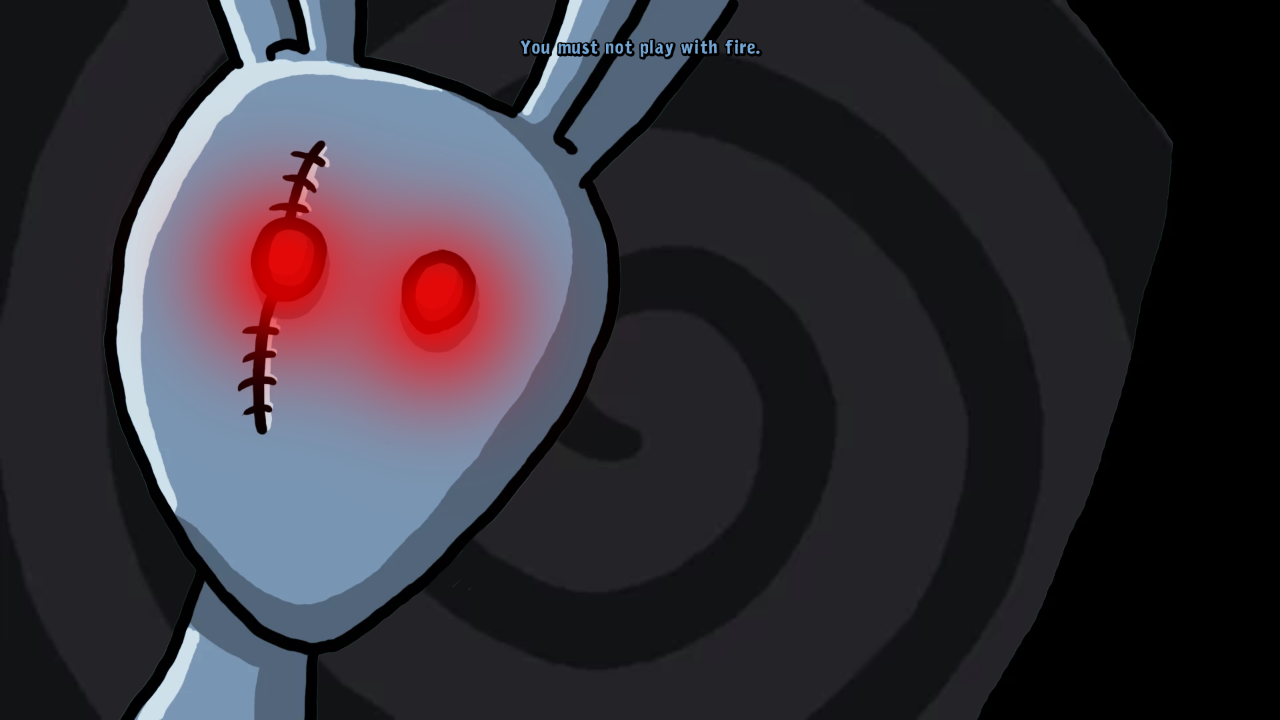
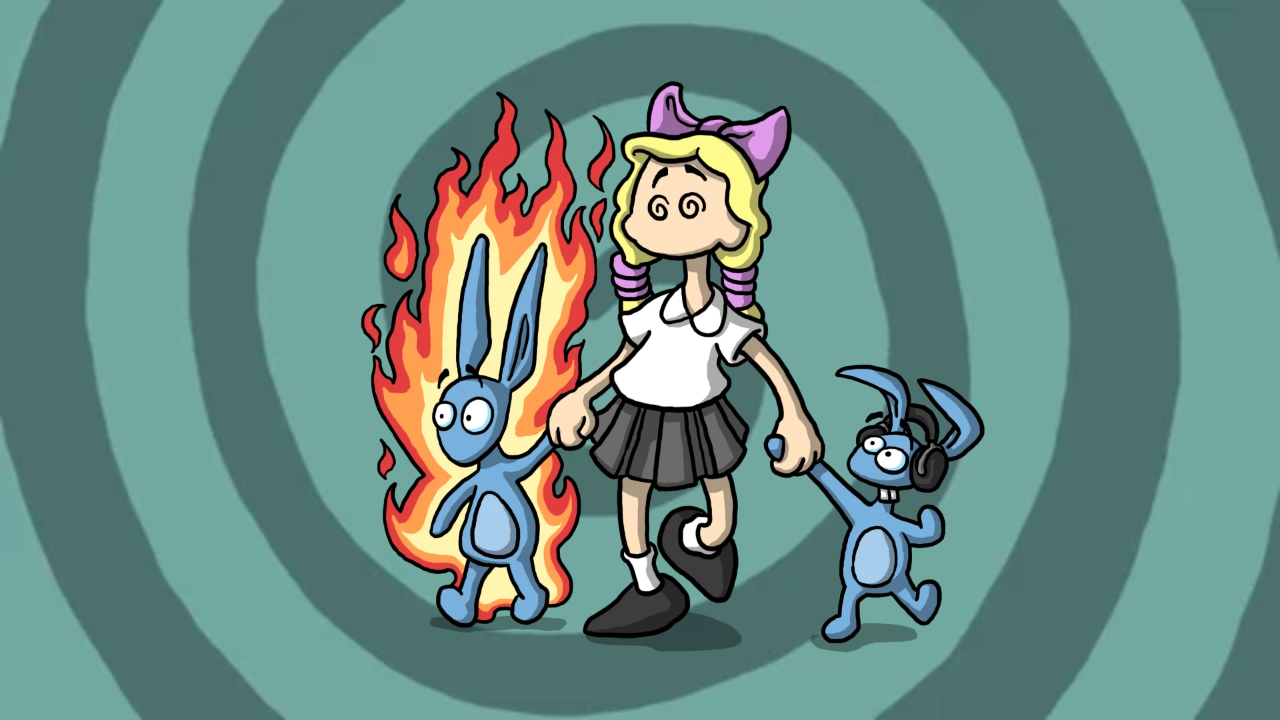
The hypno Harveys are a really inspired twist for the character, turning the comical id into patronizing super egos of various themes and gimmicks, each representing different rules given to children by adults. The key to solving these puzzles is often ironic, creating situations where those rules have to be broken for Lili’s well-being, or logically deconstructing them. The highlight of the latter is definitely the lying puzzle, where you have to mathematically prove that lying can be good. The hypocrisy coming from the Harveys never stops being funny either, especially whenever their ignorance comes into focus, like suggesting a safer place to be than walking the street is a Rolf Harris concert. The most is made of the puzzle set up for putting Lili in all sorts of messed up, darkly comedic situations too, though never to the heights of a Goodbye Deponia or the like.
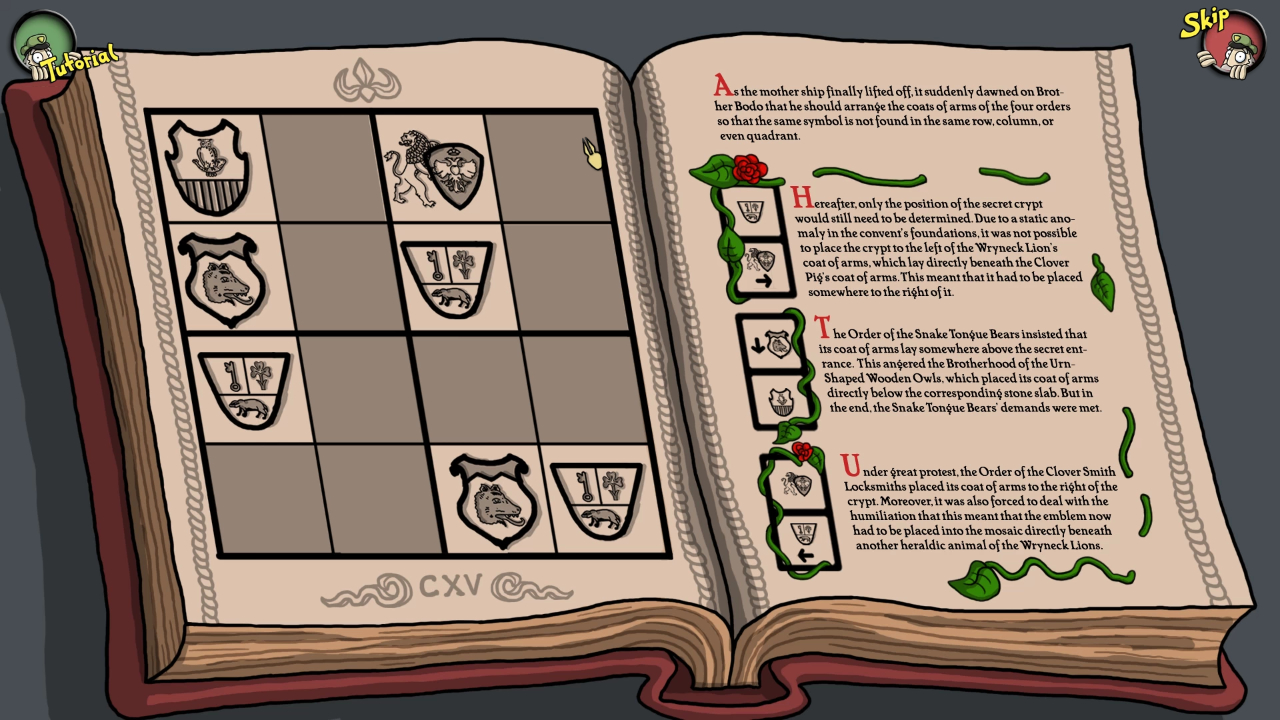
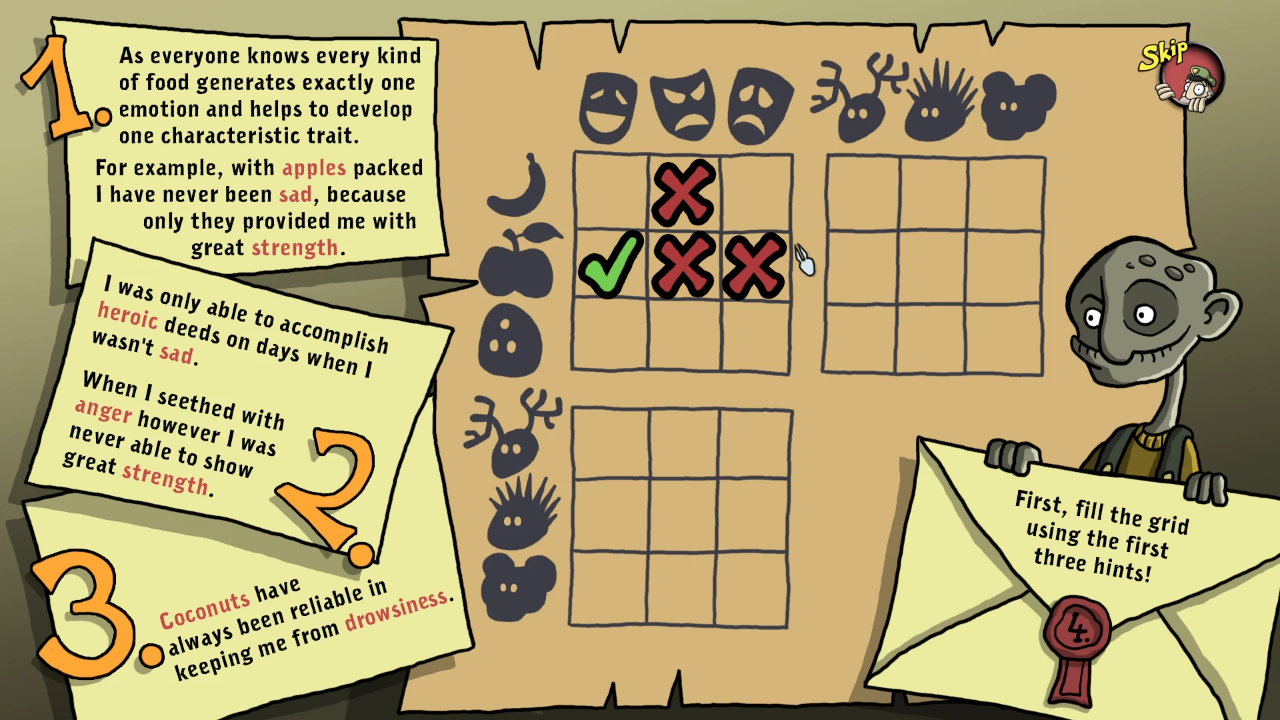
One oddity is that the game also uses some traditional logic puzzles instead of focusing entirely on traditional point and click item and dialog puzzles. They’re solid puzzles, often laid out like a children’s puzzle book, complete with a hint system, and feel more in step with what the European adventure game scene was becoming at the time. However, they’re a tad more time consuming than what most Daedalic fans would expect, so they added an option to just skip these puzzles entirely, giving achievements for both solving them and skipping all of them. It’s yet another layer to the game’s premise and its habit of playing with it for meta humor and surreal moments.
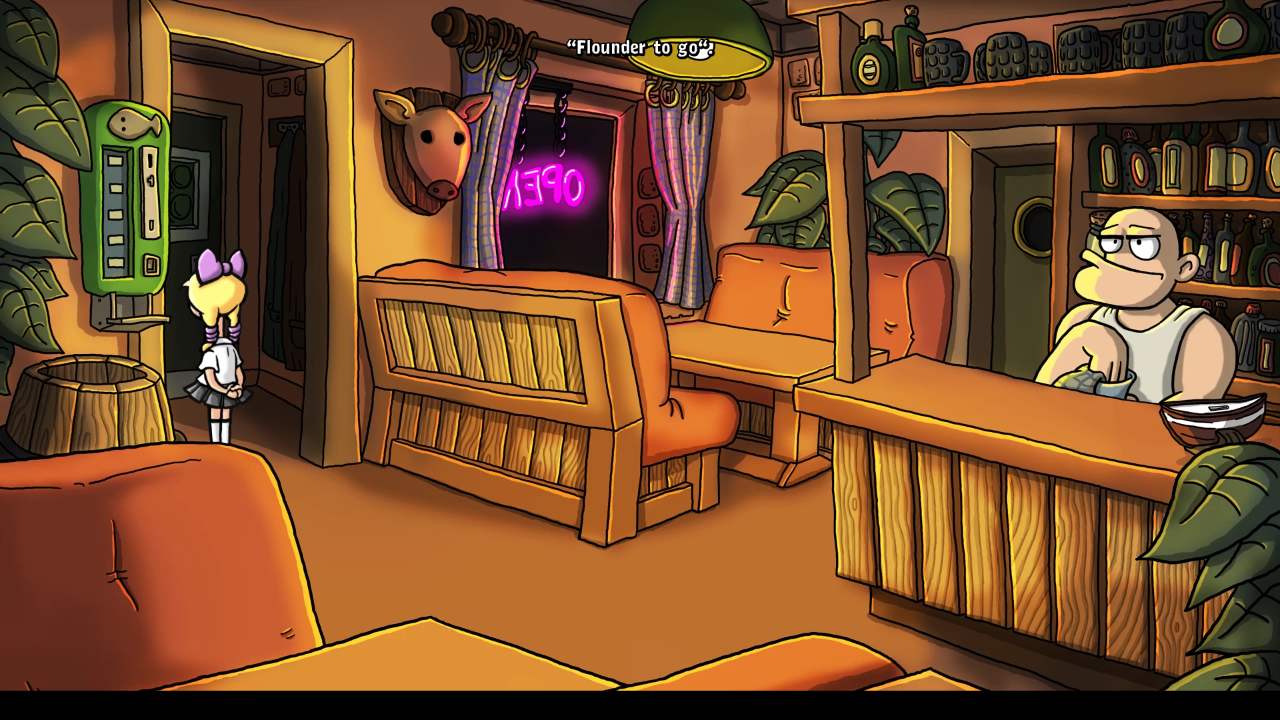
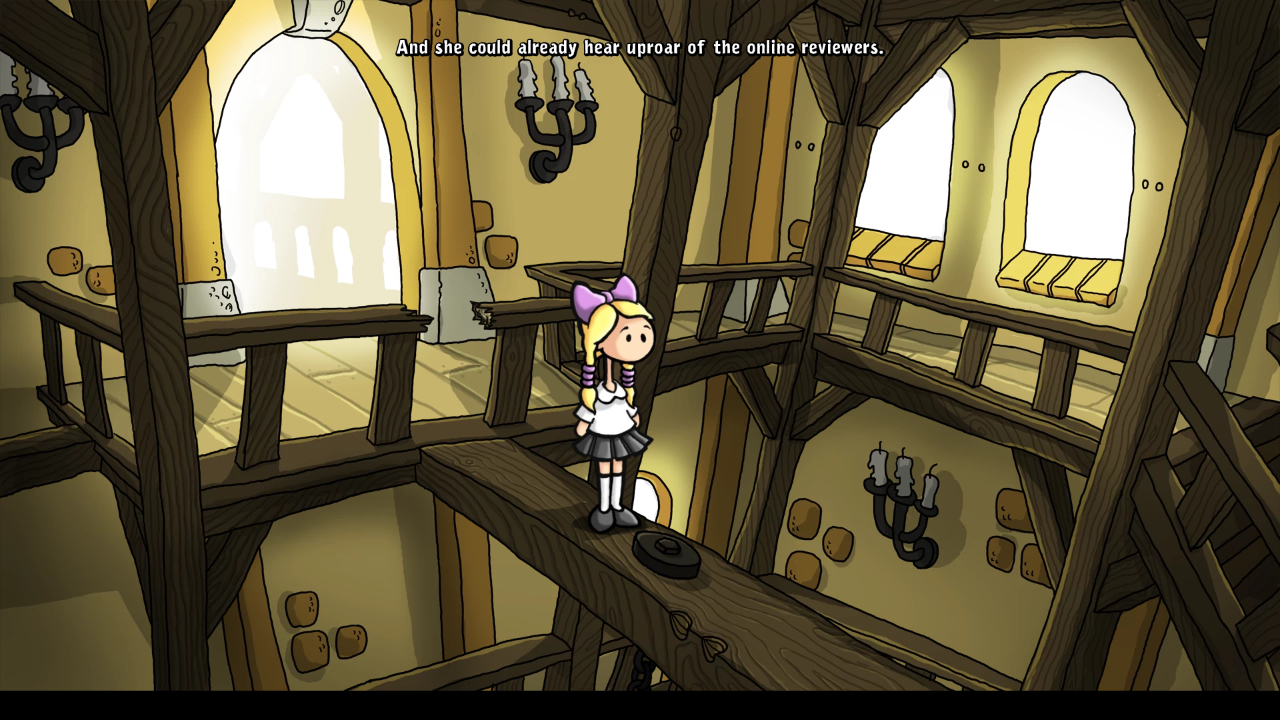
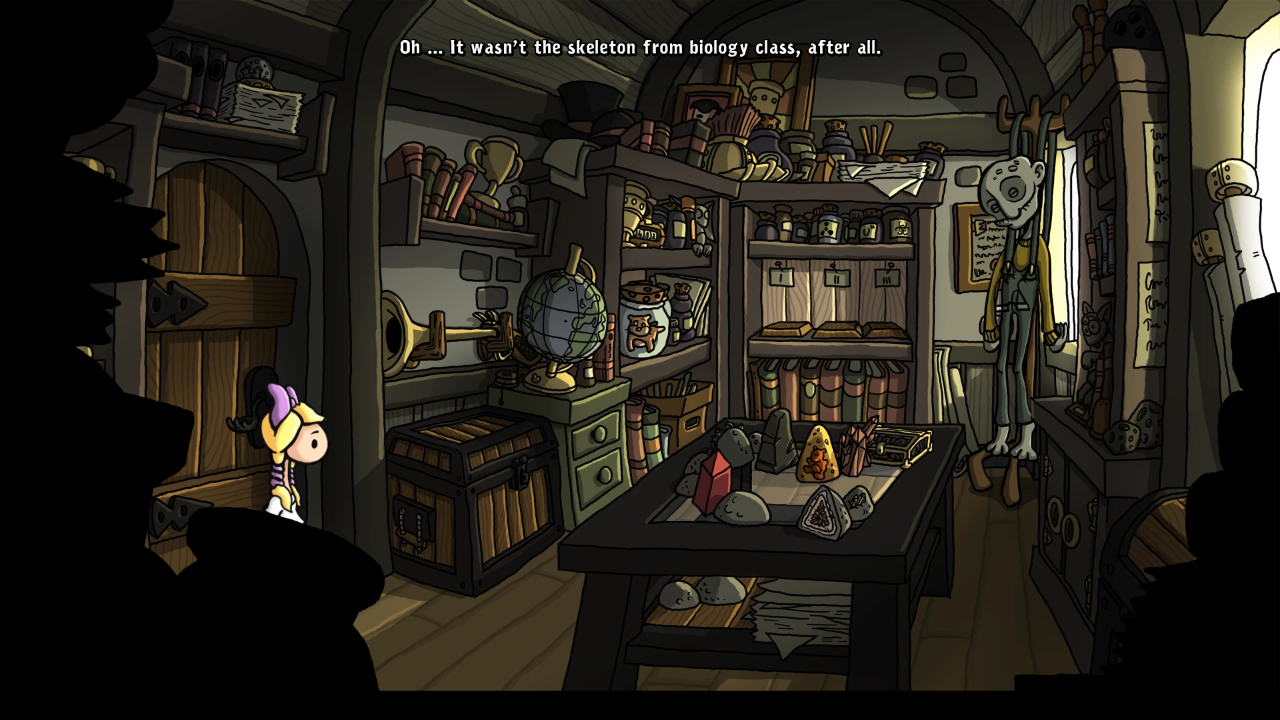
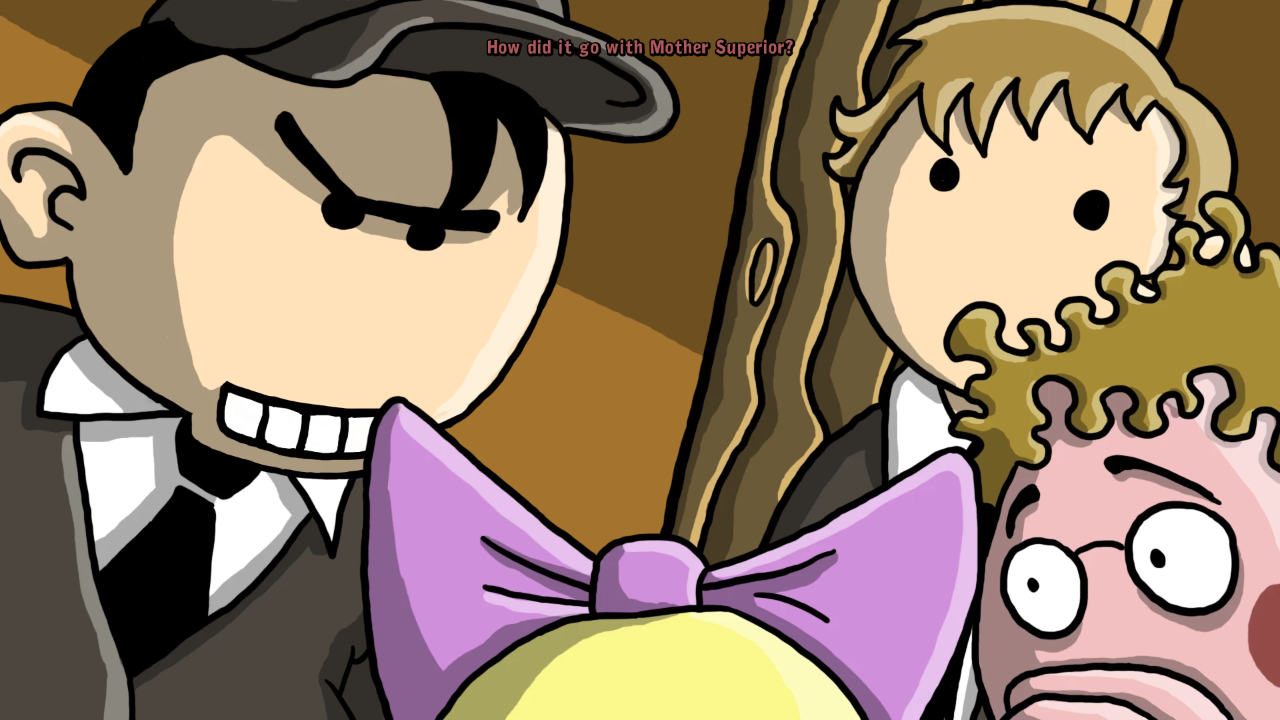
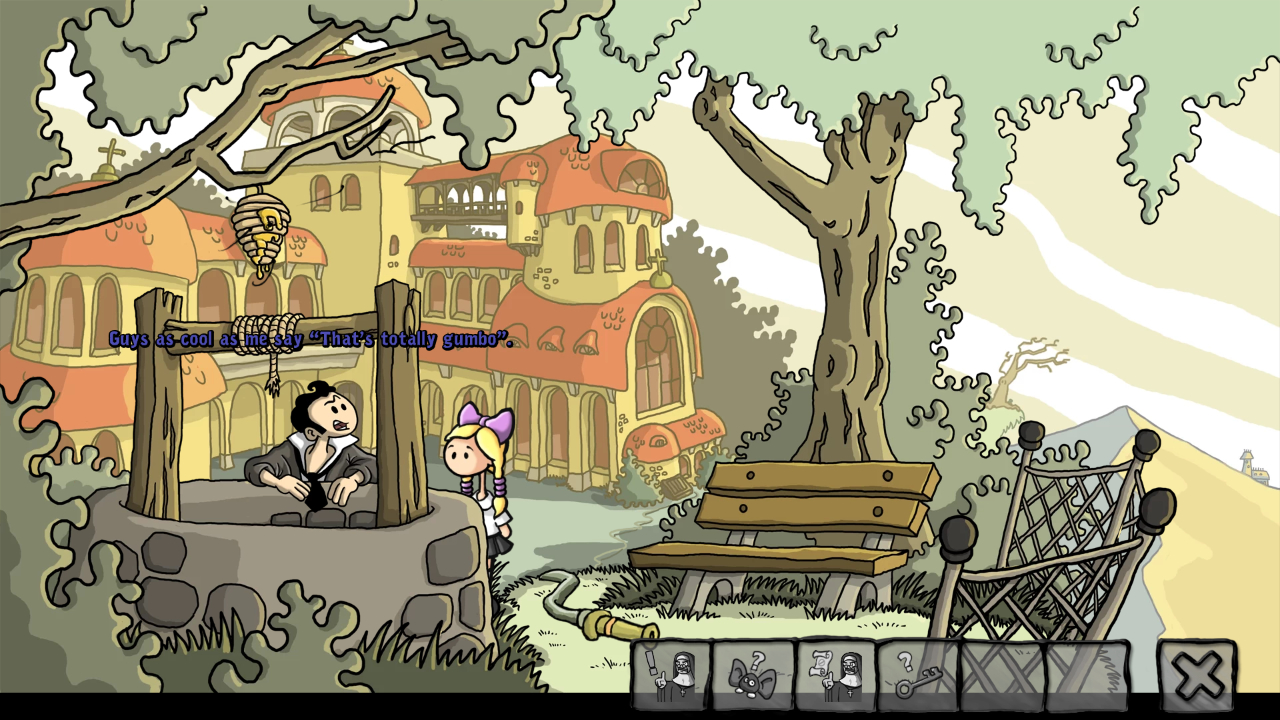
The game is overall worth playing, and has some really unique and interesting thoughts it prods in regards to the first game, but do be warned that it may come off as odd looking if you played the first game’s anniversary edition. The new art of that version makes some subtle changes that don’t mesh with the older designs this game works with, like Edna’s hair color. It might throw you for a loop briefly. Otherwise, the game looks solid, a bridging step in Michaelis’ art style he’d smooth out come the Deponia series. It’s heads above the sketchy look of the original version of the first game, but retains some of that sketchy quality at times, especially in terms of body proportions. It’s definitely a unique look compared to his later, more polished art.
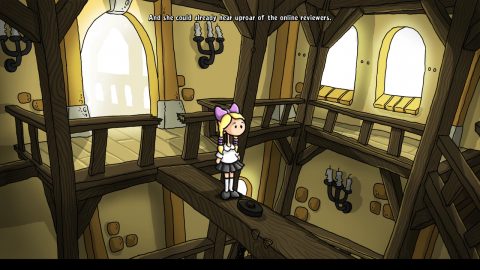
All that said, a remake version for this one is unlikely with Michaelis’ having left the studio and Daedalic’s gutting with the failure of Gollum. It’s a shame, because the current version is actually so old now that you can’t get a good resolution playing on modern, high res monitors. It has the same problem the earliest games of the studio did, where they were still not in widescreen in a transition era to widescreen full adoption. Play it windowed if you have to, or rely on one of the console ports, but if you enjoyed Daedalic’s other work, you might just appreciate this unique entry from the growing period of the studio.