- Crystal Castles
- Crystal Quest featuring Bentley Bear
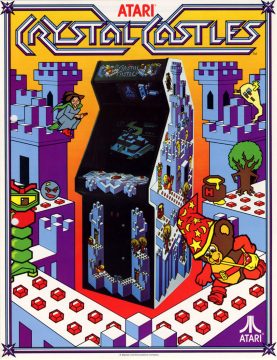
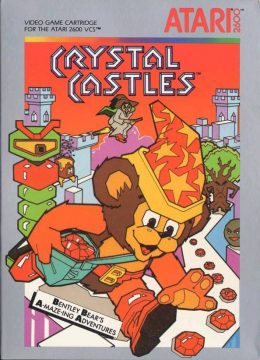
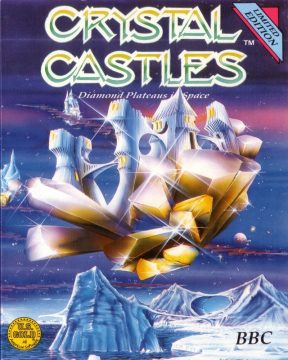
Bentley Bear is in a jam. While out roaming the forest, he decided to take a nap in his favorite tree stump. The problem is that when he woke up, he found himself in a glittering array of castles. These were the Crystal Castles, home of the evil witch Berthilda. The only way to get out is to collect the gems scattered throughout the ten Crystal Castles. It won’t be easy for Bentley, though, as Berthilda has sent her minions to stop him and turn him into dinner!
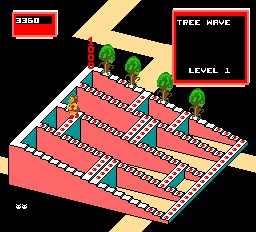
Released in 1983, Crystal Castles was Atari’s take on the “maze” genre of games that was dominated by Pac-Man and all of his relatives at the time. Created and programmed by Franz Lanzinger, it originally started life as yet another sequel to Asteroids, titled Toporoids, but after experimenting with three-dimensional backgrounds and creating a small, E.T.-like character to move around them, he decided to take the game in a different direction. Lanzinger and some other co-workers at Atari came up with a fairytale scenario for the game (inspired by stories like The Wizard of Oz), as well as creating the hero of the game, Bear Braveheart. The last name didn’t sit well with Atari’s marketing department, who felt that it would be offensive to Native Americans, so Bear Braveheart became Bentley Bear (thanks to a contest held inside Atari). As Lanzinger was a fan of the arcade games Centipede and Millipede, he decided on using a trackball for the controller. He was advised by Atari to change the controller to a joystick, but when it was tried, the game didn’t control as well, so the trackball stayed. In addition to the trackball, there is also a jump button.
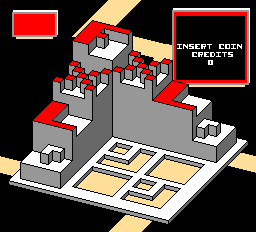
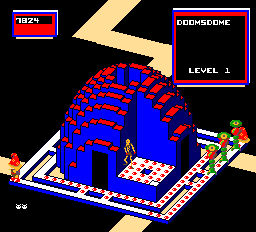
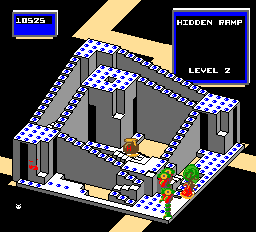
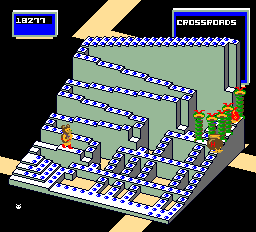
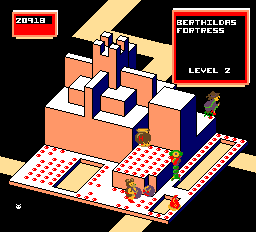
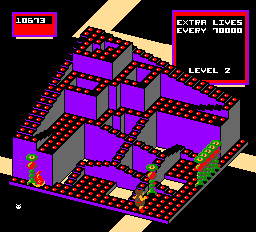
As the game begins, the castles are constructed in real time on screen using a method known as trimetric projection. This gives the player a chance to get a look at the layout of each castle before the enemies appear and the gameplay starts. The castles start off with simple enough layouts, but soon progress to mazelike multi-level constructs with elevators and hidden ramps. Each castle is made up of multiple smaller castles, which form the different stages. These smaller castles have names like Doomsdome, Cross Maze, and Berthilda’s Dungeon. There’s very little music in the game, but what there is, is upbeat and catchy. Even the game over theme, while the most downbeat, is still memorable. Some of the themes are instantly recognizable classical music pieces, such as “The Nutcracker Suite,” while others are entirely original compositions.
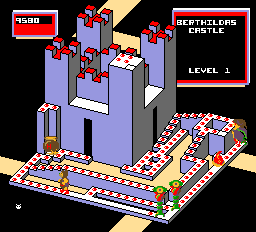
Berthilda’s minions are out in force, doing their best to stop Bentley’s escape. The first ones Bentley encounters are Crystal Balls, which are slow moving orbs that can easily be jumped over. As Bentley works his way through the castles, he encounters walking trees (which can be stunned temporarily by jumping over them), skeletons, ghosts, strange creatures called Gem Eaters (which can only be destroyed if Bentley runs through one while it’s eating a gem), invincible swarms of bees, and Berthilda herself. Berthilda’s cauldron is present in some castles as well, which must be avoided at all costs. The majority of the enemies can pick up gems themselves. If you’re aiming for the highest score you can get, though, you want to do your best to get the last gem in every castle. Every time you do, you get more points for doing so. When Bentley clears a stage, you’ll see him take one of the roads to the next stage, usually followed by Berthilda (and as the stages go on, multiple Berthildas).
Aside from his amazing ability to jump, Bentley doesn’t have much in the way of protection. However, in some stages he’ll find a Magic Hat. Not only will the Hat makes him invincible for a few seconds, but it’s the only thing he can use to defeat Berthilda. Like most good villains, though, even after defeat, she keeps coming back. There are also honey pots scattered throughout the castles that are worth major bonus points. These can be dangerous, as when the bees first start to show up, they have a tendency to hover around the honey pots for a few seconds before flying away. That’s Bentley’s only chance to get the honey. However, it’s a double-edged sword. You’ll get the bonus points, but with nowhere to go, the bees will start actively pursuing Bentley whenever they arrive – and the longer it takes to clear a castle, the angrier and faster the bees get. Crystal Castles was also one of the first games to feature hidden warps to later stages. These usually involved going to a place on one of the stages and jumping, sometimes with the hat on, sometimes without. It’s also among the earliest arcade games to have an actual ending, as Lanzinger fought hard to have that feature included, even stating in a two page memo to Atari that if they were trying to tell a story through video games, then they should have a satisfying conclusion.
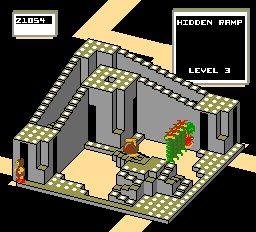
Crystal Castles was ported to a number of consoles and PCs over the years. The Atari 2600 received the first port of the game, in 1984. While it looks almost nothing like its arcade counterpart and can be hard to control, the basics are all there, and there is some fun to be had with it. A port to the Atari 8-bit computers followed the same year, but went unreleased. While better than the 2600 port, it still didn’t come close to the arcade original in terms of graphics or controls. An updated version of this port was released in 1988 for the Atari XEGS console, which improved a lot of the issues that the 1984 version had. The Atari ST port looked the most like the arcade, even retaining the roads that connected the stages. Two ports were released for the Commodore 64, one in the USA and one in Europe. These ports varied quite a bit in looks, with the US version looking more like the original arcade, but played about the same. The BBC Micro and Apple II received very colorful ports, but featured tiny sprites that only resembled their arcade counterpart slightly. The Amstrad CPC also received a port, which is darker than the rest and only bares the slightest resemblance to the arcade. The ZX Spectrum port is the worst looking of the bunch, with everything rendered in shades of green.
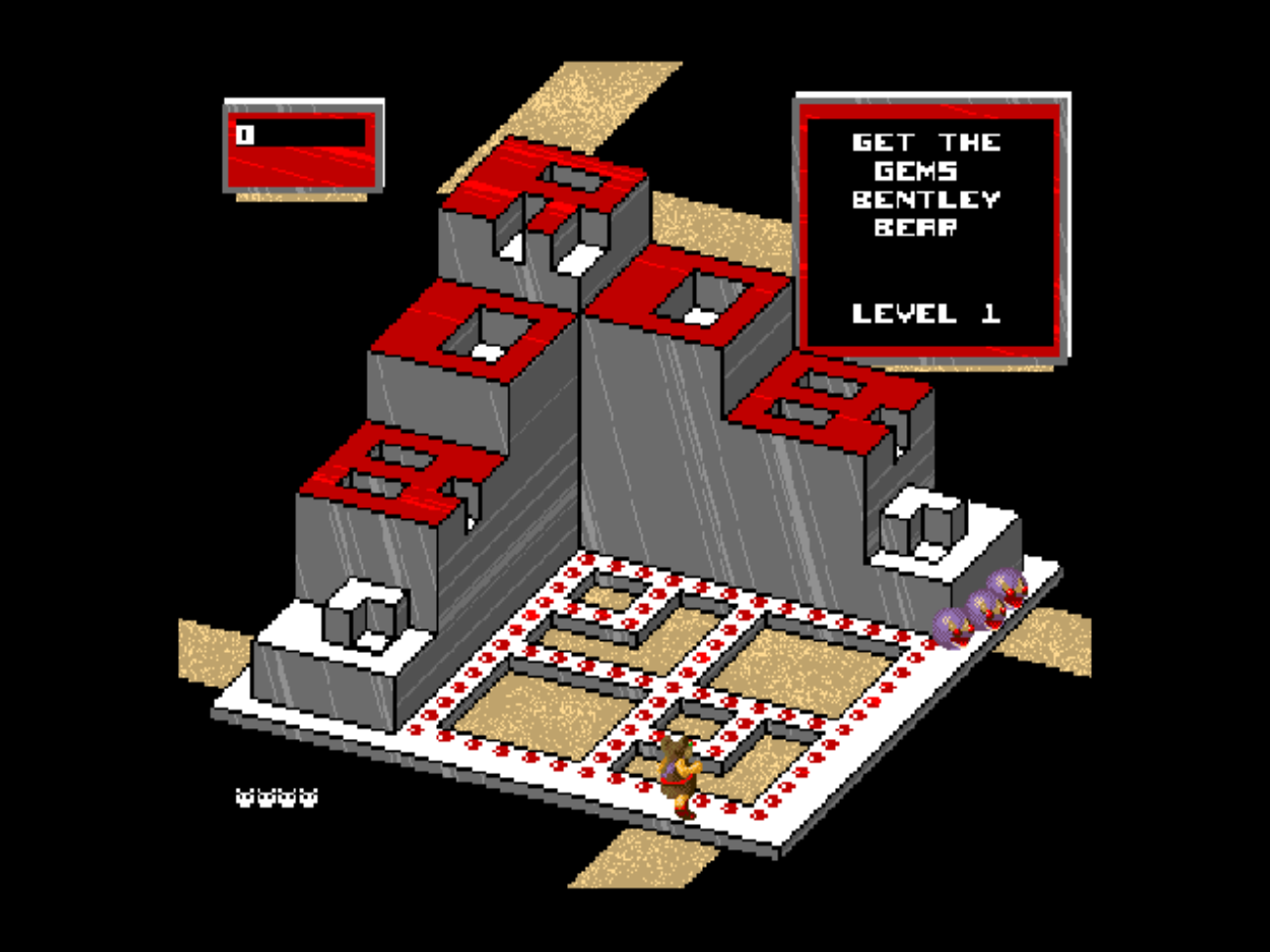
PlayStation 2
Years later, Atari started re-releasing the original arcade game on various arcade compilations, sometimes including the 2600 port as well. These were released sporadically over the years, starting in the PlayStation era with its first release on Arcade’s Greatest Hits: The Atari Collection 2, all the way through the PlayStation 5 era, with its most recent release being on the Atari 50 collection. At least one of these compilations, Atari Anthology, gave the option to enhance the graphics (PlayStation 2 version shown here). These enhancements included additional shading on characters, giving the roads a more textured look, and showing patterns of light on the castle walls.
Screenshot Comparisons
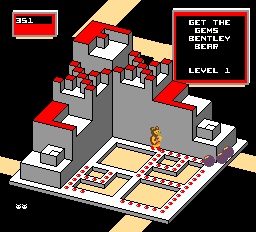
Arcade
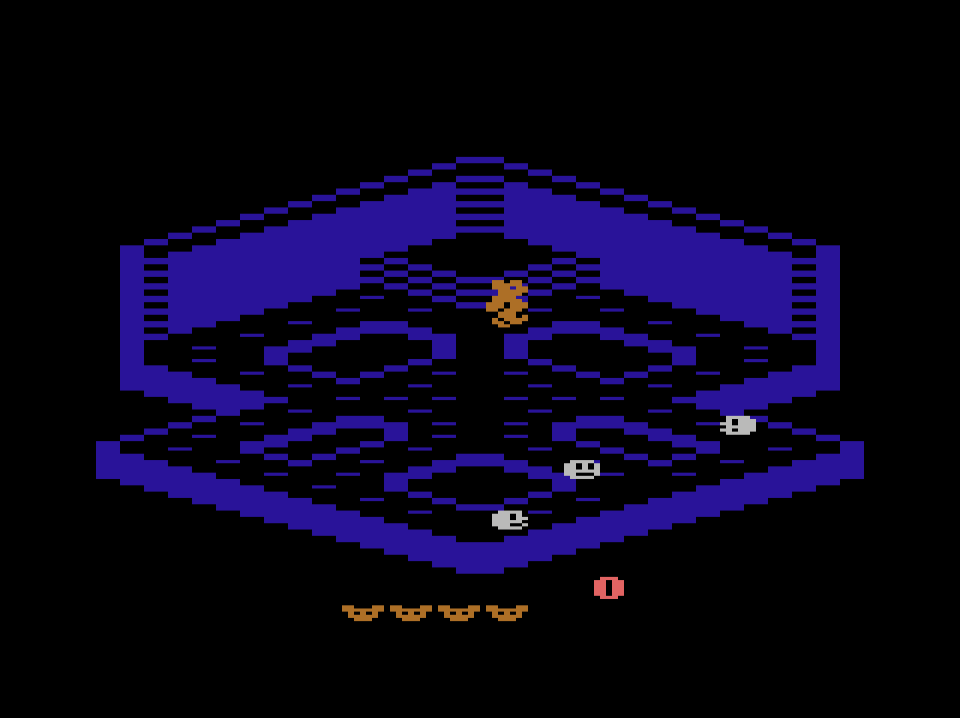
Atari 2600
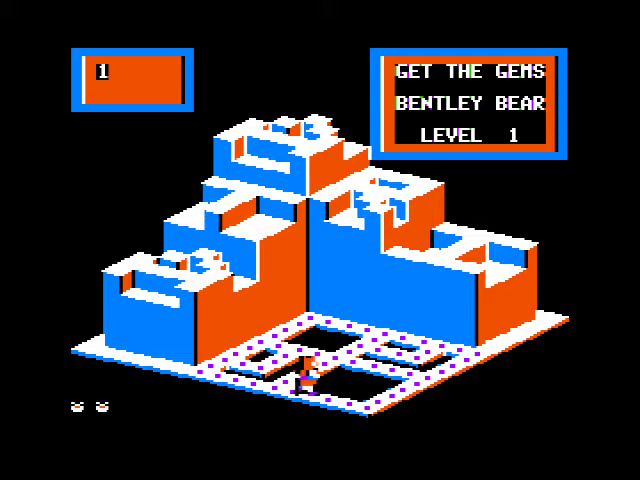
Apple II
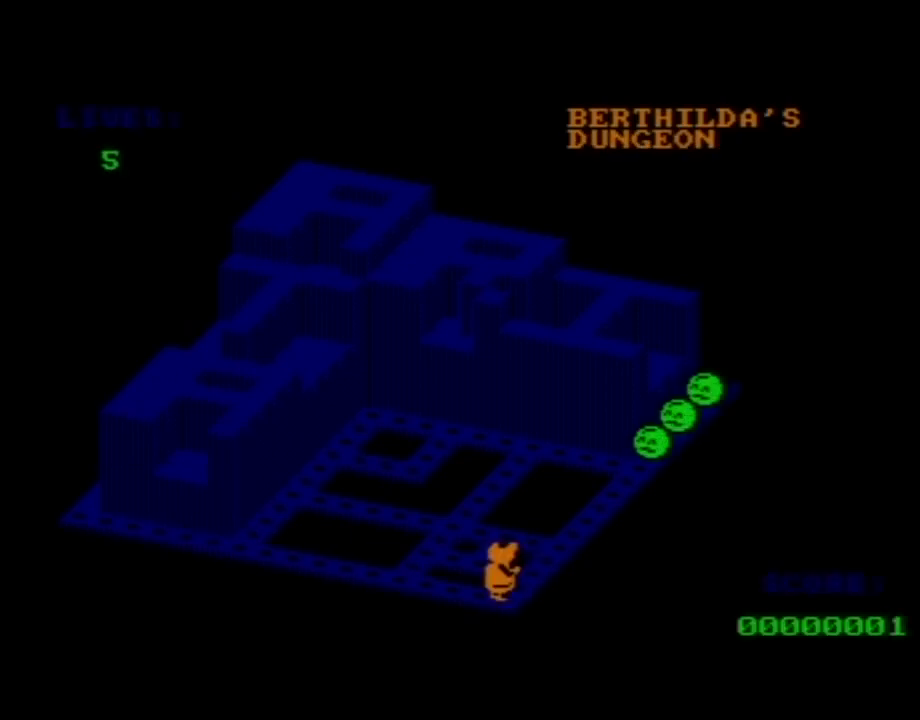
Amstrad CPC
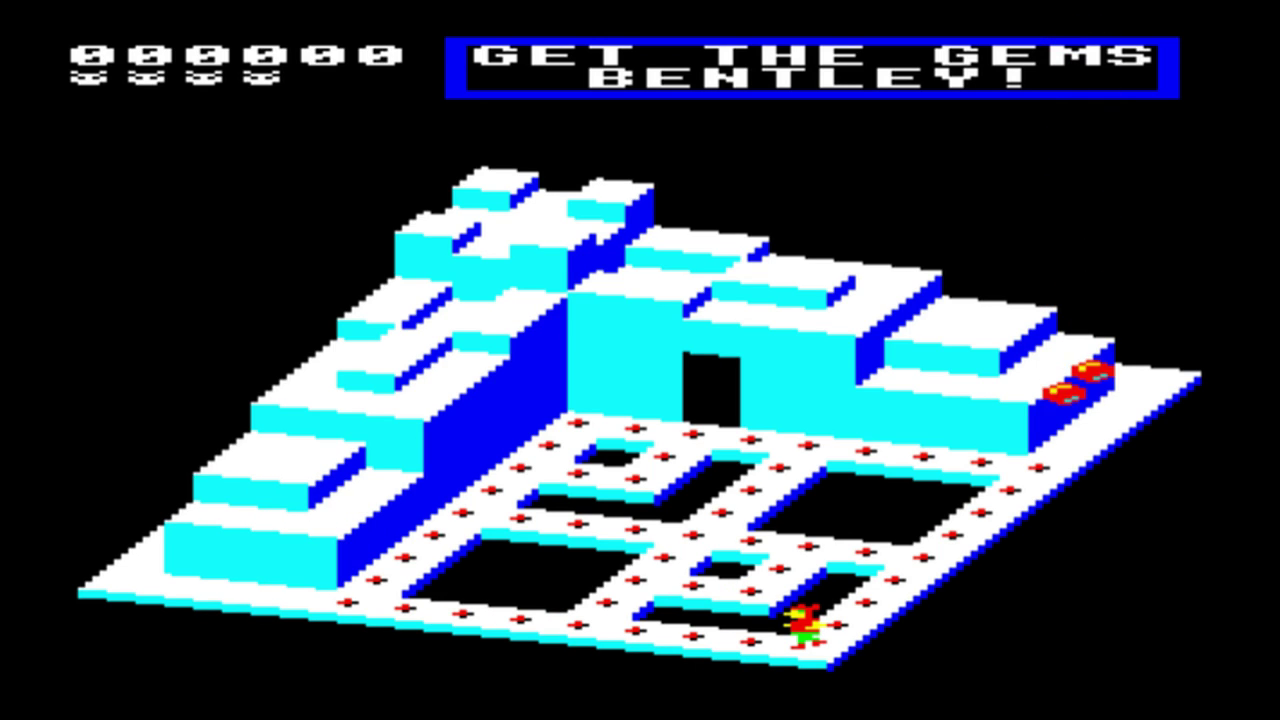
BBC Micro
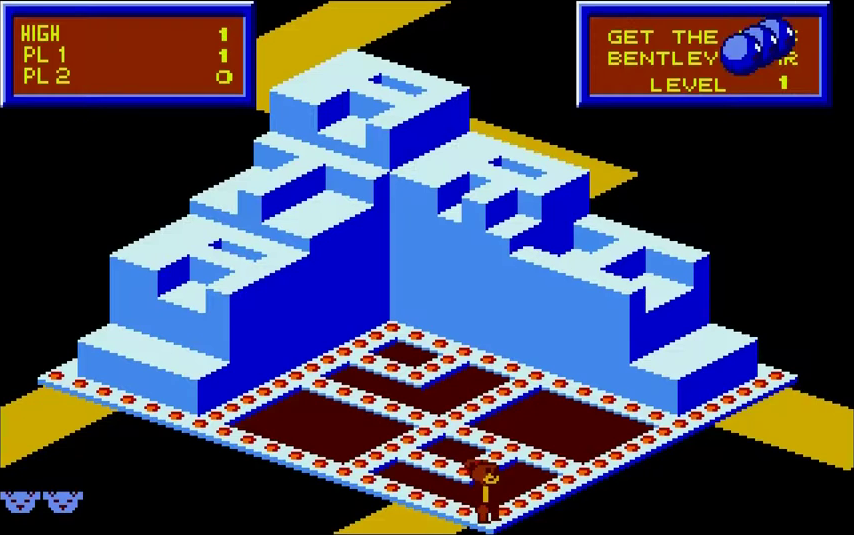
Atari ST
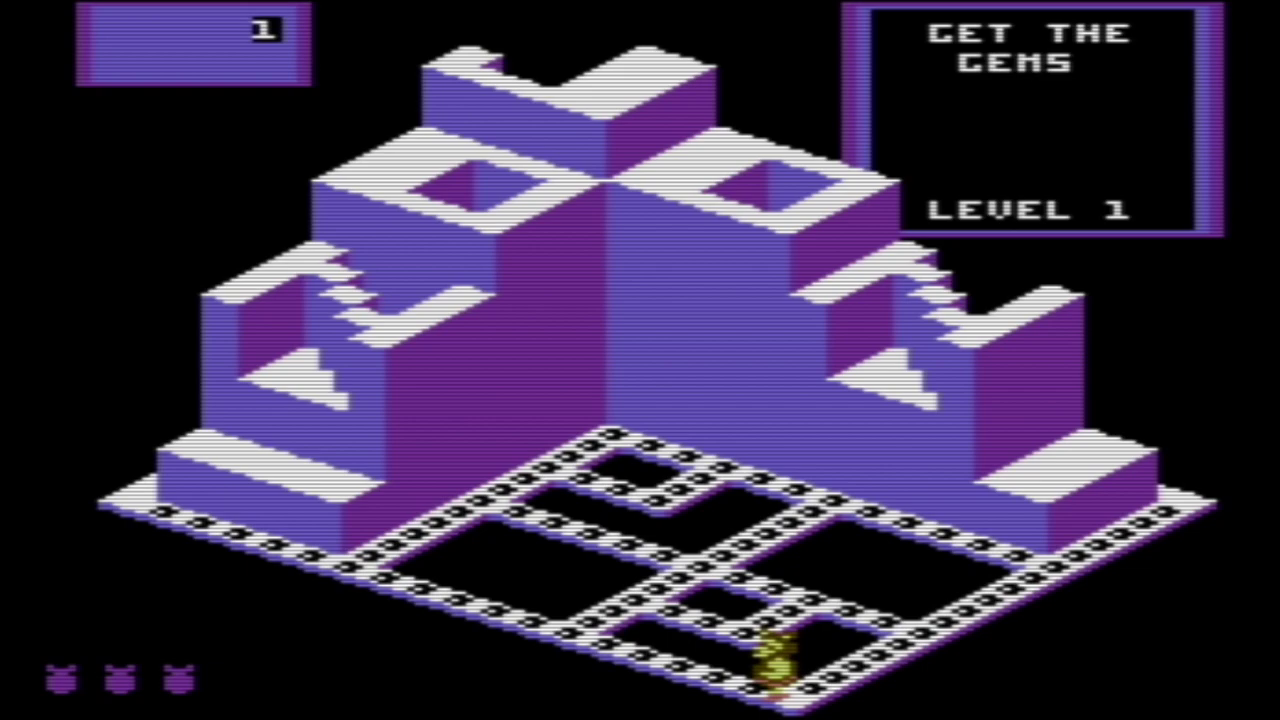
Commodore 64 (European)
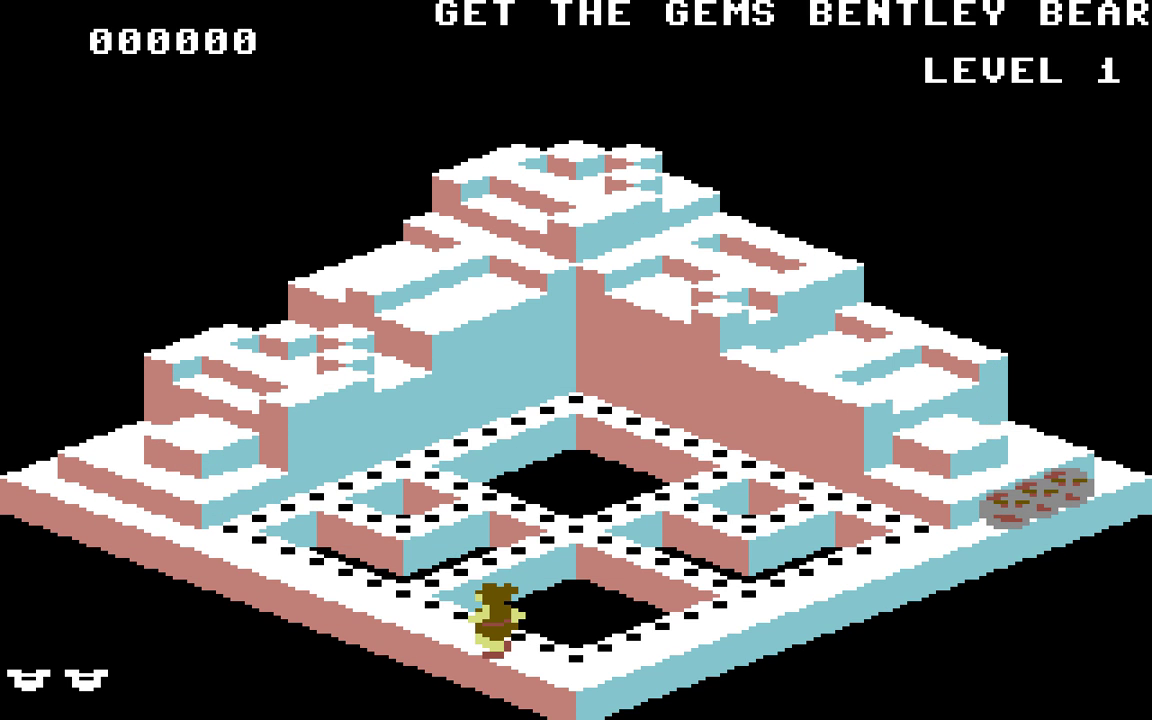
Commodore 64 (American)
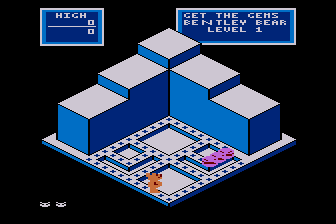
Atari XEGS
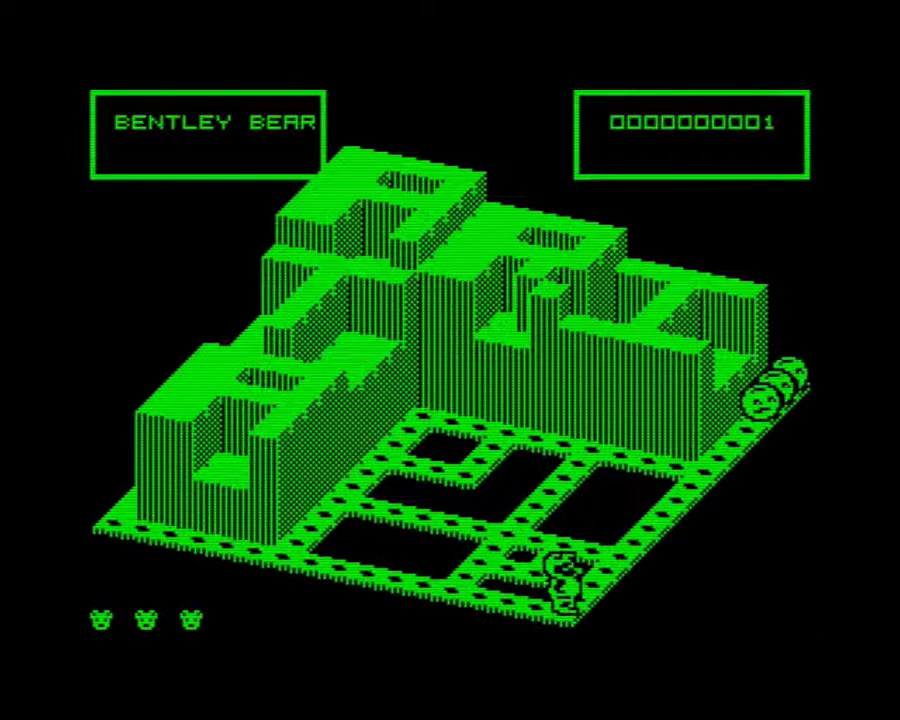
ZX Spectrum