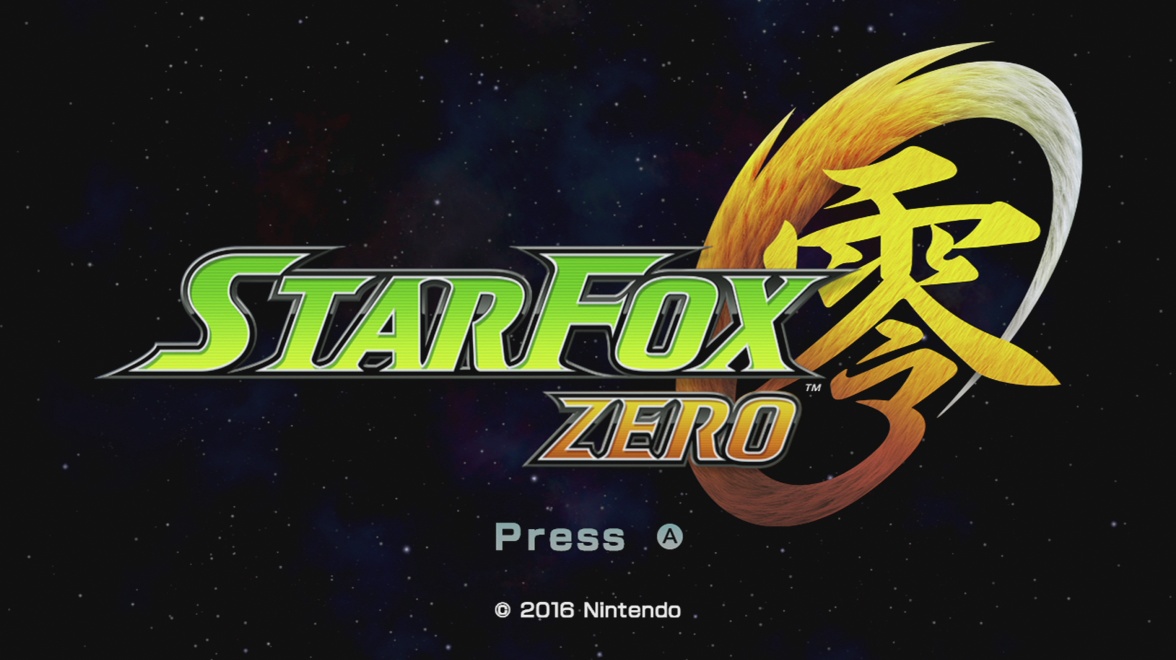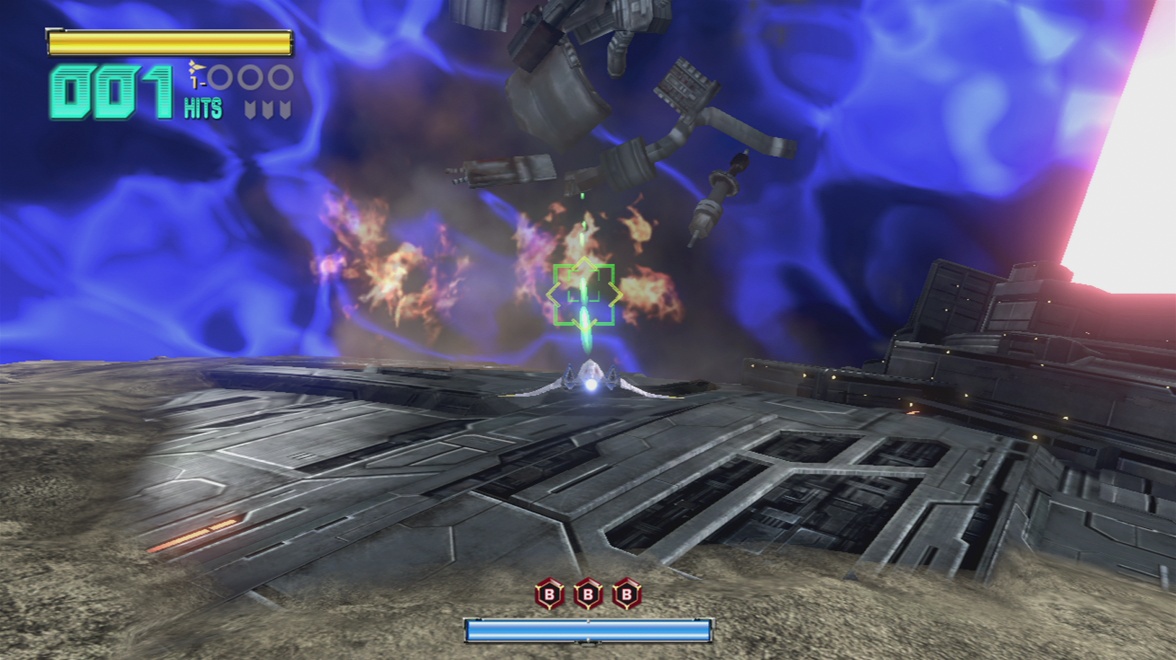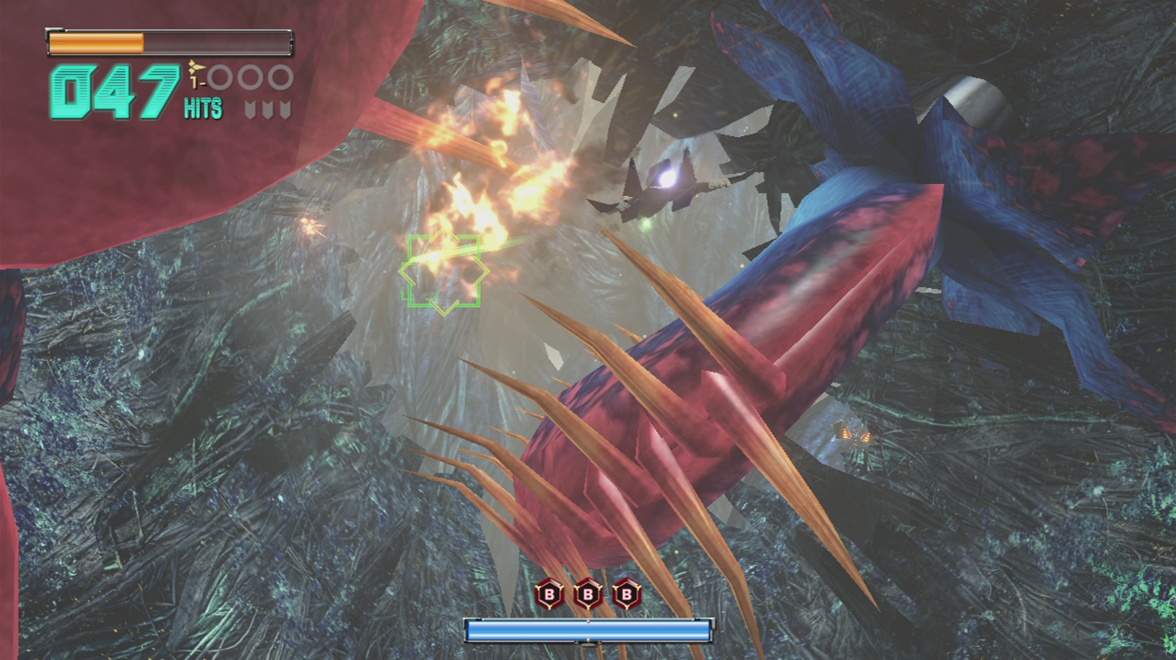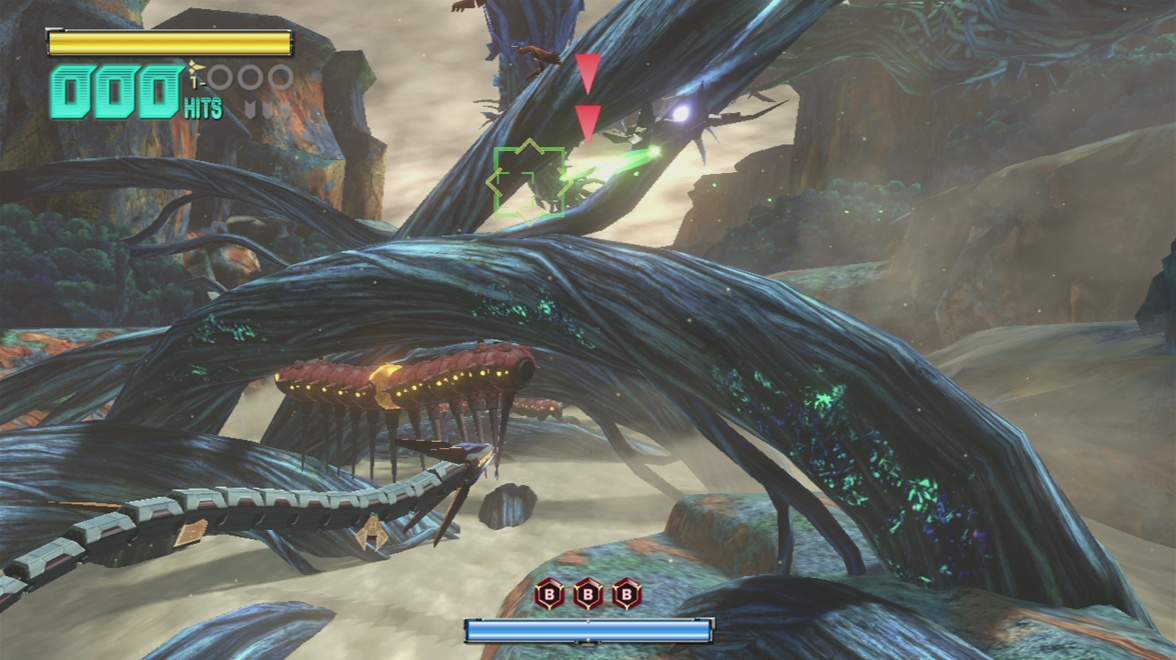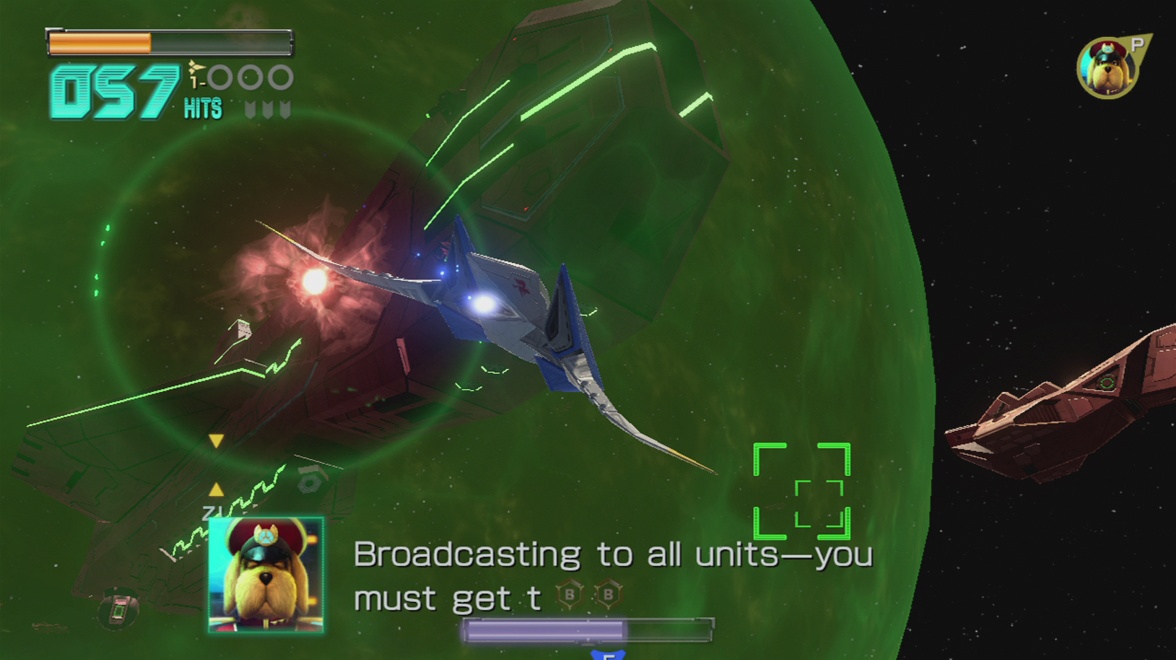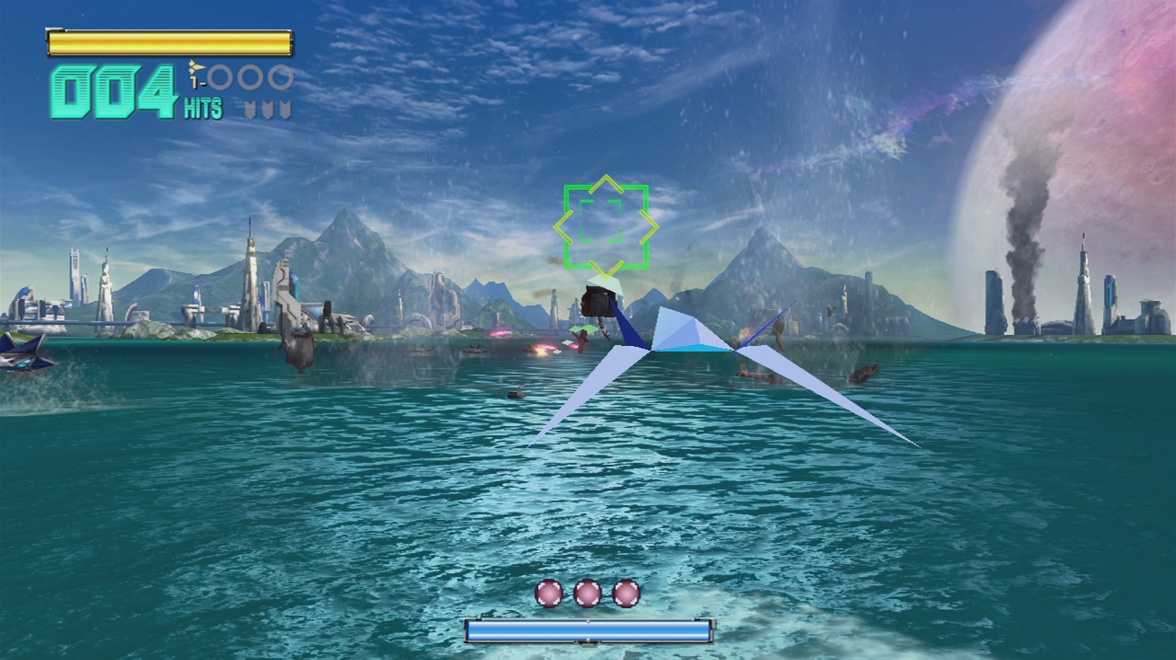
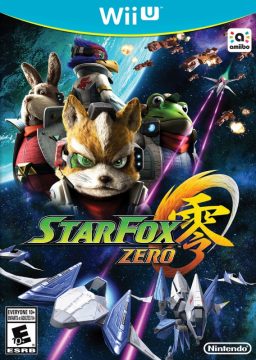
After the release of Star Fox Assault and Star Fox Command in the mid-00s, the franchise went dark for awhile, leading to an enhanced port of Star Fox 64 in 2011 for the 3DS. A brand new title, Star Fox Zero for the Wii U, wouldn’t arrive until nearly a decade later. While the game was conceptualized by Nintendo, much of the actual work was performed by PlatinumGames, they of Vanquish and Bayonetta fame. This company was chosen thanks to their chops with 3D action games. The “zero” in the title is an allusion to the fact that the game is sort of a reboot, but the fact that it uses the kanji in the logo can also be interpreted as a reference to the Mitsubishi A6M Zero aircraft flown by the Japanese in World War II, meaning it has some association with fighter airplanes.
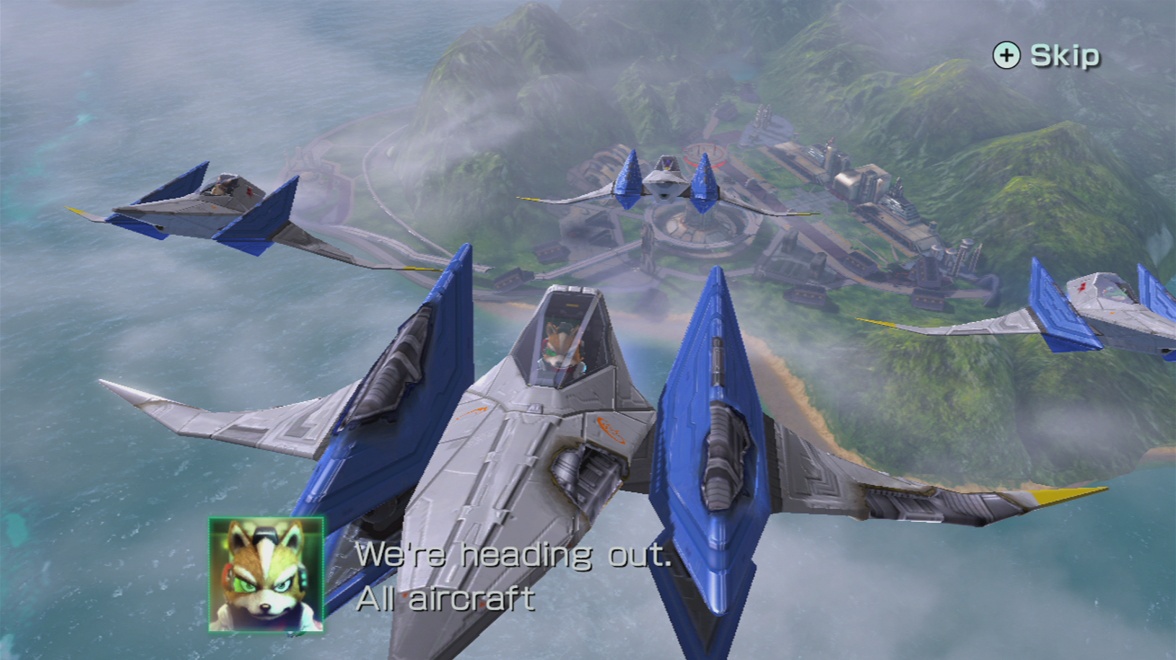
The title is a little confusing, though, as it infers this to be a prequel. In actuality, from a story perspective, it’s a remake of Star Fox 64 (which in turn was a reimagining of the SNES game). All of the four main characters (plus General Pepper) are the same, the briefing scenes are basically identical, most of the planets are the same, and even the opening moments seem to imply that this is just Star Fox 64 with HD graphics.
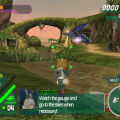
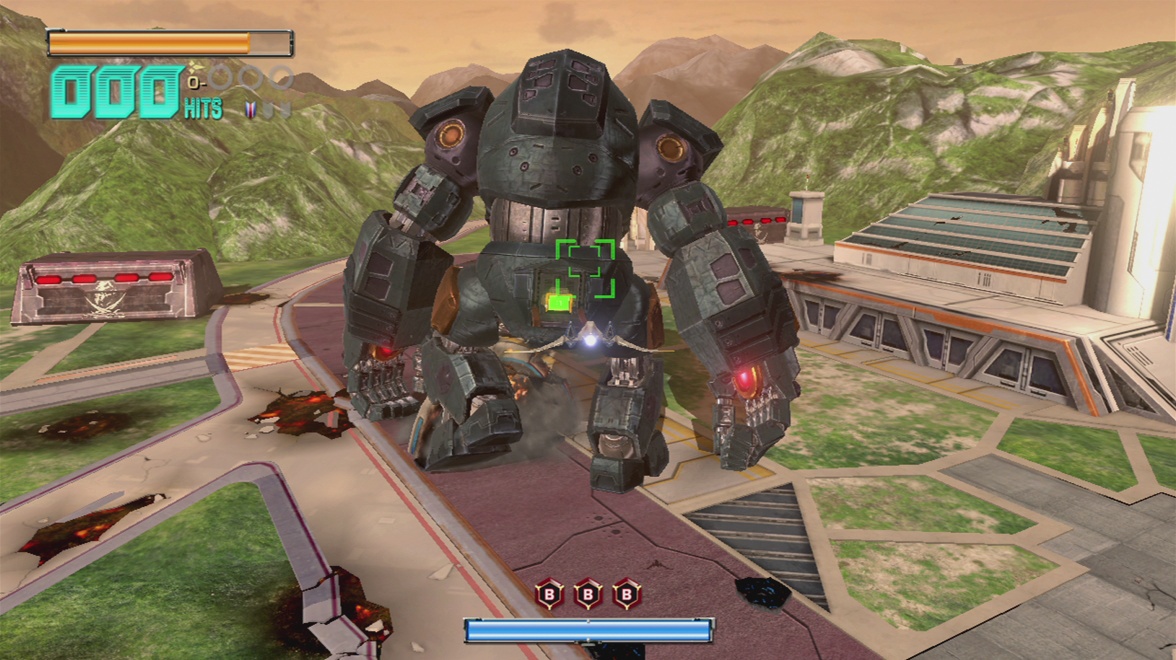
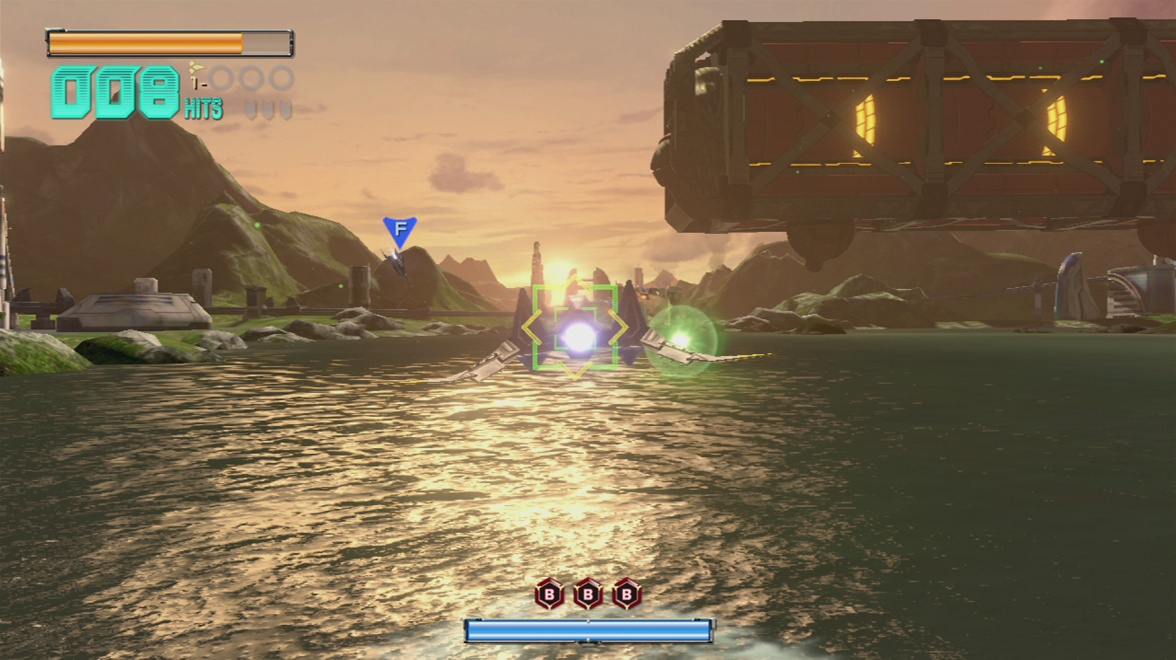
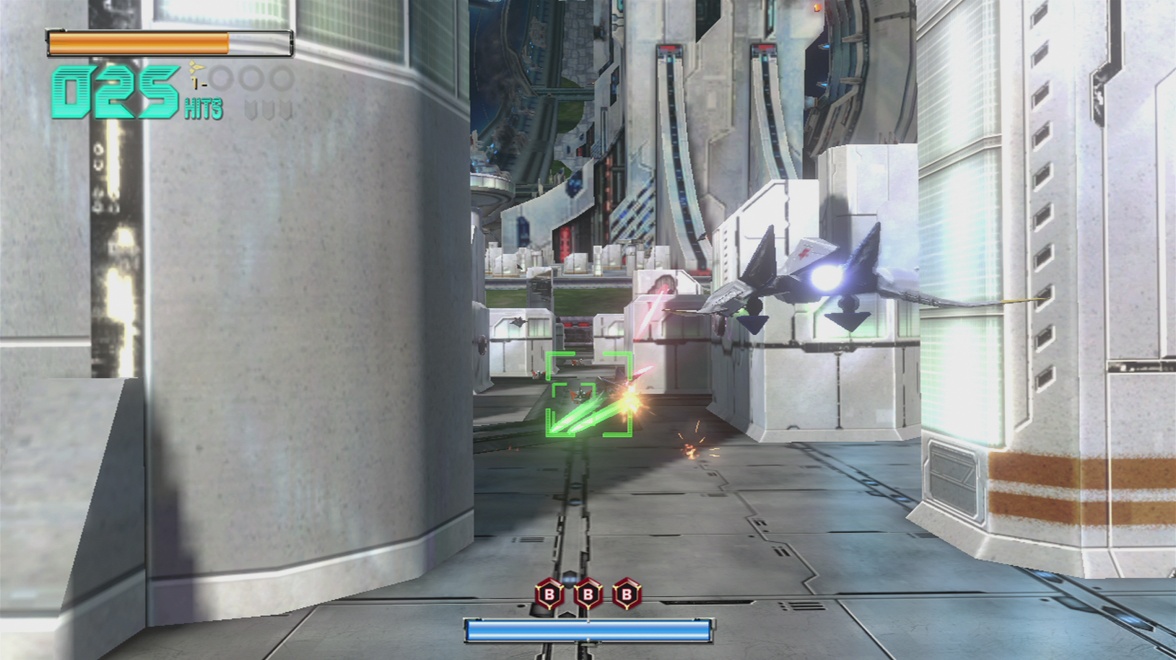
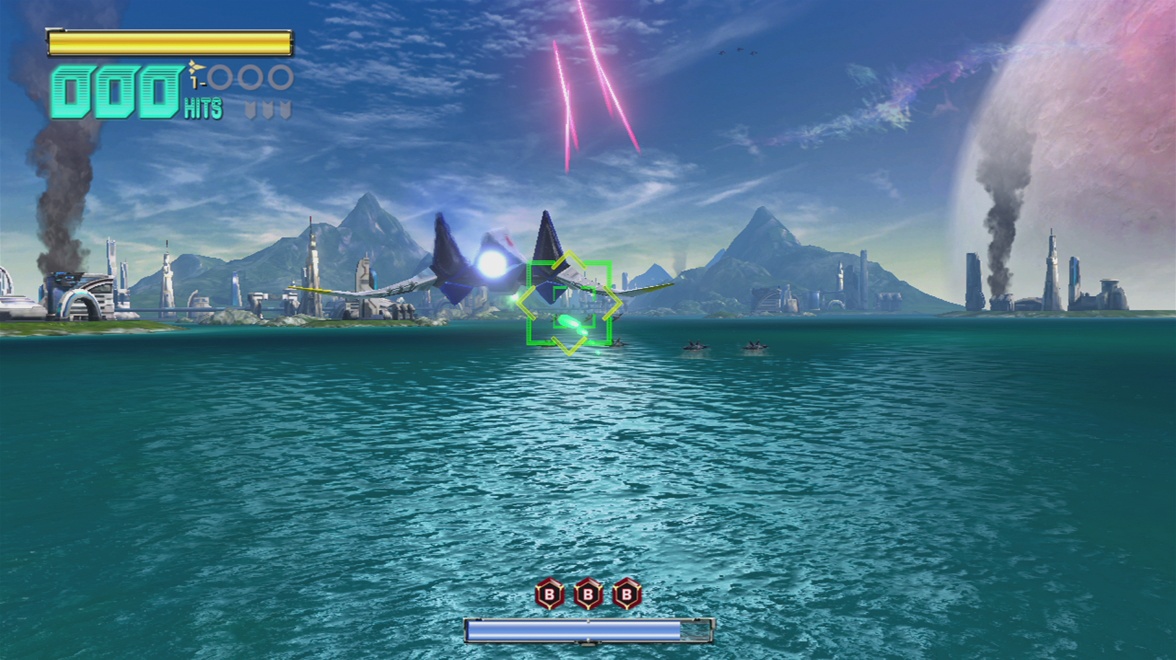 That illusion fades away pretty quickly, however, once you actually get into playing the levels – the first stage is still Corneria under attack from Andross, but the actual structure is 100% original. That’s pretty much true of the rest of the game, too. There are still asteroid fields and battleship squadrons to face, of course, and while you’ll still visit locations like Fichina, Titania, and Venom, but they’re all presented differently from before. For example, you’ll still visit Zoness, but instead of skimming across the surface, you’re flying through an enemy base (though it still involves dodging spotlights). So it’s more accurate to say that it borrows the story, themes, and settings from Star Fox 64, even though it’s not really a remake.
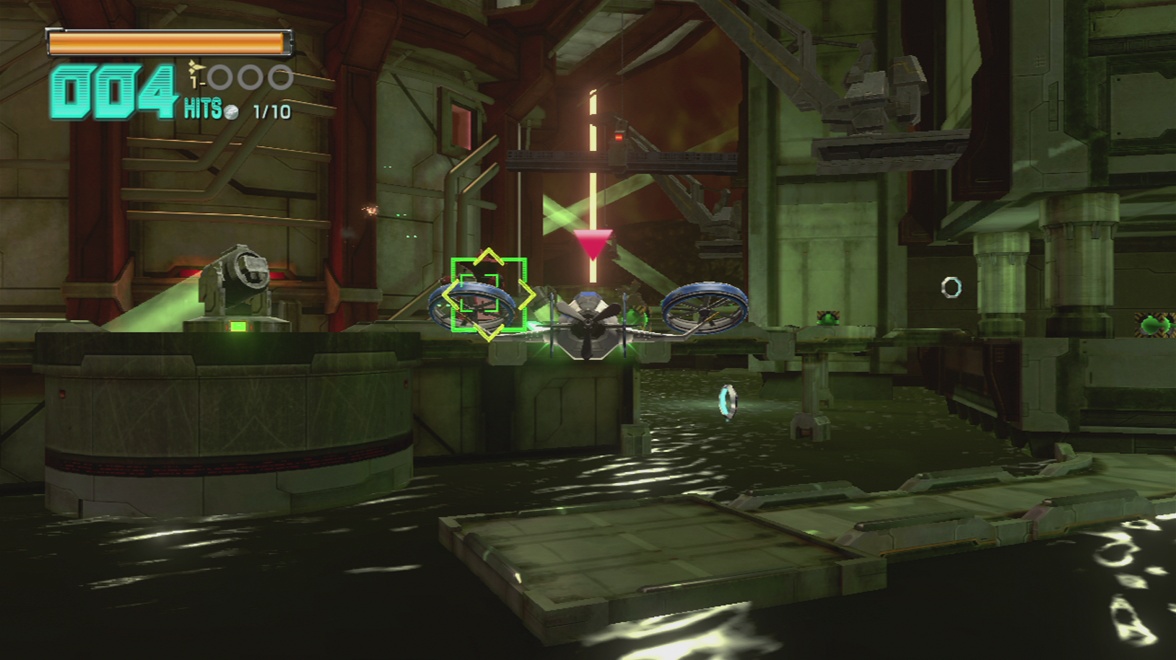
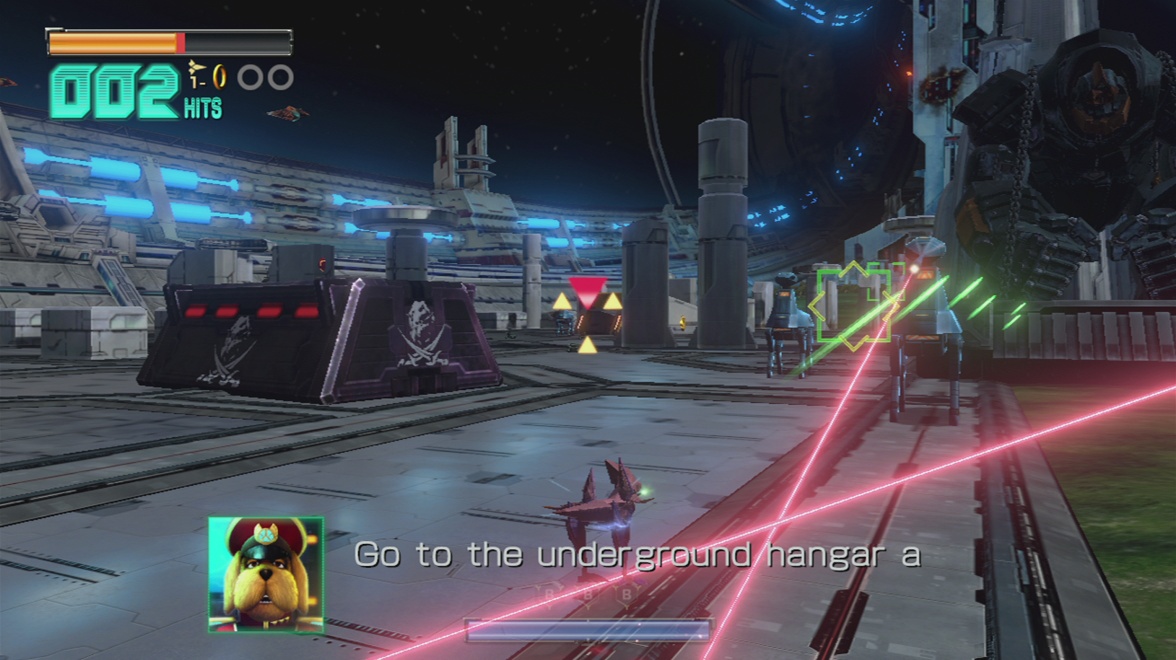
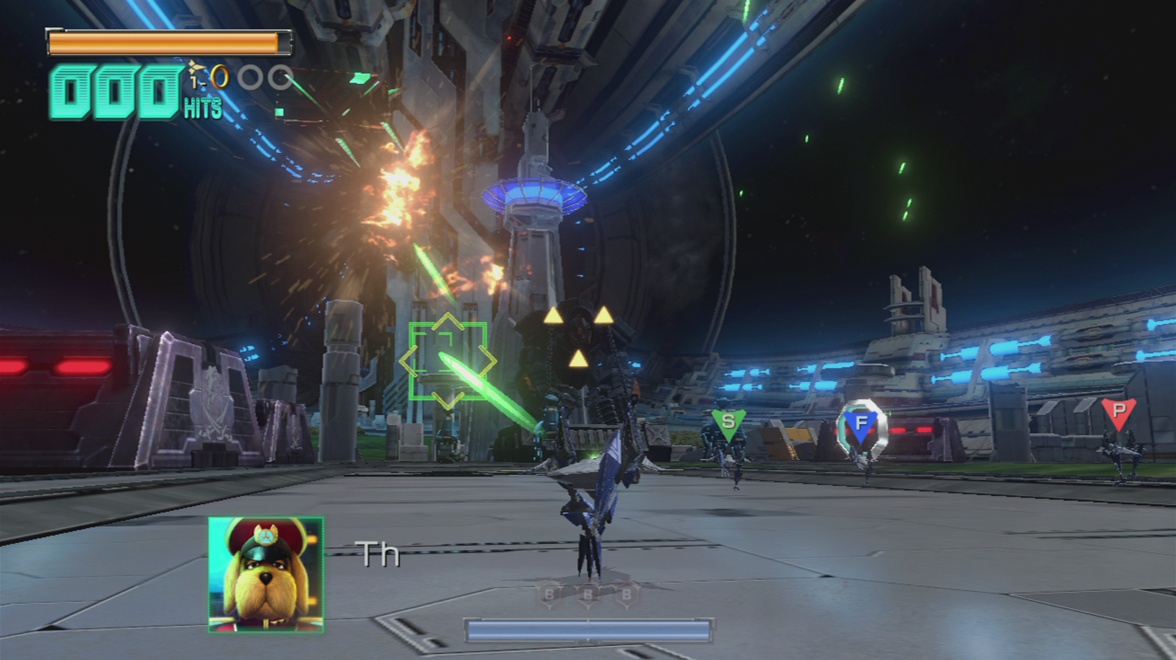
It also carries over an element from Star Fox 2, which at that point had not been officially released: the Walker. Once you’ve reached a certain level, the Arwing can transform into a bipedal vehicle, which allows it to infiltrate enemy bases in order to attack their cores. Once this functionality is obtained, you can use it whenever you want (though obviously it’s useless in the pure space levels, since you’ll just drop down into nothingness). The Landmaster returns as well, along with a new flight-focused transformation. Plus there’s a new vehicle called the Gyrowing. This is piloted like a drone, and can drop a cute little ROB-style robot on a tether that can be used to hack certain panels.
The biggest addition is the way that Star Fox Zero makes use of the Wii U control pad. Like Star Fox 64 for the 3DS, it makes use of the gyro controls to allow for more accurate aiming. Unlike that game, where it was optional, this one is built around having that level of control, something which is hammered home right in the first level. Here, you face robots that have red weak points directly on their top, and it’s very difficult to hit these spots without using precision aiming.
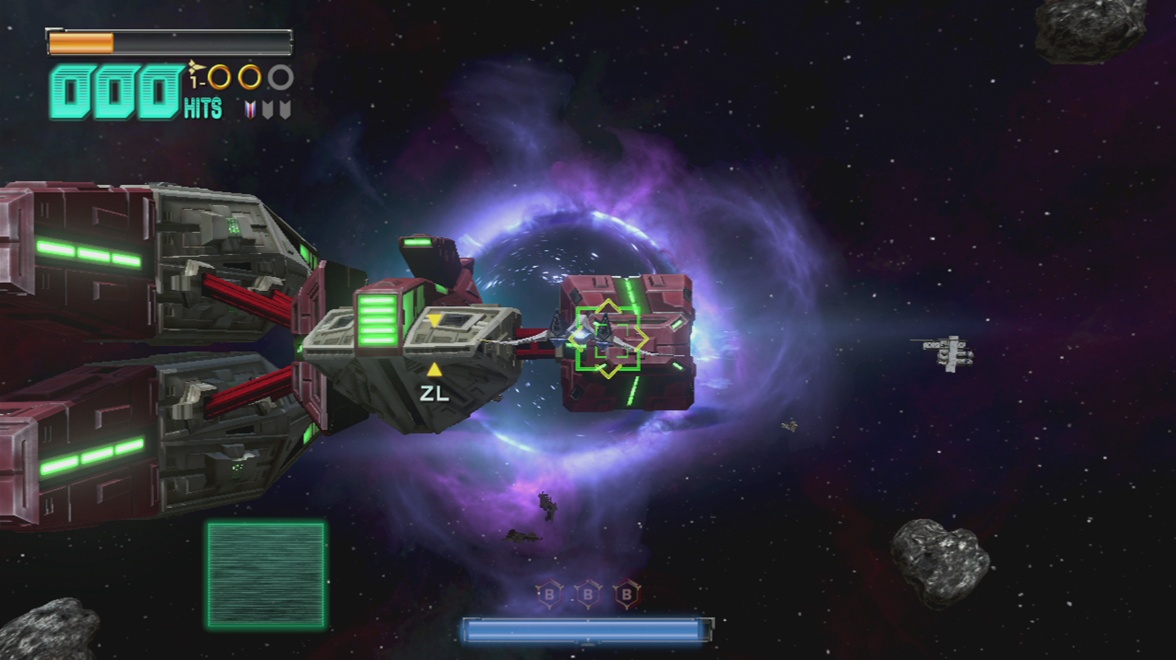
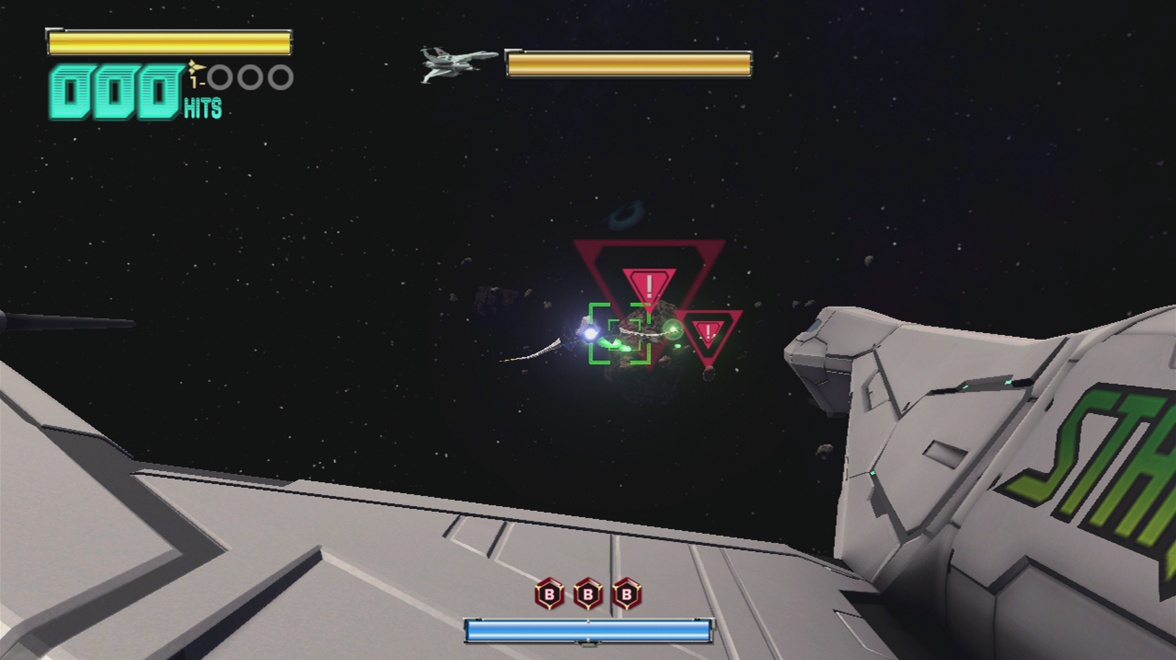
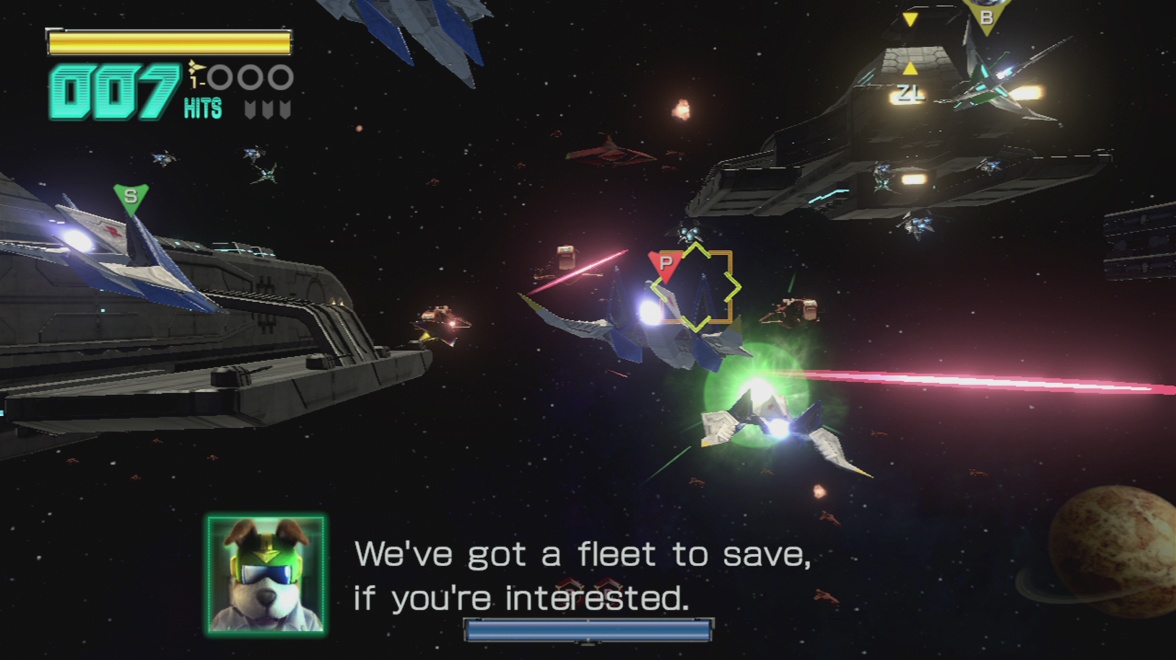
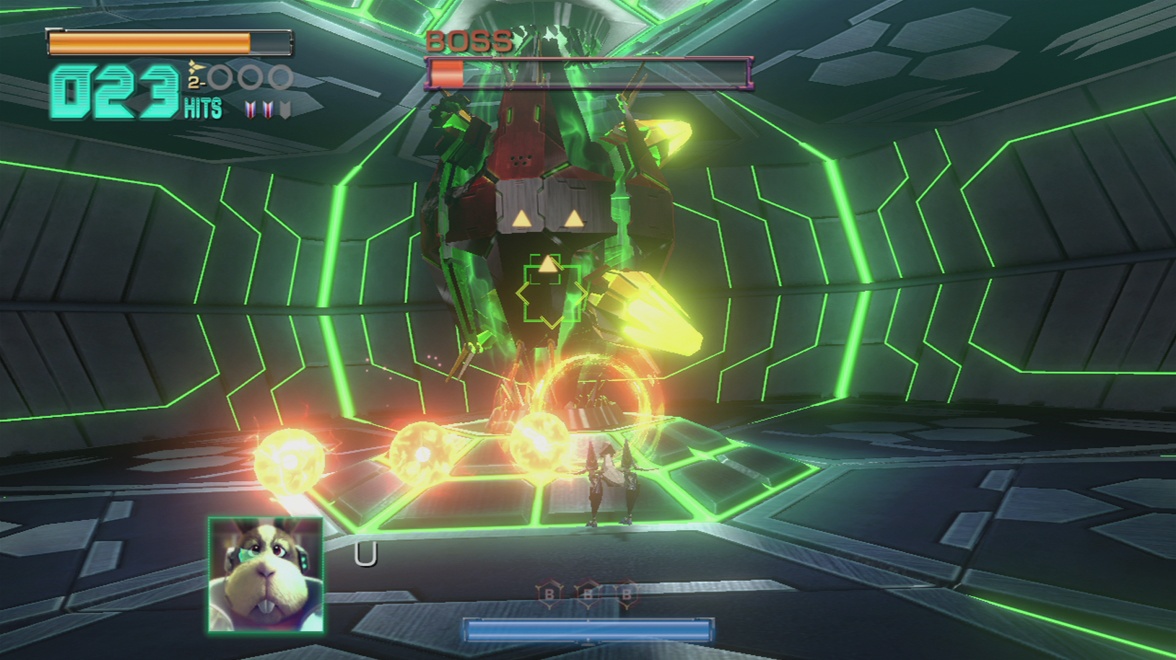
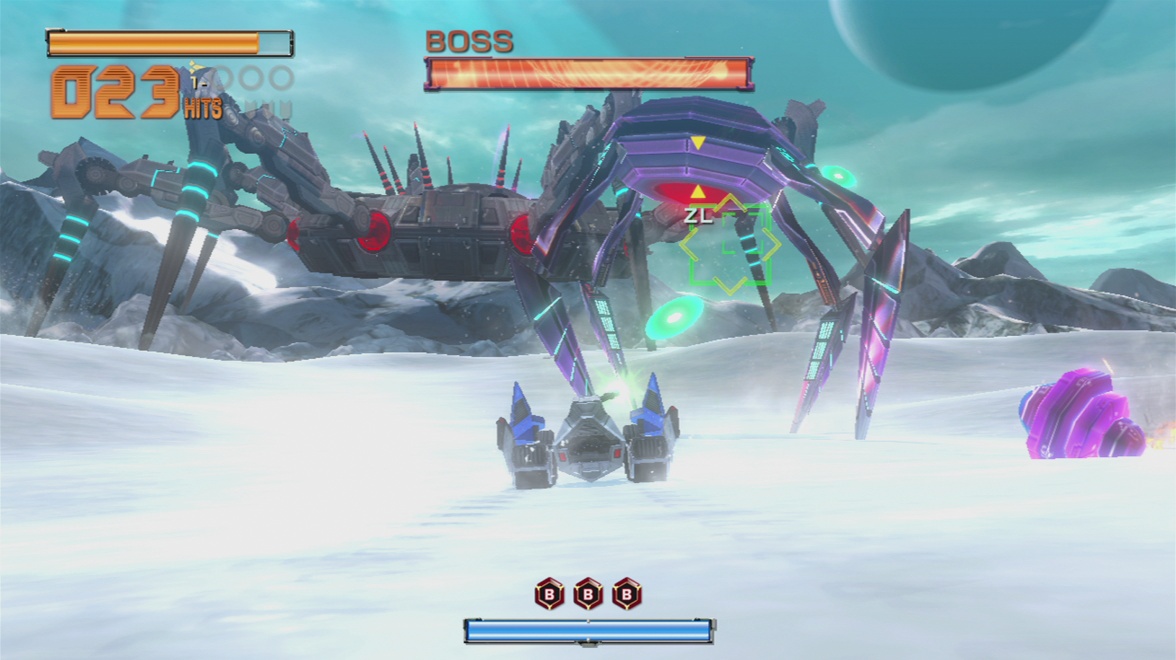 Additionally, while the TV screen shows the standard third-person camera, the gamepad shows the viewpoint from the cockpit, so technically it displays both perspectives at once, even though your eyes can obviously only look at one or the other. This is a little overwhelming at first, particularly due to one major quirk: the targeting reticule in the third- person view is slightly different from the first-person one, with the latter being more accurate. Therefore, to really make pinpoint shots with the gyro controls, you need to look down at the bottom screen, which also means that you concentrate on targeting at the expense of piloting your ship. This all becomes even more important in the All-Range mode. Here, you can hold the ZL trigger to target the boss, which causes the camera to focus on it rather than your ship. However, the first- person perspective remains the same, shown on the gamepad.
This all sounds pretty confusing, and initially it is, but it’s not without reason. In previous games with All-Range modes, there was always a question of how to actually hunt down and target an enemy, given your limited perspective. They dealt with this issue in different ways, ranging from pointing out the location of foes with arrows, showing where you fly, or simply providing a radar. Star Fox Zero instead gives an omniscient view by allowing you to see your surroundings, by showing where you are in relation to your target, so you can not only try to avoid its fire but also reorient yourself in the correct direction to launch a counterattack. Again, juggling between both screens, and thus both perspectives, is easily the toughest part of the game, because you need to learn how to prioritize, and concentrating on one means giving up some level of control you’d gain from the other. It requires a lot of practice, and even though the game tries to ease you into it before really putting your skills to the test, it’s still initially overwhelming, even at the most basic of levels.
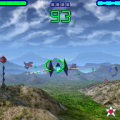
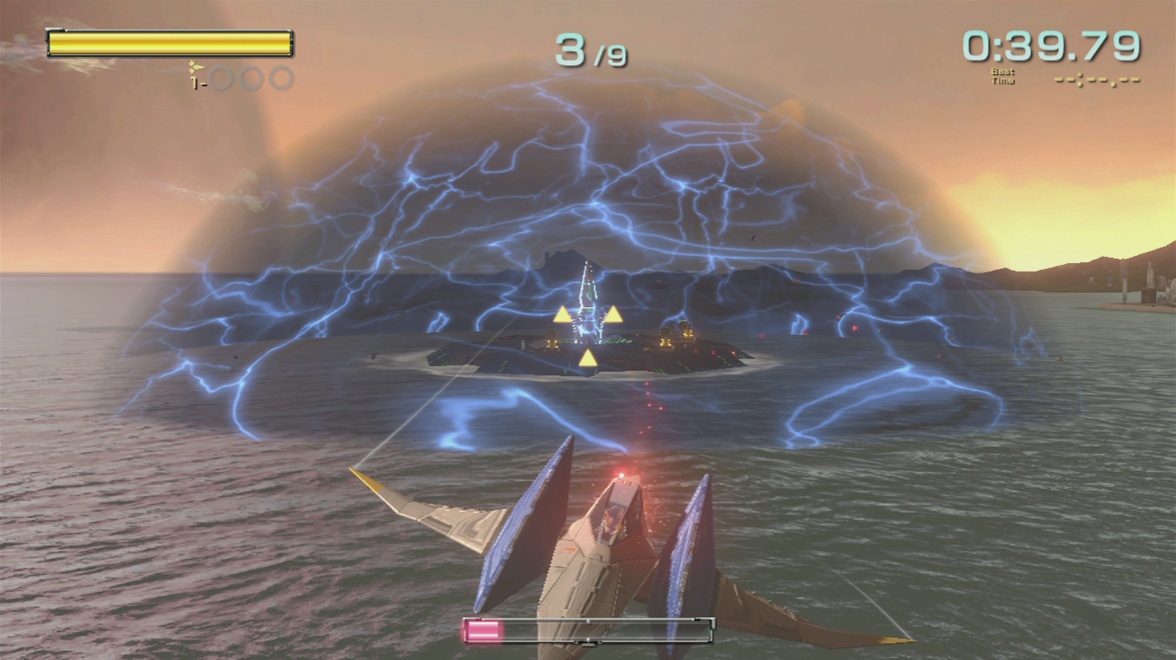
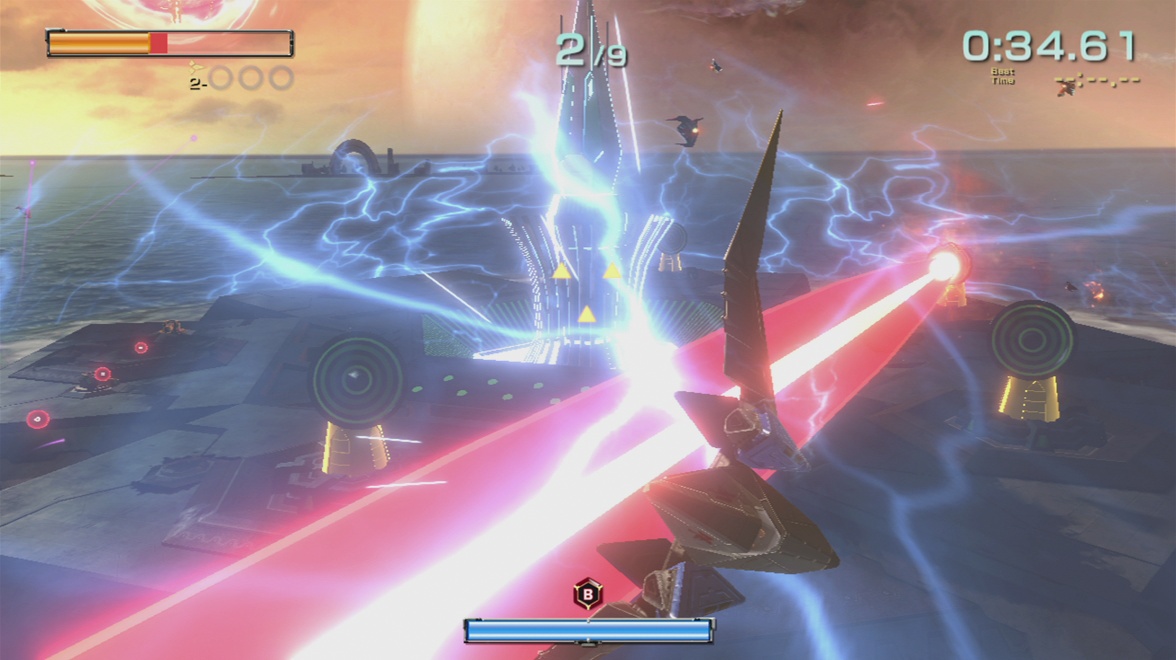
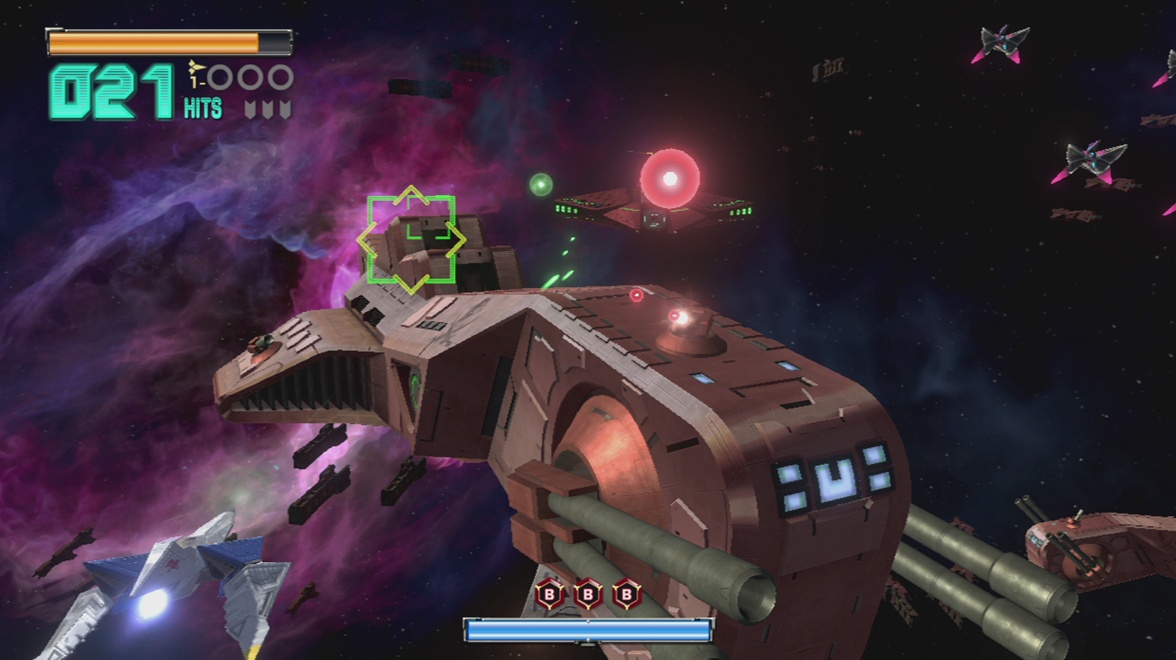
Once it clicks, though, it really clicks, and allows the genius of the game to shine through. On some level, Star Fox Zero, like the previous titles, is still afraid to feature too many on-rails sections. Instead, it compensates by offering much more elaborate boss battles, all of which are fought in All-Range mode, with many involving switching between spaceship and Walker forms. For example, an impenetrable enemy battleship needs to open up a small part of its shields in order to fire its laser. You need to fly nearby until it’s ready to fire, zoom right into its opening, fly around back, transform into a Walker, run inside it, destroy its core, and then dash back outside to space before a friendly assault takes you down with it.
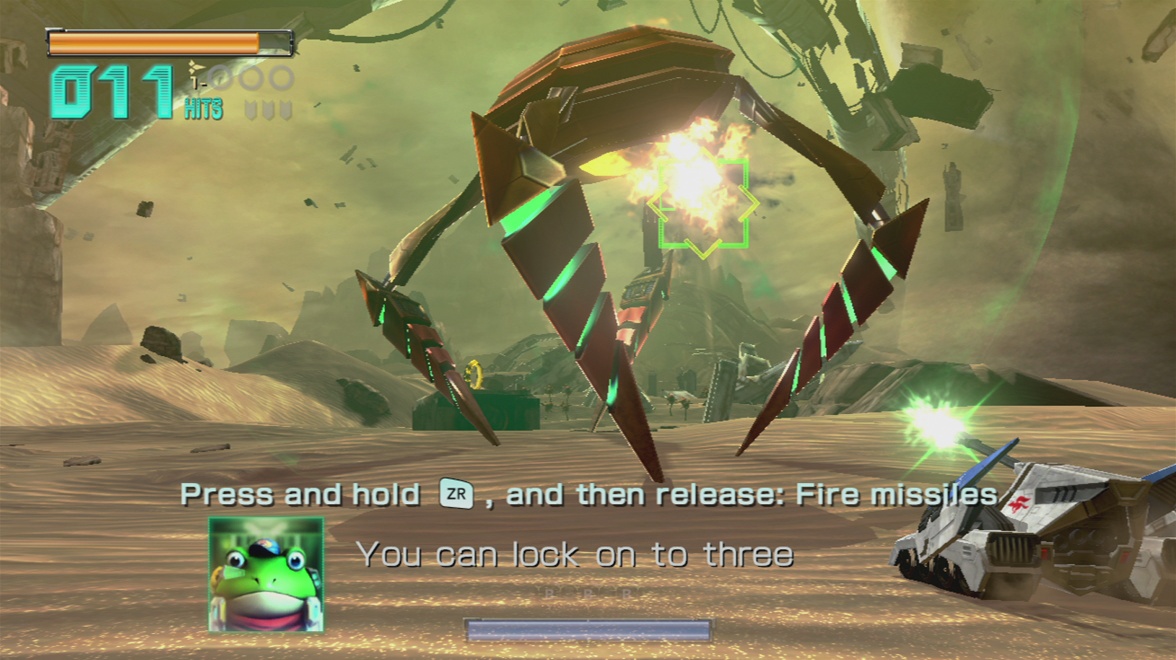 Even with that understanding, though, Star Fox Zero is a much harder game than any of the others in the series. These boss encounters are not only more involved but also much longer, without any checkpoints upon dying. It’s more forgiving since there’s no real “game over,” and if you run out of lives you just need to restart the stage, but even once you grasp the controls, you can expect to die quite a bit. This is especially true when facing off against Andross at the end of the game. The final boss truly serves as a test of all the skills you should’ve learned throughout the previous levels.
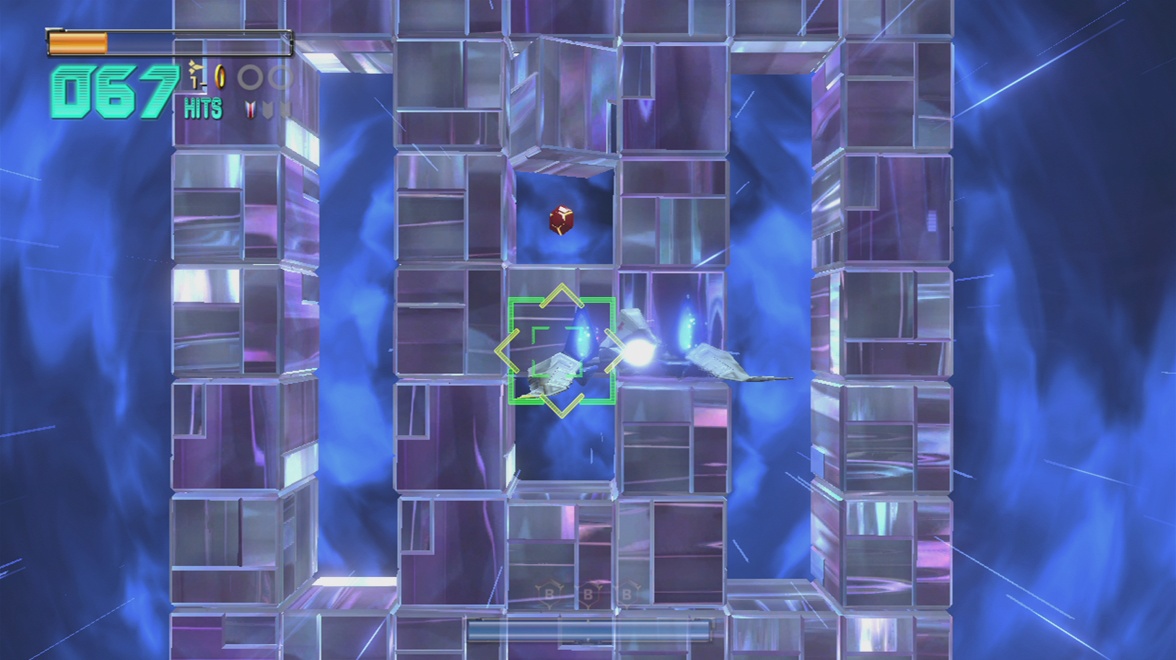
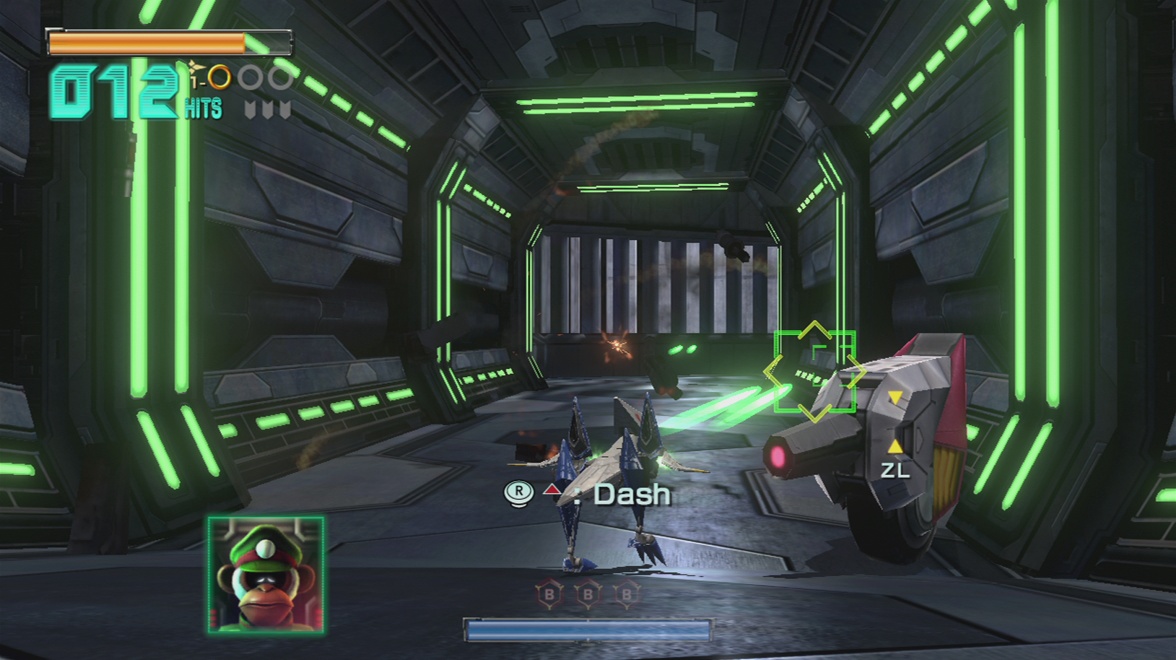
The game is also conscious of bringing back old locations and enemies – one of the on-rails levels is Fortuna, which was in the SNES game but not Star Fox 64 (though revised in a fashion for Assault). With these are some familiar enemies – that level’s boss, the two-headed bird robot Monarch Dodora makes a return, as does the Assault Carrier, the first level boss of the SNES game (and alternate first level boss of the N64 game). Revising these fights to use All-Range mode, along with several new abilities, walks that tight line of being familiar while still doing something original. The Section Omega: Space Graveyard level is also incredible, since it’s the closest that Star Fox has come to mimicking the Death Star trench run from Star Wars: A New Hope, along with sending you through a series of gates that really hammers home its inspiration from the Fushimi Inari Shrine.
There are branching paths still, though they work a bit differently. In the initial play through, there’s only one branch, which will send you to one of two levels based on your performance in a battle against the returning Star Wolf team (if you fail this part, Peppy ends up crashing, and you follow after him). Instead, most of the alternate stuff is only available on replays.
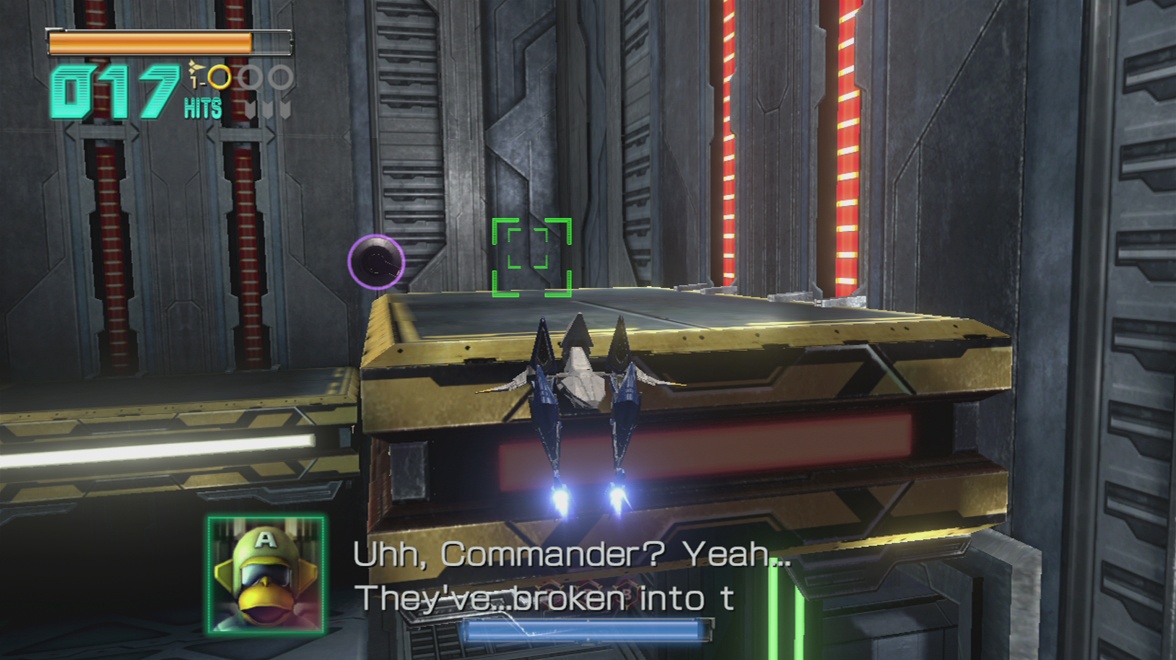
For example, halfway through the first stage, there’s an allied ship flying over a mountain. You can only track it if you’ve first unlocked the Walker form, since you need to unlock the door that leads to that area. Further, in later levels, members of Star Wolf pop up where they didn’t before, which again allows for some branches. There aren’t as many alternate stages as in Star Fox 64, and they don’t affect the ending, but it’s still pretty cool as they present some stages that were previously focused on either Walker or Gyrowing forms as on-rails Arwing stages.
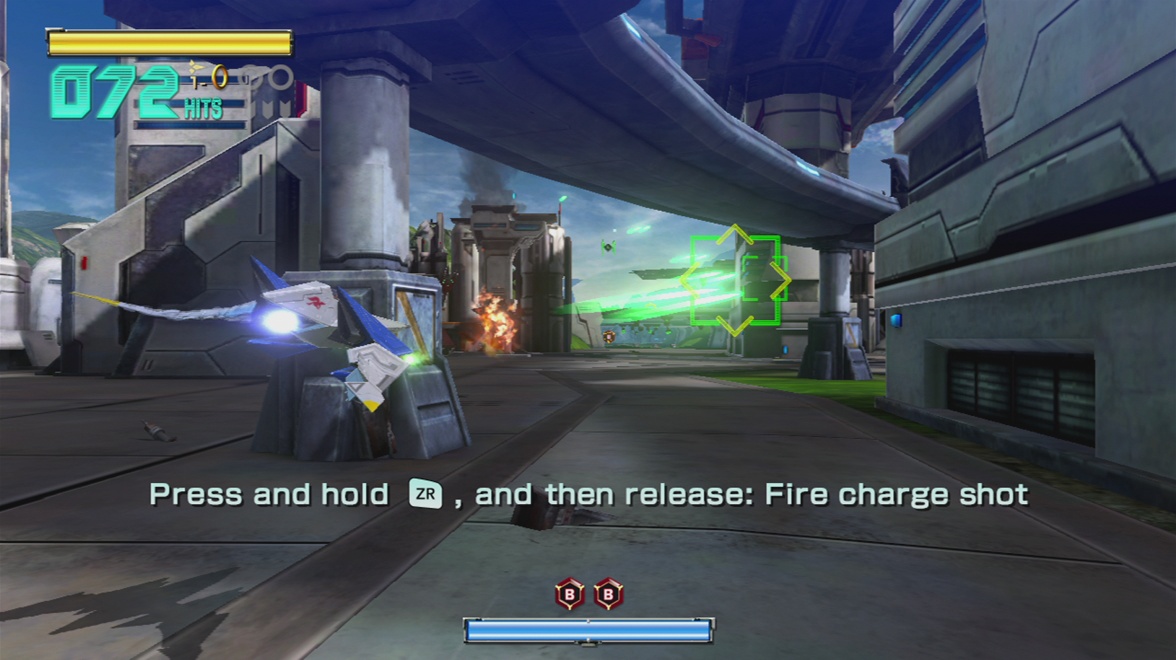 There are five medals in each stage, each with unique requirements. Obtaining them all will unlock a couple of bonuses, including an SNES-style low-polygon Arwing, complete with the return of the classic Corneria theme in the first stage (these can also be unlocked with Amiibo). Unfortunately, there’s no true multiplayer mode at all, other than a “co-op” mode where one player pilots the ship and the other takes control of the guns.
The music is in the style of the previous games, but the sound effects are so loud that it’s hard to hear any of it. The voices in turn reuse the same actors from the 3DS version of Star Fox 64. The visuals aren’t anything impressive from a technical standpoint, but there’s still some fantastic graphic design, especially with the bosses and on Fortuna. The game tries to run at 60 FPS, but unfortunately it struggles to be consistent.
Star Fox Zero received a pretty bad reputation at launch, one that it never quite shook off. It does fall under a trend of certain Nintendo games where it introduces an offbeat control scheme and expects the player to deal with it without offering any reasonable alternatives (Kid Icarus: Uprising, both Zelda DS titles, Skyward Sword, even the previous Star Fox Command). However, the use of the Wii U gamepad isn’t a mere gimmick, as it really does add to the game, but learning to use it effectively is no small feat. It doesn’t help that so much of the game’s story is a retread of Star Fox 64. It’s not like the plots of Assault or Command were all that interesting, but at least they offered something new.
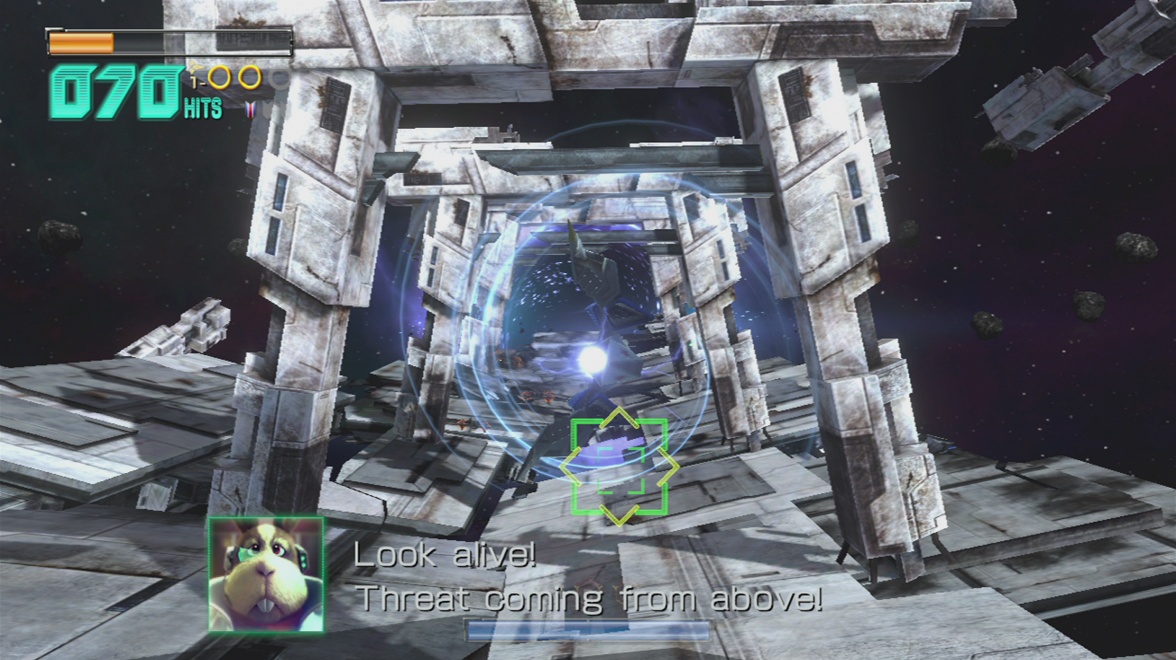 Additionally, Zero lacks polish in a number of areas, especially as it tries to do too many things at once. Even after learning the controls, it’s difficult to use the Walker, as it just doesn’t have the versatility required to properly dodge enemy attacks. The Gyroscope levels, of which there are really only one-and-a-half, are dreadful, just because they’re concentrated on stealth and interminably slow. Further, the penultimate level is just a replay of the first Corneria stage, except its dusk and slightly harder (and there’s a different boss battle). Even taking into account the concepts behind the gyro aiming and first-person shooting on the second screen, the discrepancy between the targeting cursors still doesn’t make sense. The game apparently experienced development problems – it was delayed a few months after its initial release date – and even that extra time didn’t really get everything where it needed to be.
Still, in spite of its lows and a high learning curve, there are some absolutely brilliant moments in Star Fox Zero, enough that they largely manage to overshadow these weaknesses. It’s probably still not the Star Fox 64 successor that everyone really wanted, but its advancements to the formula work better than any prior attempts. The game was a flop unfortunately, and buried the series again, much like Assault and Command did a whole decade before it. It would be a hard game to port since so much of it relies on the Wii U gamepad – it would have to be rebalanced to take different control schemes into account (which wouldn’t be impossible, considering the altered gyro mode in the 3DS Star Fox 64). Perhaps history will better remember the game as one of the standouts of the Wii U’s rather small library.