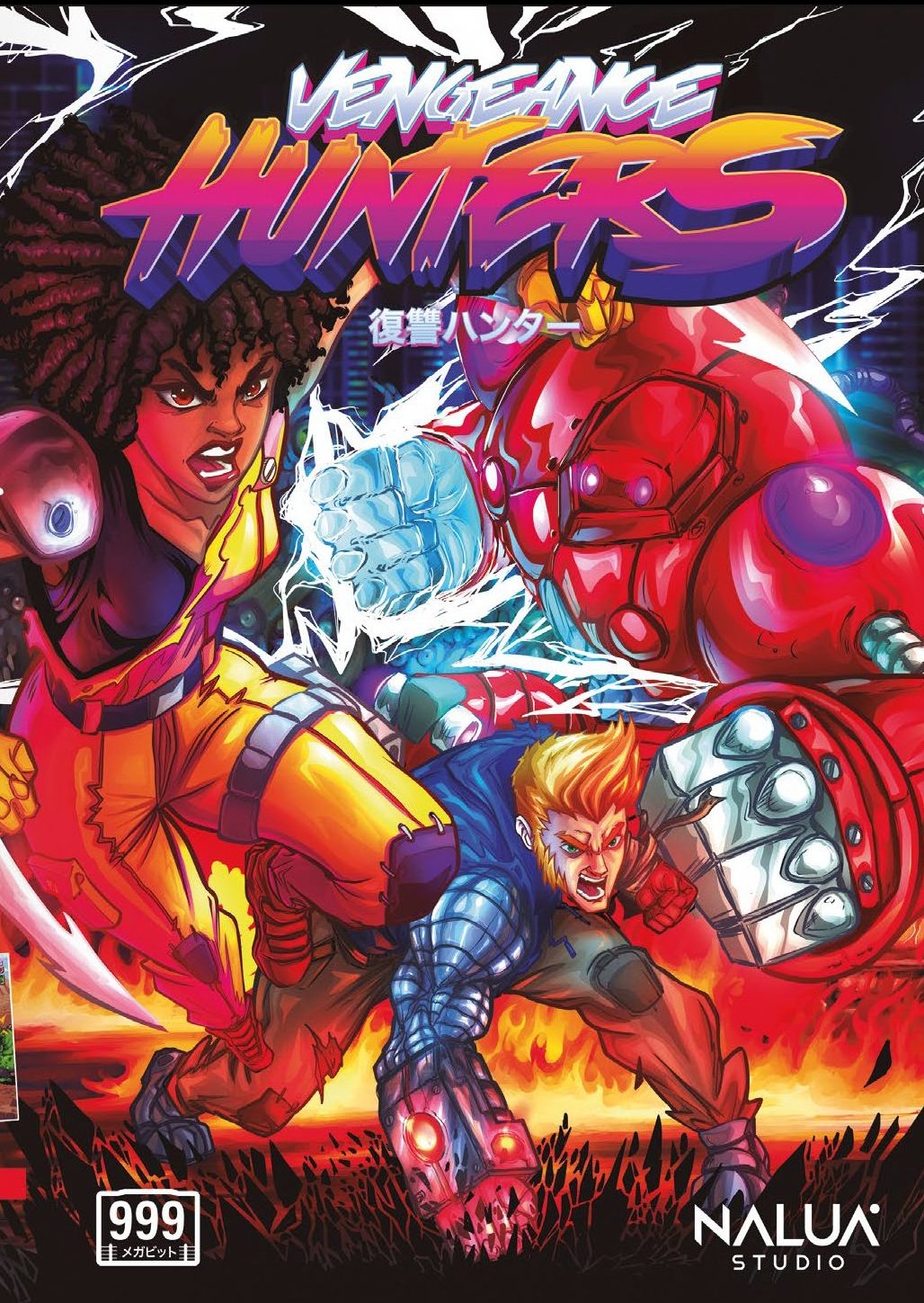
Cover
Side-scrolling brawlers are slowly but surely making a comeback. They ruled the arcades in the early 1990s but were slowly phased out in favor of one-vs-one fighting games. The early 2020s however saw several examples of “new retro” belt scrollers reviving famous franchises: some of them were critically acclaimed (Streets of Rage 4 and Teenage Mutant Ninja Turtles: Shredder’s Revenge), others were flops (the remakes of Battletoads and Night Slashers), but they all paved the way for the genre’s resurgence.
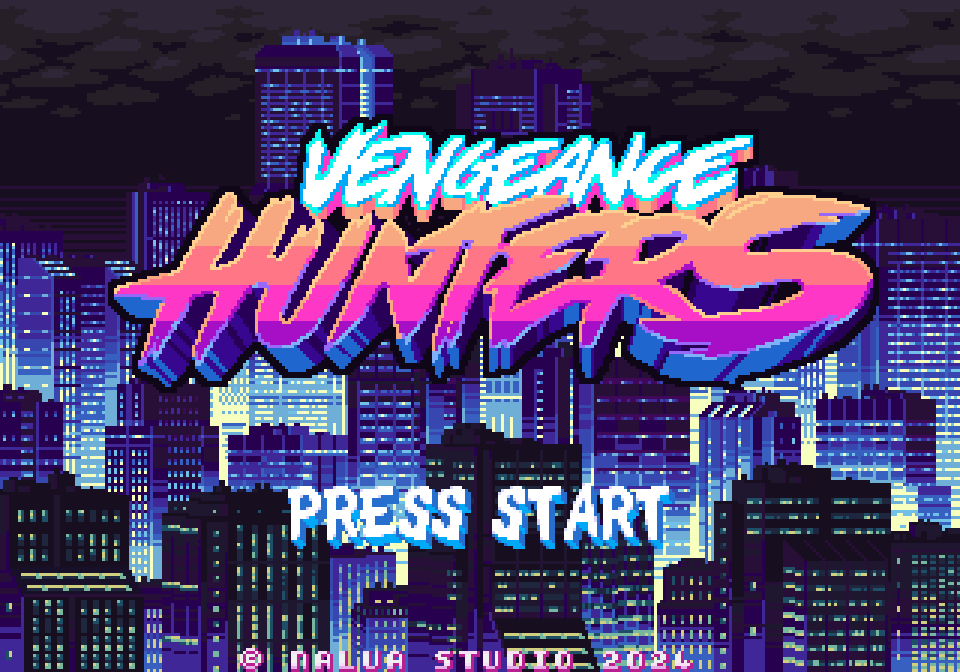
One new retro title that is not based on any particular IP but pays homage to a number of famous beat-em-ups is indie developers Nalua Studio’s Vengeance Hunters, released in 2024. For added authenticity, it was developed and released for Neo Geo, complete with a cartridge, and ported to various systems including PlayStation 5 and Steam. Nalua is a newly-formed studio, but comprised of industry professionals who worked on a number of games (including Shredder’s Revenge mentioned before), whose mission is to release titles that combine old-school style with modern design and gameplay.
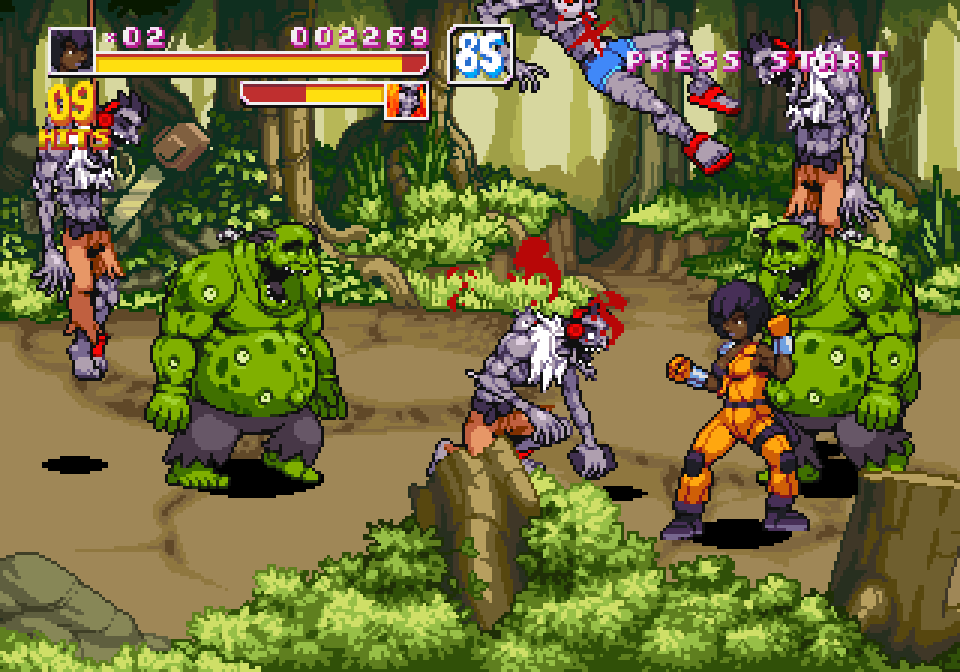
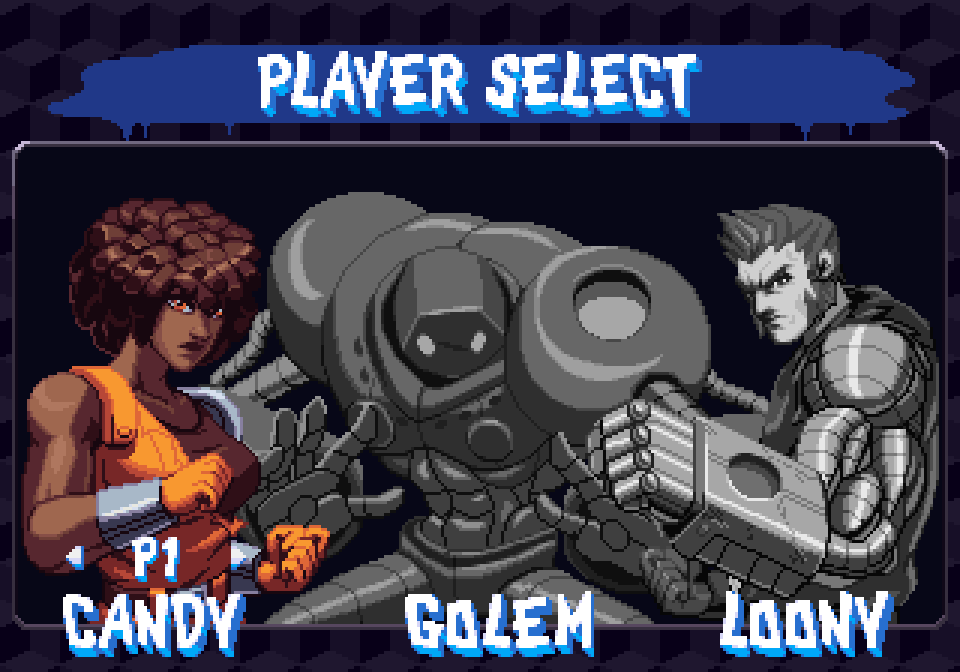
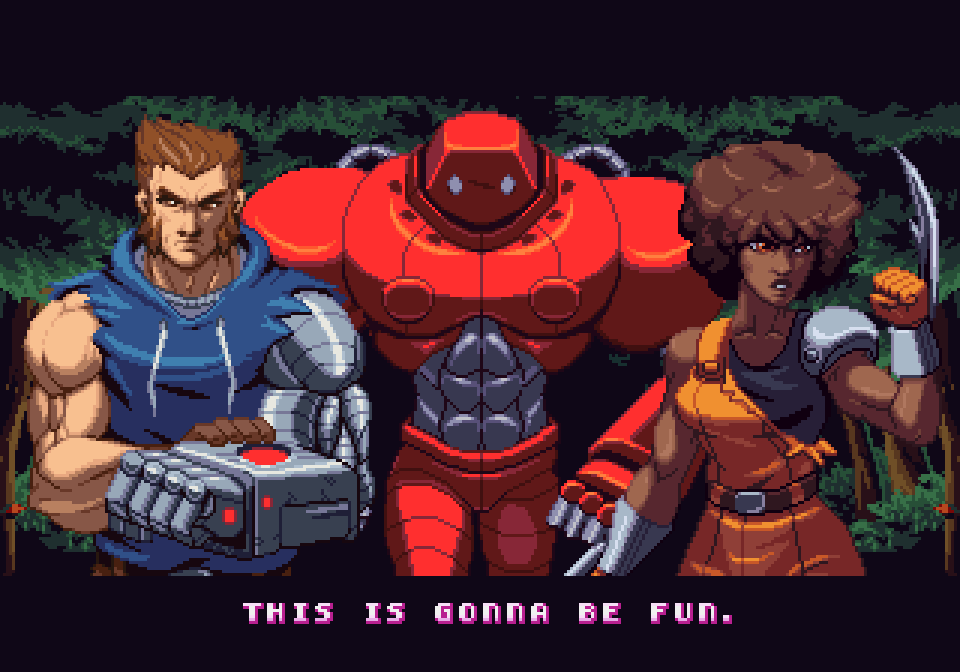
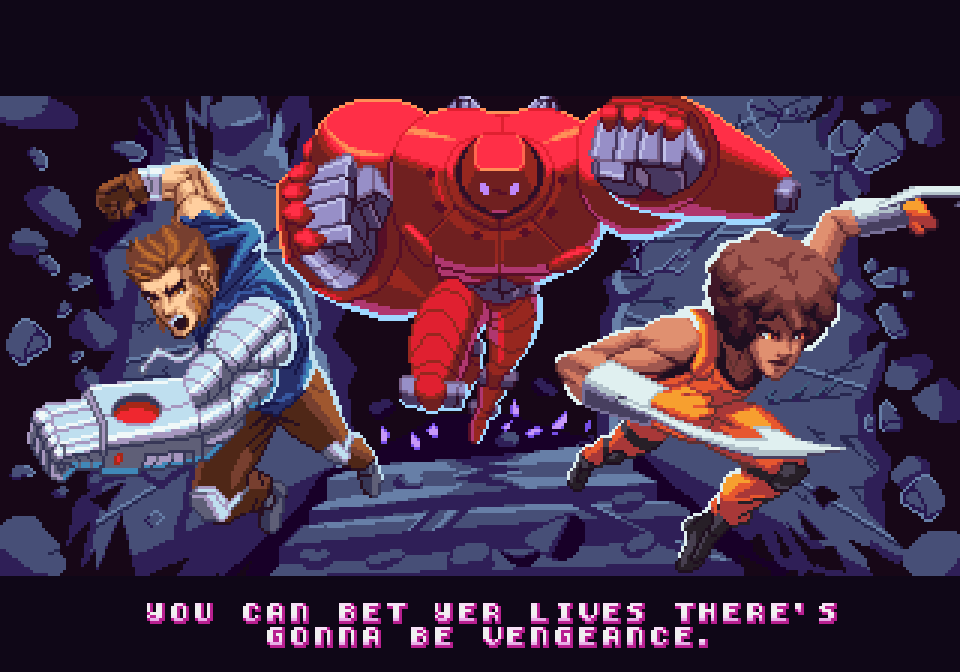
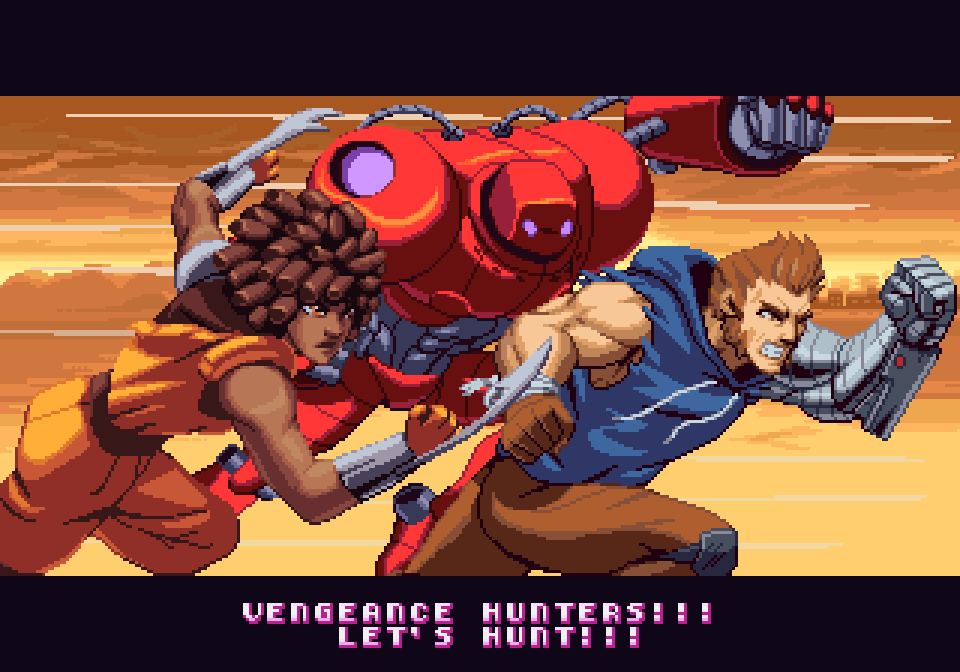
The plot is typical of this kind of games: Earth has been reduced to a post-apocalyptic landscape, with roaming bands of marauders and zombie-like mutants, and the protagonists are determined to find and defeat the cause of all this, after one of the few livable areas on the planet, where they hid, has been razed to the ground. The three playable characters are: Loony, a hot-headed Irish cyborg with a mechanical arm who’s also a researcher; Candy, a former thug now on the side of good who fights with blades attached to her arms; and Golem, a young kid whose body was transplanted inside of a war robot to save his life.
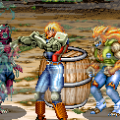
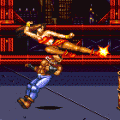
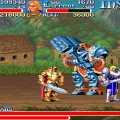
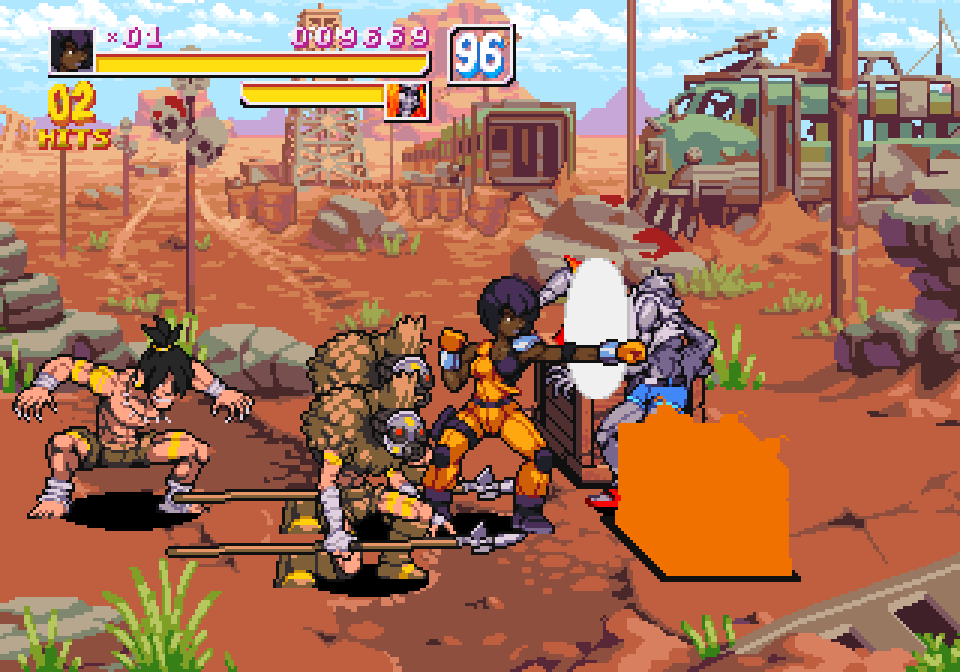
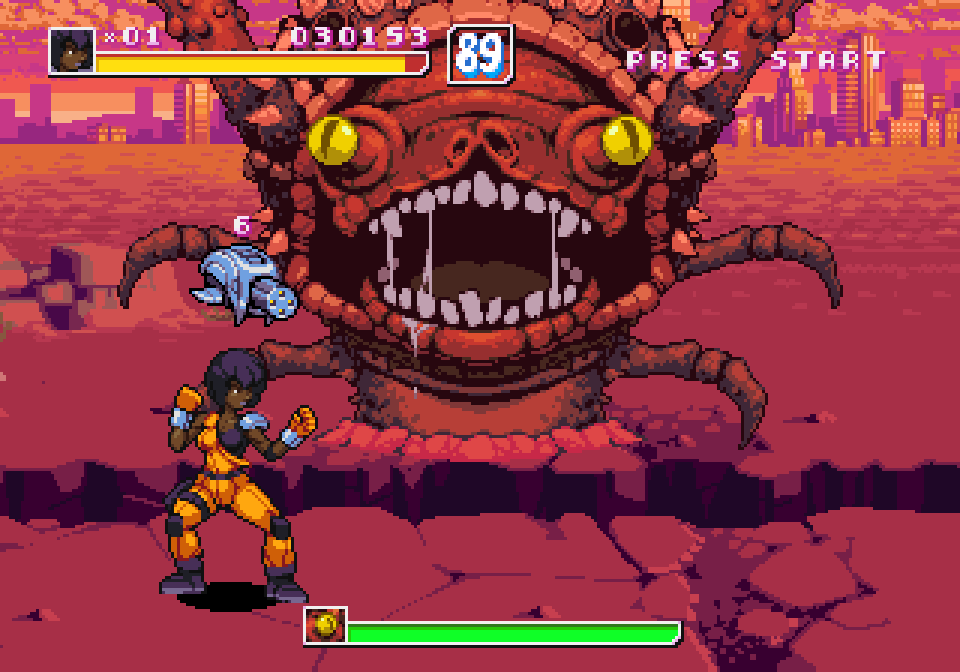
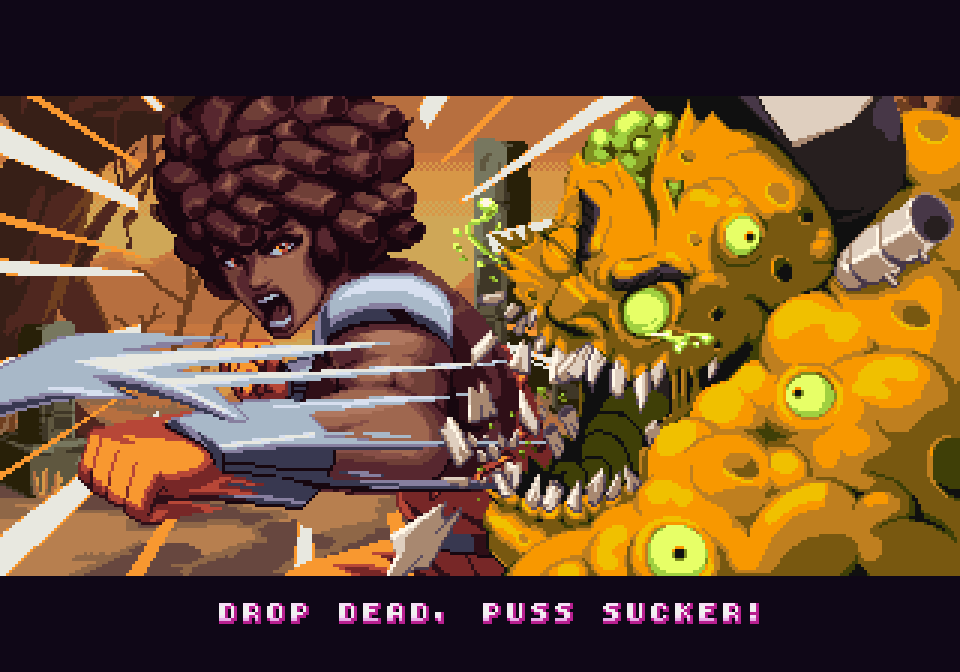
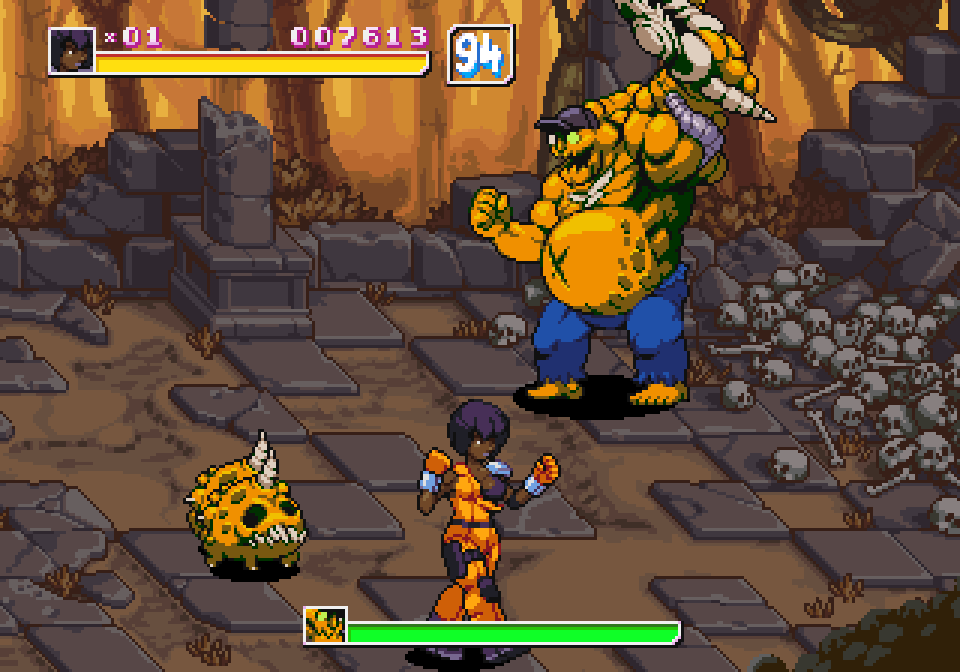
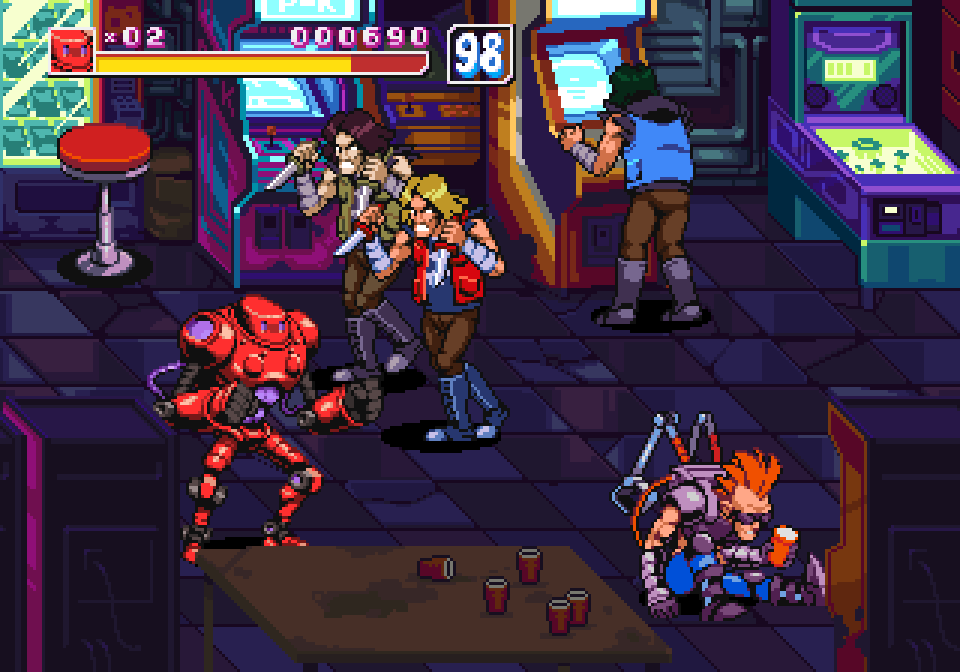
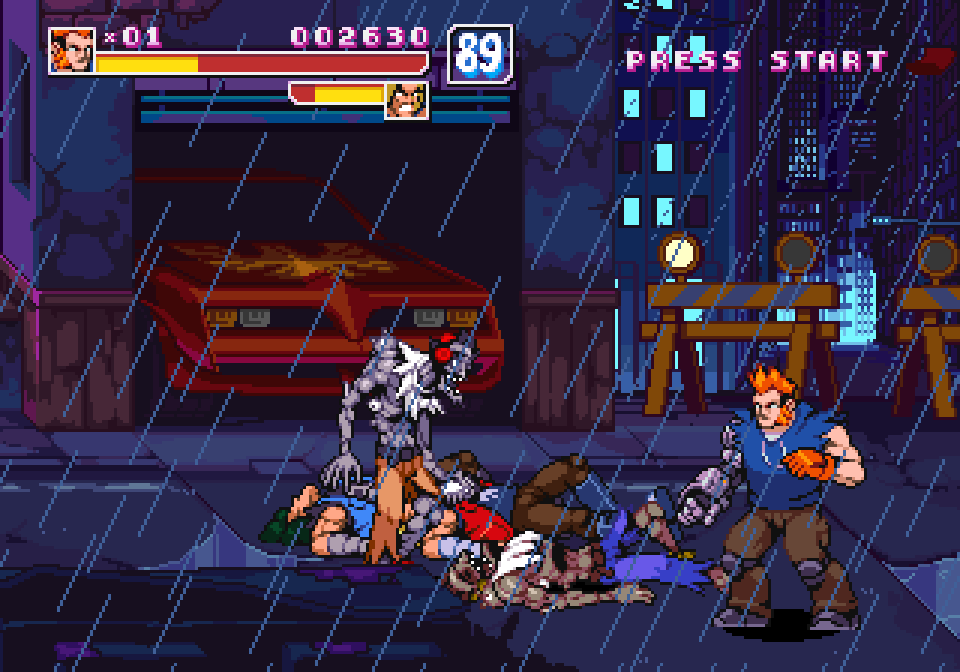
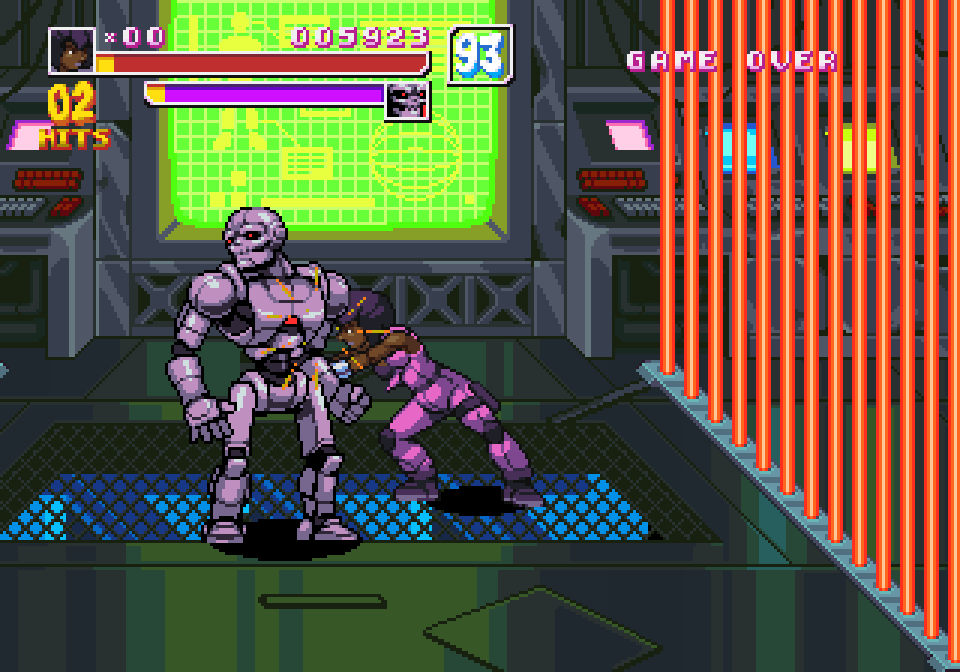
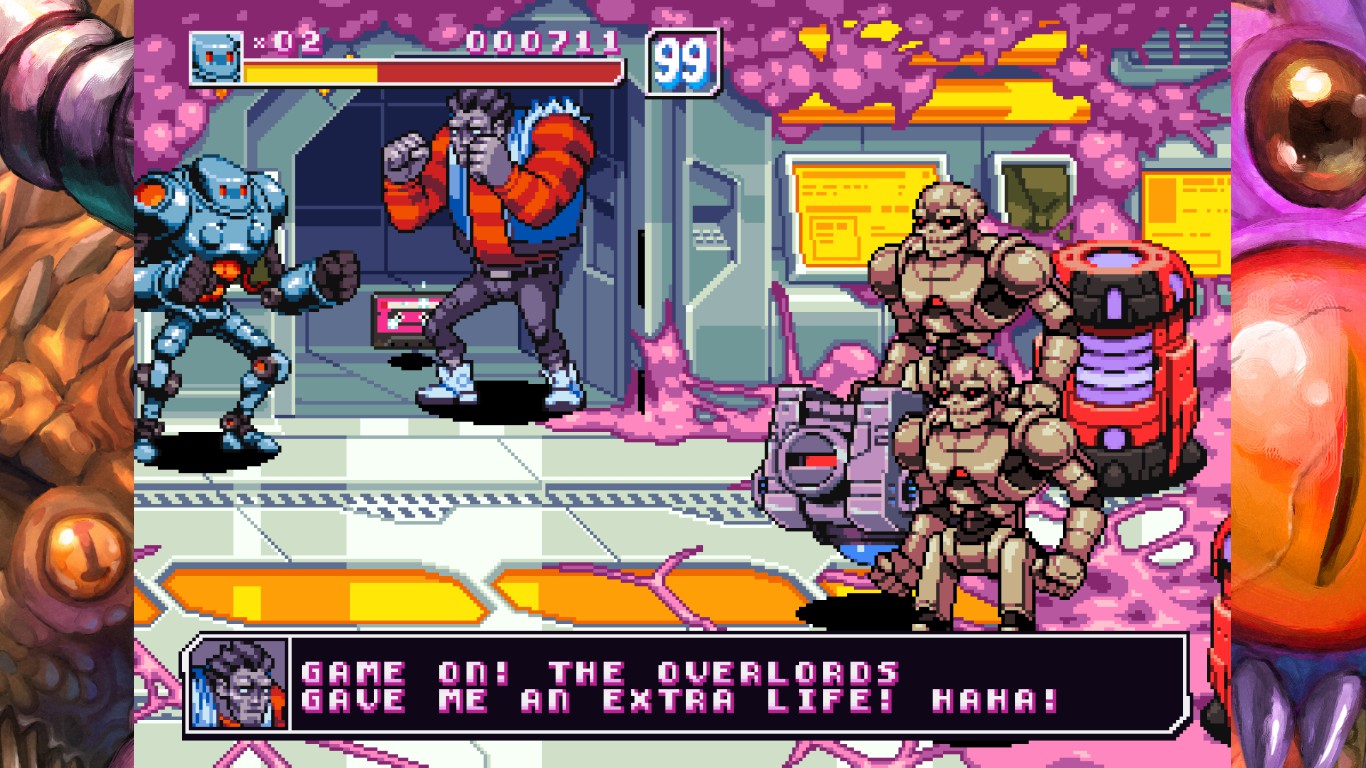
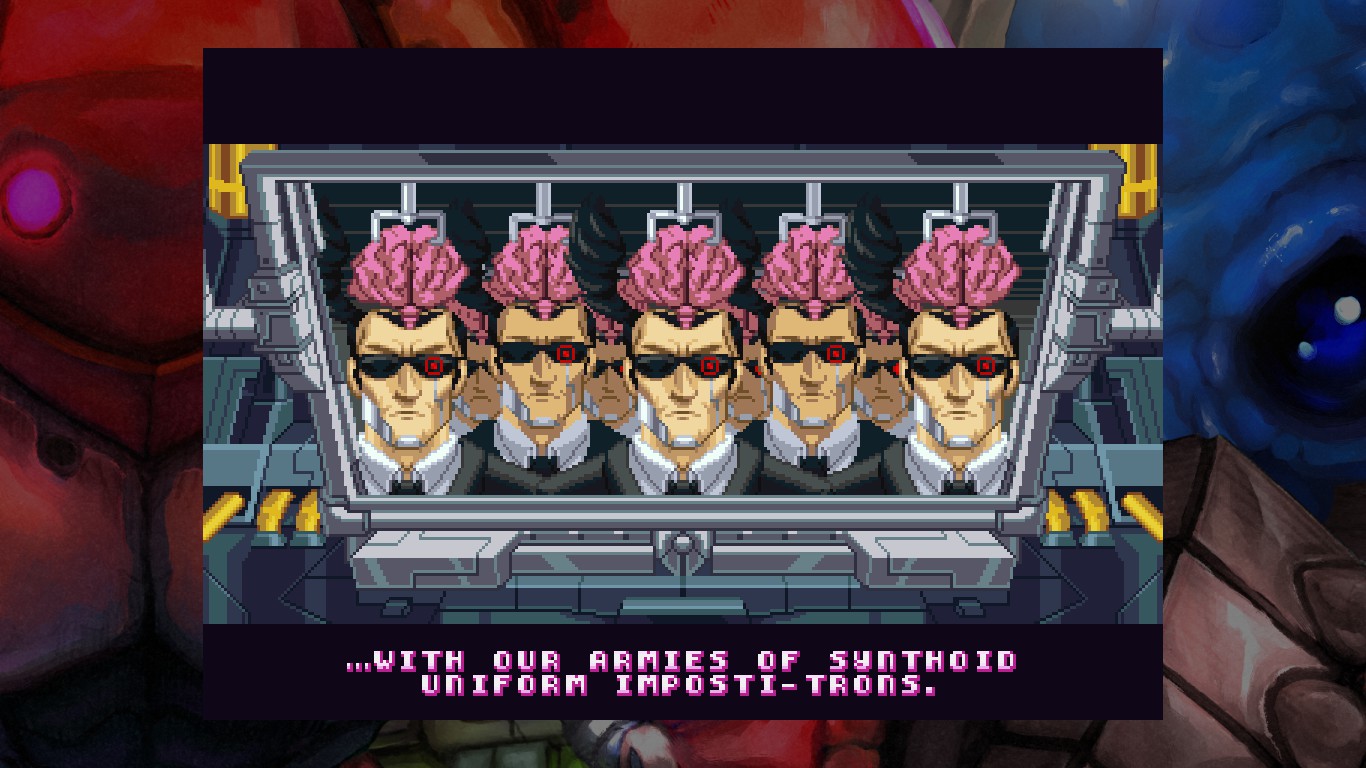
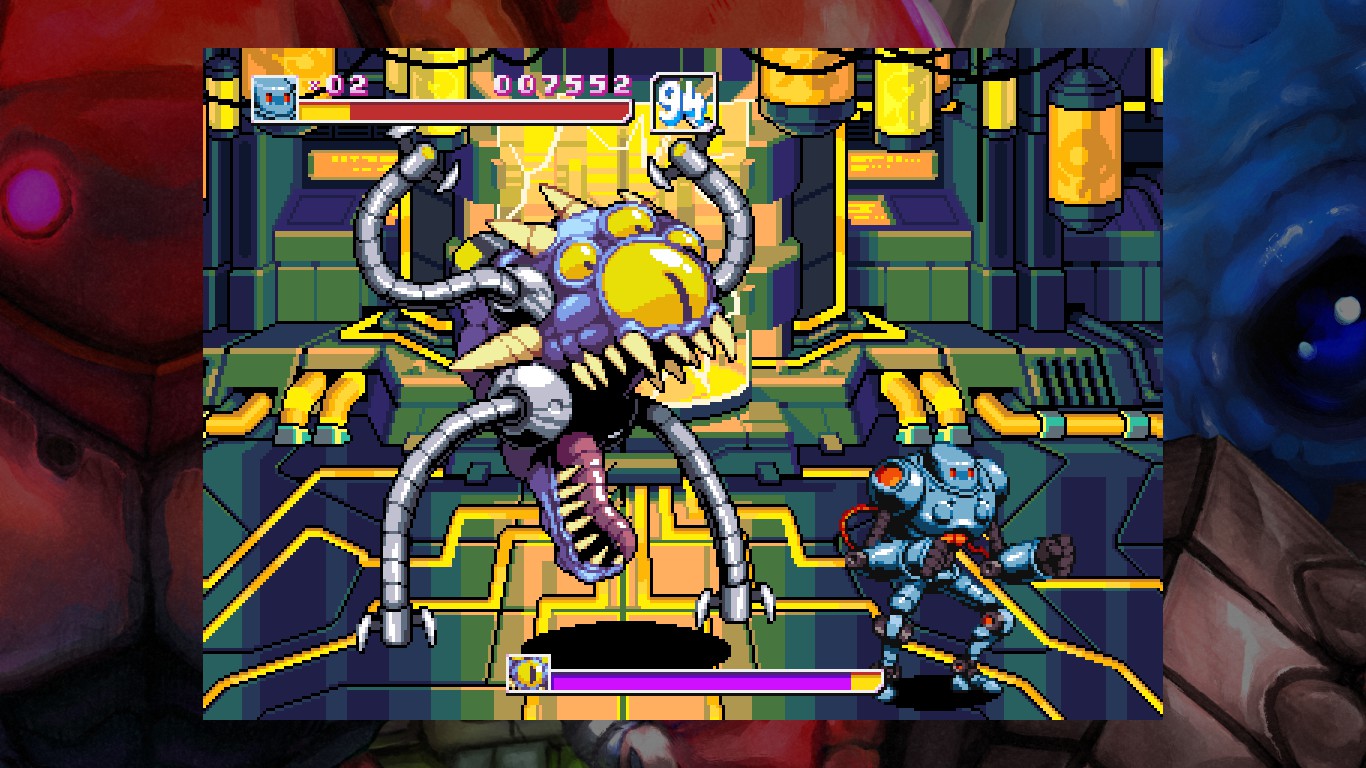
The story is narrated with cutscenes consisting of stills drawn in very detailed, comic book-style pixel art, and in general the in-game art style (still respecting the hardware’s limitations: 16 on-screen colors, the original resolution, 4:3 screen proportions and number of sprites the system can handle) reminds of comic books, 1990s cartoons and the arcade titles the game homages, and not just other Neo Geo games like Mutation Nation. The concept of a man, a woman and a non-human against hordes of freaks recalls Sega’s Alien Storm, some of the areas like the first stage’s swamp remind of Cadillacs and Dinosaurs (and the Cadillac itself makes a cameo later), and the stage progression towards sci-fi (with the appearance of Men in Black-style agents and Terminator-looking skeletal robots among the enemies) up to an outer space finale is similar to Captain Commando. The homages also extend to other parts of the gameplay, since one of the bosses, the “Quarter Jockey”, is an arcade game fanatic who is seen playing a cabinet and attacks us with several moves coming from popular brawlers and fighting games. It’s probably no coincidence that he’s one of the toughest boss fights despite not being a robot or mutant weirdo.
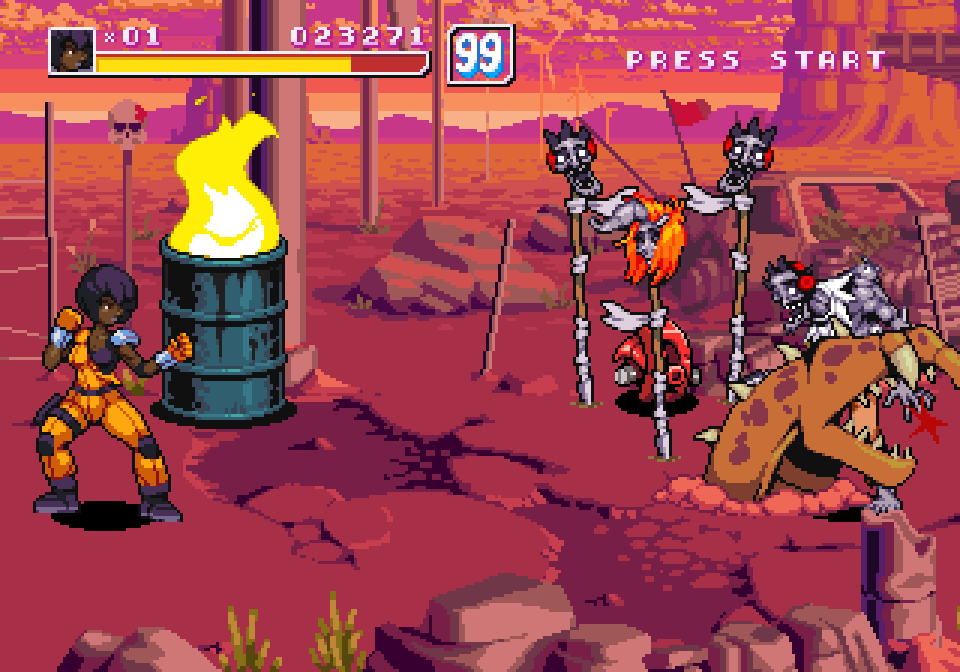
There are five stages (including an irradiated desert, a rain- and neon-soaked city and the alien overlord mothership), and they are fairly long, even more so if you manage to find the entrances to the secret areas. These areas hold 1-Ups and a secret item (one is found in a cell in stage 5 and you’ll have to fight a powerful enemy for it), and if you’re able to find all five of them in a single game, the “one-hit death” mode (for both players and enemies) will be unlocked in the options menu. Managing to find the secret areas is also important on higher difficulty levels, since they are stingy with curative items, and more foes also means racking up more lives by scoring points, provided you can survive. Another nice touch is how these areas will sometimes give a preview of enemies encountered only later in the game, like the psychic aliens hiding in stage 2’s secret cave.
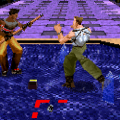
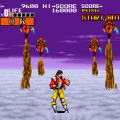
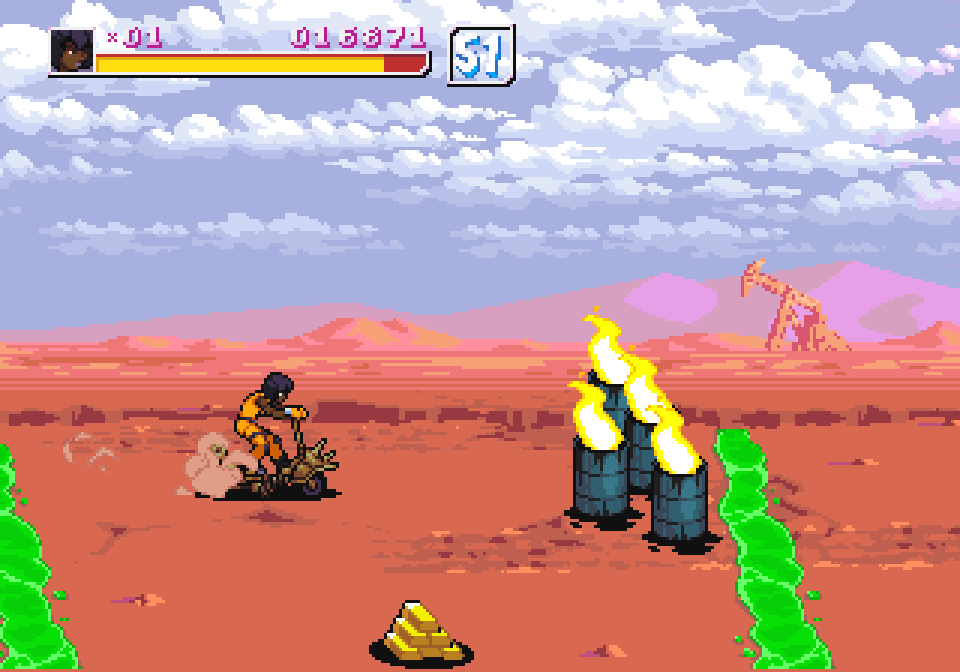
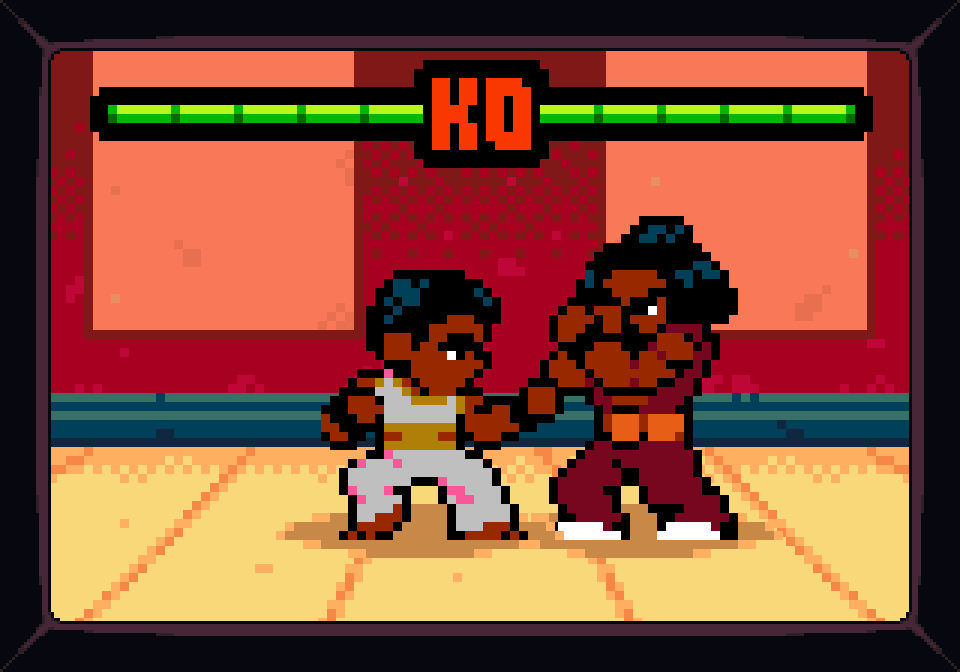
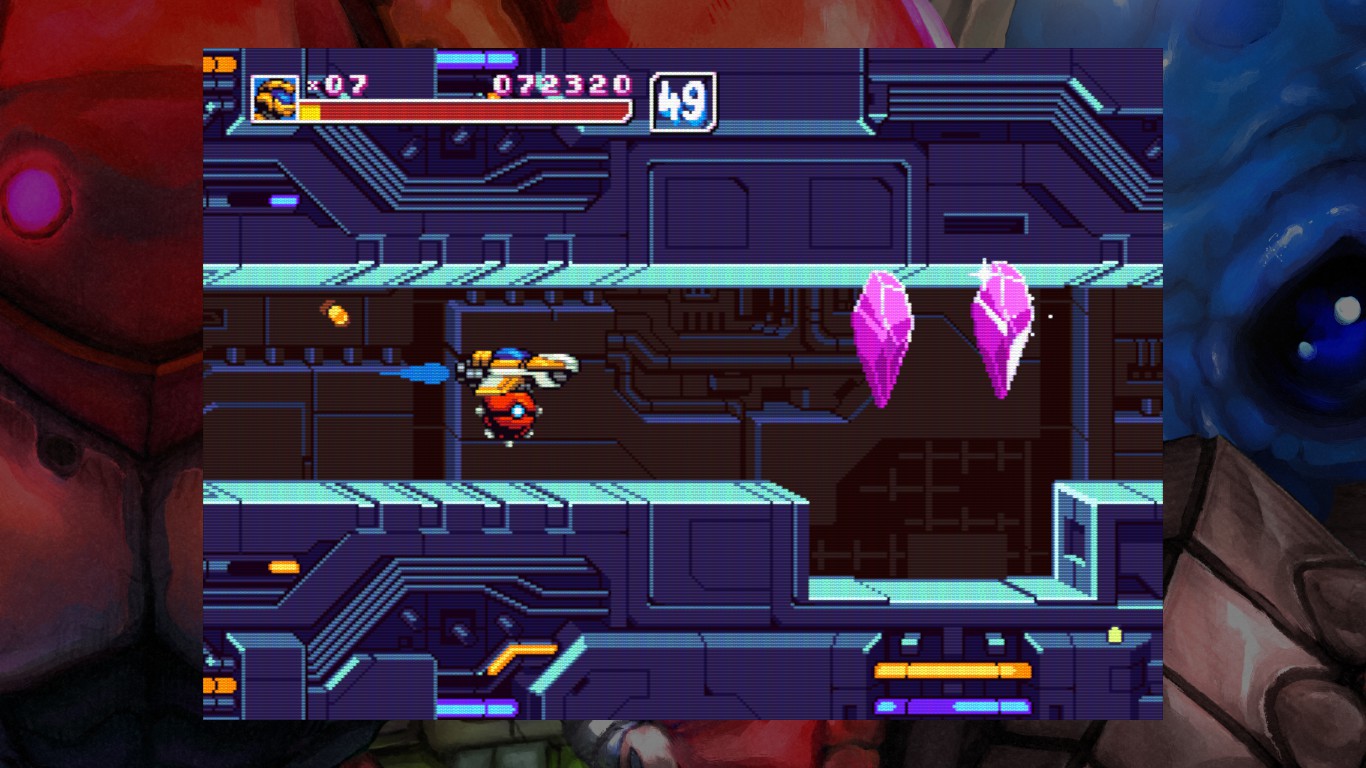
Completing all the possible routes in a single game will last up to about an hour and a half, a respectable duration for an arcade beat-em-up; to break the monotony inherent in the genre, the devs also added a couple minigames. Stage 2 has a moped run where you have to avoid or jump over obstacles and pick up gold bars while someone is bombarding us from the background, and the beginning of stage 5 is a simple horizontal shmup, representing our heroes getting to the final boss’ lair in outer space. Also, before his boss fight, the Quarter Jockey will force us to compete against him in “Final Dragon”, a Karate Champ-style fighting game, that luckily doesn’t affect the main gameplay whether we win or lose; this game-within-a-game is also based on the 1985 cult martial arts flick The Last Dragon, with the two fighters modeled upon Bruce Leroy and his arch-rival Sho’Nuff.
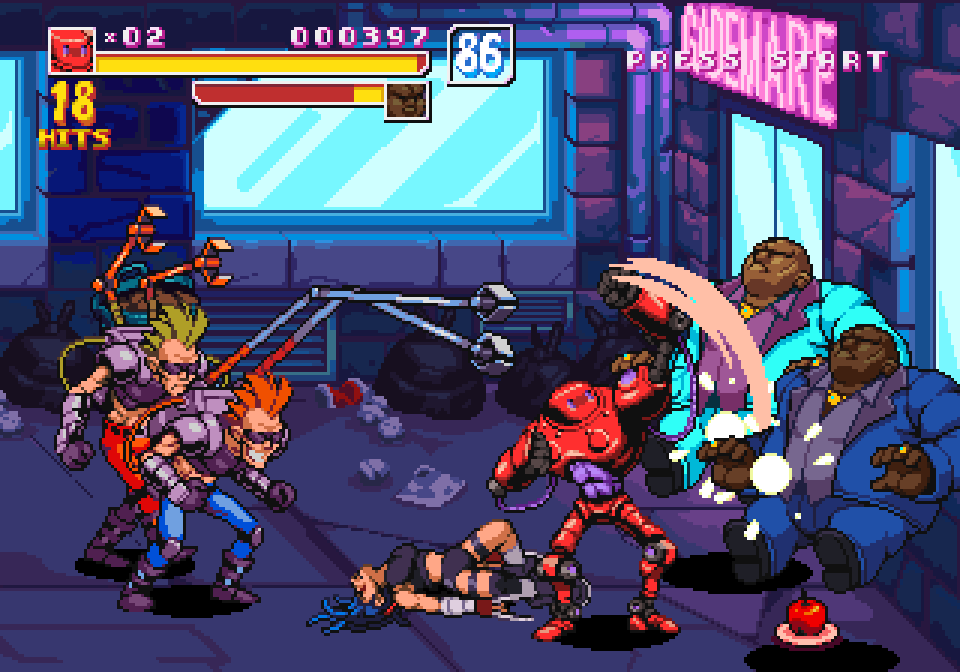
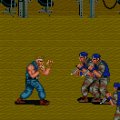
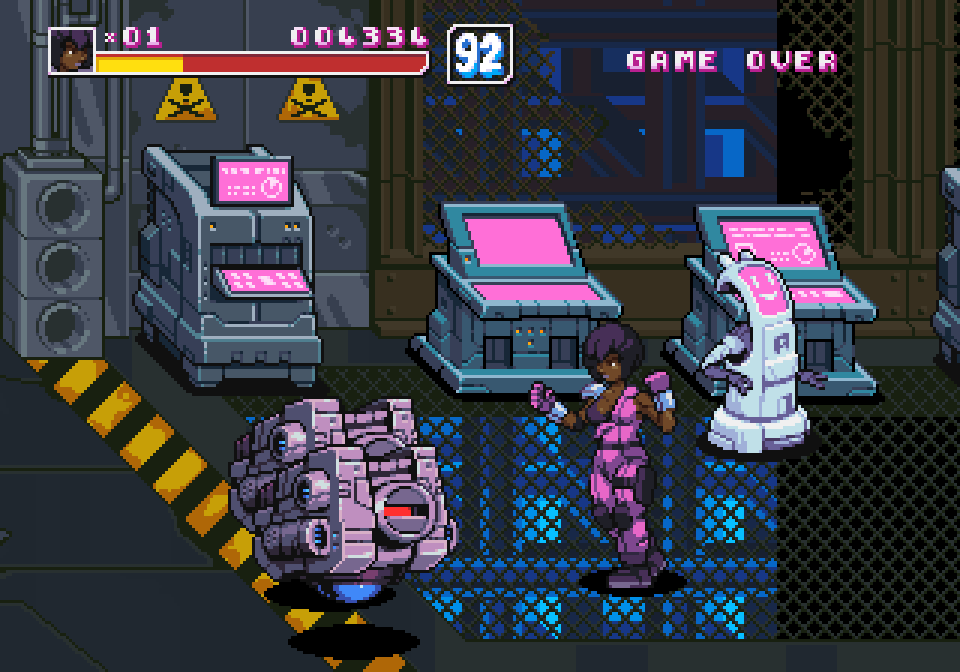
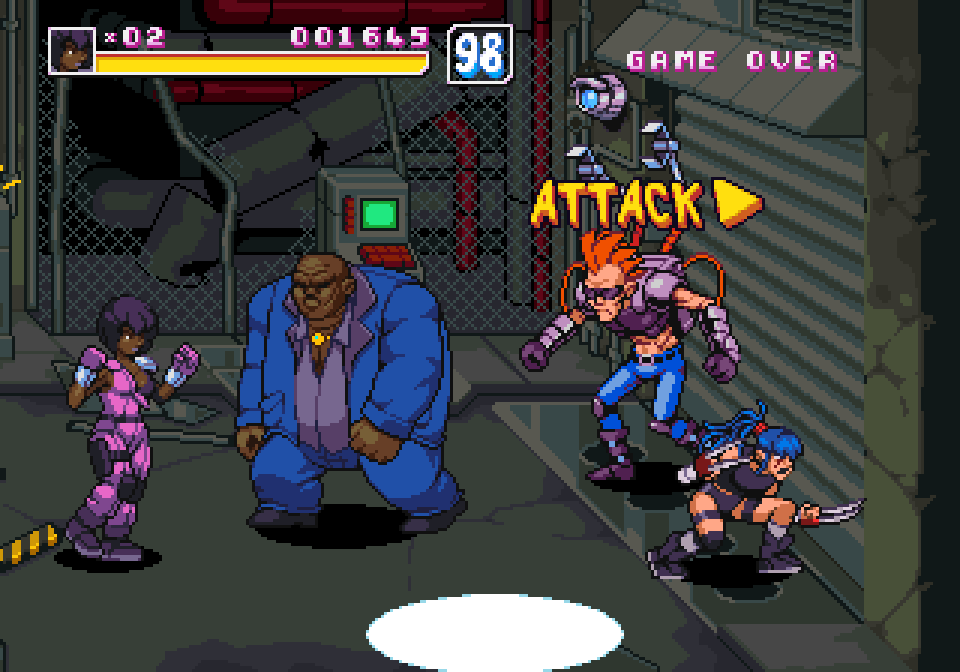
Underneath all the nods and references, though, there’s still a very solid product. The concept was to make a game that people of any skill could enjoy: the “Prey” (easy) difficulty level can be completed by those who like to mash buttons and spam desperation moves, mowing down the hordes of cyborg punks, mutant girls in hot pants, bald clones with guns, scientists deploying annoying remote-controlled bombs and spear-wielding savages (who, according to the manual, are tech-bros who lost their minds and went feral).But finishing the game at “Hunter” and “Vengeance!” levels requires careful examination of the four-button combat system, mostly based on combos (both ground and air ones) and enemy juggling. In fact, Nalua’s designers cited as influences the Marvel VS Capcom series of fighting games and stylish action games like Devil May Cry, and higher difficulty levels give foes a much higher ability to block and counter-attack, not just spawning more of them and giving them bigger life bars. And for those who want the ultimate challenge, completing “Vengeance!” unlocks “Expert Mode” in the starting menu, where one is expected to know how to dash, cancel moves into other moves, control jump height and direction, and so on.
Golem, Loony and Candy also do not precisely fall into the usual “tough but slow/average/fast but frail” triad that was everywhere in 1990s beat-em-ups, but play differently from one another, giving even more depth to the combat system. Golem is the grappler who possesses a number of throws and is good at crowd control, Candy is all about evading and chaining combos, plus she can cause damage over time by making enemies bleed with her blades, and Loony keeps enemies at bay with ranged attacks, by shooting missiles from his arm (he was originally supposed to stretch his arm a la Dhalsim, but the Neo Geo hardware can’t handle too many sprites on a line), bouncing baddies all over the place.
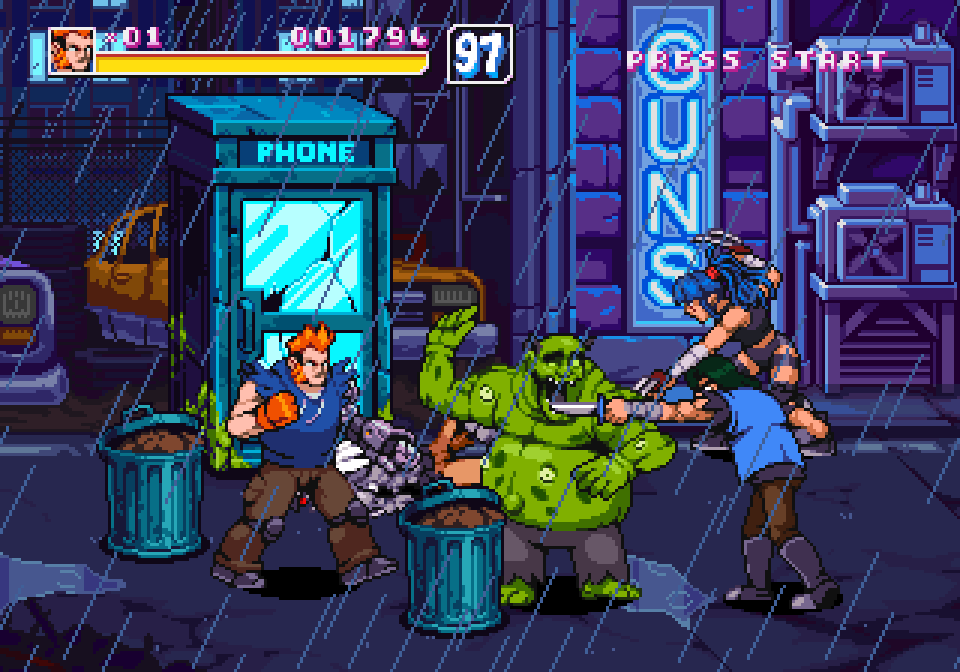
There are also two other differences from typical beat-em-ups: the desperation moves give a risk/reward element, in that the amount of lifebar consumed by them will be greyed out, and you can recover it by hitting enemies, being careful not to get hit in return, or you will lose all of it in one time. Another is the absence of the standard brawler melee weapons, replaced by a number of floating sci-fi firearms ranging from machine guns to missile launchers and flamethrowers, with limited ammo but that cannot be lost once picked up.
Vengeance Hunters manages to deliver what Nalua promised: a brawler that on the surface homages the 1990s with its big expressive sprites, cheesy storyline, catchy soundtrack, cartoonish grunts and sound effects, but hides a lot of finesse that goes above and beyond the arcade games of the era, with its fluid and precise controls and a calibrated difficulty that is not artificially stacked against the players. Not relying on a pre-existing IP may have hurt its chances of becoming popular, but fighting game and belt scroller enthusiasts should definitely keep an eye on it.