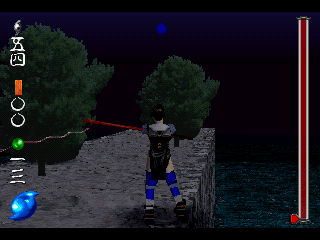
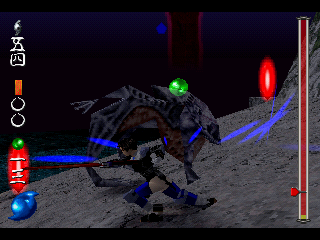
Soukaigi (双界儀)
Developer: Yuke’s
Release Date: 1998
Platforms: PlayStation
This review was originally featured in 32-Bit Library Vol. 4, covering PlayStation games from Square, Atlus, Working Designs, and more!
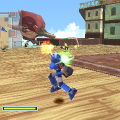
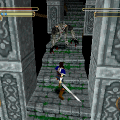
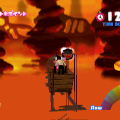
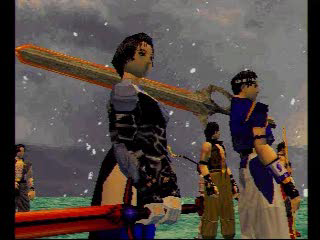
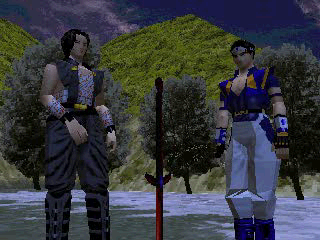
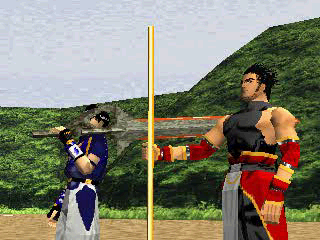
Natural disaster has struck Japan, with enormous pillars of light erupting all over the country, devastating its land and population and flooding it with monsters called Yorigami. Five warriors come together in this 3D action-RPG to adventure across the country, attempting to save it from total ruin. Though Soukaigi takes place in late 1990s Japan, it’s deeply intertwined with ancient Japanese mythology, as well as integrating elements of Buddhism and Taoism. The game was developed by Yuke’s, mostly famous for wrestling games.
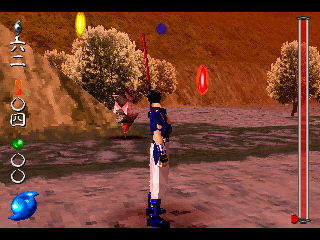
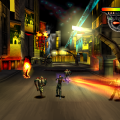
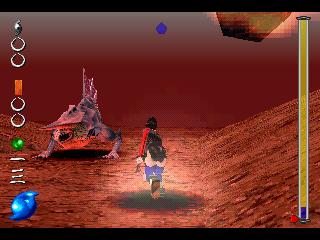
Each of the five characters have their own element – Wood, Water, Fire, Metal, and Earth – which makes them more or less effective against certain enemies. Each level takes place in a different part of Japan, where the ultimate goal is to find and beat the level boss. However, you can’t just march right to them, but instead need to scour the area to find and destroy crystals, eventually filling up the gauge on the side of the screen and allowing you access to the boss fight. Destroyed enemies also yield crystals called Materia (different from the Materia in Square’s other big-name PlayStation RPG), which can allow you to use super powerful moves.
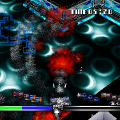
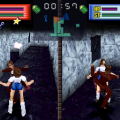
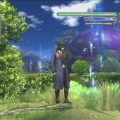
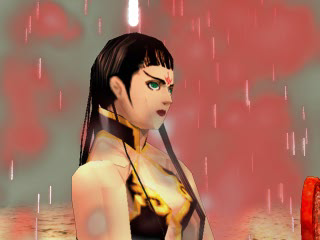
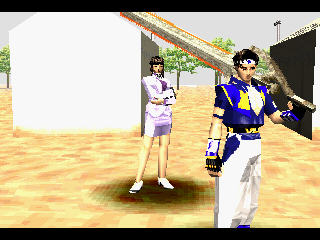
Square put an incredible effort towards the presentation and story of Soukaigi. Though it has three CDs, most of this space is taken up by cutscenes, as the game takes only a few hours to complete. These FMVs are rendered using the in-game 3D engine, so they look fairly poor in contrast to other Square games like Final Fantasy VII or Parasite Eve. On the other hand, unlike these games, it is fully voice acted. The in-game 3D is pretty ropey looking, with glitchy camera movement and plenty of fog, but it does add to the otherworldly, mystical atmosphere.

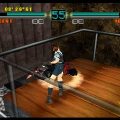
Too bad the game is truly awful to play. Like many 3D games of this era, you move with awkward tank controls, but they’re completely ill-suited for combat, where hit detection barely functions and there’s no real strategy beyond button mashing. You also run very slowly, and turning around is different, because pressing down makes you block instead of moving backward. You can upgrade the stats of your five characters, but it doesn’t make the fighting any better.
The game’s saving grace is its soundtrack, composed by Hiroki Kikuta (Secret of Mana) using a live instrument ensemble, making it a stellar achievement even among Square’s standout music library.