Back in the golden age of arcades, the market thrived on fast-paced shooters that filled the screen with projectiles to dodge and enemies to mow down. Games like Ikari Warriors, Smash TV, and Shock Troopers threw endless waves of enemies on screen and demanded players shoot, dodge, and survive in quick succession. The Red Star is very much a throwback to that era, a modern attempt to recapture the epic pace of those old-school run-and-guns.
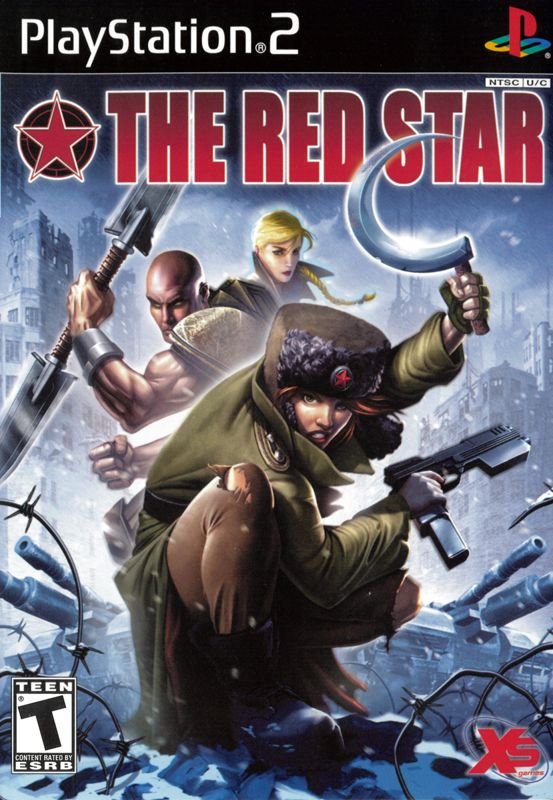
Developed by Acclaim Studios Austin for the PlayStation 2 and PSP, The Red Star began life as a top-down/side-scrolling shoot-em-up based on Gossett’s comic of the same name. The story takes place in an alternate-history world known as the United Republics of the Red Star (U.R.R.S.), a futuristically stylized, Soviet-inspired superpower. Despite its immense power, the U.R.R.S. is in decline. An evil figure known as the Dark Lord Imbohl, alongside his right-hand assassin Troika, are plotting behind the scenes in an attempt to seize control. Their tyranny has corrupted the republics, steering the nation toward oppression rather than the utopia it once claimed to be. In response, a small group of remaining soldiers rises to confront Imbohl and restore balance.
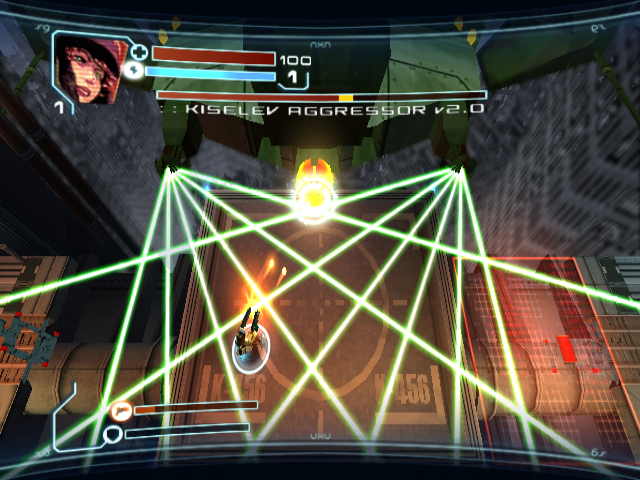
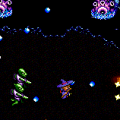
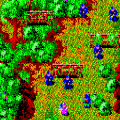
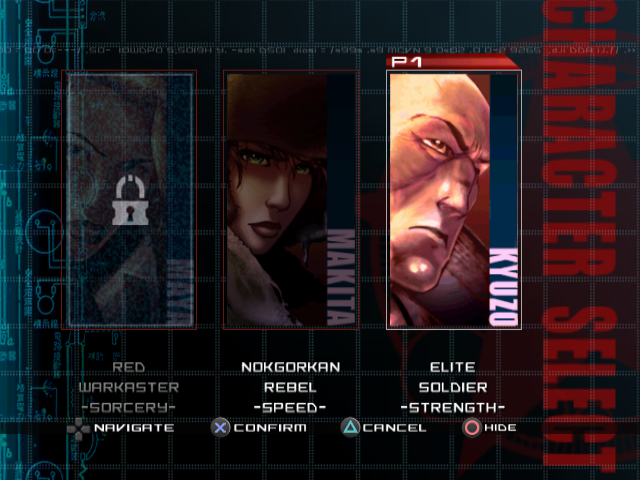
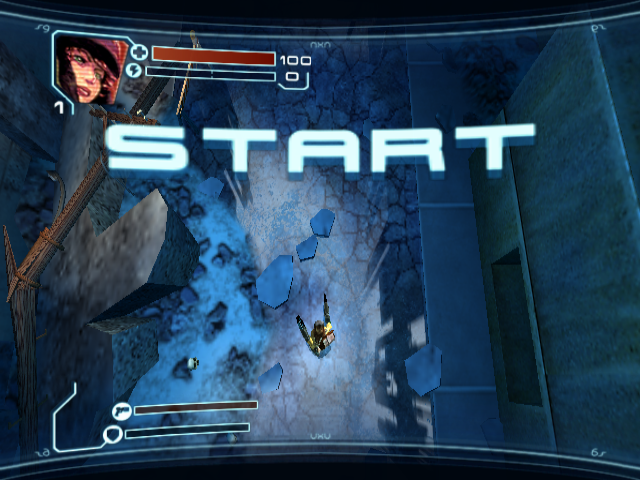
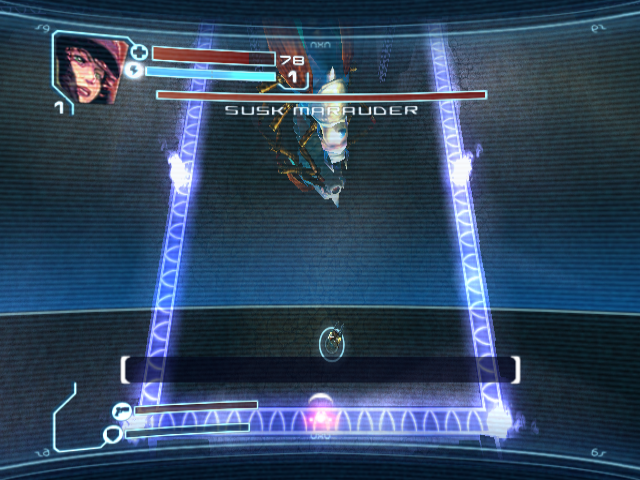
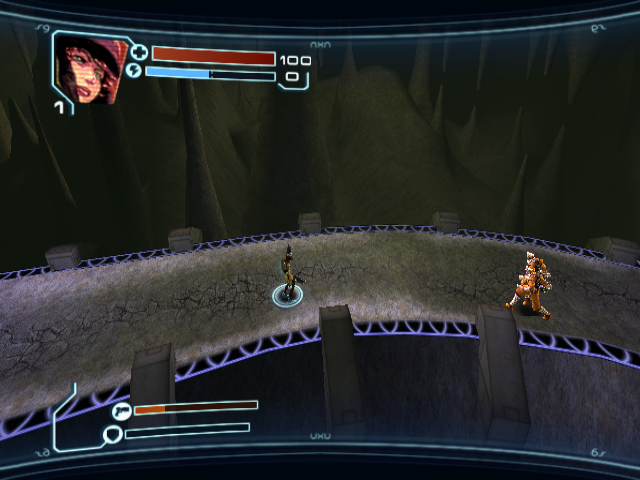
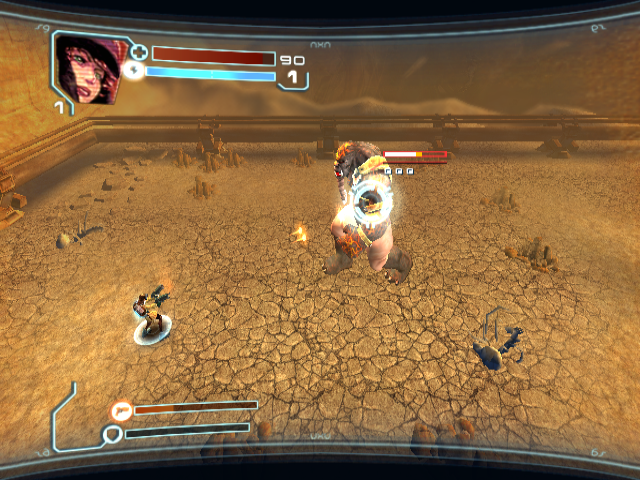
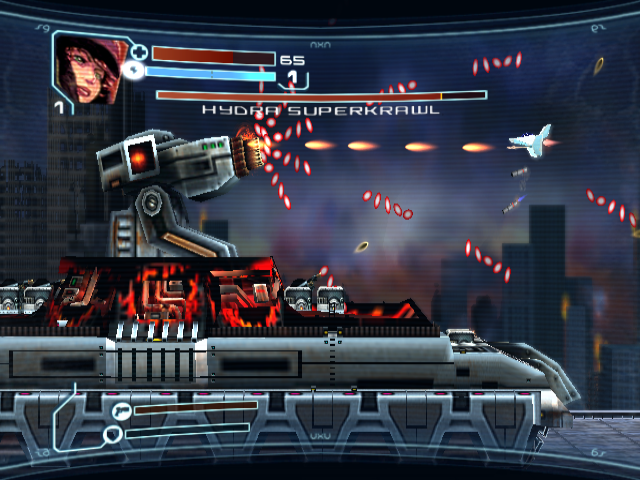
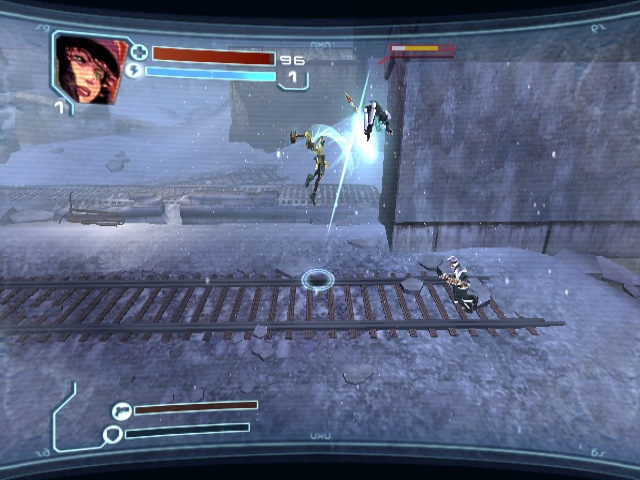
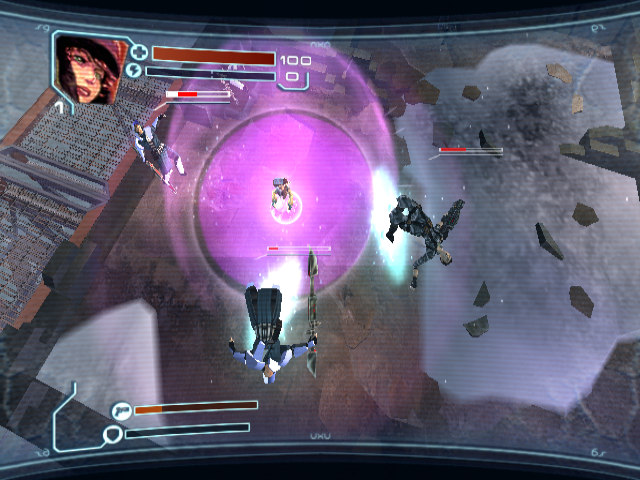
The Red Star straddles the line between a run-and-gun and a beat-em-up. The camera constantly shifts from a top-down perspective, and, on rarer occasions, a semi side-scrolling view. There is even a brief shoot-em-up segment, though it appears only once. At the start, players choose between two characters: Makita, who excels at speed, or Kyuzo, who relies on brute strength. Bear in mind, each character offers distinct advantages and disadvantages in combat. For example, Kyuzo’s attacks hit much harder, but they come at the cost of speed. Makita trades power for speed, making her better at dodging bullets, though she struggles more against melee attacks. Like any good run-and-gun, The Red Star features a cooperative mode that allows two players to work through the campaign together. After completing the campaign, players will unlock a third character called Maya, who wields powerful magic.
The good thing about The Red Star is that no matter which character you choose, the controls feel solid. You move with the left analogue stick, and aim with the right joystick, while the D-pad lets you switch between weapons purchased later with score points. The weapons range from pistols, dual-wielding guns, a gatling gun and even a shotgun. As far as melee attacks, you can execute a thrust attack by pushing the left stick upward, followed by square. Pulling the stick in the opposite direction, followed by square launches enemies into the air for mid-combo extensions. That move is important when you’re surrounded with no easy way out. Don’t ignore these moves; they come in handy when you least expect it. Pressing the triangle button unleashes a powerful area attack that damages and stuns nearby enemies. It doesn’t work on bosses, but it’s a lifesaver against a group of enemies. There is an upgrade system after clearing each stage that lets players improve attack, defense, health and other attributes (weapon cooldown) along with other weapon variations. Still, even if the player manages to upgrade everything, skill is what matters most. Upgrading your stats does make a few encounters easier, but skill matters most.
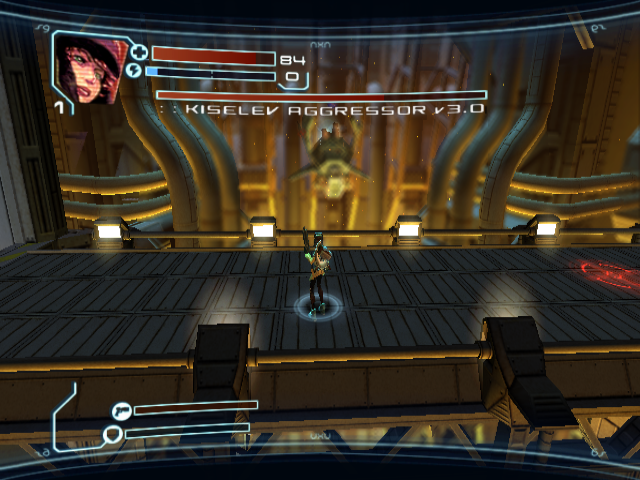
The game’s setup is fairly straightforward. Progress through enemy-filled levels, shoot down anything that moves, and take on a boss waiting at the end. There are over 19 levels to experience, with each level requiring approximately ten minutes to finish. It sounds simple on paper, but this game is not easy. At least, not for long.
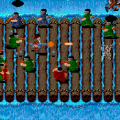
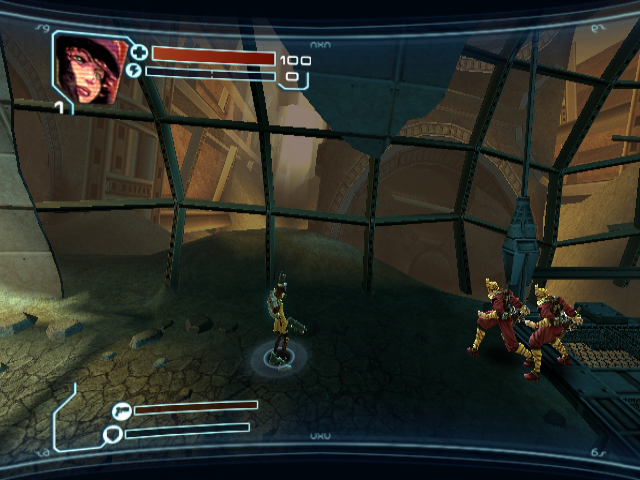
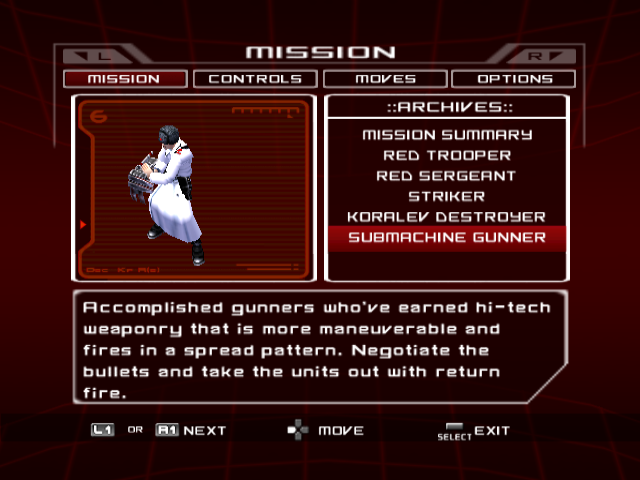
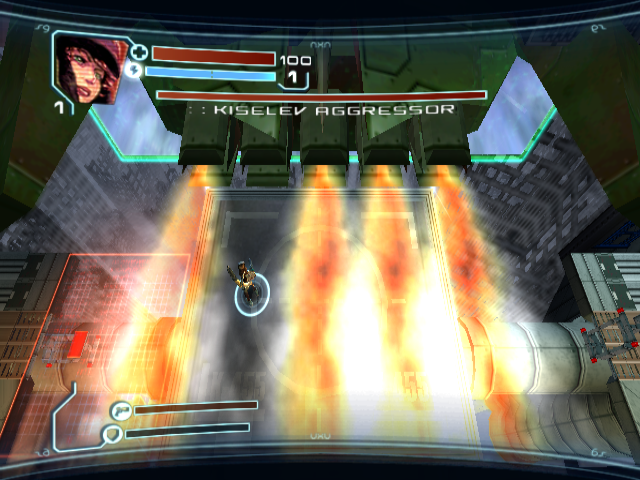
What keeps The Red Star engaging is how the game mixes things up. Some enemies die quickly, others hide behind a red-ish barrier that needs to be broken with melee attacks, and tougher foes require patience until the right moment to strike. The game doesn’t let up for long, and the deeper you go, the more it shifts into a full-blown bullet-hell spaghetti where one tiny slip-up means game over. But overall, the game’s difficulty is fairly balanced. The only exceptions are the last two levels, which are slightly tougher. If you die, you’re sent straight back to the main menu, where you can reload your save state.
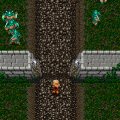
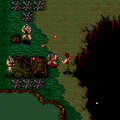
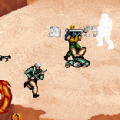
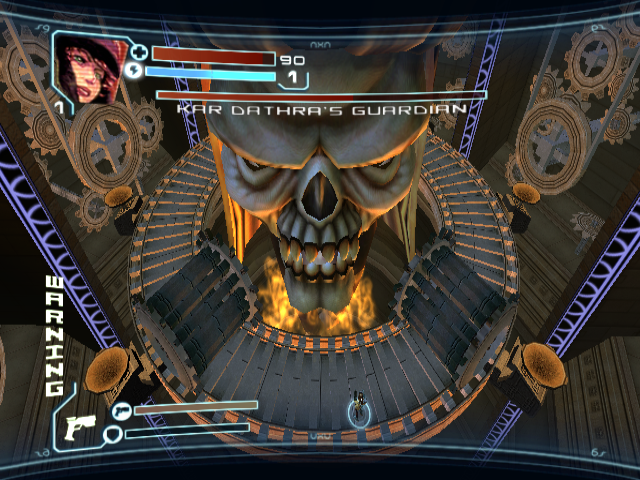
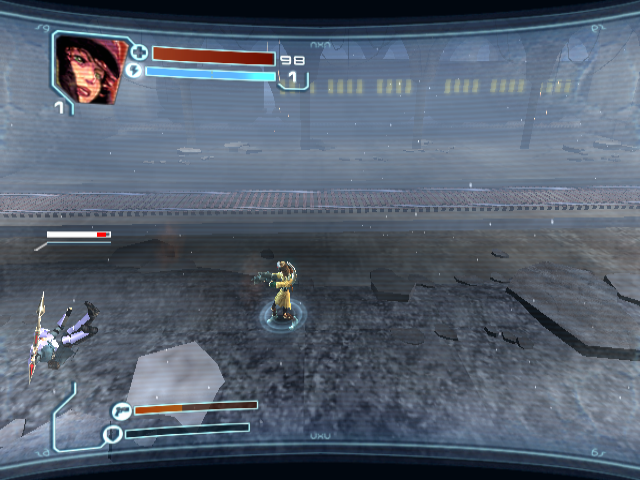
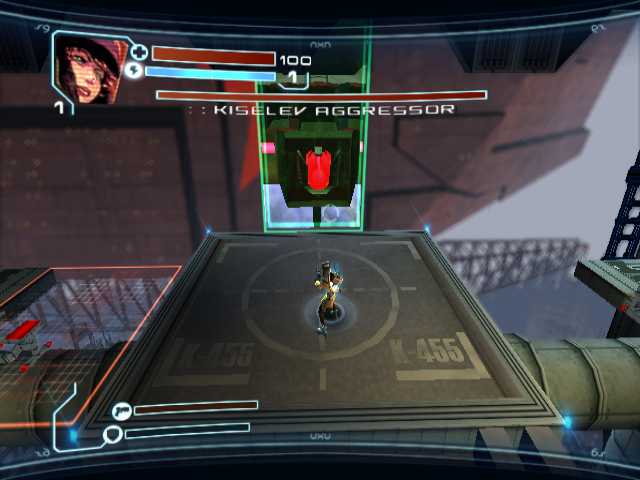
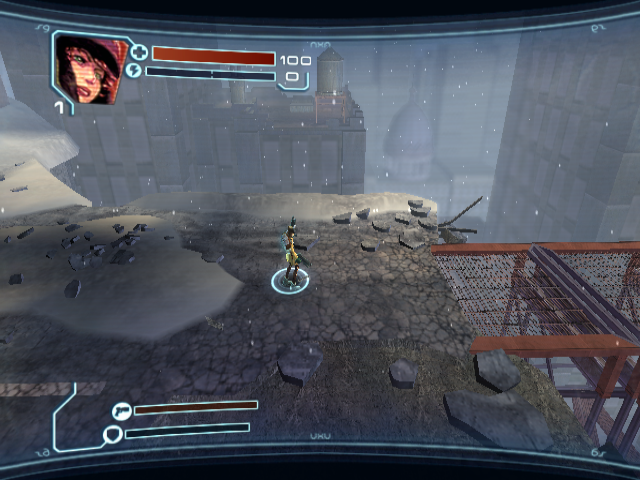
Visually, the game doesn’t capture the impeccable art of the comic book. It isn’t ugly by any means, but most of the levels, like factories, bases, wastelands and industrial facilities, aren’t unique settings by any means. With the game’s design pushing the player for constant movement, there’s little time or reason to pause and enjoy the scenery anyway. Besides, you can’t even rotate the camera around, anyway. There is, however, a nice touch. The game is framed as if you’re looking through some kind of VR headset, which makes the way each level begins feel a little more unique. It almost looks like someone is watching your progress.
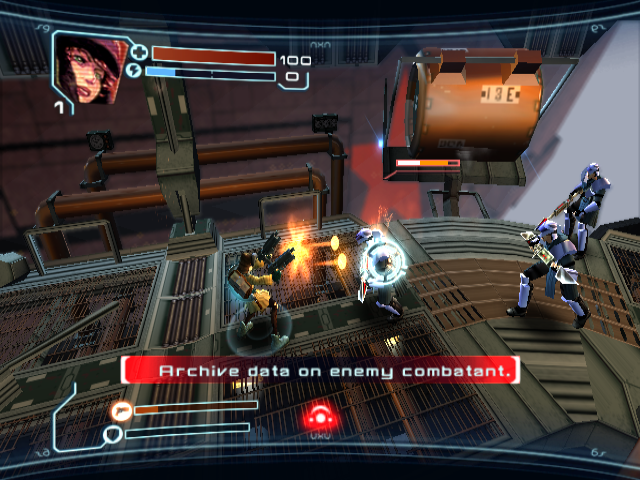
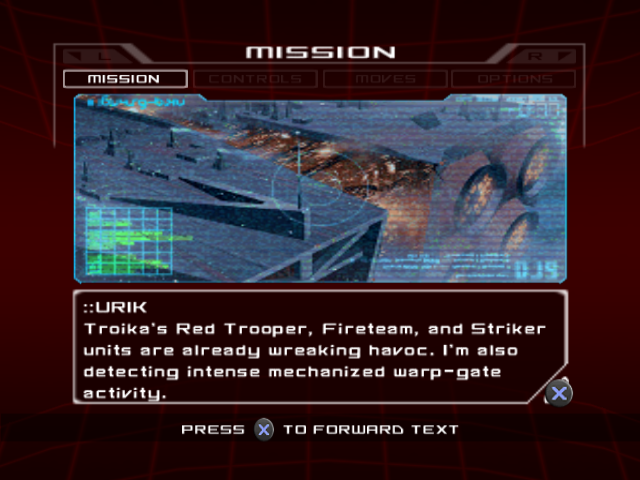
Storytelling takes a back seat as well. A thin story frames the action, but it exists largely to keep the action moving. The developers borrowed some elements from the comic, including characters and mashed them together to make a game. What The Red Star lacks in storytelling and visual flair, it compensates for with sharp controls, responsive mechanics, and an awesome soundtrack selection in the way good arcade shooters should be.
The Red Star was meant to be the start of a franchise, with future instalments planned to refine and expand the gameplay. However, poor sales prevented any sequels from happening. An Xbox version had also been lined up to launch alongside the PS2 release, but it was canned. The build would mysteriously resurface years later.
For anyone who grew up on Smash TV or Shock Troopers, The Red Star is a satisfying nod to its predecessors. It doesn’t dazzle with its story or visuals, but it nails what it sets out to do: deliver tough, fast-paced action goodness.