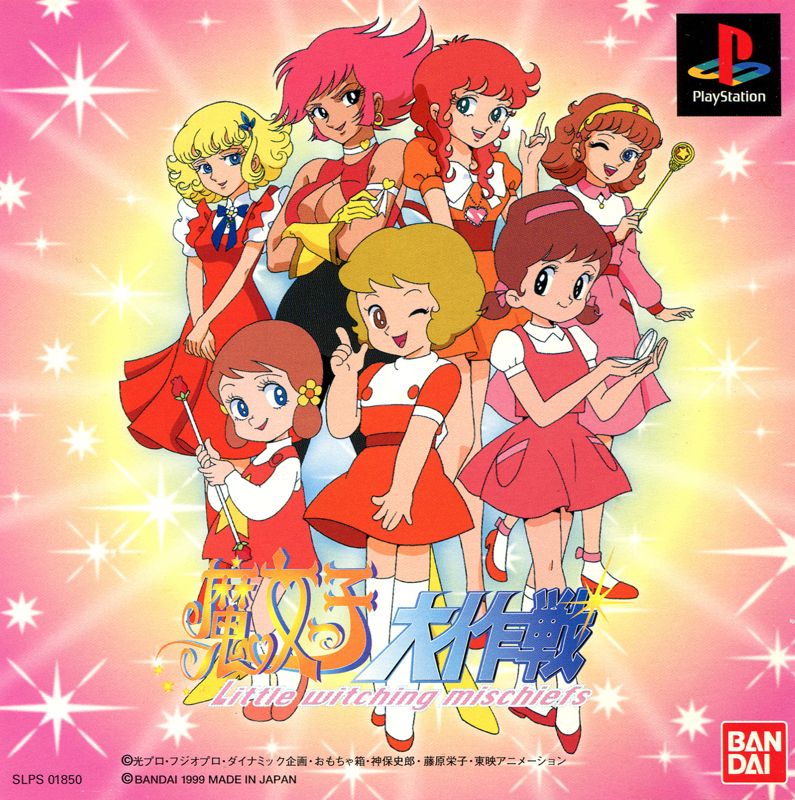
Majokko Daisakusen (魔女っ子大作戦)
Developer: Toys for Bob
Release Date: 1999
Platforms: PlayStation
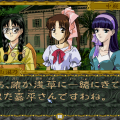
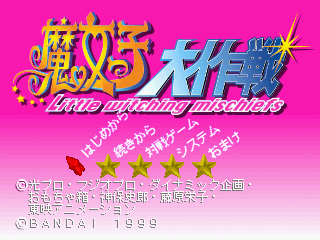
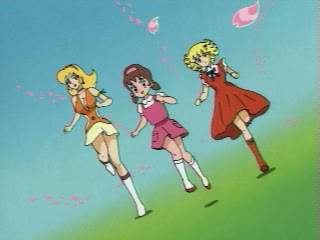
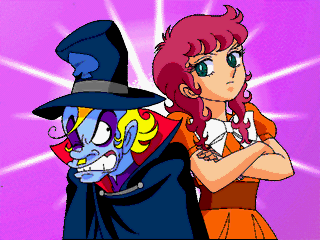
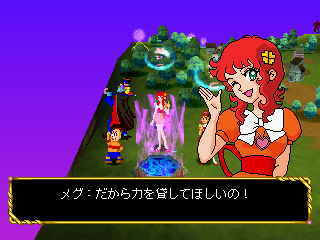
“Majokko” means “little witch”, and refers to the kind of magical girls that were popular in manga and anime during the 1960s and 70s. Majokko Daisakusen collects characters from seven of these Toei-produced shows – Mahou Tsukai Sally, Himitsu no Akko-chan, Mahou Tsukai Chappy, Cutie Honey, Majokko Megu-chan, Hana no Ko Lunlun, and Mahou Shoujo Lalabel – into one big crossover strategy battle, conceptually similar to the Super Robot Wars series. Unusually, the game was actually developed by Western company Toys for Bob, based on their earlier PlayStation game The Unholy War, but swapping out the characters and levels from that game for these anime girls.
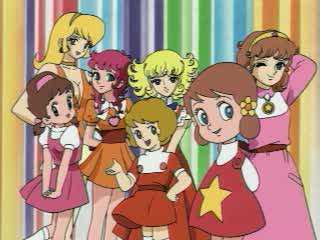
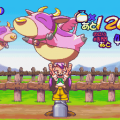
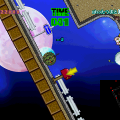
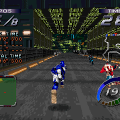
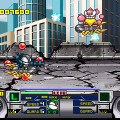
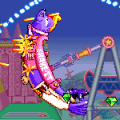
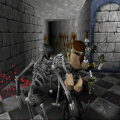
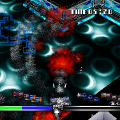
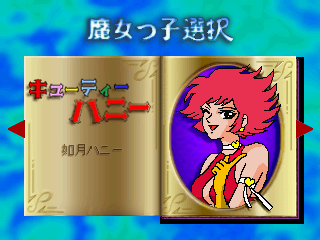
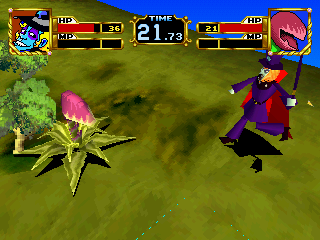
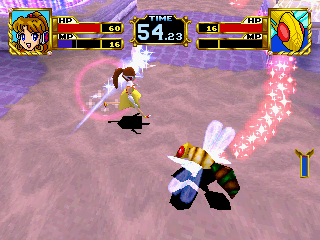
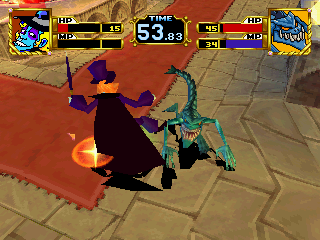
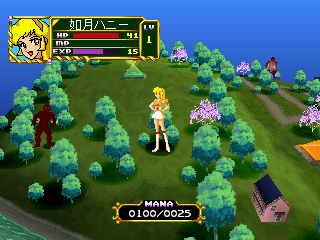
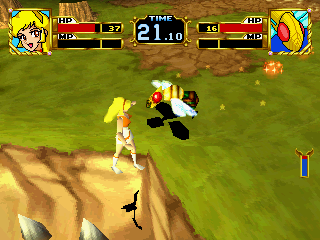
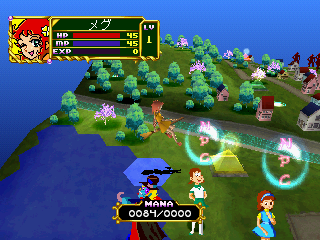
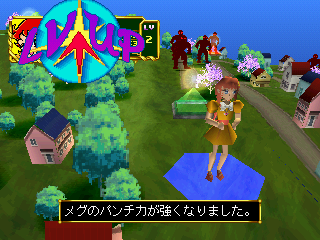
From the outset, you can pick from any of the seven anime series, which determines the characters you’ll use for the rest of the game. Each map begins at your home base, where you can summon them onto the field. The goal is to work your way to the other side and capture the enemy’s base, while preventing them from taking yours. Also spread throughout the stages are magic points, which grant magic to whichever side captures them, allowing them to summon more units into battle. Whenever two opposing units fight, it zooms down into an overhead 3D action arena battle sequence, where they fight each other until one is defeated. Some characters can only use melee attacks, while the magical ones can use projectile magic as well. Most of the enemies are assorted monsters and are taken from The Unholy War, as well as Pandemonium!, another game by the same developer.
Majokko Daisakusen is one bizarre game, for multiple reasons. Outside of Cutie Honey, the rest of these magical girl series were pretty non-violent, so having them running around and beating up monsters just feels really weird, doubly so for the NPC non-magical characters. Unlike Super Robot Wars, the characters from the different series barely interact with each other, so it’s not like there’s any fun dialogue or interesting scenarios. There are only fourteen maps, which makes for a pretty short campaign.
According to various interviews, Toys for Bob wanted to make an SD Gundam strategy-action game, but somehow ended up with this magic girl license instead. Since translating the Japanese language faxes from Bandai ended up being too exhausting, at some point they turned off the machine and finished up the game themselves. This lack of understanding of the license is pretty clear when playing the released product. Bandai later used the 3D arena battle concept for themselves with SD Gundam Eiyuuden: Daikessen. Toys for Bob would later go on to invent the Skylanders toys-to-life franchise.