Advertisement
Games developed outside the major production regions of Japan, Europe, and North America are rarely discussed. While titles from countries such as Russia, Ukraine, or even South Korea are lucky to sometimes receive attention, games produced in the Middle East are often glossed over. This is because a portion of these titles is lost to time, and partly because a number of them were closely tied to political themes that restricted their overall reach. This situation highlights a serious issue: not every game is preserved, particularly in the anglosphere scene. Despite this, you’d be surprised to discover that the Middle East has produced several lesser-known titles, many of which attempted to make games that touched on local history and folklore.
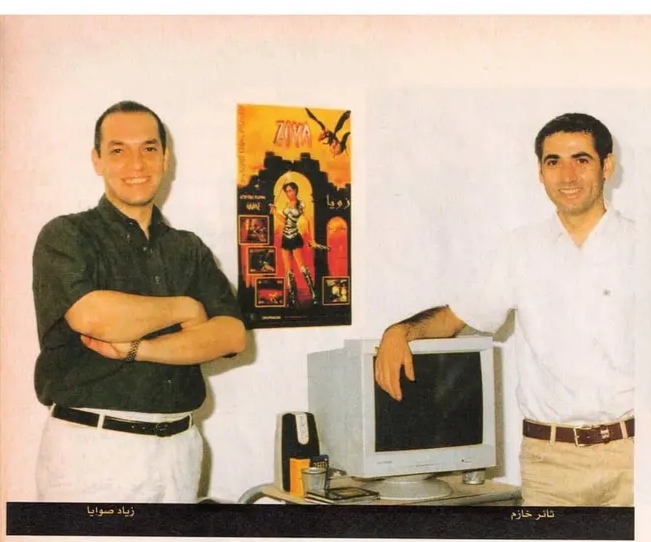
Zyad Sawaya (left) and Taair Khazim (right)
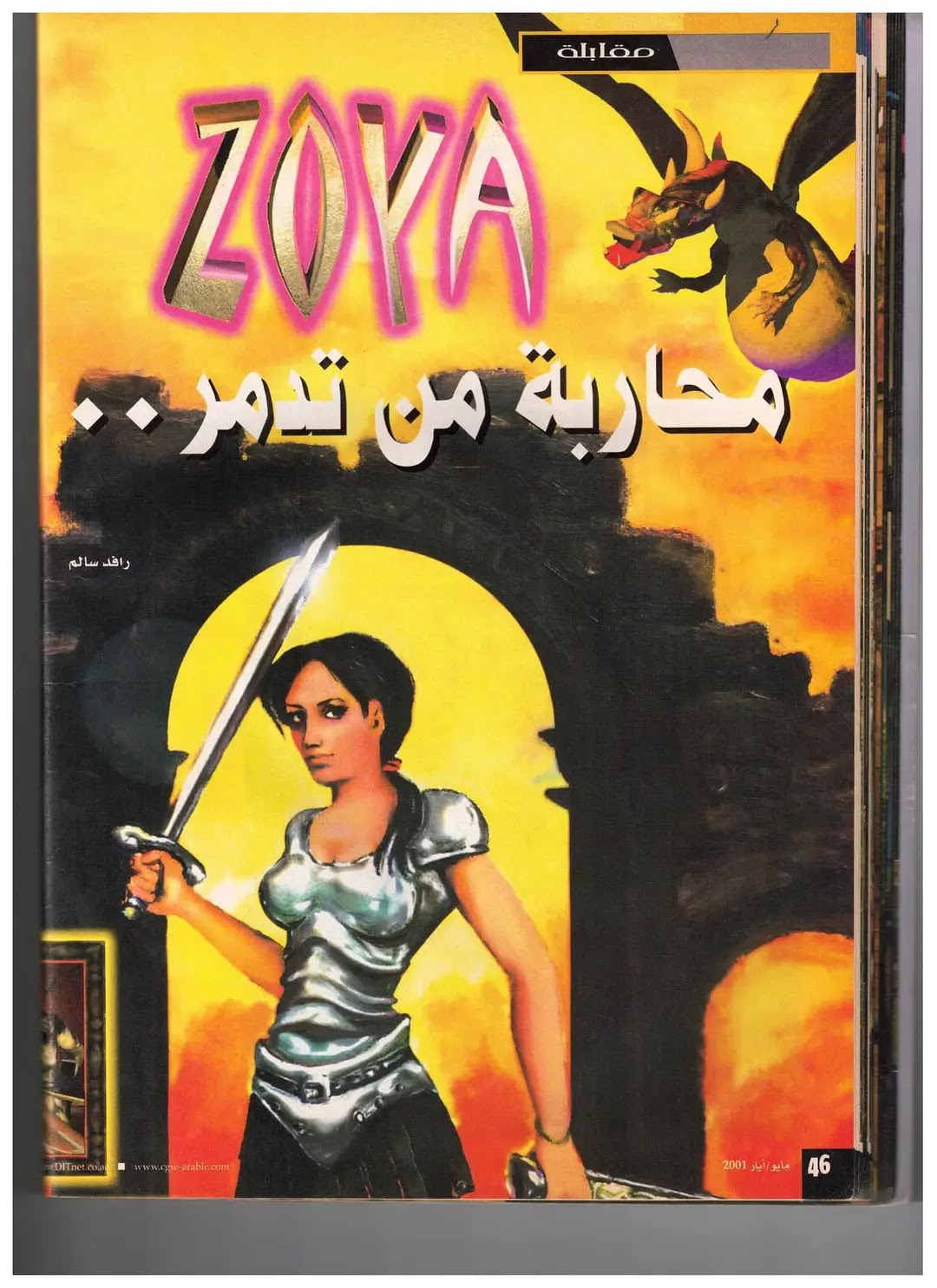
One such example is Zoya (locally known in Arabic as زويا), a first-person shooter developed by the Syrian studio Techniyat 3D. The game was released exclusively on PC in 2001, initially in the United Arab Emirates and Syria, and later digitally via a demo anyone could access via the (now-defunct) official website. Built using the free open-source Genesis 3D engine, Zoya was the brainchild of Zyad Sawaya, who, during the rise of politically themed games in the Middle East, chose to focus on a comparatively overlooked part of Syria’s forgotten history: the ancient city of Palmyra.
Before the game’s production kicked off full force, Zoya briefly went by the “Tesla” name. Development began in late 1999 and was carried out by a four-person team with no prior experience in game development. In essence, Zoya marked the studio’s first voyage into the industry.
Upon starting the game, you’ll be immediately surprised to find out Zoya is kind of similar to PowerSlave /Exhumed, but both are different in their own way. Players take control of a brown woman named Zoya, a warrior who must fight through a series of monster-filled levels to reach her final objective, the Victory Castle. Equipped with her sharp sword and deadly weapons, she walks into the castle undaunted.
The game’s character is quite interesting as it drew inspiration from Queen Zenobia, the ruler of Palmyra, who rose to power in 272 AD following the assassination of her husband, Septimius Odaenathus. Zenobia conquered many regions, including Egypt, with an iron fist. Her intimidating presence made armies tremble before her. It made total sense why such an influential historical figure inspired the developers to make Zoya just as powerful and iconic.
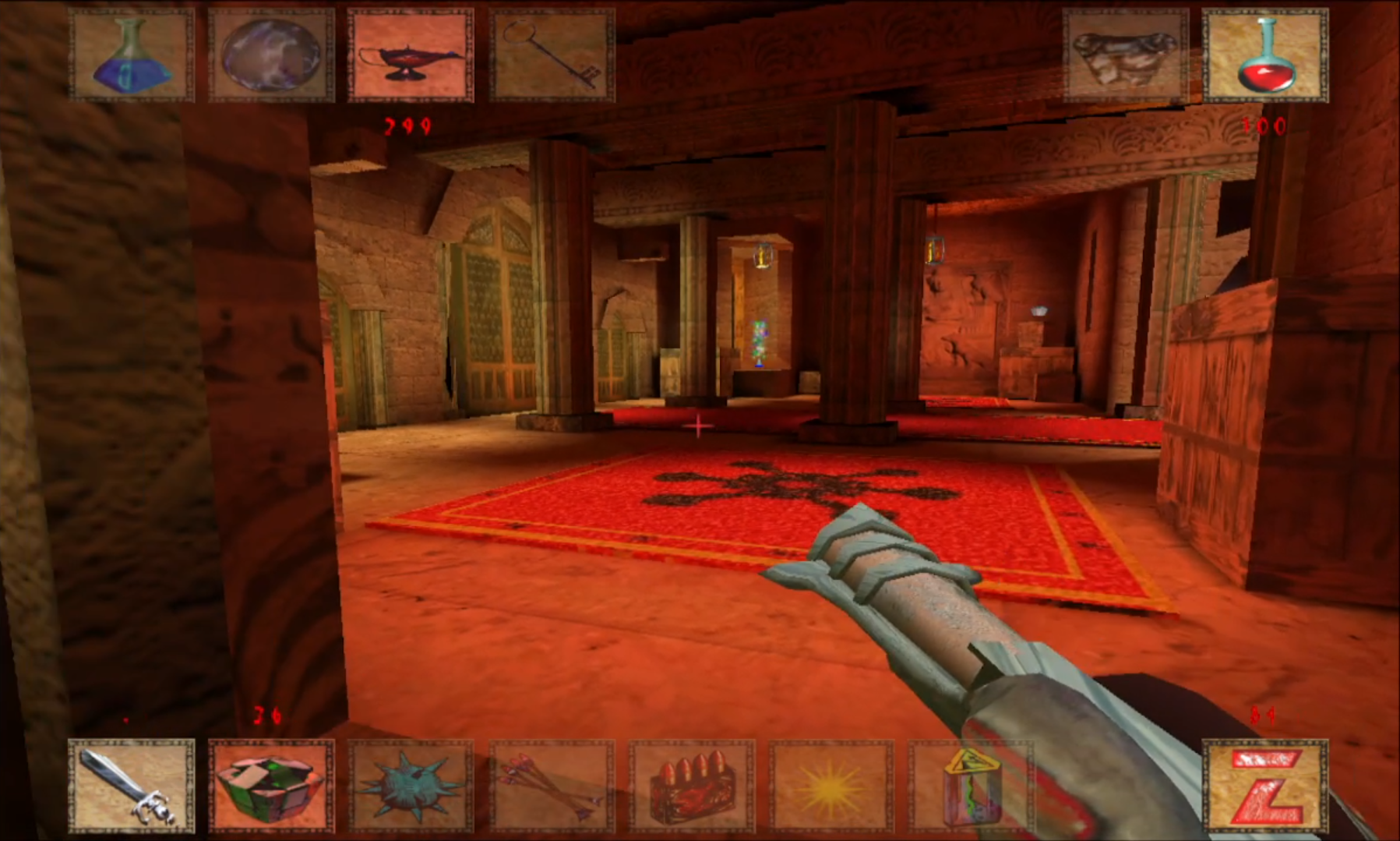
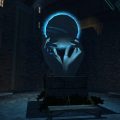
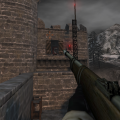
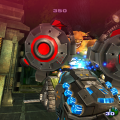
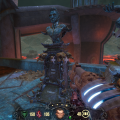
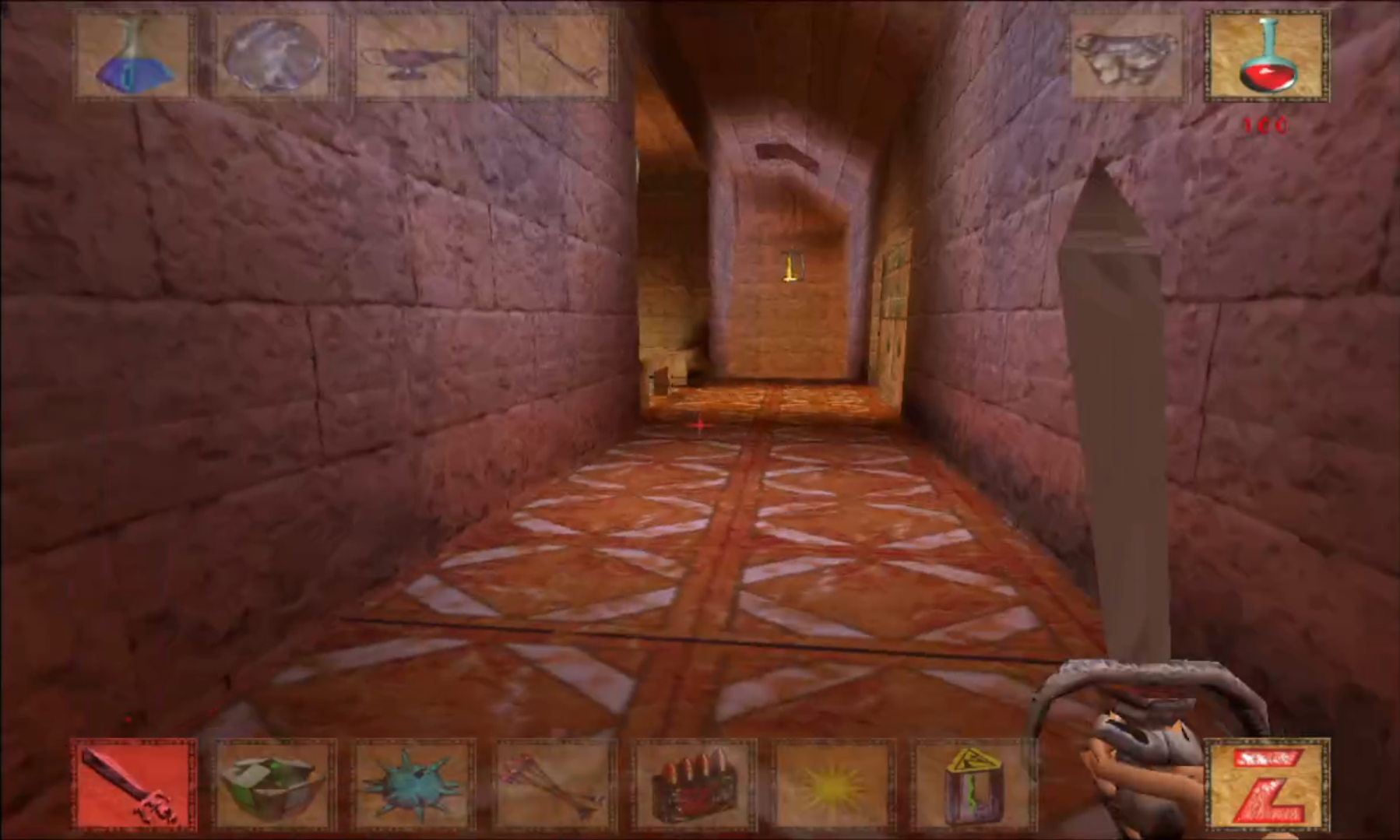
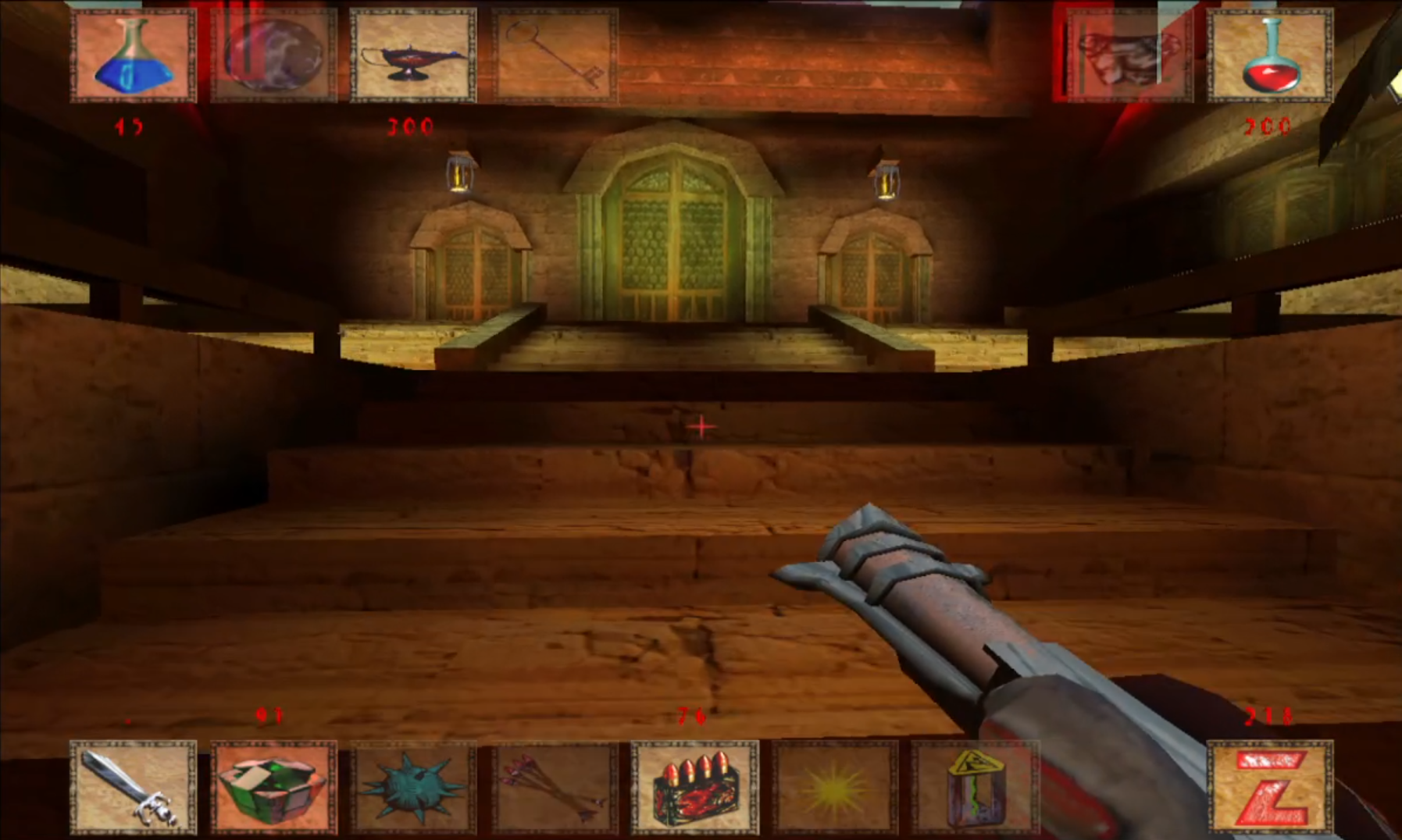
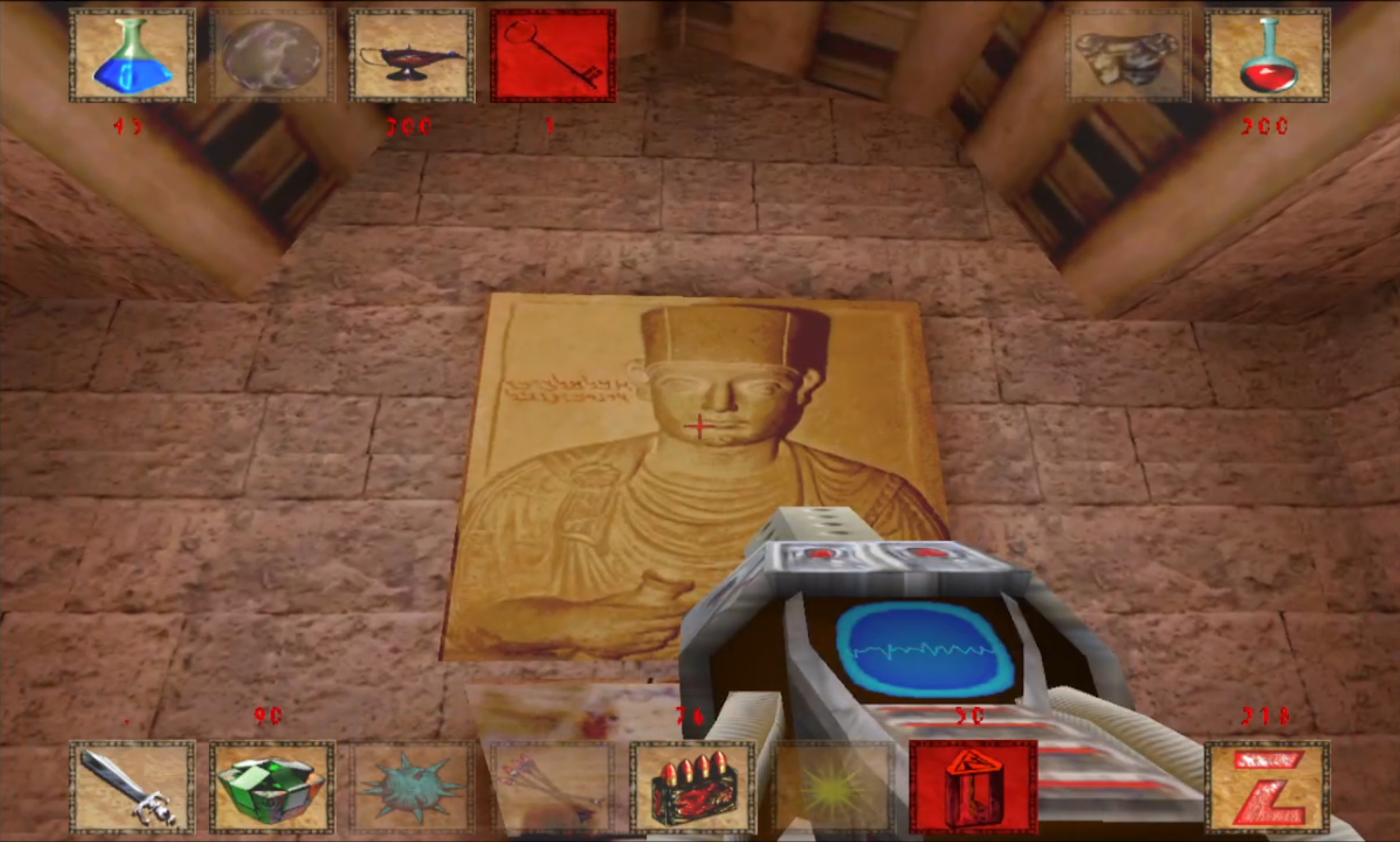
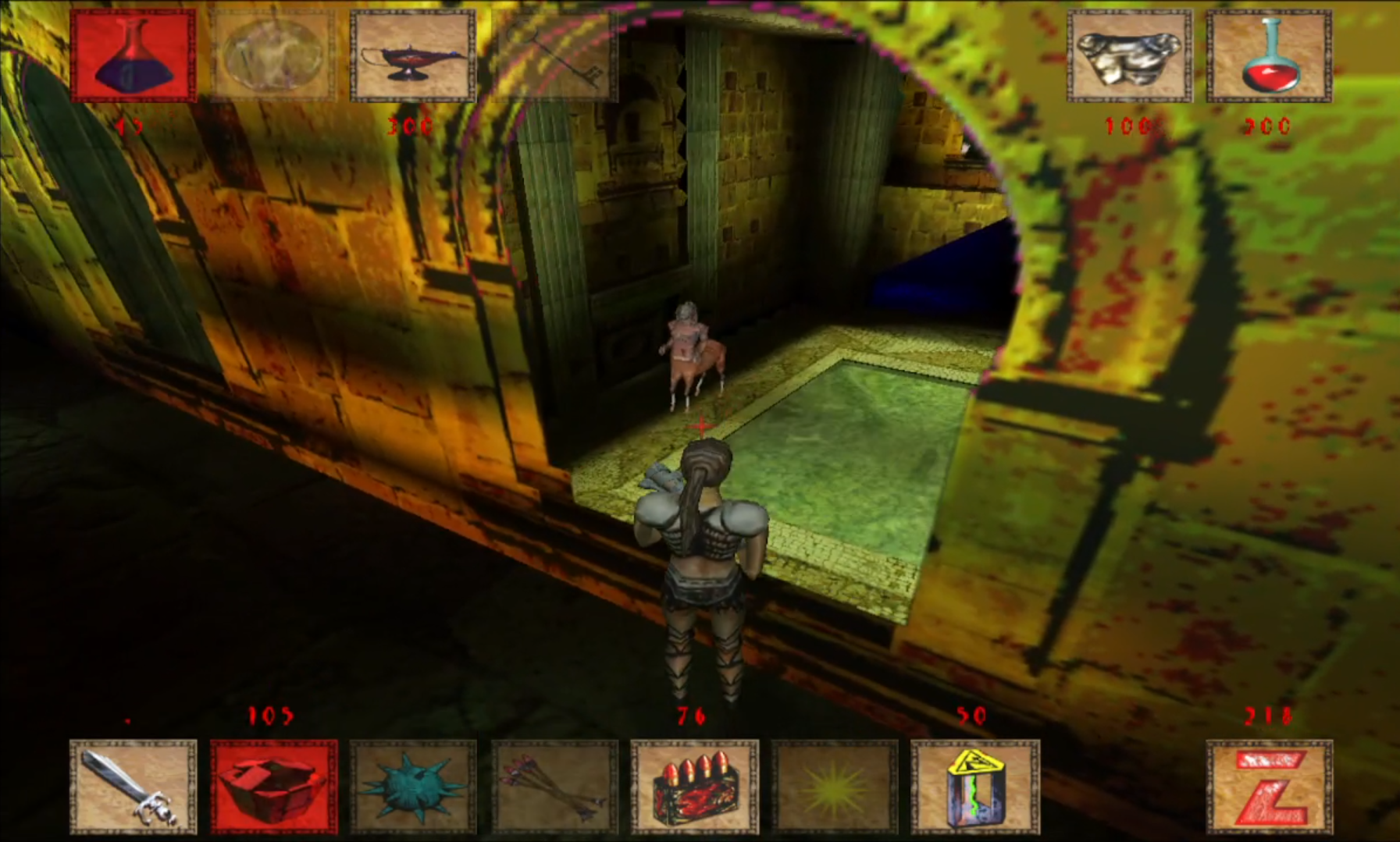
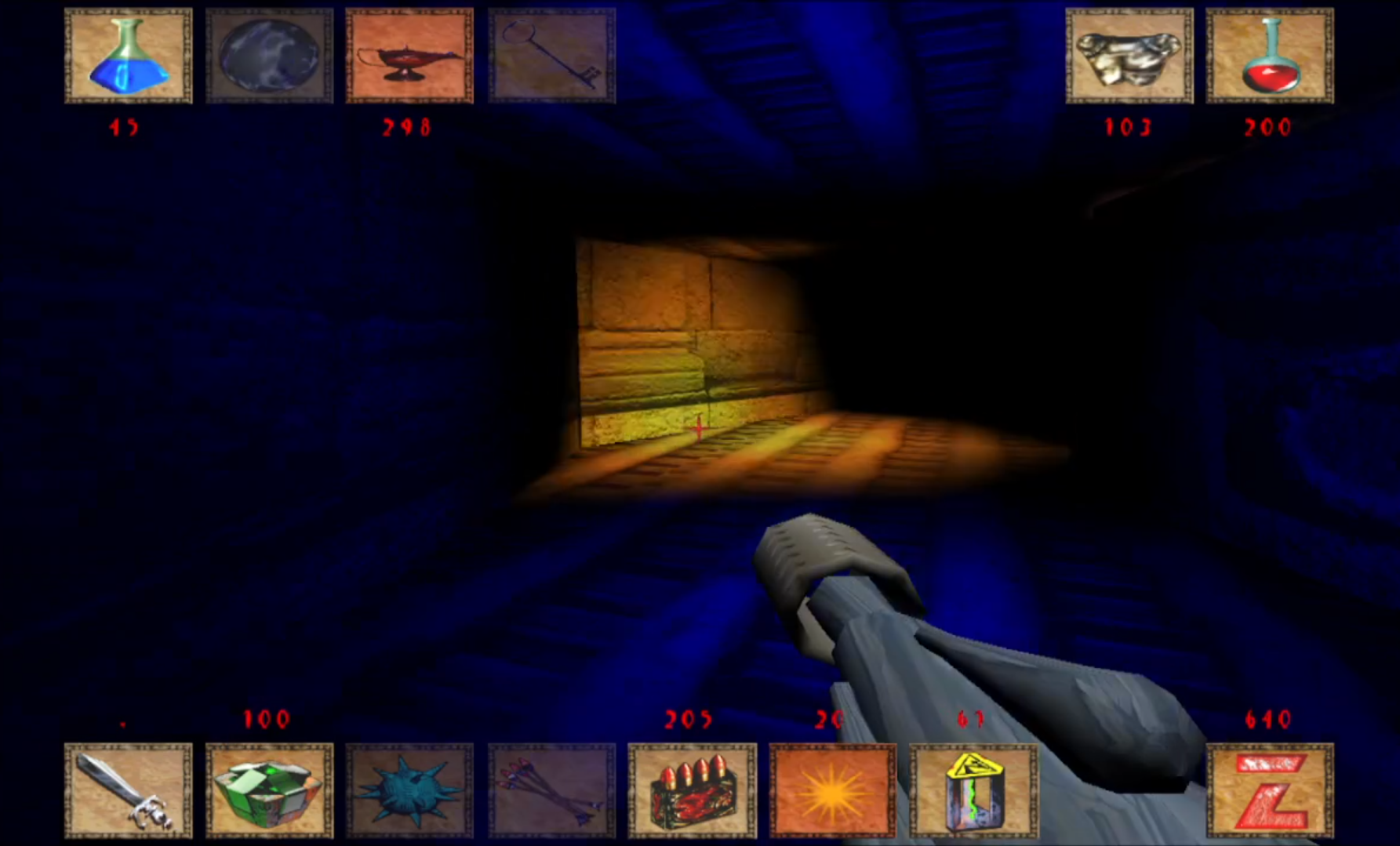
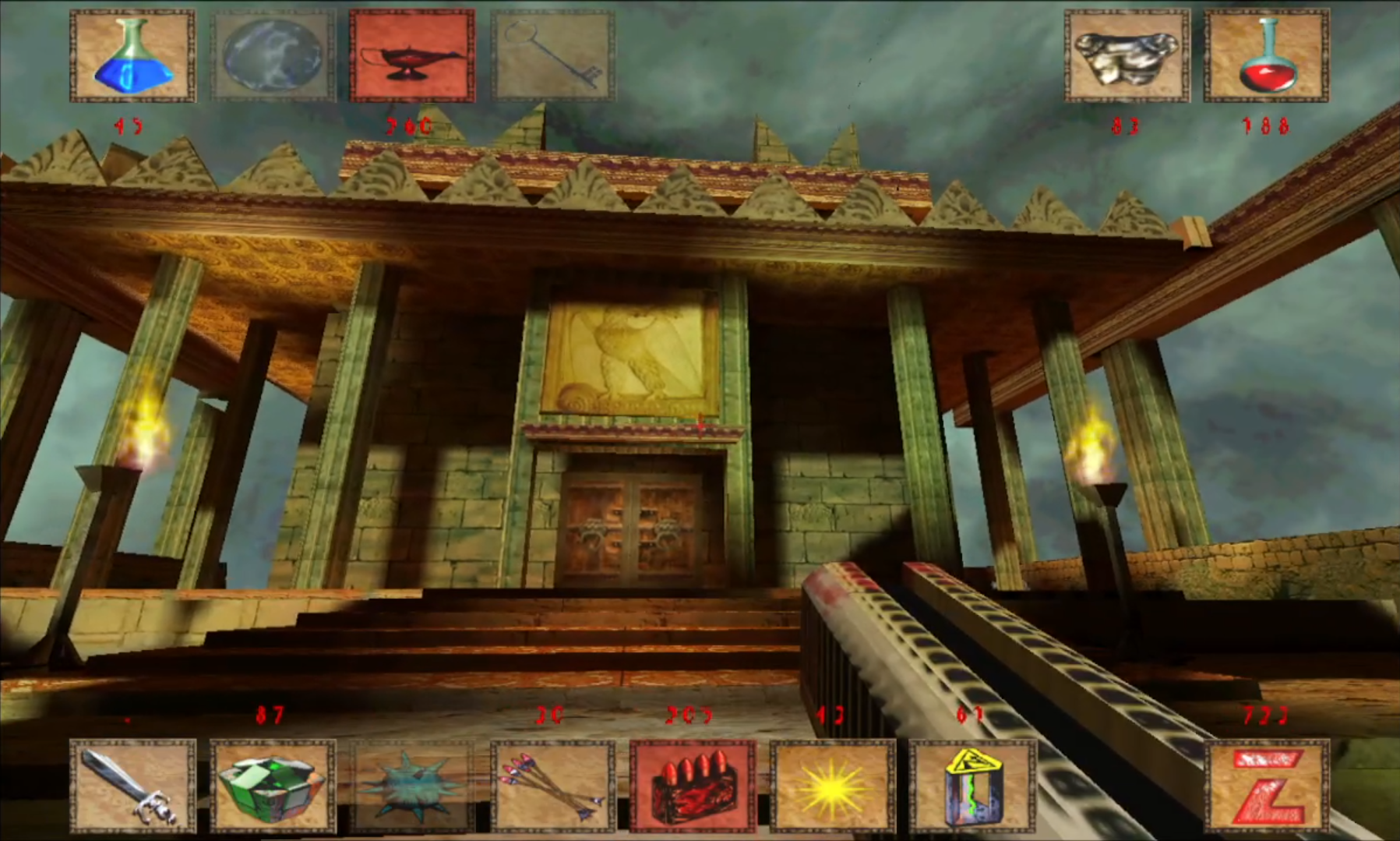
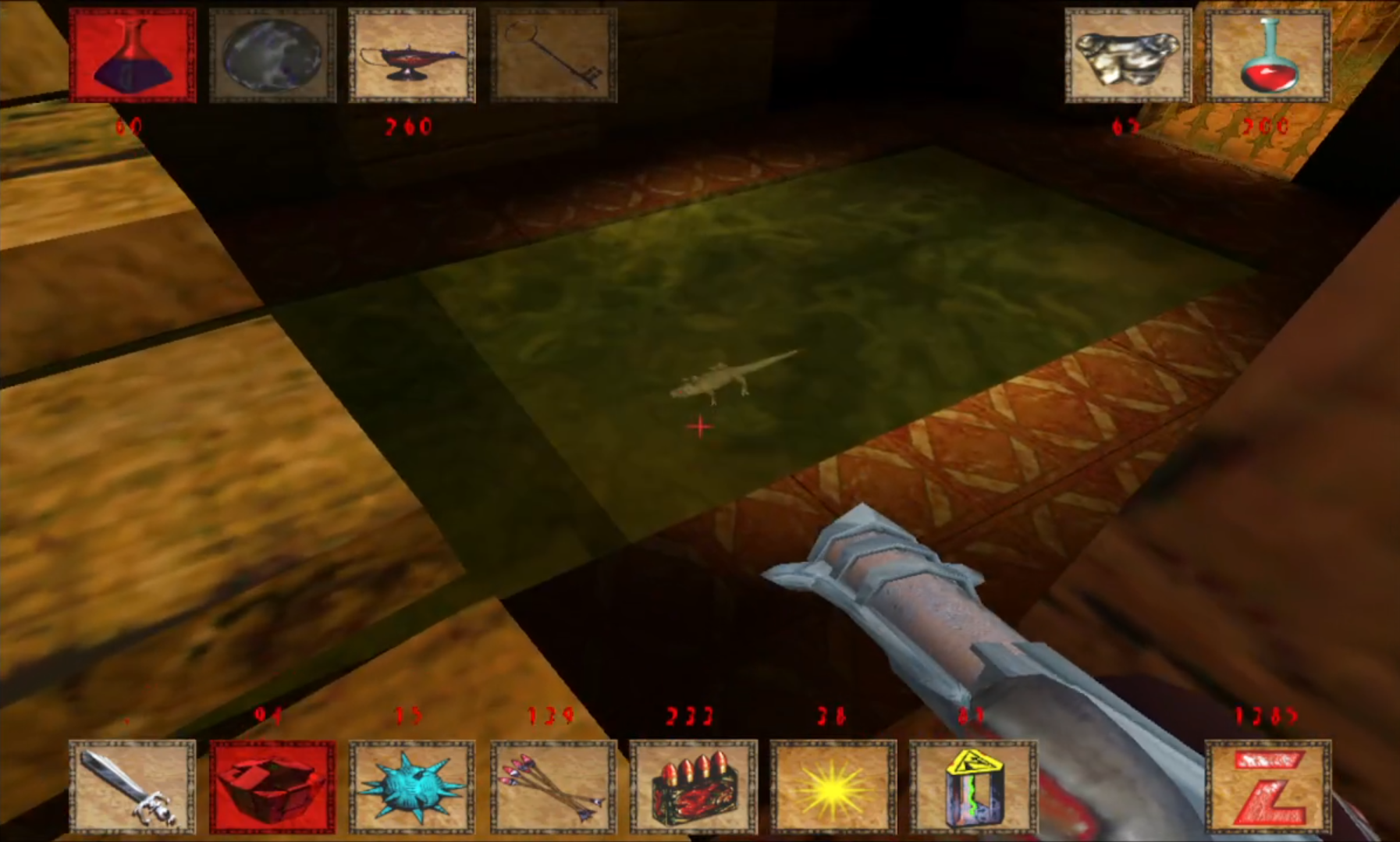
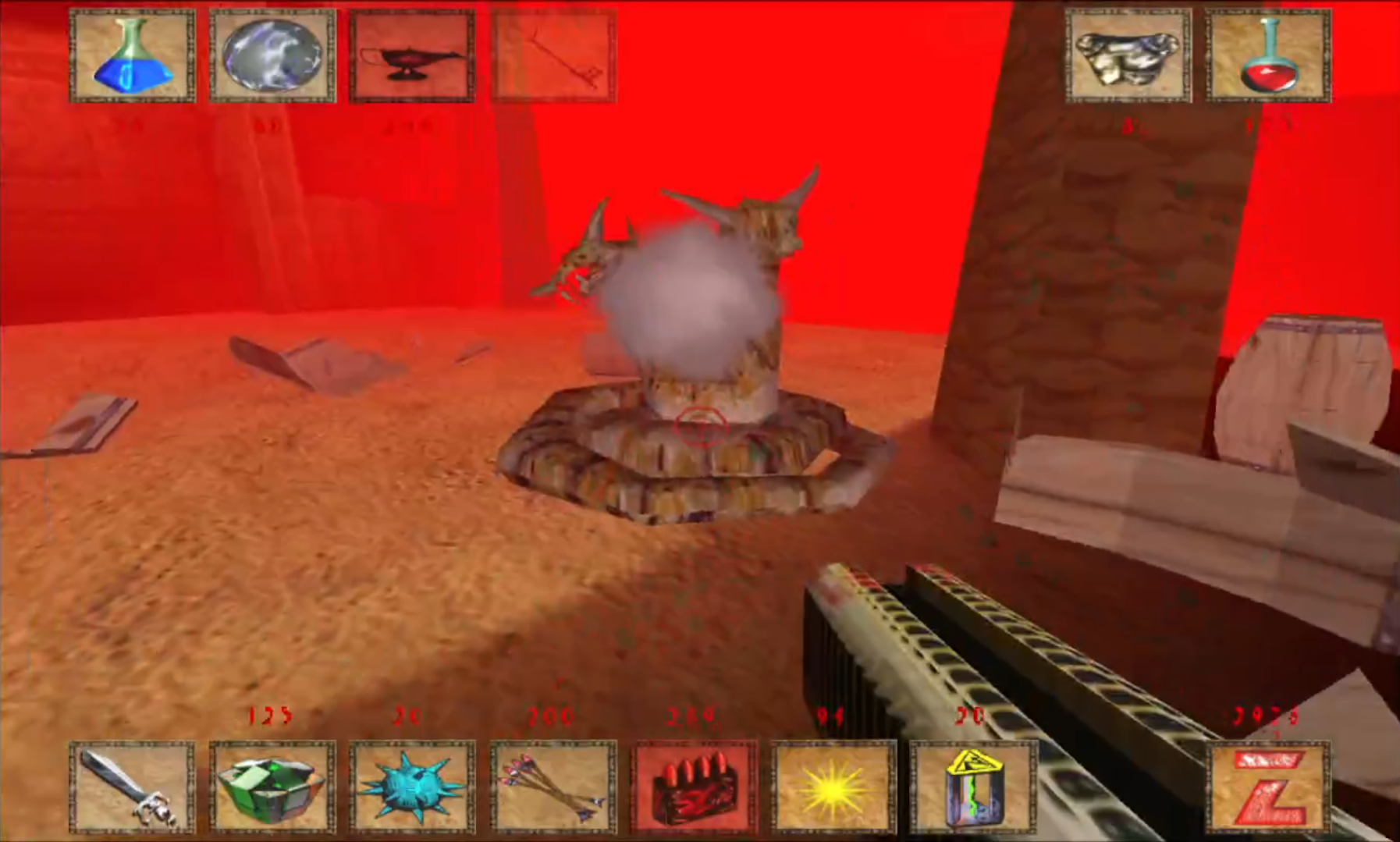
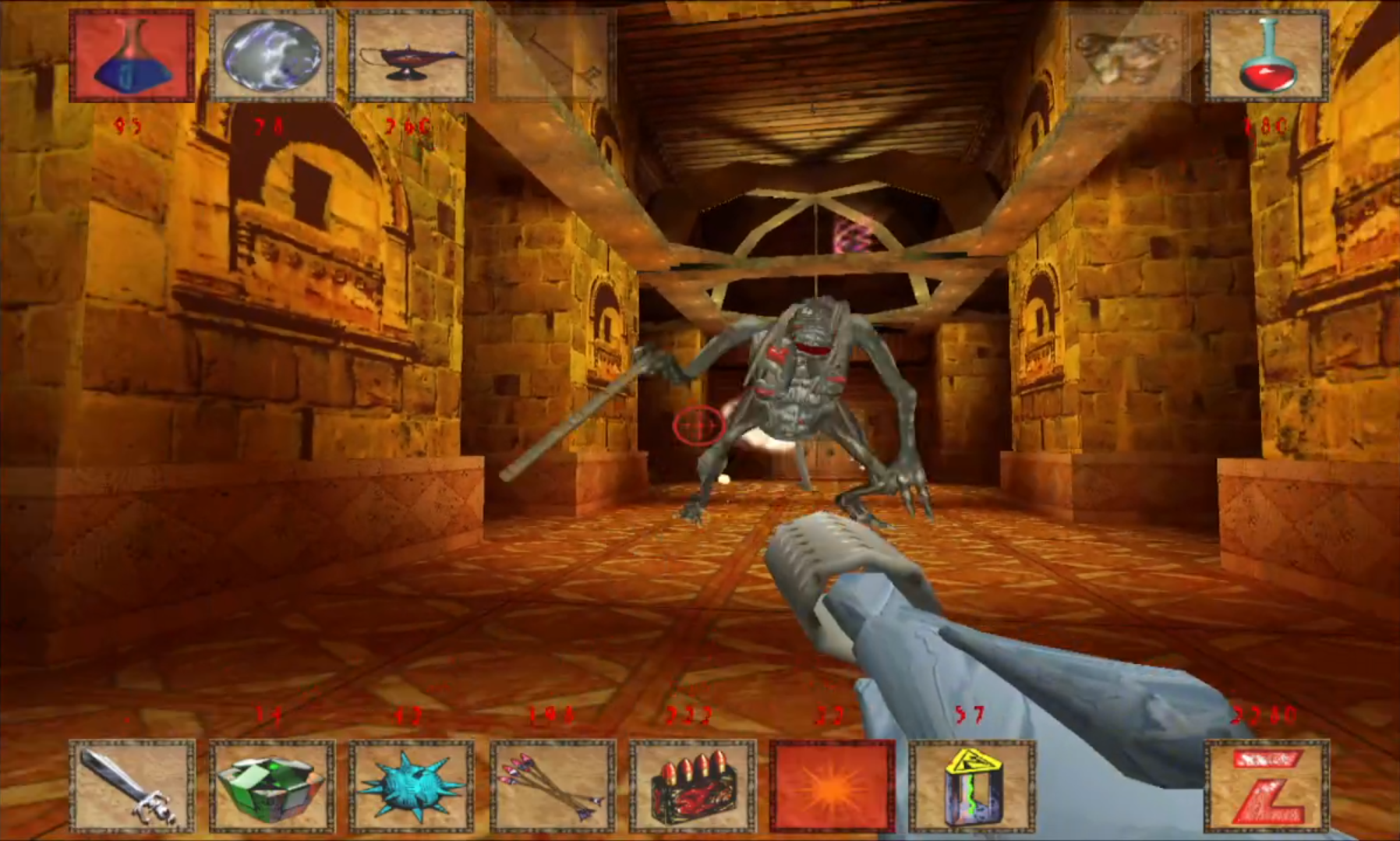
The gameplay is similar to many shooters you’ve played already. It mostly sees players progressing through various levels by defeating enemies, collecting keys, and unlocking doors to advance further. While the mechanics themselves are simple, the game distinguishes itself through its beautiful environments and visual design. Levels feature architecture inspired by Middle Eastern settings, including narrow corridors, open courtyards, and large stone structures under bright skies. These elements, combined with a wonderful soundtrack, make Zoya a surprisingly charming and atmospheric game.
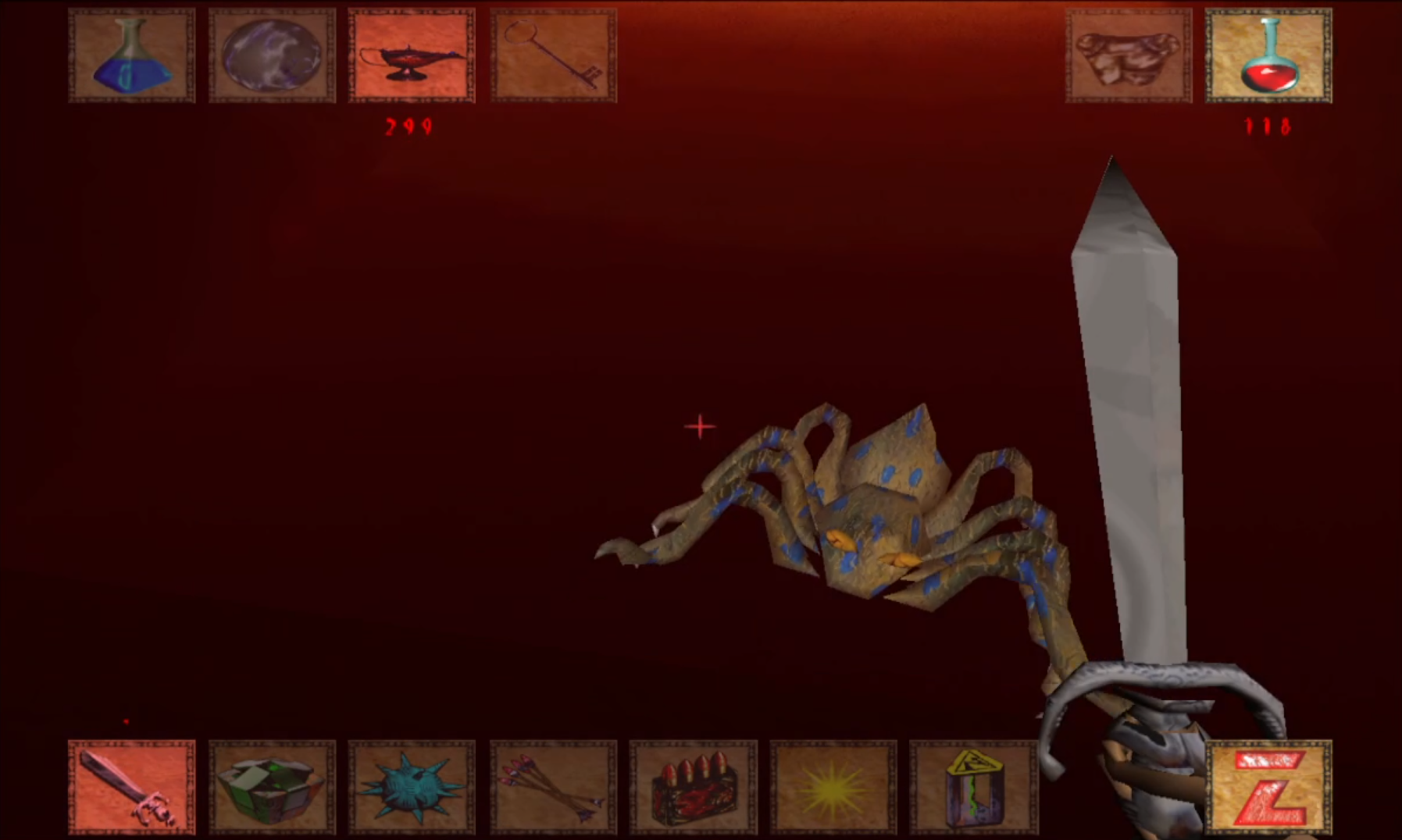
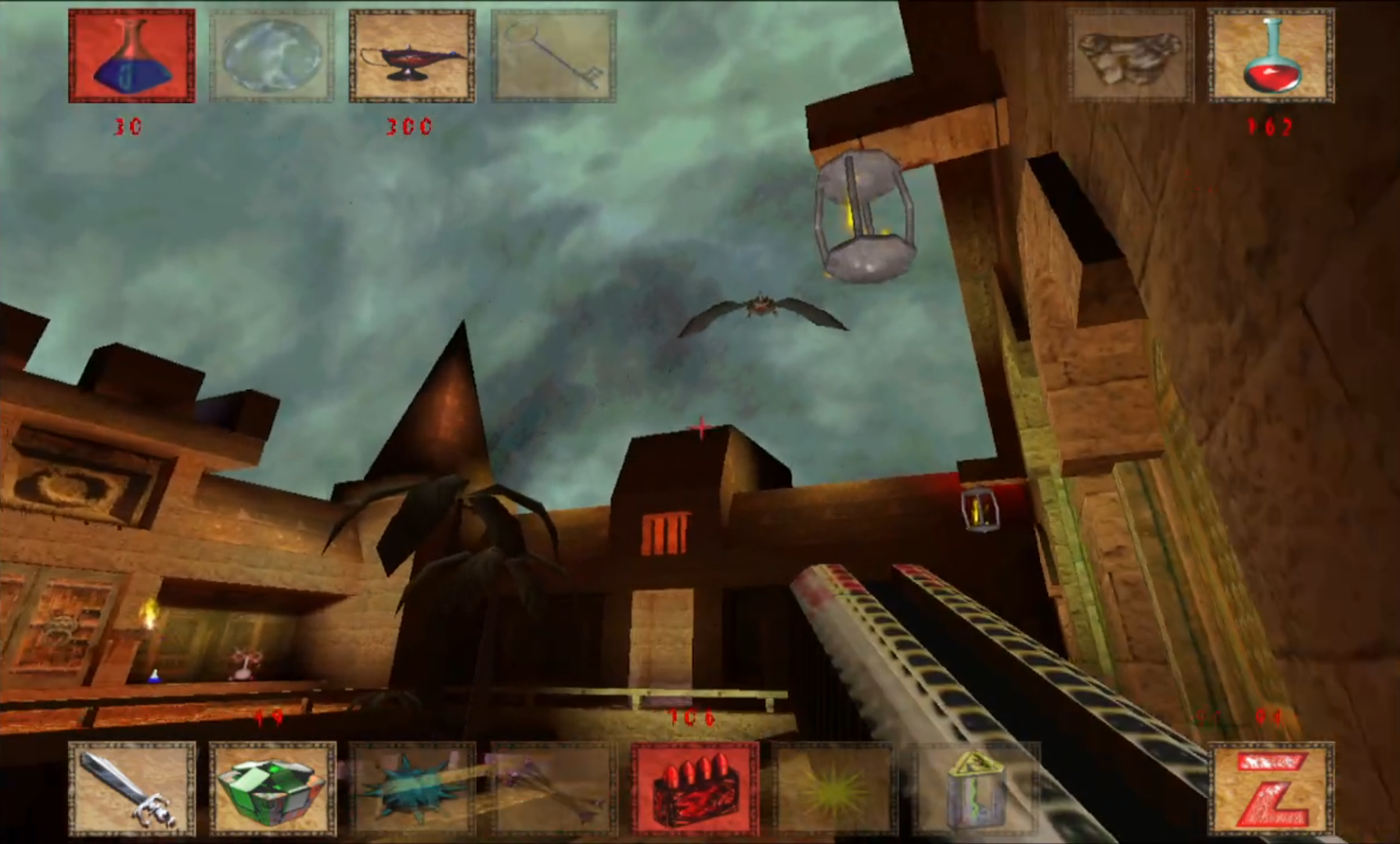
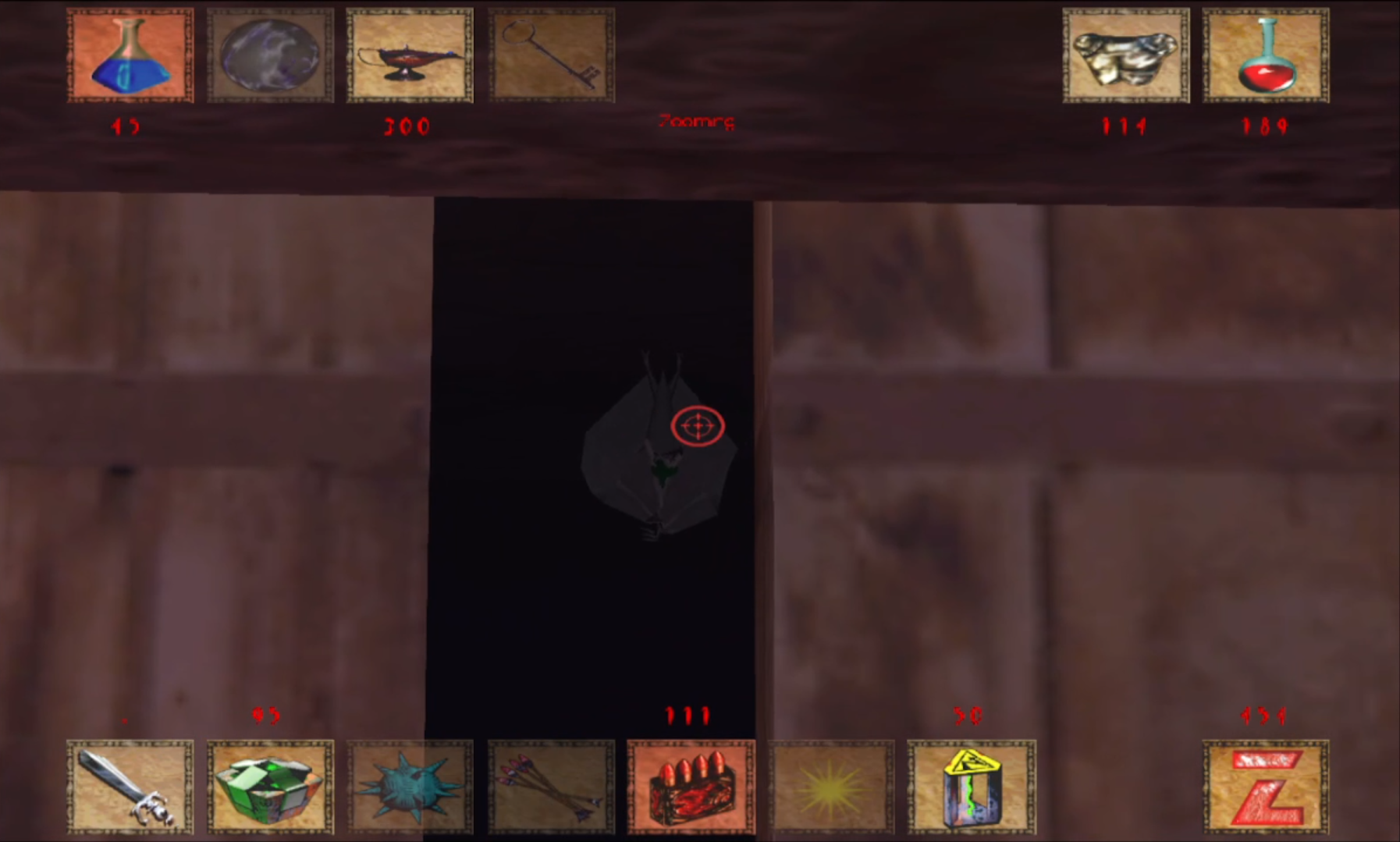
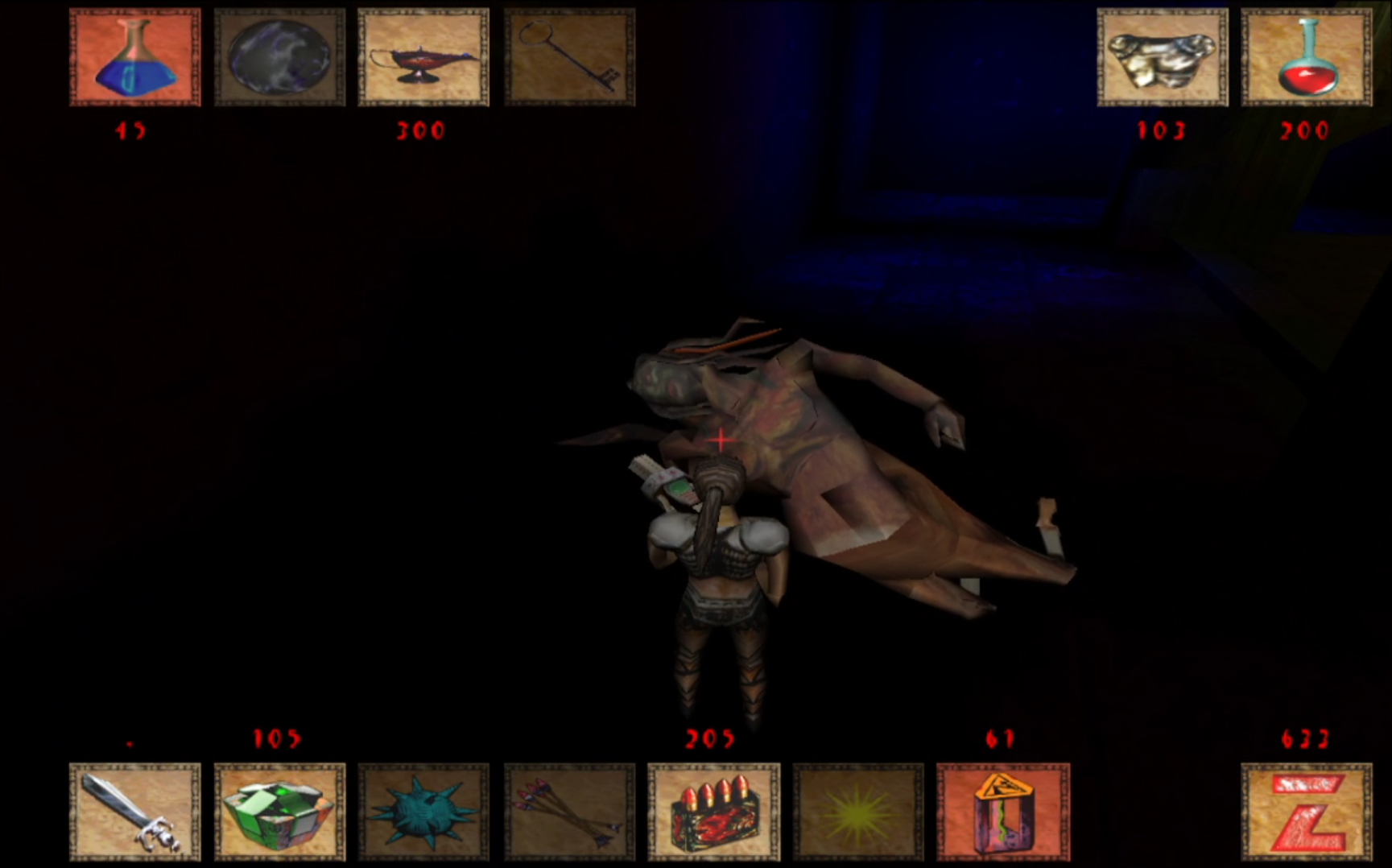
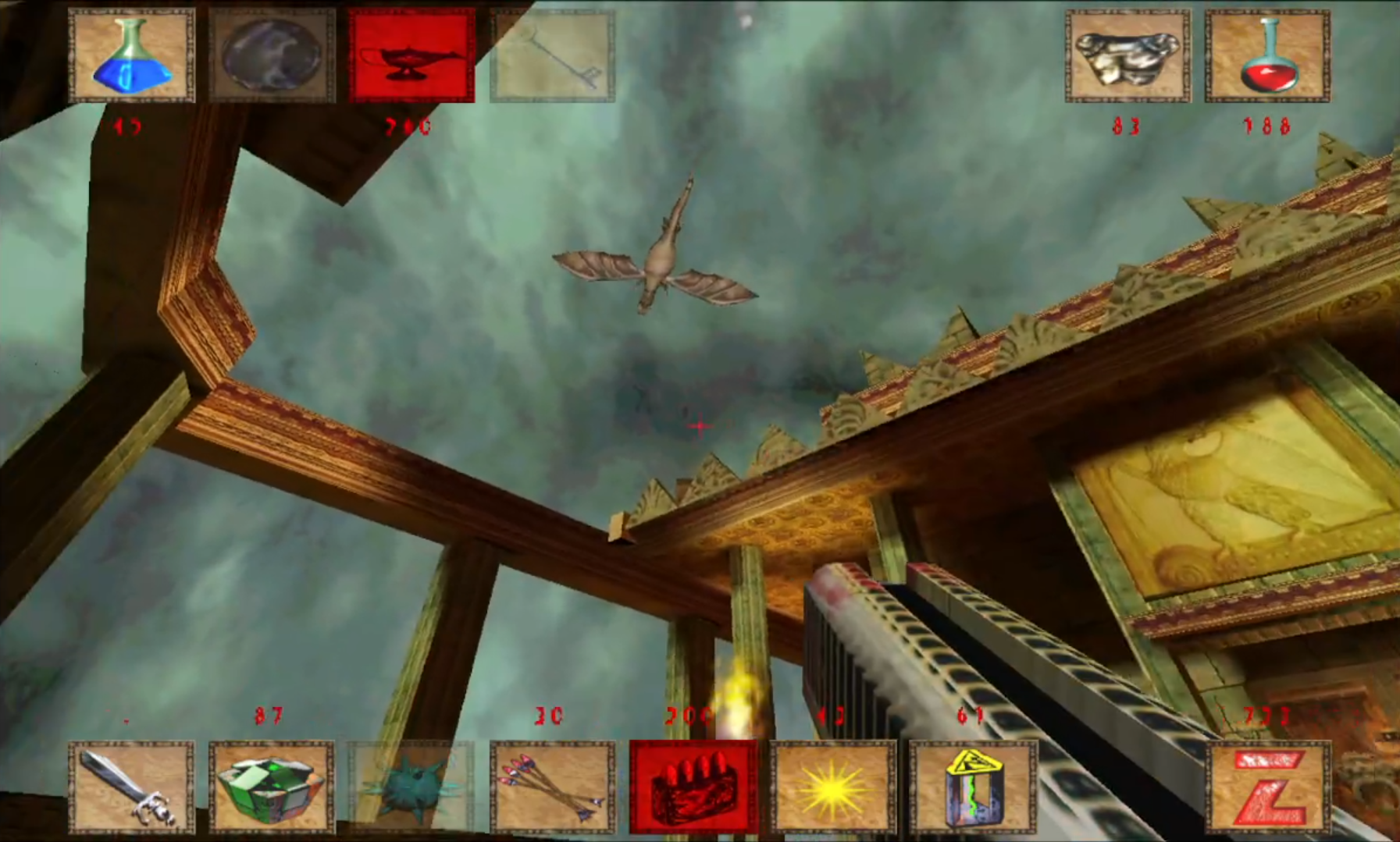
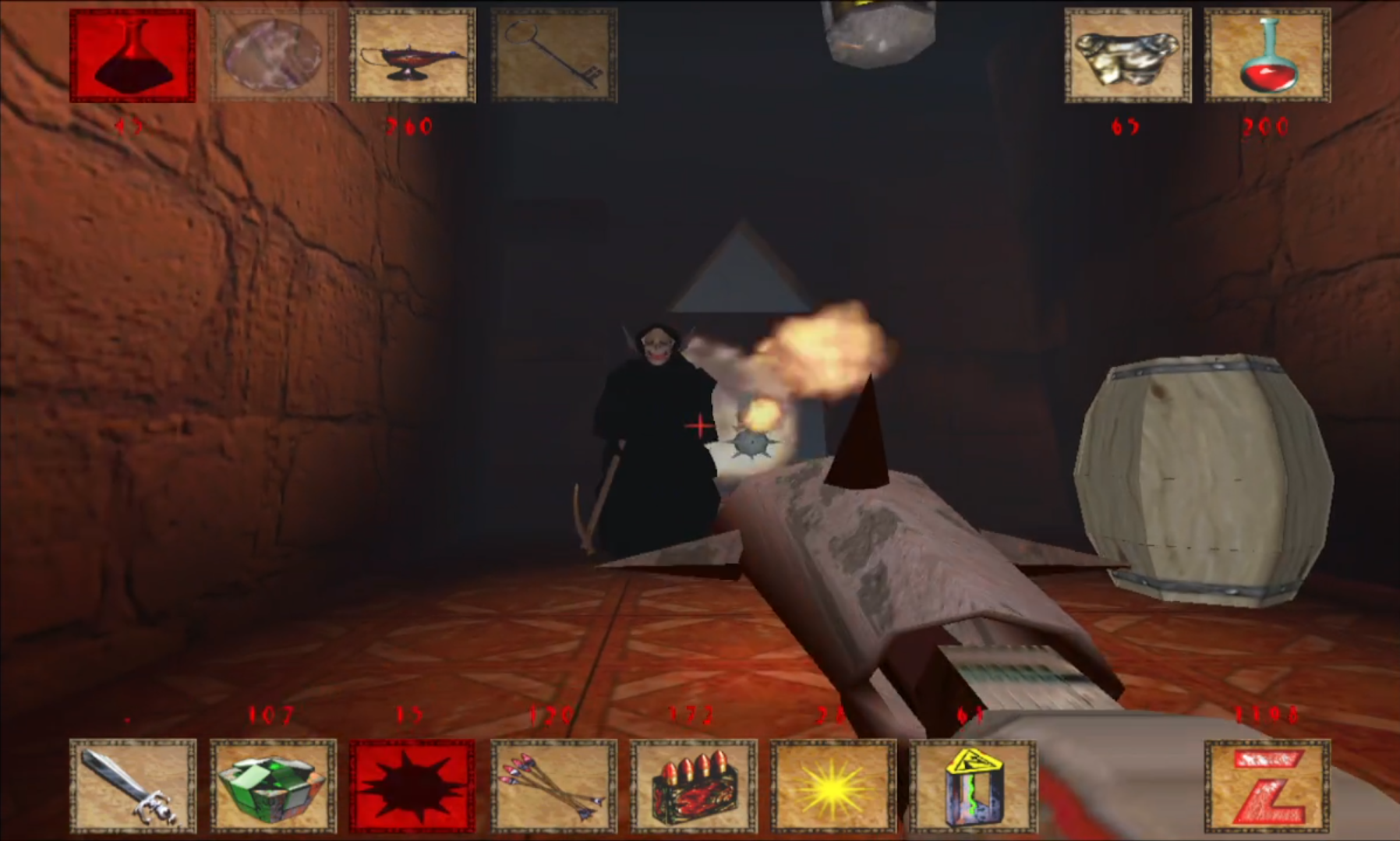
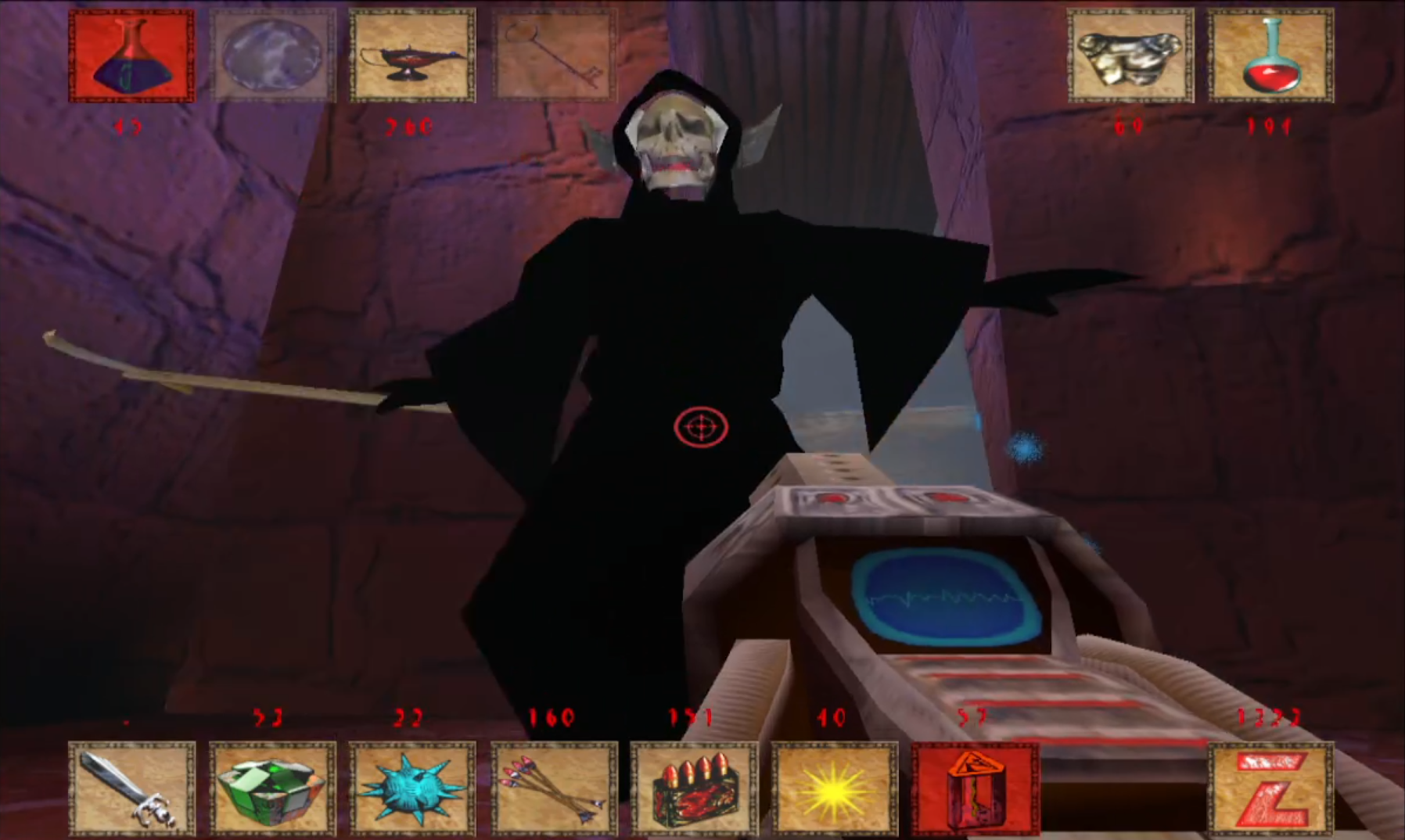
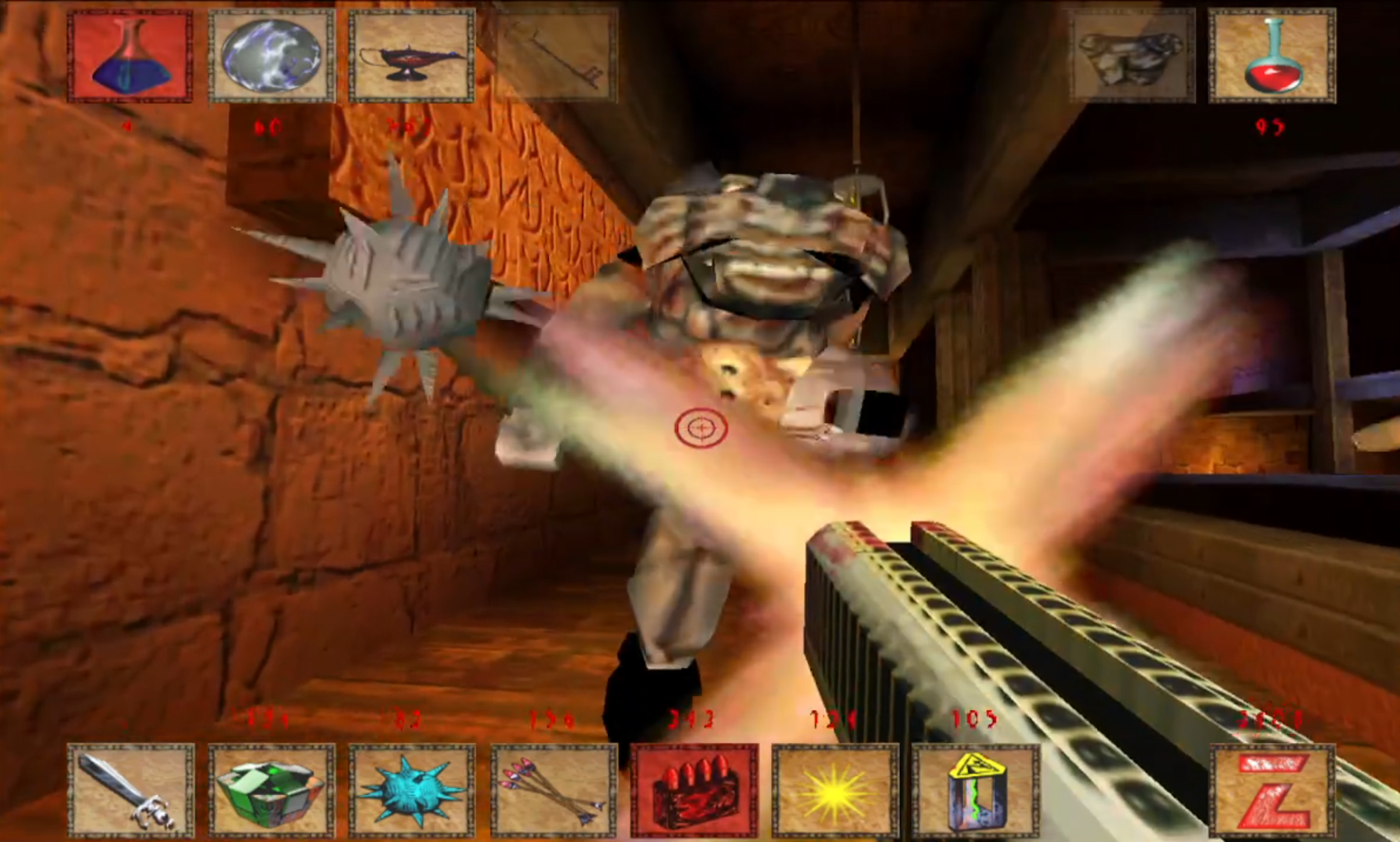
Surprisingly, for an FPS game, this isn’t a punishing game. Both casuals and die-hard fans can enjoy it. Zoya offers four difficulty settings: Easy, Normal, Hard, and a “Spectator” mode, which allows players to observe the AI playing the game. But it’s doubtful if anyone would pick that up. The enemies players will usually encounter include flying creatures, insects, aquatic monsters, and larger humanoid enemies such as centaur-like figures and reaper-inspired ones. While most encounters are fun and challenging, the bat enemy takes the cake for being the worst of the bunch. If these things spot the player, it’s game over. Upon being spotted by the bats, they will immediately attack you until your health reaches zero. Even worse when the player cannot move once the bats start inflicting damage. While this is a pure nightmare to deal with, there’s a workaround. The most effective strategy is to eliminate these enemies from a distance by sniping them from afar with a gun (of course) or bypassing them using an invisibility potion. You don’t have to worry too much about this potion, as the game gives you plenty to work with.
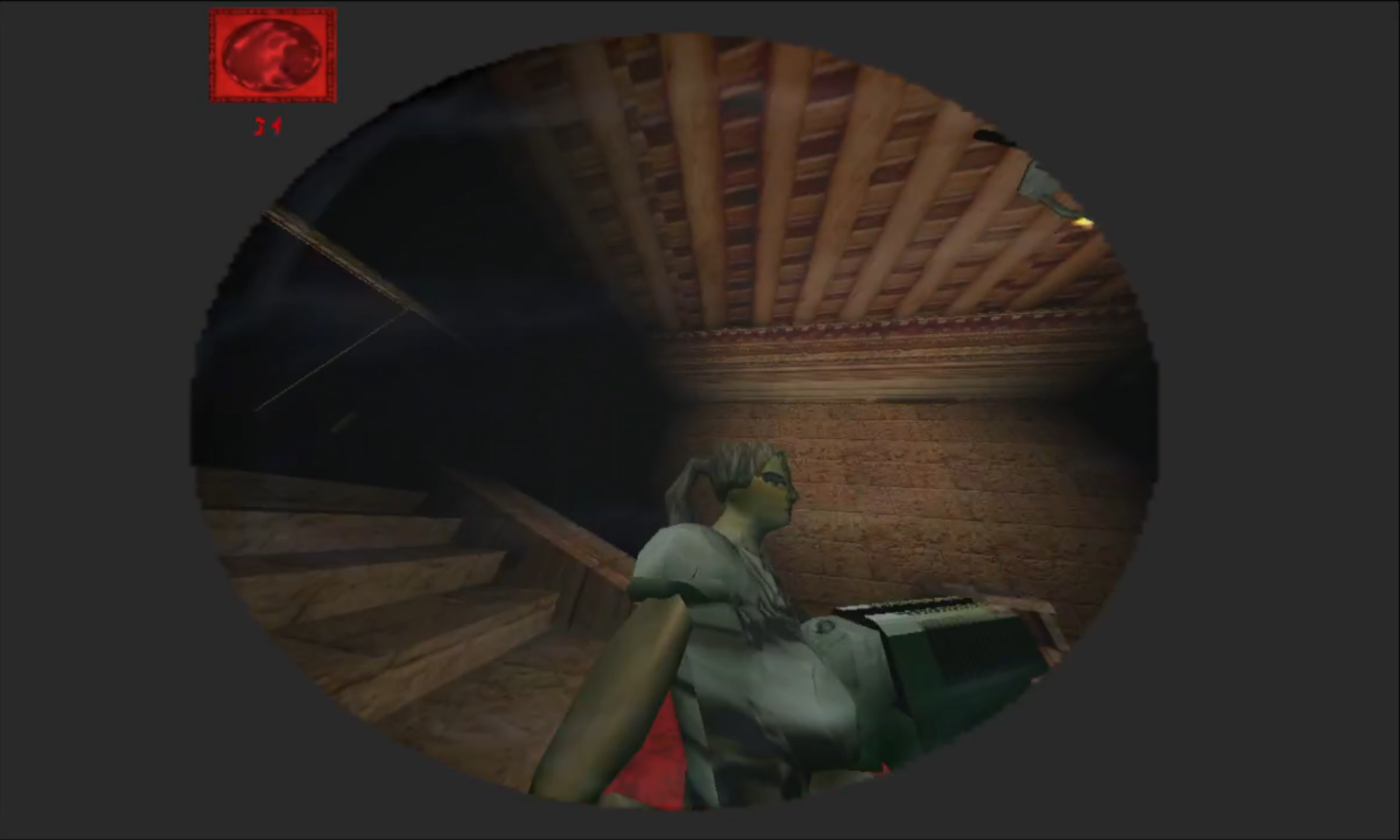
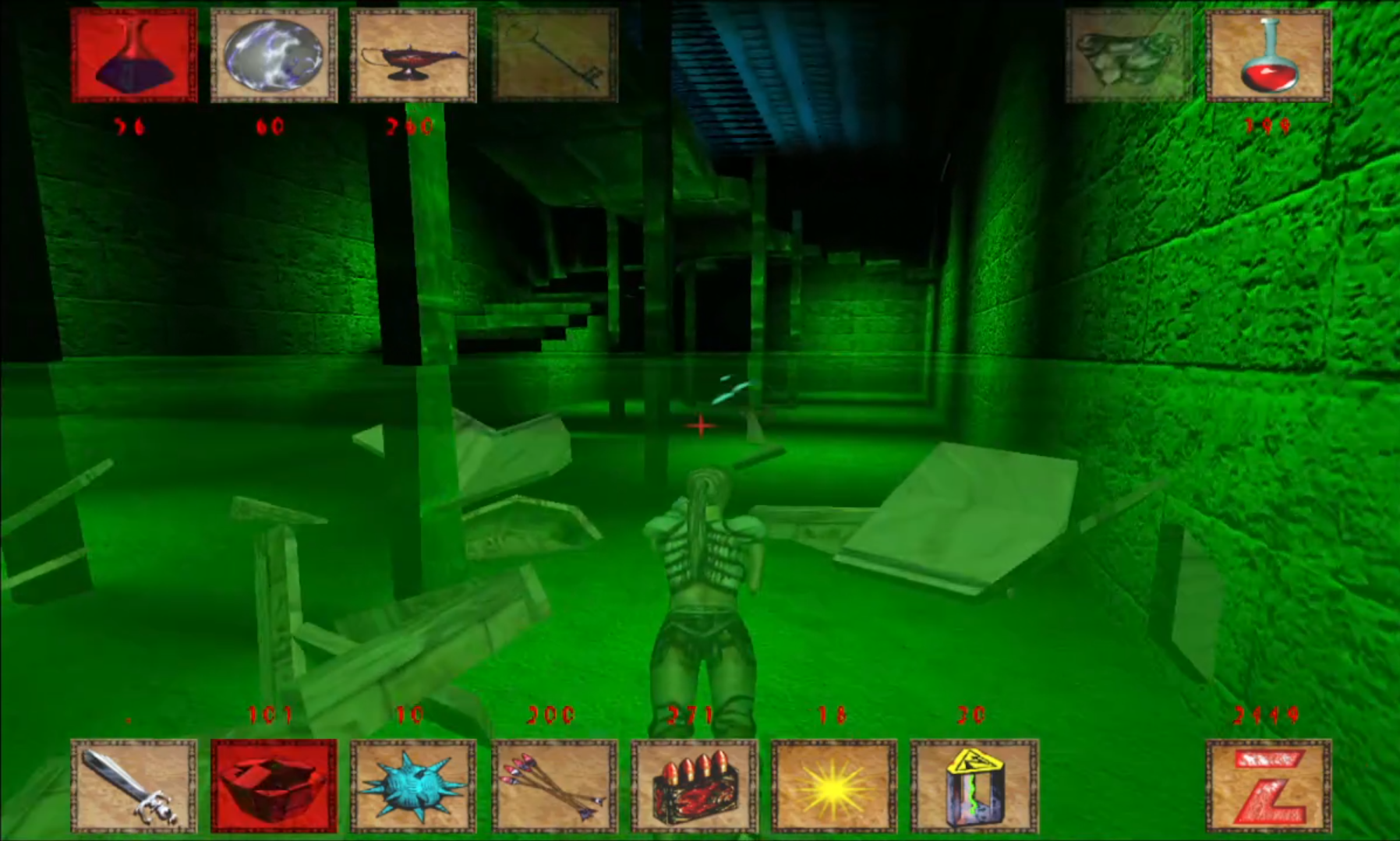
Surprisingly, the game allows players to switch freely between first-person and third-person perspectives. While this feature is a nice addition, the third-person camera can feel awkward in certain situations, particularly during swimming segments, where character animations appear stiff.
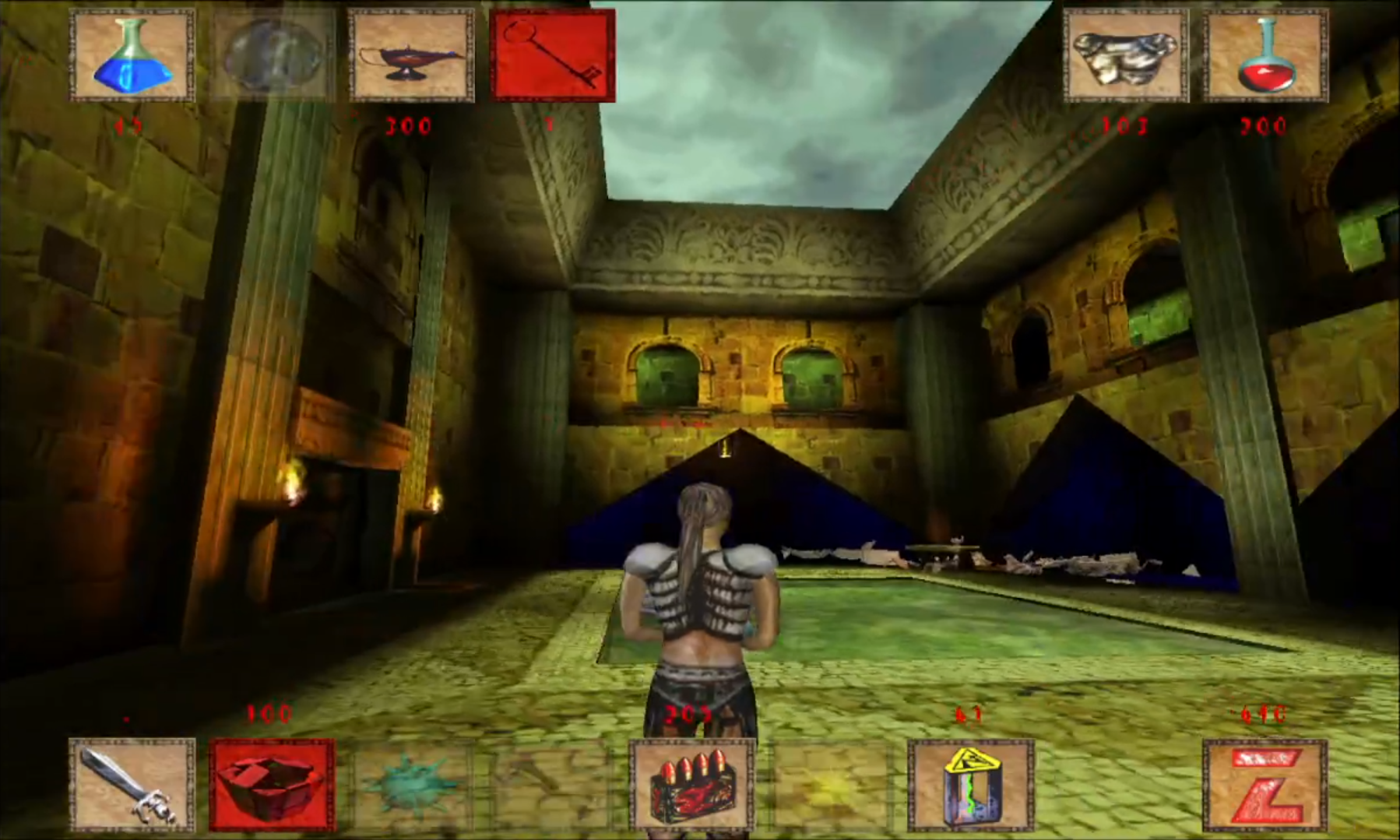
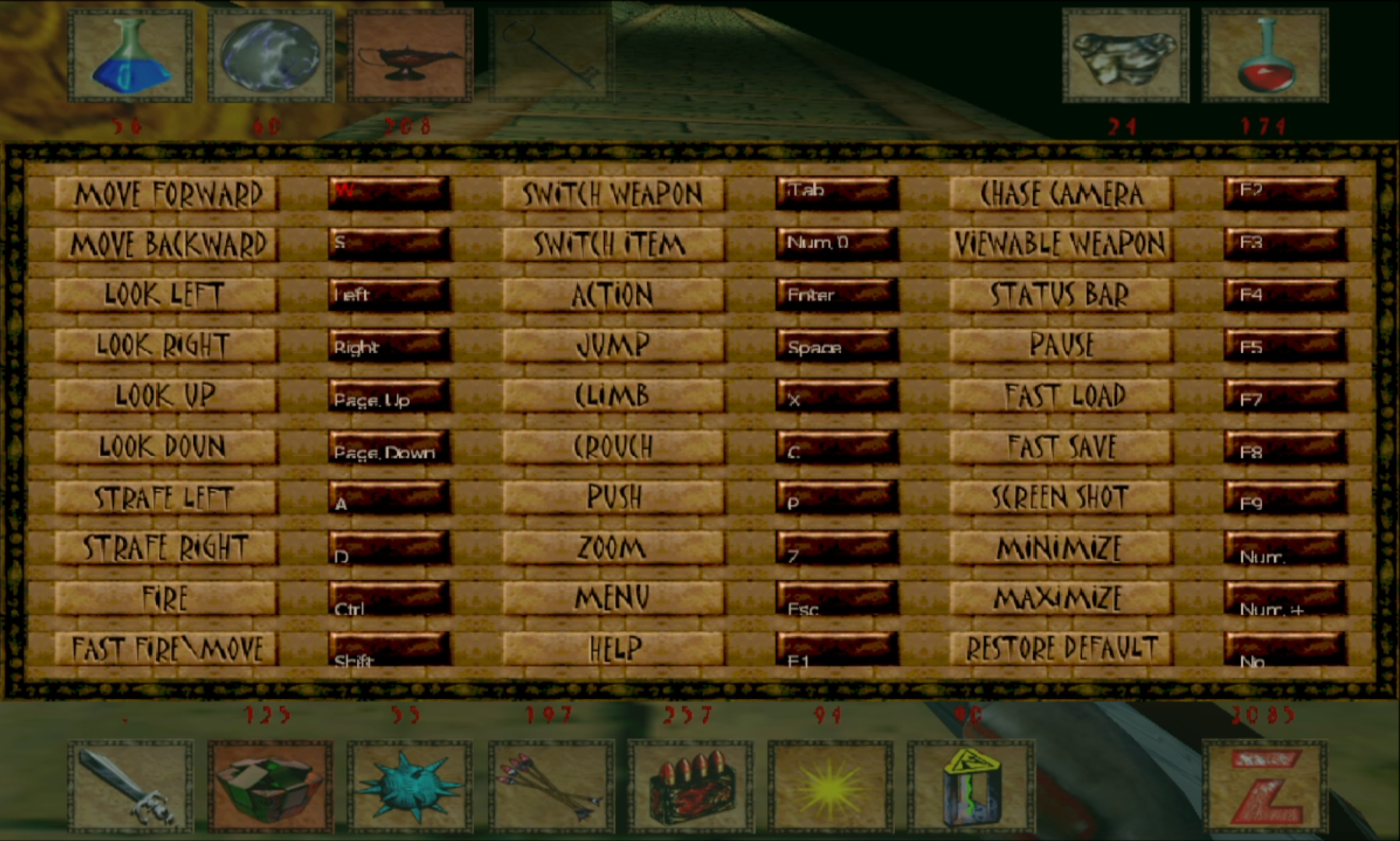
While a large portion of the game is enjoyable, the controls have not aged well. Mouse input can feel inconsistent, sometimes too fast and at other times sluggish. With no option to adjust sensitivity in the options menu, it can feel frustrating. Movement can also feel stiff, especially when jumping, which often feels as if your leg is chained to the ground.
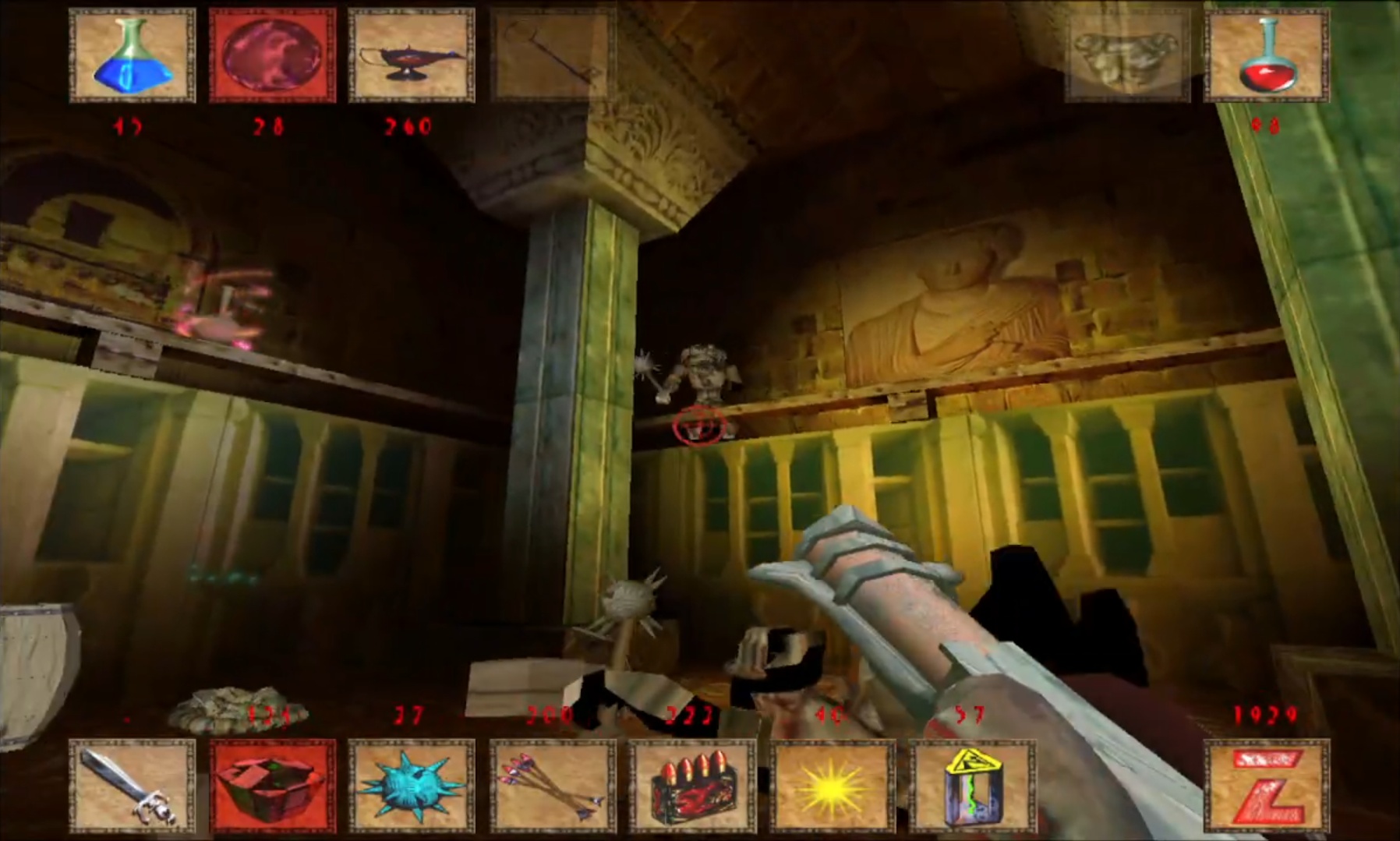
Despite these issues, Zoya features beautifully constructed levels, original creature designs, and a memorable soundtrack. The game also makes use of lighting to its advantage, and overall, the way light is used in this game to illuminate dark place is beautiful. The game includes more than seven weapons, and while this is a good thing, the weapon designs look very basic for its time. The main campaign is short and can be completed in under two hours. There are no collectables or secrets to uncover, thus completionists looking to explore every nook and cranny may feel disappointed.
For a game made by just four individuals, and despite all its flaws, Zoya is still fun. It’s not as fast-paced as Quake or Blood, but it’s still fun in its own way. Unfortunately, the game flopped at the time and reportedly sold only around 200 copies. You may be wondering what led to that outcome. There are several reasons why Zoya failed commercially.
The first was a lack of exposure. Since it did not center on political themes like Under Ash or Under Siege, Zoya was largely seen as irrelevant or simply not a game worth following. The second reason was the main character. When the game’s demo was first shown in October 2001, some religious players felt that Zoya did not align with Islamic values. One of their main demands was to cover the main character, or simply change her to a male character. When the developer refused, the game was then ignored.
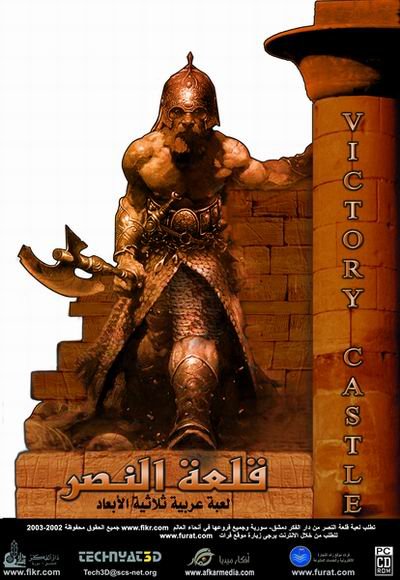
Victory Castle
Despite this, and to everybody’s surprise, Zoya still received a sequel in the form of Victory Castle. This time, the game featured a male protagonist clad in armor and a helmet. Victory Castle also promised online multiplayer and improved visuals. Unfortunately, at the moment, this game is totally lost to time. However, upon looking at screenshots shared on oldgames.ru, the sequel looked more like “Zoya 1.5” than an actual follow-up, with barely any differences. In the end, the outcome was difficult to ignore: Victory Castle sold around 1,000 copies — more than Zoya, but still not enough to turn a profit.
Eventually, Techniyat 3D shut down in 2003, and with it, both Zoya and Victory Castle disappeared. If you like shooters, especially obscure ones, Zoya is a decent one.
Links:
Zoya – The Most Obscure FPS Game Ever Made
Zoya – Soundtrack
Gaming world (عالم الألعاب) Arabic Magazine Issue 6
Interview with Zyad Sawaya and why the game failed