- Bloody Roar
- Bloody Roar 2
- Bloody Roar 3
- Bloody Roar: Primal Fury / Bloody Roar Extreme
- Bloody Roar 4
- Bloody Roar: Other
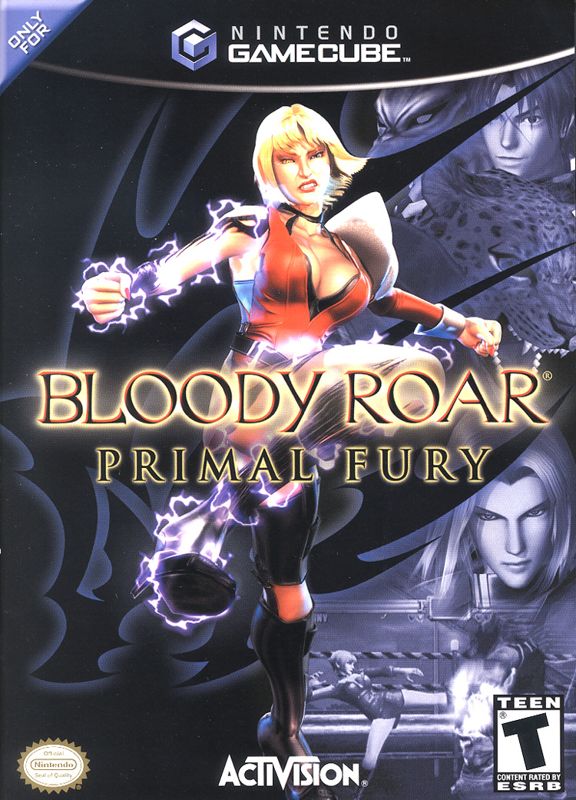
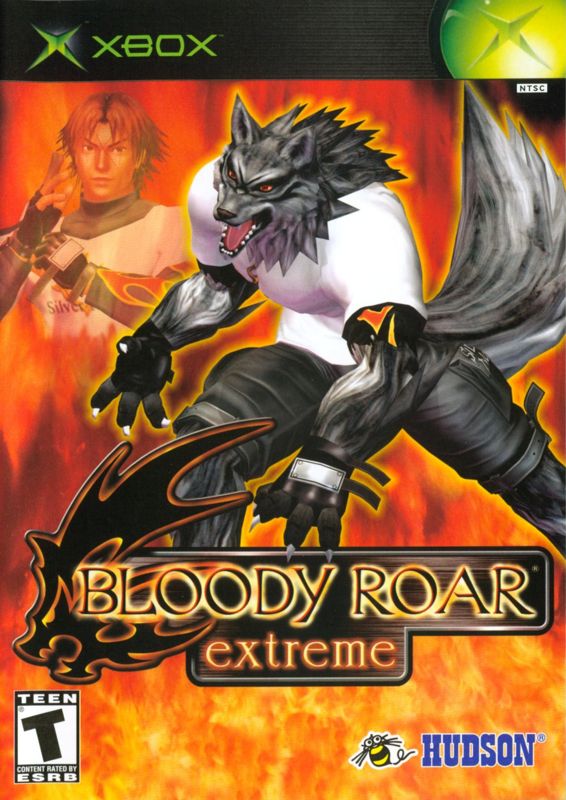
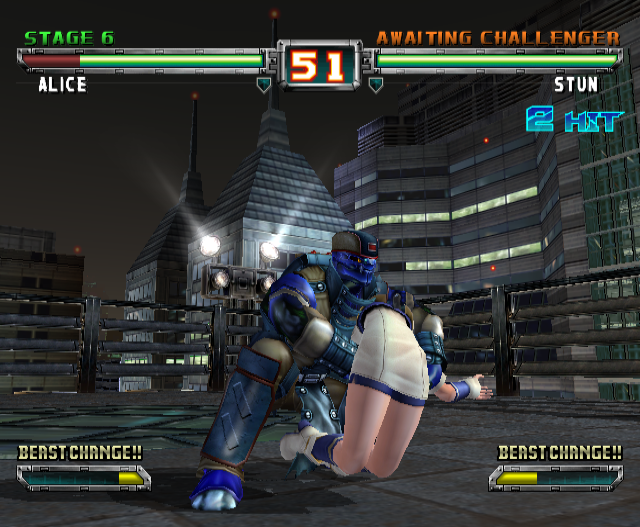
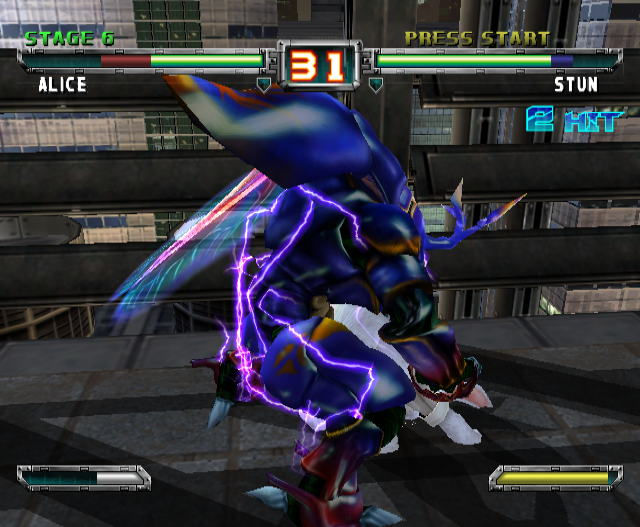
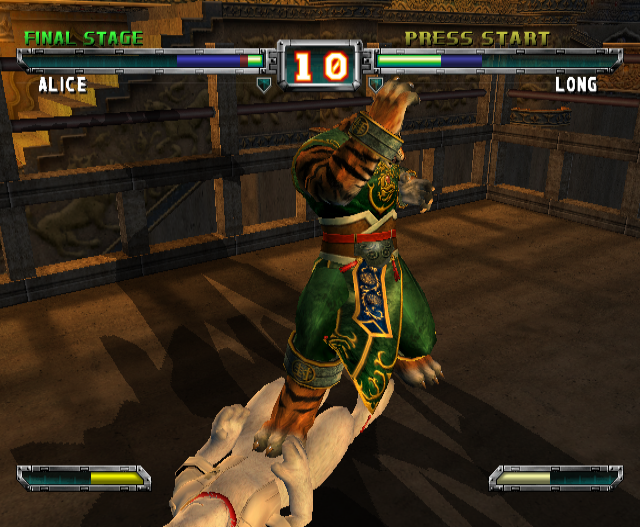
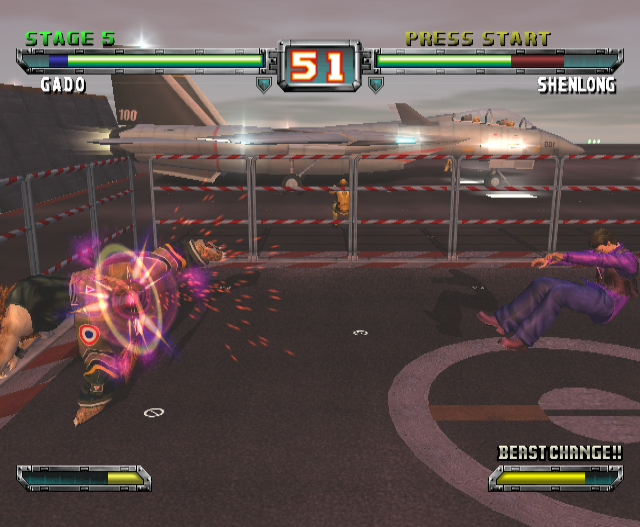
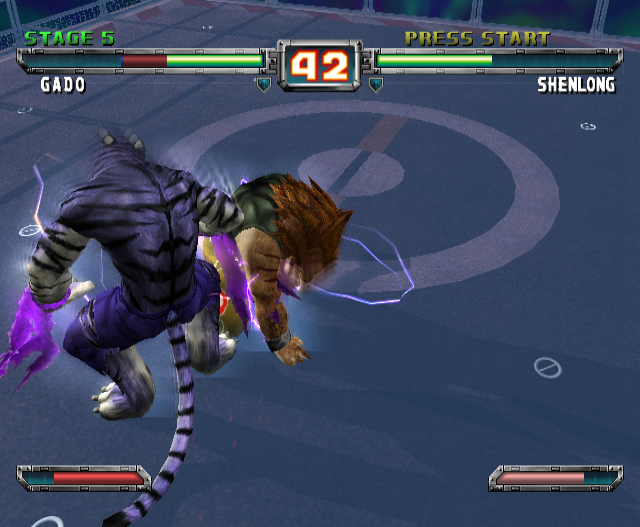
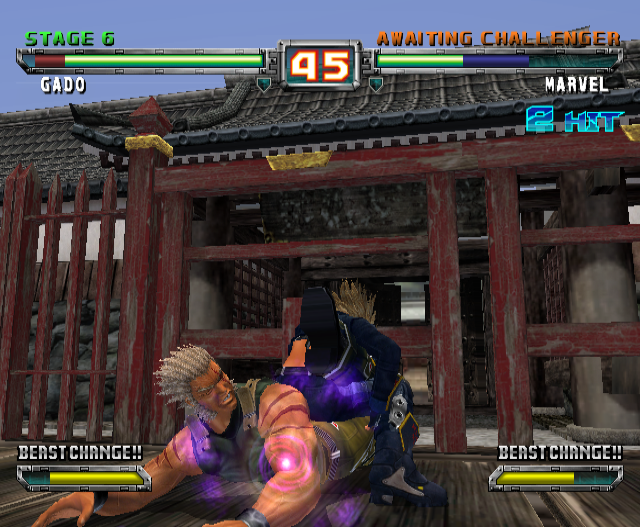
Although it lacks a proper number at the end, Primal Fury is very much a proper sequel to BR3, with the only thing carrying over being some of the stages. It’s also the first Bloody Roar to never get an arcade version, making it a permanent console exclusive. Primal Fury is almost universally considered the best game in the series, and because of that, it’s the one that sees the most play in competitive settings. If you’re only going to play one Bloody Roar game, this is almost certainly the one to go for. While the changes are even more subtle than the previous game, all of them make for a much more polished game.
Primal Fury is more of a side story in the series, one where the events of BR3 never occurred. A new kingdom made for zoanthropes has been formed. In order to promote unity and show the strength of their army, the kingdom hosts a fighting tournament featuring a big cash prize. This is also, of course, a big distraction from the experiments the kingdom on zoanthropes. Every character from Bloody Roar 3 makes a return appearance, with a couple of new fighters joining in as well.
Characters
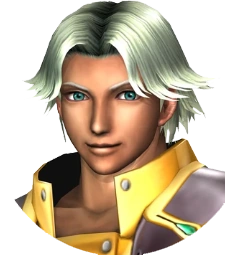
Cronos the Penguin/Phoenix
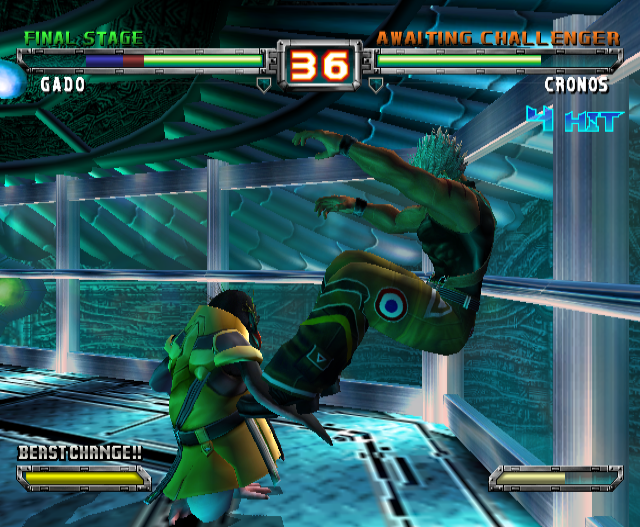
Serving as the new final boss for most of the cast, Cronos is the prince of the zoanthrope kingdom. Initially being rather naive about his father’s experiments, he eventually joins the tournament to find out the truth behind his father’s plans. He actually has two beast forms, depending on if he’s in beast or hyper beast form. The cute little penguin has bad range and damage, but in typical fighting game fashion, his tiny size makes him harder to fit. In hyper beast form, he becomes a phoenix equipped with some very dangerous pressure and damage.
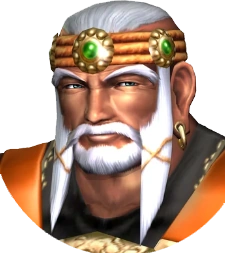
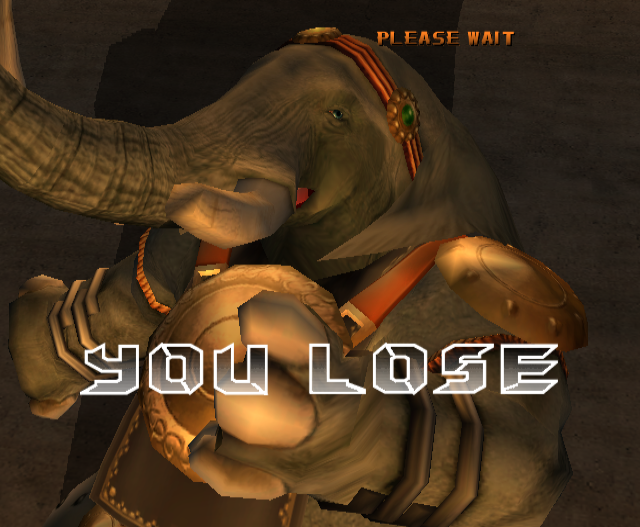
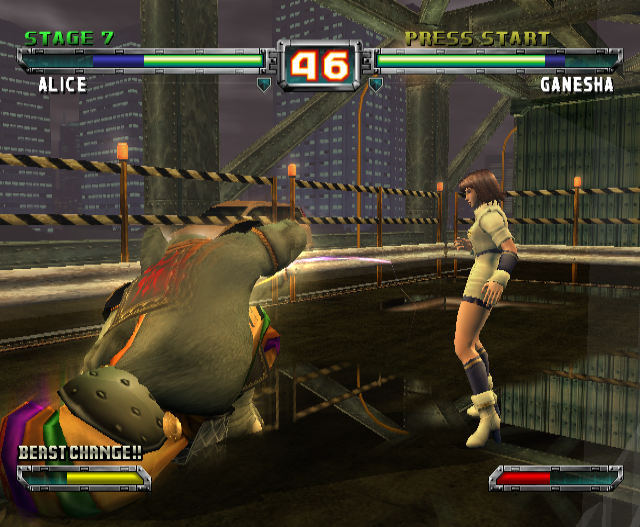
Ganesha the Elephant
At some point when he was young, Cronos lost control of his phoenix form and burned down a village. Ganesha ended up becoming his bodyguard, joining the tournament in a seeming attempt to take revenge on him. Ganesha doubles down on being the game’s grappler, featuring the lowest mobility in the game and no strings to attack opponents with. He makes up for it with some incredibly high defense and some very dangerous damage potential when he does land hits.

Fang the Wolf
Fang only appears in the “Extreme” versions of the game as an alternate costume for Yugo. He’s actually from the Bloody Roar: The Fang manga, where he takes the place of Yugo as a main character. In the manga, he’s a freelance journalist with magical powers, but in game he’s just there to join the fighting tournament. Gameplay wise, he plays more like Yugo’s BR1 incarnation before he took on his boxing fighting style, and has a unique Beast Drive.
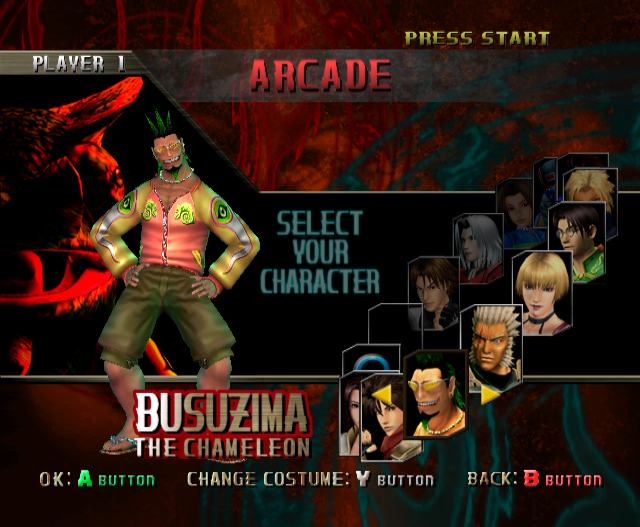
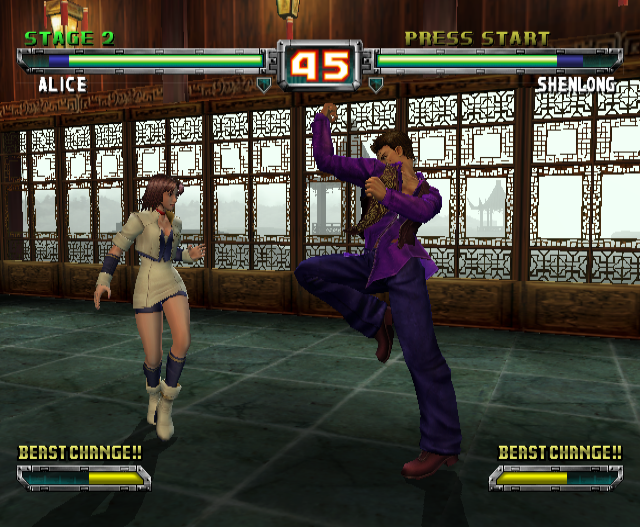
Almost all of the changes from the previous game are more under the hood, but there’ve been a few more visible refinements. Beast Drives no longer restore your health, and guard inputs now only require you to press the guard button with the right timing. Execution is generally easier all around, with more forgiving input detection to account for the analog stick, and strings that don’t ask for multiple button inputs. Air recovery is now possible in four different directions, which can make it harder for the opposition to knock you out of your attempt at escaping their attacks. In addition, every character has had even more additions and changes to their moveset, like Kohryu getting a new projectile move.
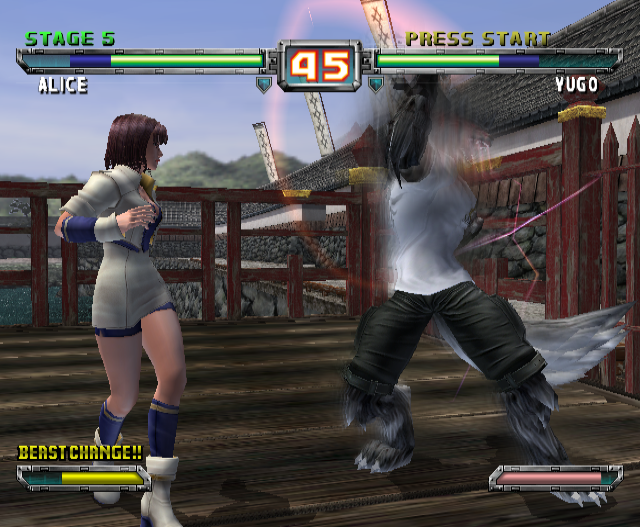
Hyper Beast mode has had the biggest change; rather than offering huge buffs across the board, it instead gives each character a pair of specific buffs. Some characters will deal more chip damage, others become immune to guard breaks, some can steal health with attacks or turn invisible, among other helpful traits. You can also activate Hyper Beast any time you have beast gauge, although you’ll lose health equal to whatever portion of it is missing whenever you pop it. That’s far less costly than losing your transformation for the whole match, however, which means you can actually get away with using it. You can even activate it in states you couldn’t normally use beast form, even mid-hit or while you’re sent spinning through the air, making it serve as a combo breaker mechanic.
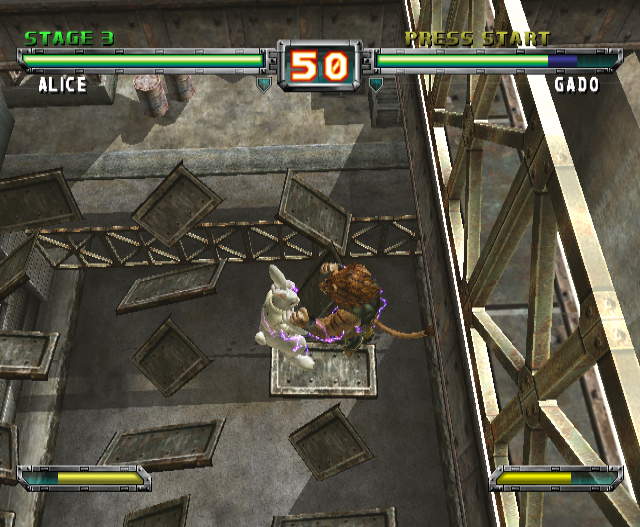
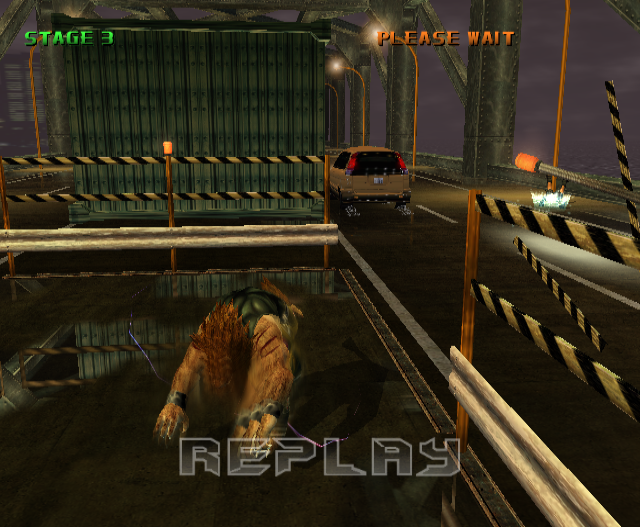
The graphics make use of the more powerful hardware for even further improvements since BR3, with every returning character getting a new model. Aside from a higher polygon count and better lighting effects, the new hardware also allows for more to be loaded in at once, most obvious in the highway stage with its rushing traffic. While each game would steadily reduce the amount of blood you’d see, this game removes it entirely, replacing it in all regions with a shower of sparks. Stylish, to be sure, if perhaps not to everyone’s taste.
The new soundtrack focuses more on the metal this time around, but actually offers a little more in the way of musical variety. The city rooftop stage, for example, features a jazzy tune unlike about anything heard in the series at that point. The English dub in this entry is particularly strong, featuring the voices of Paul Eiding, Jennifer Hale, and Cam Clarke, among others. The anime intro and endings are also pretty nice to look at, although regardless of region, they’re all overlaid with nothing but the same instrumental theme.
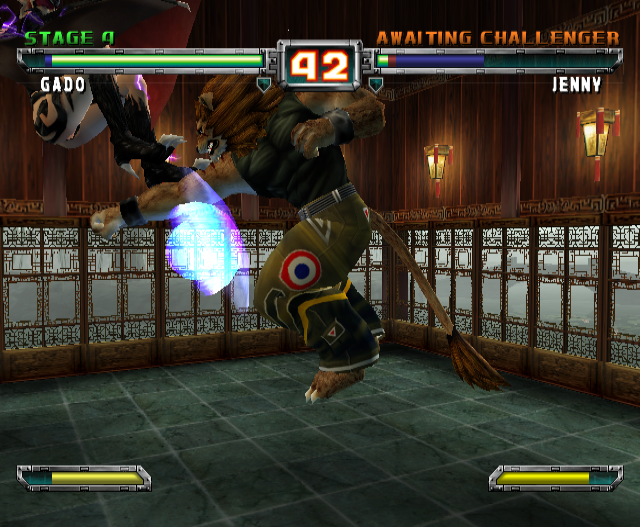
Later releases of the game rename the game Bloody Roar Extreme, all of them including Fang as an unlockable character. The Japanese releases feature further bug fixes and balance tweaks, some of which don’t make it to the Western releases. The XBOX version features somewhat improved graphics, has Cronos and Ganesha available by default, and redoes all the anime cutscenes as CG. Given the state of CG in 2003, it’s sadly not an improvement.
Primal Fury stands as the very best that the series stands to offer, especially since it has what many consider to be the very worst right next to it. Taken at this point of the series, it’s the culmination of years of work, resulting in something that while not always perfectly polished, still manages a great balance between depth and accessibility. Taken on its own, it still at least stands at an admirable second place for 3D fighting on the GameCube. While it’s unlikely to ever overtake the legendary SoulCalibur 2, it at least outpaces X-Men: Next Dimension easily. On the Xbox, it’s a hard call against the Dead or Alive games, but it still manages to clear everything below that easily.