
- Dragon Quest (Introduction)
- Dragon Quest
- Dragon Quest II
- Dragon Quest III
- Dragon Quest IV: The Chapters of the Chosen
- Dragon Quest V: Hand of the Heavenly Bride
- Dragon Quest VI: Realms of Revelation
- Dragon Quest VII: Fragments of the Forgotten Past
- Dragon Warrior VIII: Journey of the Cursed King
- Dragon Quest XI: Echoes of an Elusive Age
- Slime Mori Mori Dragon Quest
- Dragon Quest Heroes: Rocket Slime
- Slime Mori Mori Dragon Quest 3
- Dragon Quest Heroes
- Dragon Quest Heroes II
- Dragon Quest Wars
- Dragon Quest Swords
- Infinity Strash: Dragon Quest The Adventure of Dai
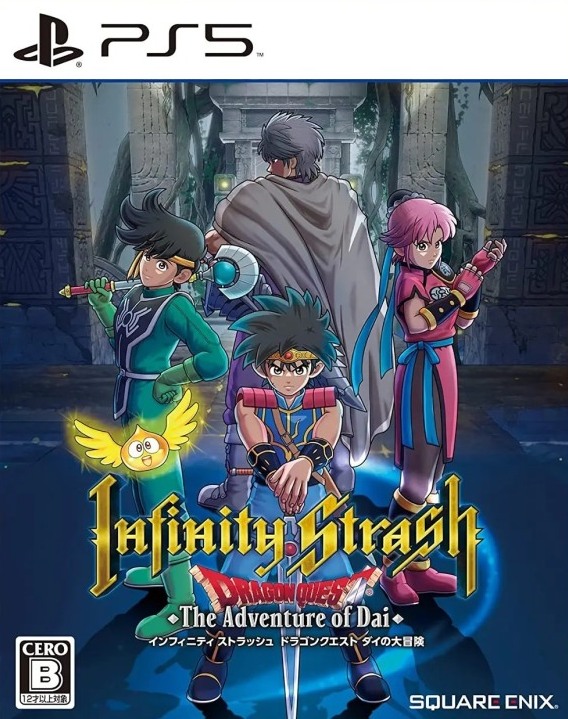
In 2020, an anime remake of the hugely successful manga Dragon Quest: The Adventure of Dai was released to solid acclaim and went on to complete the story that the original anime attempt never got to. Square Enix partnered with the generically named “Game Studio” (who you may know for Okamiden, Lord of Vermillion, the Aooni remake, and a lot of mobile games) to create a game based on the new anime. Infinity Strash was originally slated to release in 2021, which would have been the perfect time to take advantage of the show’s popularity alongside the mobile games Spirit of Bonds and Xross Blade. However, after its initial showing in 2020, fans were disappointed with the way the game looked. This feedback was taken to heart and the game effectively entered a form of development hell from there, rarely resurfacing until its release in 2023 well after the anime had ended. Though it managed to release, it failed to hit its critically important window and ended up with some of the worst reviews a Dragon Quest title has ever received. There hasn’t been a Dragon Quest game like Infinity Strash since, let alone anything connected to the Adventure of Dai name. Should you take the time to play it, you’ll likely find that reception to have been warranted; Infinity Strash isn’t a total trainwreck, but from both storytelling and mechanical perspectives, it fails to offer anything of desirable substance.
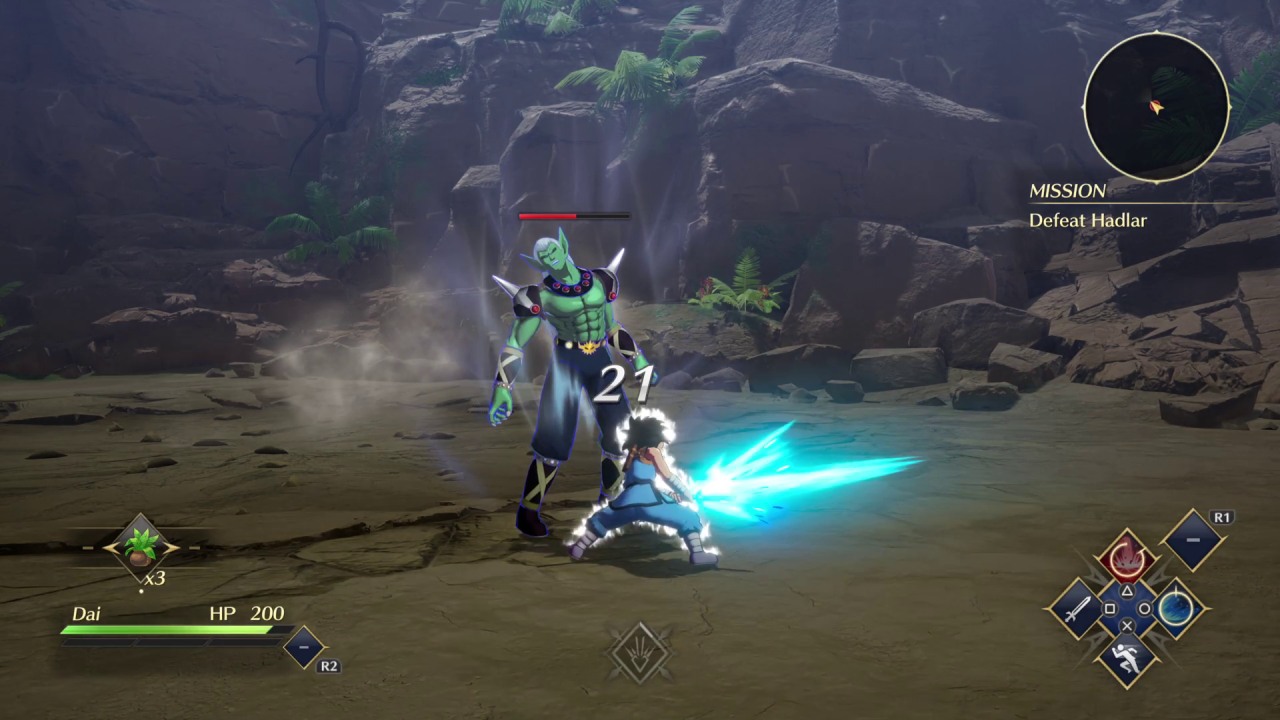
Infinity Strash retells the first 41 episodes of the anime, starting in medias res with Dai fighting against the dragon knight Baran, who erases his memories with a surprise attack. Piecing Dai’s memories back together is used as the justification to re-experience the series from the beginning, back up to that point, and then up to the battle with the Sovereign Rock Castle. The big issue here is that Infinity Strash sticks to the script to an excessive degree. All of the game’s cutscenes are taken straight from the anime and several of them are often stacked in a row, meaning you’ll be watching what’s effectively multiple episodes worth of anime before you get to play the game again. To make matters worse, the game largely sticks to a presentation that consists of still images. While the game still benefits from the great character designs and voice acting of the anime, this approach completely loses out on the beautiful animation that makes the series so appealing to watch in the first place. Since the people most likely to have bought this game are fans of the show, they’re essentially being forced to sit through hours of an inferior version of something they’ve already seen. The game also offers no chance to bask in the world of Adventure of Dai, keeping things strictly to an instance-based mission structure and menu-based world map. Choosing to end with episode 41 also leaves the game in an utterly bizarre position; Dai gets a new sword and uses it to shocking effect to turn the tide of battle, but the battle that’s occurring isn’t actually over yet and the game doesn’t even try to justify cutting off there!
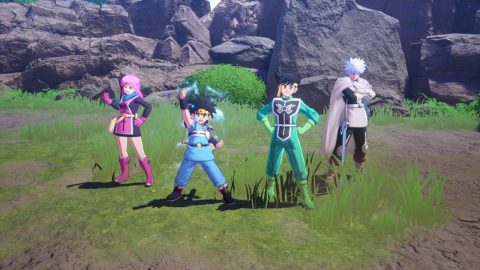
When you actually get to play Infinity Strash, it makes use of a straightforward party-based approach to action RPG combat. Each character has a basic combo, three skills that operate on cooldowns, and a special Coup de Grace attack that deals more damage the longer you wait to use it. To make things more interesting, you can swap between four characters, each of whom has different playstyles and an exclusive mechanic.
Playable Characters:
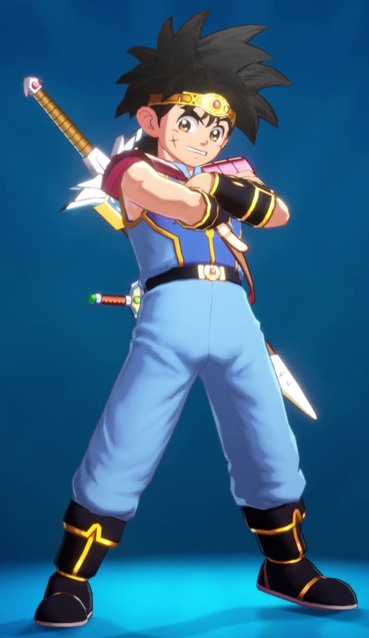
Dai
The “Little Hero” that undergoes training with the legendary hero Avan in order to fulfill his destiny of defeating the Dark King Vearn. He’s also one of two existing Dragon Knights, special beings that combine the strengths of humans, Darklings, and dragons and are meant to arbitrate the world. Dai is an all-rounder capable of physical and magic attacks and can activate his Draconic Aura to gain super armor and boost the power of everything he does.
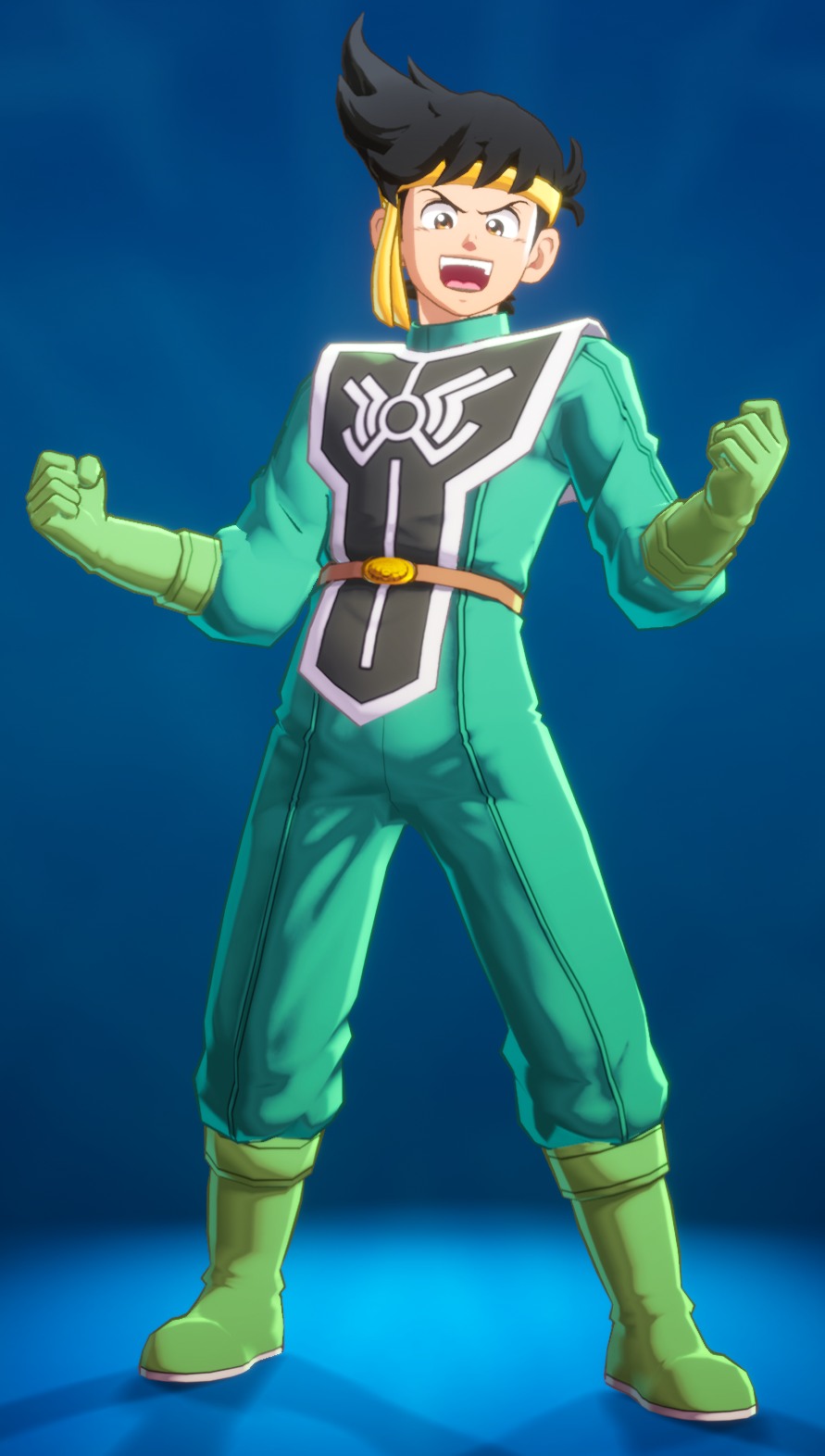
Popp
One of the Disciples of Avan, Popp starts off as a loudmouth coward who’s as green as the outfit he wears. As the story goes on, though, Popp proves to be an extremely capable mage and a reliable friend. In Infinity Strash, Popp can pelt enemies with powerful magic from afar and even spend time meditating to speed up the cooldowns of his spells.
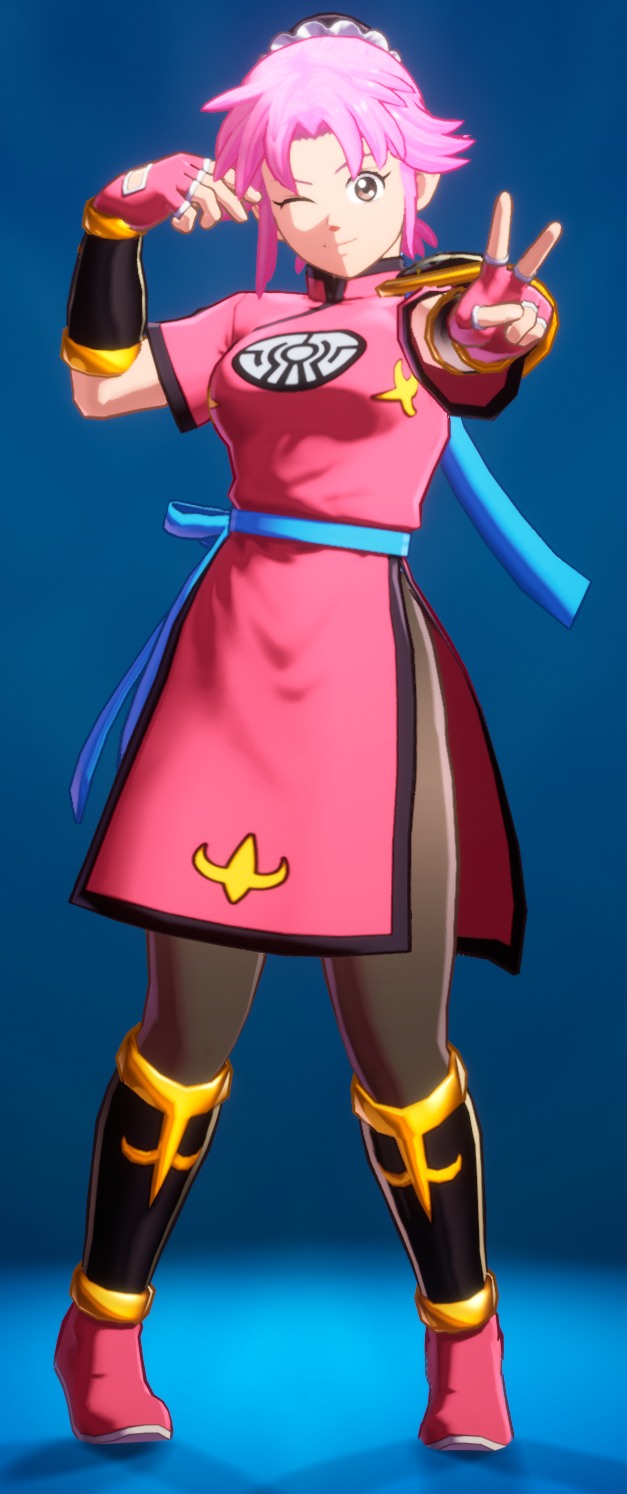
Maam
Another Disciple of Avan and the daughter of two members of his party. Initially, she fights using a magic bullet gun that Avan gives her, but once it breaks, she undergoes training to become a martial artist. As a Warrior Priest, Maam is the only character who can heal the party, making her the essential backbone. Once you unlock Martial Artist, you can opt to play her more aggressively at the cost of some of her utility.
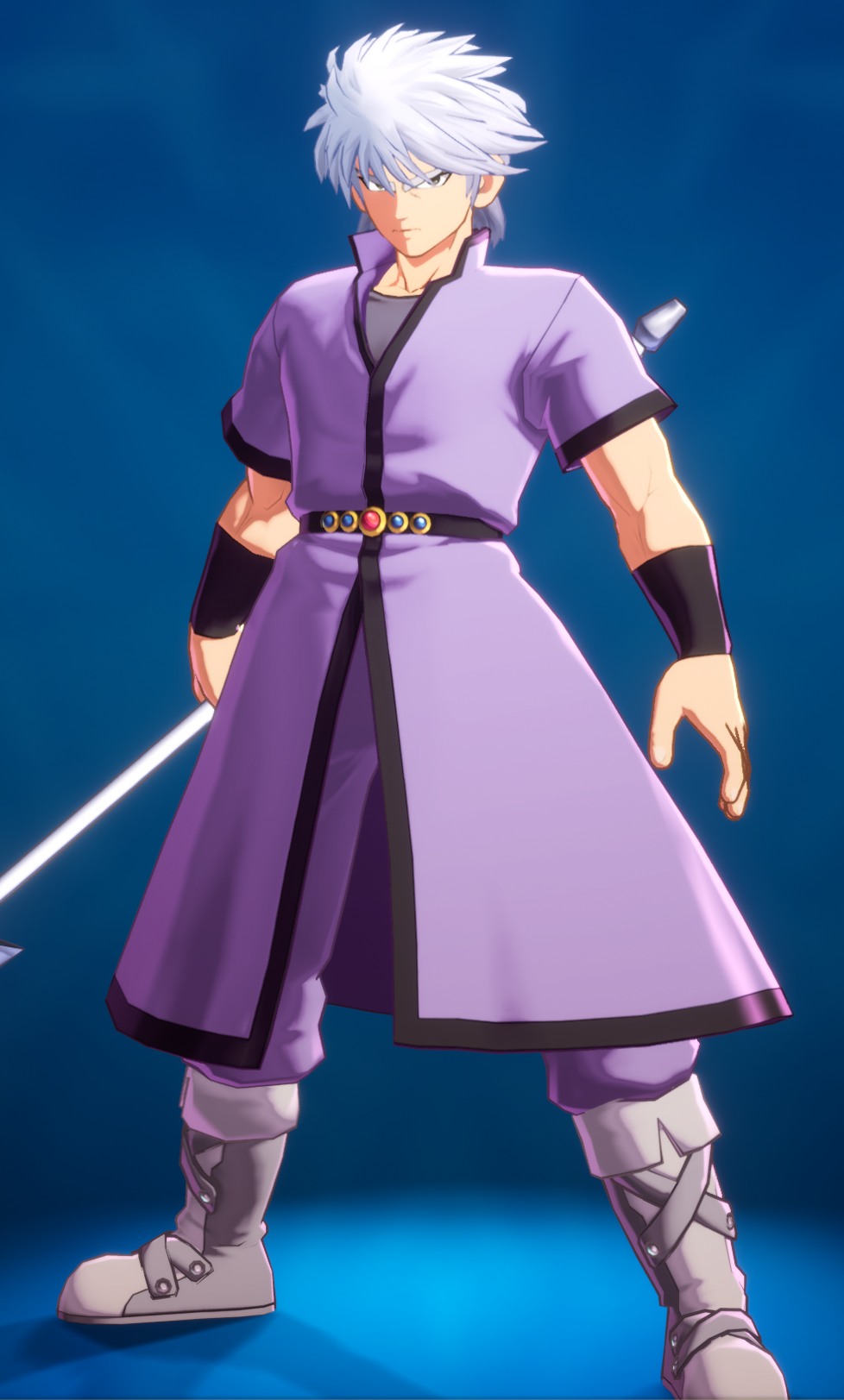
Hyunckel
Initially works under Dark King Vearn as one of the Six Legion Commanders while harboring an intense hatred for Avan, but joins Dai once he learns the truth behind his adoptive father’s death. Hyunckel’s unique ability lets him transform his weapons into a suit of armor, granting him by far the best defense of any character. He starts with the Dark Armour Sword, but gains access to the Dark Armour Spear right near the end of the story, letting him take on a more agile playstyle.
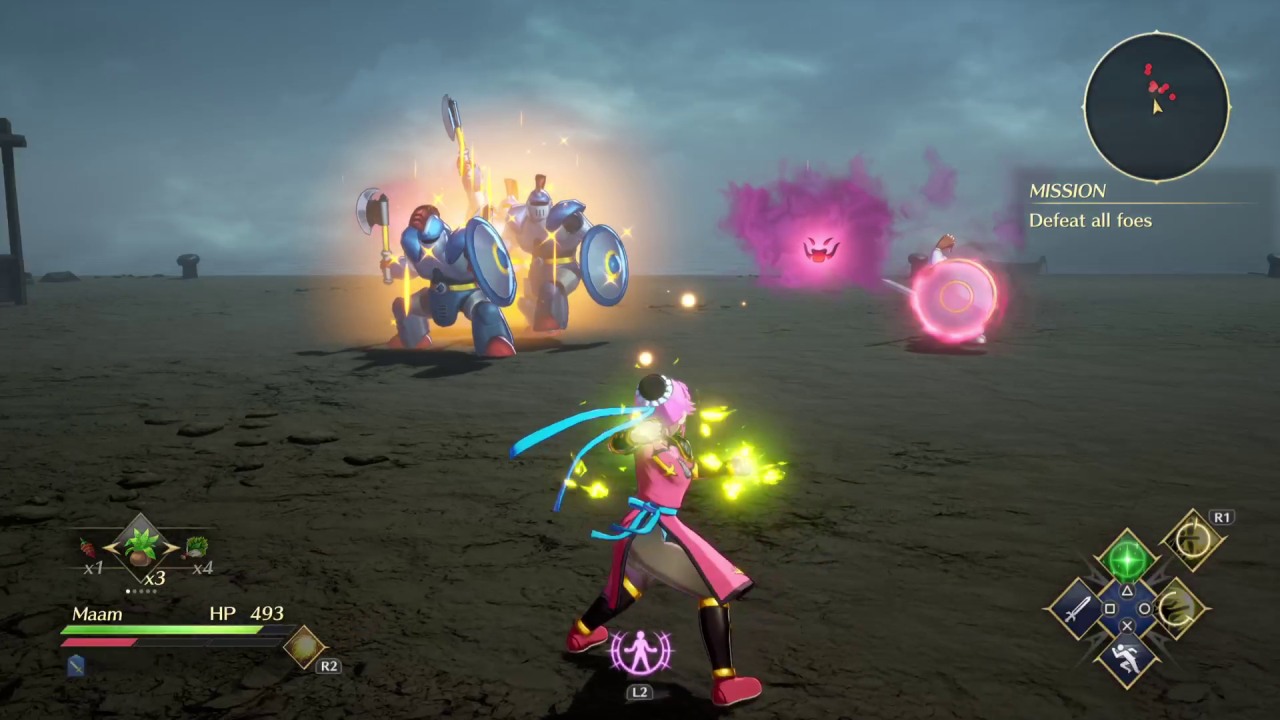
The fundamentals of Infinity Strash are fine enough, but the game’s strict adherence to the story often makes it so you can never actually use said fundamentals to their fullest. Because the anime usually dictates that battles are fought one-on-one, most fights in the main story have you controlling Dai exclusively. Infinity Strash attempts to take a slower approach to combat, expecting the player to rely on parries and timed dodges with noticeable ending lag to create opportunities. However, these mechanics are both surprisingly hard to time and offer almost zero benefit to the player because the bosses move so much faster than the player that you’ll be lucky to get more than a few hits in after either maneuver. There’s also a lack of hitstun unless an enemy gets their stagger gauge broken, meaning these story battles will often force you into reactive or cowardly playstyles to get through them alive. Occasionally, you’ll get to do battles against regular Dragon Quest monsters and while those tend to end up feeling more enjoyable, they’re over far too quickly.
Aside from leveling up, Infinity Strash lets you power up your characters by collecting Bond Memories, which are snippets of the manga that can be equipped as if they were gear to boost stats and grant various passive effects. The system sounds innocuous enough, but it quickly reveals itself to be adjacent to a mobile game-style grind. In order to improve the effects of Bond Memories, you have to collect duplicates of the same ones and use them alongside currency to upgrade your existing ones. Said upgrades are also minimal in nature, only boosting stats by single digits or by less than one percent per level. Memories come in multiple rarities, making some harder to grind than others, and the rarest ones even get a fancy animation similarly to what Gacha games do with their 5* characters. To get to take advantage of this system in the first place, you’ll need to be sufficiently leveled to have enough slots to equip them, and it takes most of the story before your slots fully open up. While it’s nice to have a system that pays tribute to the manga, it doesn’t really do anything to improve the game’s fundamental issues and just tacks on an additional grind.
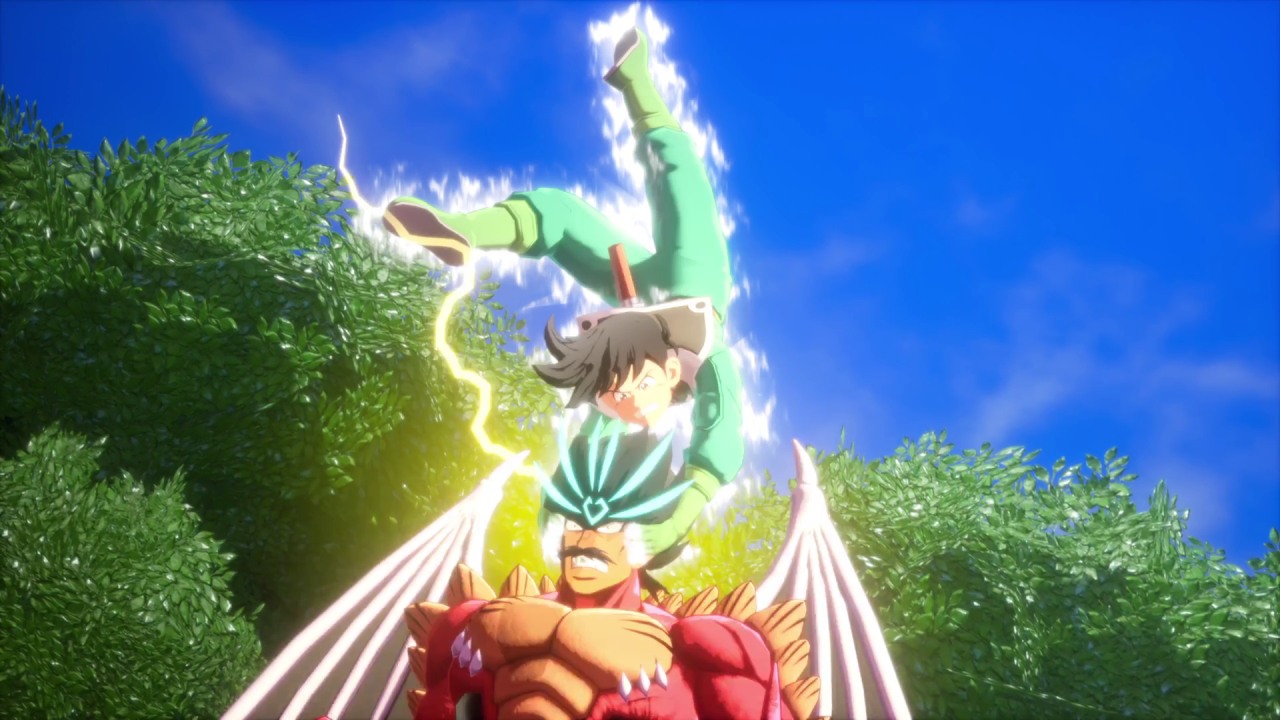
In an attempt to compensate for the pacing of the main story, the Temple of Recollection exists as a repeatable dungeon the player can visit whenever. The temple is structured differently as it starts players at level one and expects them to build back to where they were through the course of many fights. You are allowed to bring in a full batch of memories per character to give them a nice starting boost, which makes it viable to skip to later floors right away if your arsenal is good enough. Every enemy and boss from the main game can be found here and if you can make it to the bottom, you’ll get to fight against Dark King Vearn. As you fight through the temple, you can earn currency that’ll let you upgrade skills and memories, buy items for a given run, and claim Bond Memories to keep so long as you don’t die. Having an option to do long stretches of combat uninterrupted fixes one of Infinity Strash’s biggest issues, but in doing so, it also introduces a host of cracks into the game’s already unimpressive battle system.
Despite having a team, there’s no way to give them orders of any kind. They’ll generally do their job, but they’ll just as often make foolish mistakes. Popp will get too close to enemies, Maam will refuse to heal and get someone killed (moreso if you have her as a monk), and Hyunckel won’t know how to time his Dark Puppetry Aura Hand attack so that you can capitalize on its stun effect. Allies are also unable to use their unique commands or Coup de Graces unless you take control of them, so their offense is always weaker than what the player is doing. Several enemies have attacks that target a specific area MMO-style and while they’re very easy for a human to dodge, the CPU-controlled characters will often run right into them. These attacks are devastating and when you’re put up against several Rockbombs in a tight space, the layering of their deadly explosions can come off as extremely unfair. In a more well-rounded game, you would be able to tell allies to focus on said Rockbombs or follow your lead, but all you can do is rush them with your best attacks and pray. This is a game where the only AoE healing option requires everyone to huddle up and there aren’t any revival spells whatsoever, so a single mistake can ruin an otherwise successful run and force the player to lose everything they had just worked for.
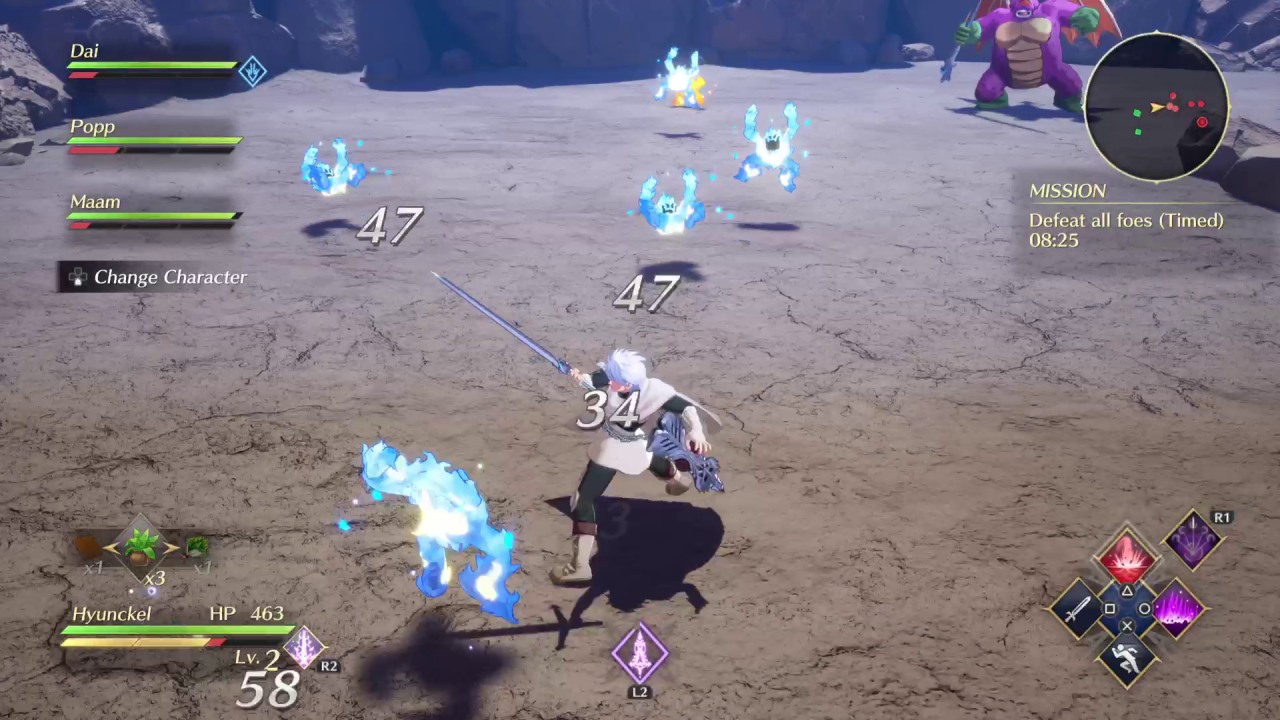
Ultimately, Infinity Strash’s downfall is that nothing it offers gives it leverage over other options to anyone but the most curious of players. The story is an incomplete version, so the anime is the better option for that, and the gameplay doesn’t offer anything that would make you want to pick it over Square Enix’sownalternatives like the Kingdom Hearts series, the newer Mana entries or the Niertitles. It expects a lot of grind to get the most out of it, but fails to offer enough incentive to make most people want to sit through the same handful of battles over and over again. Between its unusual nature and troubled development, Infinity Strash feels like a leftover from Square Enix’s bizarre shotgun approach to 2022 releases that came out too late. If you treat it as an honorary one of those – a fascinating experiment that definitely shouldn’t have been full retail price – you could very well get something interesting out of it… as long as you keep your expectations low.
Links:
The 2020 reveal trailer for the game
Article from Gematsu about the game’s delay
Interview with producer Takumi Kasai
Article about Square Enix’s response to Infinity Strash’s failure