- Gungrave
- Gungrave: Overdose
- Gungrave VR
- Gungrave G.O.R.E
- Gungrave (Anime)
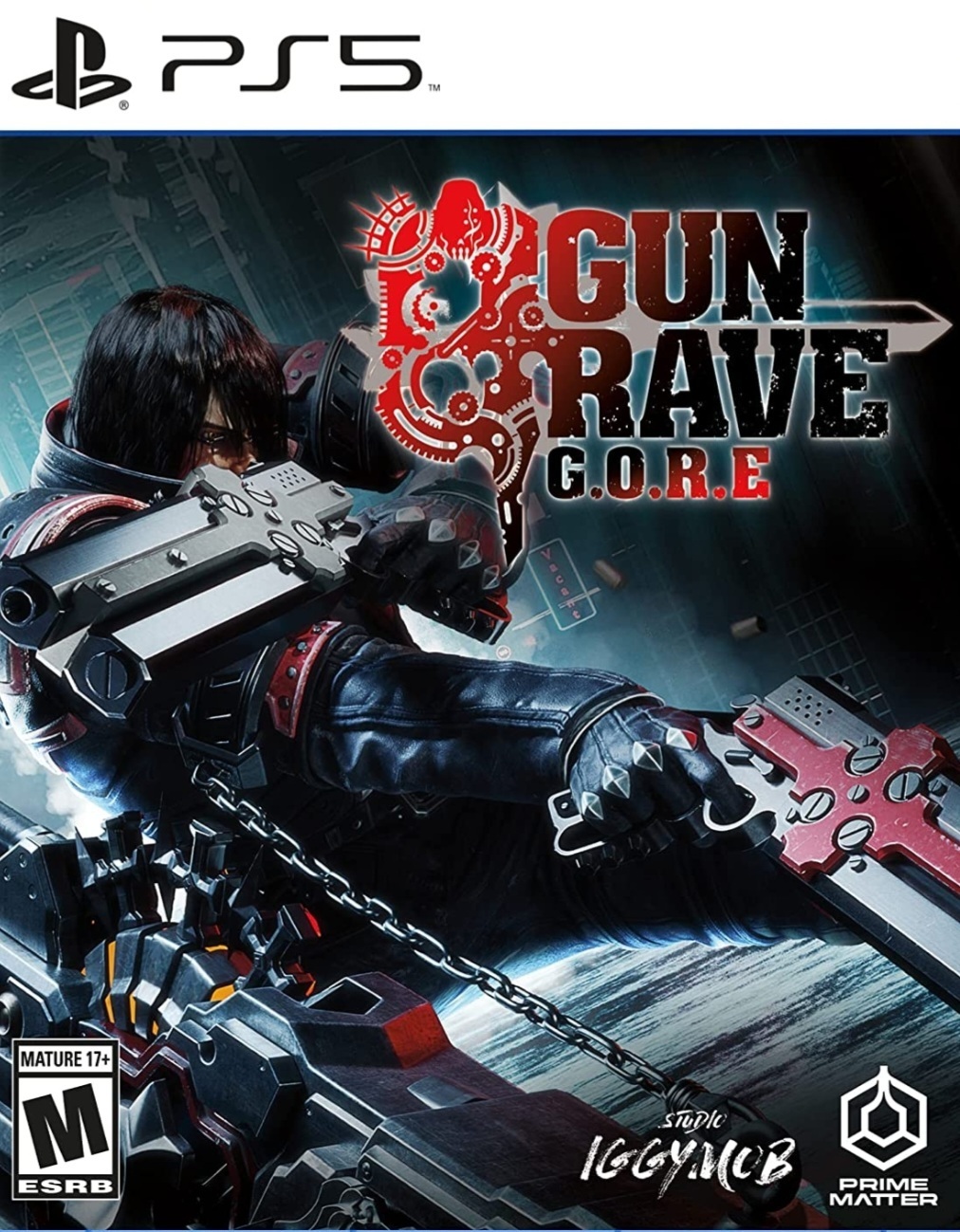
PS5 Cover
After the questionable quality of Gungrave VR, skepticism towards Gungrave G.O.R.E (“Gunslinger of REsurrection”) was certainly warranted. If Studio Iggymob couldn’t do the series justice with a smaller project, what would make someone think they could handle something bigger than the original and Overdose combined? Against all odds, Iggymob pulled it off because Gungrave G.O.R.E is extremely faithful to the series’ roots and also manages to surpass them in some ways. It has the nonstop stylish action that made the original stand out and it takes Overdose’s greater scope and improvements into account while avoiding its most obnoxious issues. According to an interview with journalist Brian Crecente, Iggymob went into G.O.R.E with a vision in mind, wanting to bring back a series they were fans of while also being eager to make something unlike the Soulslikes that are so prevalent in the current market. G.O.R.E isn’t the most polished production nor does it do anything to win over naysayers of the formula on a fundamental level, but if you’ve been praying for a new Gungrave for years, this will absolutely hit the spot.
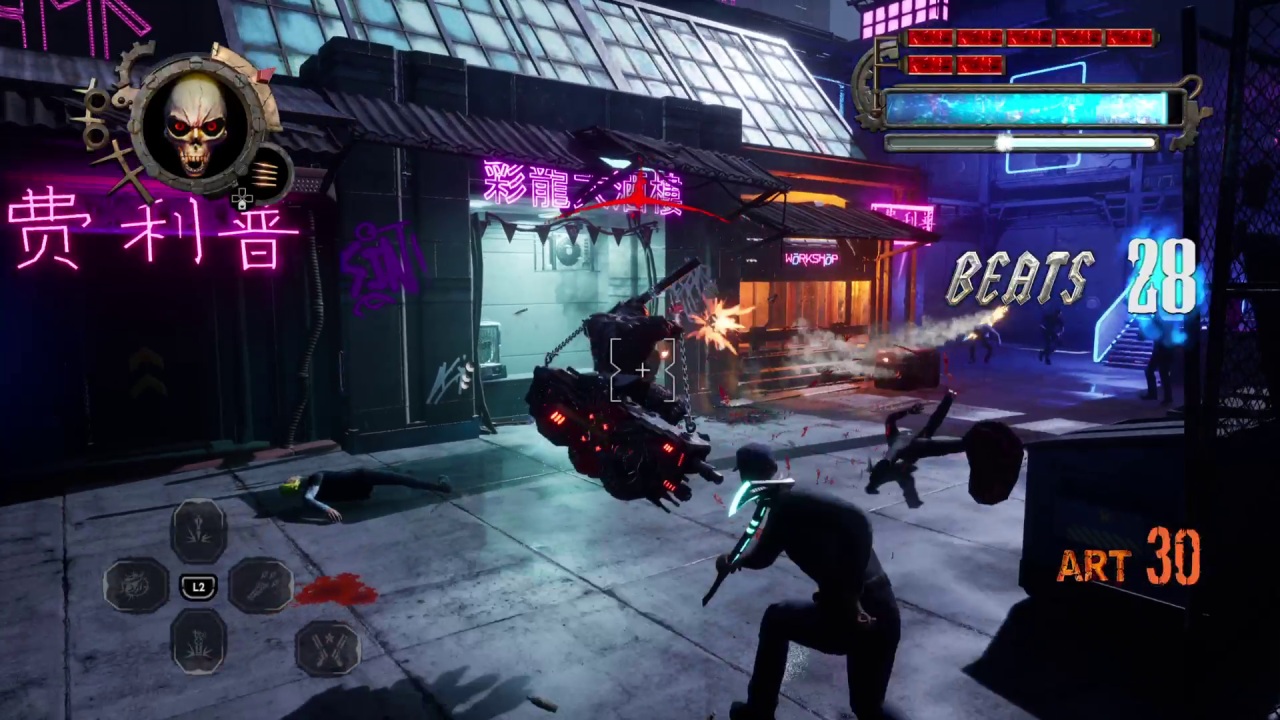
The story of G.O.R.E has Grave and Mika working as part of a group called El-Al Canhel and hunting down the Raven Clan, a dangerous group of drug traffickers who have control over the island of Scumland and a massive amount of SEED. As you’d expect from the plot of a Gungrave game, the goal is simple: kick the asses of the Raven Clan, find their shadowy leader “Who-Knows-Who”, and prevent the SEED from spreading worldwide. To make things more lively since the supporting cast is smaller than Overdose’s, newcomer Quartz handles a lot of the exposition while talking to Grave during missions, even more so once Mika is sidelined for story reasons. The four generals of the Raven Clan serve as the major bosses throughout the game and their designs (along with other bosses) were handled in part by Ikumi Nakamura, who many know for her work on games like The Evil Within as well as her popular E3 appearances. While the characters on offer here don’t have the same level of personality as the ones in Overdose, their designs are strong and G.O.R.E isn’t nearly as chatty, which most people will likely prefer.
This is also for the best because G.O.R.E’s script suffers from quite a few typos and awkwardly delivered lines that still remain even after multiple patches. There’s also an issue with oddly limp sound effects throughout; you’ll see cutscenes in which Grave finishes off the bosses you face with his various demolition shots only for them to come off as unintentionally goofy due to sound effects that are so weak they feel like left in placeholders. This mostly extends to the gameplay as well, though hitting rockets with Grave’s coffin at least has the satisfying clang that it should. Despite all that, the cutscenes generally manage to deliver when they opt for action over stationary exposition, especially when Bunji returns once again looking and acting like he’s straight out of a John Woo movie. Iggymob was specifically inspired by the movies Equilibrium and Desperado, likely because of their subject matter involving things like gun kata and taking down drug lords, and their penchant for wanting the action to be as flashy and fun as possible is evident throughout.
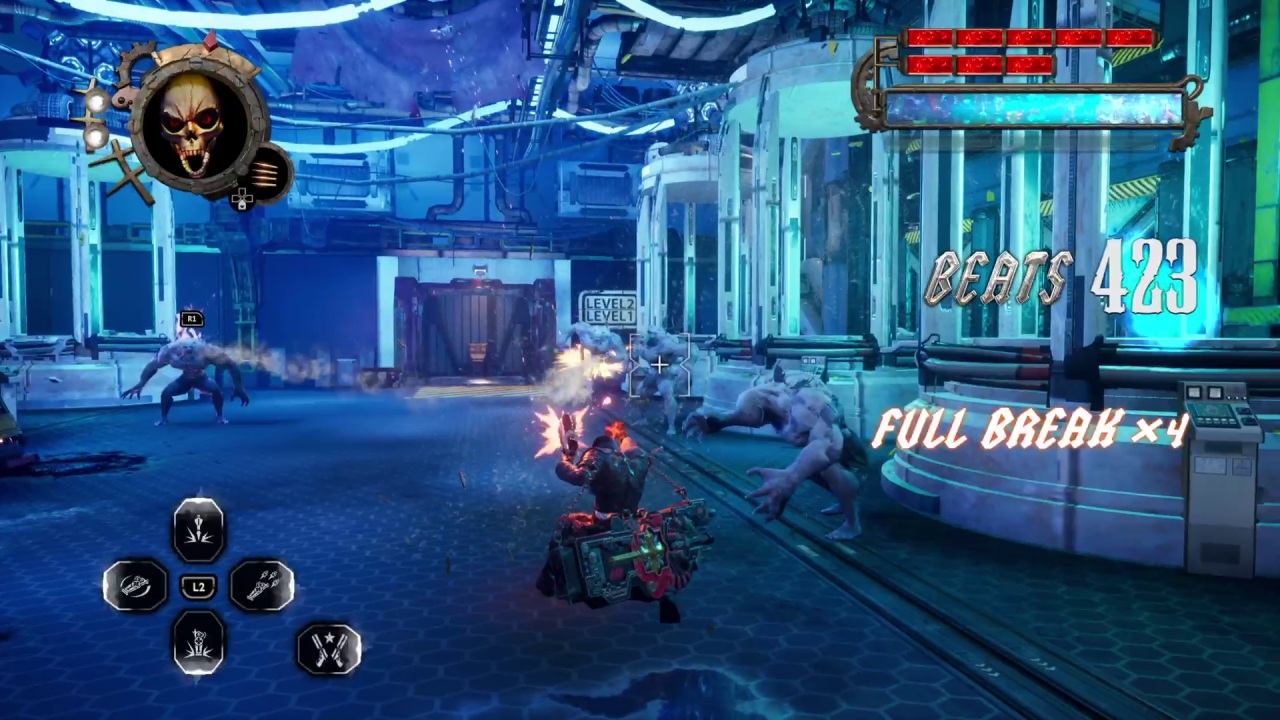
G.O.R.E picks up where Overdose left off in most ways, but introduces several new ideas as well. Grave’s coffin can now be used like a grappling hook to either bring enemies towards him or send himself flying at them with a powerful attack. You can also opt to hold an enemy and use them as a human shield if you need a quick fix of cover. In a similar fashion to 2016’s Doom, if an enemy gets staggered, Grave can execute them to kick-start shield regeneration, preventing the downtime spent waiting for your shield to replenish that plagued Overdose. Increasing your beat combo now comes with mechanical benefits in the form of Storm Barrage and Full Break. Storm Barrage unlocks at 50 beats and lets you use extremely quick bursts of gunfire that work great for hitting surrounding targets and accruing demolition shots which can then be used to clear out bigger groups and heal Grave. Full Break grants Grave attack speed boosts as he accumulates more beats and resets as soon as your combo stops, so you’re strongly encouraged to keep your combo going for the entire stage if possible. If you need even more power, there’s also Fury Mode, which operates as a temporary power boost once it’s ready to go.
An upgrade system is also introduced, which lets you learn new moves and boost Grave’s stats by using currency earned for your various performances. You can get a host of melee combos, new demolition shots that turn Grave’s coffin into all sorts of destructive weapons, expansions to your Storm Barrage options, and even the ability to play as Bunji in any mission. This kind of system is a common fixture of the PS2 action gamesGungrave G.O.R.E fits in with, but it created some issues at the game’s launch. G.O.R.E isn’t as overwhelming as Overdose, but it doesn’t hesitate to throw hordes of strong enemies at you, so some players found themselves feeling underpowered enough that they had to grind out upgrades for fundamental things like attack power and health on Easy difficulty before they could proceed, ruining the game’s otherwise brisk pacing. DLC characters are also upgraded separately from Grave, so if you want them to be at their best, you’re going to have to grind each one up. After some patches, you now earn more currency for clearing levels, making it easier to get into the proper rhythm.
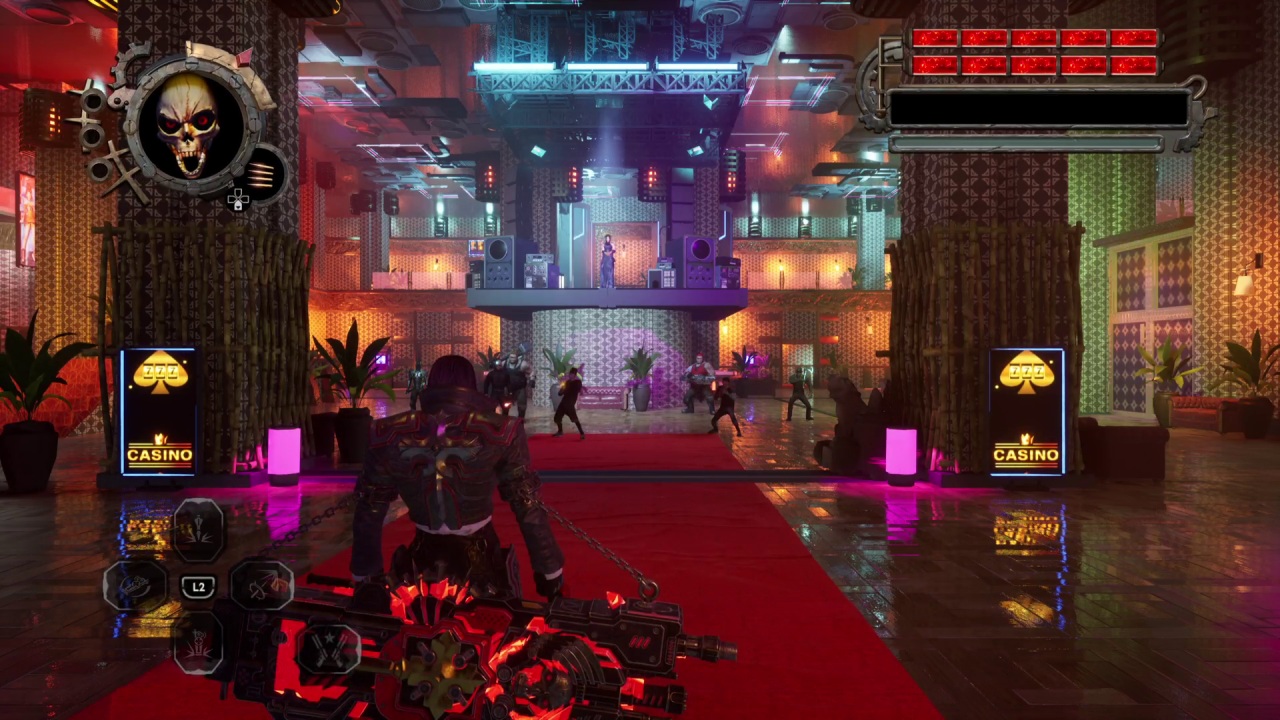
Despite having 31 missions compared to its predecessors, G.O.R.E manages to maintain their fast pacing thanks to smart level design that complements its scoring systems. Levels essentially consist of enemy combat rooms broken up by hallways, but G.O.R.E does a great job of making them twist and turn just enough that you’ll need to be decisive and knowledgeable to maintain your beat combo. Enemies can be led around to spread them out, but doors often close behind you and missing out on kills affects your final score. During moments of dead air, you’ll have to find destructible objects to use as fodder for your beat combo, something that some environments accommodate more than others. When you do hit those combat rooms, G.O.R.E knows how to place its enemies, often pelting you with projectiles from higher elevations while having shielded enemies and aggressive Orgmen steal your attention away. Maintaining beat combos makes you stronger, but that means you’ll need to move even faster to keep it going since your targets won’t last as long. Optimally routing levels is never too complicated as they generally don’t exceed 5-7 minutes, but it makes what would otherwise be a mindless game into something that you have to stay engaged with to play at a satisfying level. G.O.R.E level design also benefits from some great visual design that pulls strongly from the neon lights and nightlife of Asian countries. G.O.R.E could have very easily been a game covered in dour grays and browns, but it manages to inject things like bright outdoor excursions in Vietnam, snowy trees on the city streets of Singapore, and flashy casinos into the mix to keep the game varied enough for its runtime.
At launch, Gungrave G.O.R.E received quite a mixed reception. Some people jived with its PS2 action game mentality whereas others likened it to an artifact displaced out of time. Regardless of where one may stand on the game’s launch, Iggymob took the feedback to heart and released several patches, some of which dramatically changed the game. Aside from a ton of bug fixes, they completely removed the platforming sections and the instant-kill laser corridor, significantly nerfed the train sequence that gave people trouble, buffed many of Grave’s options, and even added entirely new mechanics like the aforementioned Full Break. They also added DLC characters such as Rocket Billy Red Cadillac and Harry MacDowel who play just differently enough from Grave to be worth messing around with.
These changes ultimately make for a much smoother and more consistent experience, though some changes do trivialize parts of the game in an unfortunate way. The particular patch which purported “100+ Changes”, was initially exclusive to the 2023 Nintendo Switch version of the game but was later brought elsewhere. The Switch version caps at 30 FPS, recolors all the blood spatters, and forces a cel-shaded look at a lower resolution (said look fits the game rather well), but it does have Yensen the Boostmaster and Quartz as DLC characters (Quartz is normally only playable in a single mission) that are still exclusive as of this writing.
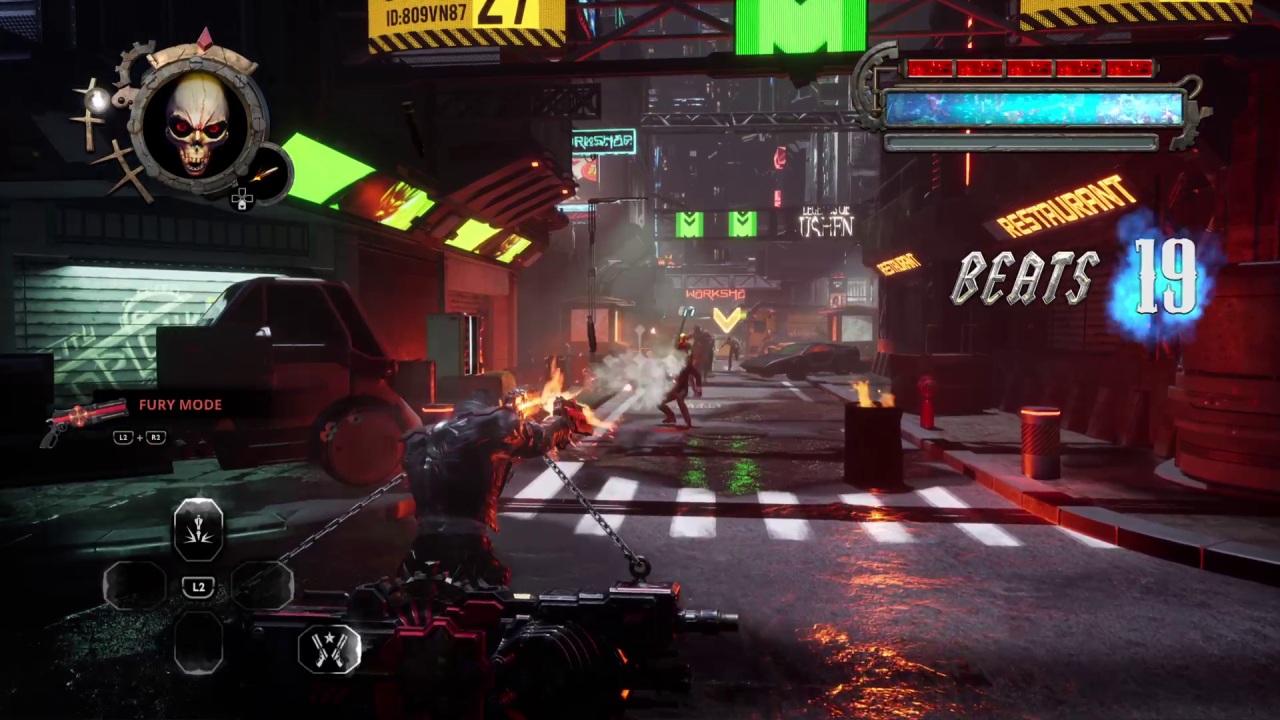
As recently as September 2025, a remake of Gungrave G.O.R.E in Unreal Engine 5 called Gungrave G.O.R.E Blood Heat was announced. While it’s unclear if Blood Heat will offer anything new or serve any practical purpose considering it’s a remake of a game that’s only three years old and available on all modern platforms, it’s at least a good sign that Iggymob intends to keep the series alive going forward.
Links
https://www.unrealengine.com/en-US/developer-interviews/inside-the-development-of-beyond-the-grave-s-return-to-scumland – Interview with Brian Crecente
https://blog.playstation.com/2021/10/01/gungrave-g-o-r-e-ikumi-nakamura-talks-ikumi-nized-approach-to-character-designs/ – Playstation blog post featuring Ikumi Nakamura