


In their early days, Japanese developer KID was mostly known for NES action games like Low-G-Man and the two GI Joe titles. By the end of the 1990s, they had pivoted towards romantic visual novels with their well-received Memories Off. They continued along this line with Infinity (AKA Never7), which blended romance with sci-fi, and waded even deeper into sci-fi territory with its follow-up Ever17. All of these titles were early works conceptualized by Kotaro Uchikoshi, who would later find international acclaim with his Zero Escape series, as well as other titles like AI: The Somnium Files and The Hundred Line: Last Defense Academy.
Ever17 takes place entirely in an amusement park called LeMu, which contains an enormous underwater facility said to be built on the sunken continent of Lemuria. A terrible accident occurs, leaving several people stranded deep under the ocean waves, with only minimal hope of escape. You can view the story through two characters, along with a handful of choices that determine the path of the story.
Characters
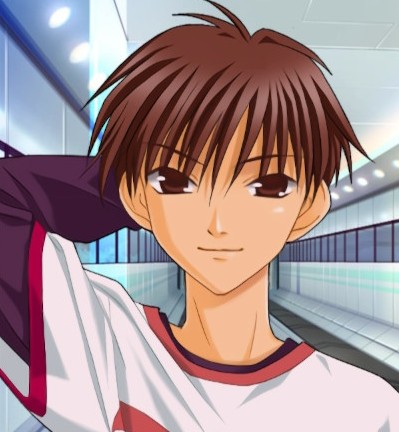
Takeshi Kuranari
An ordinary Japanese college student who was hoping to enjoy LeMu with his friends before getting separated and stranded.

Boy
An adolescent boy with amnesia. He’s happy using the name “Boy” (or “Kid” in certain translations) since he worries the other characters will give him a stupid name.
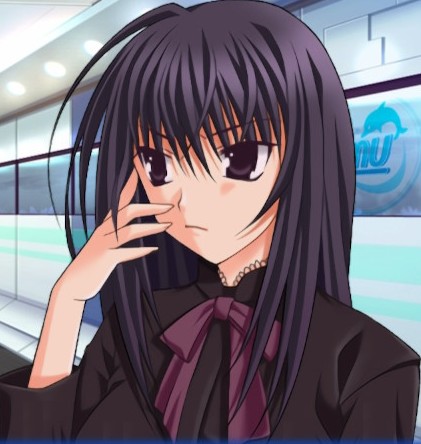
Tsugumi Komachi
A bristly young woman who’s come to LeMu for mysterious reasons. She treasures a pet hamster named Chami.

Coco Yagami
A teenager who acts much younger than her age. She enjoys goofy jokes and is accompanied by a dog named PiPi. She is visiting family who works for LeMu.

Yuubiseiharukana Tanaka
“You” is a nickname, as her real name is absurdly long. She is a part-time LeMu staff member who’s investigating her missing parents.

Sora Akanegasaki
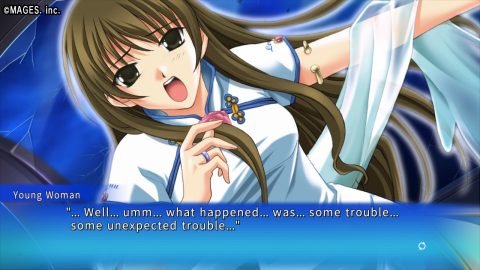
An AI tour guide in a Chinese-style dress who can manifest anywhere around the park thanks to some fancy technology.

Sara Matsunaga
A schoolgirl who also thinks she’s a ninja. Only appears in the Boy’s story.
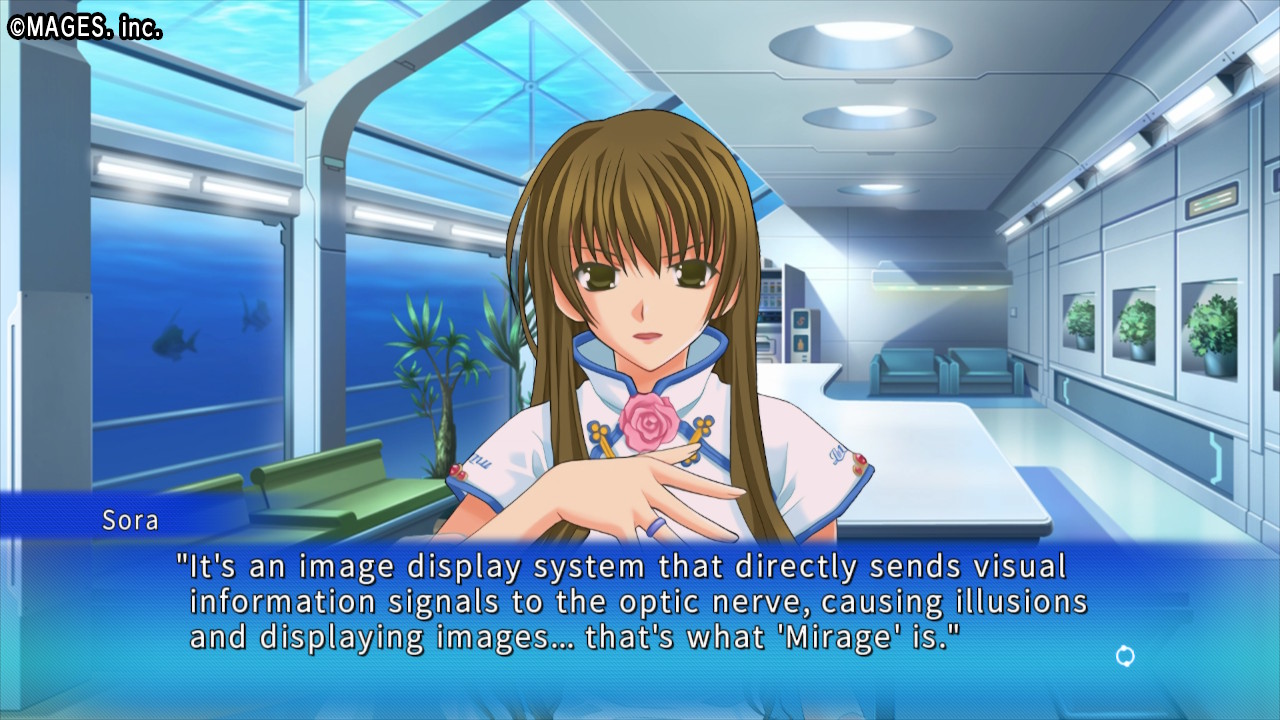
Much like Infinity before it, Ever17 has four main routes, each devoted to one of the heroines. Completing it will reveal their backstories and unlock a part of the greater story. Once you’ve completed all of these, you can unlock the fifth and final route, which is filled with absolutely wild twists and turns that reveal the truth behind the LeMu disaster.
Considering the harrowing situation that the characters have found themselves in, much of Ever17 is shockingly mundane. While oxygen is dwindling, they have plenty of food and supplies, and several days before the whole structure collapses. Even though their demise seems imminent, much of the time is spent with everyone eating food, playing games, wandering around, and generally just messing about. Sometimes they’ll need to fix something, or sometimes the sector they’re in becomes too dangerous and they need to move elsewhere. But otherwise there’s a lot of time spent sitting around and doing nothing, bogged down in unfunny humor, aimless characterization, and a general sense that the writers had a word count they needed to fulfill.
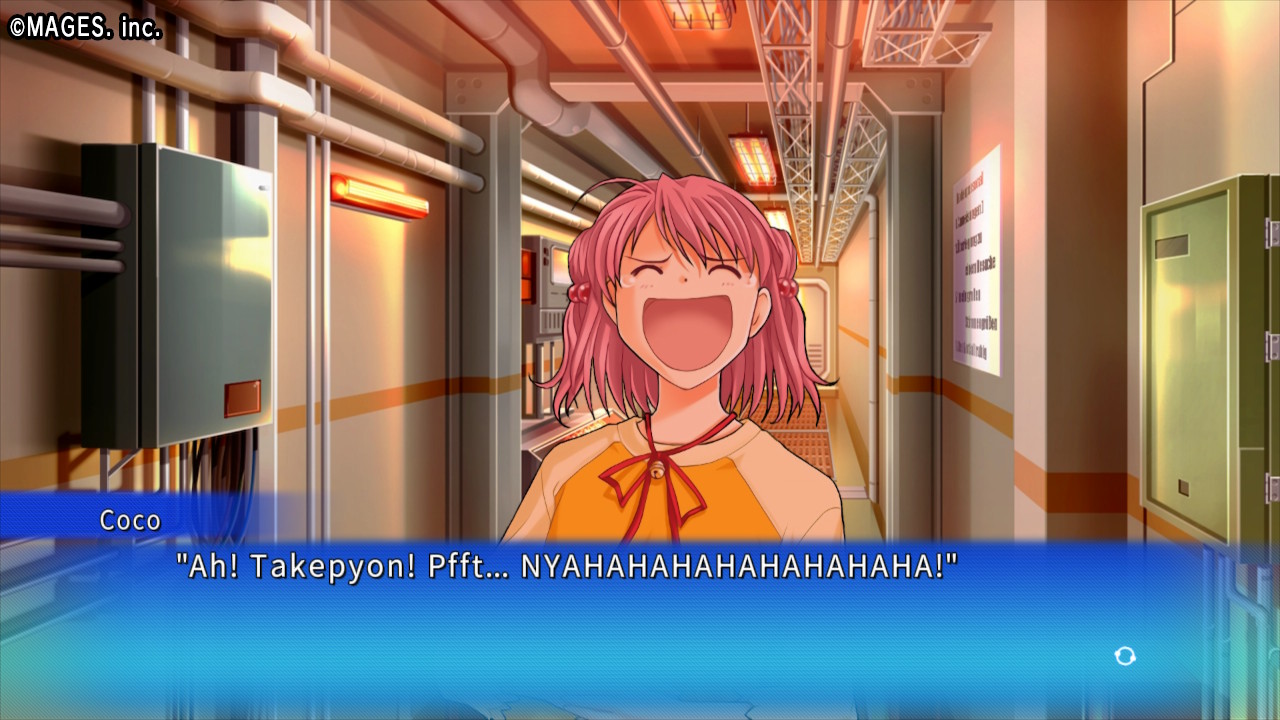
It doesn’t help that the characters themselves just aren’t that interesting. The protagonists are bland, though that’s hardly the worst crime in the world. Tsugumi is just a little too unpleasant, Coco is just a little too juvenile, and Sara feels like a side character that was accidentally upgraded to a heroine. Sora’s self-aware AI girlfriend routine probably hit better back when the game was written in 2002, compared to the way that artificial intelligence has manifested itself over the ensuing decades. You is the most interesting character, mostly because she dispenses so many of the story’s high concepts; she claims that she actually hates all of that stuff and just studies it so she can argue with the idiots that do believe in it. Furthermore, probably due to its roots, Ever17 is still trying to be a romance game, and it completely fumbles because the personalities are so broad and there’s just no romantic chemistry between anyone.
All of this is further compounded by having to read through the different routes, despite many events being identical across them. When you do the first route – Tsugumi’s route is highly recommended – it’s best to read everything. But in subsequent routes, it’s probably better to just skip right through any scene where the characters are fixing something or otherwise faffing about, and stopping to read any character background, plot, or lore explanation scenes. You eventually get a feel for the flow after a couple of times trudging through it.
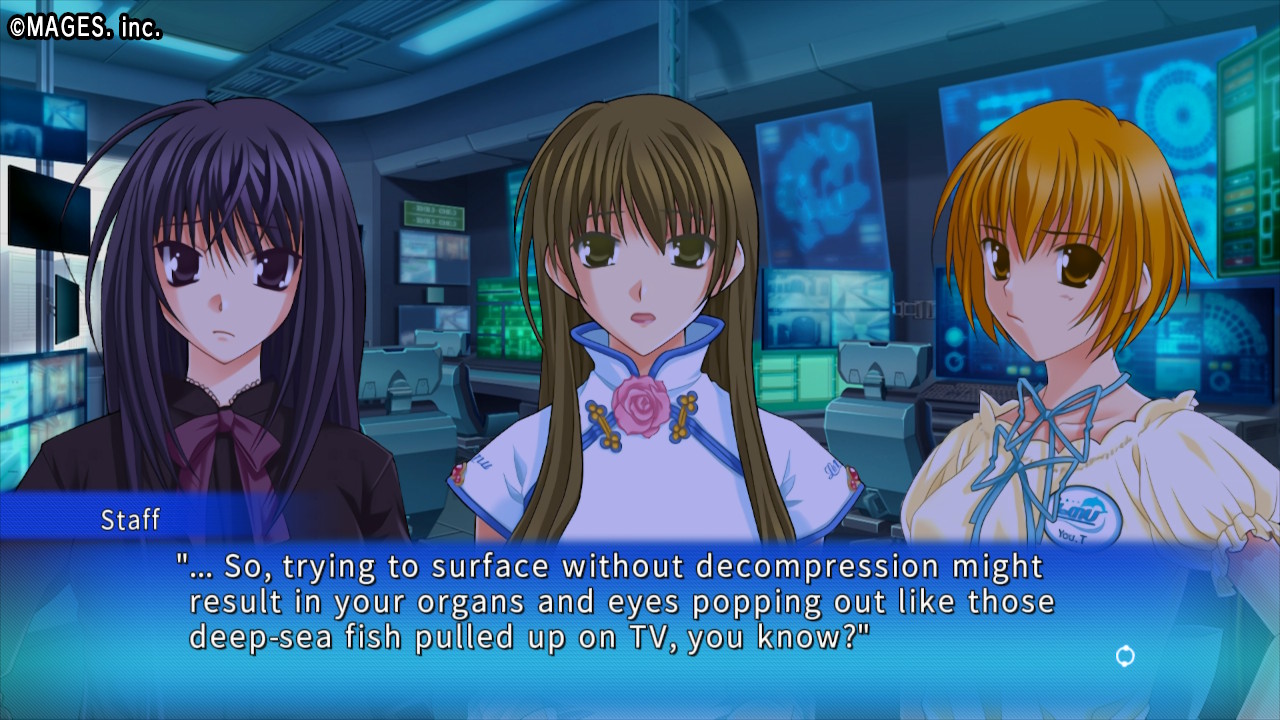
The most interesting dialogue happens when the characters want to explore various science-fiction concepts, wrapped together with elements of philosophy, mythology, and the occult. It’s obvious that the writers were hugely fascinated with these concepts and wanted some way to explore them. But these diversions aren’t just ponderances, because most of them tie some way into the overall story. It’s also self-conscious of visual novel tropes and uses them in surprising and shocking ways, making it truly unique to the medium. Certain story elements might not hit as well now as they did back during release, just because other media since have played with similar concepts, but Ever17 still plays with plenty of wild ideas. The story also inherits a few concepts and themes from Never7, though the stories are otherwise unrelated.
As far as visuals, an underwater amusement park makes for an interesting setting, and many backgrounds make it a captivating locale, even though you’ll watch a lot of scenes in bland hallways or non-descript rooms. The character artwork is extremely typical of late 1990s/early 2000s bishoujo games, for better or worse. The music by Takeshi Abo, though, is outstanding, weaving together light-hearted themes of wonder and darker themes of danger and despair. There’s a key motif featured in many tracks, which help give the story a musical identity, though combined with the repetitive storytelling, can grow old after a while.
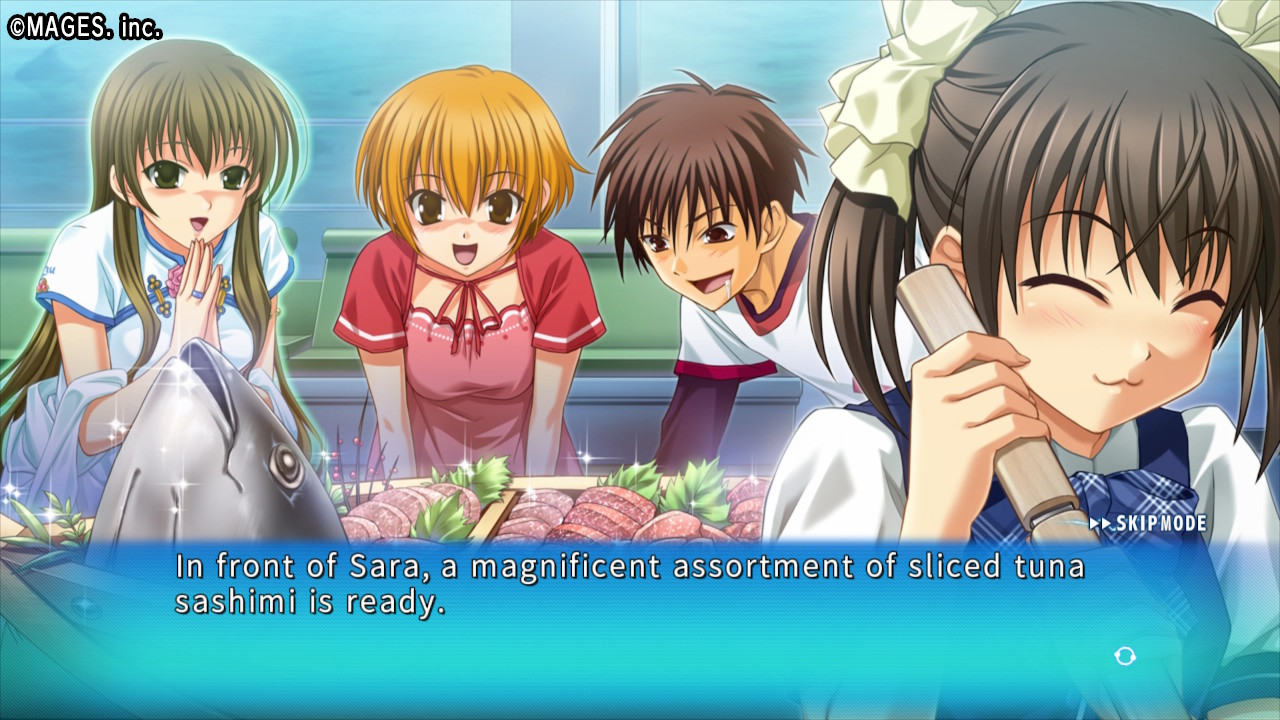
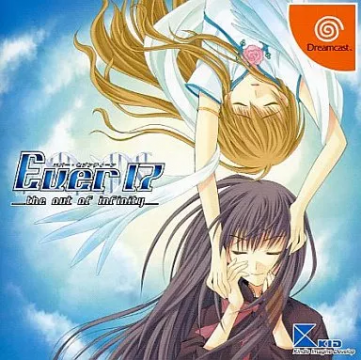
Ever17 has had several revisions over its history. It was originally released in 2002 for the Japanese PlayStation 2 and Dreamcast, with a slightly improved version released for Windows and backported to the two original consoles. This Windows version was released in North America by Hirameki International, a small localization company that tried to make inroads in the international market with visual novel and interactive DVD releases. They didn’t last long, and the English version of Ever17 didn’t get much distribution or publicity, but it was well-reviewed by those who played it.
The Japanese version was then ported to the PlayStation Portable in 2009. This release necessarily crops some of the backgrounds and CG stills to fit the widescreen aspect ratio, along with a new intro movie and other FMV scenes. This release also adds a “TIPS” function, basically a glossary that explains the many, many terms found throughout the game – this was originally added in the game’s sequel Remember11, and was also carried forward into Science Adventure games like Steins;Gate. There’s also a fan translation which inserts the English script into this version. Lost to time is Ever17 -Hagane no Tenshi- (“Steel Angel”), a mobile game starring Sara, involving her relationship with an original character named Jinza.
2011 saw a remake for the Xbox 360, published by Cyberfront and developed by 5pb, the company that inherited the rights (and much of the staff) from KID after it closed in 2006. This version redraws all of the backgrounds in widescreen high resolution, but more controversially, it changes all of the character portraits into 3D animated models. There were some games of the era that pulled off the 3D anime look – Namco titles like Idolmaster and Tales of Vesperia were some of the first big ones – but Ever17 does not, making it look chintzy and immediately dated at the time of release. The Xbox 360 release, as well as the previous PSP version, includes arranged music tracks, but the only real difference is with instrumentation. The HD remake sounds similar to Abo’s work on Steins;Gate, which was released a couple of years prior.
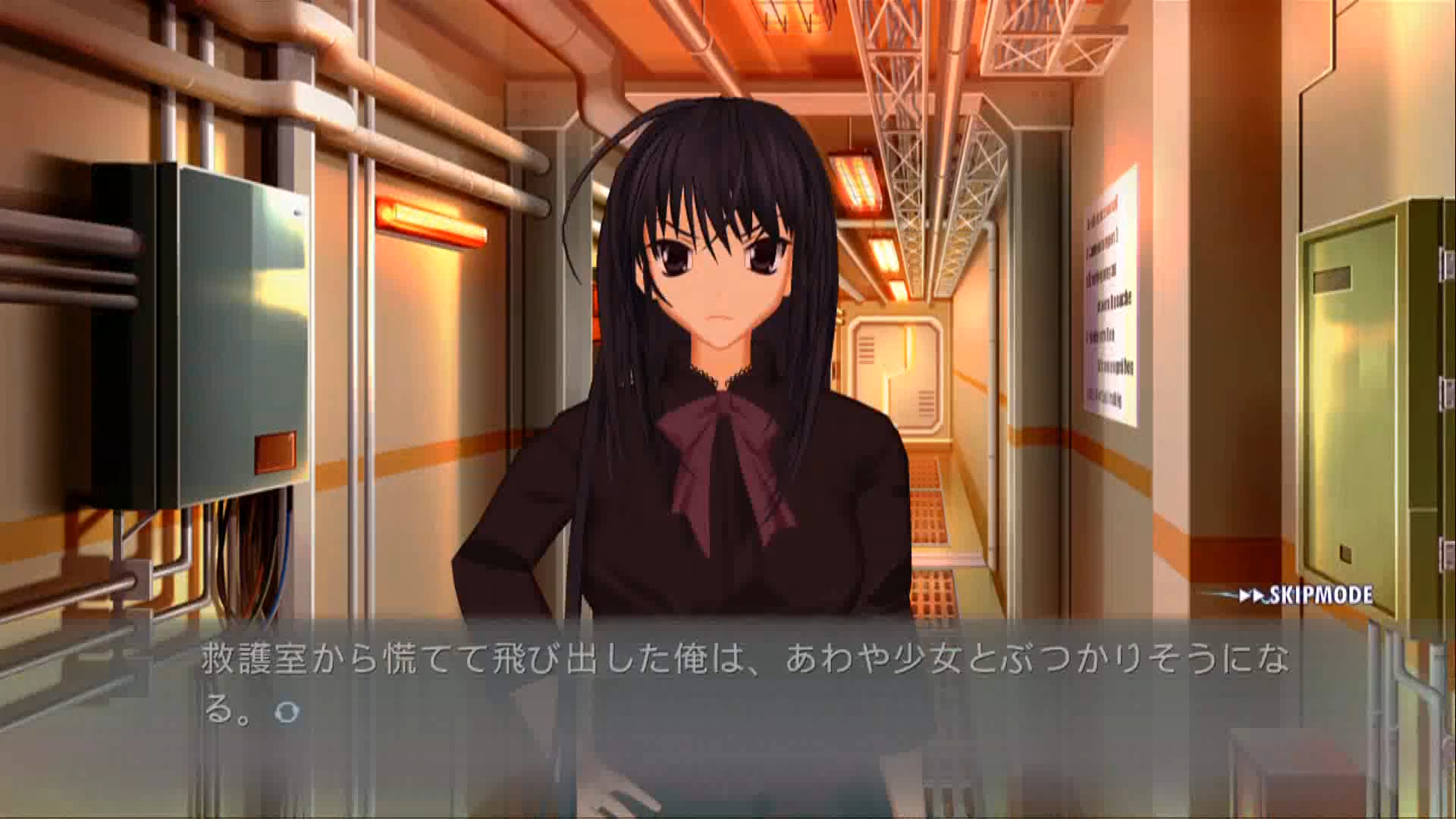
Xbox 360
Beyond the visual overhaul, it also dramatically rewrites the script. Since the original had been around for nearly a decade, it already had a reputation for being a story with an amazing finale but incredibly sluggish pacing. Many of the changes have made it more appealing to newcomers, including cutting back a lot of tedious scenes and adding some extra bit of foreshadowing. New players will come into it looking for these supposedly mind-blowing twists, and it’s easy to grow impatient as the narrative stumbles about aimlessly, so these additions help further tease the mind. Fans of the original often complain that the remake spoils a little too much, but those with even a modicum of sci-fi media literacy will probably be able to figure out certain things well before the finale, even in the initial releases.
The most obvious change is with Tsugumi – in the remake, she wears her original gothic Lolita dress in Takeshi’s route, but appears in a different casual outfit in the Boy’s route. There are already other major clues that suggest that the two protagonists are not entirely witnessing the same events, but it’s unlikely anyone would guess how it all fits together.
It’s not just the tedious bits that were cut out though, as there are many other changes to the characters and the story. Some locations, like the aquatic merry-go-round and the snack bar, have been cut, replaced with an aquarium and a break room. Sara’s story has seen significant changes. Some events are missing where others have been added. Also newly added in a brief epilogue that ties up some loose ends
It’s hard to put a firm rationale for some of these – some changes appear to have been made to clear up inconsistencies from the original script, others seem to just be parts that were found lacking and given a brush up. Even though the remake has a breezier pace, it’s still quite tedious and repetitive, but this is just inherent to the story structure – there’s just no way to fix the pacing issues of Ever17 without completely changing it, so it is what it is.
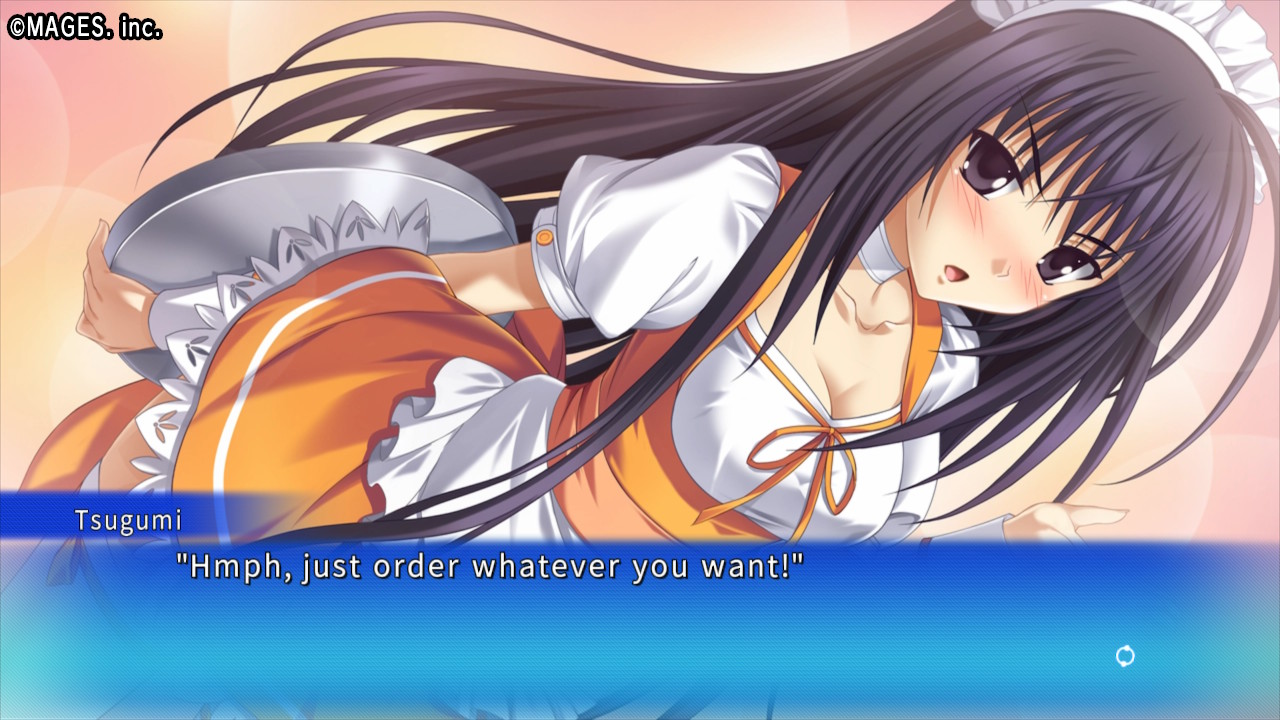
In 2023, Mages/5pb released another version, this time along with the game’s predecessor, Never7, and released in English by Spike-Chunsoft. This version is mostly based on the Xbox 360 remake, but replaces the 3D models with the 2D portraits from the original version. The new English script is mostly fine, though there are some noticeable typos throughout. There’s also a “skip read” function that automatically skips over dialogue already read during previous plays and past routes, though it doesn’t always work.
In cutting out some of the cruft, the remake is the easier version to recommend to new readers. For those want to try out the original, a fan-made “Himmel Edition” patch can be applied to the original English Windows release, which includes compatibility tweaks, a revised English translation, and assorted quality of life additions.
The marketing blurb refers to Ever17 as a “masterpiece”, which is technically true but also comes with a large asterisk – it tells a great story that comes together extremely well in the end, but you need to be prepared for large parts of it being an enormous slog. That aside, it’s absolutely important from a historical standpoint, since it stands alongside earlier Japanese adventure/video games like Yu-No as being one of the most influential of its kind – the later Zero Escape as well as 5pb/Mages’ Science Adventure series all owe their debt to Ever17.
For more discussion about Ever17, check out our podcast episode!
Screenshot Comparisons
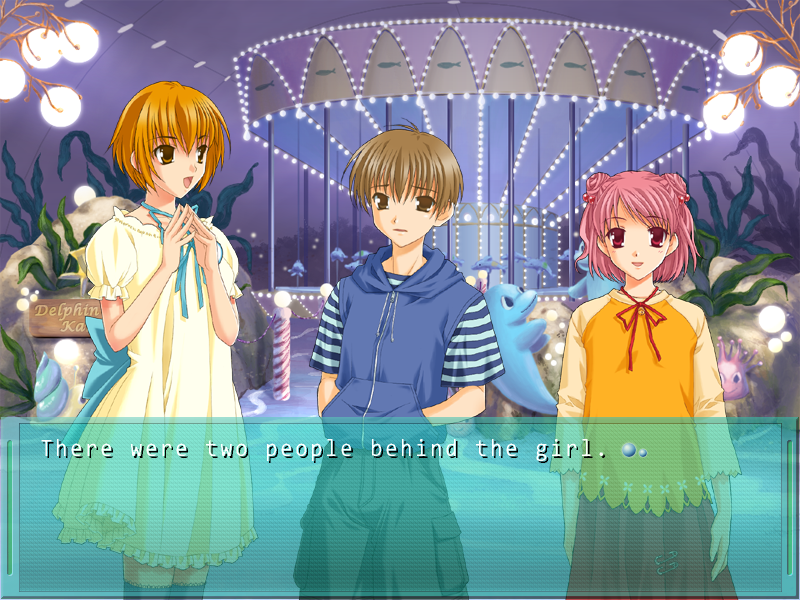
Windows (Original)
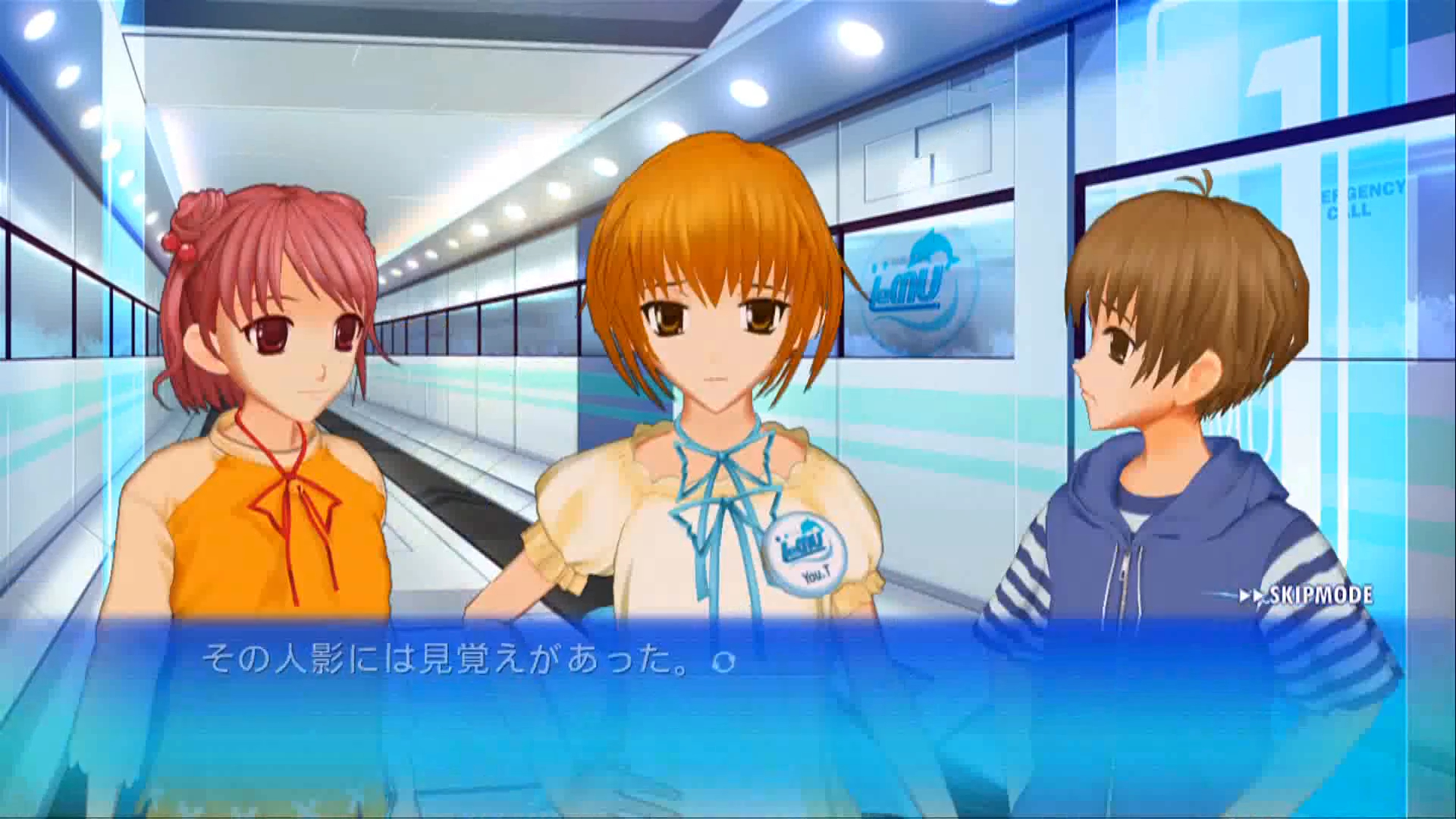
Xbox 360
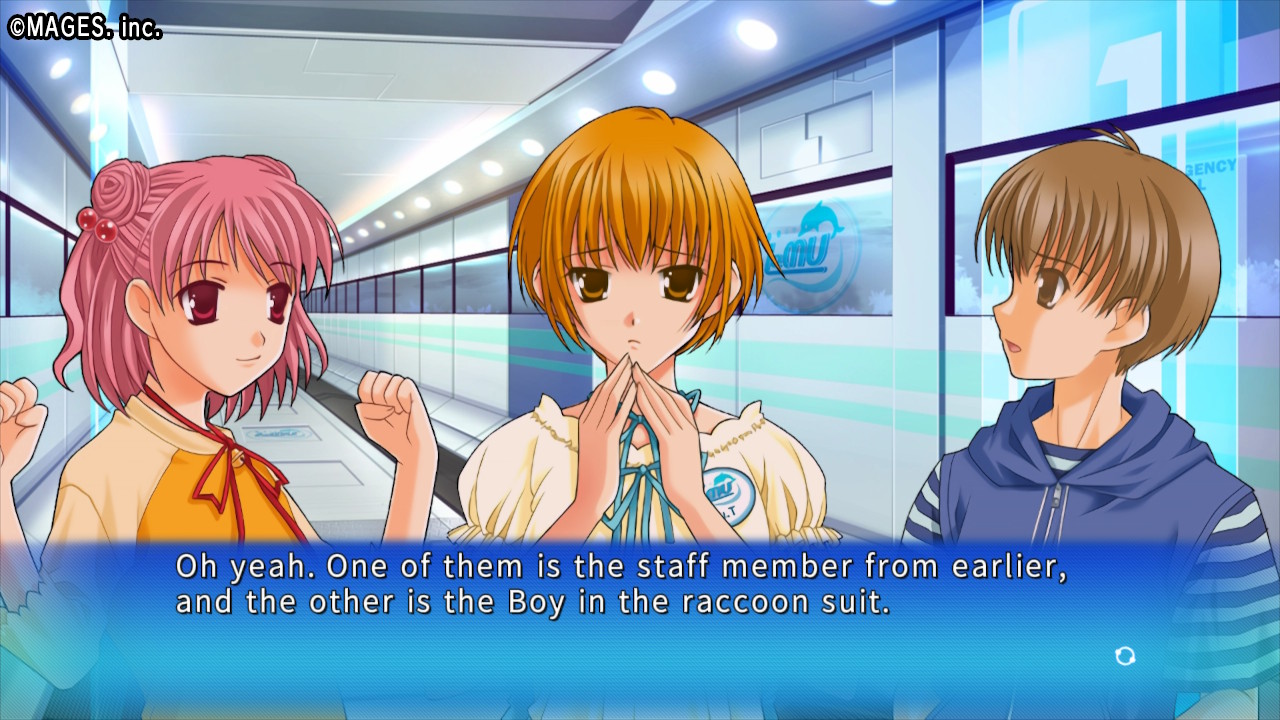
Switch (Remake)