|
|
A History of Korean Gaming
|
|
하이콤 HiCom
|

|
|
Founded:
|
December 8th, 1988
|
|
Status:
|
became eSofNet October 1999
|
|
Key People:
|
韓泳祚 한영조 Han Youngjo:
President
민홍기 Min Hongki:
President Wise HiCom
|
|
Website:
|
www.gndhicom.com (offline)
www.hicoment.com (offline)
www.wisehicom.com (offline)
|
|
이소프넷 eSofnet
|

|
|
Founded:
|
October 1999
|
|
Status:
|
defunct (2004)
|
|
Key People:
|
Min Hongki:
President (CEO)
Han Youngjo:
Vice President
|
|
Website:
|
www.esofnet.com (offline)
|
|
Profile:
|
|
Like many of the early game companies, HiCom started out as a distributor, and first became known as the official distributor of the Sega/Oacs Mark III and Samsung Gam*Boy consoles.
In later years, HiCom was first and foremost a publisher, but they also entertained several in-house development teams over the years. They were one of the few developers to support the home consoles in the early nineties (they even became an official 3rd party developer to Sega of America in June 19961, but all their Mega Drive games were canceled), and later became famous for the popular action RPG series Corum.
In the aftermath of the IMF financial crisis HiCom had to file bancruptcy on June 30th, 19982, but somehow managed to survive and reformed as HiCom Entertainment on August 1st the same year3. October 15th, 1999, the company was taken over by its main investor Wise Naeil and renamed Wise HiCom4, before finally becoming eSofnet5 in December.
In May 2000 FEW, who had previously worked together with HiCom under the label Softop, joined the company wholesale. While eSofnet remained as an important publisher of retail software, in-house development was focused almost entirely on MMOs from then on. When eSofnet closed doors in 2004, none of their running online titles was discontinued, rather they were all picked up by different studios, which often consisted of former eSofnet staff.
|
|
|
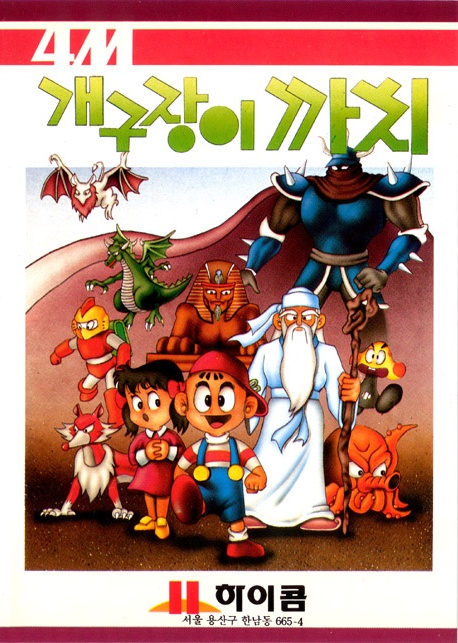
개구장이 까치 (Gaegujangi Kkachi) - Master System (August 21st, 1993)
Gaegujangi Kkachi (Master System)
|
Gaegujangi Kkachi (Master System)
|
Gaegujangi Kkachi (Master System)
|
Gaegujangi Kkachi (Master System)
|
|
Cover
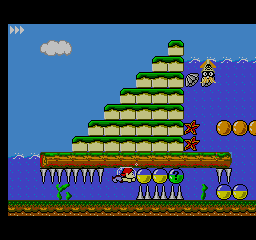
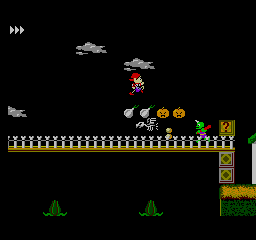
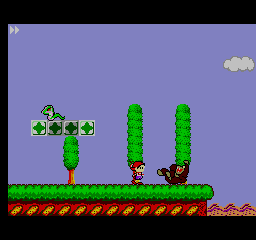
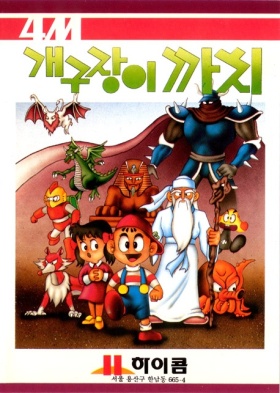
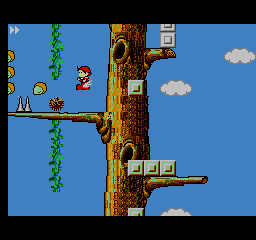
Licensed to the Lee Hyunse manhwa and animated series, Gaegujangi Kkachi is a stock "character" platformer. All it really shares with the cartoon are the main characters, and even they don't look quite the same.
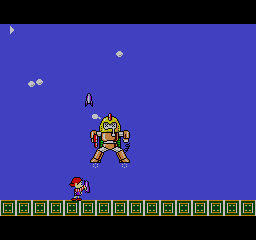
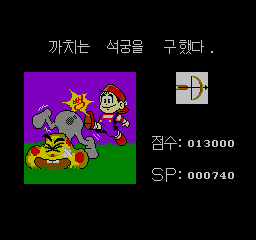
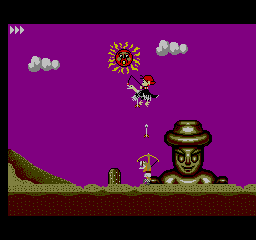
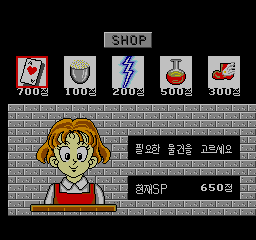
The game resembles Alex Kidd in Miracle World quite a bit. Kkachi has to retrieve six keys from six stages that are selectable from the beginning. Enemies are either beaten by slapping them or by using limited special moves. There are random items (garlic, fruit, etc.) lieing or floating around throughout the levels that amount to money, which can be used in stores to buy items. With the pause button one accesses an inventory screen where said items and moves are used. After each (mostly uninspired) bossfight, Kkachi gets also a special weapon only usable against bosses. They were probably going for a Mega Man thing here, but the mechanic is broken and only the first weapon ever gained can be used, and even that only once throughout the entire game.
Every stage not only follows its own graphical theme, but also a distinctive design approach. In the high tech level one travels between individual screens through tubes, the tree is climbed vertically, and so on. A swimming stage and a shooter sequence on a vulture bring even more variety.
Gaegujangi Kkachi could be a very cool game if it weren't for the aggravating controls. Kkachi's inertia is worse than Super Mario's, few jumps come out like they're supposed to, and the short attack range causes the player to constantly run into enemies by accident.
|
Gaegujangi Kkachi (Master System)
|
Gaegujangi Kkachi (Master System)
|
Gaegujangi Kkachi (Master System)
|
Gaegujangi Kkachi (Master System)
|
|
|
|
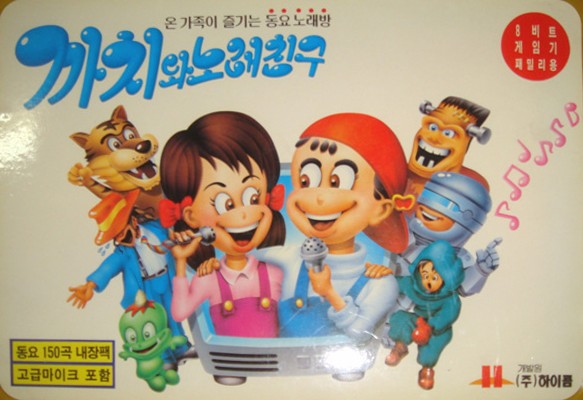
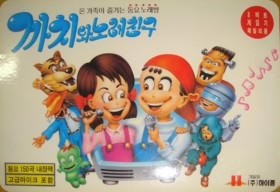
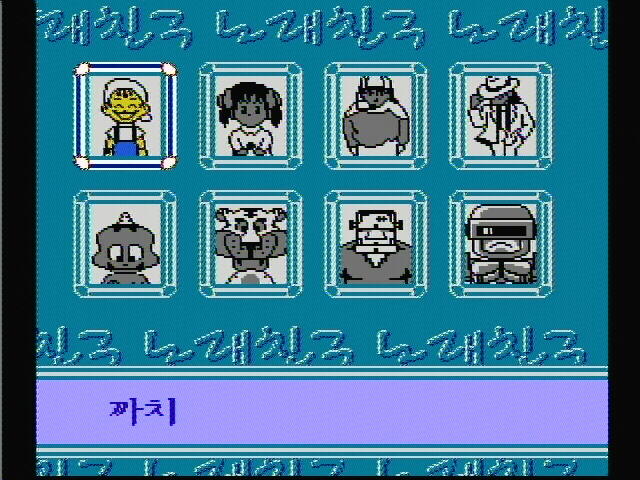
까치와 노래친구 (KKachi-wa Norae Chingu) - Famicom (1994)
KKachi-wa Norae Chingu (Famicom)
|
|
Cover
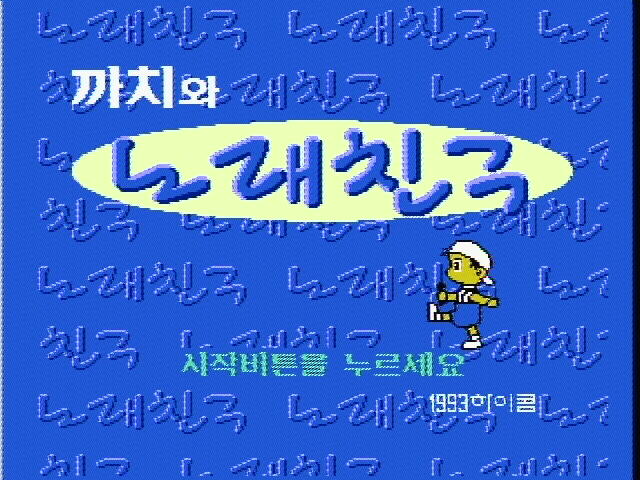
A Karaoke set for kids. Yes, that's the late Michael Jackson and Robo Cop over there. The cartridge included a whole 156 songs, which puts even modern disc released of karaoke games to shame.
|
KKachi-wa Norae Chingu (Famicom)
|
|
|
|
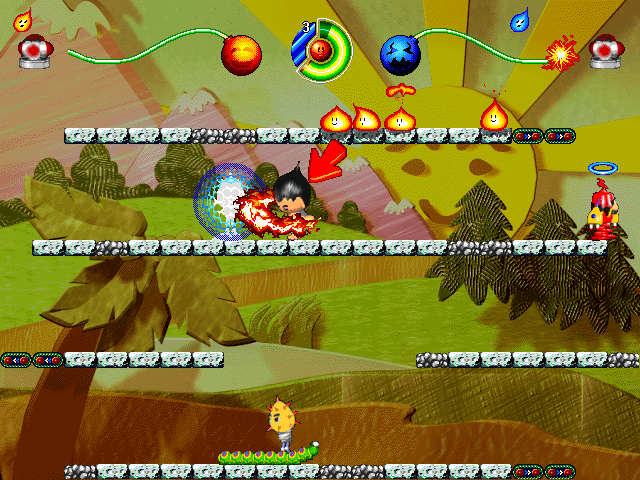
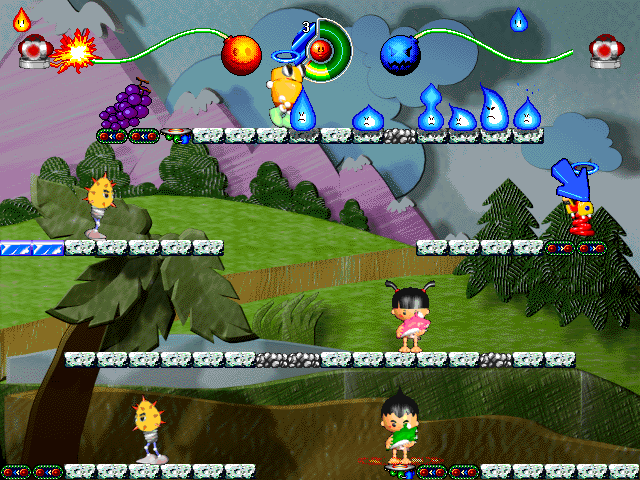
푸쉬푸쉬 (Pushe Pushe) - Windows (September 1996)
Pushe Pushe
|
|
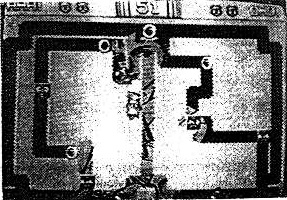
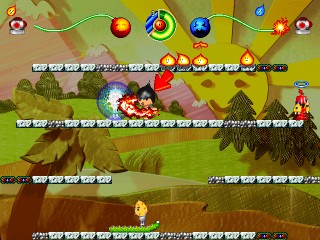
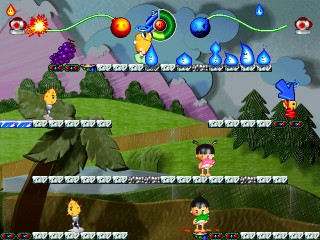
A simplistic arcade style single-screen action game. The players mainly fight against one or more designated enemy rivals (those with the halo), the other enemies are mere obstacles. Whoever hits the opponent is "on fire" and can set flames to the floor, while the other party's fuse is burning up. Whoever's bomb explodes first loses the round.
|
Pushe Pushe
|
|
|
|
스틸헌트 (Still Hunt) - PC-DOS (November 1996)
Still Hunt (PC-DOS)
|
Still Hunt (PC-DOS)
|
Still Hunt (PC-DOS)
|
Still Hunt (PC-DOS)
|
Still Hunt (PC-DOS)
|
Still Hunt (PC-DOS)
|
|
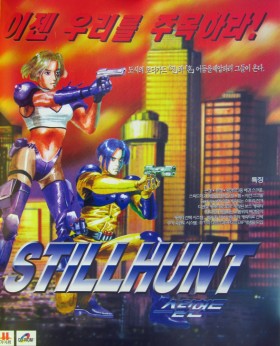
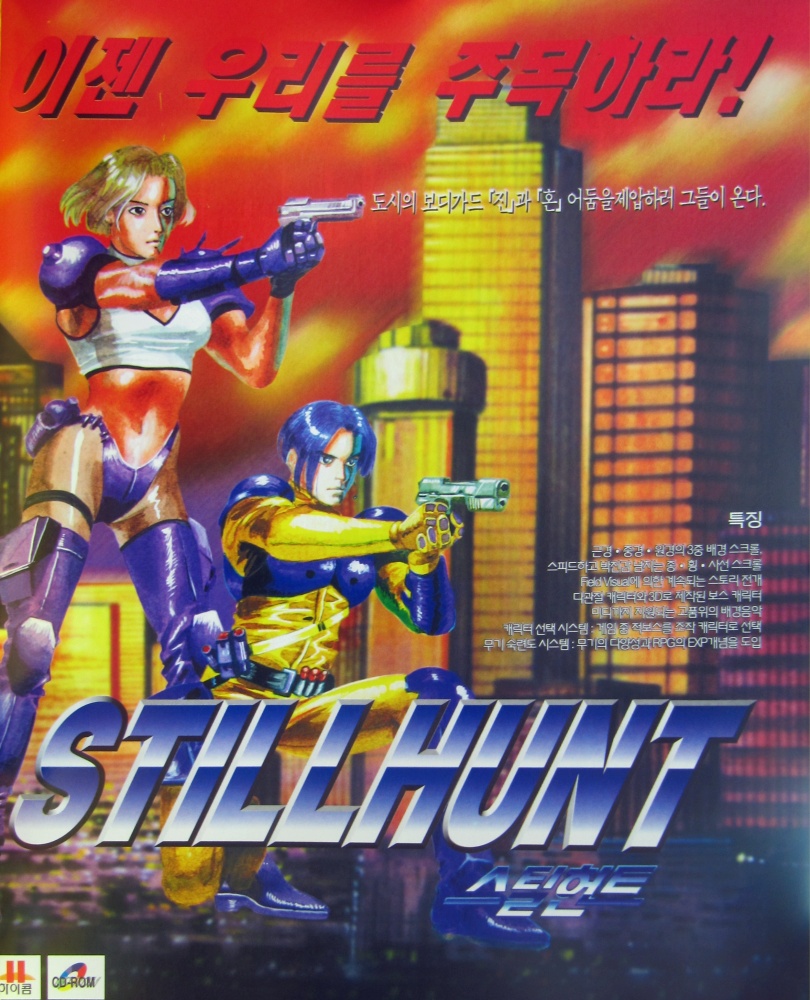
Advertisement
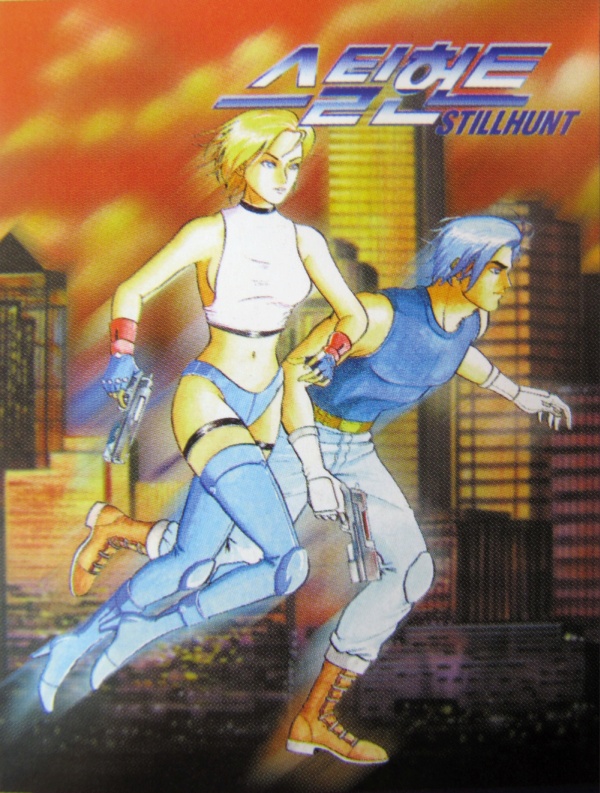
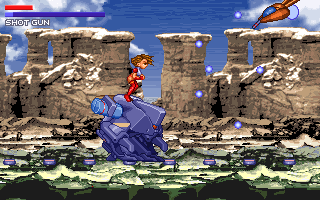
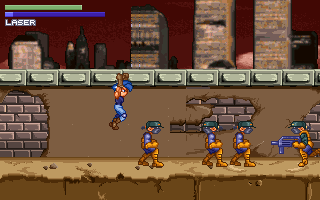
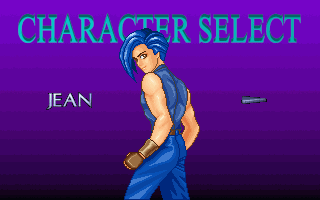
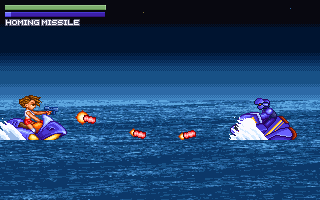
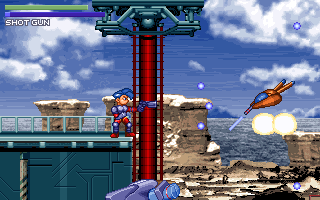
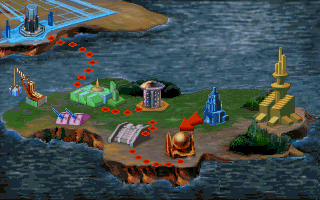
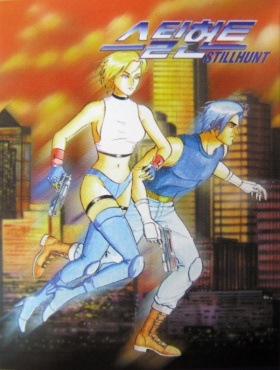
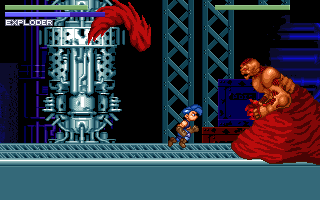
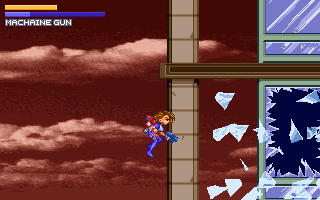
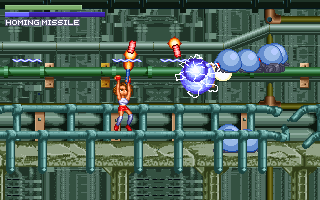
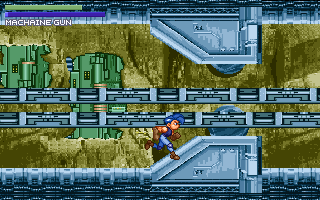
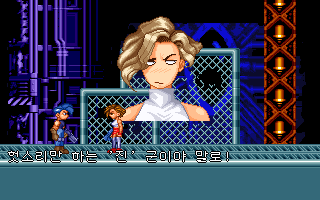
Possibly a survivor of HiCom's otherwise fruitless Mega Drive phase, Still Hunt almost seems as if an ersatz for Gunstar Heroes, which was cancelled for a release in Korea because of censorship confusion. The design is breathing Treasure run 'n gun inspiration through and through. There's two playable characters (sadly no two player mode) with their individual extra weapons, half of which are lifted from Gunstar Heroes. Especially the flame thrower and the laser are very obvious, but some, like the napalm thrower, are completely new. In place of the innovative combining feature Treasure's masterpiece introcuded stands a simple experience-based upgrade system. Most of the time the two heroes will rely on their standard weapons, though, a shotgun and a machine gun.
One magazine "accidently" dubbed the game "Steel Hunt" in English letters, which is probably what the title was intended to mean, as most enemies are robots or cyborgs, and the overall visual design has a very mechanic look to it. The soundtrack could also have been as well in a Treasure game and sounds very Mega Drive-esque.
Still Hunt seems to have all the ingredients for a fun run 'n run, but it also has one big problem—level design. Most of the time, the task is just to run from left to right while mowing down a monotonous stream of enemies. The characters have dash attacks, the ability to hold onto ledges and even jetpacks, but all these are used only sporadically and often fail to enrichen the game in a meaningful way. Worst are the autoscrolling stages, some of which seem to go on forever. Only in the second half of the game there's some concept to the stages, but more often than not the AI can be cheated very easily, making even some bosses border on ridiculousness.
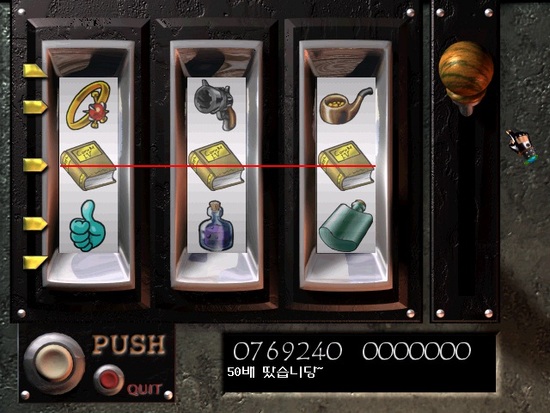
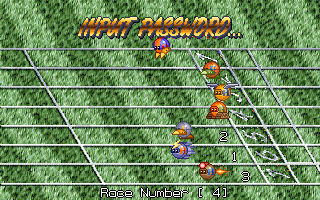
Still Hunt also has some of the most odd copy protections. It comes in form of a robot race, where the player has to bet on the winning robots to enter the game.
Character Artwork
Cover Art
|
Still Hunt (PC-DOS)
|
Still Hunt (PC-DOS)
|
Still Hunt (PC-DOS)
|
Still Hunt (PC-DOS)
|
Still Hunt (PC-DOS)
|
Still Hunt (PC-DOS)
|
|
|
|
Arcade Games (1997)
|
|
코룸: 저주 받은 땅 (Corum: Jeoju Badeun Ttang) / Corum: Legend of Anpnentria - Windows (April 1997)
Corum (Windows)
|
Corum (Windows)
|
Corum (Windows)
|
|
Cover
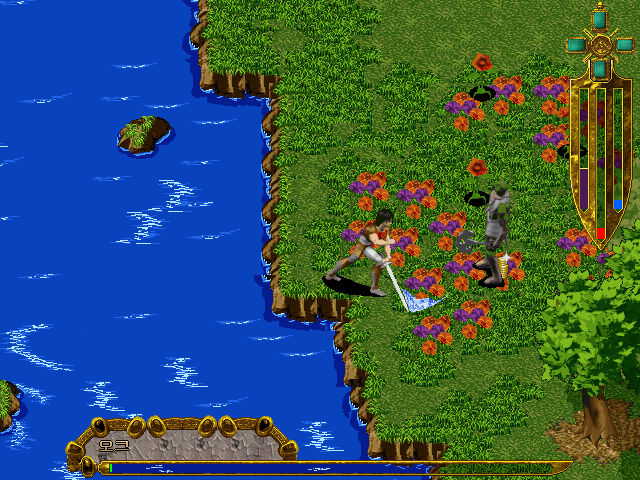
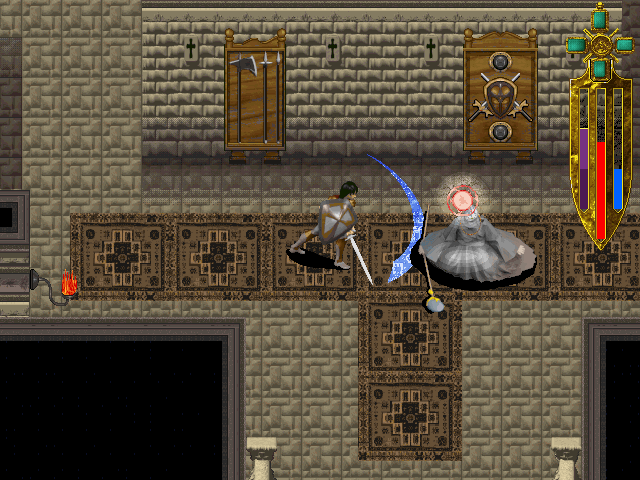
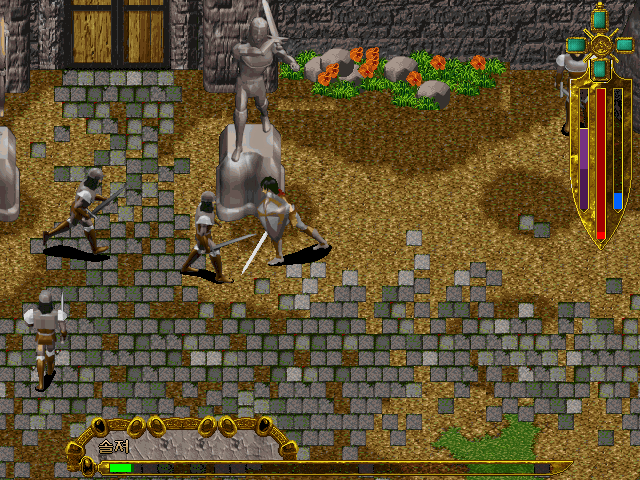
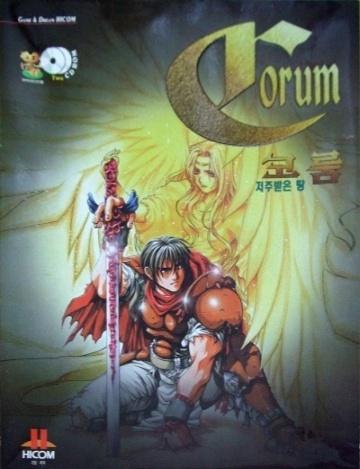
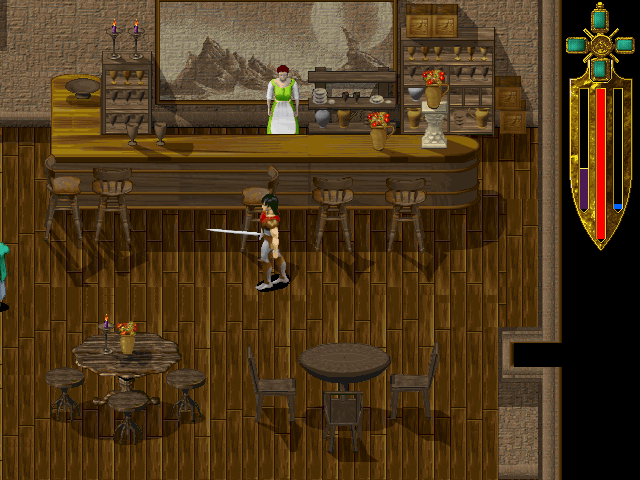
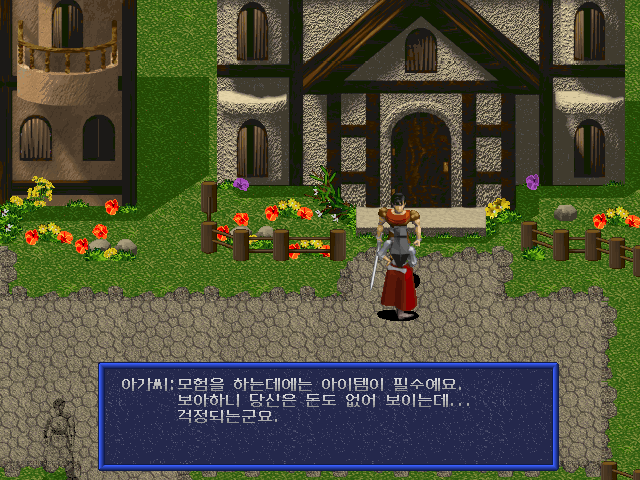
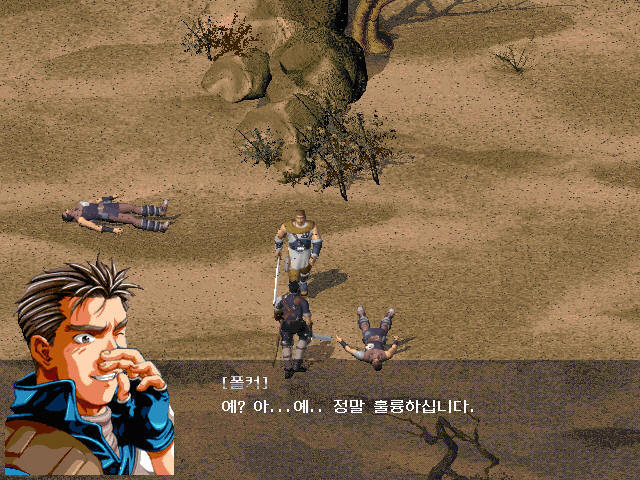
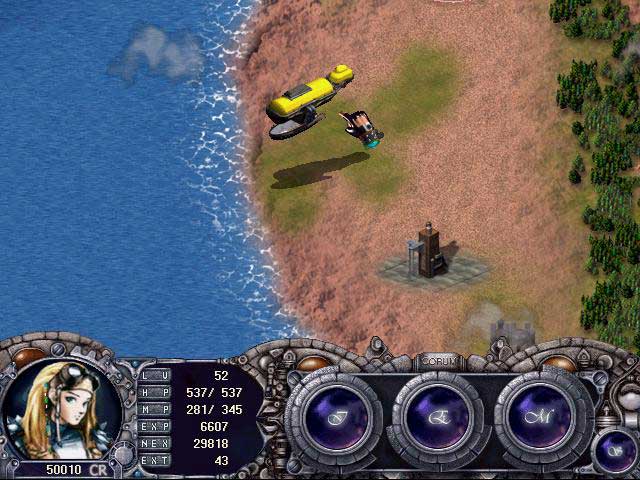
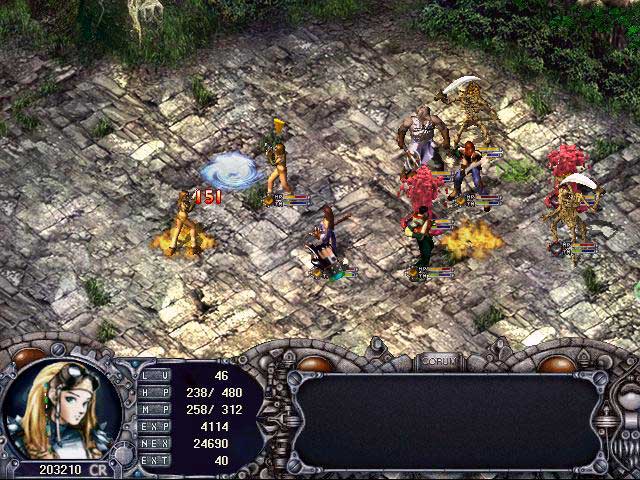
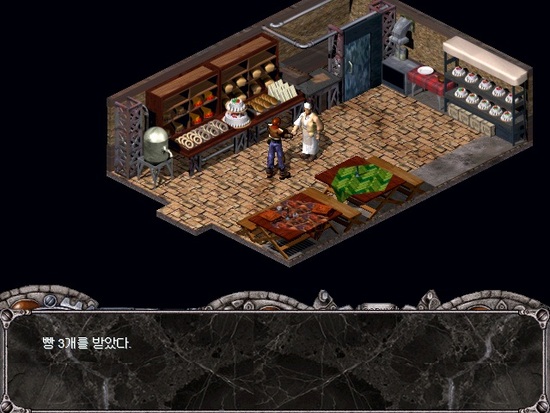
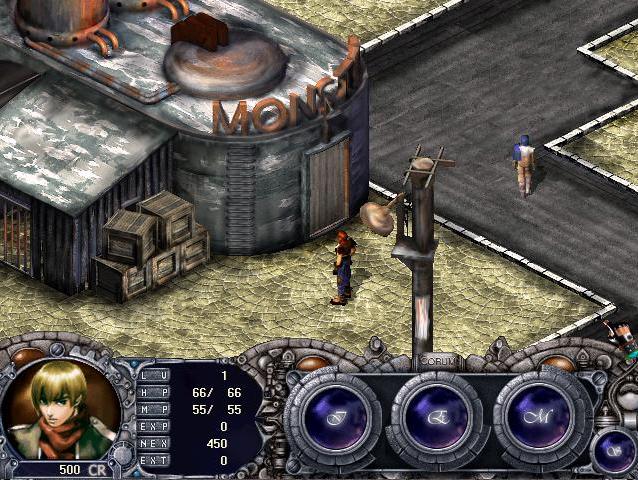
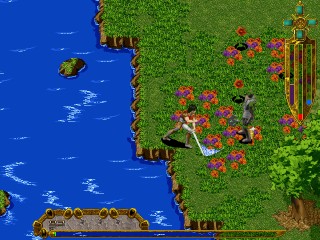
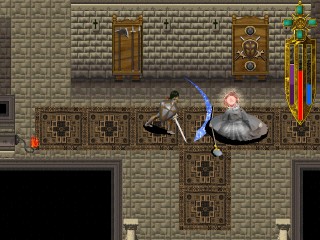
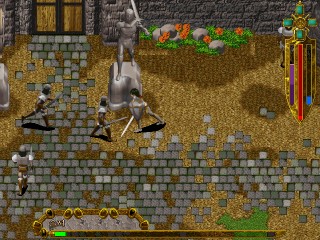
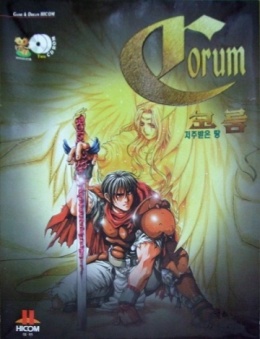
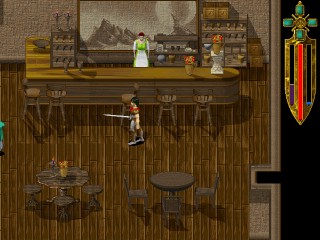
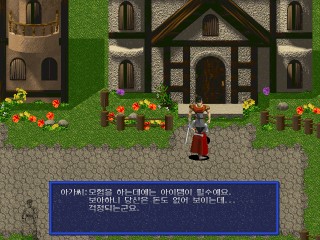
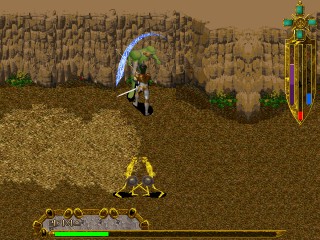
With Corum, HiCom's internal Saver Team created what would become Korea's third most successful RPG series after The War of Genesis and Astonishia Story. A fact not that easy to understand when having a try at the series' first entry, as it feels quite unpolished.
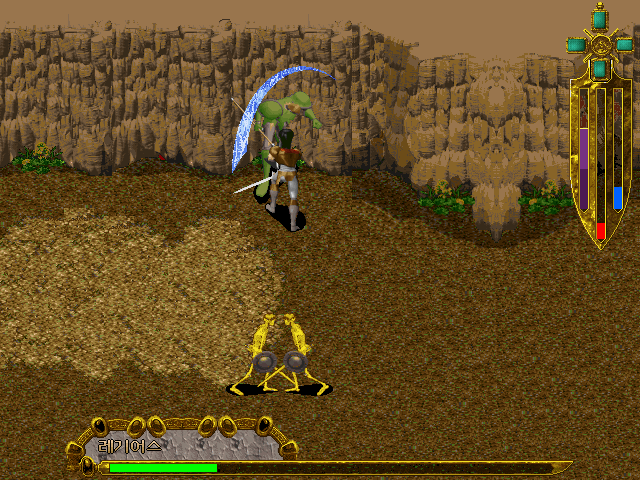
The story about a warrior that seeks revenge on the evil lord that has slaughtered his entire village is a beaten horse, but where the game falls flat the most is its action battle system. There's a severe lack of variety, as the hero only knows no offensive moves other than a standard combo and a dash attack. A block button is supposed to bring more depth to the fighting, but it puts the player in a worse situation more often than not, so a combination of evasion and button mashing is always more effective, the incredibly stupid AI takes care of the rest. Even the bosses seem ridiculously easy at first, that is until they switch into near-invincible mode, which requires hours of grinding to even be able to touch them at this state. There are also only three different weapon types, swords, halberds and (utterly useless) bows. Funny enough, there is a bar that recharges in between attacks and determines the strength of the next stroke, much like in Final Fantasy Adventure on the classic Game Boy.
The graphics are... weird. Everyone in their right mind should call them hideous, but at times they develope that certain plastic charme only East Asian renderings ever seem to achieve.
|
Corum (Windows)
|
Corum (Windows)
|
Corum (Windows)
|
|
|
|
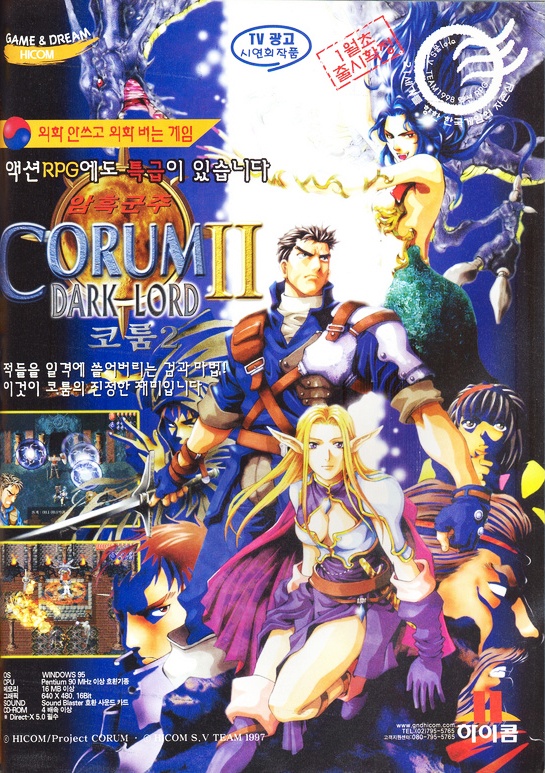
코룸 II (Corum II: Dark Lord) - Windows (January 1998)
|
|
코룸 III: 혼돈의 마법 주마리온 (Corum III: Hondon-ui Mabeop Jumarion) / コルム大陸英雄記 ~混沌の魔法·ジュマリオン~ (Corum Tairiku Eiyuu Ki: Konton no Mahou Jumarion) / Corum III: Chaotic Magic - Windows, BeOS (February 1999)
Corum III (Windows)
|
Corum III (Windows)
|
Corum III (Windows)
|
Corum III (Windows)
|
Corum III (Windows)
|
Corum III (Windows)
|
|
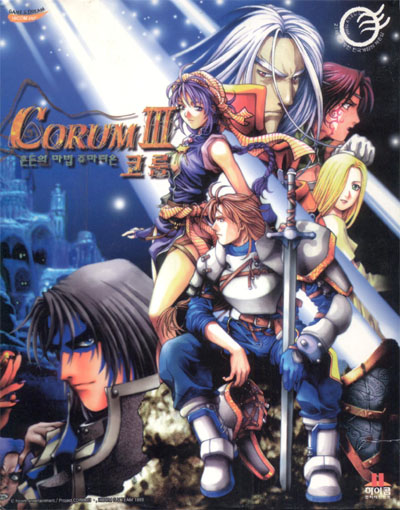
Korean Cover
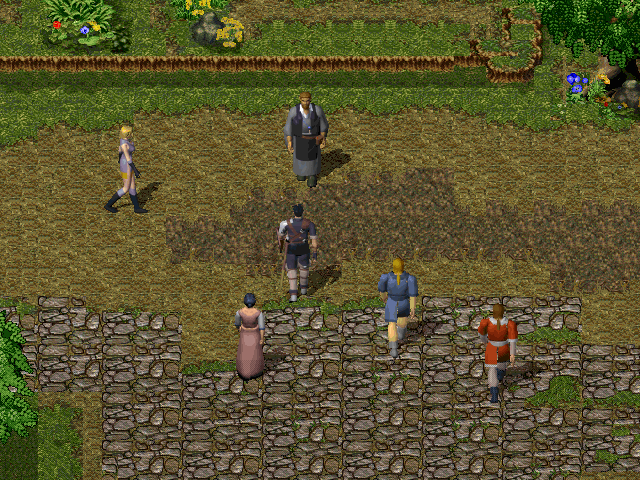
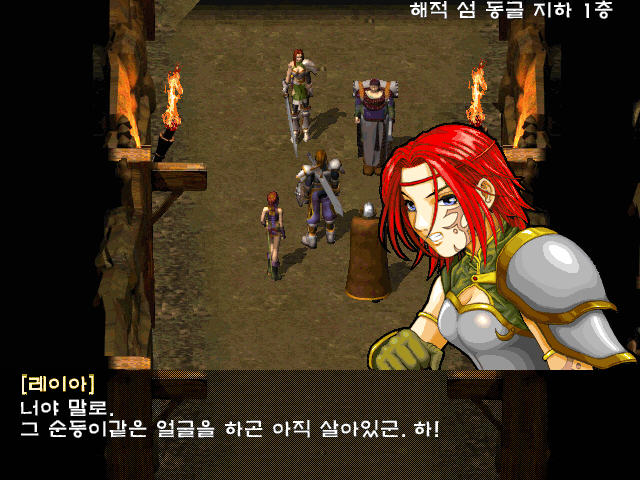
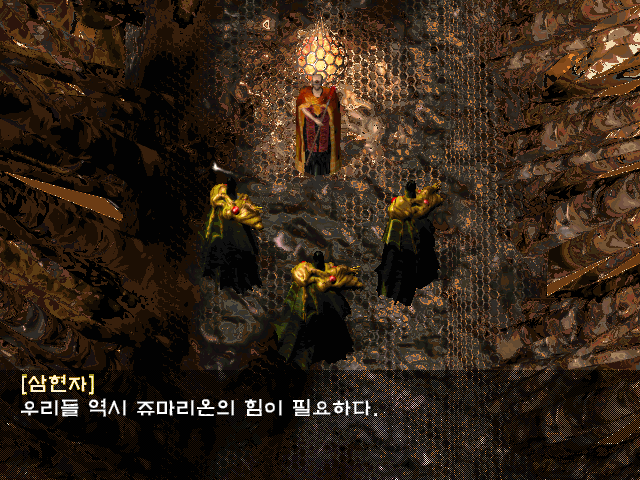
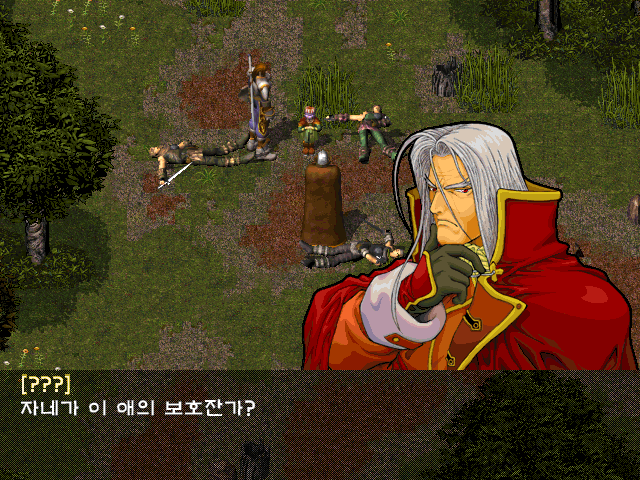
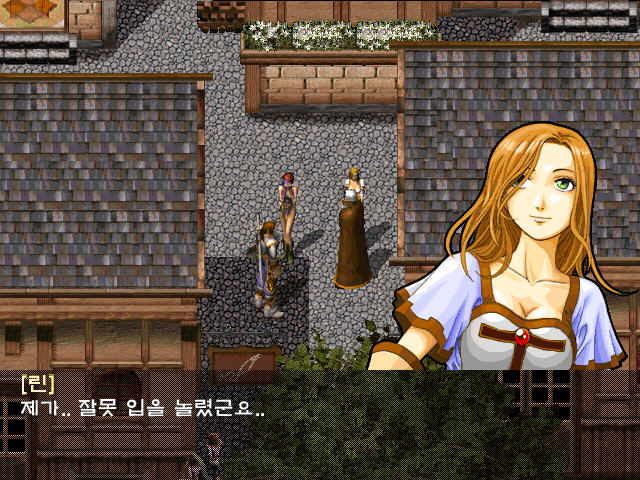
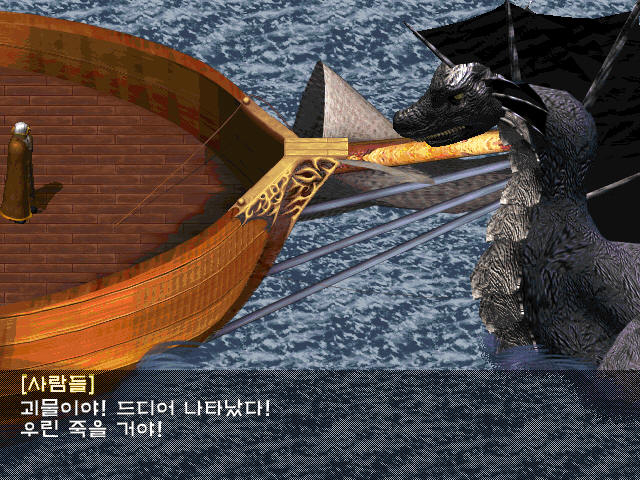
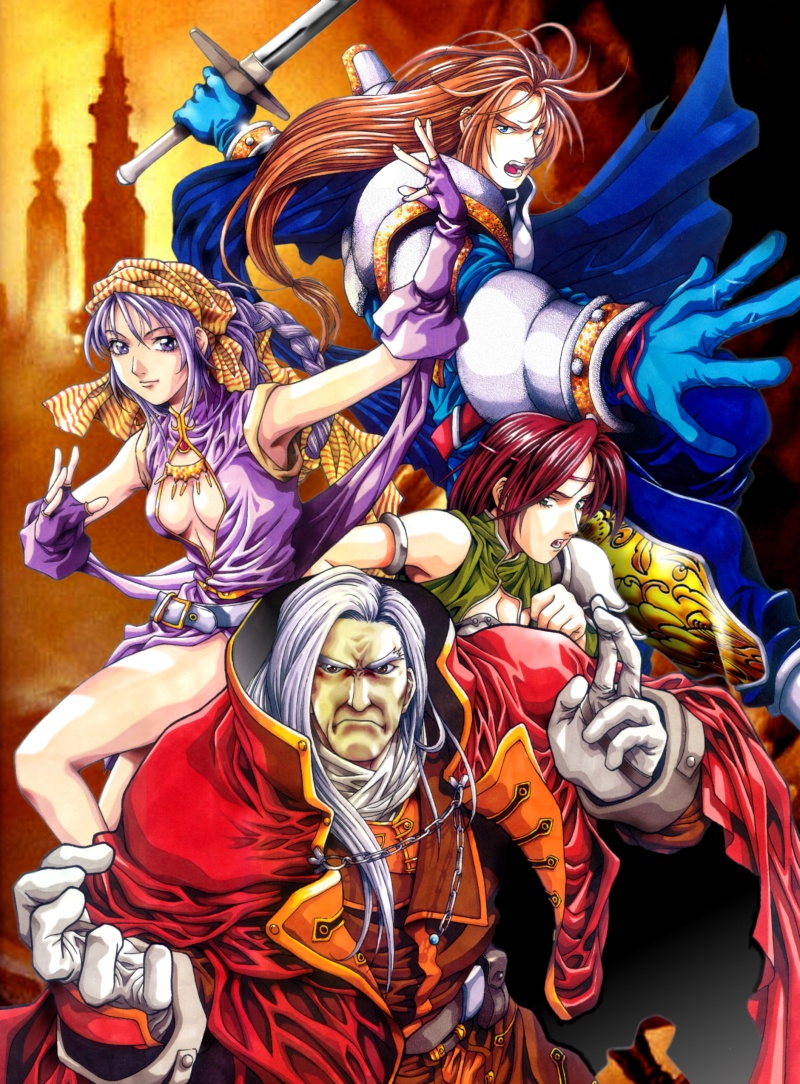
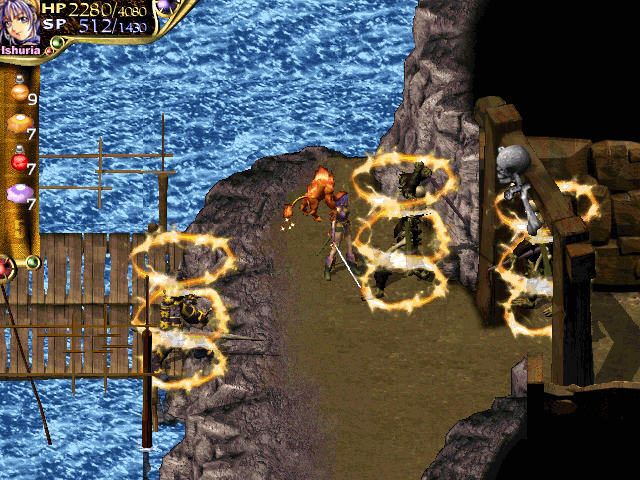
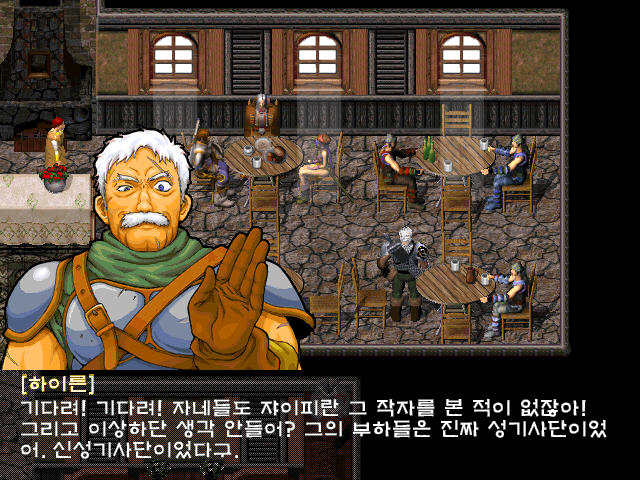
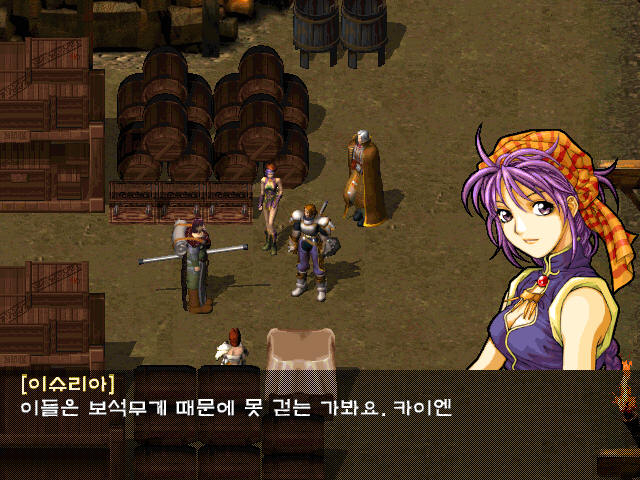
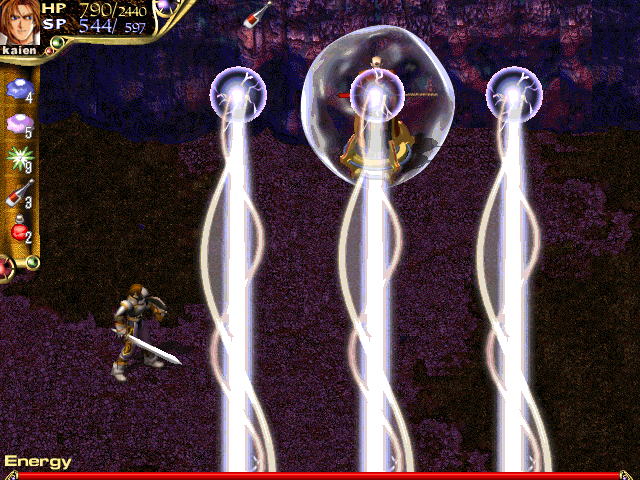
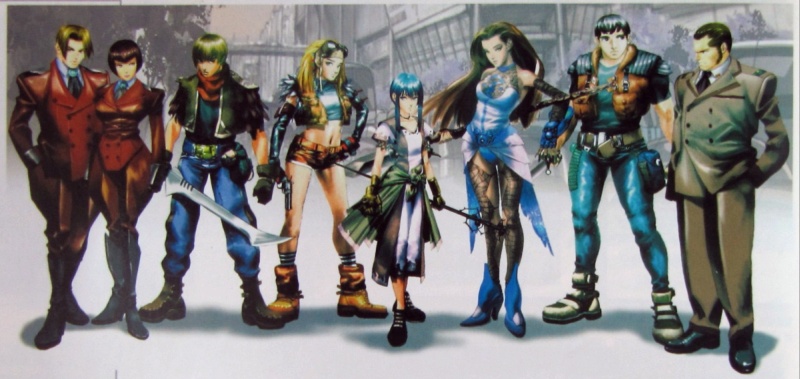
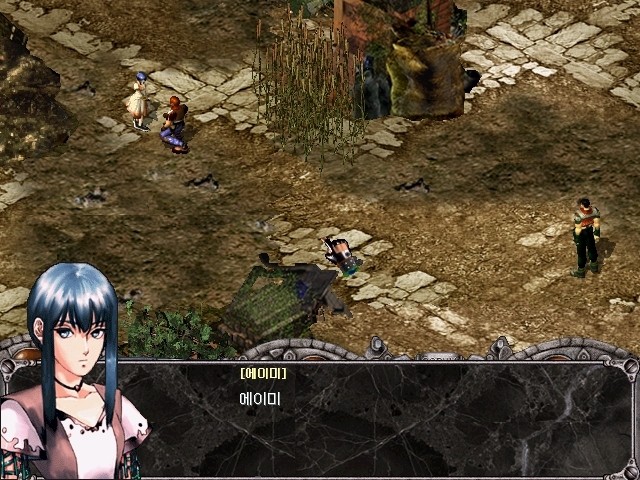
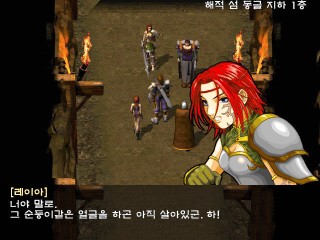
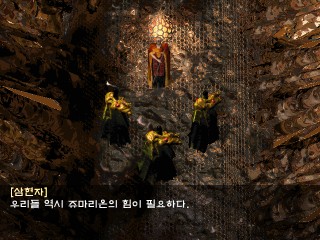
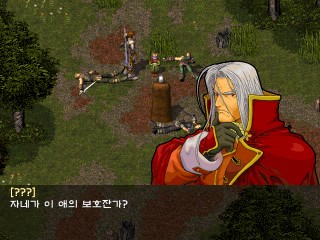
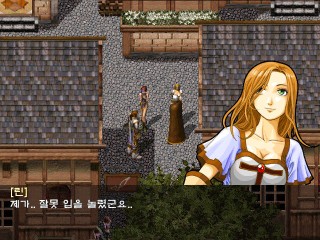
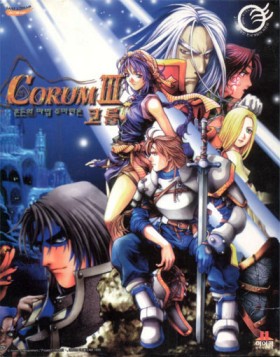
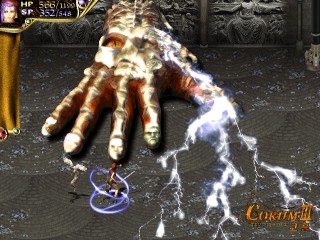
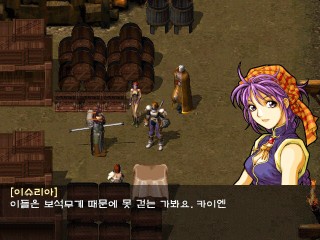
The final part of the trilogy makes the other two almost look like beta versions of games in comparison. To begin with, the story appears much less stereotypical than before. Three mythical sages seek to bring balance to the world by unleashing the power of an ancient magical artefact, the Jumarion. As they can't seize it themselves, they seek out the help of a mortal mage, who longed for the artifact all his life, and leaves a less than thrustworthy impression. Of all this the young knight Kaien knows nothing when he embarks on his pilgrimage. Rather he has to deal with a bunch of supersticious villainers and an alledgedly cursed little girl with a really strange personality...
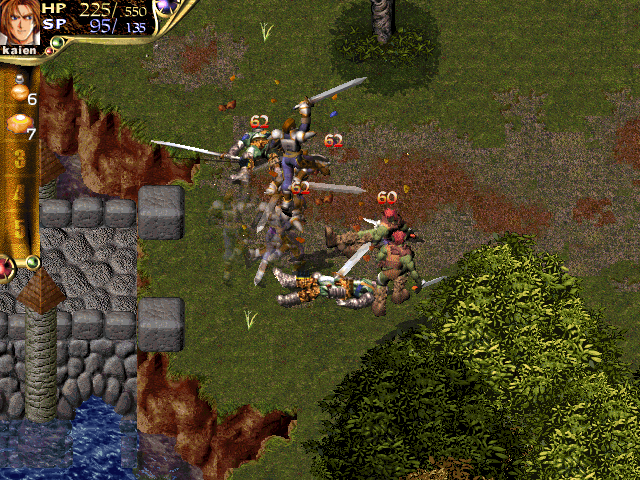
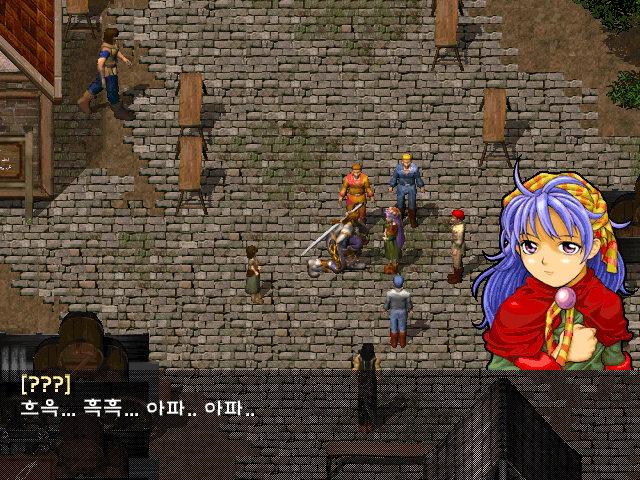
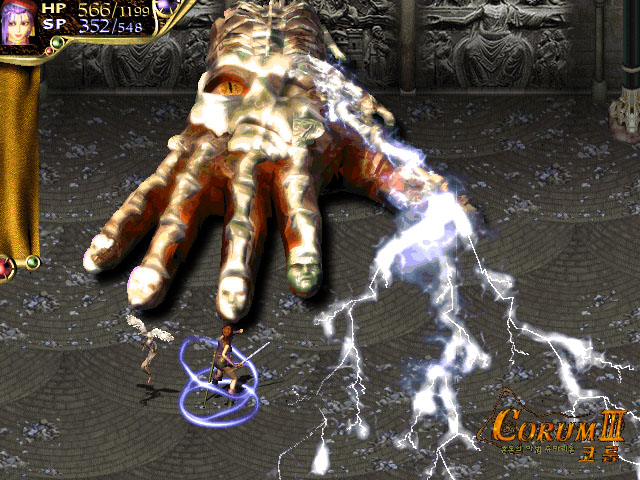
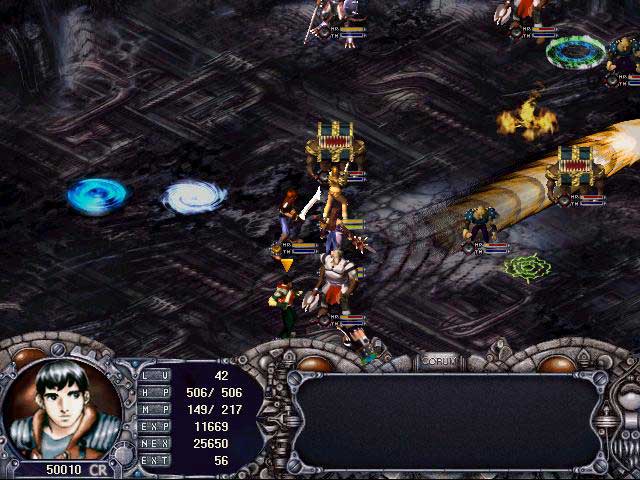
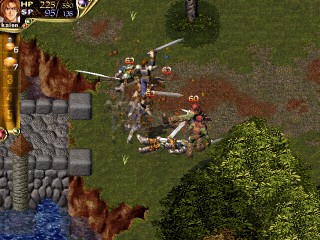
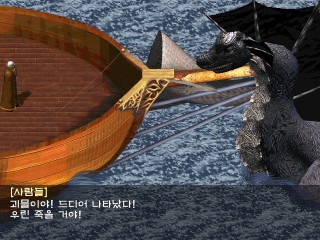
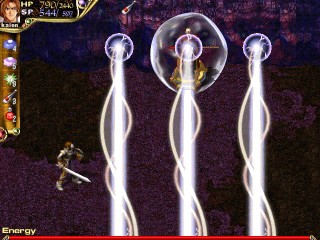
For the first time the prerendered graphics are rather good-looking, though they still appear sterile. The combat system has also been improved greatly and now stands nothing short of the greatest of beat 'em up-esque ARPGs like Terranigma or Story of Thor. Magic has never been a strength of the Corum series. Now some of the spells actually come in form of special moves that have to be executed during combos, making their usage much more natural.
During the course of the game, Kaien gathers a party of three characters overall. Rather than fighting at the same time at his side, they're available to the player to switch in between them during the game. It goes without saying that each of them comes with their individual strengths and weaknesses.
Unusual for action RPGs, Corum III comes with a network version. The three playable characters would have suited well for cooperative play, but instead the game offers several arena modes, as well as a dungeon rush. It is a nice extra, but amounts to little more than a gimmick in the end.
The music is by far the best in the series as well. The game was originally released on three CDs, whith the last one entirely dedicated to the CD-audio sountrack. Did the first two games suffer from a rather small selection of songs available, Corum III got the right tune for every mood.
Altogether, Corum III may be the best single player action RPG ever developed in Korea, and it was a loss for Germany that this was passed for a localization in favor of its still rather unpolished predecessor. This time Japan got more lucky, as Bothtec provided a translated version over there. The most funny and at the same time most sad thing is, Corum III actually made it to the US, yet hardly anyone ever got to play it there as the localization was handled by Gobe Software, then publisher of BeOS. Thus the game was only available for that not exactly widespread operating system.
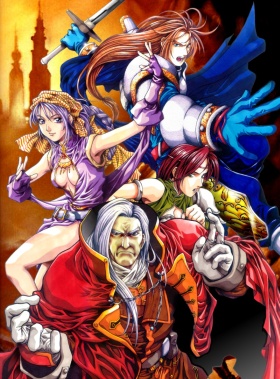
Artwork
|
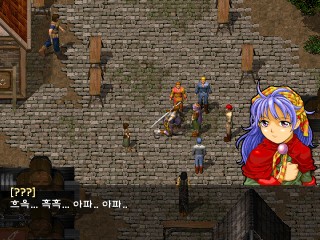
Corum III (Windows)
|
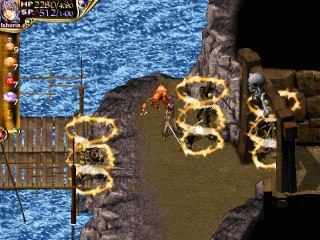
Corum III (Windows)
|
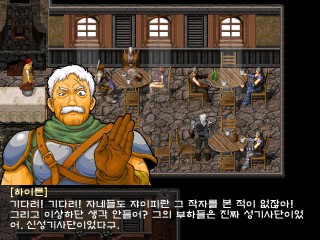
Corum III (Windows)
|
Corum III (Windows)
|
Corum III (Windows)
|
Corum III (Windows)
|
|
|
|
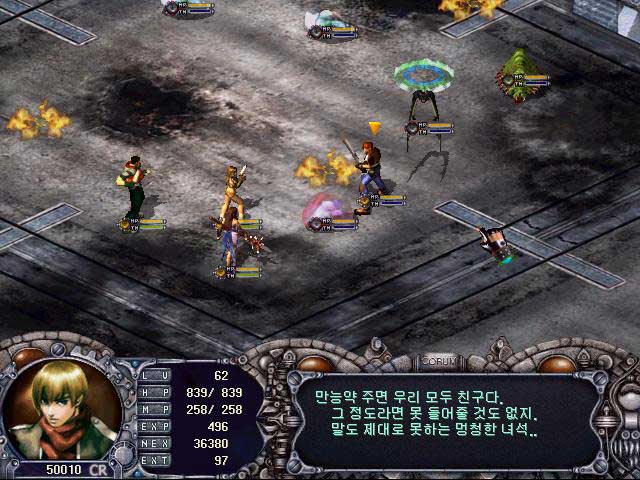
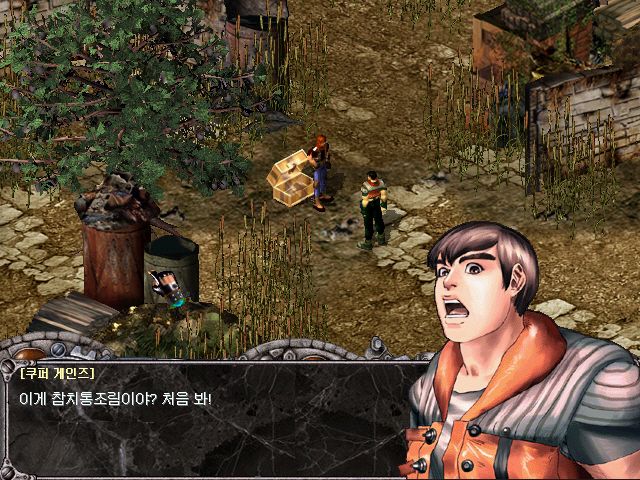
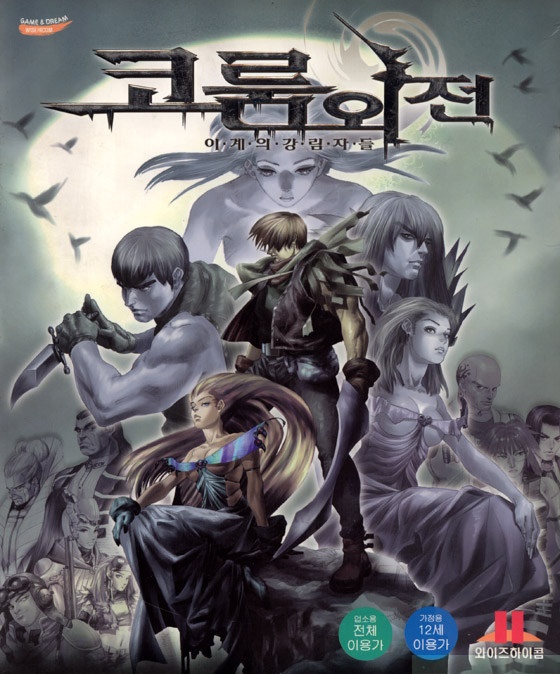
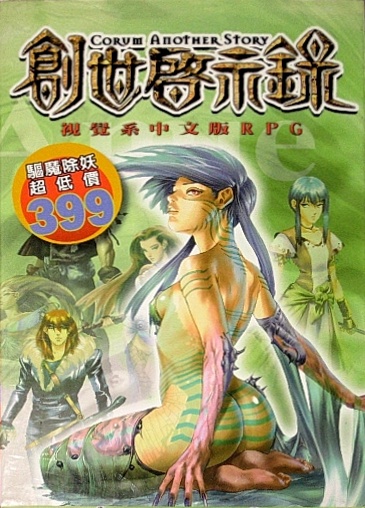
코룸 외전: 이계의 강립자들 (Corum Oejeon: Igye-ui Gangnipja-deul) / Corum Side Story / Corum Another Story - Windows (December 1999)
|
|
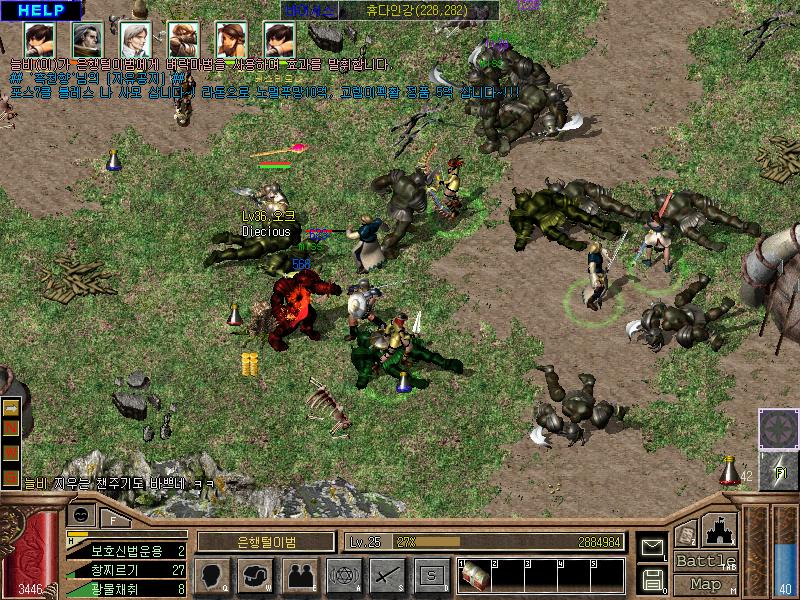
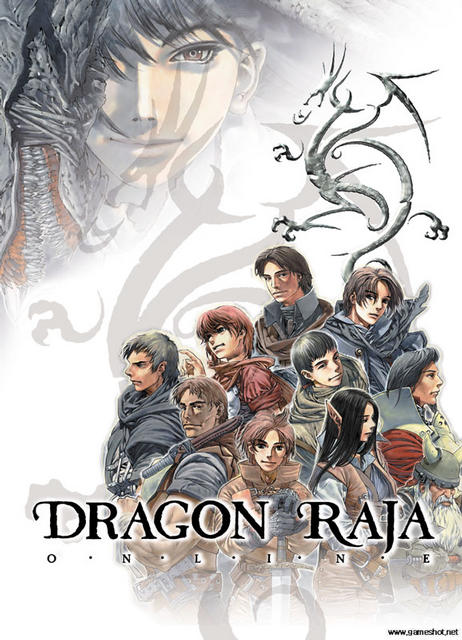
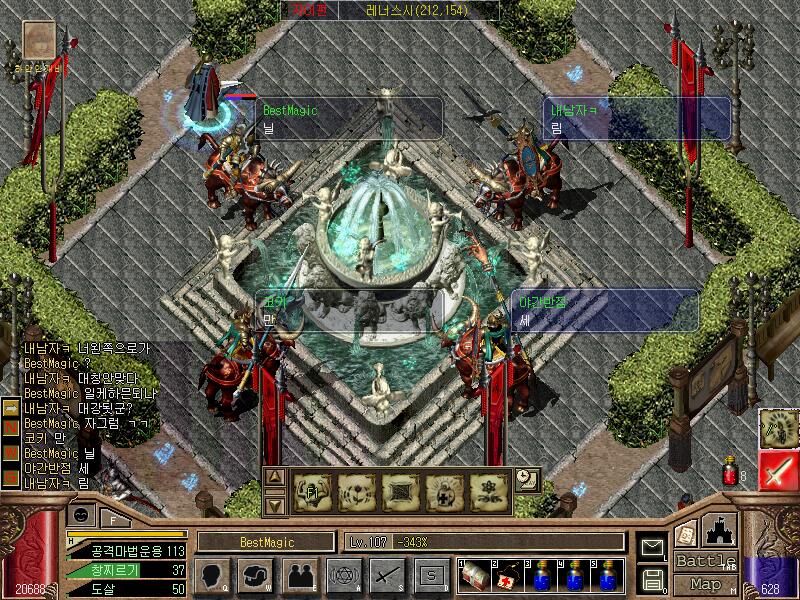
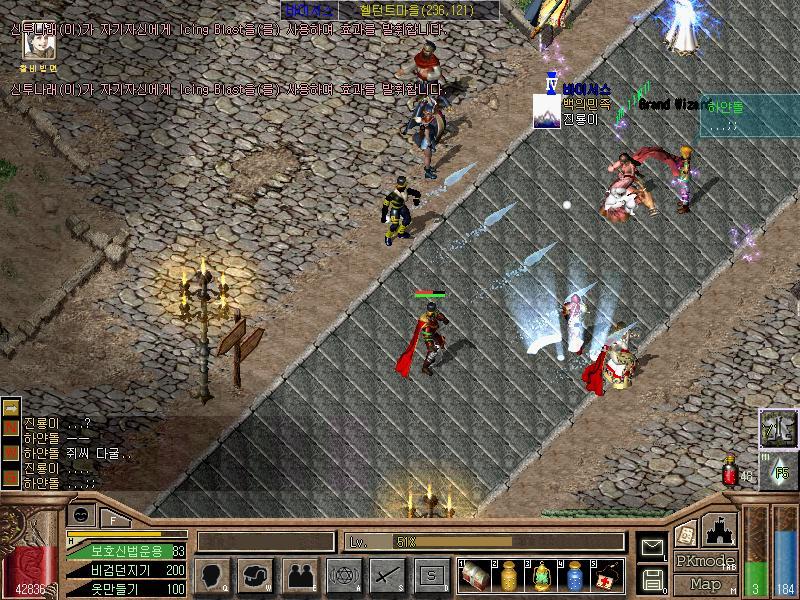
드래곤라자 (Dragon Raja) - Windows (April 14th, 2000[open beta]; June 16th, 2000)
|
|
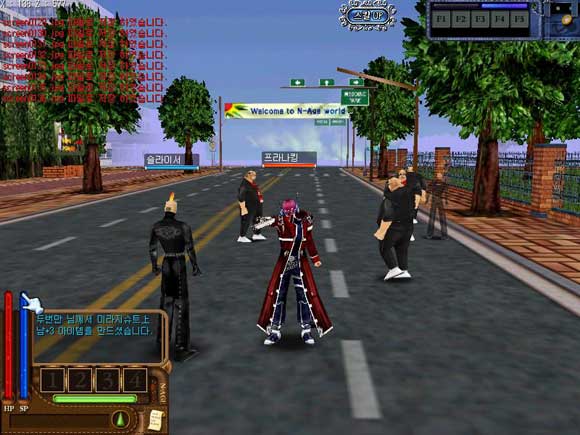
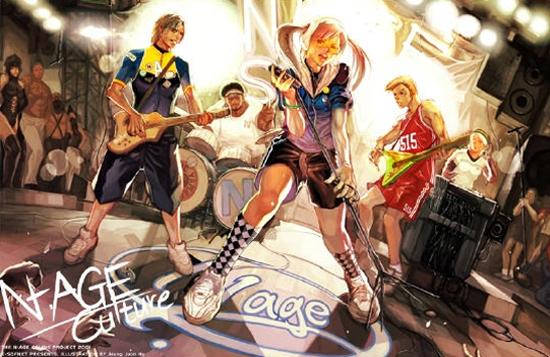
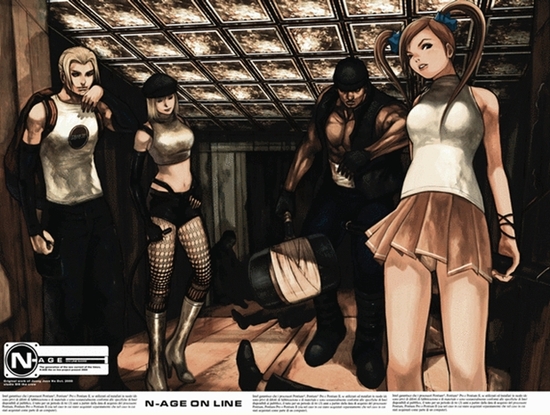
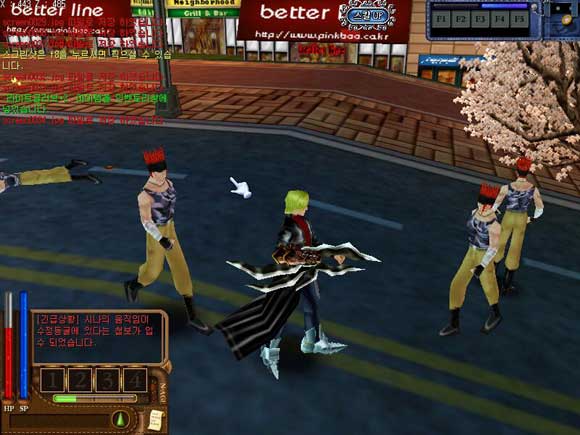
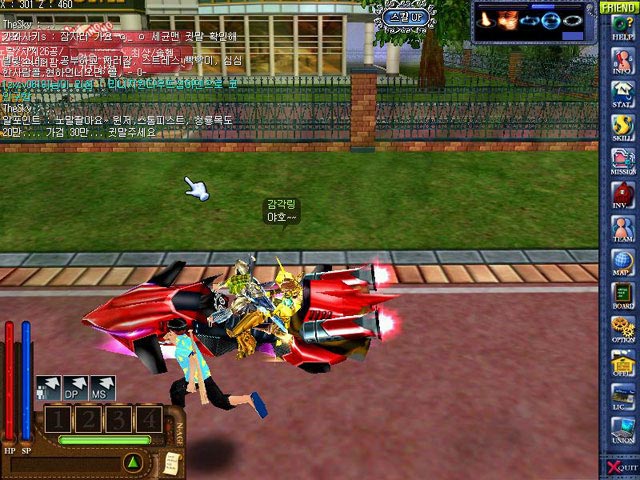
N-Age (엔에이지) - Windows (February 24th, 2001 [open beta]; October 1st, 2002)
|
|
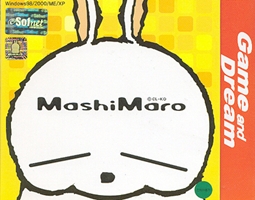
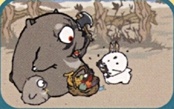
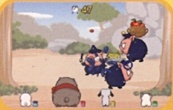
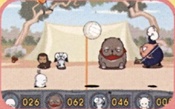
MashiMaro (마시마로) - Windows (December 23rd, 2002)
|
|
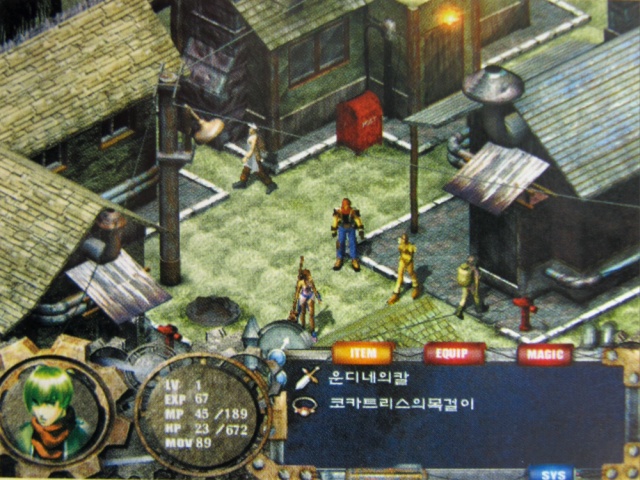
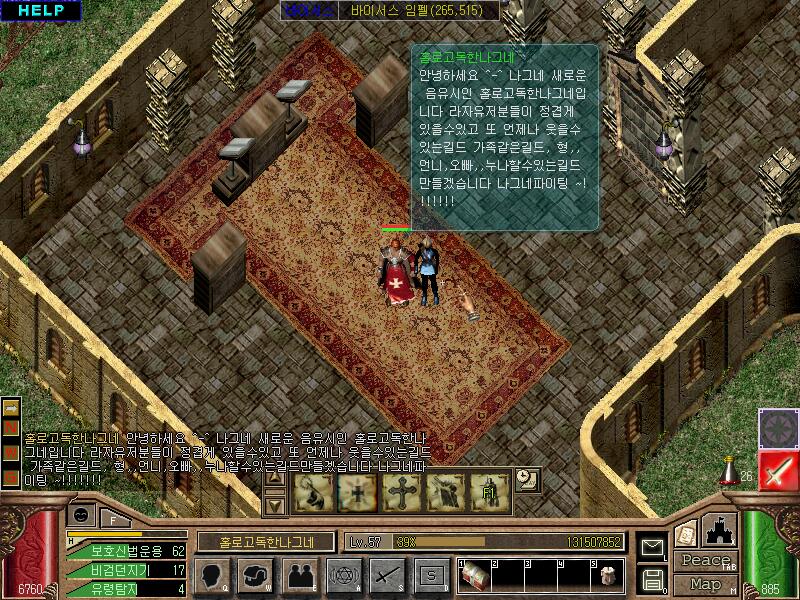
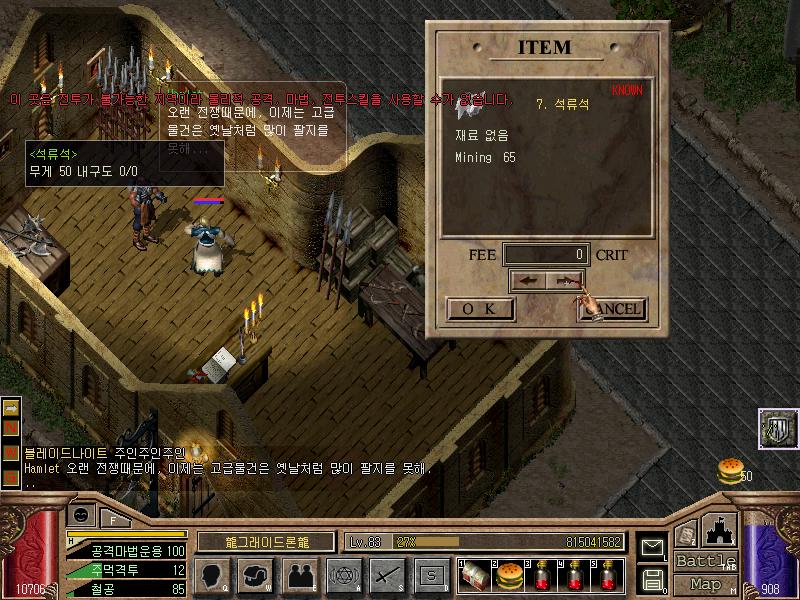
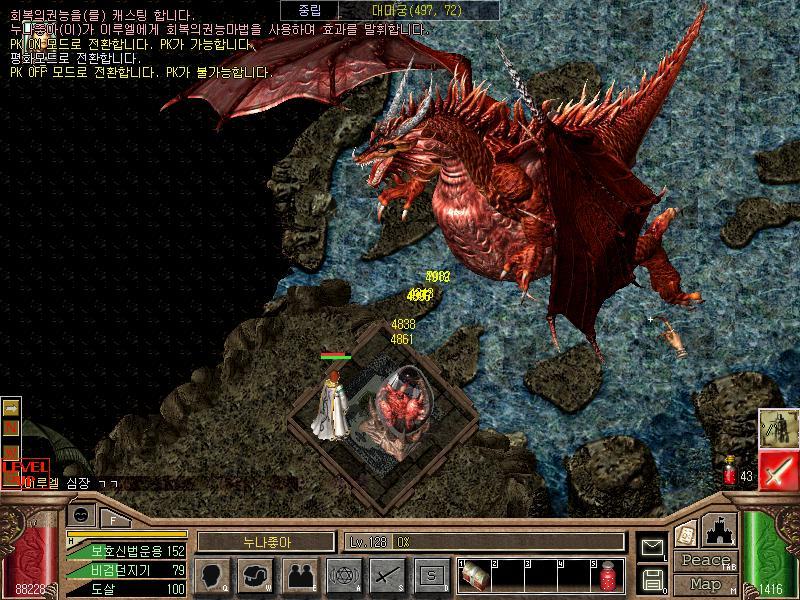
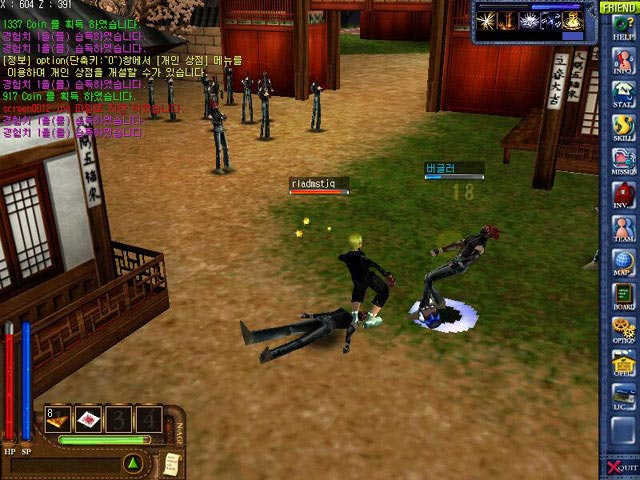
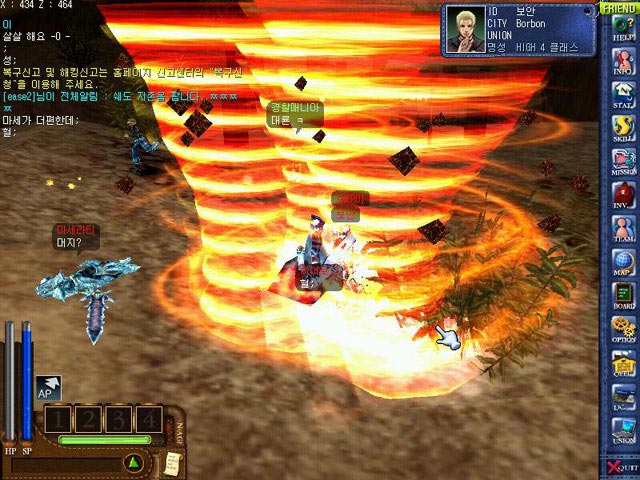
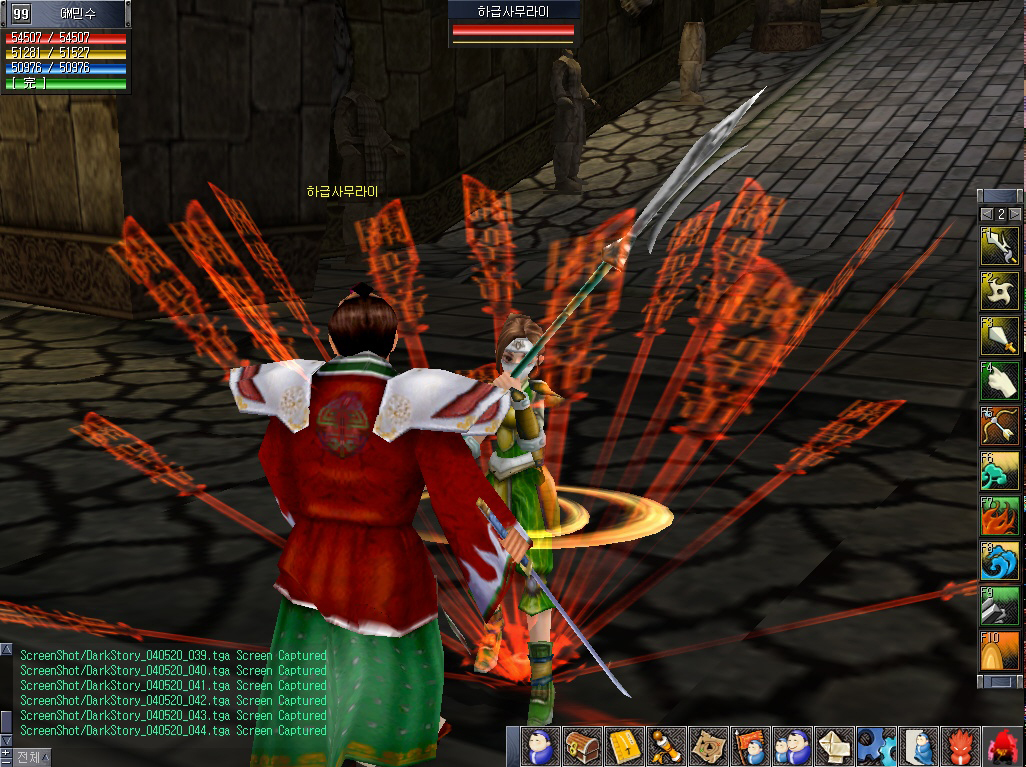
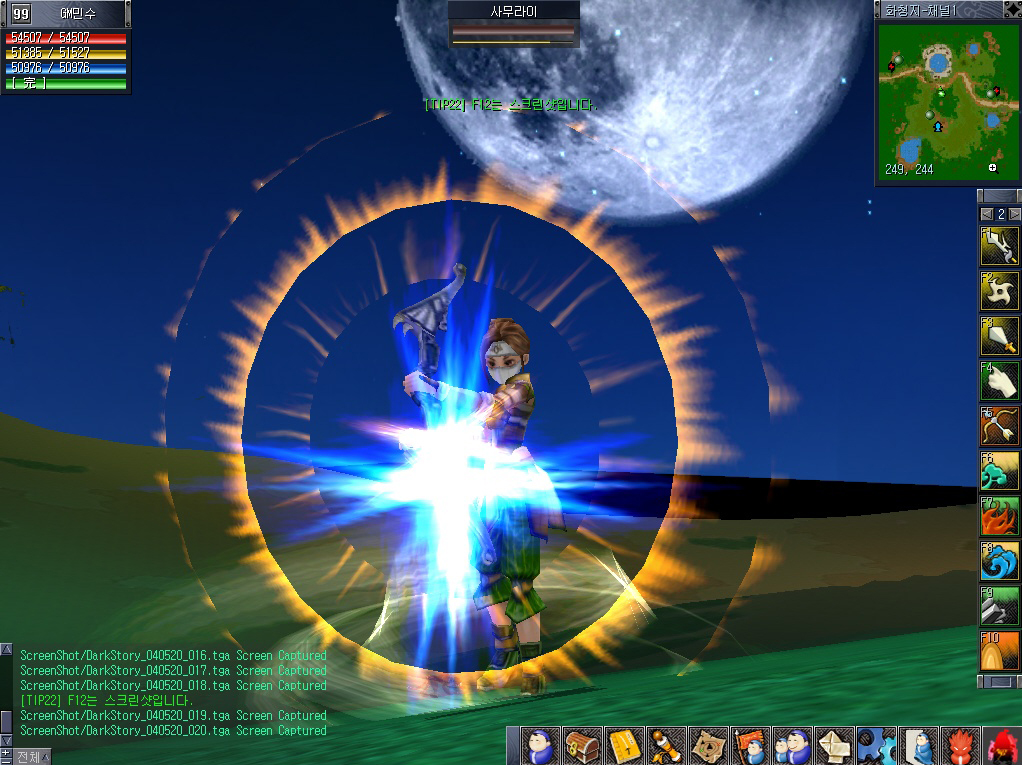
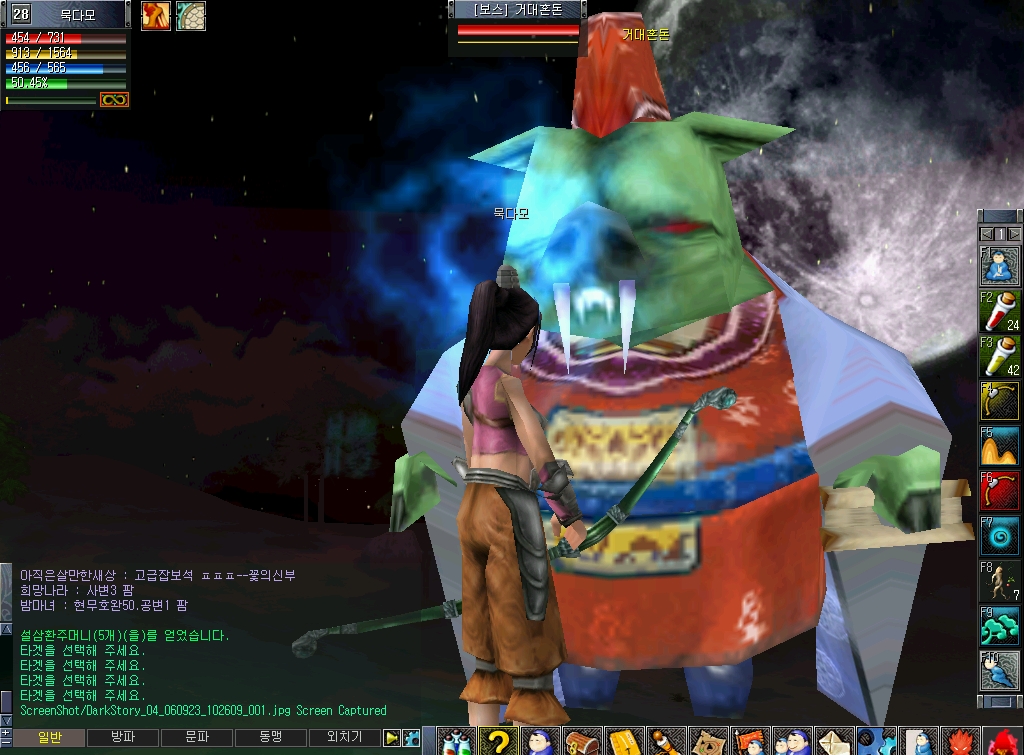
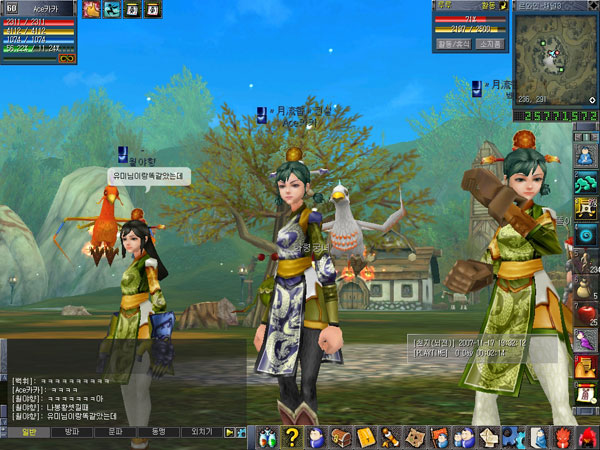
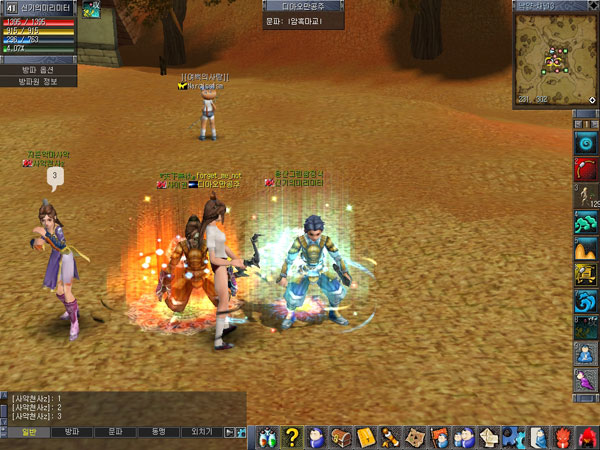
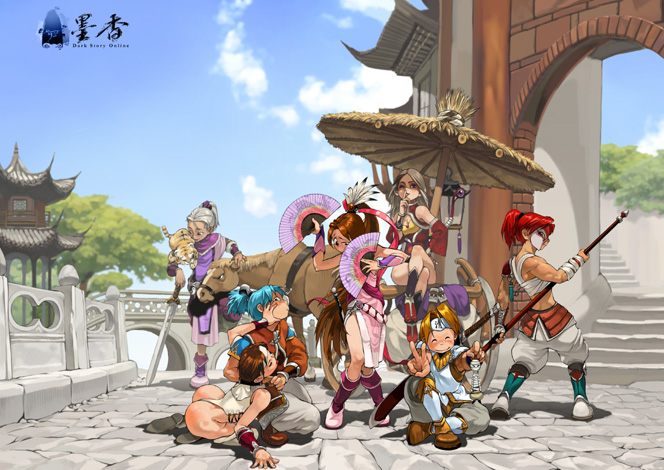
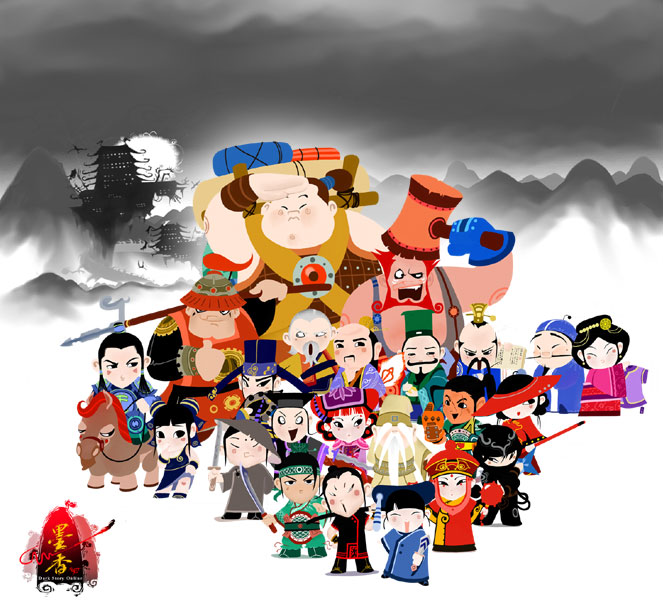
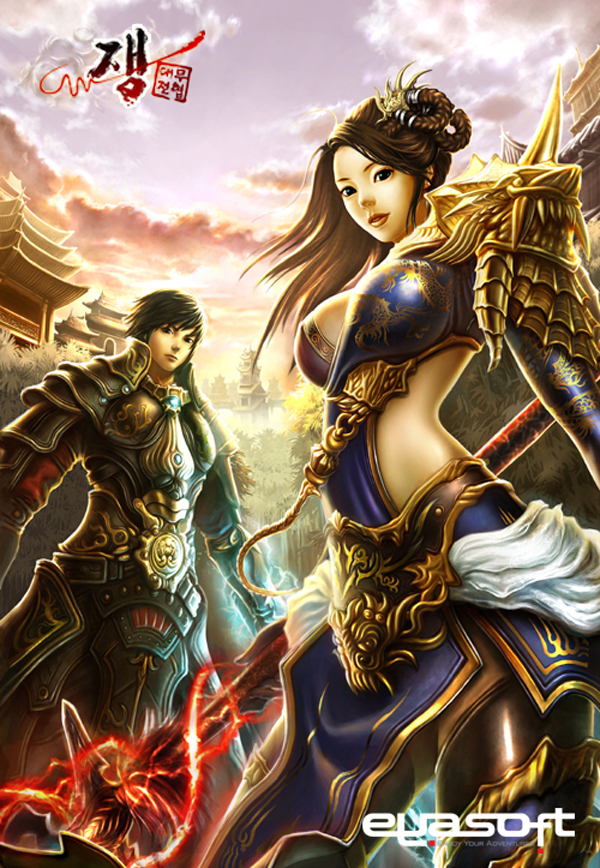
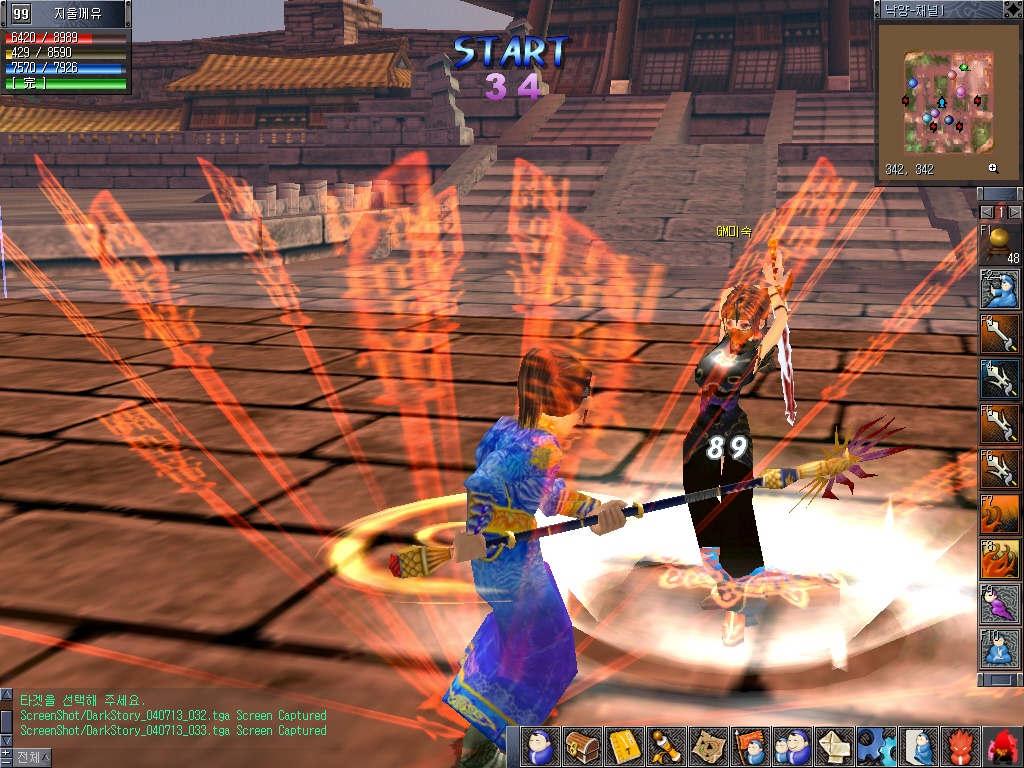
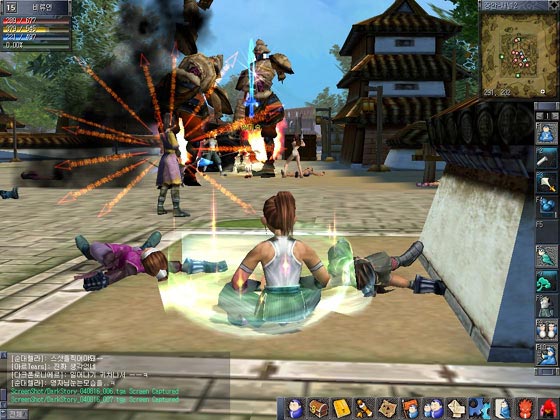
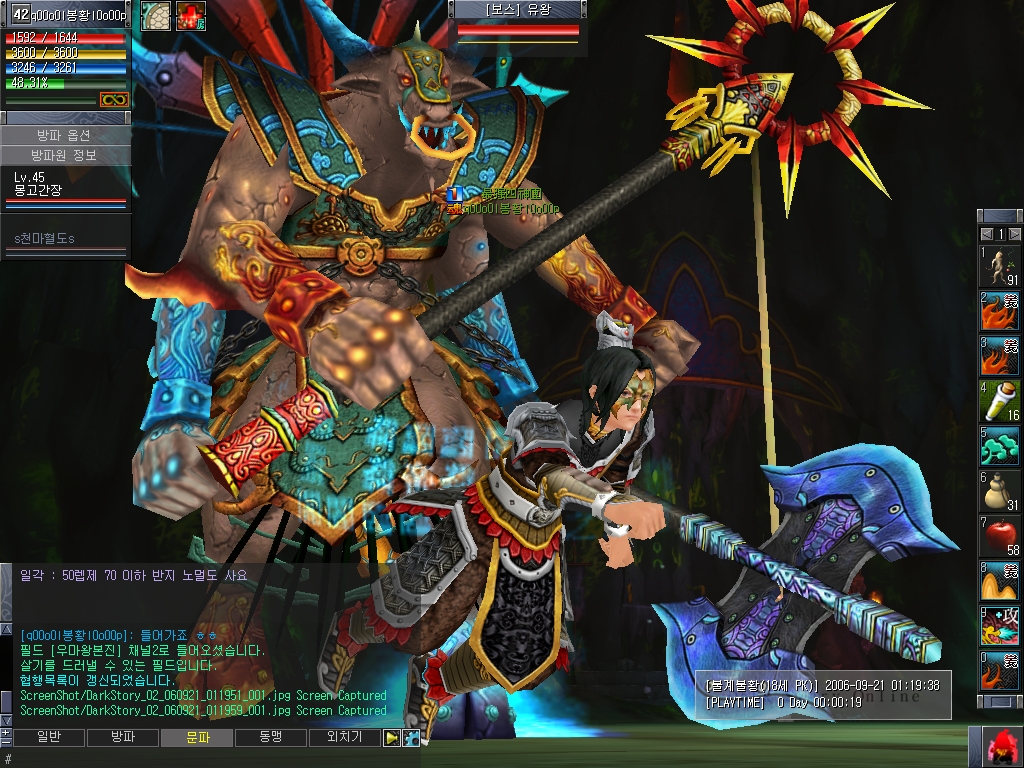
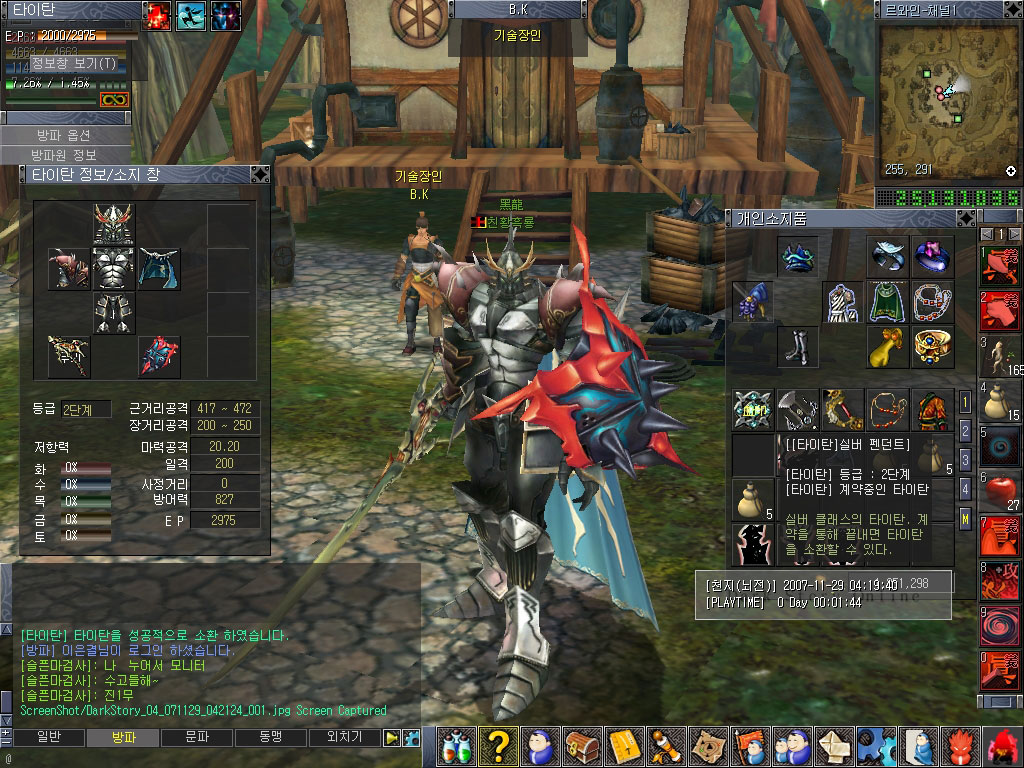
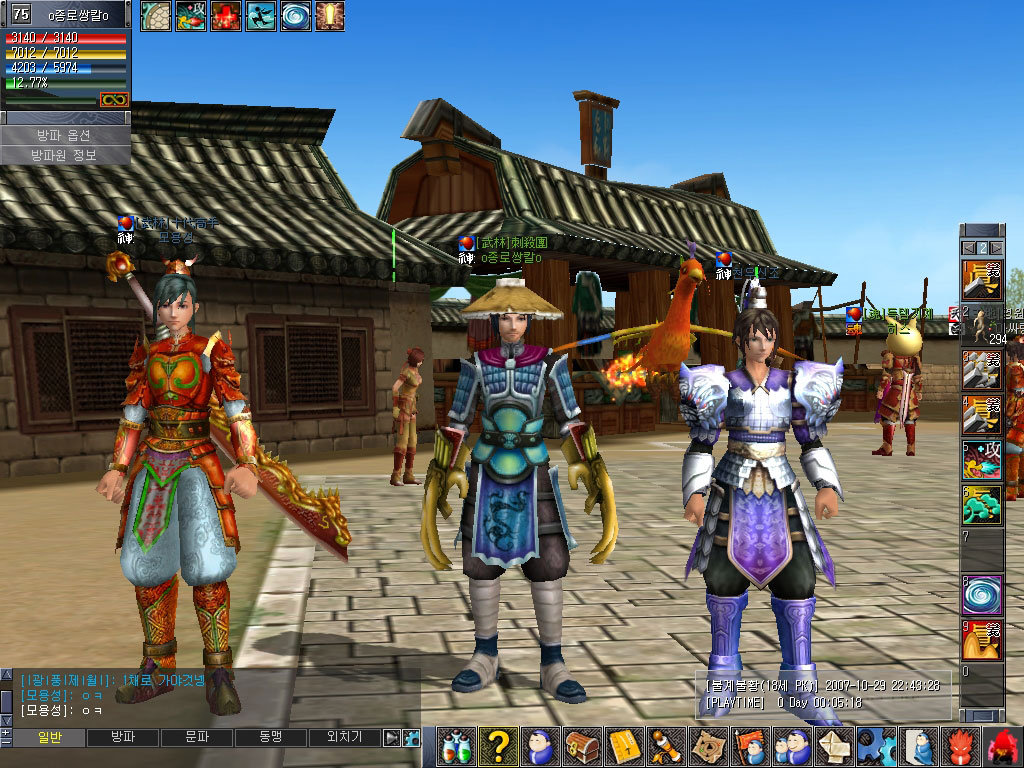
墨香 (묵향, Mukhyang) / Dark Story Online / Titan Online (타이탄온라인) / 무협대전쟁 (Muhyeop Daejeon Jaeng) - Windows (June 2003 [open beta]; November 16th, 2007)
|
|
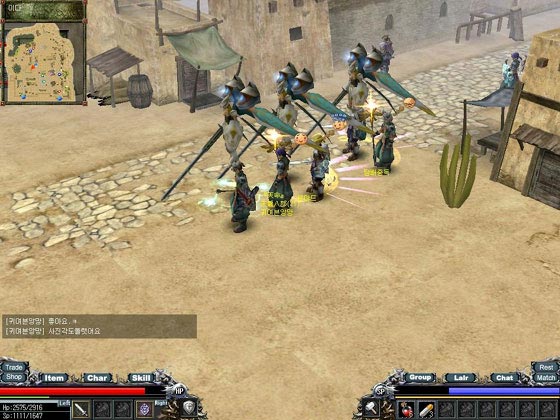
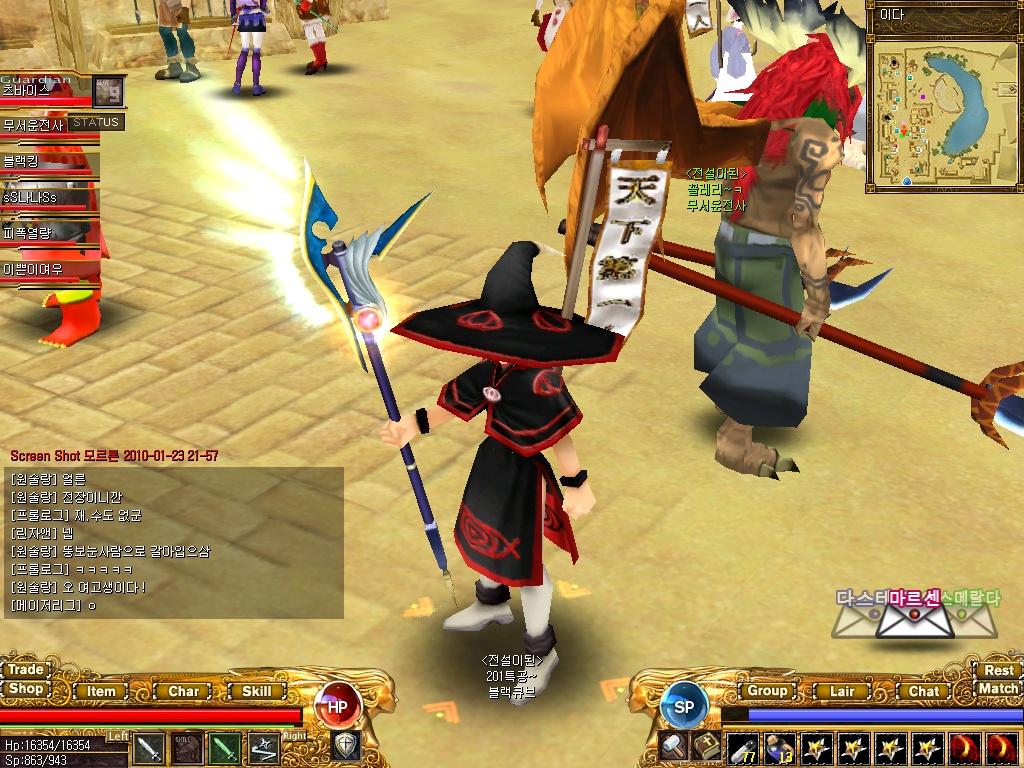
코룸온라인 (Corum Online) - Windows (October 1st, 2003 [open beta]; August 2004)
|
파워볼 AD2001 (Power Ball AD2001) (1994-1995)
If (이프) (1995-1996)
Crash Dive (1997-1998)
Corum 4 (1999)
Ys Online (2004)
|
References
1. E-Sofnet Company History August 2002
2. Amuseworld 7/1998, page 86
2. PC Champ 10/1998, page 148
4. PC Power Zine 12/1999, page 184
5. Esofnet Company History
6. Interview with Jason Park
7. http://ruliweb.daum.net/ruliboard/read.htm?table=game_online&num=32704
8. http://www.gameshot.net/common/con_view.php?code=GA4d6da97523d1e
9. http://media.daum.net/cplist/view.html?cateid=100000&cpid=85&newsid=20110303184328570&p=gamedonga
|
A History of Korean Gaming
|
|