
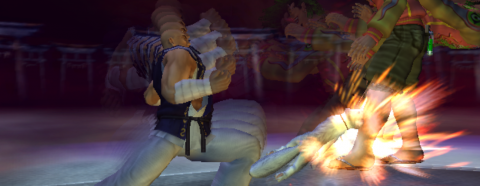
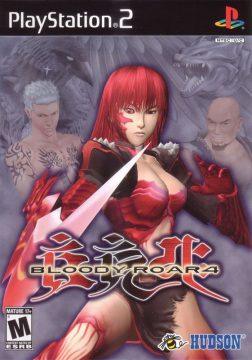
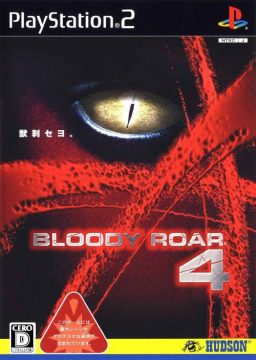
It could have been anything, really. Maybe it was series fatigue, or just the general slump fighting games went through in the mid 2000s. It could have been mismanagement from Konami, who ended up acquiring Hudson Soft around the game’s release. Maybe, just maybe, Bloody Roar 4 just wasn’t that good, and people took notice. Whatever the case, it’s the game may have well killed the series for good.
The game’s story continues from where BR3 left off, disregarding Primal Fury entirely. Earthquakes and violence between zoanthropes has been sharply increasing across the planet, even despite the defeat of the Unborn in the previous game. This is all part of its machinations, including possessing Xion once more and taking control of a new zoanthrope. The Unborn plans to kill a monk bearing the power of Gaia, the spirit of the earth, in order to destroy it and overtake the world. The rest of the cast find themselves getting dragged into the conflict for various reasons.
Characters
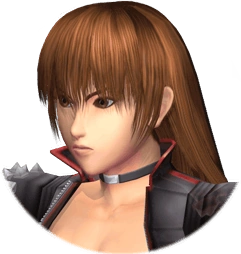
Nagi the Spurious
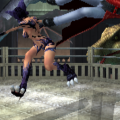
After being mortally wounded in a fight with Xion during Bloody Roar 3, Nagi ends up getting infected by the Unborn as well. She seeks out Xion to get her “original body” back, and in doing so ends up involved in the conflict between it and Gaia. Whatever a “Spurious” is, it’s basically just a human lady with some demon parts on her and a big blade for an arm.
Reiji the Crow
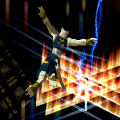
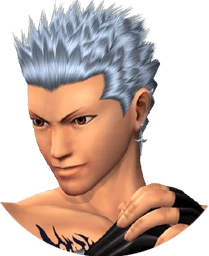
A renegade heir from a clan of zoanthrope fighting monks, Reiji ended up becoming getting his transformation sooner than intended. From there, he immediately decided he wanted to start beating other zoanthropes to death. He’s meant to be another rival to Yugo, but trades Xion’s moral ambiguity and cool outfit for generic edge. He has the same flight mechanic as Jenny, but he gets a lot more moves that let him fight from the air.
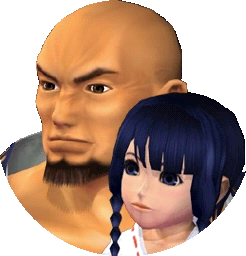
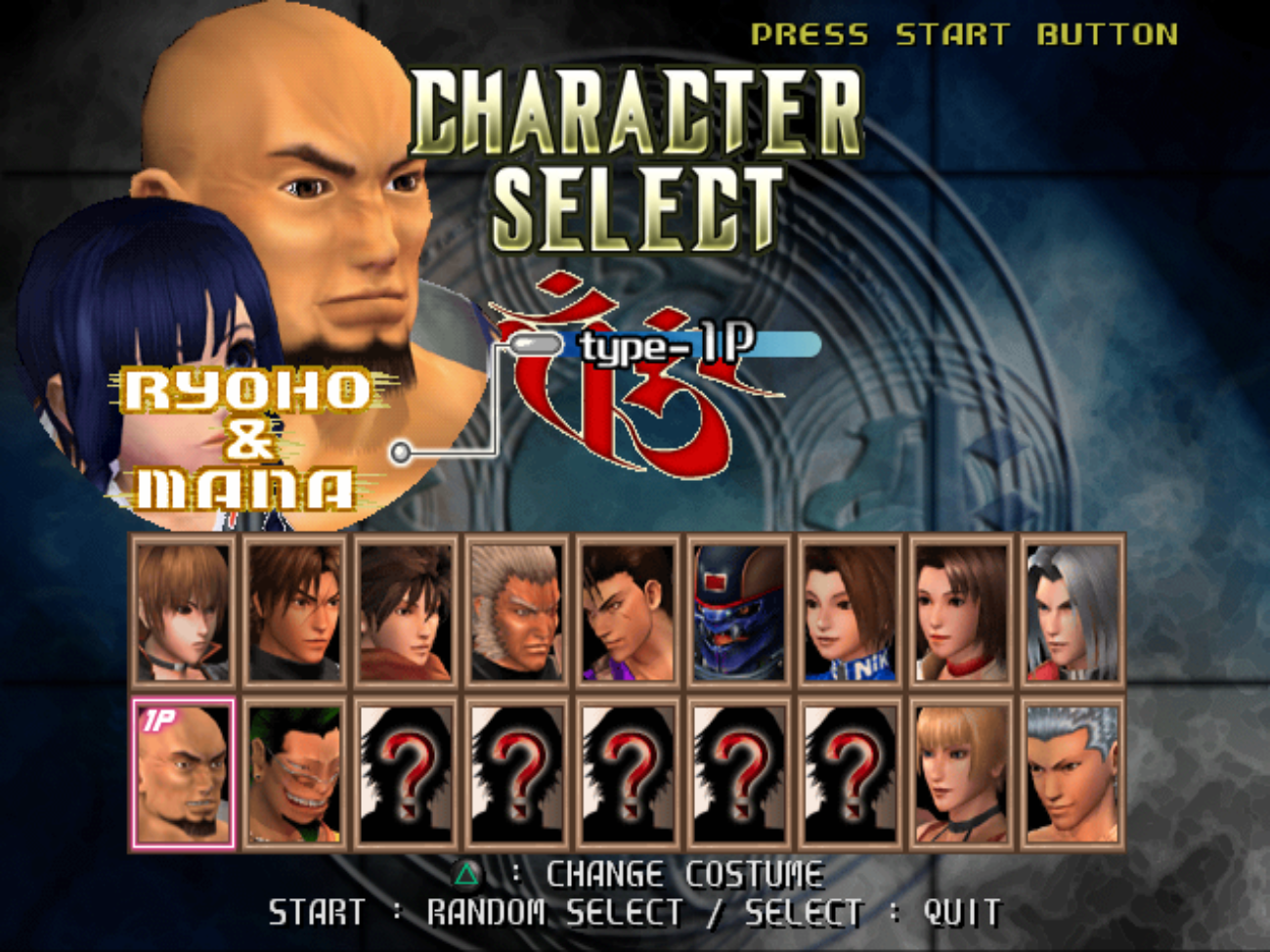
Ryoho the Dragon & Mana the Nine-Tails Ryoho’s a monk who carries the power of Gaia with him in the form of a rather silly looking dragon. Ryoho with the dragon form serves as the game’s final boss, but you the player won’t be able to take control of that without either a ton of grinding or a cheat device. Instead, player Ryoho brings along Mana, a young, exposition-loving shrine maiden who transforms into a little fox. In this state, Ryoho’s beast button is used to command Mana to perform various attacks as a sort of puppet fighter. It’s a neat concept, which feels somewhat wasted in this game.
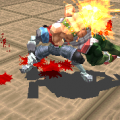
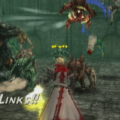
The big revamp this time around is in how the beast gauge works. You’ll now see it underneath your character’s health bar, because now it more or less is a secondary health bar. Should you run out of regular health, you’ll be forced into beast mode, where any damage you take will go towards your beast gauge instead. You can also choose to hold the beast button while you’re in human form to convert your health into your beast gauge. If you convert all of your health, you’ll remain in hyper beast form for the rest of the round, providing the same benefits as it did in Primal Fury for the rest of the round.
There’s a few problems with this new system that show their heads immediately. There’s no longer any delay on when you can transform once you run out of beast gauge, so generally you want to transform as soon as you possibly can. Sure, it’ll be easy to knock you back into human form, but it’s so easy to get some beast gauge back that it doesn’t really matter. This basically removes any sense of risk or reward from the whole mechanic, as well as making fights between savvy players drag out a lot longer. Damage values are generally a lot higher, possibly to compensate for this, but every round still has you have to knock opponents out of beast mode several times to actually take a win.
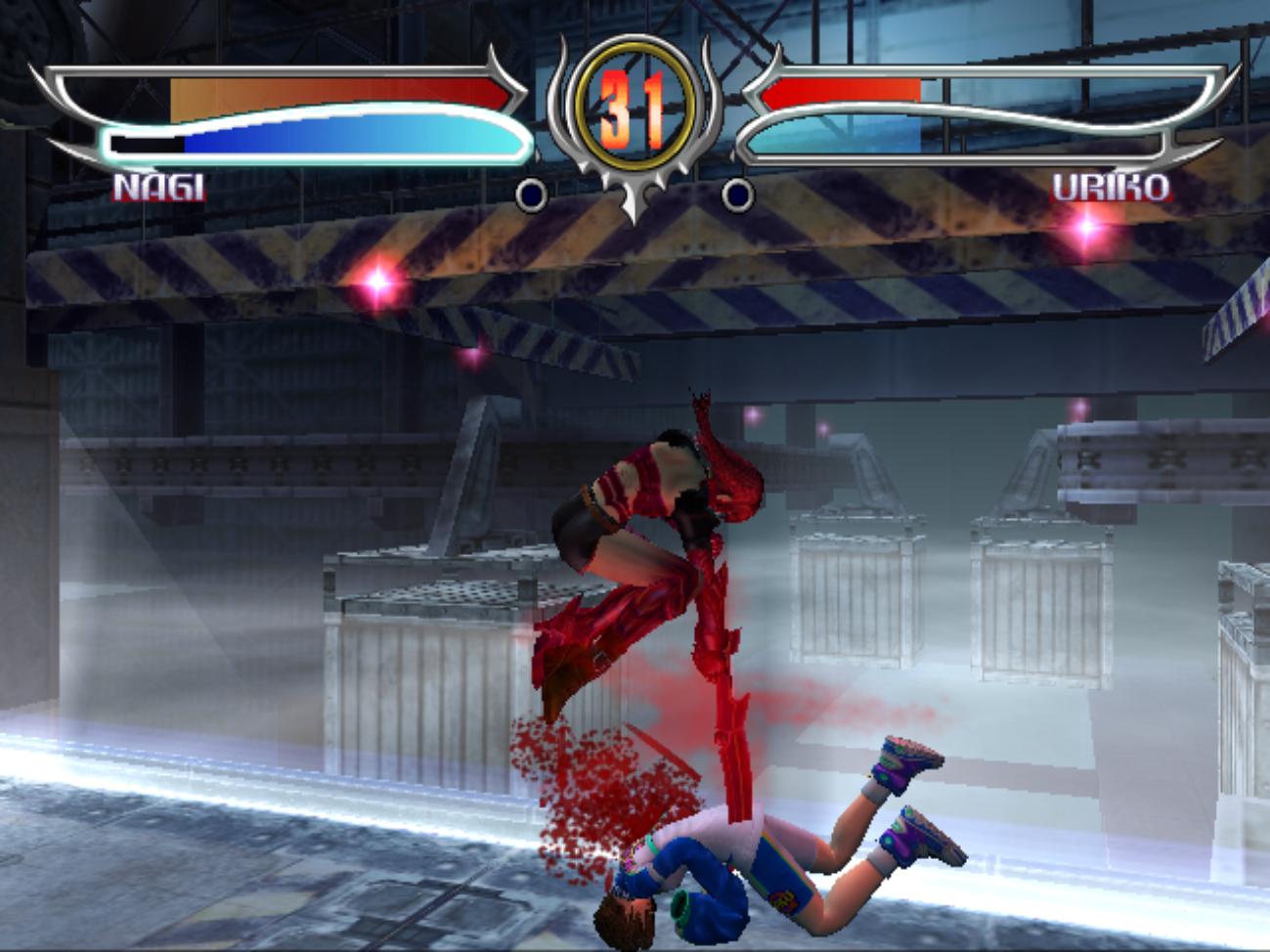
Beast drives subtract a portion of your beast gauge, which means you’re actually technically taking damage whenever you use one. Their damage compared to a single hit from a power character, or a string from anybody else, pales so hard that Beast Drives are rarely worth the trade anymore. One exception is one of Ryoho’s Beast Drives that instantly depletes an opponent’s beast gauge. Thus, if the opponent doesn’t have any health left, this makes for an instant KO, for a move that can be performed multiple times in a row. Hyper Beast mode is even worse of a tradeoff, since that asks you to give up all your very valuable health to actually activate it.
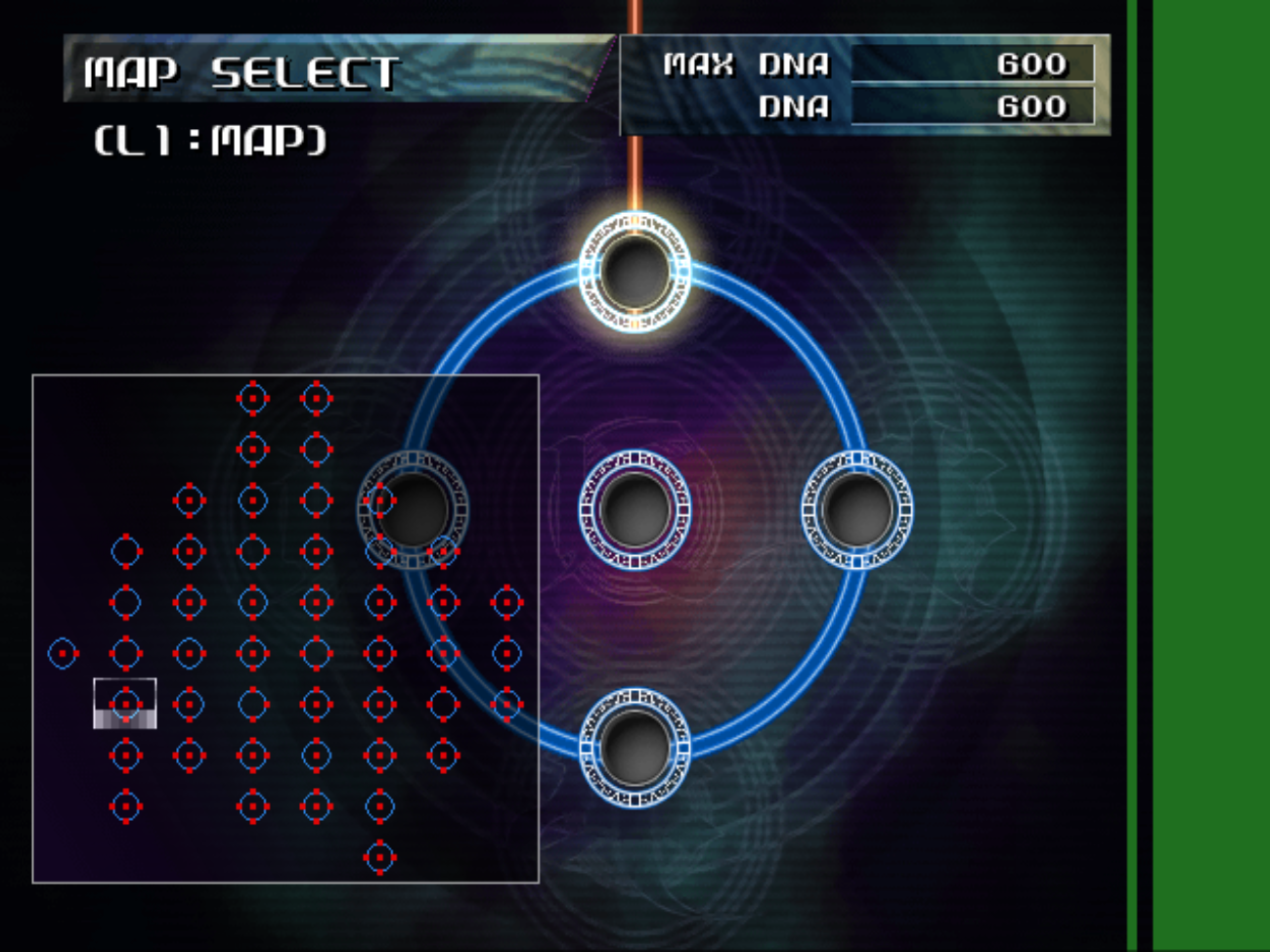
The marquee feature is the new “Career” mode, which has you select a single fighter and bring them through a ‘map’ of single round fights. Clearing fights earns you “DNA points”, with specific certain fights awarding abilities you can equip onto your characters. These include things like extra damage, allowing you to cancel more of your moves into other moves, or even unique combo strings. You’re only given so many slots to equip abilities with, however, giving you some limit to how wild things can get. You can also bring a custom character into versus mode to fight another person’s unique character, should you find somebody who actually put that much time into this game.
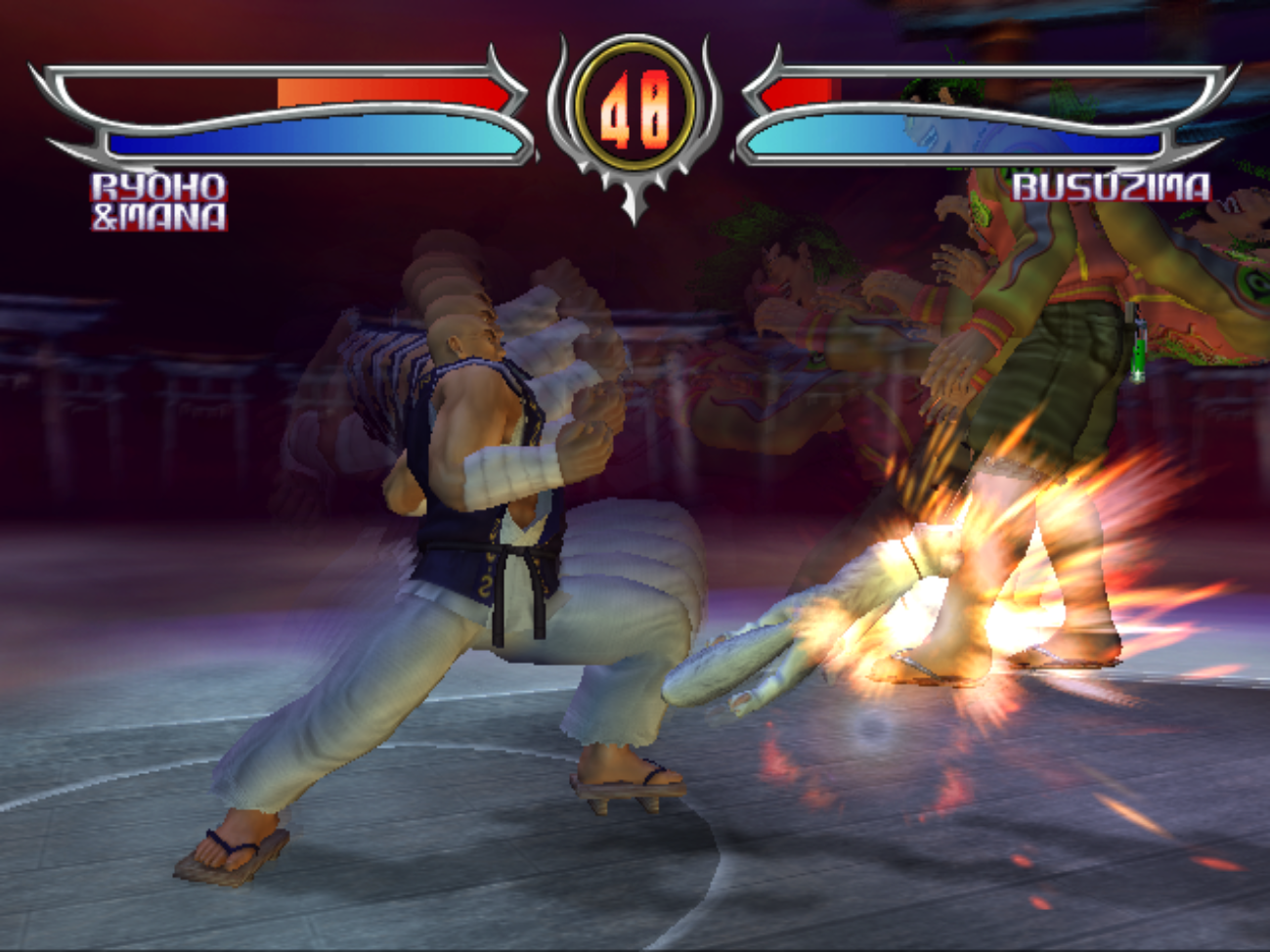
Unfortunately, nothing about career mode actually ends up working that well. In practice, it’s all just a series of constant fights, with no background or any special conditions to make them unique. Characters you start career with actually start off weaker than they normally would, with no ability to air recover or block heavy attacks; something that you generally really want. Even worse, every character you put into career mode starts off with no DNA points or abilities, forcing you to redo the incredibly tedious grind each time.
A myriad of other poor design decisions mar the experience further. Long and Marvel, characters who have been standard in every past appearance they’ve had, inexplicably have to be unlocked in the Career mode. The final boss gives you only a single chance to beat it, lest your arcade run come to an immediate end. Characters can’t perform attacks as they get up from prone, something every game before offered. Also missing unless you grind in career mode is the ability to jump after a launched opponent, thus mostly shutting down your ability to do air combos.
On a more positive note, characters are differentiated further by having one of three different kinds of guard escape they make use of. Some use the ones used in the first three games. Others use a new ‘counter evade’ where holding the guard button will have your character automatically evade incoming attacks, before responding with a counterattack. The new characters are also pretty fun to play with as well, with Reiji’s focus on air combat being especially unique.
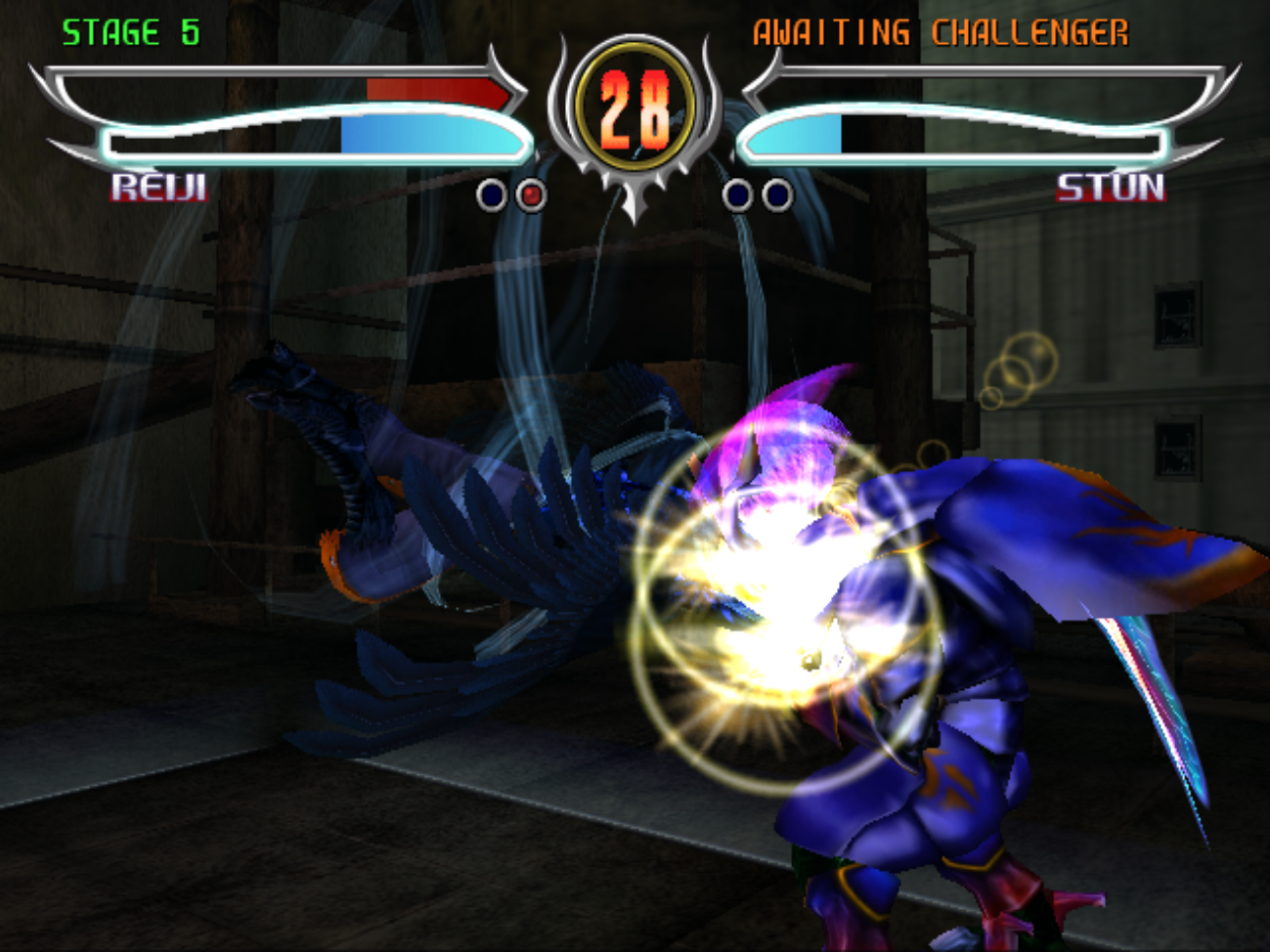
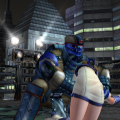
The overall presentation feels particularly sloppy. There’s now in-engine cutscenes during the arcade mode, now featuring full voice acting. Unfortunately, the new English voice actors deliver their lines in odd, stilted ways, where they frequently end up interrupted or playing at the wrong times. The stilted translation doesn’t really help with this. The game also reuses most of its models from Primal Fury, with several of its stages being only somewhat changed from that game as well. A new stage set atop a swinging platform in the middle of a prison certainly looks cool, though.
Bloody Roar 4 is far from awful, it’s just that it’s a large step down from what was considered the very best of the series. If you’re willing to turn off your brain a little and not take it seriously, you may still get some enjoyment out of it with friends involved. Still, while few would call the series a masterpiece of the fighting game genre, something that feels this rushed stands out as an aberration, for sure. The Japanese version came out several months after the Western releases, and gets some extra polish. Characters can now perform air combos by default, there’s some bug fixes, and just as everybody had hoped for, you get more slots to save characters to in career mode.
After Bloody Roar 4, the series puttered to an end. Eighting, at least, would live on to create a steady flow of licensed fighting games. At the very least, the series ended up with a small but dedicated fanbase, where advancements in emulation would give it new life. Despite rumors and copyright renewals to the contrary, a return of the series seems increasingly unlikely. It’s still a series worth exploring, offering something you’ll never quite fight in today’s increasingly shrinking 3D fighting game circle.