|
|
A History of Korean Gaming
|
|
소프트라이 Softry / ST Entertainment
|

|
|
Founded:
|
1993
|
|
Status:
|
defunct (filed for bancruptcy on May 29th, 1998)
Game School: active
|
|
Key People:
|
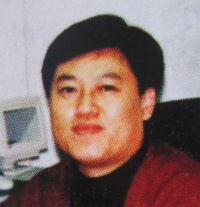
杜震 두진 Doo Jin:
CEO Softry
김재송 Kim Jaesong:
Director Game School (status 1998)
환경식 Hwan Gyeongsik:
Director Game School (status early 1999)
임동균 Im Donggyun:
Director Game School (status 2010)
최태진 Choe Taejin:
Head of business department STE
정봉수 Jeong Bongsu:
Producer (1993-1996)
|
|
Website:
|
www.stgame.com (offline)
www.gameschool.co.kr
|
|
Profile:
|
|
Emerged from a hardware distributor called Try, Softry was originally formed as a licensee and publisher for foreign games, but changed its course before anything was set, determined to propel domestic game development1. Therefore, Softry consisted not only of a development department, but also entertained an educational facility, the Game School, founded in August 1993 as the second game development school after the Goldstar Gyoyuk Center2. Softry was founded by the former game producer at Topia, Doojin, and the initial instructors were all former KETO members, as the Daou development team called itself after parting ways with the company, so they could claim some of the most experienced staff in the country1.
In early years graduation would require from the absolvents a finished project, which was then published by the company. However, out of dissatisfaction with the working conditions and payment, most teams would leave the company soon after, most famously Sonnori, the developer of Softry's first published game and biggest success, Astonishia Story.
In 1996 Softry took over Deka Team (Twins, Mutant DNA), which from then on served as their internal development team3. One year later, the Company itself was assimilated by the EnK group and officially renamed as EnK Digital, although the ST Entertainment label was kept4.
ST eventually regained its independency, but on May 29th, 1998, not long after the IMF financial crisis, it had to file for bankruptcy5. The Game School was unaffected by this, and continues to operate independently even today.
|
|
|
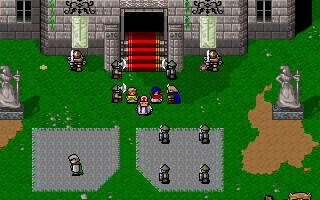
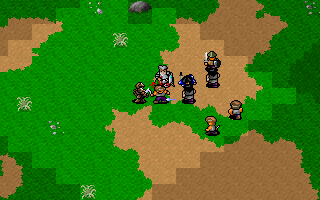
어스토니시아스토리 (Astonishia Story) - PC-DOS (July 1994)
Astonishia Story (PC)
|
|
Developed by Sonnori Team when they were part of Softry, this game will be introduced at the Sonnori profile.
|
Astonishia Story (PC)
|
|
|
|
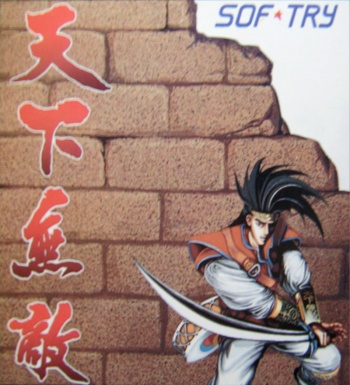
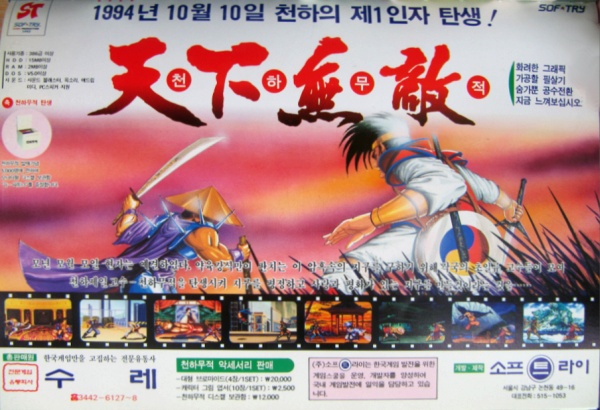
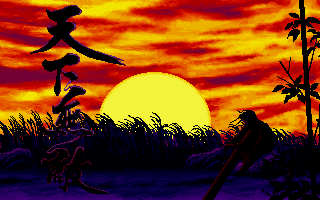
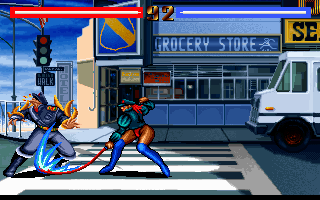
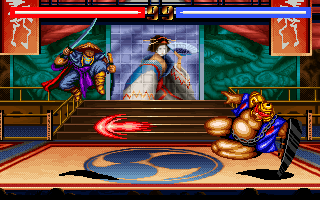
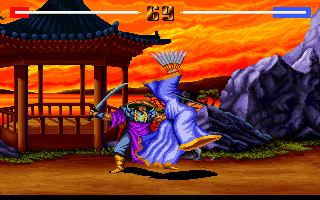
天下無敵 (천하무적 Cheonha Mujeok) - PC-DOS (October 10th, 1994)
|
|
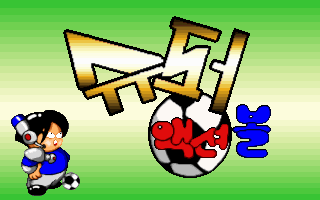
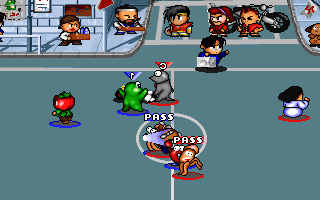
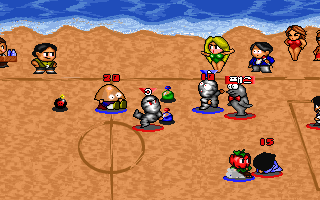
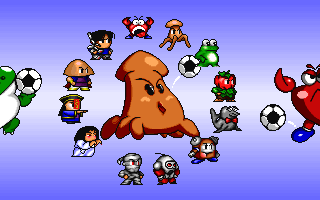
슈퍼액션볼 (Super Action Ball) - PC-DOS (March 1995)
|
|
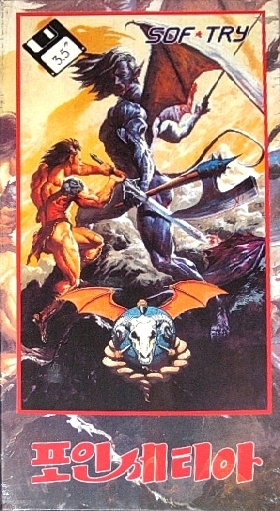
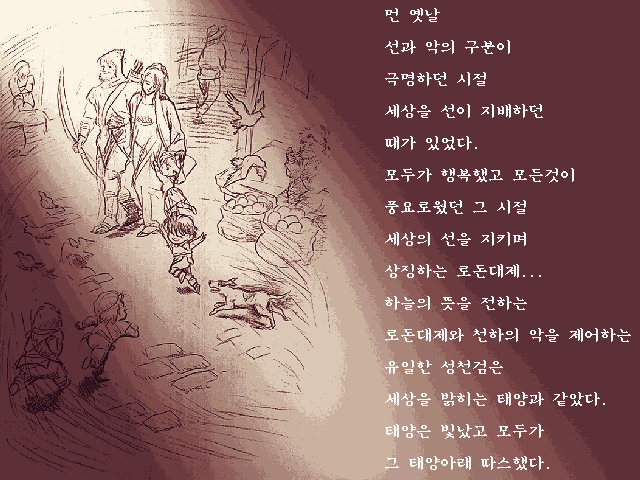
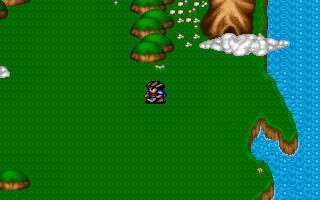
포인세티아 (Poinsettia) - PC-DOS (October 19th, 1995)
|
|
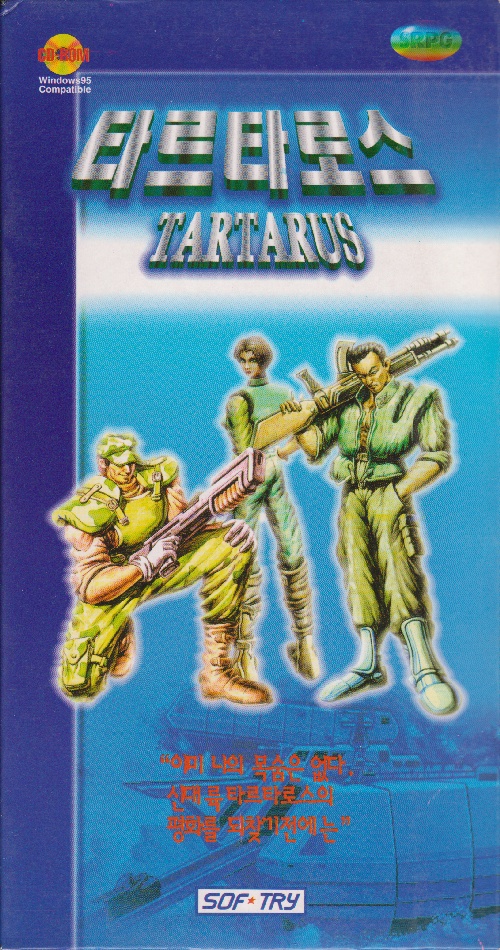
타르타로스 (Tartarus) - PC-DOS (August 1996)
Tartarus
|
Tartarus
|
Tartarus
|
|
Cover
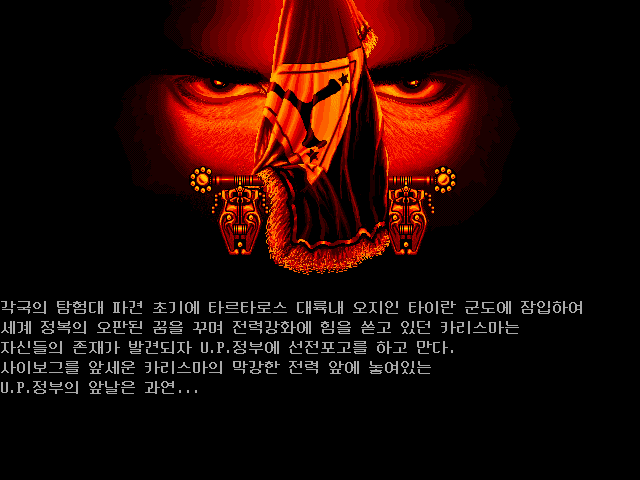
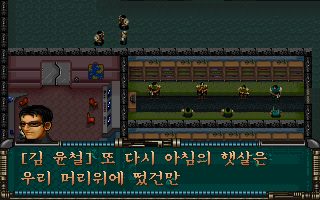
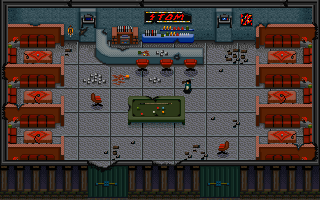
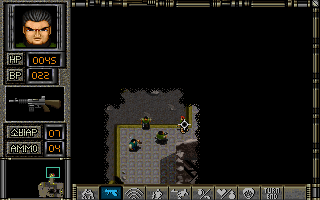
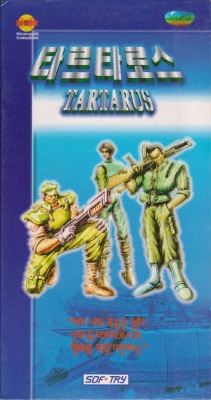
After Softry lost most of their staff for at least the third time, Tartarus was their first game to be developed by the newly hired Deca Team. At first the SRPG makes a rather good impression; it has an interesting story about a dark future war on a newly discovered continent that is totally not America, the pixel art is beautiful, and after some wandering around in the starting area to trigger the right events, the first battle if fun and promising for the things to come.
Then, however, the story pulls a stupid plot twist that gets the entire squad save for the leader killed, which leaves the hero wandering into the world on his own. The field map is full of respawning enemies that might as well have been random encounters, as they hunt you down relentlessly, forcing players to engage in combat all to frequently. What was fun with a complete party of six, now becomes a dull exercise with hundreds of drawn-out encounters that always play out the same. Enemies level up with the character so they always remain capable of killing him in 2-3 shots thanks to a much too high random factor in damage calculation.
It all wouldn't have been too bad if one could make fast progress through this unpleasant phase, however the short-term goals are cryptic as hell and their triggers glitchy, so the next dozen-or-so hours are spent wandering around aimlessly in search for them. All the while enemies constantly keep on attacking for more boring confrontations, of course.
|
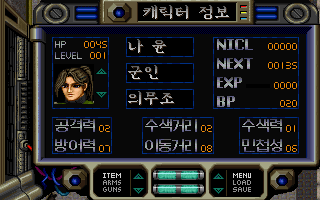
Tartarus
|
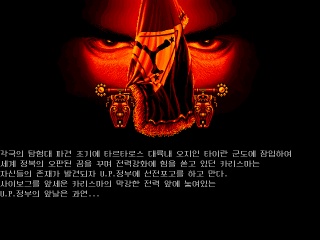
Tartarus
|
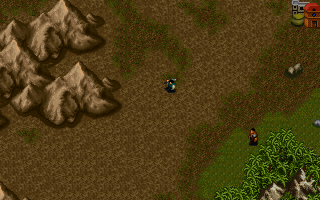
Tartarus
|
|
|
|
마이프렌드 쿠 (My Friend Koo) - PC-DOS (June 5th, 1997)
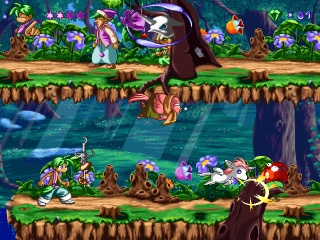
My Friend Koo
|
My Friend Koo
|
My Friend Koo
|
My Friend Koo
|
|
Cover Art
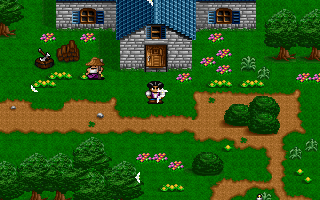
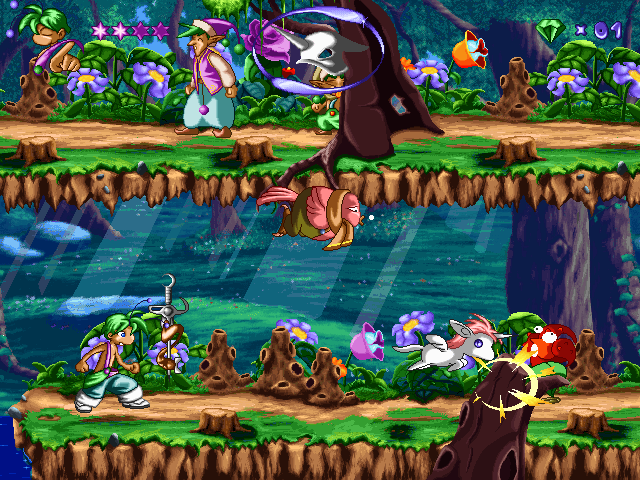
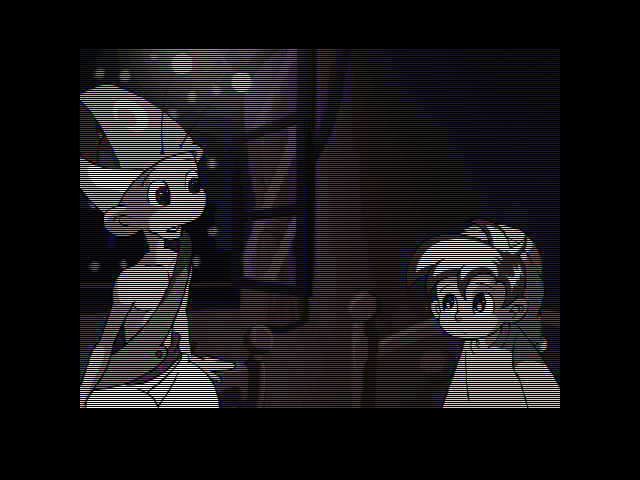
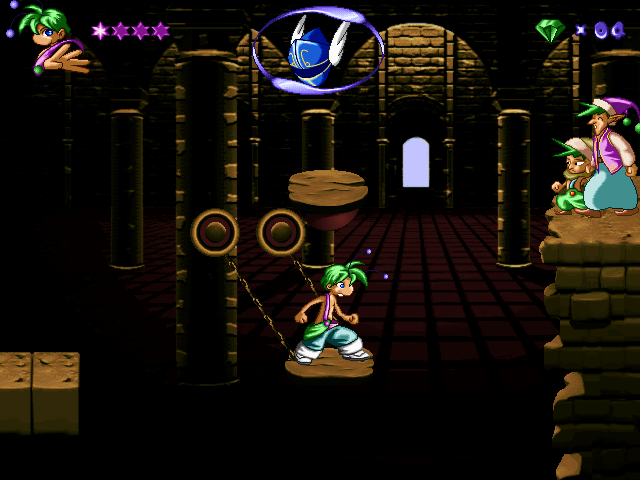
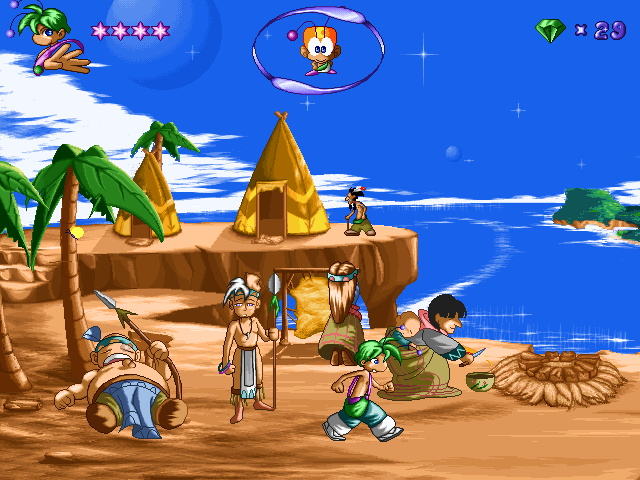
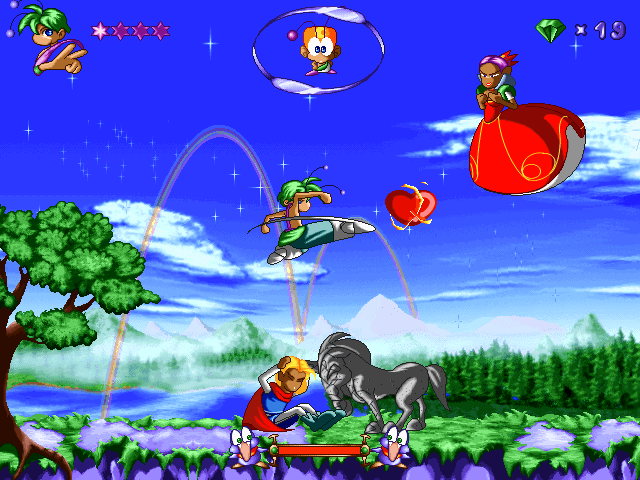
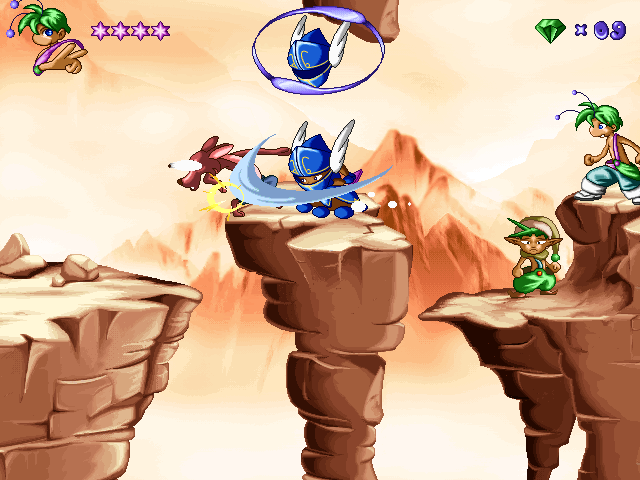
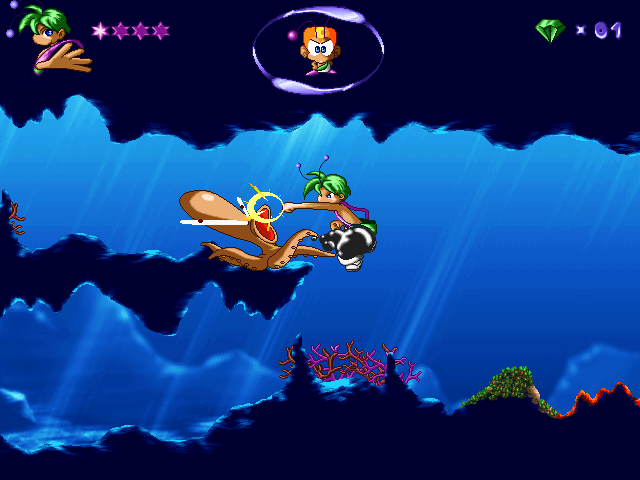
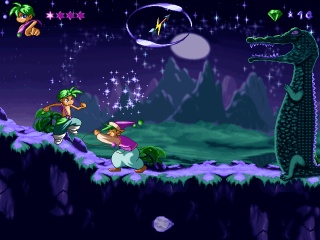
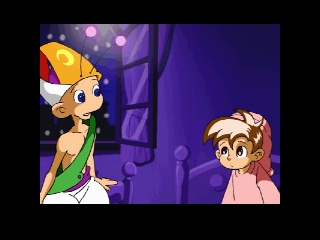
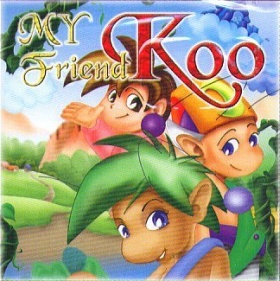
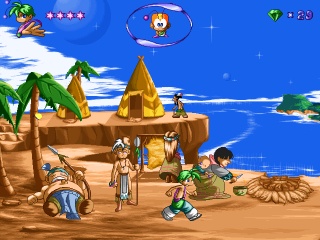
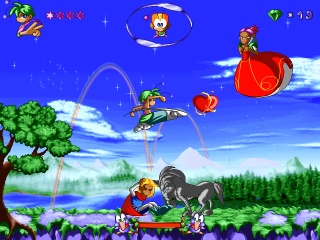
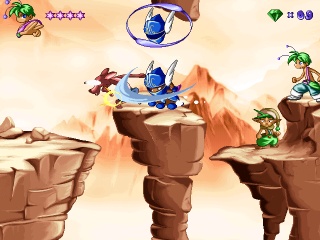
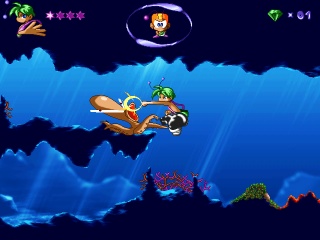
My Friend Koo tells the story of a little boy that fusions with some kind of meta-fairy tale hero named Koo, and then they (he?) go on to save tha land of fairy tales from the grasp of an evil wizard. Though many stories featured are not technically fairy tales, each level is based off a typical candidate for mixed-up children stories, starting with Peter Pan, to Snow White, Pinnochio, The Wizard of Oz and so on. But each world is corrupted, with the actual protagonists of the story ending up as the villain, so the Koo/child hybrid has to set things right (read: beat the shit out of them).
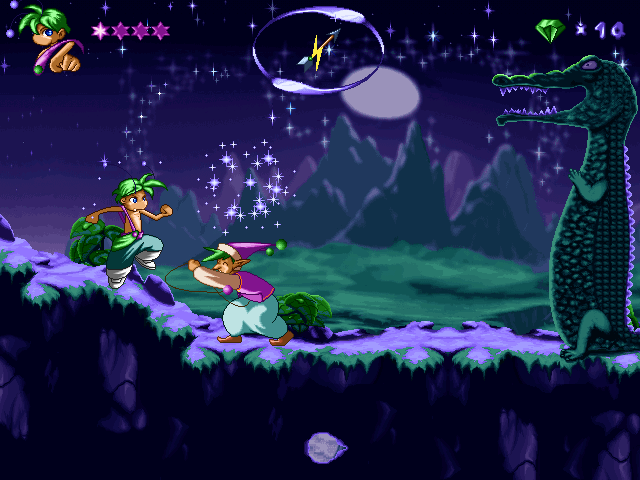
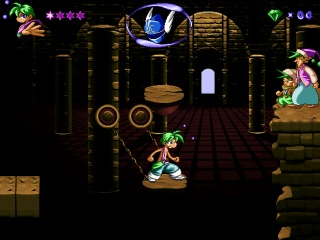
Although My Friend Koo is an action platformer first and foremost, there are a couple of adventure elements where items have to be used, people need to be talked to, and the hero learns a number of spells that not only serve as means of attacking, but also move certain obstacles out of the way. Otherwise enemies are disposed of with punches and kicks, as well as a number of little helpers, like a unicorn that flies over the screen, taking out anything in its way. The latter consume Koo's life energy, though, and each time all the stars are used up, the protagonist's portrait in the upper left corner counts down his fingers. When he gets killed after making a fist, it's game over. That's not too much of a problem though, as other than most Korean platformers, the game has a saving function, so each of the six levels can be selected individually once reached.
Other than the questionable message of solving any problems with his fists, My Friend Koo is quite an adorable game with many phantastic ideas and cute 640x480 2D graphics. The technical execution, however, is a bit lacking. Screens don't scroll until one reaches the very end, comparable to the first Zelda. Did this pose not much of a problem in a somewhat slow-paced action adventure, however, it becomes fatal all too often in this platformer, when the game requires leaps of faith on every corner. Although the controls are pretty good for the most part, things also somehow happen much too fast when falling into a pit, whereupon the game usually puts the player to the last solid ground touched. This mechanic, however, is rather glitchy, and one can show up on other places, often so confusing that one falls down the same pit multiple times again before realizing what is actually going on.
My Friend Koo has been released internationally through Midas Entertainment as late as 2000.
|
My Friend Koo
|
My Friend Koo
|
My Friend Koo
|
My Friend Koo
|
|
|
|
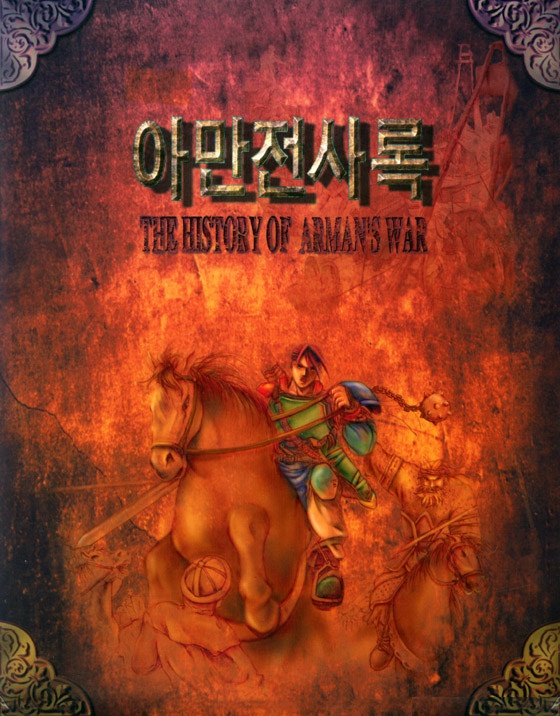
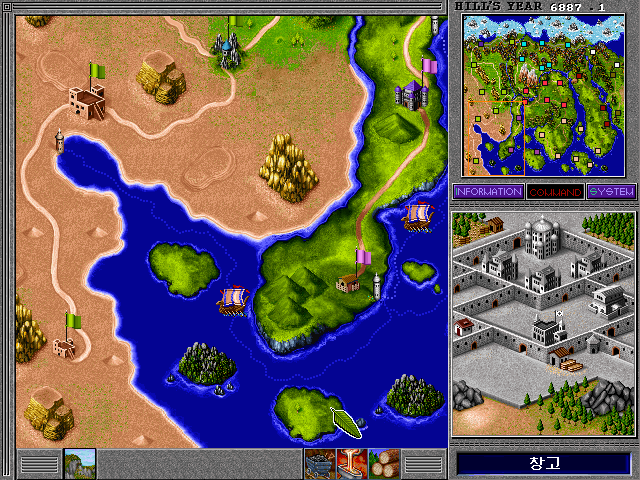
아만전사록 (Arman-jeon Sarok) / The History of Arman's War - PC-DOS (September 1997)
|
|
붉은 매 (Pulgeun Mae) / Red Hawk - Windows (March 1999)
Red Hawk
|
|
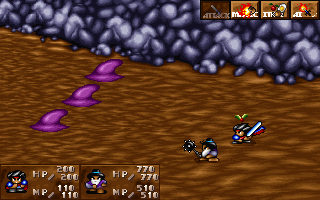
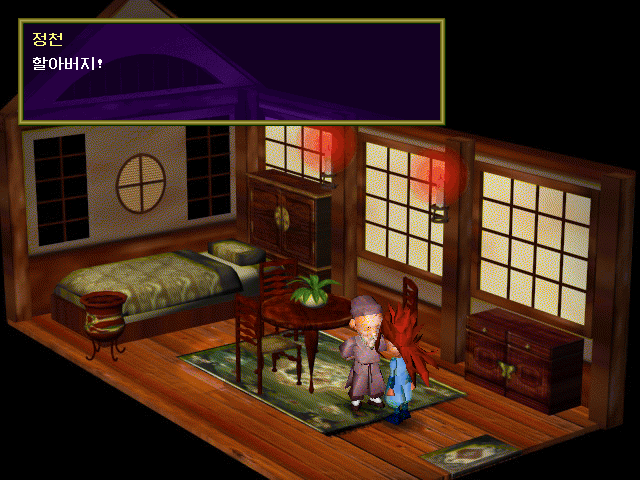
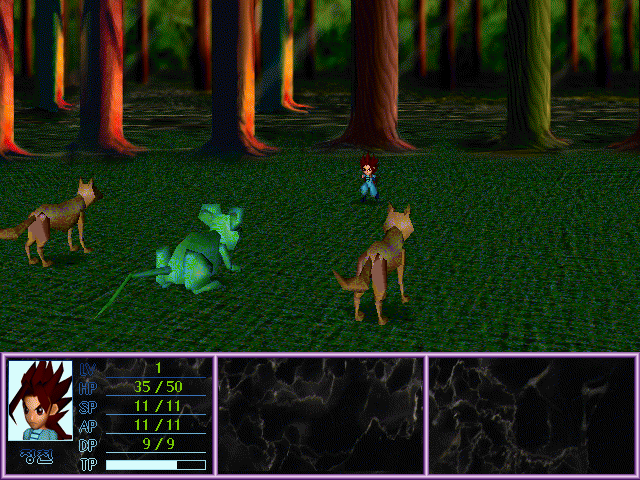
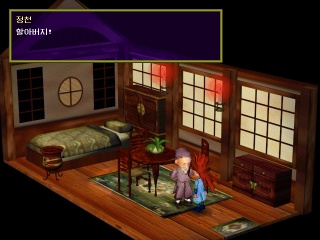
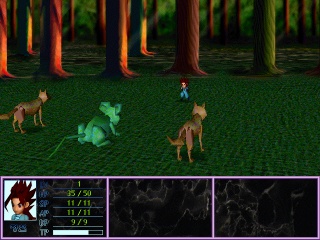
Red Hawk is very special among Softry's games, in that it has been completed by the core team independently after the company went bancrupt.6 Needless to say that the event nonetheless had an unfortunate influence on the game's quality. The game is a traditional RPG in Japanese style. It uses polygonal characters that act in front of pre-rendered backgrounds, very much like Final Fantasy VII. There is, however, no way in which Red Hawk can hope to compete even the slightest. More so than the ugly battle backdrops or the boring ATB battle system that bars any interesting features, the game is killed by the utterly ridiculous difficulty curve in the beginning, resulting in hours upon hours of senseless grinding for those that hope to go on.
|
Red Hawk
|
|
|
94 Korean Series (1994)
후라보맨 (Huraboman) (1994)
Talisman (1997)
Against the Darkness (1997)
|
References
1.a b Gamechamp 9/1993, bonus insert
2. PC Power Zine 11/2000, page 213
3. PC Champ 10/1996, page 86
4. PC Champ 4/1997, page 94
5. PC Champ 7/1998, page 110
6. Amuseworld 12/1998, page 100
|
A History of Korean Gaming
|
|