|
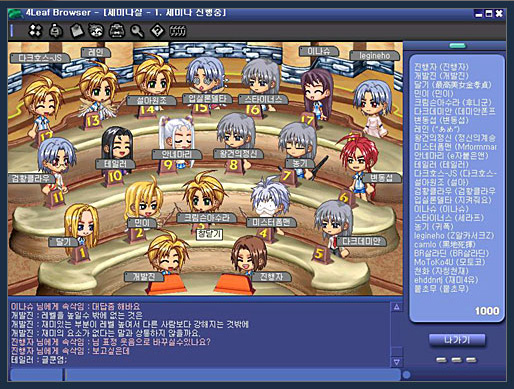
포리프 (4leaf) - Windows (June 2nd, 2000)
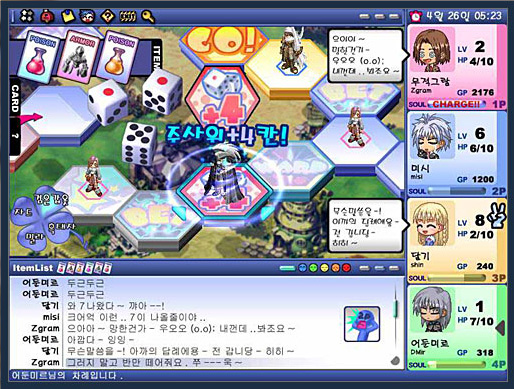
창세기월드~주사위의 잔영~ (Changsegi World: Jusawi-ui Janyeong) - Windows (May 18th, 2001)
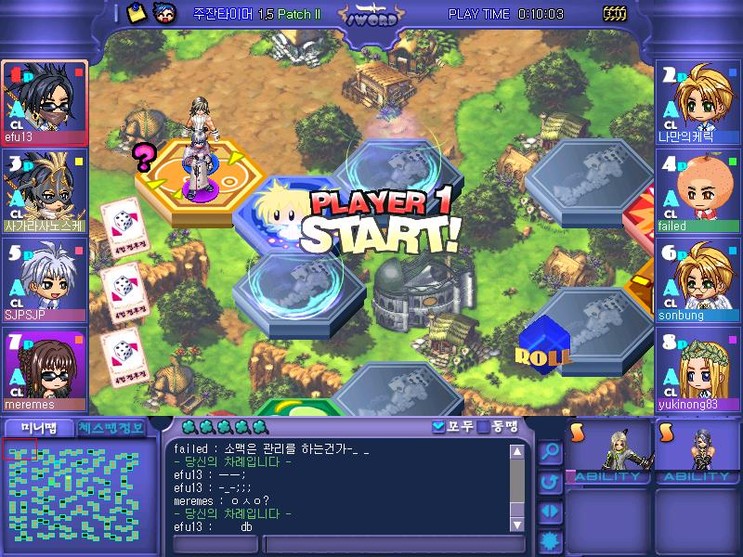
드림체이서 (Dream Chaser) - Windows (May 10th, 2004 [open beta])
젤리삐 워즈 (Jellyppi Wars) - Windows (July 1st, 2004 [open beta])
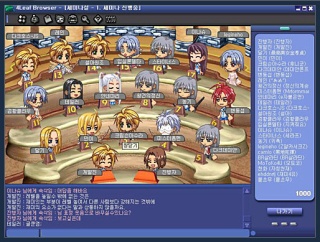
4leaf
|
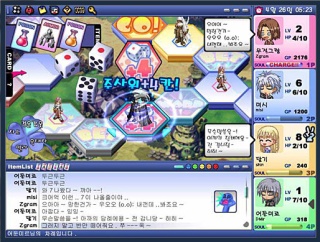
Changsegi World: Jusawi-ui Janyeong
|
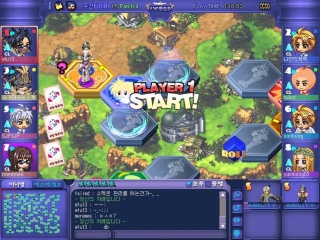
Changsegi World: Jusawi-ui Janyeong
|
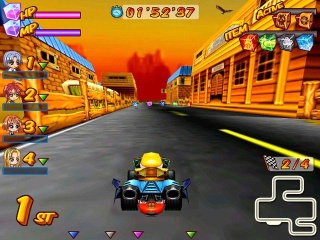
Dream Chaser
|
|
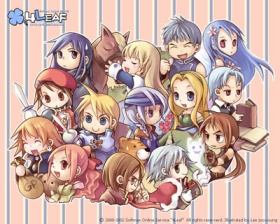
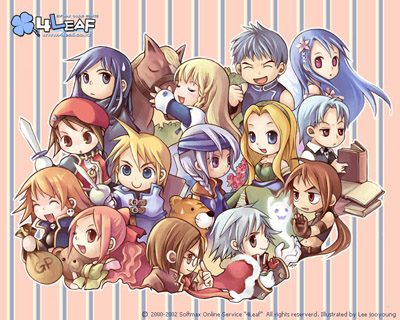
Artwork
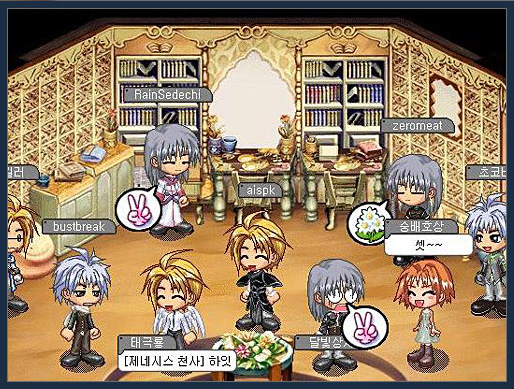
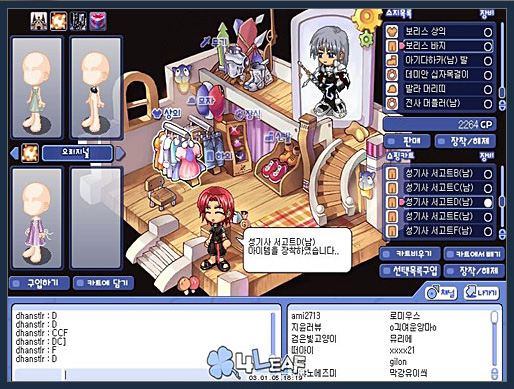
Softmax' first experience in the online sector wasn't the epic MMORPG one would have expected from the creators of The War of Genesis, but one of the avatar chatting clients that were all the rage in the early 2000s. Over time it was updated with extensive dress-up options and a couple of games where one could meet characters from former Softmax games.
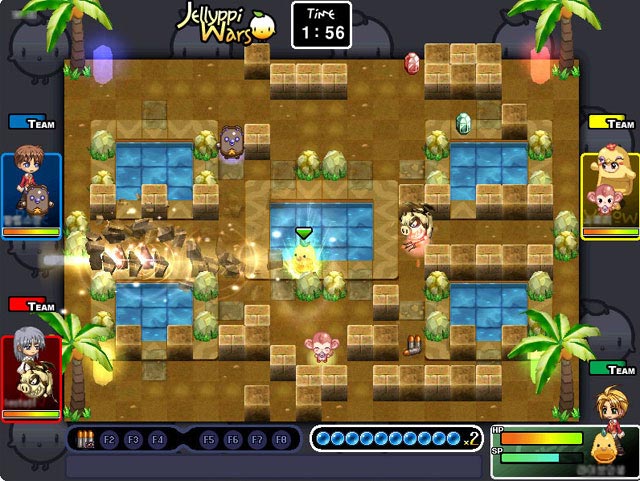
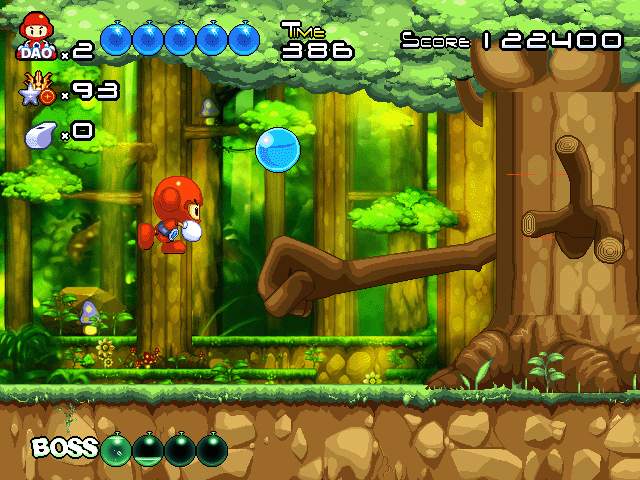
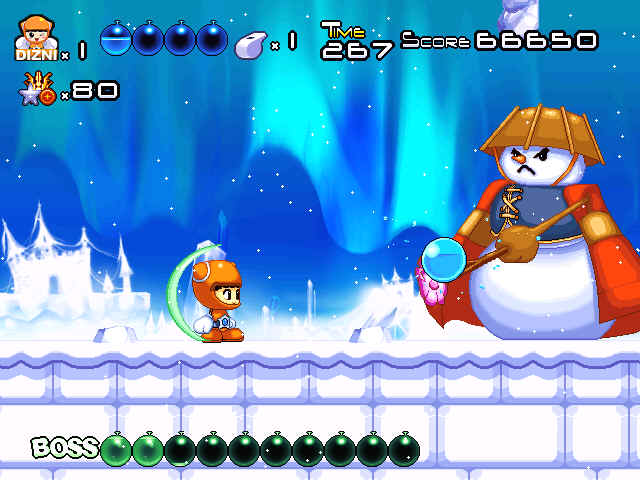
The first was Changsegi World: Jusawi-ui Janyeong (May 18th, 2001 - February 12th, 2004), a board game featuring characters from the popular War of Genesis series. Three years later came the fun racer Dream Chase, developed by Artlab1 it was Softmax' first published game from another developer. However, the game was banned into obscurity by the far more popular competitor Cartoon Racer by Nexon, and Softmax quietly abandoned the game on February 17th, 200516. It was replaced by Jellyppi Wars, a casual action game suspiciously similar to Bomberman or Nexon's BnB.
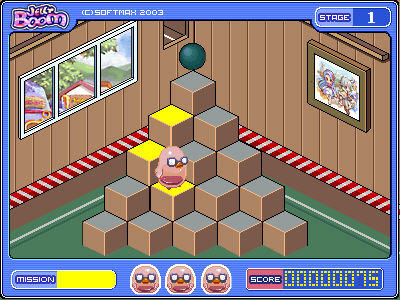
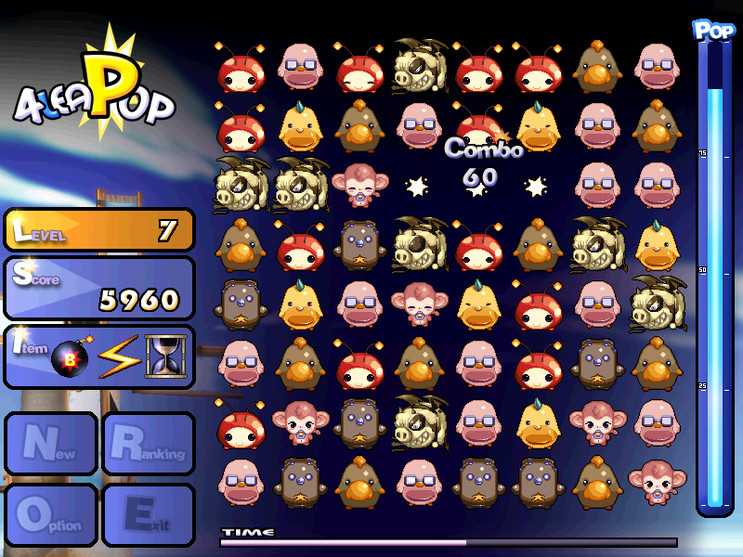
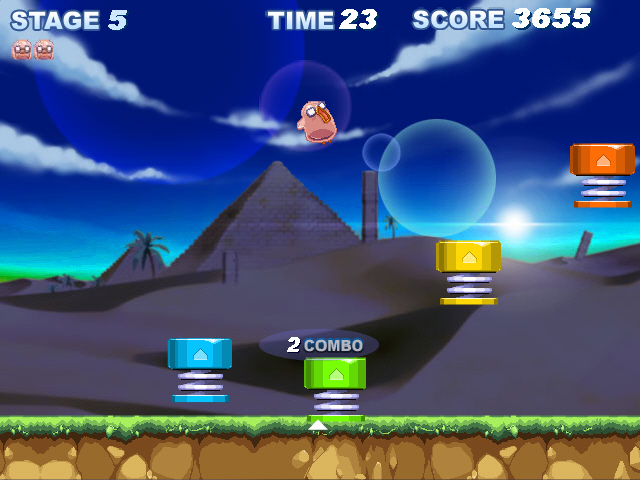
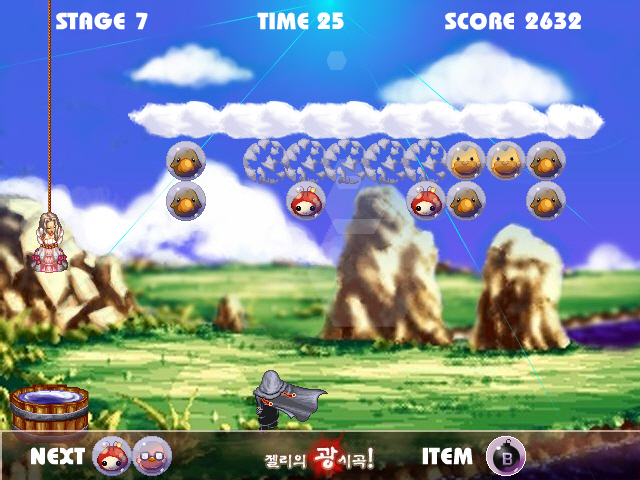
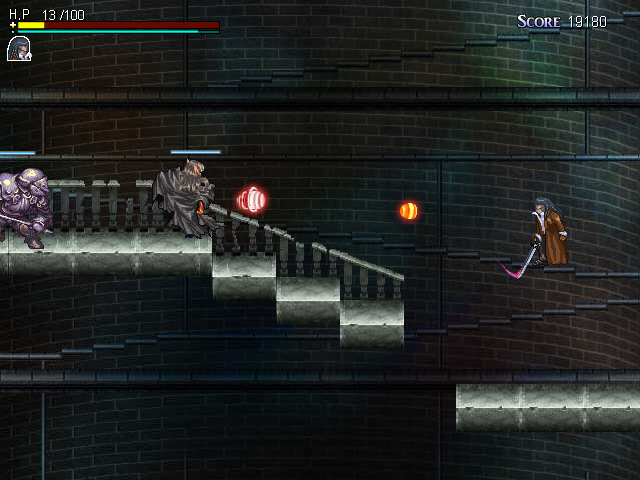
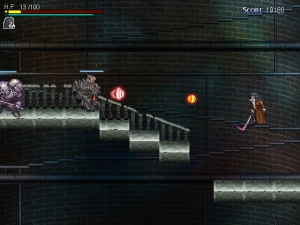
In 2004, Softmax' also started putting several flash games on their service, most of which were parodies of existing games: The puzzler 4Leapop (January 9th, 2004), the Platformer Cliff Stocker (March 31st, 2004), the shooter and Rhapsody of Zephyr parody Rhapsody of Jelly (March 31st, 2004) and the Castlevania-inspired Vamper Quillat (June 19th, 2004) remained with the service until its end on April 30th, 2009. Two further games, Jellyboom (January 9th, 2004) and Jaengban 369 (February 13th, 2004) weren't renewed when Softmax phased out their original client software in favor of a browser-based interface on August 17th, 200417.
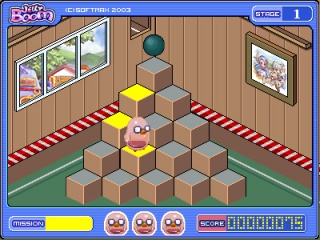
Jelly Boom
|
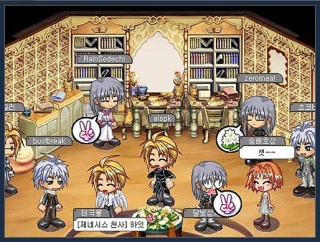
4leaf
|
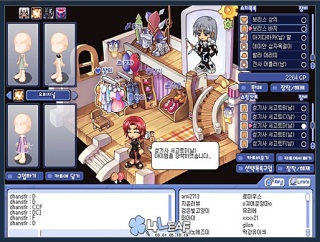
4leaf
|
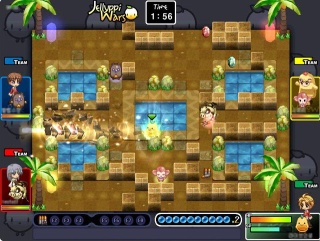
Jellyppi Wars
|
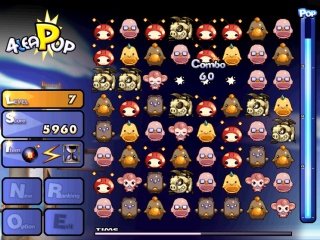
4leapop
|
|
Cliff Stocker
|
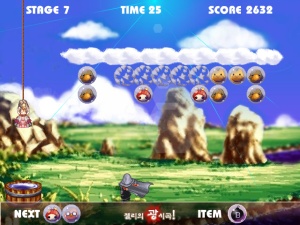
Rhapsody of Jelly
|
Vamper Quillat
|
|
|
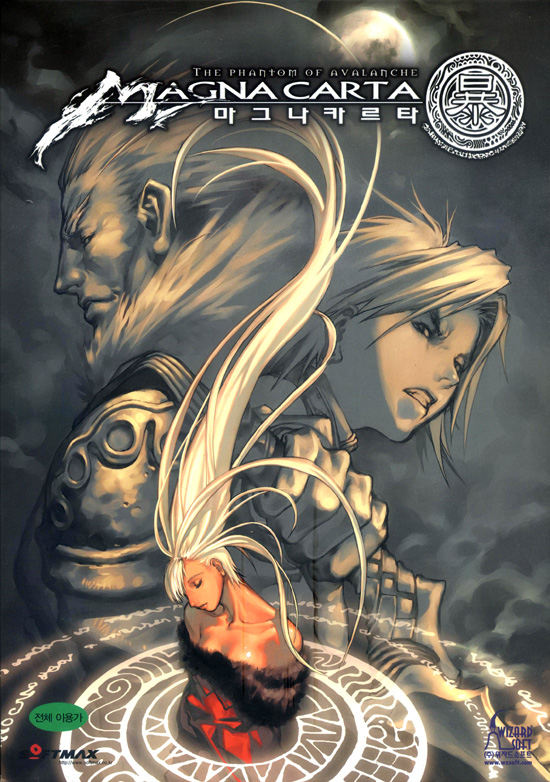
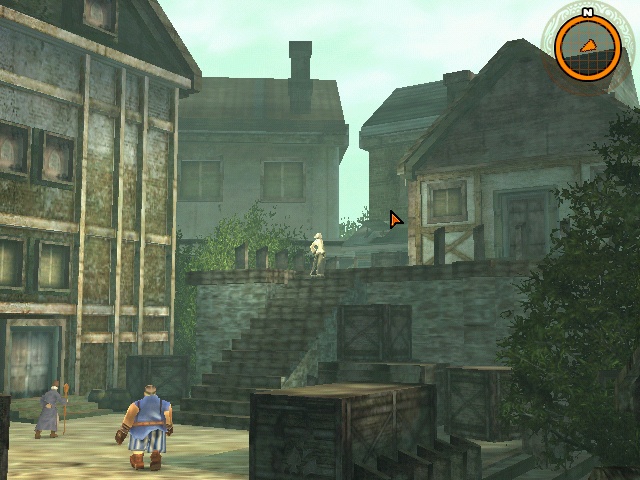
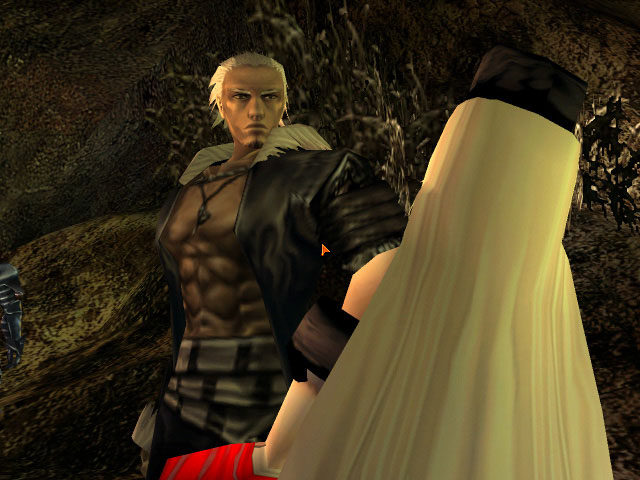
마그나카르타 Magna Carta: The Phantom of Avalanche - Windows (December 28th, 2001)
|
|
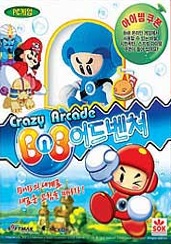
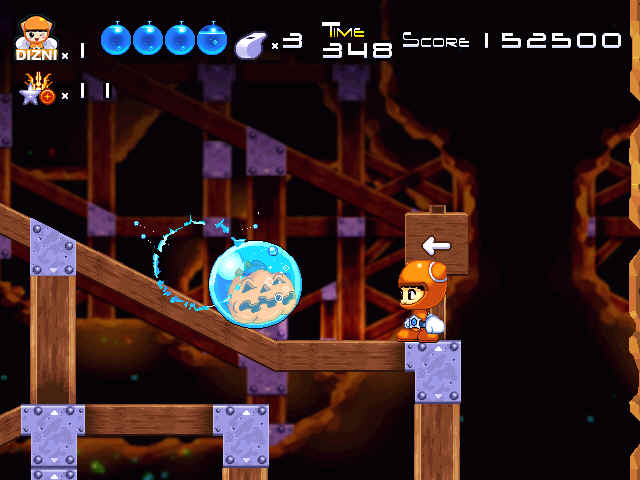
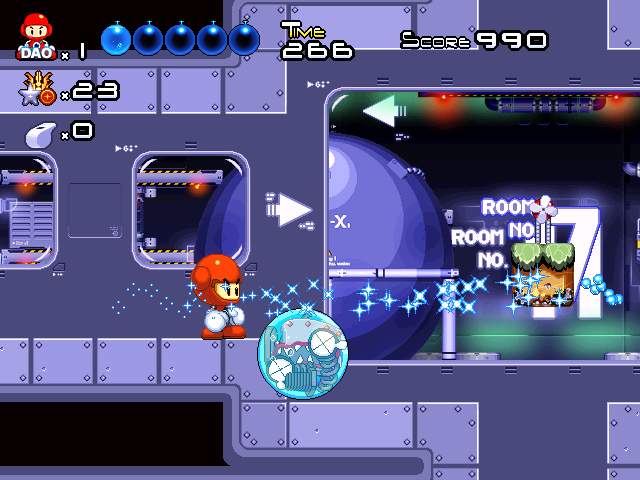
비엔비 어드벤처 (Crazy Arcade: BnB Adventure) - Windows, Mobile (September 19th, 2002)
|
|
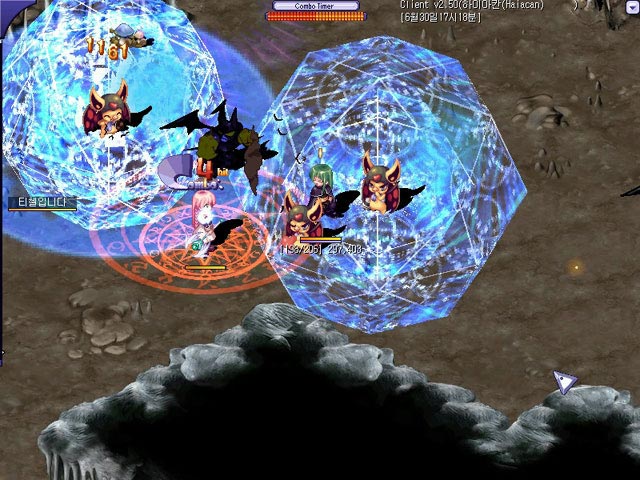
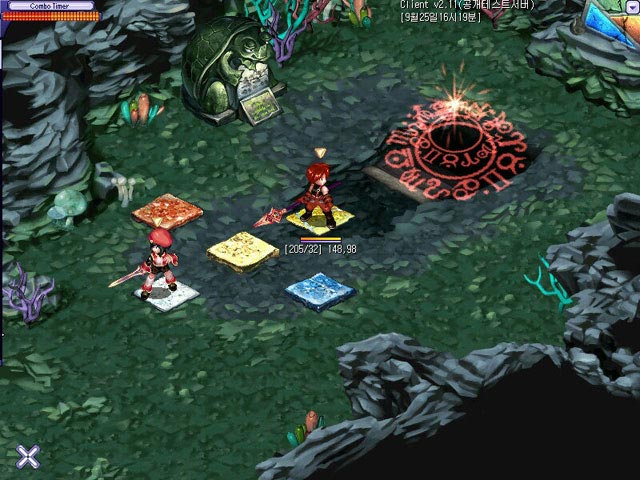
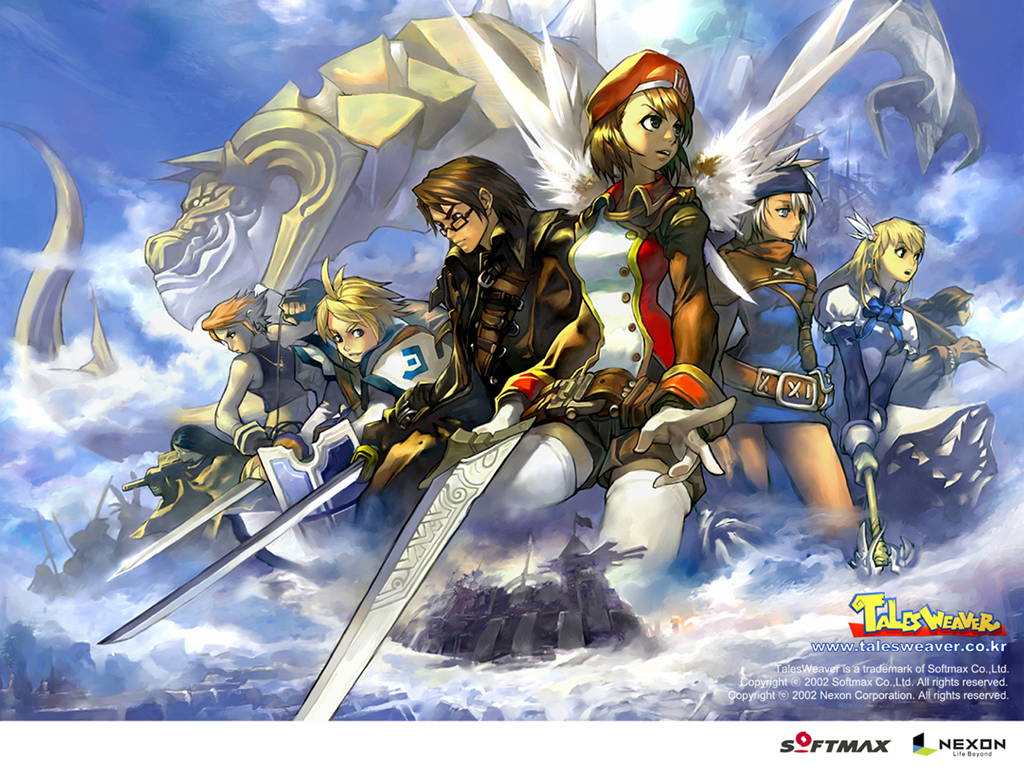
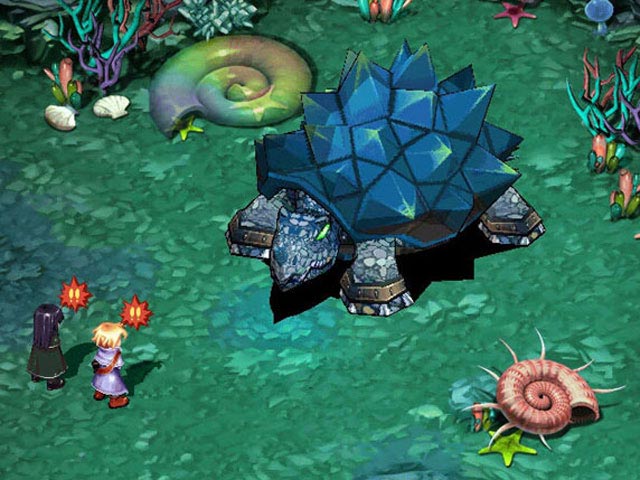
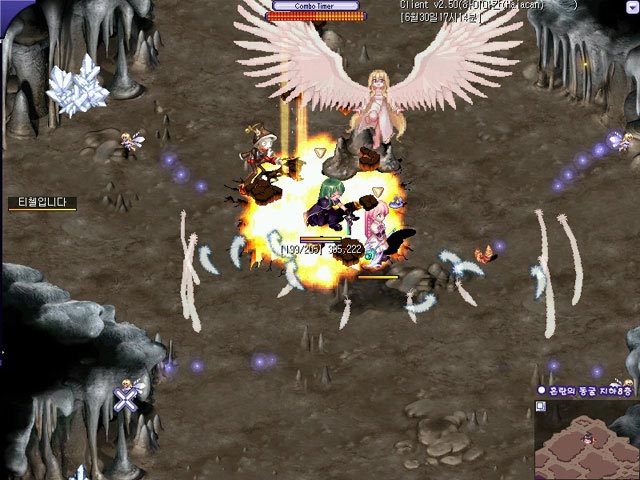
테일즈위버 (Tales Weaver) - Windows (August 16th, 2002 [openbeta]; June 4th, 2003)
|
|
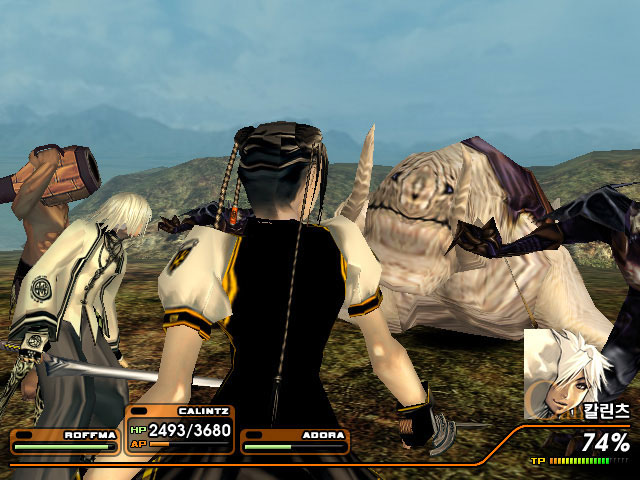
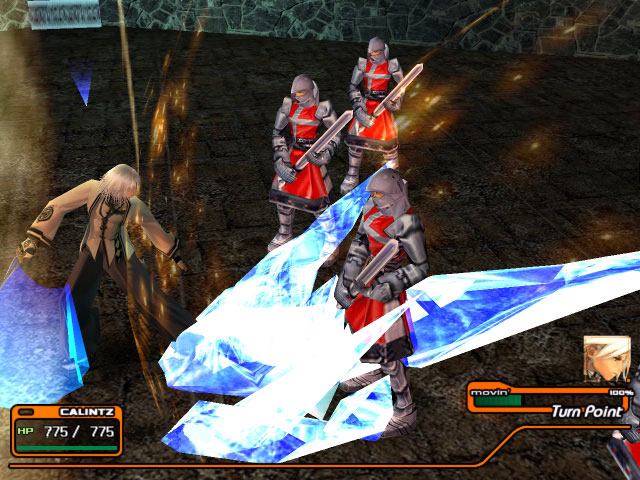
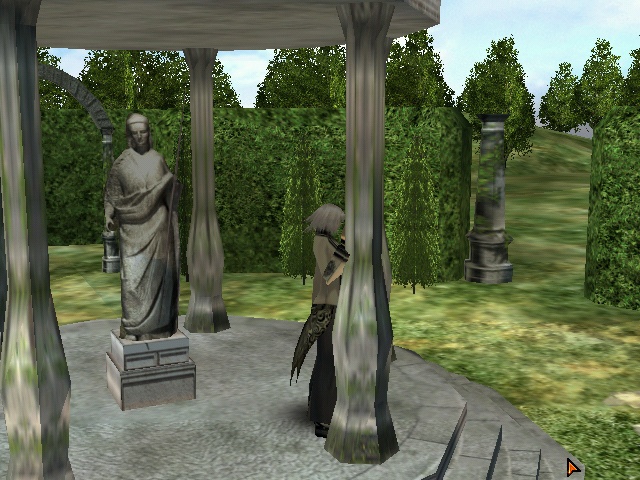
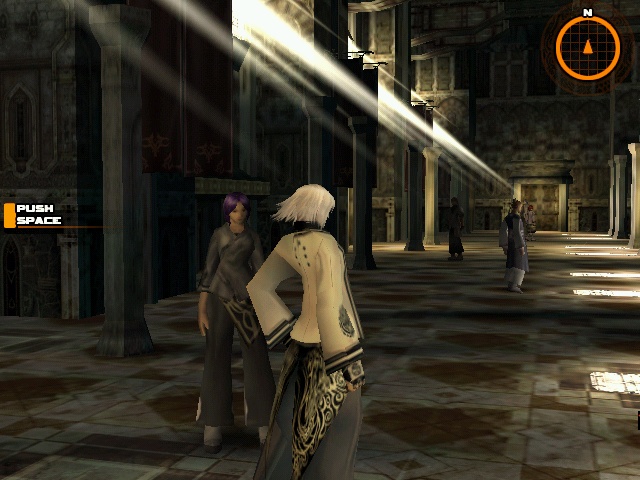
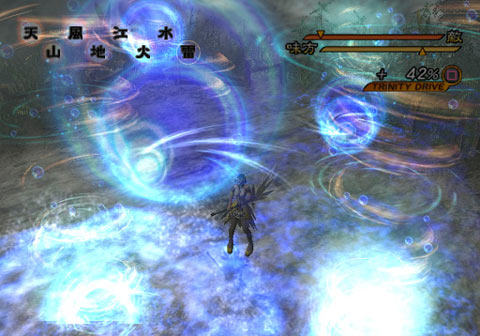
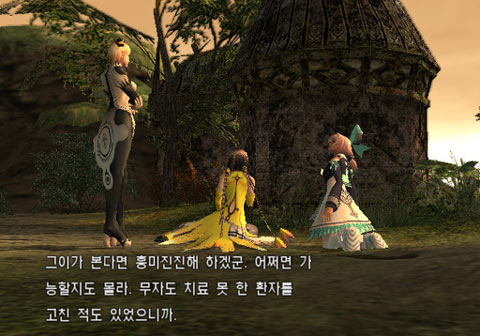
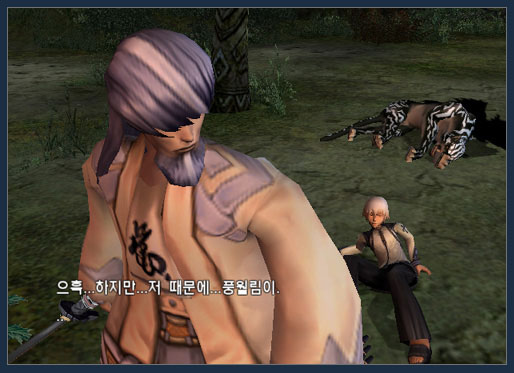
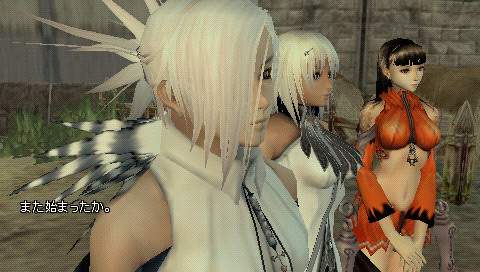
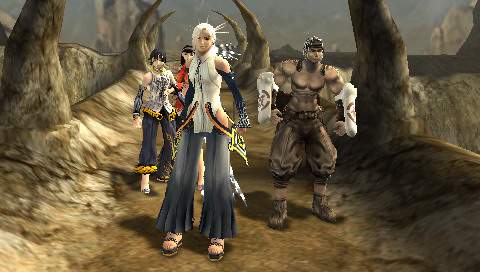
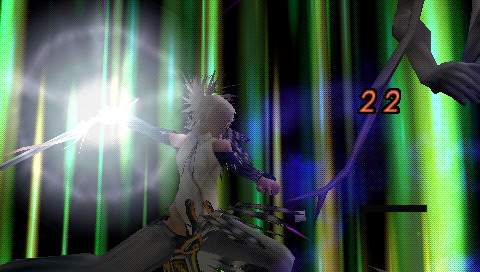
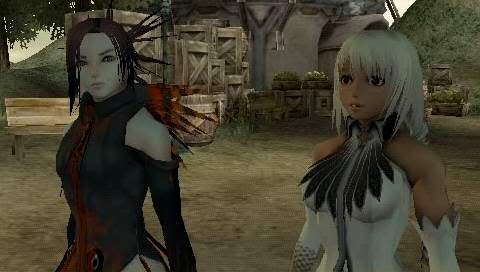
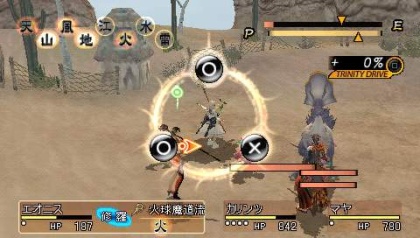
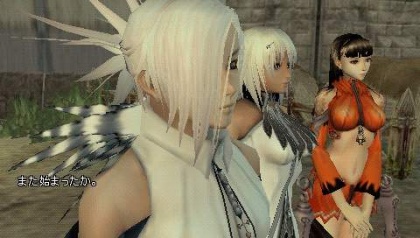
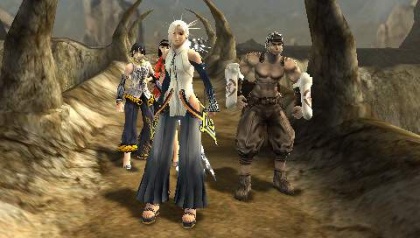
마그나카르타 ~진홍의 성흔~ (MagnaCarta: Jinhong-ui Seongheun) / MagnaCarta: Tears of Blood / MagnaCarta Portable - PS2 (December 1st, 2004), PSP (May 25th, 2006)
Magna Carta: Tears of Blood
|
Magna Carta: Tears of Blood
|
Magna Carta: Tears of Blood
|
Magna Carta Portable
|
Magna Carta Portable
|
Magna Carta Portable
|
|
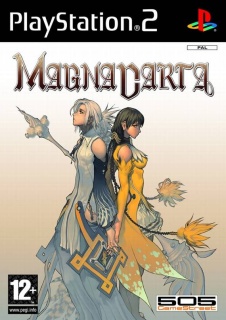
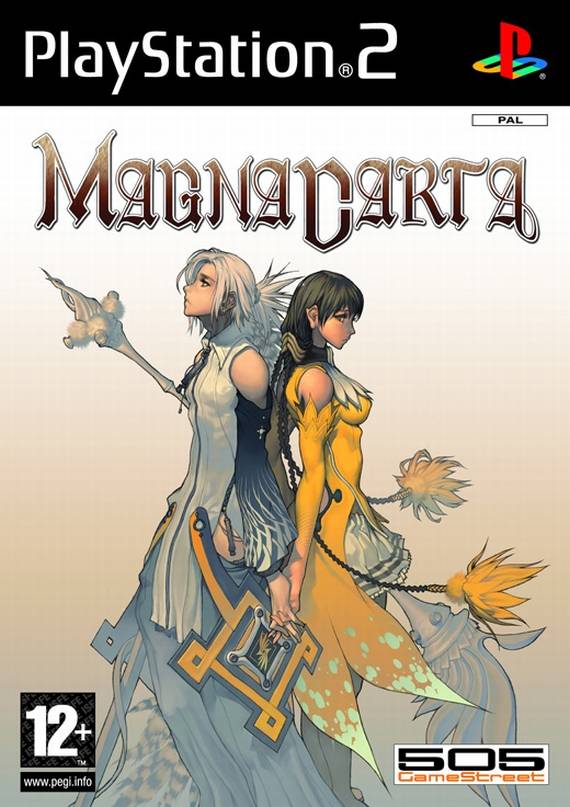
European PS2 cover
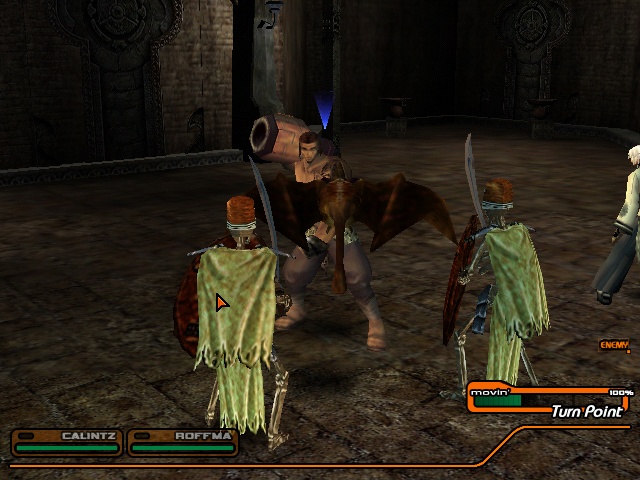
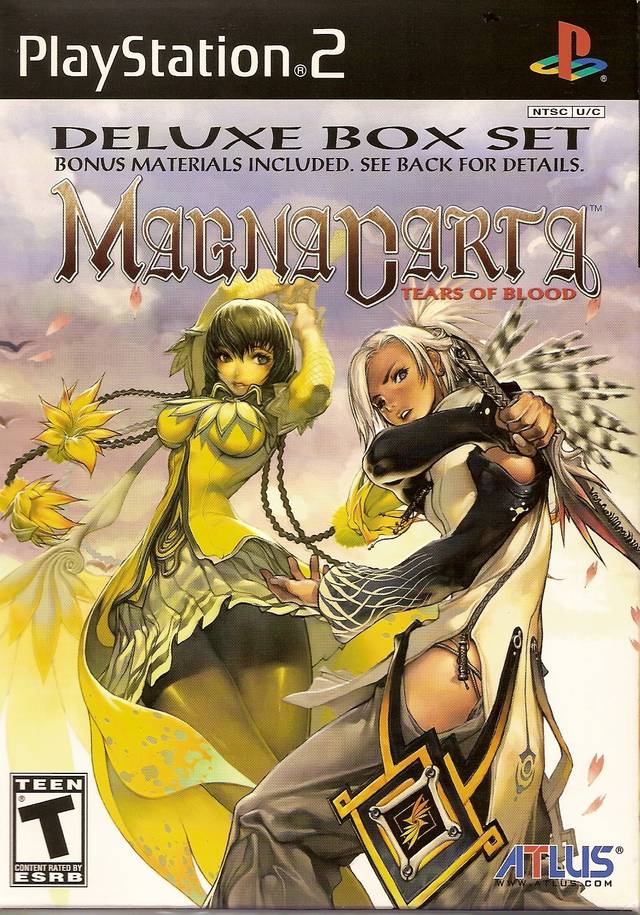
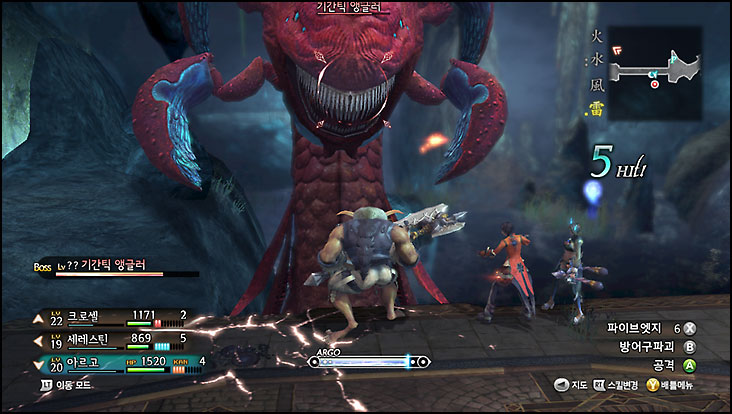
Apparently the success of MagnaCarta had convinced Softmax to make the franchise into their new main series, and thus three years later came the sequel as the second major console game from Korea after Kingdom Under Fire: The Crusaders (originally, a PC version for the Korean market was planned as well21, but by the time the game got released, there wasn't any market left for single player PC games). Other than Phantagram's hit, Tears of Blood wasn't too warmly received in the West, but in Japan it sold 120,000 units in four days22, dwarfing the Korean sales figures (where it reportedly took 3 weeks to turn over 30,000 units23). The game was produced in cooperation with Banpresto, but appointing an additional producer and various supporting tasks apparently were already the extent of the Japanese company's role, judging by the game's credits.
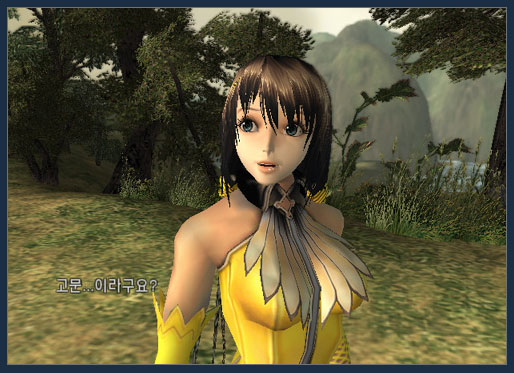
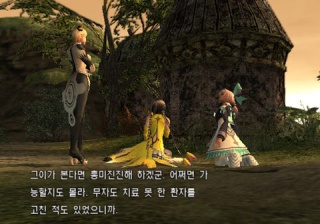
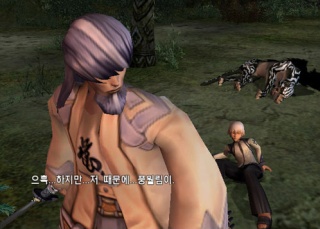
The story doesn't pick up from the original game, but some of the characters have similarly designed counterparts. The hero is even named Calints in both games, although he's definitely a different person. While the first game centered around a slightly arrogant aristocrat fallen out of favor of the powers surrounding him, the Calints here is the typical peasant kid turned mercenary after his village was destroyed by some unknown evil force.
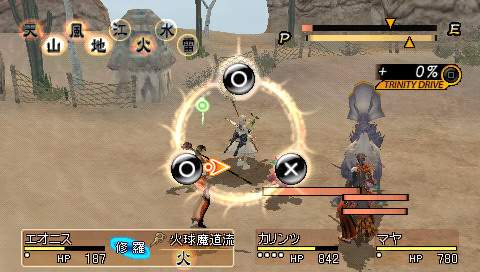
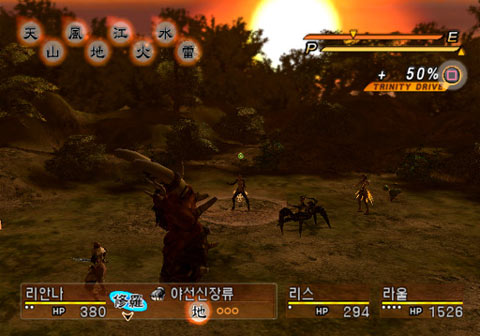
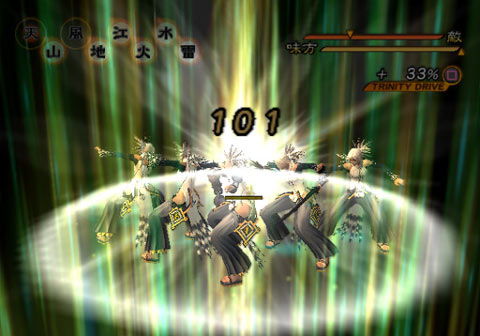
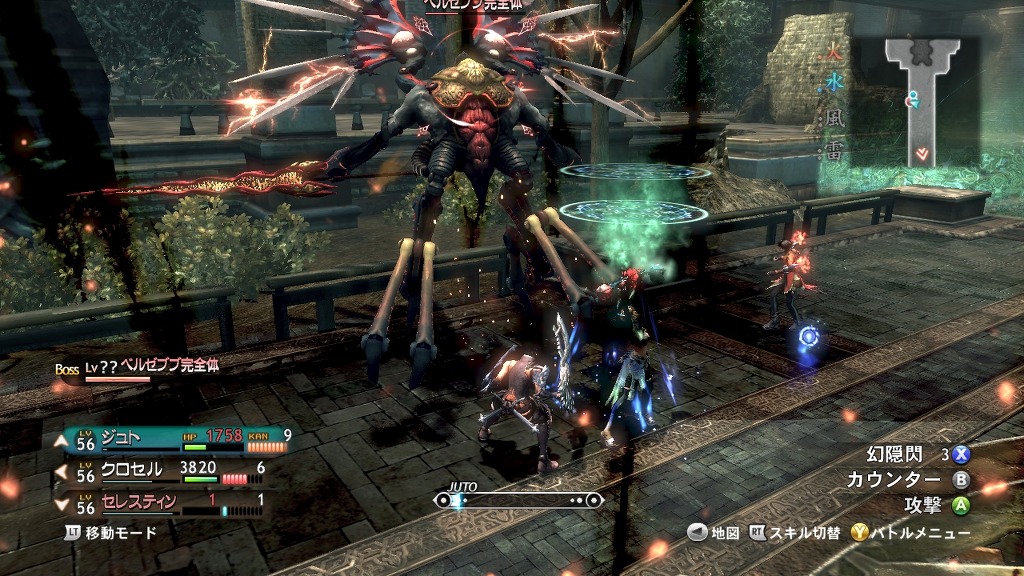
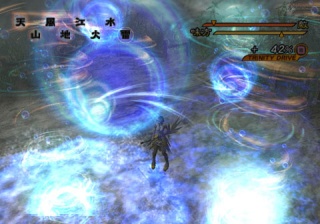
New was a slight action element that allowed to catch a slash at enemies on the field map, gaining an advantage in the acutal combat. The main combat, though simplified, ist still quite unintuitive, but at least this time the developers had the decency to include an (optional) tutorial. In concept it is quite interesting: All characters share the same ATB bar, only their chi-elements (of which theere are 8) discourage from using the same character all the time. When using attacks of a certain element, it gets depleted from the area, rendering the attacks useless. Often the environment factors heavy into the distribution of chi (fire is strong in a magma cave, etc.). The combat runs in an aggravatingly slow pace, though, and the system only works until the main hero turns out overpowered as hell. There is also a lot of filler stuff, as many of the same events have to be played trhrough twice with two different parties. Its biggest problem in the West, however, was the horrendous English dub.
In 2006, the game was ported to the PSP, but only released in Japan.
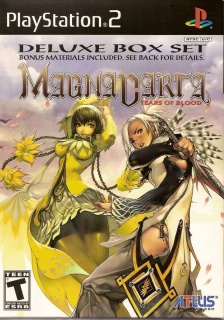
American PS2 cover
|
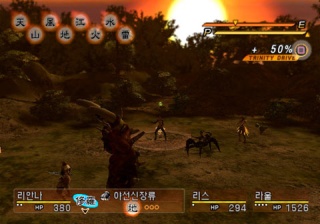
Magna Carta: Tears of Blood
|
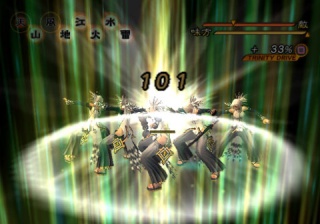
Magna Carta: Tears of Blood
|
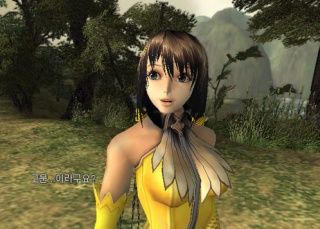
Magna Carta: Tears of Blood
|
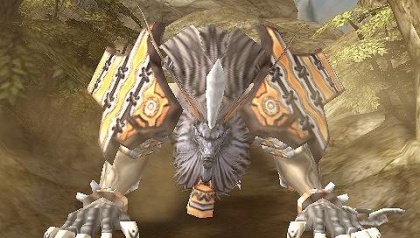
Magna Carta Portable
|
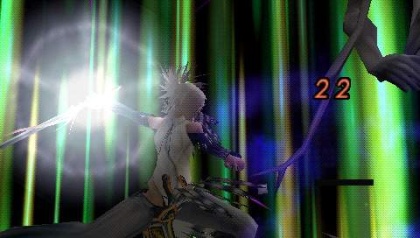
Magna Carta Portable
|
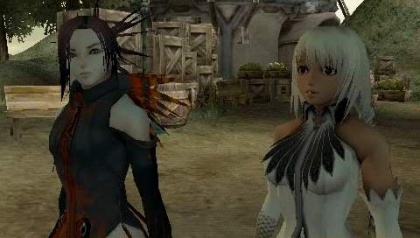
Magna Carta Portable
|
|
|
|
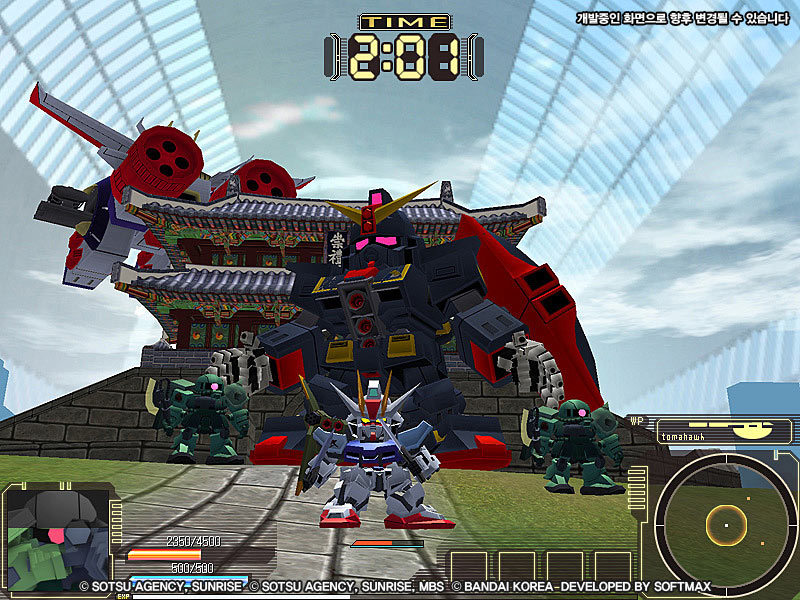
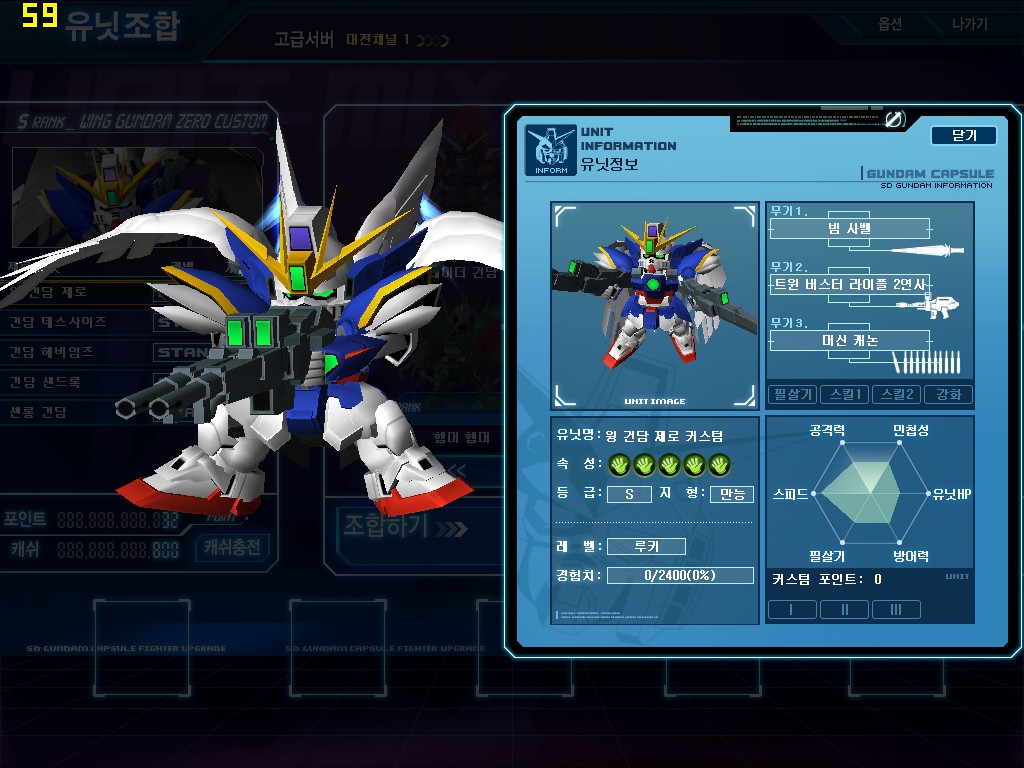
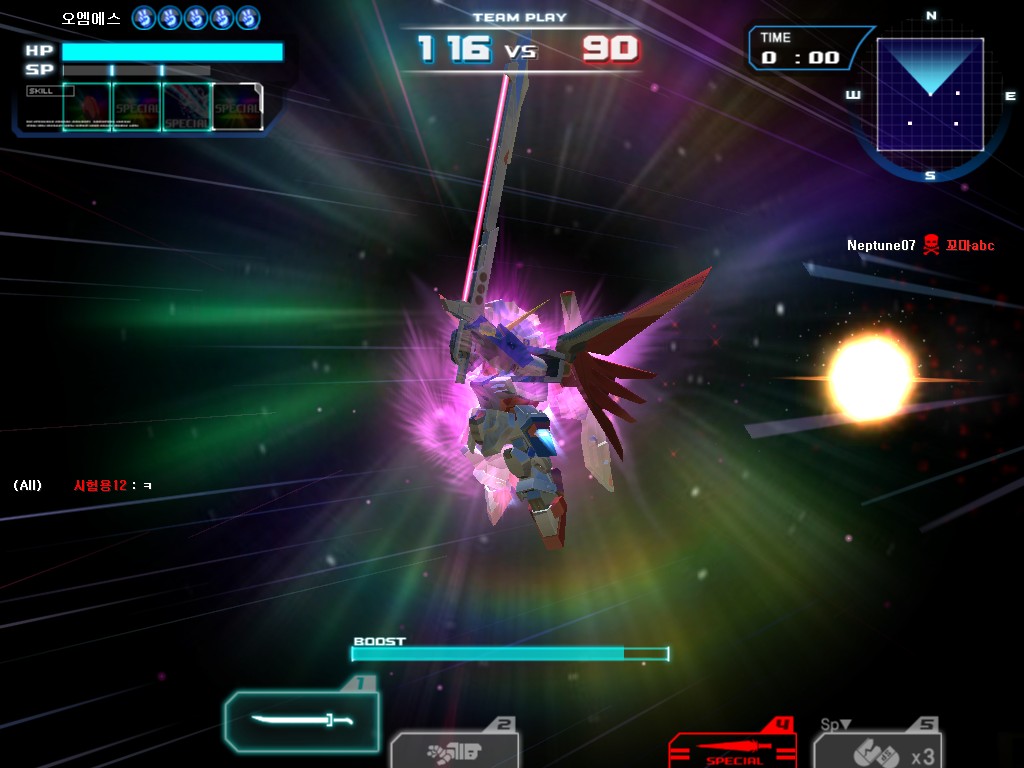
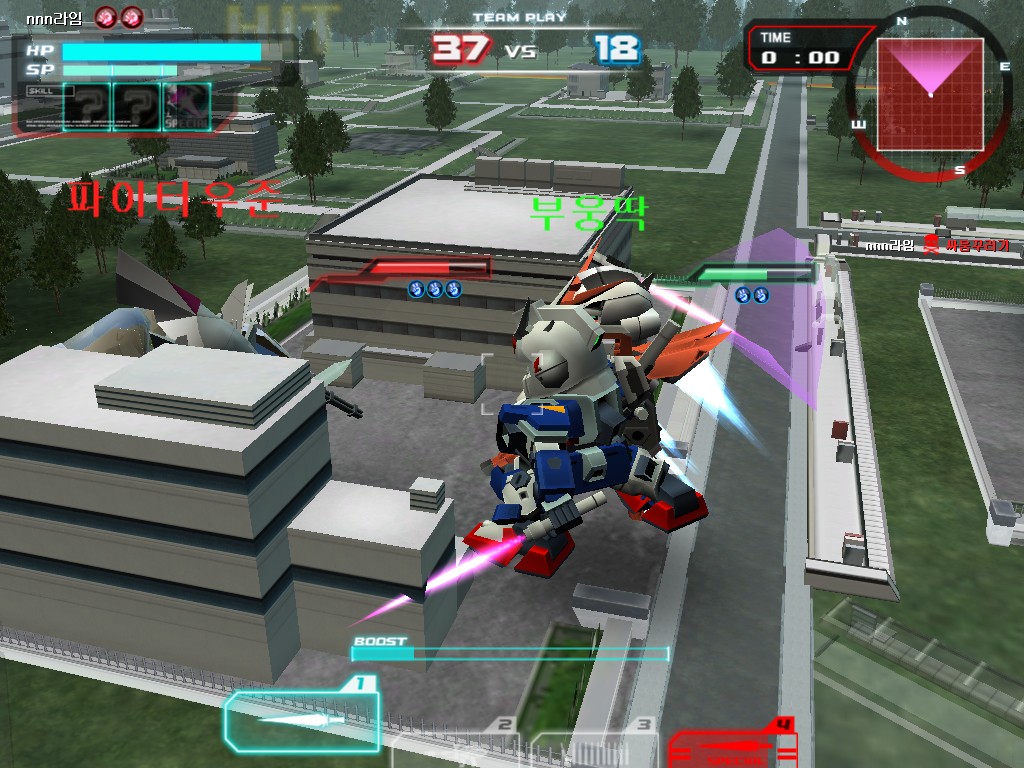
SD건담 캡슐파이터 (SD Gundam Capsule Fighter) - Windows (February 27th, 2007 [open beta])
|
|
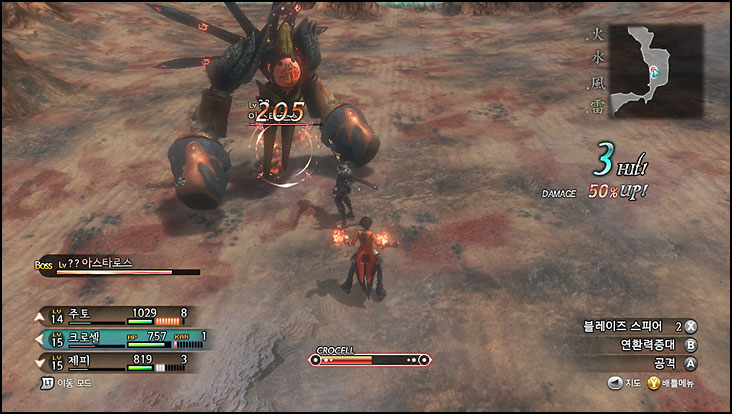
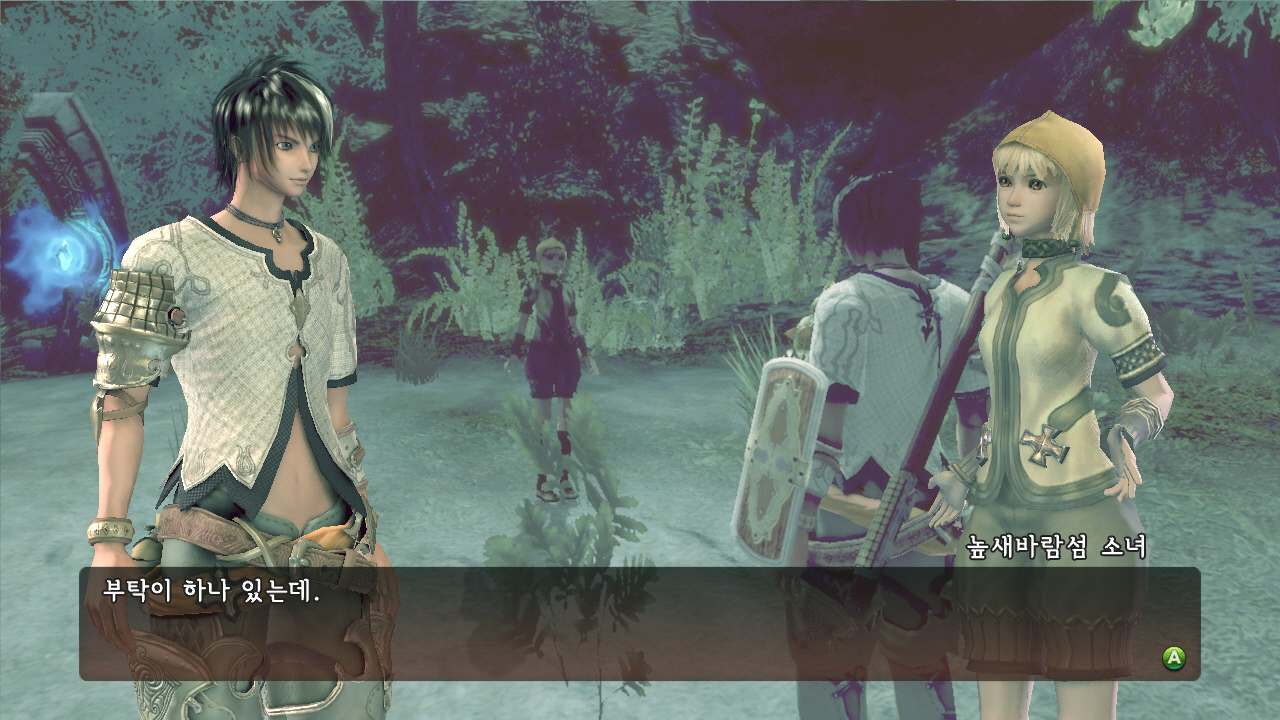
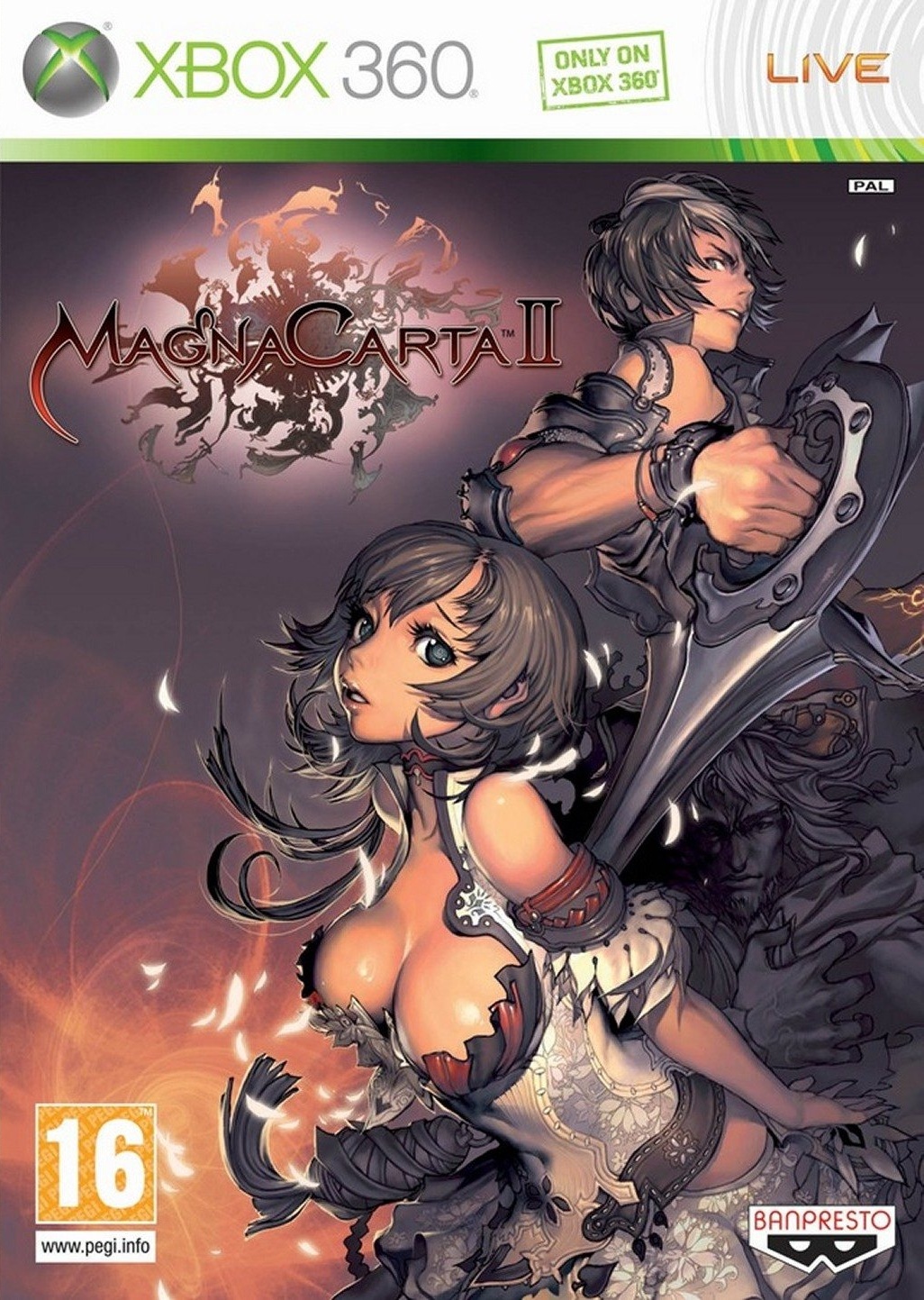
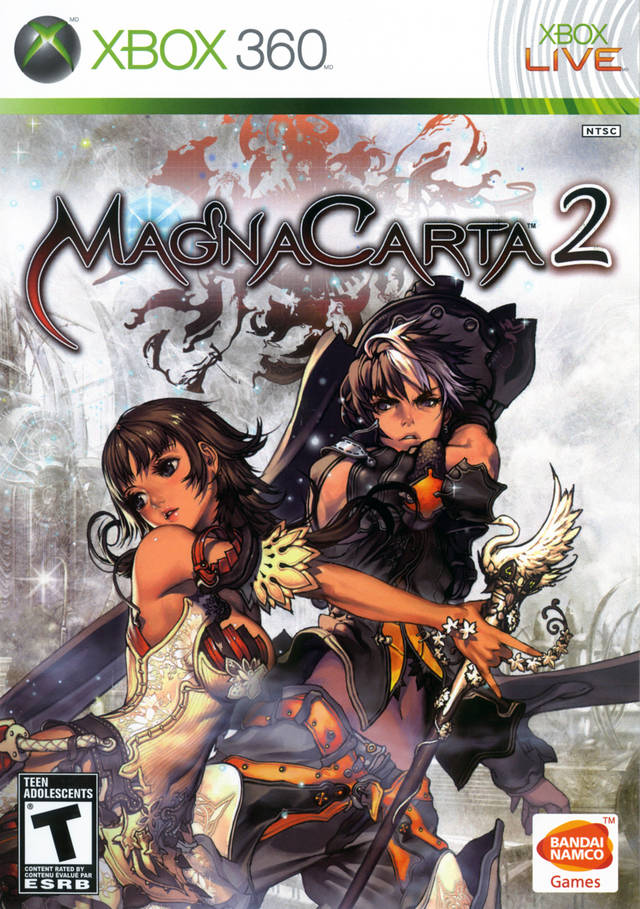
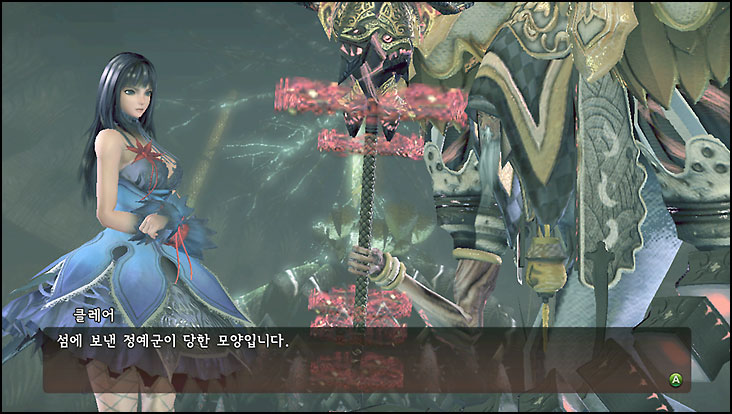
MagnaCarta II (마그나카르타 2) - Xbox360 (August 6th, 2009)
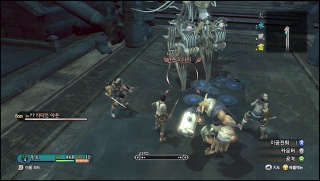
Magna Carta II
|
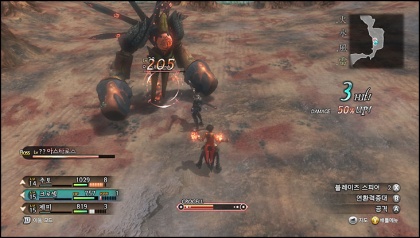
Magna Carta II
|
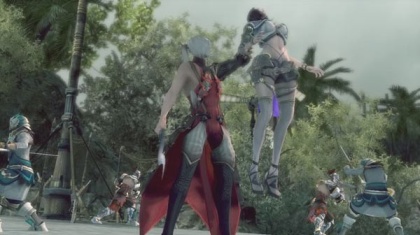
Magna Carta II
|
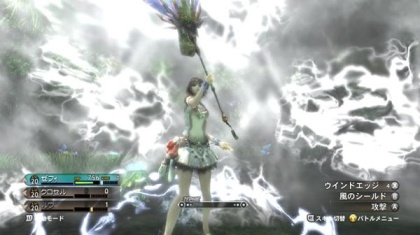
Magna Carta II
|
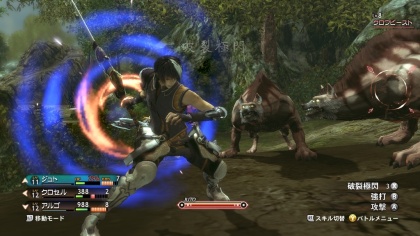
Magna Carta II
|
Magna Carta II
|
|
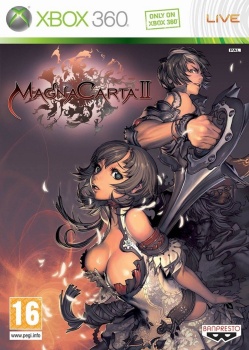
European cover
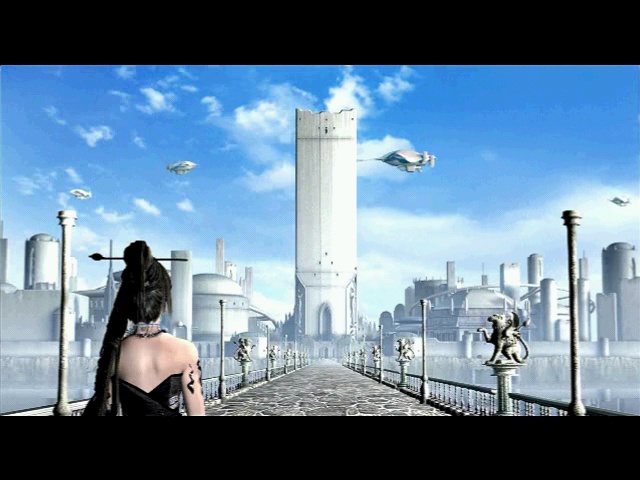
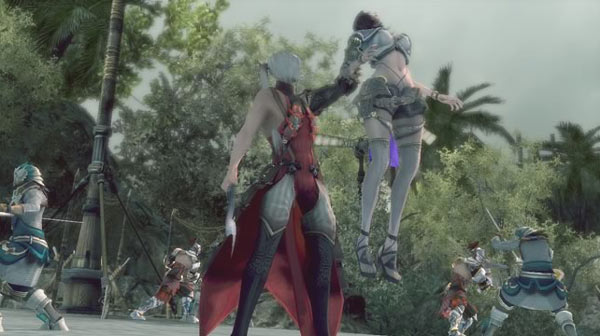
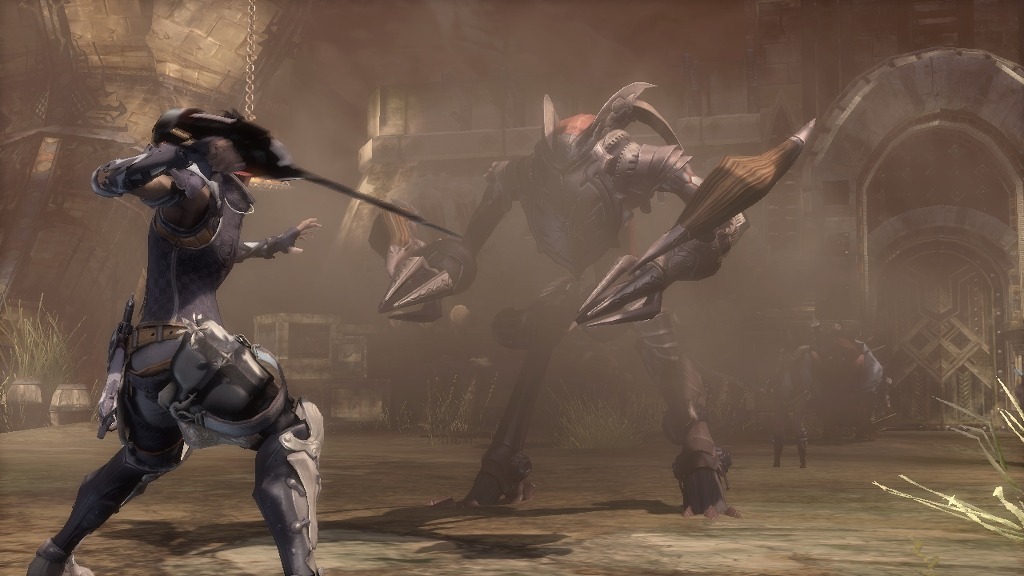
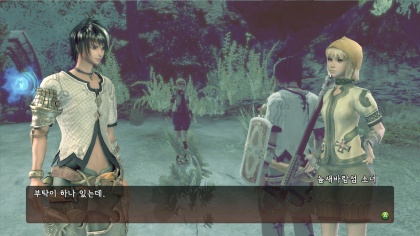
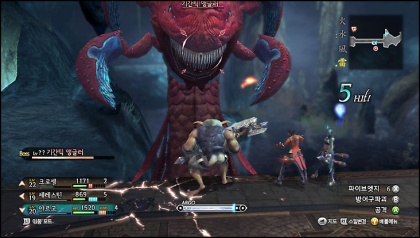
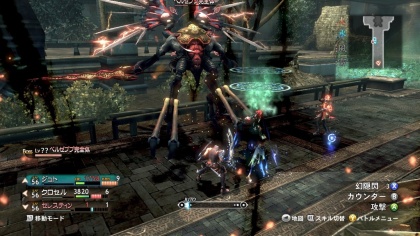
As far as story goes, Softmax' Xbox 360 debut feels like a big melange of tired Final Fantasy tropes - a protagonist who is just as mopey and angsty at times as he is annoyingly upbeat at others? Check. With amnesia? Check. Princess that leads a rebel army to win back her conquered kingdom? Check. Living magical weapons from an ancient civilization? Check. Embarassing English dub? Check.
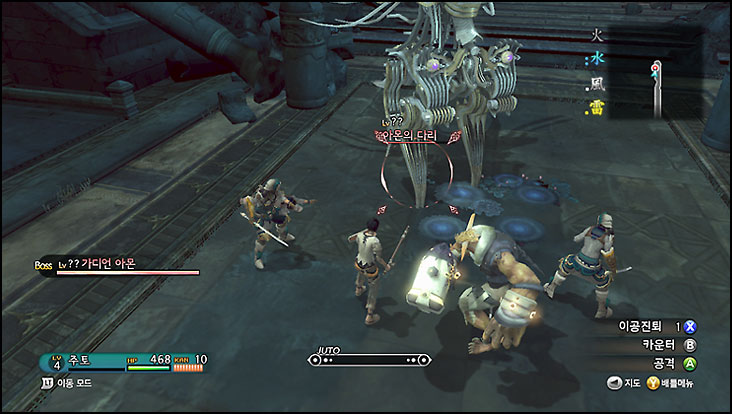
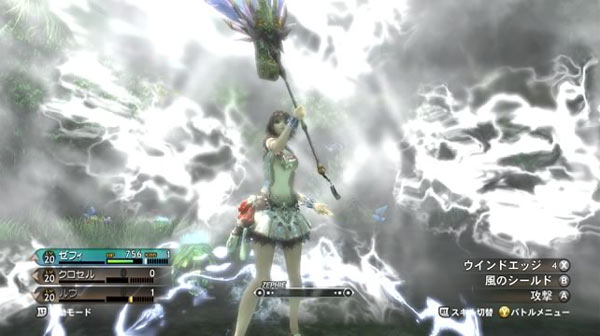
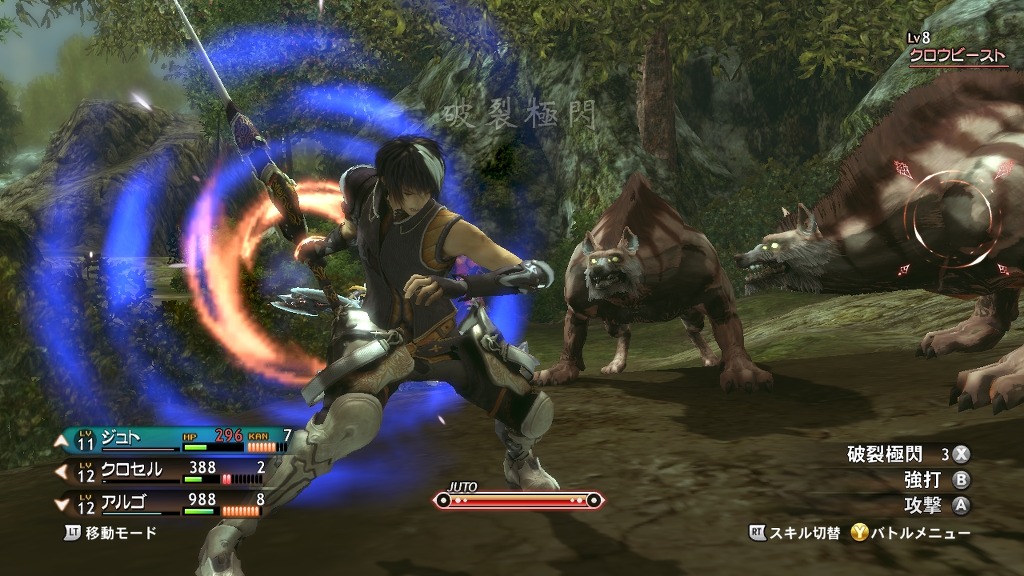
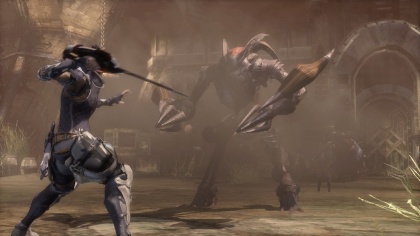
The combat in this action RPG is actually more resembling of Secret of Mana, or more precisely it's direct sequel, Seiken Densetsu 3. Characters charge up energy with ordinary attacks, which can then be used for powerful specials. The elements from the previous game are now down to four and appear as residue of magical attacks. The player can switch between the three active party members at any time during combat, and often this is required to keep combos going - characters get tired with subsequent attacks, and only a well-timed take-over special can instantly recharge their stamina.
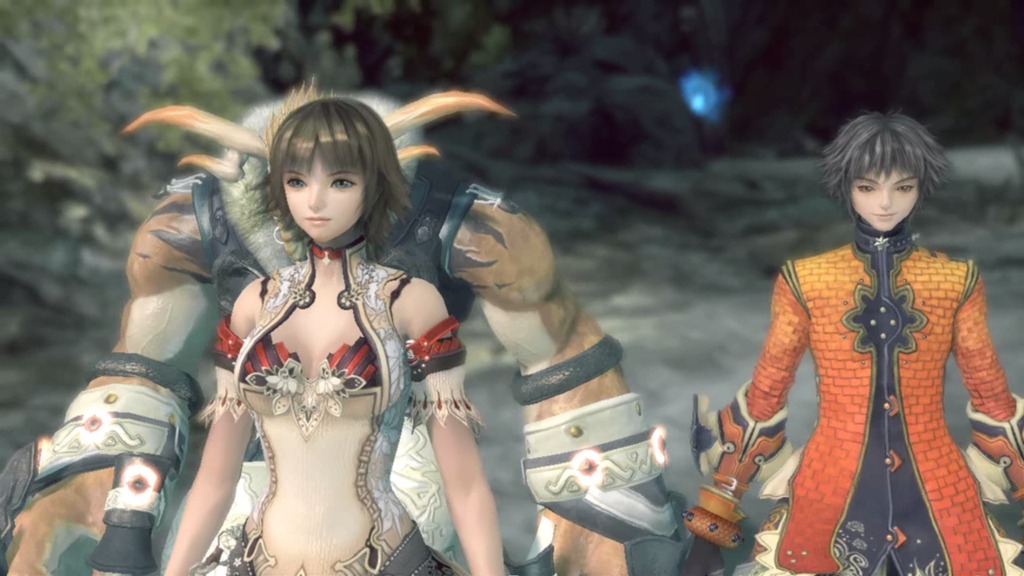
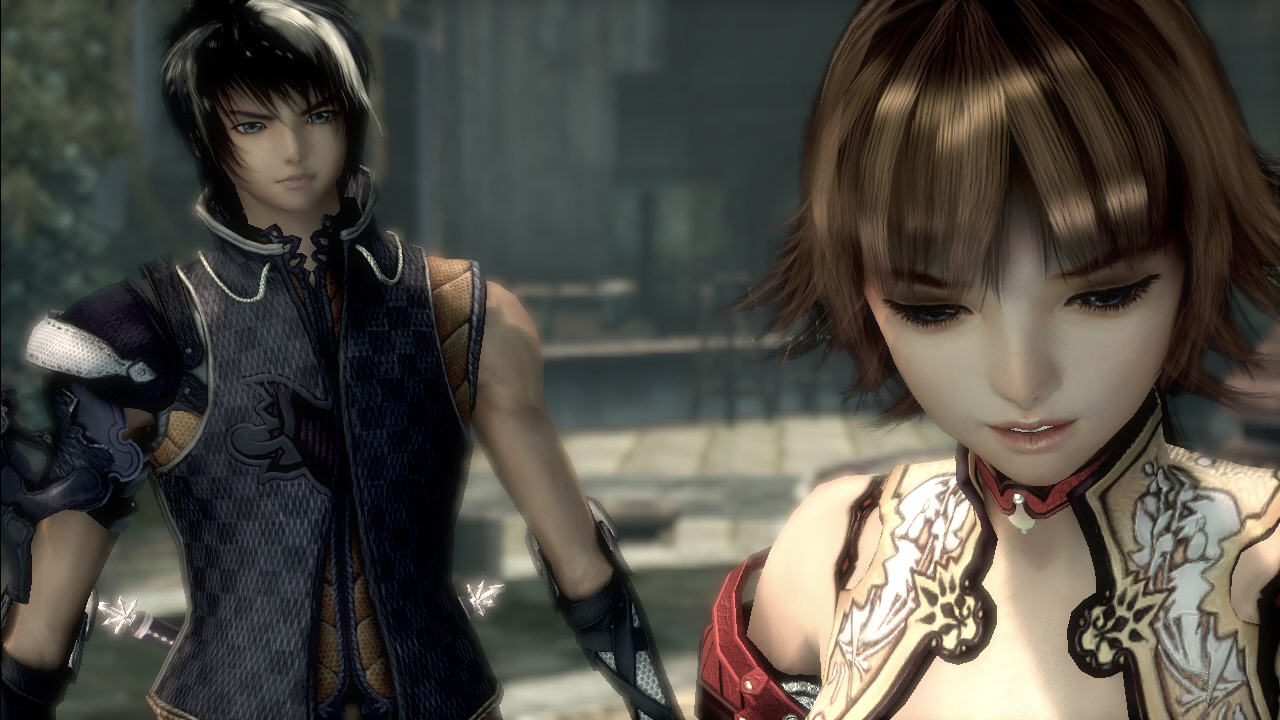
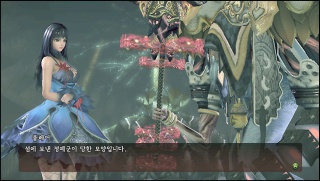
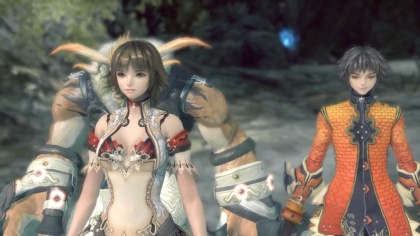
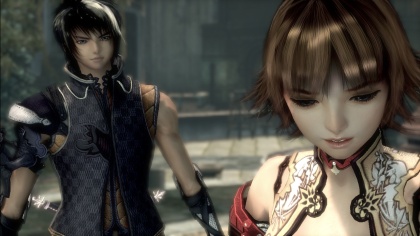
The character designs were once again done by Kim Hyungtae, although he wasn't as involved in the art direction as in previous games, which may be the reason the in-game models differ more from his illustrations than ever. The game looks reasonably good, although the dialog "cutscenes" that just juxtapose two idle characters on the screen without any dynamic movement or editing are pretty lame. Despite being exclusive to a non-Japanese console, the game was once again reasonably successful in Japan - reportedly it sold 25,000 units on day one24.
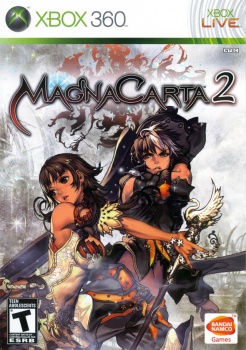
American cover
|
Magna Carta II
|
Magna Carta II
|
Magna Carta II
|
Magna Carta II
|
Magna Carta II
|
Magna Carta II
|
|
|
|
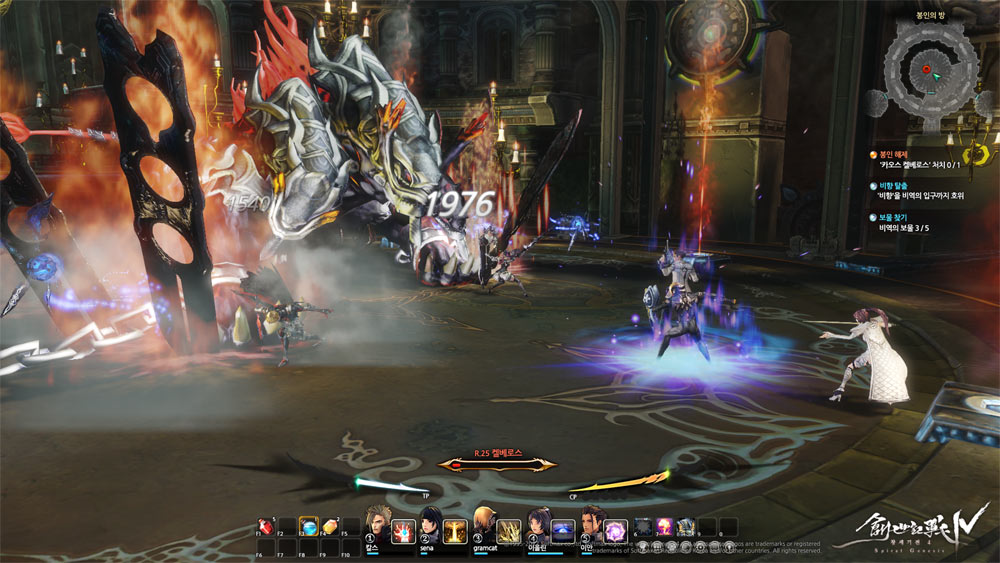
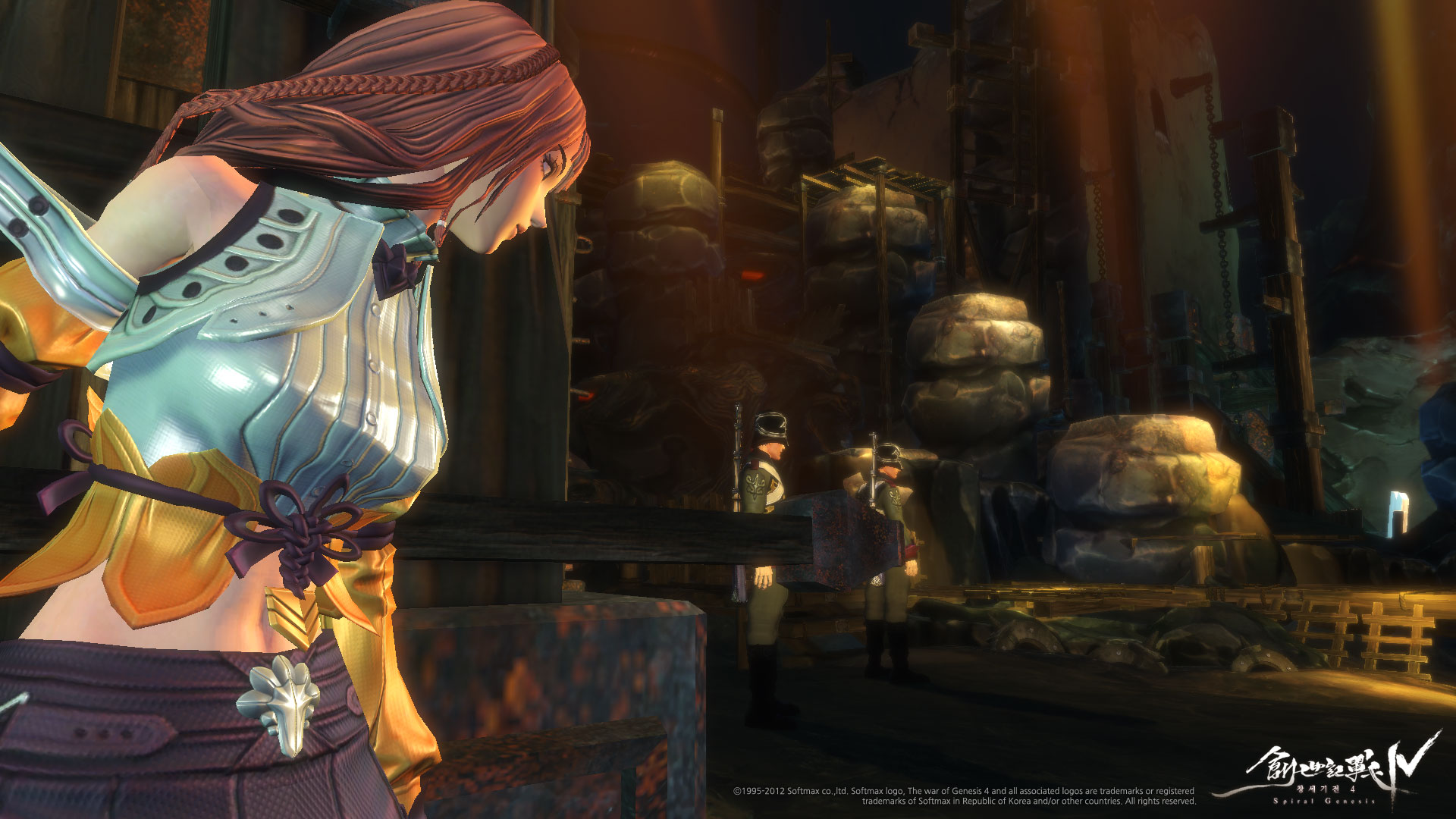
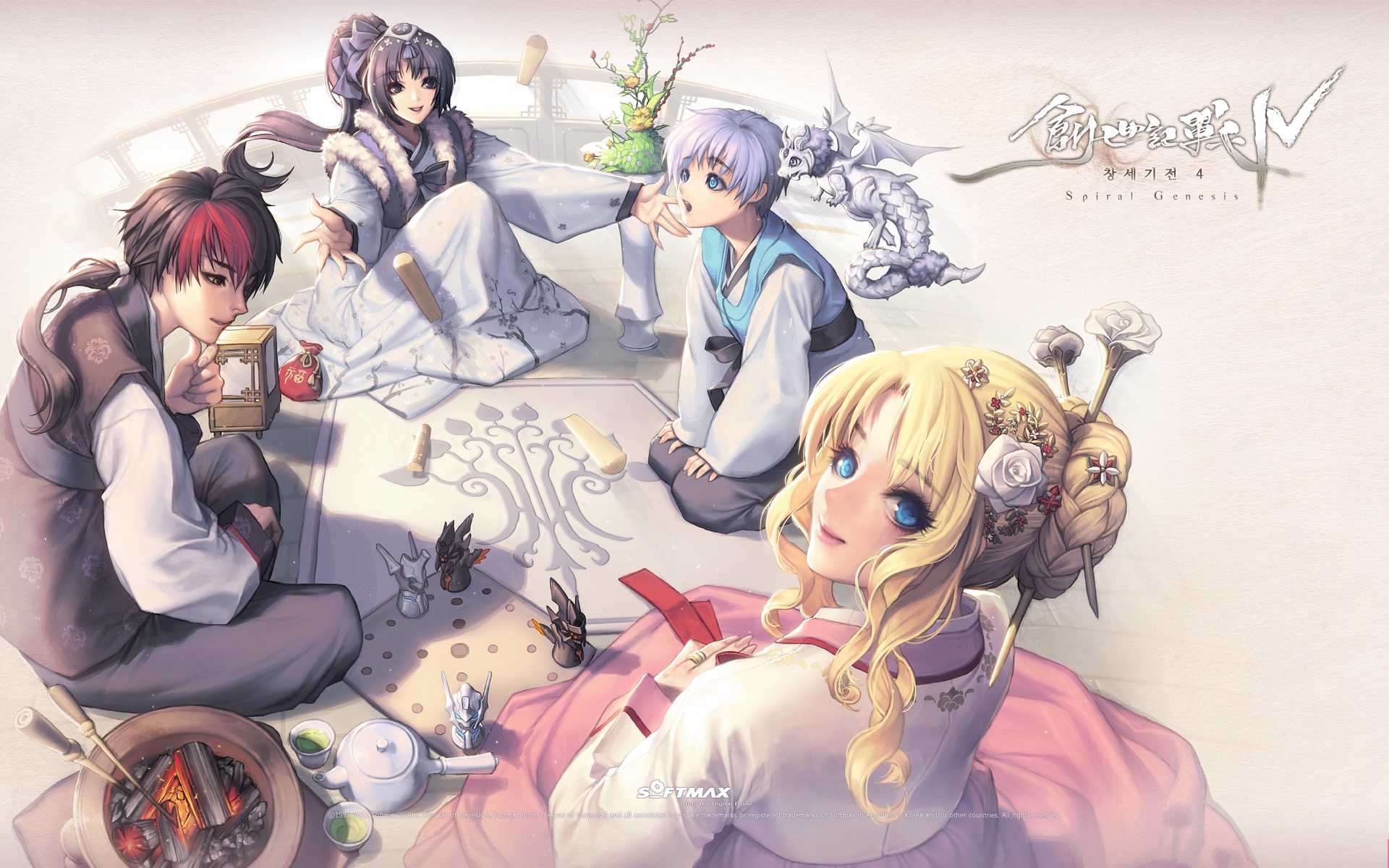
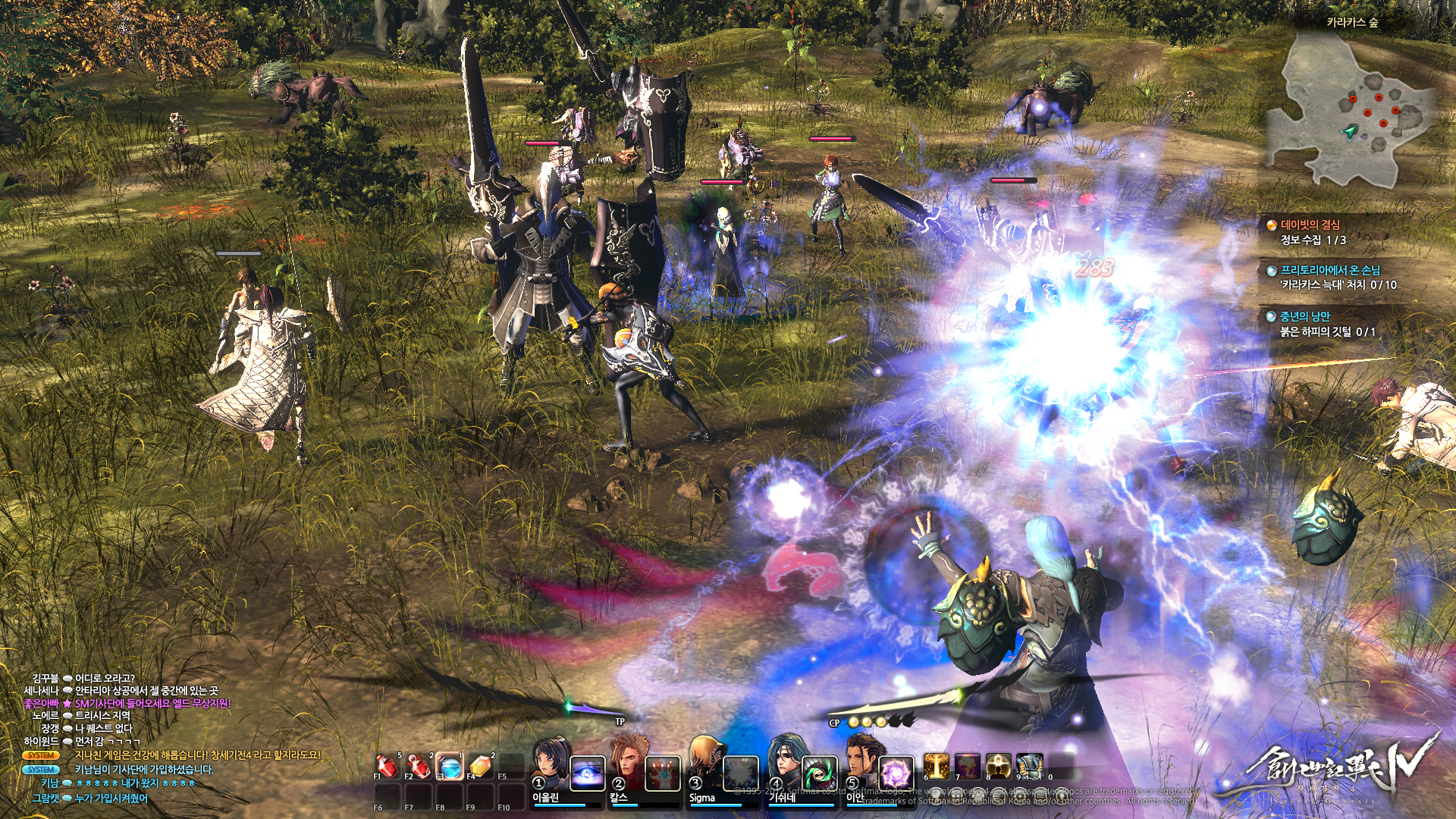
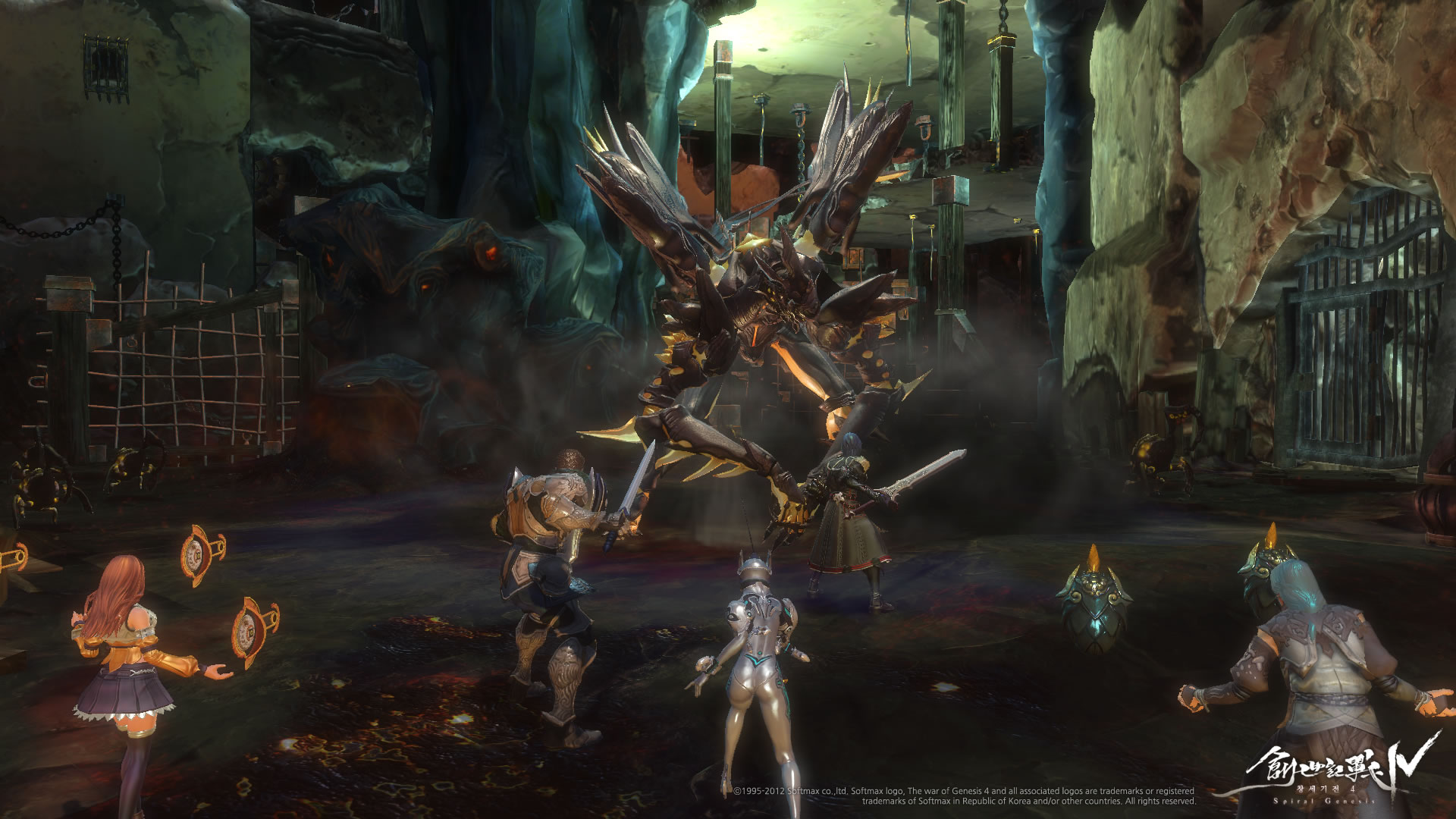
창세기전 IV (Changsegijeon IV) / The War of Genesis IV - Windows (TBA)
|
|
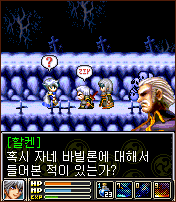
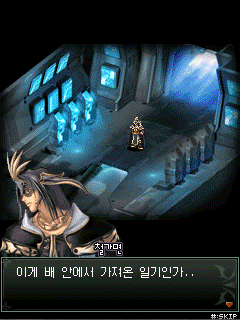
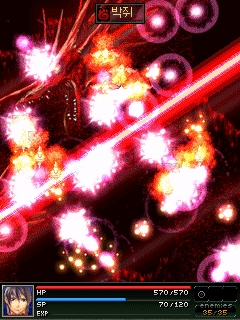
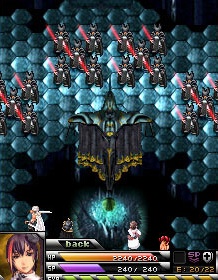
Mobile Games - Mobile (2002-2011)
Tomb of Hero
|
Tomb of Hero
|
Tomb of Hero II
|
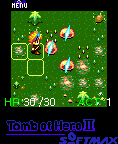
Tomb of Hero II
|
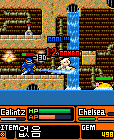
Magna Carta M
|
Magna Carta M
|
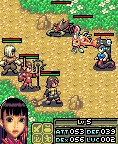
Magna Carta Jin
|
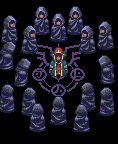
Magna Carta Jin
|
Lucian's Adventure
|
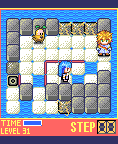
Lucian's Adventure
|
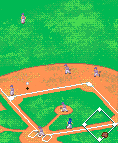
Championship Baseball 2006
|
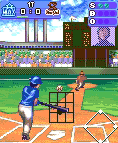
Championship Baseball 2006
|
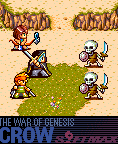
War of Genesis Crow 1
|
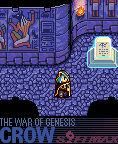
War of Genesis Crow 1
|
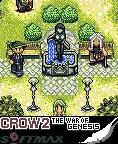
War of Genesis Crow 2
|
War of Genesis Crow 2
|
War of Genesis 3 Ep1
|
War of Genesis 3 Ep1
|

War of Genesis 3 Ep2
|
War of Genesis Nangcheon-pyeon
|
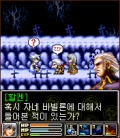
War of Genesis Nangcheon-pyeon
|
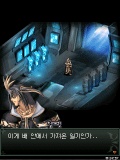
War of Genesis 3 Ep3
|
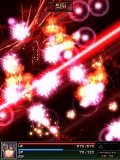
War of Genesis 3 Ep3
|
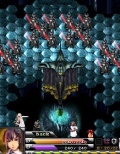
War of Genesis 3 Ep4
|
|
할로윈 캡슐 (Halloween Capsule) (1994)
아마게돈 (Amegedon) (1994)
제워아워 (Zero Hour) (1997)
|