|
Garam & Baram's (the name means "River & Wind") roots go all the way back to 1992, when Kim Mukwang began working on a homebrew game based on the cyberpunk manhwa Heavy Metal 6, accompanied by Yang Kwangsub. Earnest work under the name only startet when a team of developers that had met through BBS got a license for their latest manhwa adaption project, Park Sungwoo's Legend of 8 Dragons. This was when most of the long-time members joined: Kim Byungchul (who himself had developed the homebrew RPG Mips Soft. There they helped out with Mips' Campus Heroes and the unreleased City Buster, but before Legend of 8 Dragons was completed, tensions arose and the team left Mips Soft, who finished the game in a slapdash manner1.
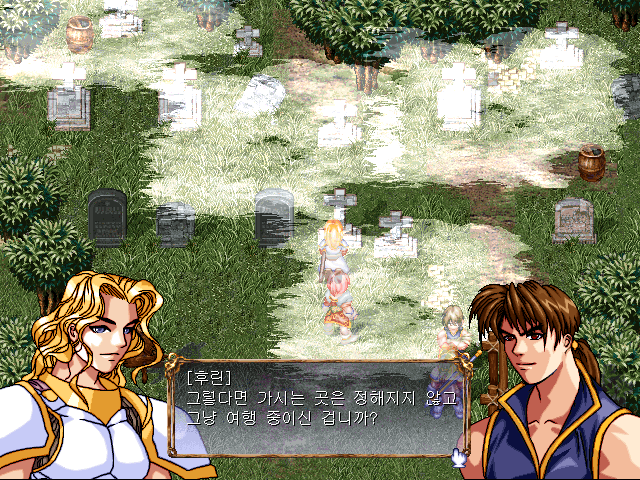
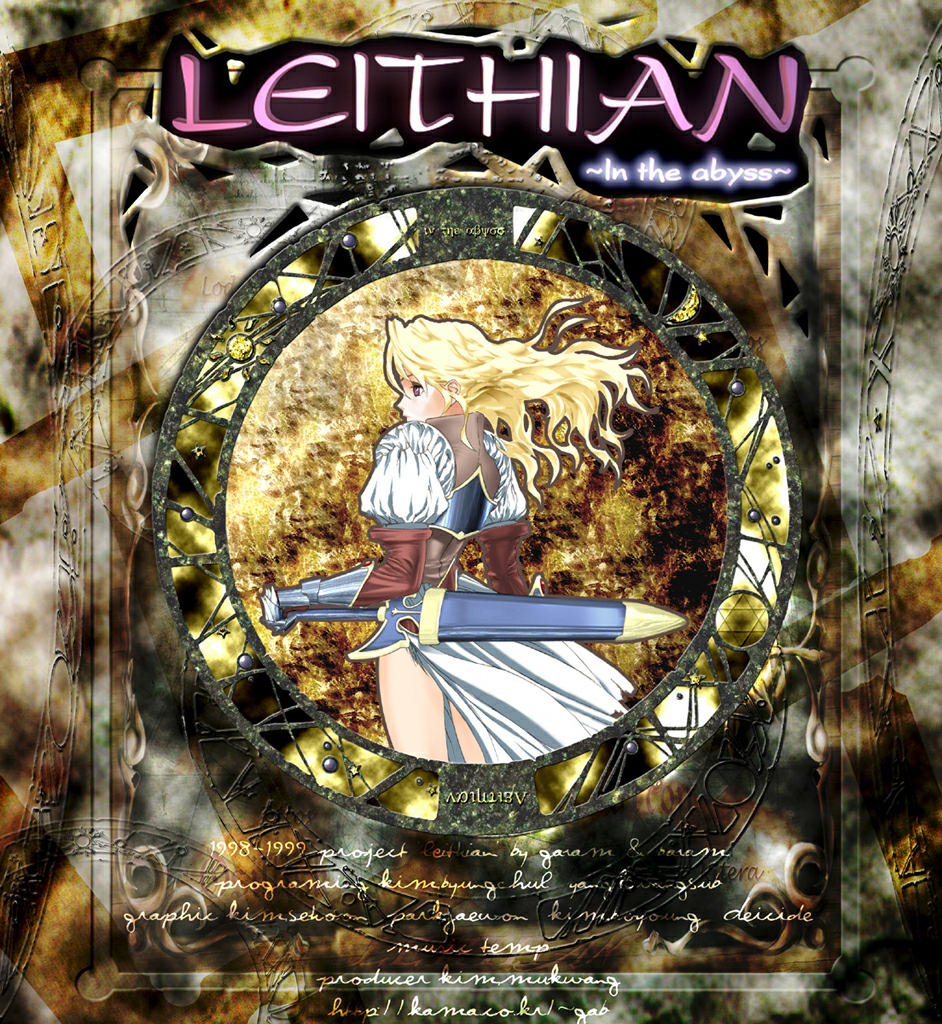
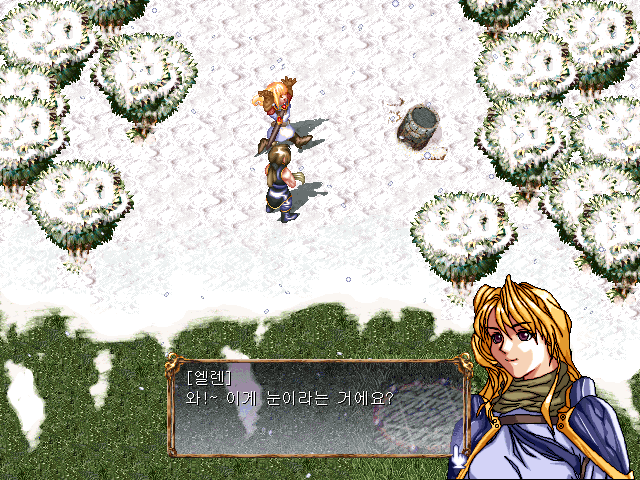
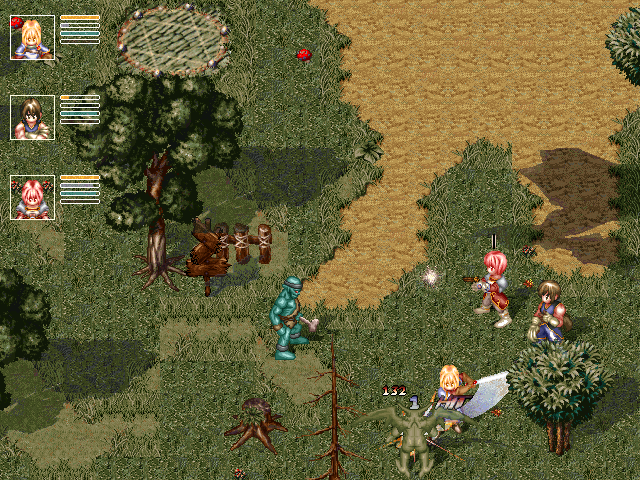
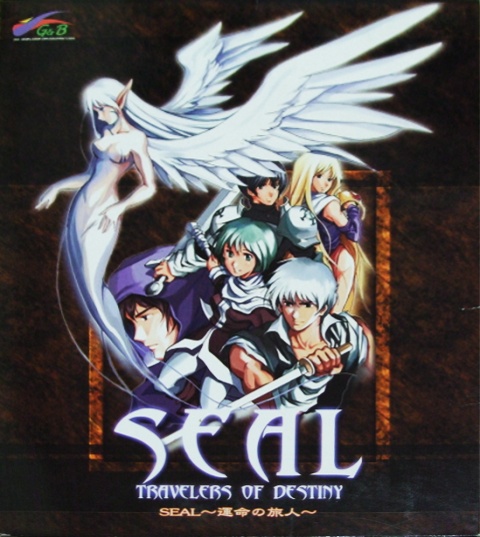
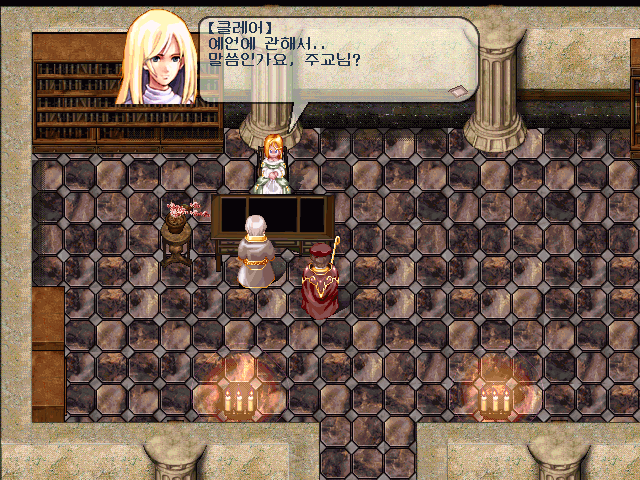
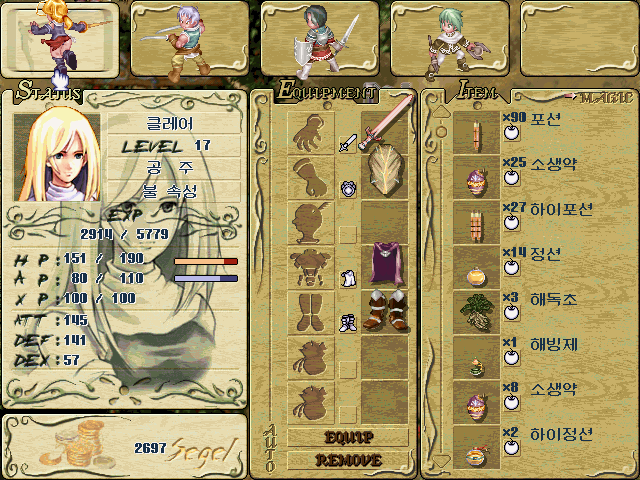
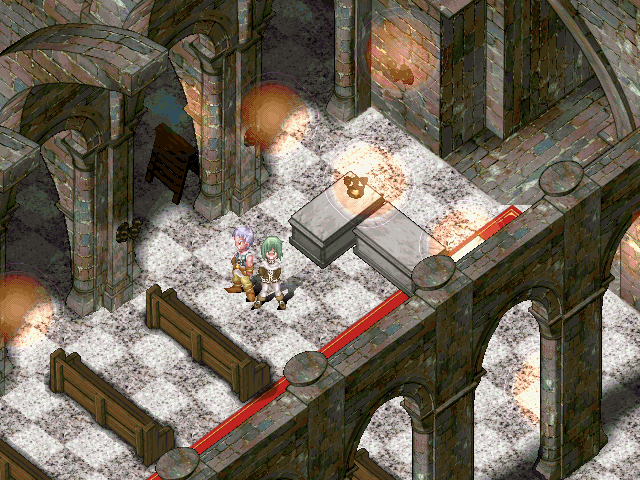
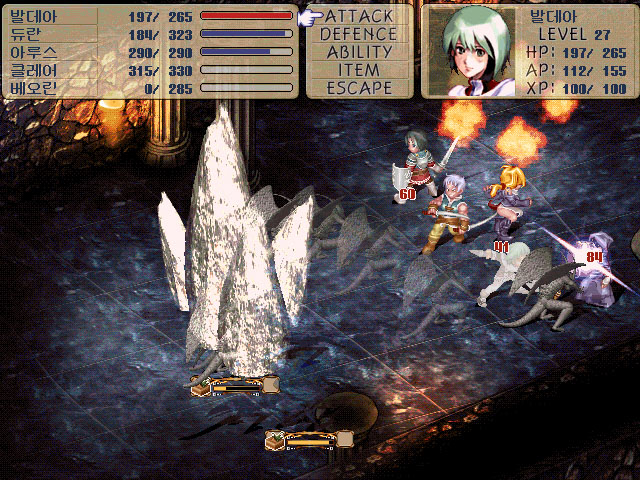
The next stop for Garam & Baram was Kama Digital Entertainment, the newly founded game division of Kama Entertainment. Tucked away in Kama's basement (where they once only barely managed to save their work from a flooding), they had to suffer much pressure from the publisher, and were forced to release their first game, Leithian, in a very unfinished state. During this phase Kim Boyoung joyned to help out with the graphics, but as an aspiring author she was soon "promoted" to write the team's games' scenarios, while one Miyamoto Musashi became the main illustrator2. Fed up with the working conditions, the team finally established their own company in April 1999, with the help of Yang Kwangsub's parents (the official president of the company was his father). To publish the independently developed game Seal, Garam & Baram went back to Kama Digital Entertainment, as their own company was in financial difficulties and folded soon after the game's release3. More conflicts with the puplisher about magazine bundle rights for Garam & Baram games followed4.
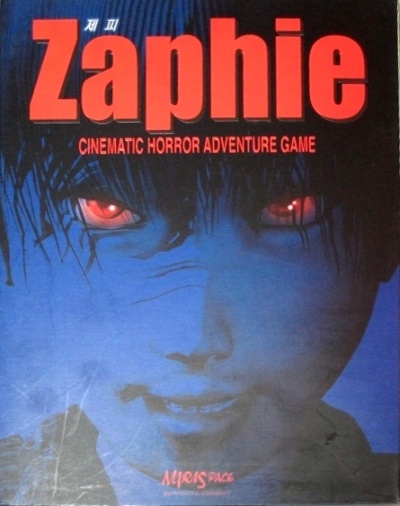
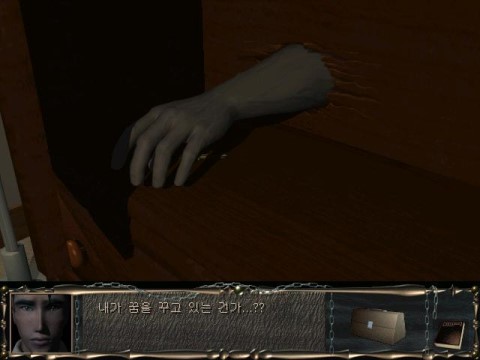
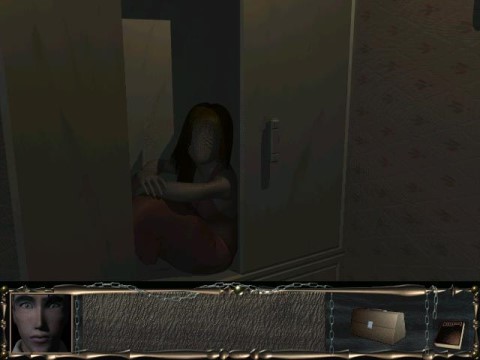
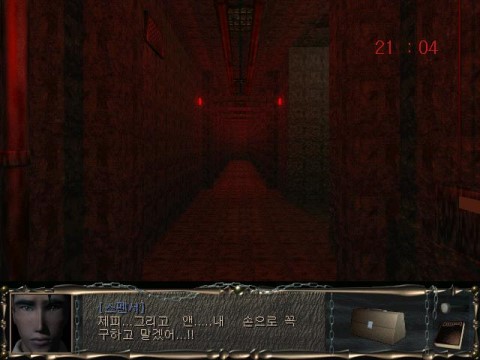
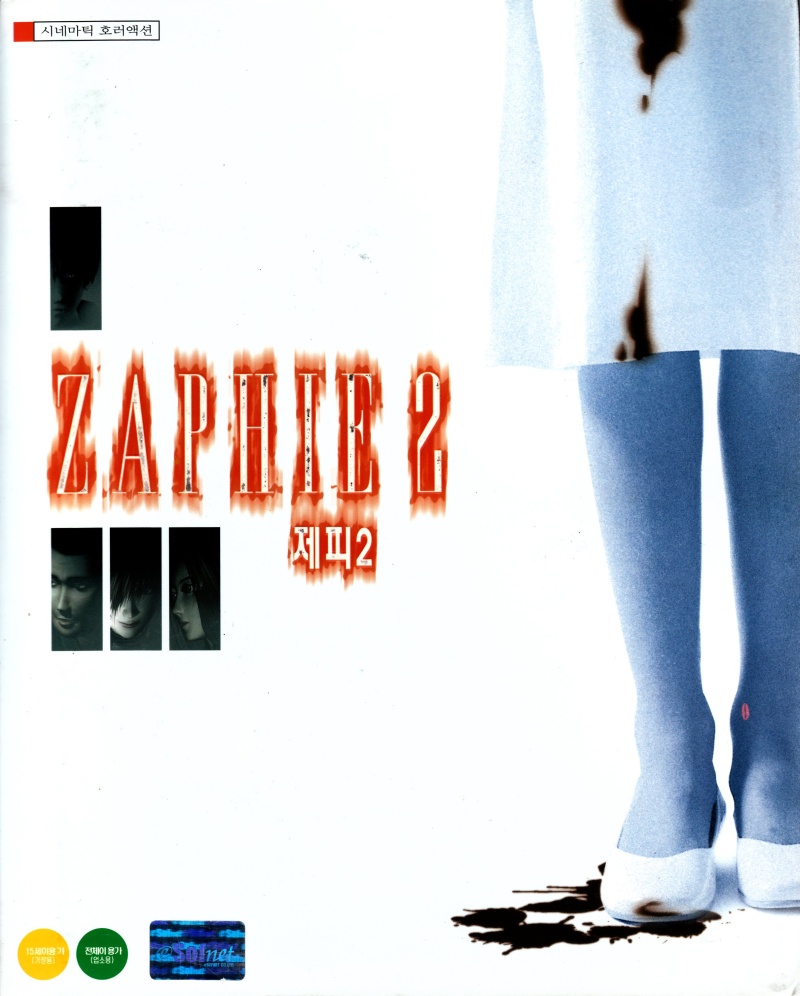
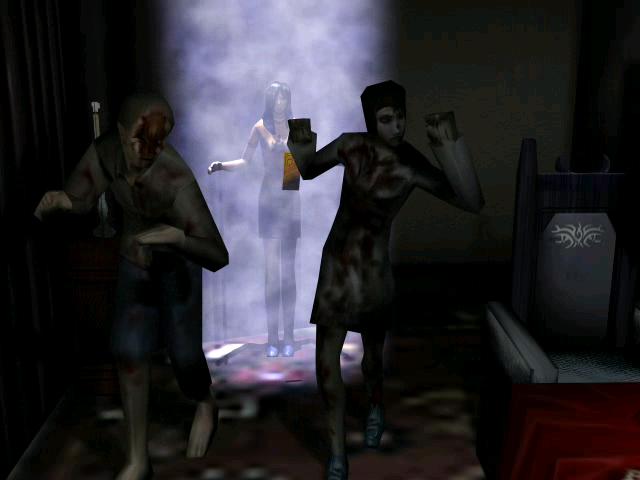
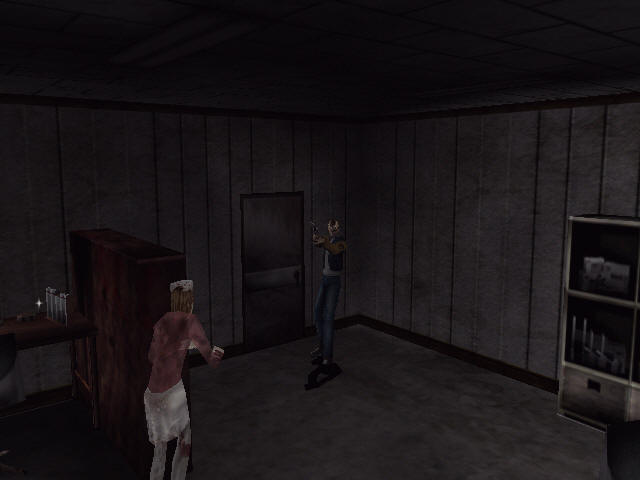
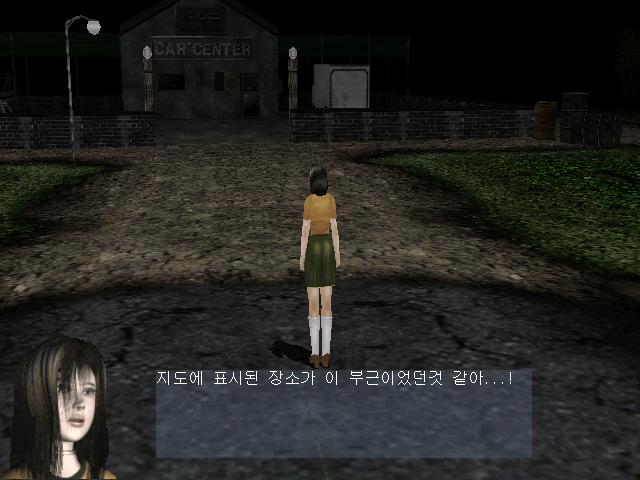
Mira Space was a team of career changers that met at Game School. Using a lecture room at an university as their "office", they programmed the surprise hit adventure Zaphie, after which they had no difficulties finding investors for their following projects. An animation company called Amito was interested in the team5, but it eventually joined Grigon Entertainment in November 2000.
Jo Byeonggyu, who had founded Keun Bawi Eolgul ("Big Rock Face"; it was renamed to Grigon Entertainment in September 1999), approached the game industry by scouting for promising development teams. After short stints at intoCore (June to November 2000) and the internet sports news provider VSCom (December 2000 to May 2001) Garam and Baram also joined Grigon as its 2nd team in May 20016. Art director Kim Mukwang later described Jo Byeonggyu as the first company president with a genuine interest in games he'd ever met. This was also the first time for the teammembers to live a regular employee's life with fixed working hours7. By that time a lot of new members joined the team, including a new leader, Han Jongku, who had worked together with Kim Mukwang on the unreleased Dojisan Geomjirim8.
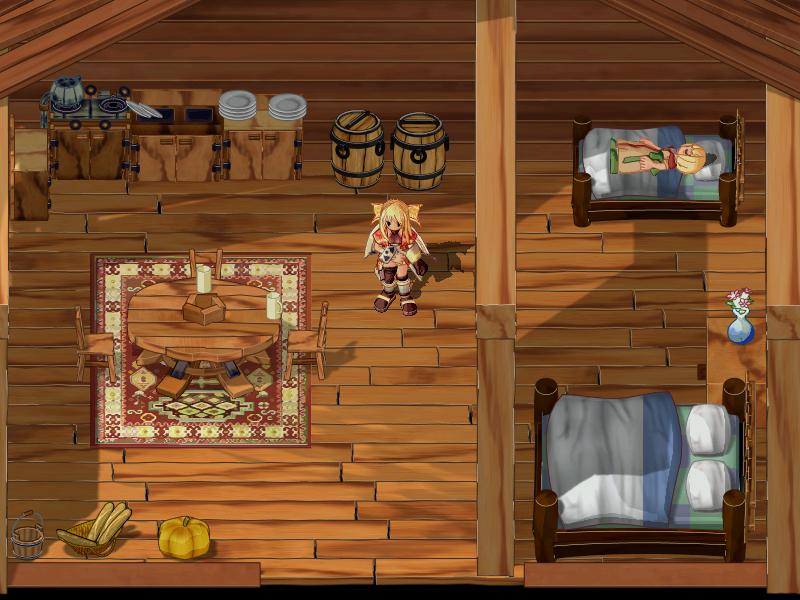
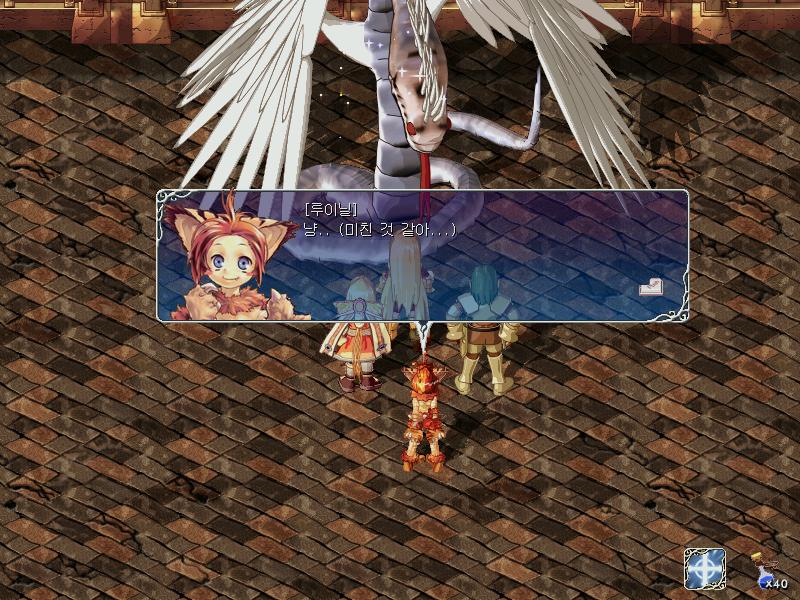
Both teams at Grigon Entertainment went on with their own projects, but their history from 2002 onwards is not as well documented. Both were supposed to work together on the 3D action game Shadow9, but never finished it. In 2004 it was reported that Garam & Baram had left the company and co-founded Sonov (now named Choirock Games, a subsidiary of the children's entertainment giant Sonokong)10, but only Han Jonggu has been the only key member spotted in association with Sonov, as producer of the extremely short-lived MMORPG L.I.F.E. Online11. The others actually scattered into many different directions: Kim Mukwang worked at JoyOn Entertainment in 2005, between many freelance works12, Kim Boyong started a career of writing Science-Fiction short stories13, while Kim Byungchul remained with Grigon Entertainment until end, which came in August 2009, shortly after the company entered the KOSDAQ Stock Exchange and failed there14. Its most profitable property, Seal Online, had already been taken over by YNK Partners (a subsidiary of YNK Korea, the service provider for the game) in February 200715.
|










, Park Jaewon and Kim Sehoon. To get their game financed, the team finally moved to Busan, where they joined <a href=)