|
|
A History of Korean Gaming
|
|
동서산업개발 Dong Seo Interactive / DS게임채널 DS Game Channel
|
|
|
Profile:
|
|
Dong Seo started to publish Western PC games in September 19901, almost a year earlier than its soon-to-be rival SKC Softland. Among their partners were big names like Lucasarts, EA, Sierra and Activision. As the first publisher of legally licensed PC games in Korea, Dongseo were also among the first to localize games, starting in 1992 with Eye of the Beholder (although that only affected the main game text, while the introduction, menus and other things were still in English.) Other early translated titles were Alone in the Dark and Dark Seed.
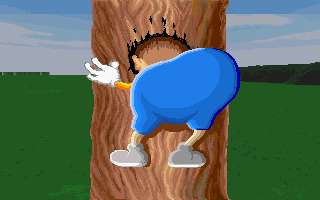
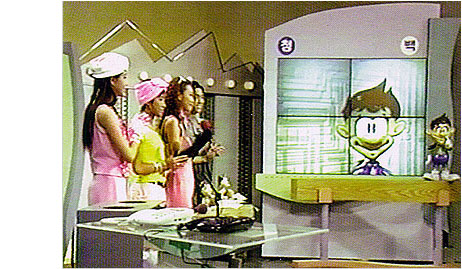
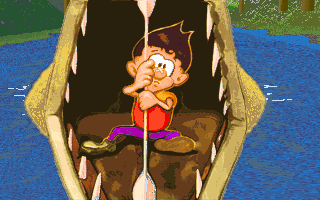
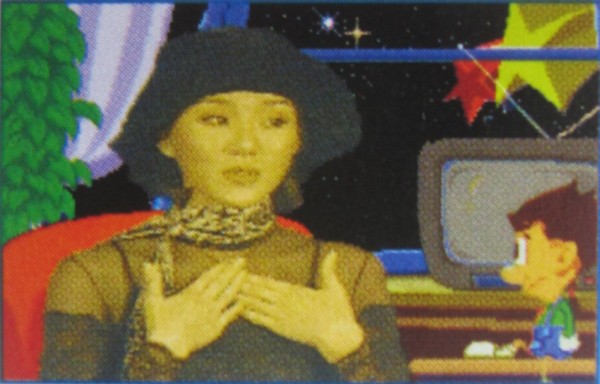
DS Game Channel set up an internal game development team a few years later, whose first released product was the interactive TV game Coba on the Run. The company was last working on the MMORTS Destiny Online, but there have been no news after a closed beta test was announced in 2004. Their website is still online, though.
|
|
|
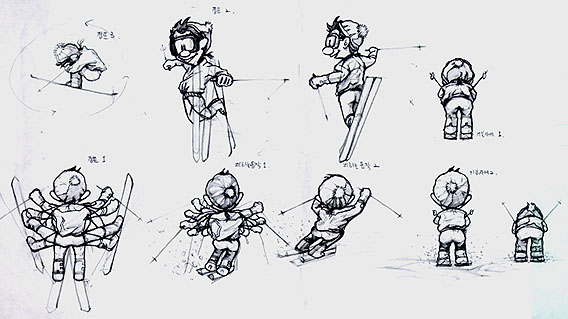
달려라 코바 (Dallyeora Coba) / Coba on the Run Series - TV, PC-DOS, Windows (1994-1996)
The mini games:
Cycle
|
|
Ski
|
|
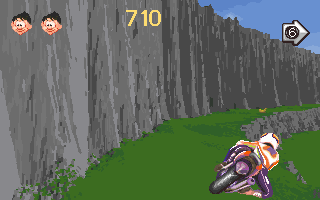
Coba has to dodge obstacles on his motorcycle and catch diamonds with the (5) key. He can also jump with (8).
|
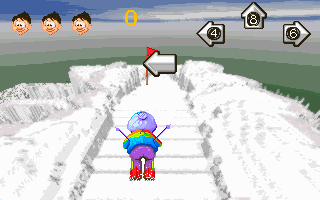
Basically the same as Cycle, only with a different graphics set.
|

Canoe
|
|

Run
|
|
Another driving game like the first two. This time, the diamonds only appear at the shore, and there's dead ends Coba can crash into.
|
Somewhat like the poorest man's Sonic the Hedgehog. Coba rans from left to right with breathtaking speed and has to avoid cannon fire on the way.
|
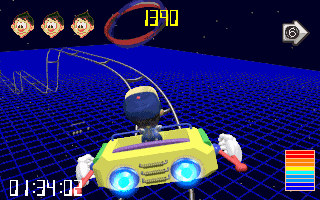
Coaster
|
|
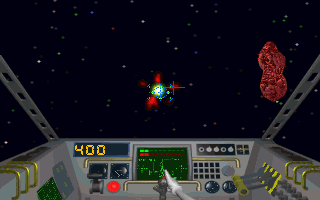
Space
|
|
This one has very limited movement, Coba can only shift his weight to avoid falling out of curves.
|
Shoot asteroids and aliens by pointing with the mouse crosshair. No clue how this worked on TV.
|
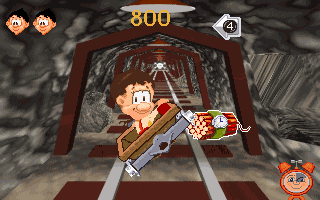
Subway
|
|
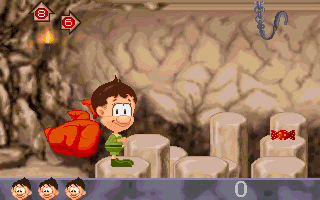
Cave
|
|
One of the more shameless rip-offs of the Hugo show. First, a map shows the right way to the other end of the mine, then Coba has to follow that plan, avoiding dynamite and bats on the way.
|
Another 1-1 copy from Hugo. Get the candy while avoiding the boxing gloves.
|
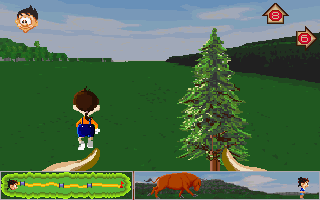
Bull
|
|
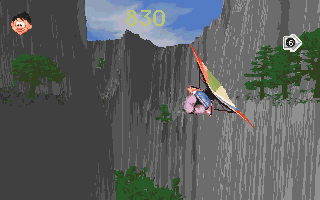
Glider
|
|
Coba has to run away from a bull, avoiding lots of different obstacles. Very similar to the other 'racing' games.
|
Another variant of the standard template, but since this time Coba uses a glider, he can move into all eight directions.
|
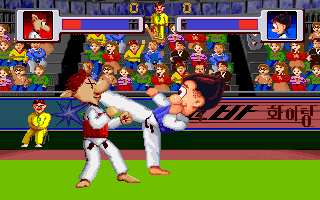
Takwondo
|
|

Board
|
|
This simple 1-on-1 fighting game is the only one of the bunch that can be played by 2 people simultaneously.
|
And another driving game...
|
|
|
광개토대왕 (Gwang Gaeto Daewang) / The Forgotten Land - PC-DOS (September 1995)

Gwang Gaeto Daewang
|

Gwang Gaeto Daewang
|
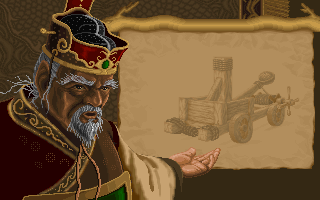
Gwang Gaeto Daewang
|
Gwang Gaeto Daewang
|
|
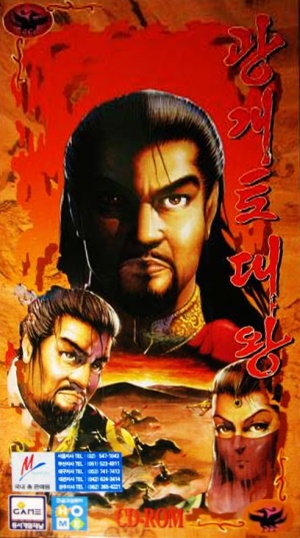
Cover
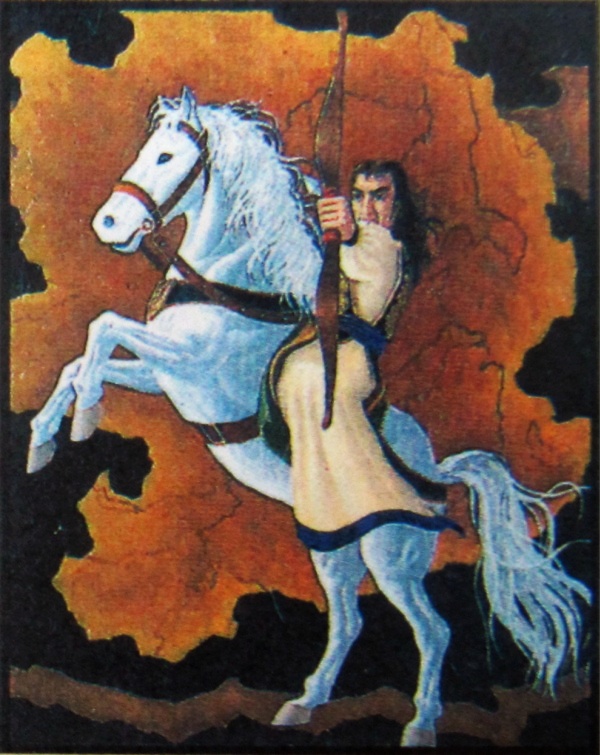
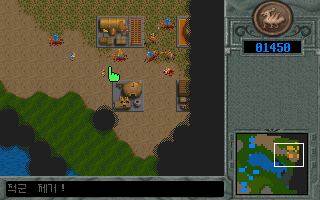
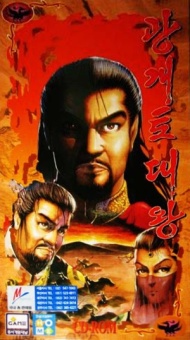
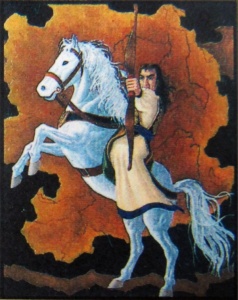
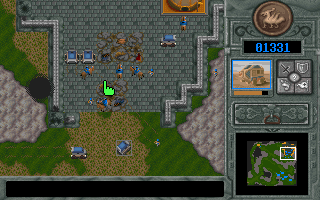
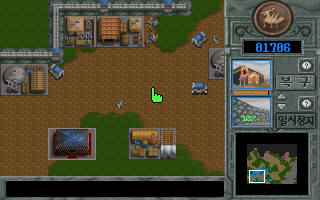
Even long before Koba was broadcasted, DS was already in development of the would-be the second real time strategy game world wide. Gwang Gaeto Daewang, based on the reign of the 4th century King Gwang Gaeto of Koguryeo, was originally scheduled for a release in early 1994. By that time, it would have predated Warcraft and only had Dune 2 to look for inspiration, which is why the interface looks rather derivative of the Westwood classic.
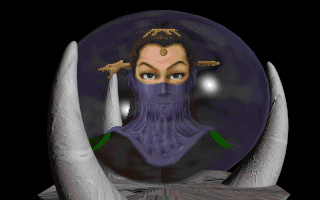
Things didn't quite work out as expected, though, and after massive delays the game finally shipped in fall 1995. Production values speak for the delay, though, as Gwang Gaeto Daewang features very atmospheric and elaborate pixel-art cutscenes and spoken dialogues. On the other hand, the archaic interface bare of any unit grouping, the really short campaign with only nine missions and the lack of a multiplayer mode leave one wondering what they did the whole two-and-a-half years of development time.
Artwork
|

Gwang Gaeto Daewang
|
Gwang Gaeto Daewang
|
Gwang Gaeto Daewang
|
Gwang Gaeto Daewang
|
|
|
|
삼국지 천명 (Samgukji Cheonmyeong) / Three Kingdoms Divine Destiny - PC-DOS, Windows (January 1998)
삼국지 천명~손권의 야망~ (Samgukji Cheonmyeong: Son'gwon-ui Yamang) / Three Kingdoms: Altered Destiny - Windows (August 1998)
Three Kingdoms Divine Destiny
|
Three Kingdoms Divine Destiny
|
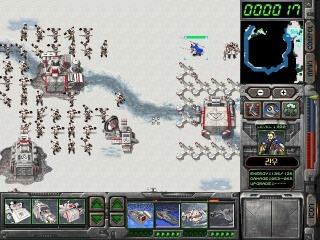
Three Kingdoms Divine Destiny
|
|
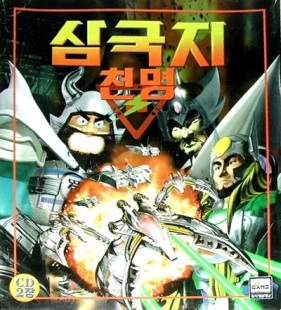
Cover
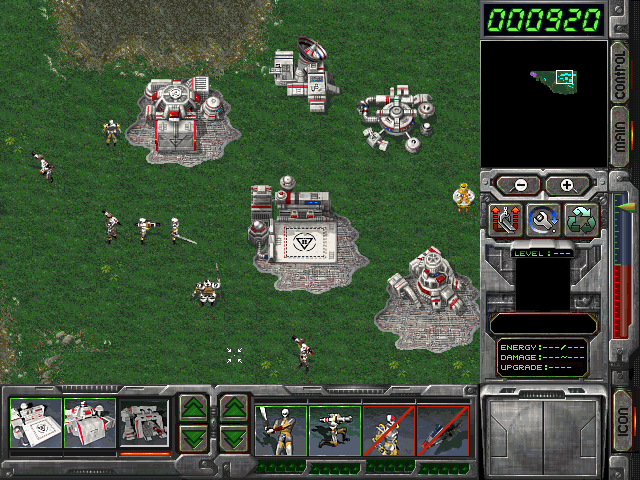
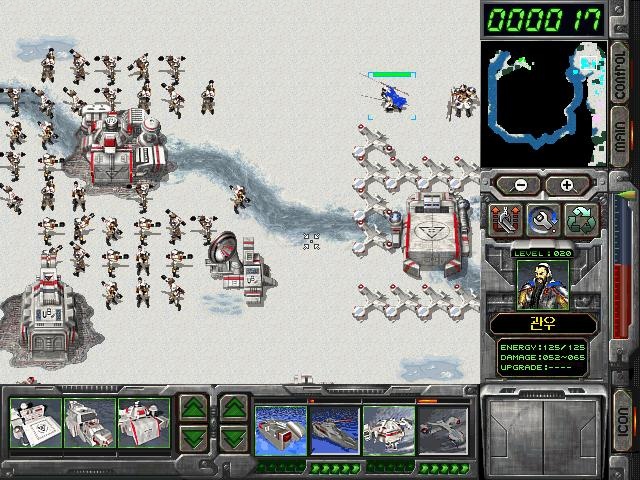
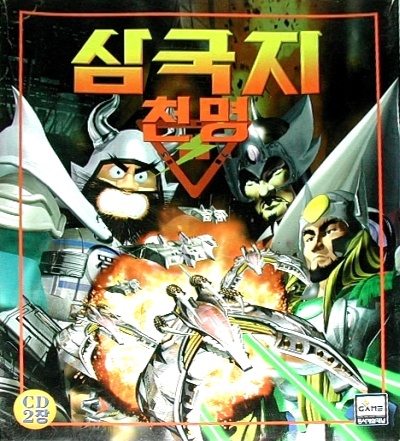
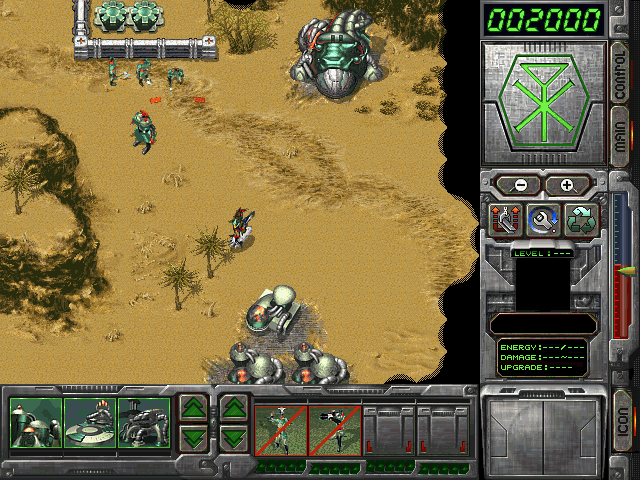
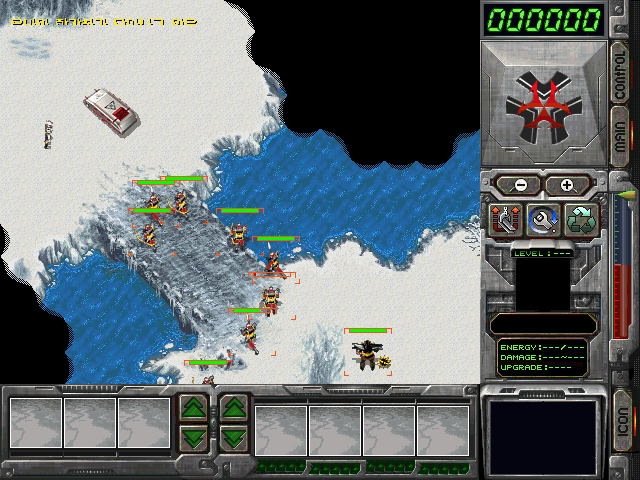
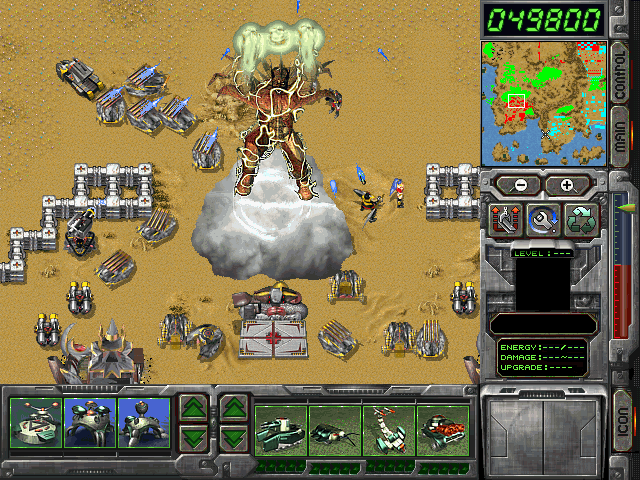
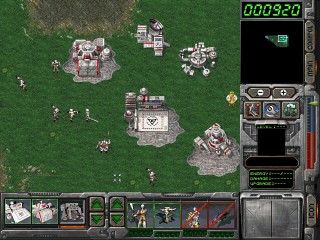
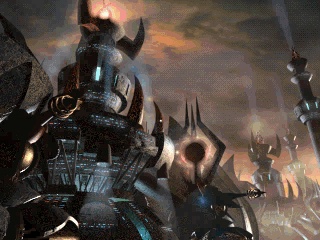
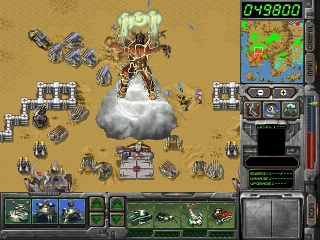
A common issue with Korean RTS games is the fact that most of them show all to clearly which Western role model they're derivative of, and Three Kingdoms Divine Destiny is no exception. Despite the interesting premise of taking the Romance of the Three Kingdoms into a futuristic scenario, the game feels and looks very much like Command & Conquer.
Like in Westwoods hit series, buildings are placed on the map after their construction, and all buildings and units are comfortably accessible through a single menu. The most obvious rip-off are the mining vehicles that gather minerals from the earth. Only two of the factions were initially available, the third one was added by the extension Son'gweon-eui Yamang released in the same year as the main game. The factions do not require entirely different playing styles, but are rather similar with the differences mostly in design, details and of course the individual hero units, which were still not very common in RTS in 1998.
Three Kingdoms Divine Destiny was originally released for DOS, which wasn't really up to date anymore in the days of DirectX. The expansion corrected that flaw, though.
|
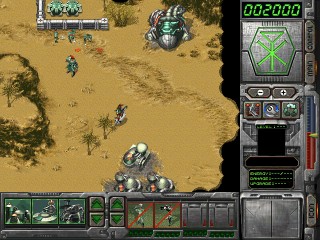
Three Kingdoms Divine Destiny
|
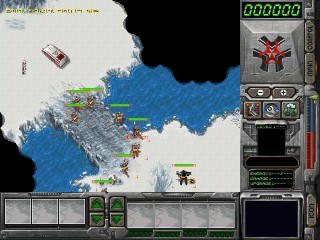
Three Kingdoms Divine Destiny
|
Three Kingdoms Altered Destiny
|
|
|
|
삼국지 천명 II (Samgukji Cheonmyeong II) / Three Kingdoms II: Clash of Destiny - Windows (May 29th, 2000)
Three Kingdoms II
|
Three Kingdoms II
|
|
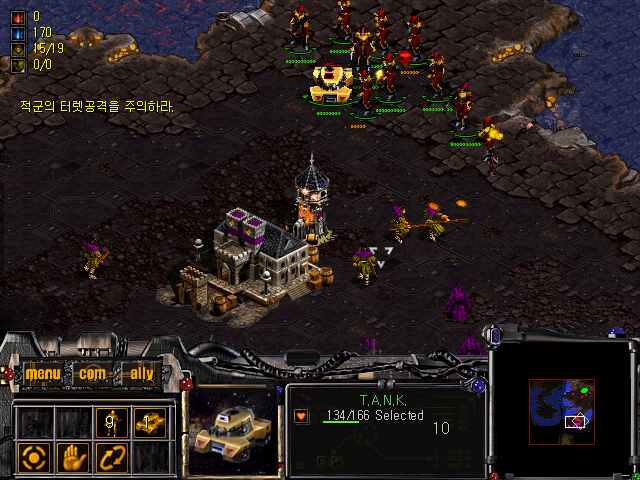
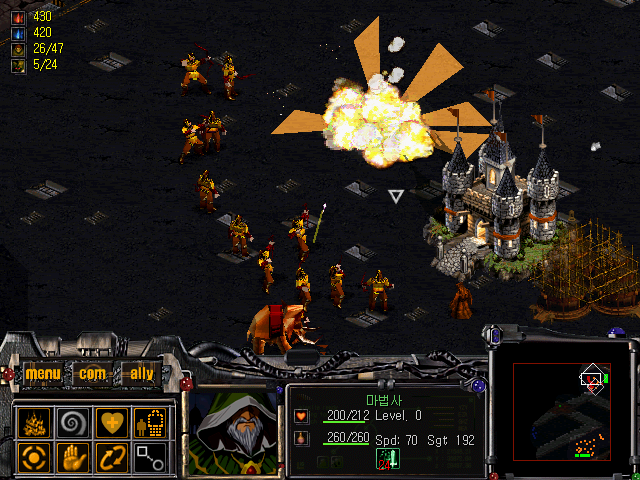
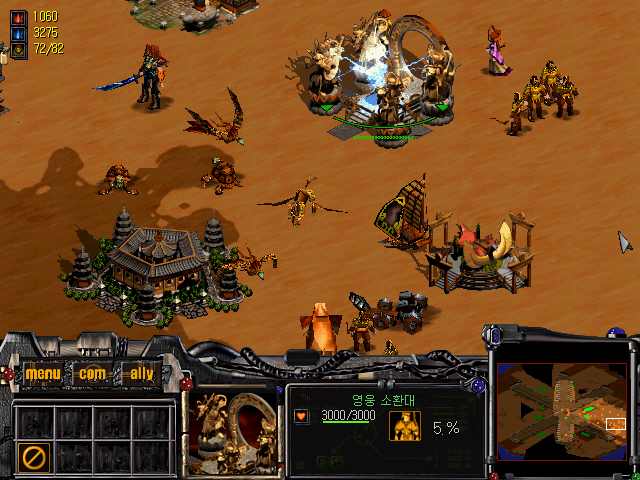
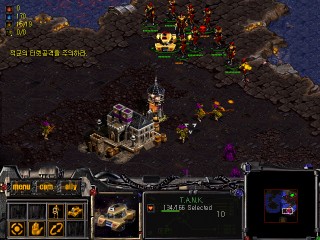
As pretty much every Korean futuristic RTS after Starcraft, the sequel to DS' most successful first party game almost looks like a carbon coby to Blizzard's mega hit. In mimicking the big role model, the three factions are now vastly different, completely ignoring the first game and going crazy with the setting.
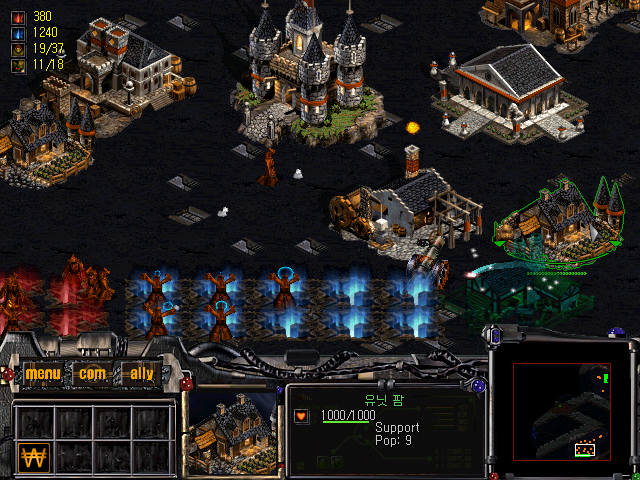
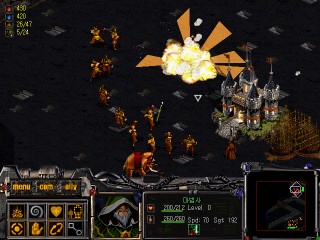
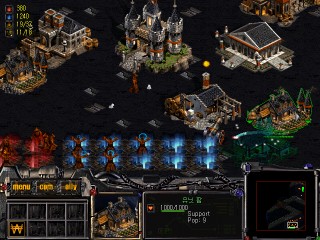
The Wei are the typical East Asian high culture. They not only train Elephants for battle, but also a number of Far Eastern mythical beasts. Their architecture is based on a limited number of base buildings, which can be renovated into various types. The Shu are most close to the first game, with futuristic buildings, tanks and cyborgs. Lastly, the Wu are a race of magicians, who summon their medieval western European style buildings instead of building them, and command a number of creatures seemingly borrowed from Dungeons & Dragons.
Three Kingdoms 2 is actually a rather fine game. It's just so shamelessly derivative. It's hard not to be bothered by the fact that it could essentially have been made as a mod to Starcraft (except for the polygonal 3D units).
|
Three Kingdoms II
|

Three Kingdoms II
|
|
|
투캅스 (Two Cops) (1994)
블루시걸 (Blue Seagull) (1994)
삼국지천명 : 영웅의 길 / Three Kingdoms: The Code of Honour / 데스티니 온라인 Destiny Online / 카이온 사가 Kaion Saga (2001-2004)
|
References
1. Game Champ 8/1993, page 81
2. Game Channel 11/1994, page 37
|
A History of Korean Gaming
|
|