|
|
A History of Korean Gaming
|
|
소프트맥스 Softmax
|

|
|
Profile:
|
|
The story of Softmax begins in the early 1990s with a company called K.B.M, a distributor of 8-bit consoles, who also had a programming division that reportedly performed a number of outsourced jobs for foreign game companies1. Sometime in 1993—the company by now had been renamed to Gabin Mulsan (갑인물산)—a young employee named Jeong Younghee joined the company, after being fed up with the discrimination against female employees in her old occupation at Hyosung Information. Gabin was already swaying because of the dwindling 8-bit console market, but by the time the company went bankrupt, Jeong Younghee had already decided that her future would be in the games industry2.
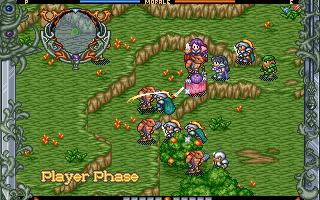
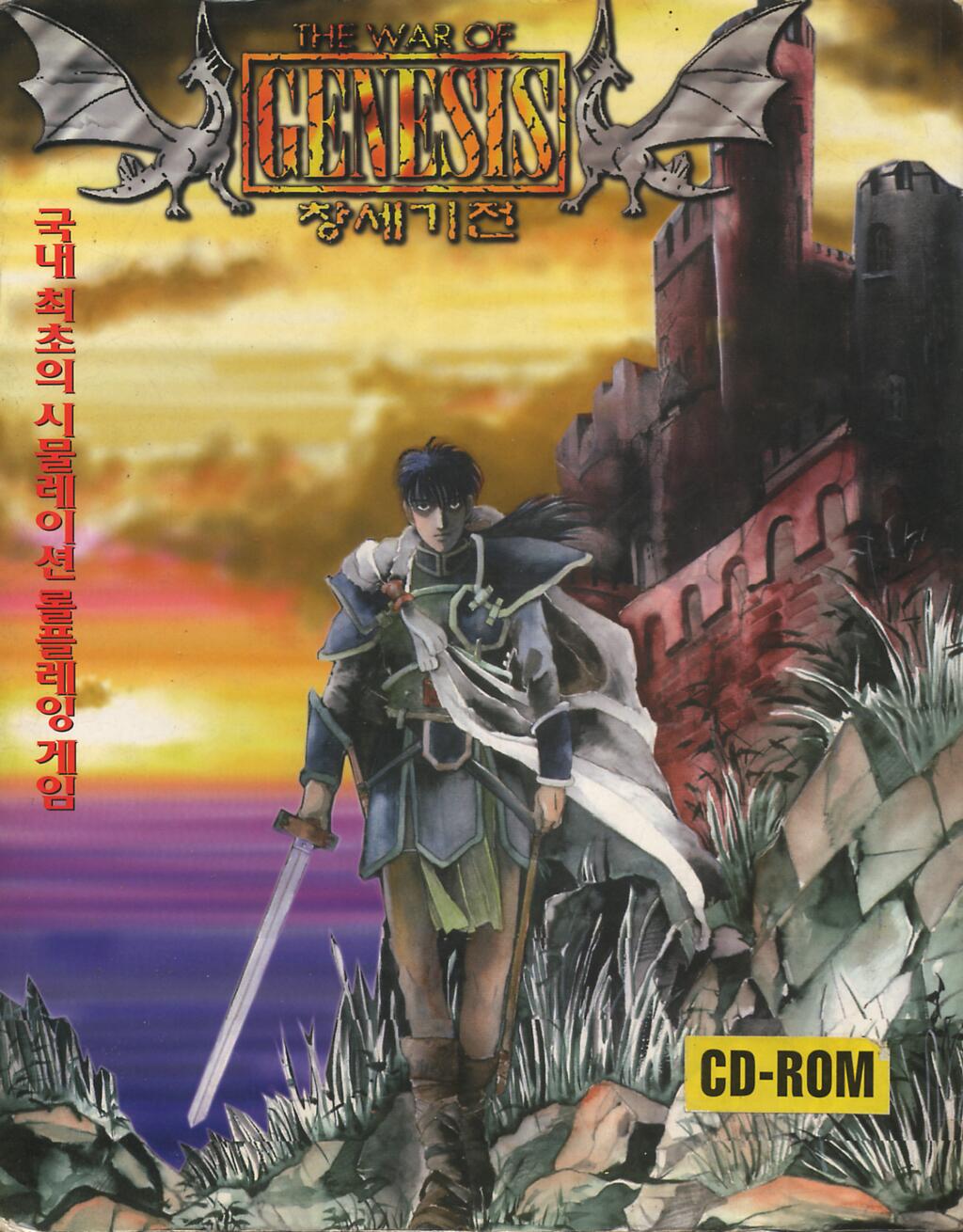
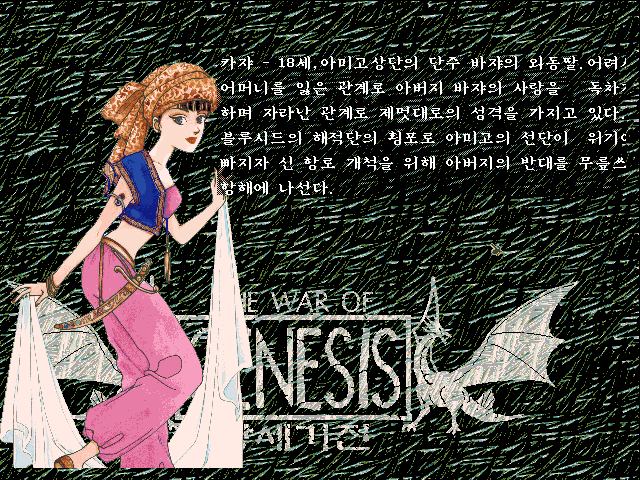
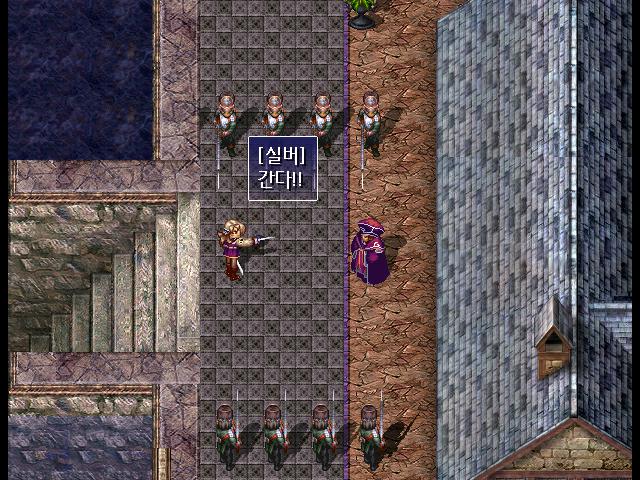
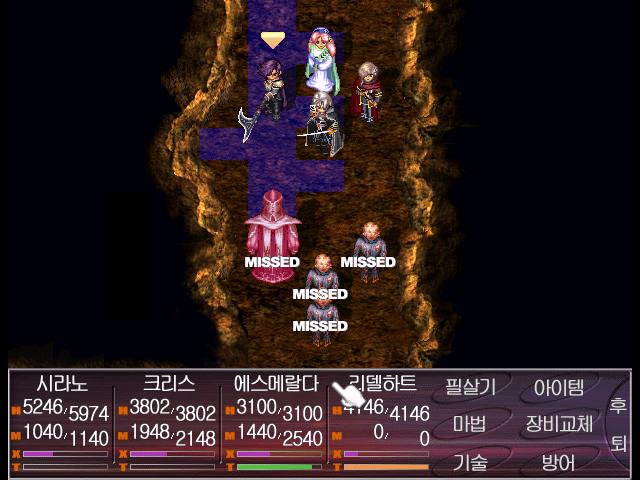
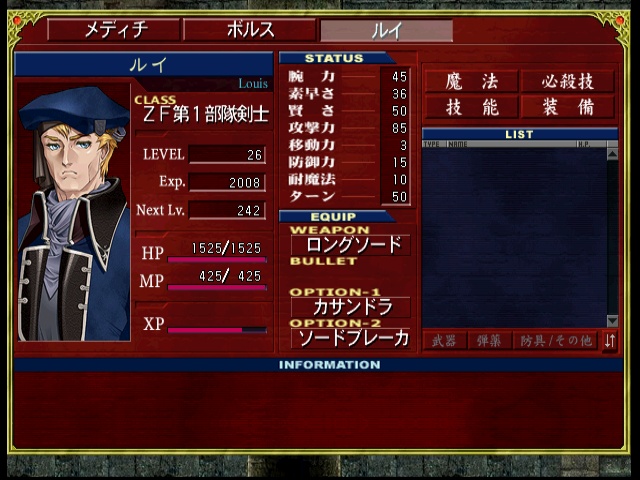
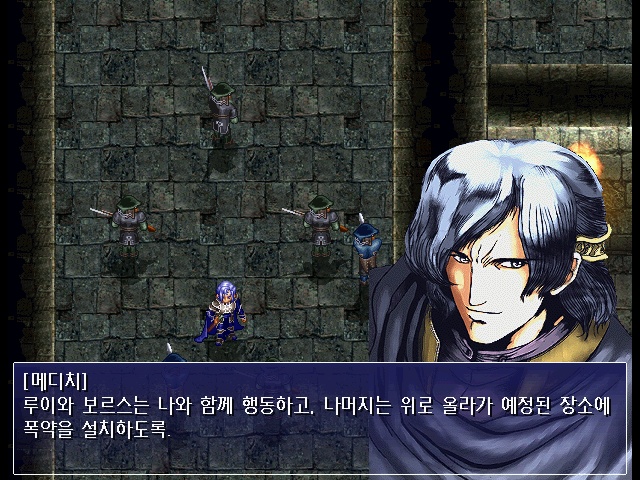
Since not many employees of Gabin remained, a new staff was needed, and thus Jeong Younghee made an alliance with the indie team Artcraft. Still during the development of their first title, Lychnis, team Artcraft broke apart due to personal differences. Kim Hakgyu took part of the team to found Gravity, while Choi Yeonkyu, Cho Younggee, Jeon Seok-hwan and Cho Namyoung joined Softmax fully, where they created the most successful Korean offline game series ever, The War of Genesis3. At that time, Softmax had three teams, one each for PC games, console games, and conversion of Japanese games. The plan was to focus on one of the branches eventually, which was very soon decided in favor of original PC game development.
Ever since, Softmax has been a mainstay in the Korean gaming world. After having their games published by various bublishers like G&M and HiCom, Softmax established their own publishing company Digital Age in 1999, through which they released their PC games4 (and re-released a couple earlier ones), but it was eventually sold to Hamkke Haneun Soft (later renamed Softian) on August 7th, 20015. On May 1st 2000, Softmax Japan was founded, but the branch ultimately released only one game (the Dreamcast version of Rhapsody of Zephyr).
Softmax continues to go strong both in online and mobile games sectors, and is today one of only two successful console game developers (the other being BlueSide with their Kingdom Under Fire series). It is also the oldest Korean game company in existence, which also makes Jeong Youngwon (who had her first name changed in the early 2000s) the longest-serving CEO in the industry.
|
|
|
MoleMole Wars - PC-DOS (1994)
MoleMole Wars
|
|
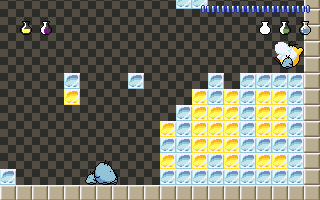
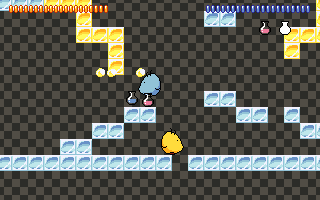
MoleMole Wars was just a little demo team Artcraft put together while they were still developing Lychnis. In it, two players controlling weird animals (who return as enemies in Lychnis) have to fight each other in a small sideview arena. The game was freely distributed via newsgroups.
|
MoleMole Wars
|
|
|
|
Lychnis (리크니스) - PC-DOS (June 1994)
Lychnis
|
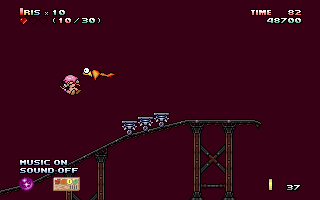
Lychnis
|
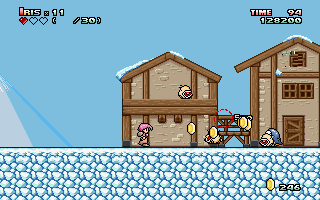
Lychnis
|
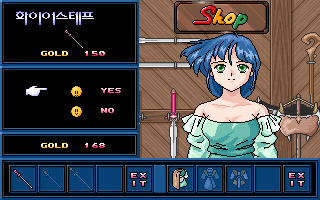
Lychnis
|
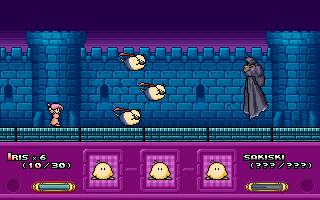
Lychnis
|
|
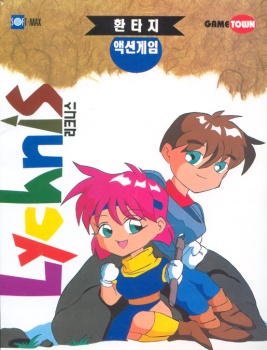
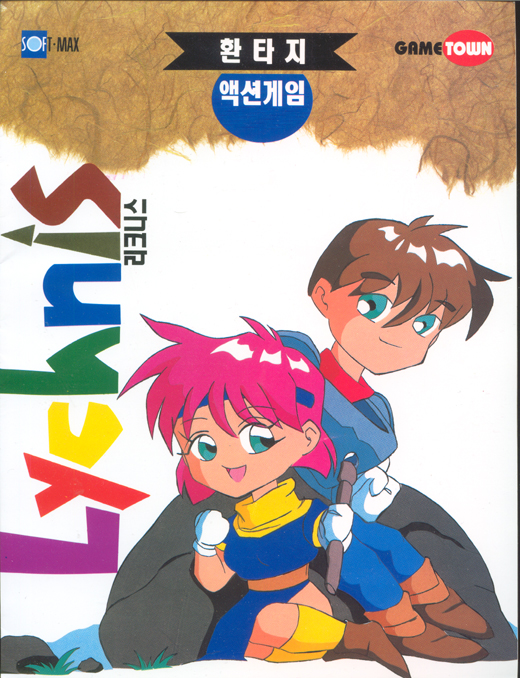
Cover
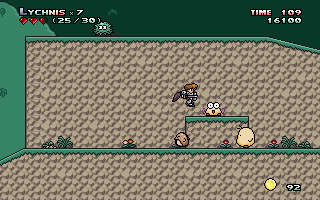
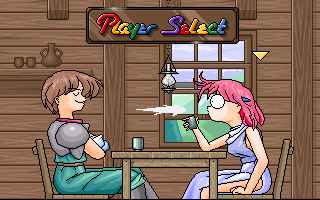
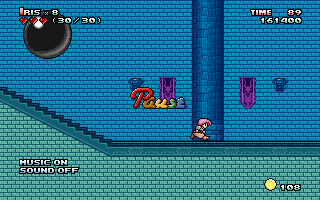
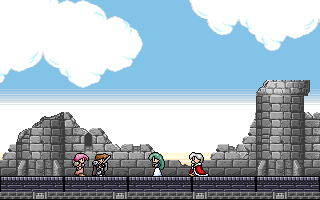
Don't be fooled by the cutesy graphics: Lychnis plays like Castlevania on drugs. First comes the choice between the two main characters. Lychnis the Knight fights with a sword and can wall jump, while Iris' magic staff gives her a longer range, and gets a double jump. The jumping physics follow the "stiff" variant from the early Castlevania titles, so the only way to change one's fate in mid-air is using these specialabilities.
The controls are as tight and the scrolling as fluid as they'll ever get in a DOS game, aside from occasional slowdowns the technical execution is excellent. So is the level design, with only a few frustrating spikes in the passages with forced scrolling. When the heroes find a "Shop" sign in any given stage, upgraded weapons and armor can be bought in a shop, especially the latter eventually becomes an essential investment.
The only true letdown in Lychnis are the bosses—cause there are none, safe for the terrible, terrible final fight. Suddenly the game switches to an active turn-based RPG scheme, only that the player's actions are dictated by a slotmachine. Pure luck decides the outcome, and without an extremely upgraded armor, the odds are just ridiculous. Way to completely ruin the climax of an otherwise excellent game.
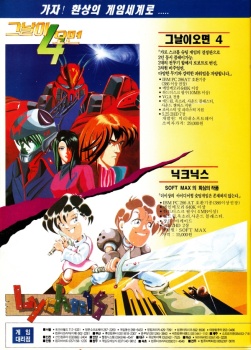
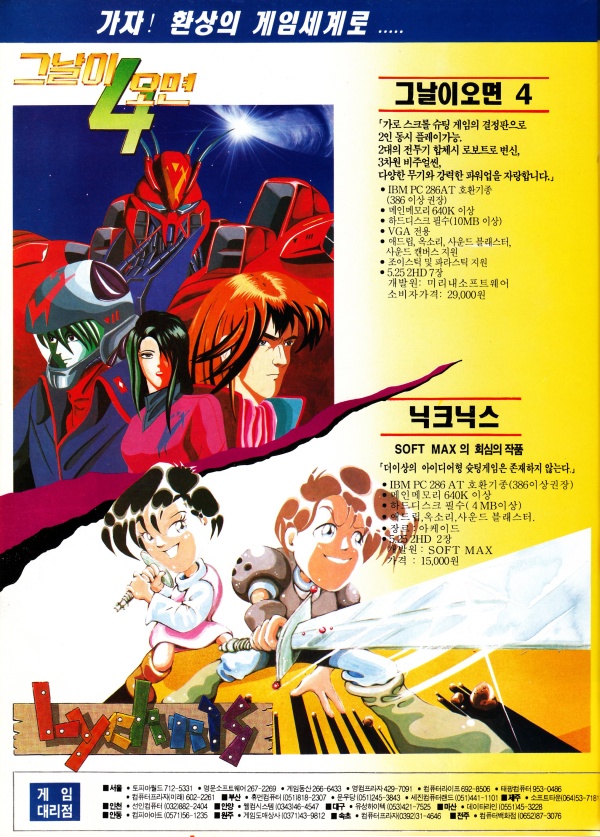
Advertisement
|
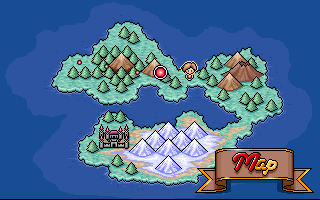
Lychnis
|
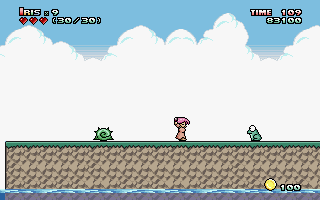
Lychnis
|
Lychnis
|
Lychnis
|
Lychnis
|
|
|
|
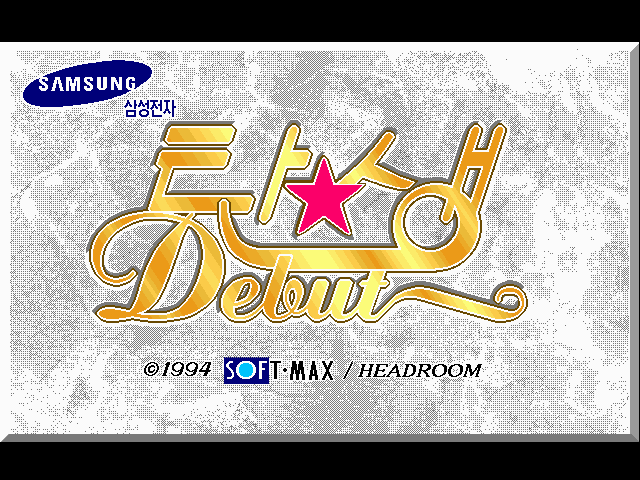
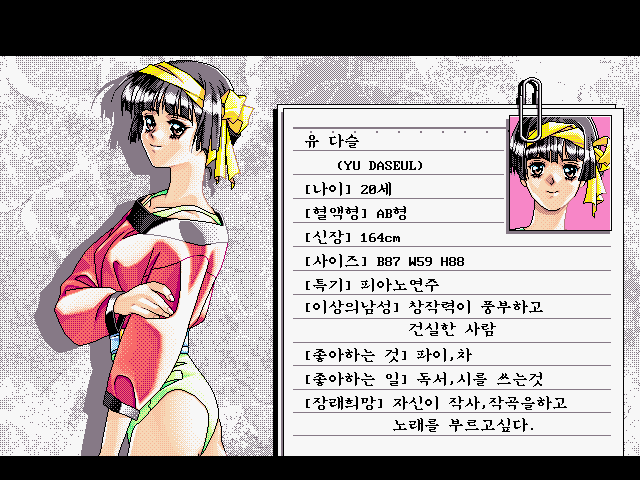
탄생 (Tansaeng) / Debut - PC-DOS (December 1994)
|
|
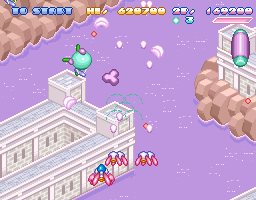
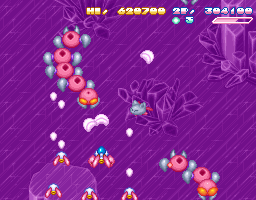
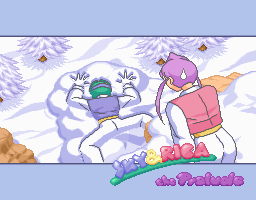
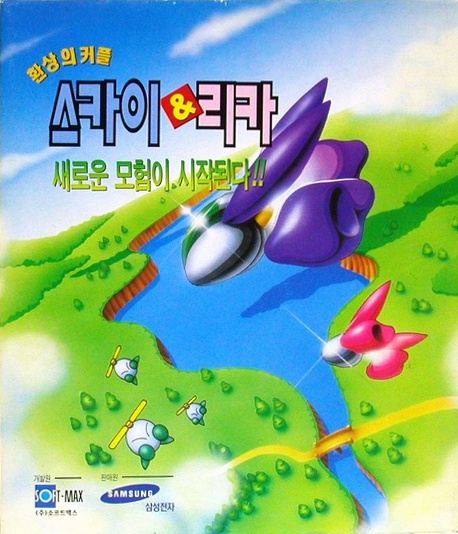
스카이&리카 (Sky & Rica) - PC-DOS (March 1995)
|
|
창세기전 (Changsegijeon) / The War of Genesis / アンタリア創世記 (Antaria Souseki) - PC-DOS (December 15th, 1995)
|
|
Aim Point (에임포인트) - PC-DOS (September 25th, 1996)
|
|
창세기전 II (Changsegijeon II) / The War of Genesis II - PC-DOS (December 10th, 1996)
The War of Genesis II
|
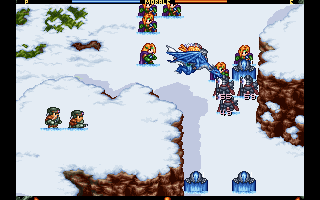
The War of Genesis II
|
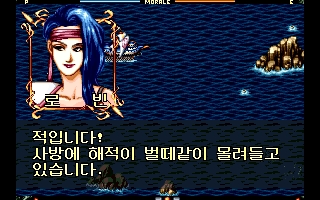
The War of Genesis II
|
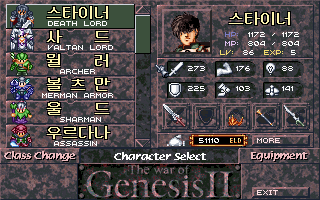
The War of Genesis II
|
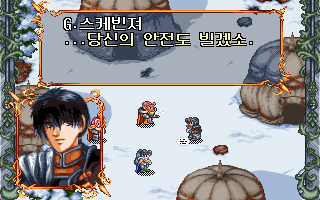
The War of Genesis II
|
The War of Genesis II
|
|
Cover
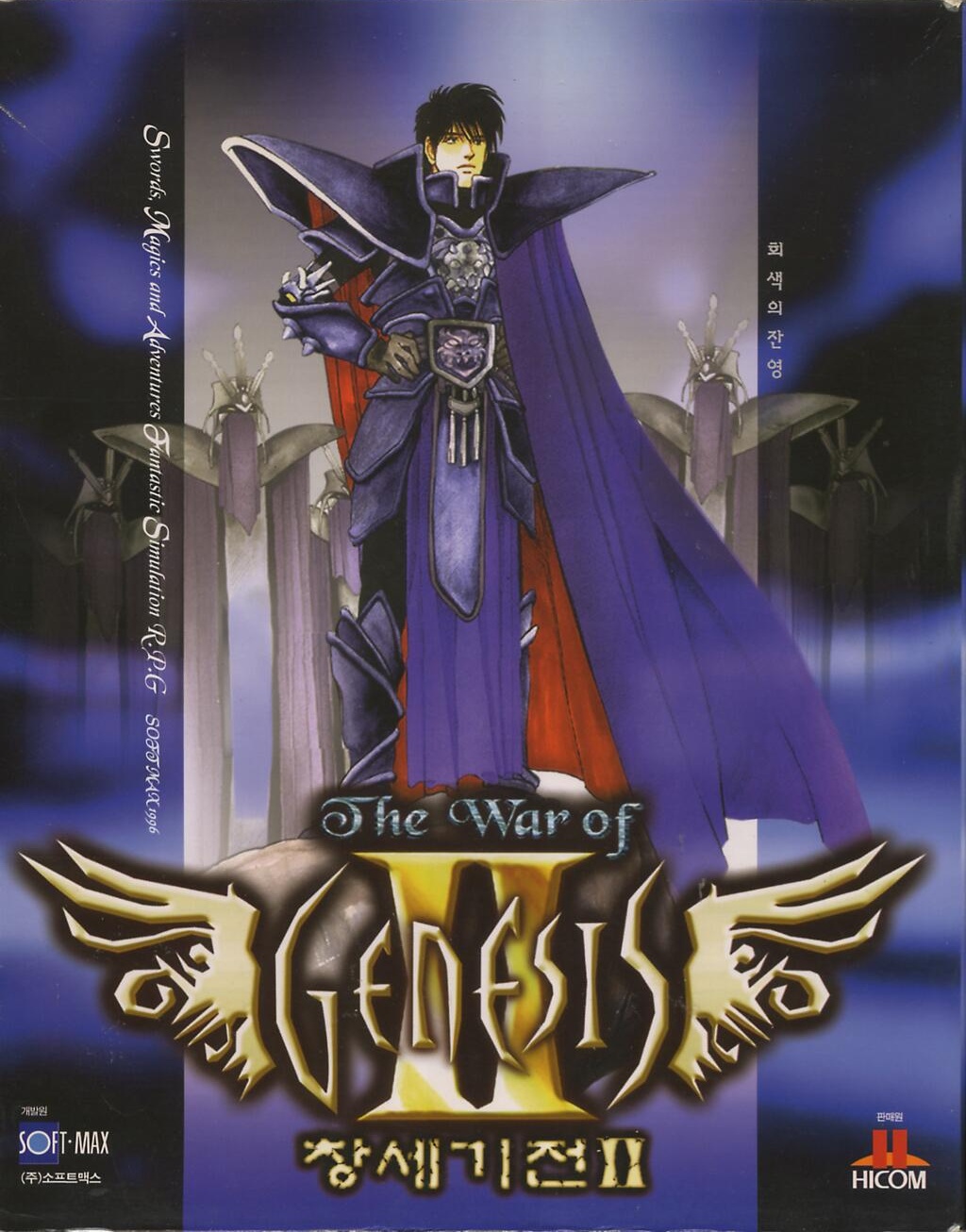
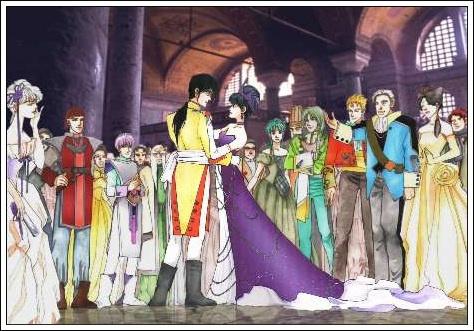
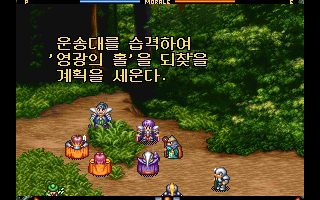
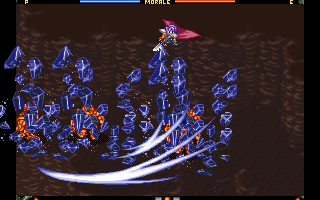
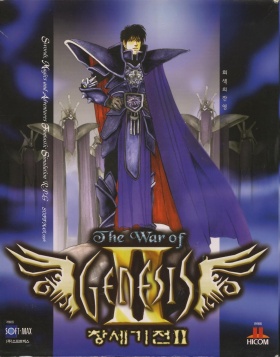
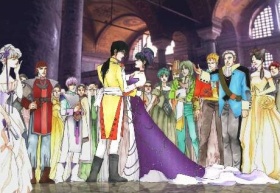
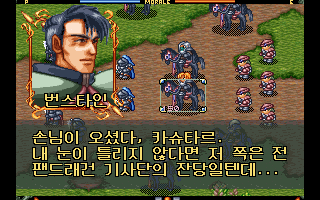
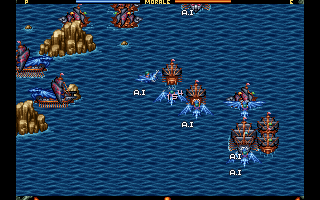
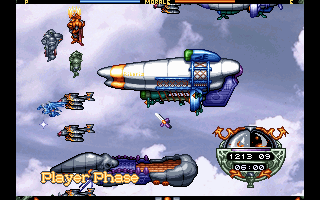
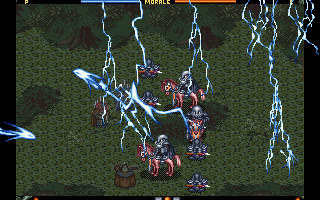
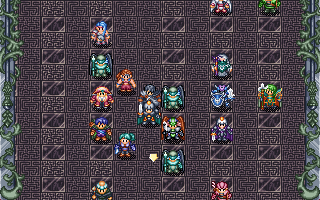
The first The War of Genesis sequel finally cemented Softmax' position as the most successful PC game developer in Korea, with 75,000 copies sold it manages to exceed the expectations set up by his predecessor101. It also makes it mostly obsolete, as the vastly extended plot contains most of the first game's story, polishing the mechanics' rough edges in the process, making this a sequel and a remake at the same time. The game is also much more varied, now with two starting scenarios to chose from (which eventually merge into the same story, though) and battles at sea and in the air.
Being the single most revered Korean game of the DOS era, it's surprising that The War of Genesis II is the only part of the series that never made it out of Korea. There were of course talks about another Japanese localization, and via the unnamed Japanese publisher, Softmax also got in contact with IDE Software in France12. There doesn't seem to exist any French release whatsoever, although Softmax still claimed in 1999 to have received $25,000 royalties at $5 per copy, which would have made for a small-scale release of 5,000 copies13. Why IDE Software wouldn't publish the game even after paying the royalties remains a mystery.
Artwork
|
The War of Genesis II
|

The War of Genesis II
|
The War of Genesis II
|
The War of Genesis II
|
The War of Genesis II
|
The War of Genesis II
|
|
|
|
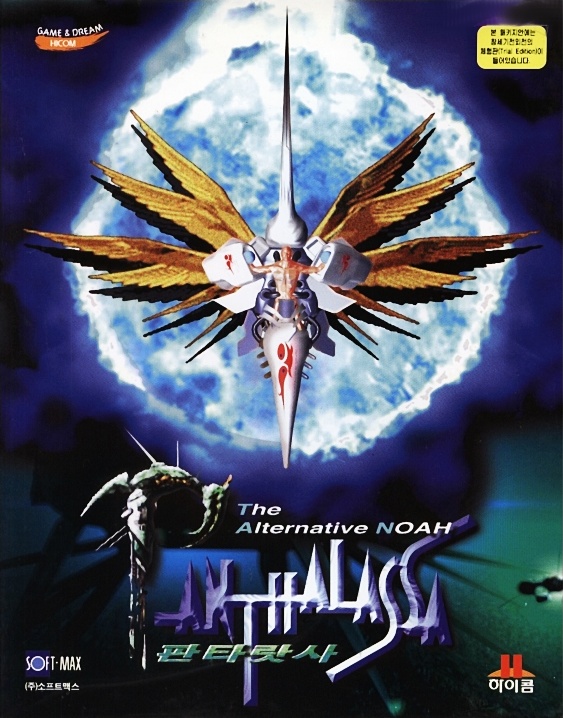
Panthalassa (판타랏사): The Alternative Noah - Windows (December 10th, 1997)
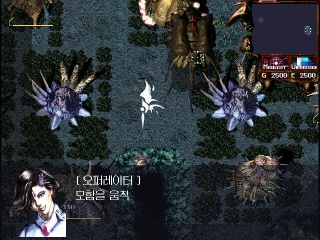
Panthalassa
|
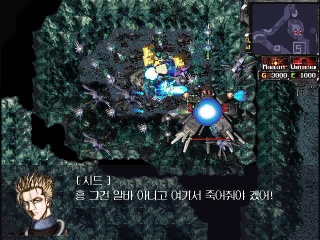
Panthalassa
|
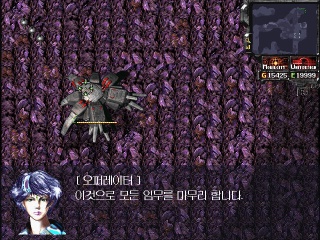
Panthalassa
|
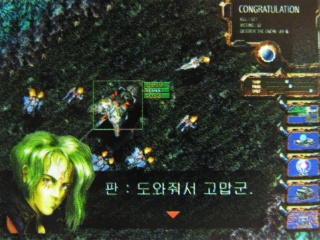
Panthalassa
|
|
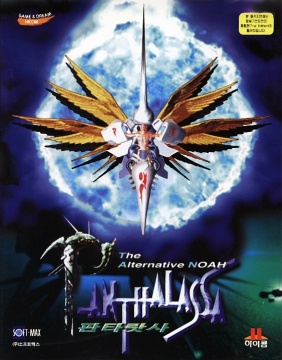
HiCom release cover
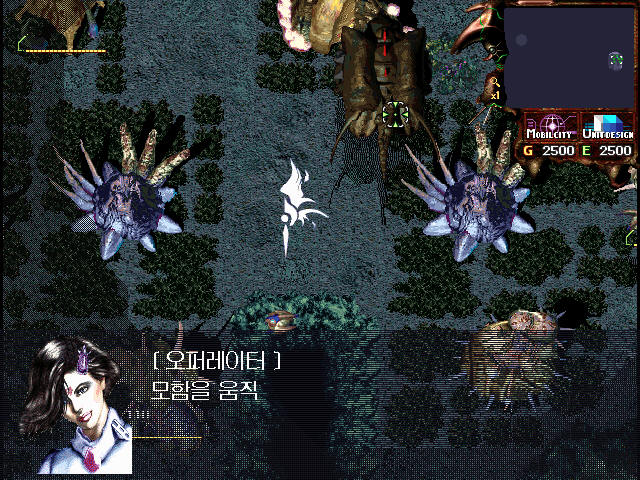
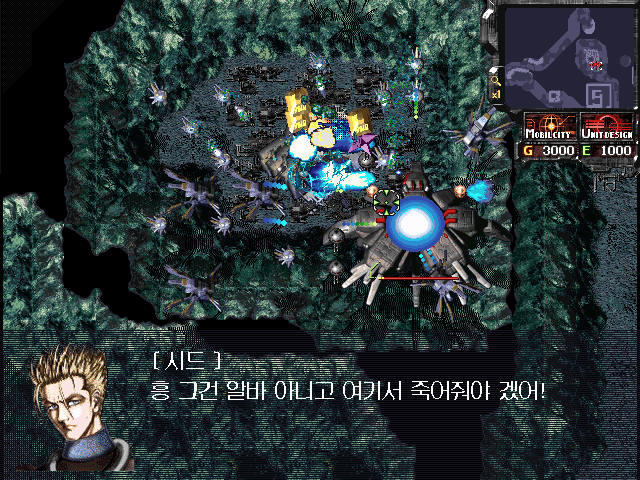
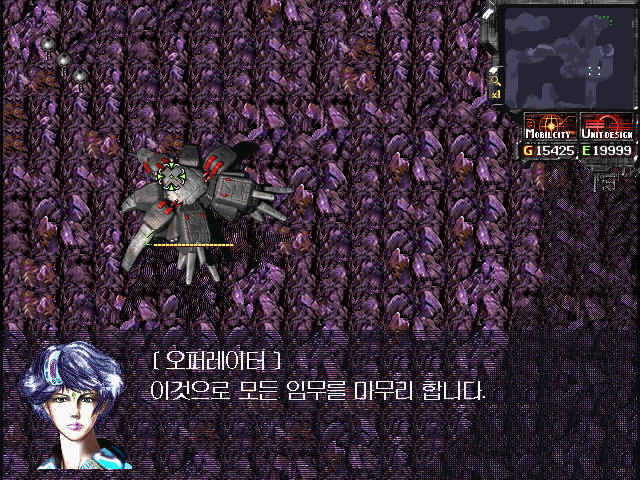
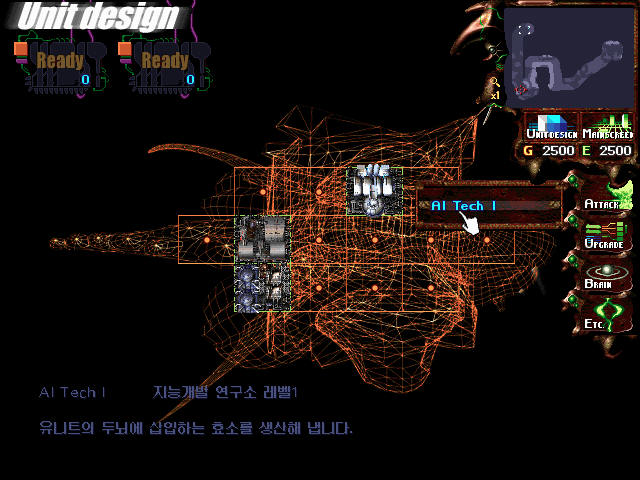
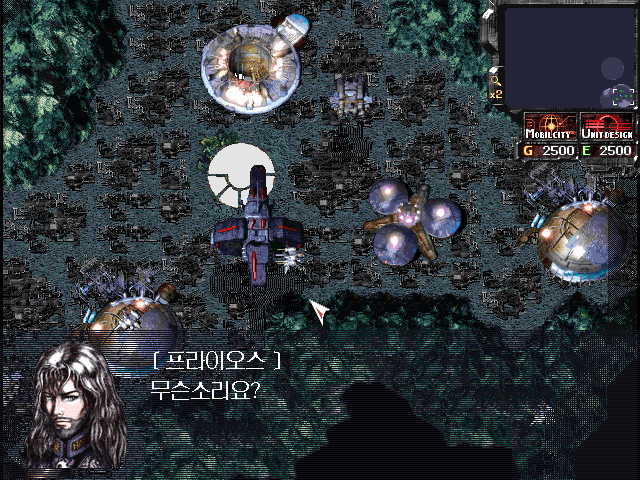
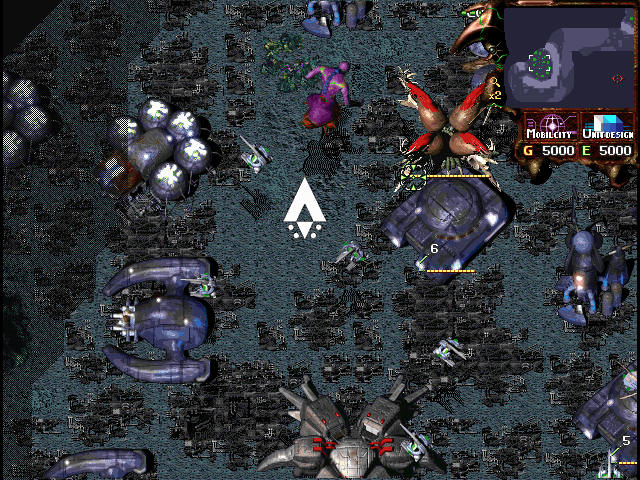
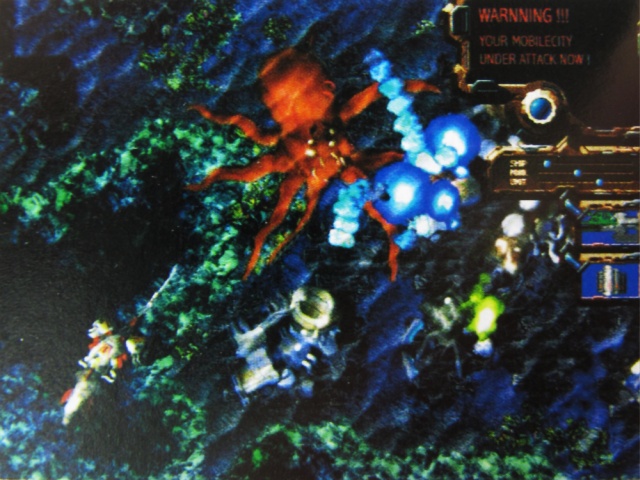
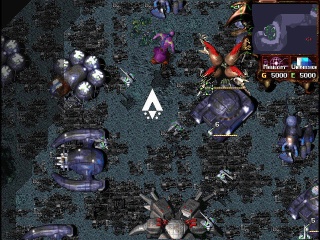
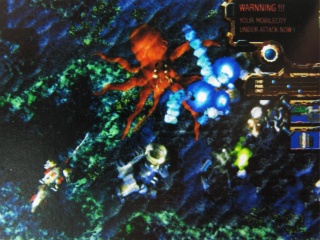
One of Softmax' less celebrated works, an RTS set in an underwater world. There are two campaigns, one featuring the "Earthians" with mechanic structures and units, while the "Atlantians" rely on organic technology. The differences are mostly aesthetic, though, as both races play roughly the same. Other than in most FPS, the base isn't build on the map, but contained in one single Mobile City, that can move around and fight together with all the other units. The latter are assembled from a pool of torsos, weapons and extras. The game is almost more of an adventure-RTS, for lack of a better word, since much time is spent doing errands and talking to various people by docking onto their homes.
The graphics feature a weird waving underwater effect, but it can be turned off. Unfortunately the game wasn't designed for posterity, and running it on modern systems can be a bit of a hassle.
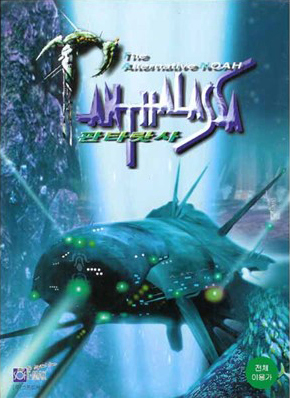
Digital Age release cover
|
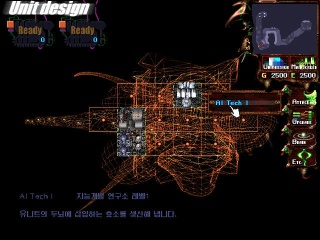
Panthalassa
|
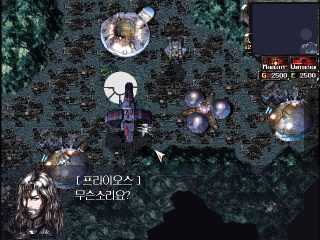
Panthalassa
|
Panthalassa
|
Panthalassa
|
|
|
|
창세기전외전 西風의狂詩曲 (창세기전외전 서풍의 광시곡, Changsegijeon Oejeon: Seopung-ui Gwangsigok) / The War of Genesis: The Rhapsody of Zephyr / 西風の狂詩曲 (Seifuu no Kyousikyoku) - Windows (March 14th, 1998), Dreamcast (February 22nd, 2001), PS2 (January 29th, 2004)
The Rhapsody of Zephyr (Windows)
|
The Rhapsody of Zephyr (Windows)
|
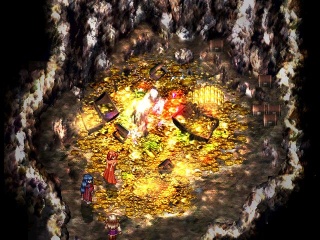
The Rhapsody of Zephyr (Windows)
|
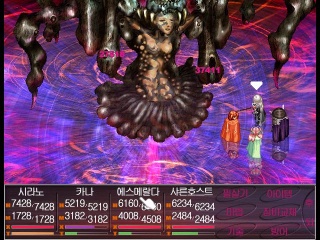
The Rhapsody of Zephyr (Windows)
|
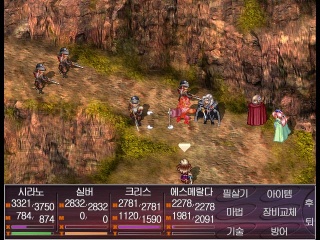
The Rhapsody of Zephyr (Windows)
|
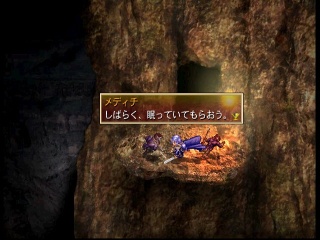
The Rhapsody of Zephyr (PS2)
|
|
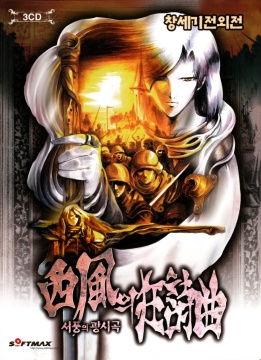
Korean PC Cover
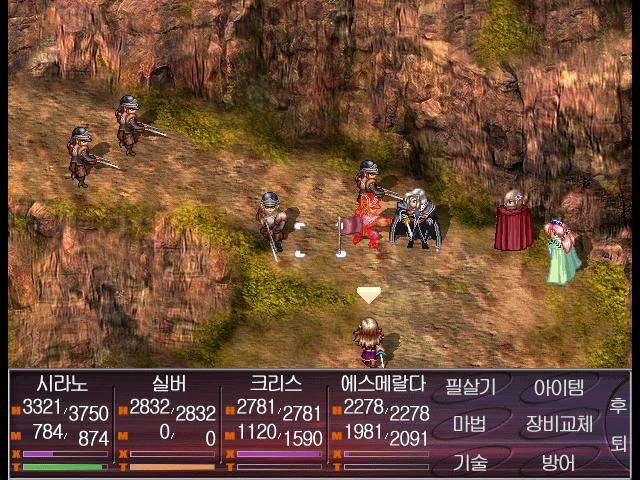
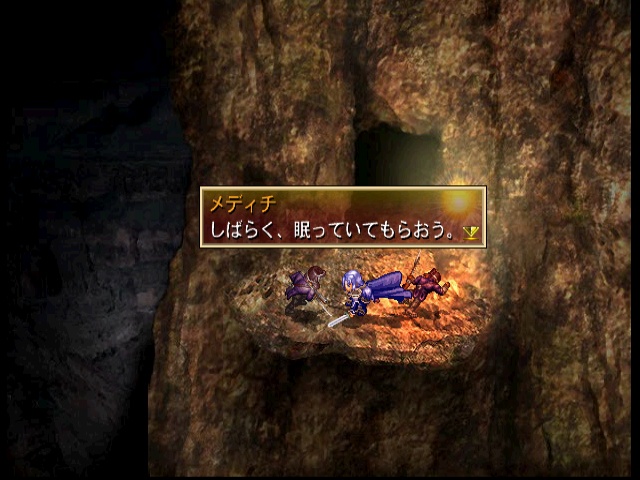
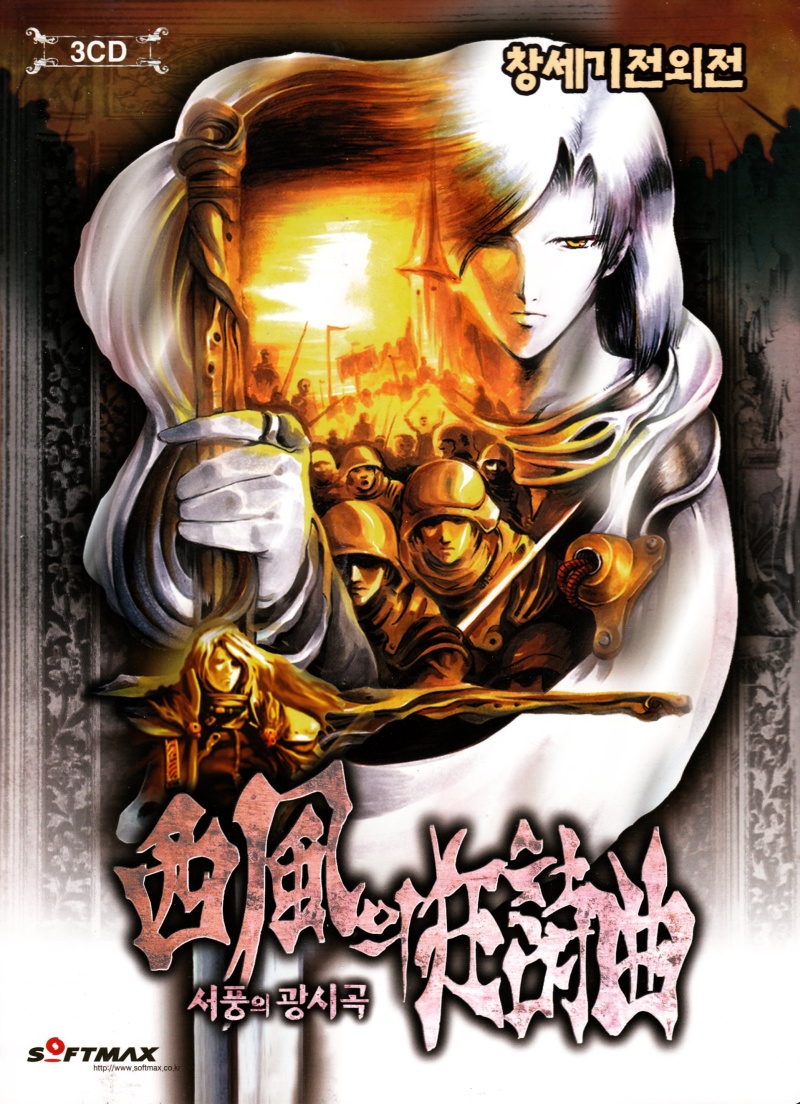
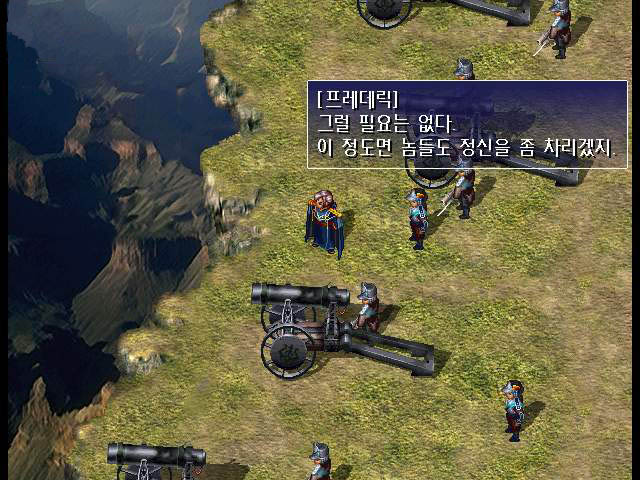
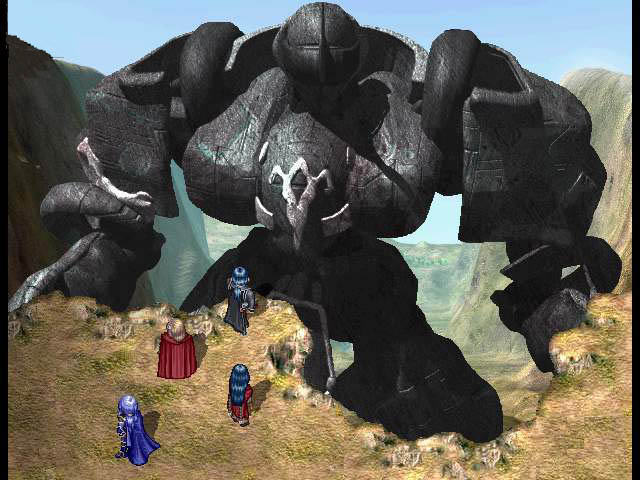
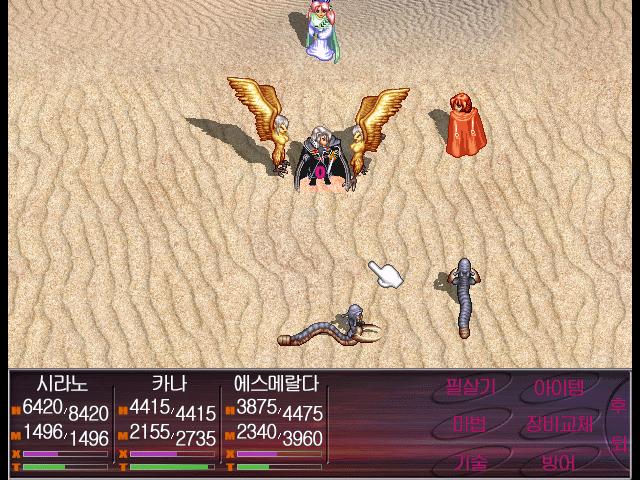
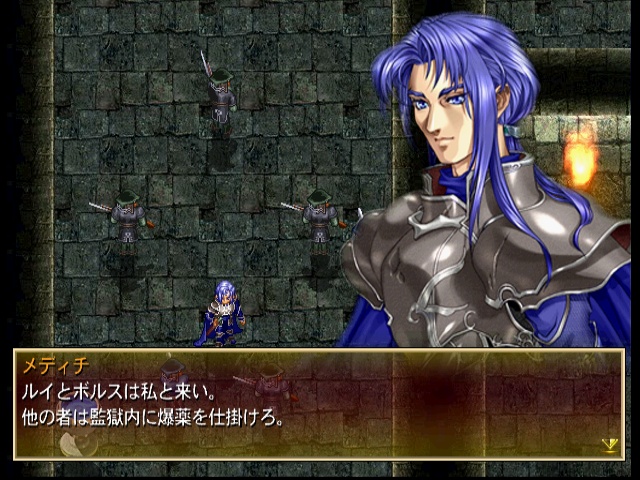
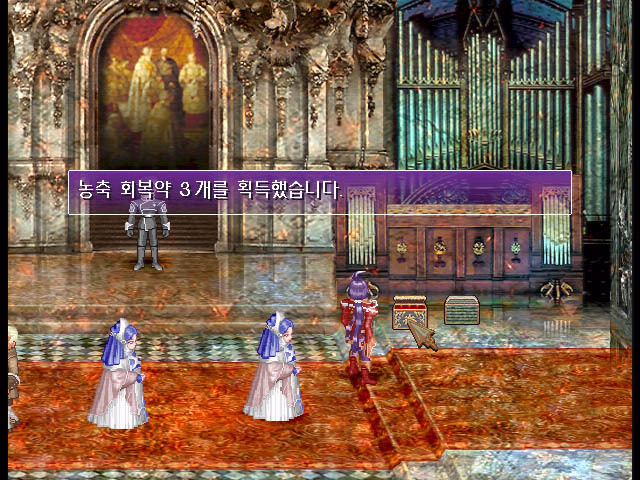
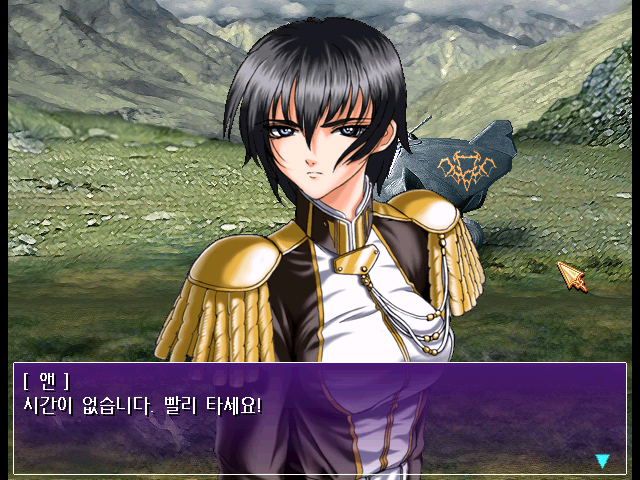
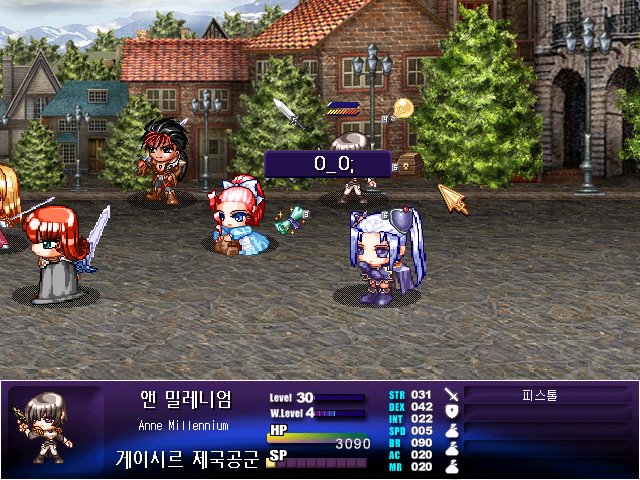
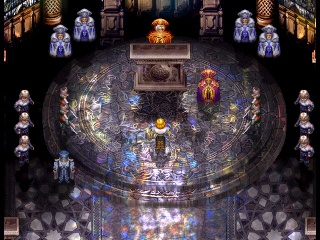
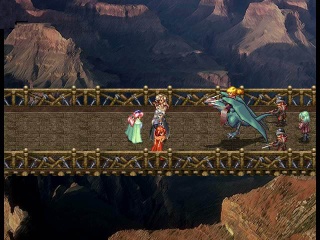
The Rhapsody of Zephyr was dubbed a "sidestory" to War of Genesis, although the story inspired by The Count of Monte Cristo (complete with Rennaissance flair and Italian names for characters) still tied in directly with the rest of the games. The main differences lay in the scope, as the still grid-based battles now were fought out between much smaller groups of typical RPG-party size. In turn there was more focus on micromanagement, with new features like breakable weapons and limited ammunition for guns.
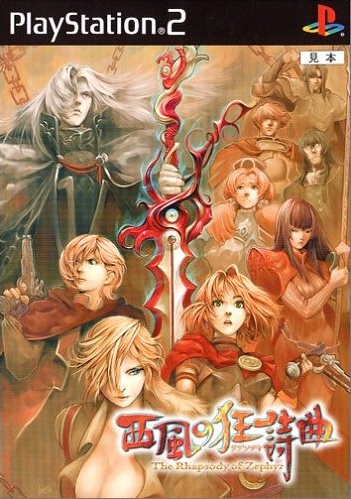
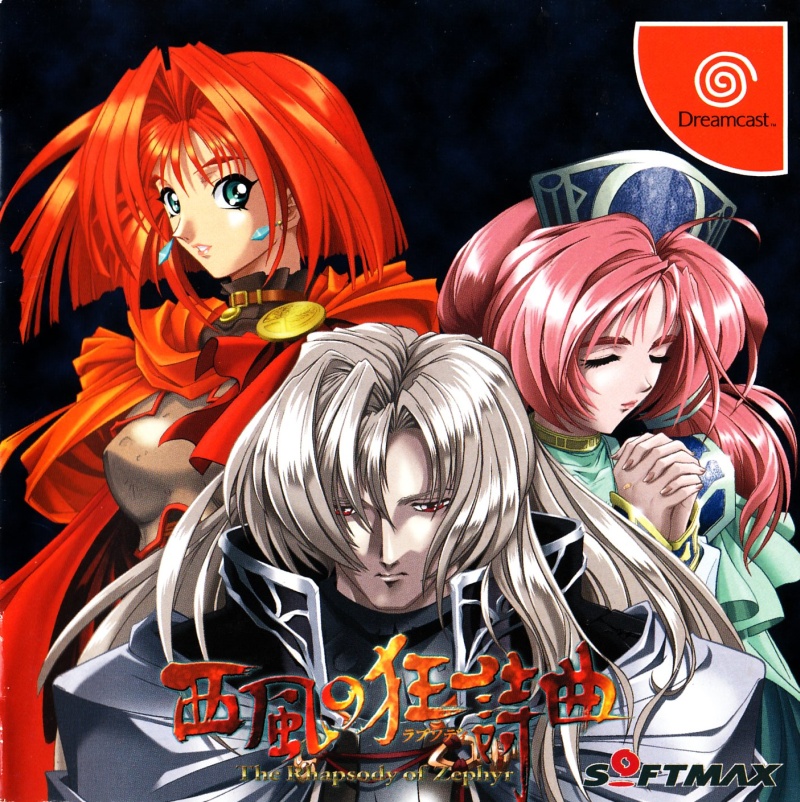
The sidestory finally brought the international breakthrough for the series, at least within East Asia. It was released not only in Taiwan, were Privilege Digi Information shipped 15,000 copies, but also brought to Japan by the computer RPG experts at Falcom. There Falcom reported 19,000 units sold on release day, confident they could move up to 50,000 copies overall14. That apparently was enough to warrant ports for the Dreamcast (published by Softmax' own newly opened Japan branch) and PS2 (by Marvelous Entertainment). All Japanese versions took out the original character illustrations to swap in more glossy, anime-typical replacements. Although it thus became the first big Korean title on consoles, neither port was ever released on home shores.
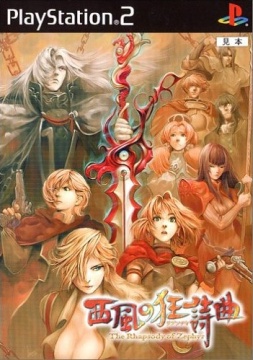
Japanese PS2 Cover
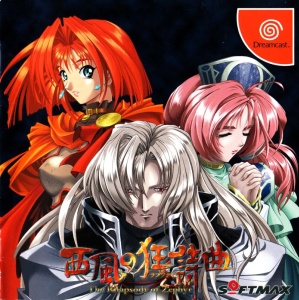
Japanese Dreamcast Cover
|
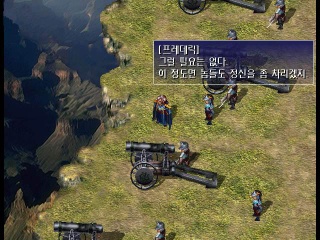
The Rhapsody of Zephyr (Windows)
|
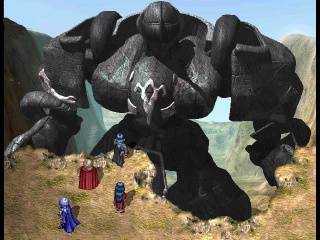
The Rhapsody of Zephyr (Windows)
|
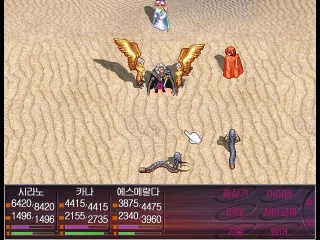
The Rhapsody of Zephyr (Windows)
|

The Rhapsody of Zephyr (Windows)
|
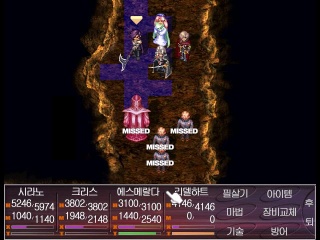
The Rhapsody of Zephyr (Windows)
|
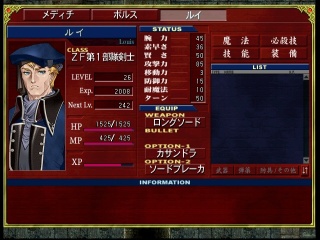
The Rhapsody of Zephyr (PS2)
|
|
Comparison
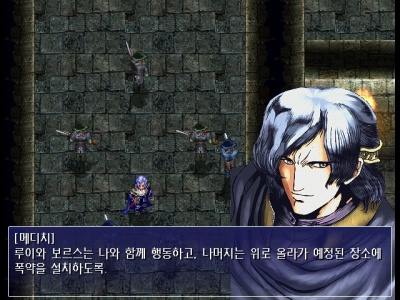
Windows
|
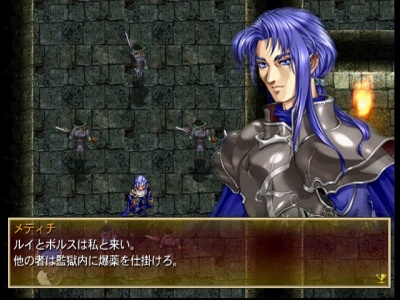
PS2
|
|
|
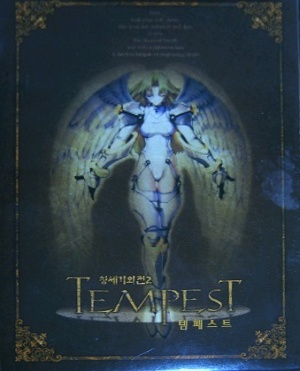
창세기외전2 템페스트 (Changsegi Oejeon 2: Tempest) / The War of Genesis: Tempest - Windows (December 17th, 1998)
Tempest
|
Tempest
|
Tempest
|
Tempest
|
Tempest
|
Tempest
|
|
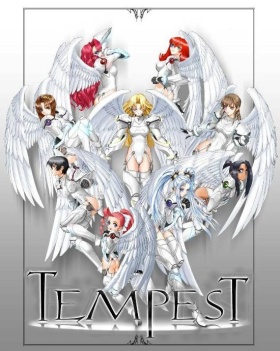
White Cover
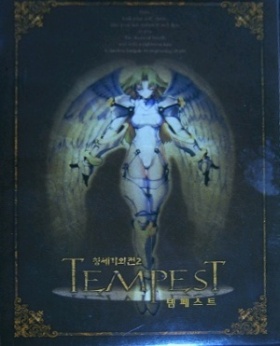
Black Cover
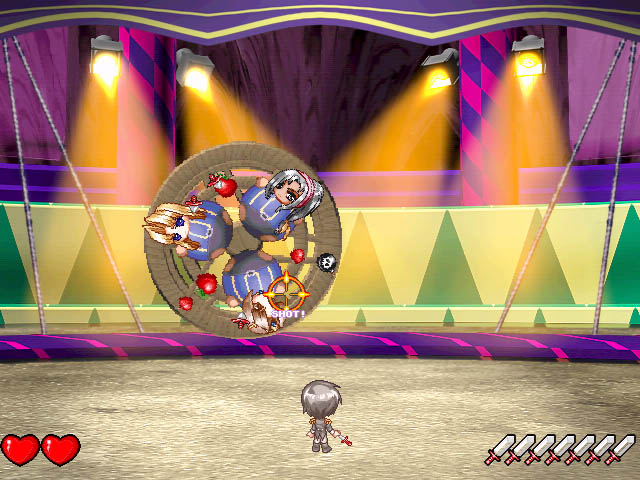
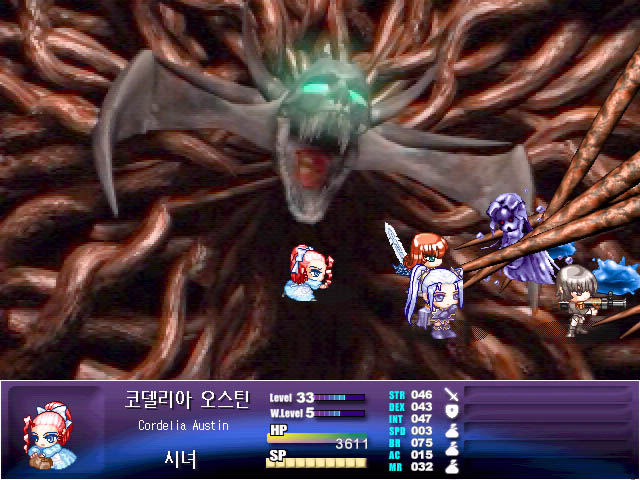
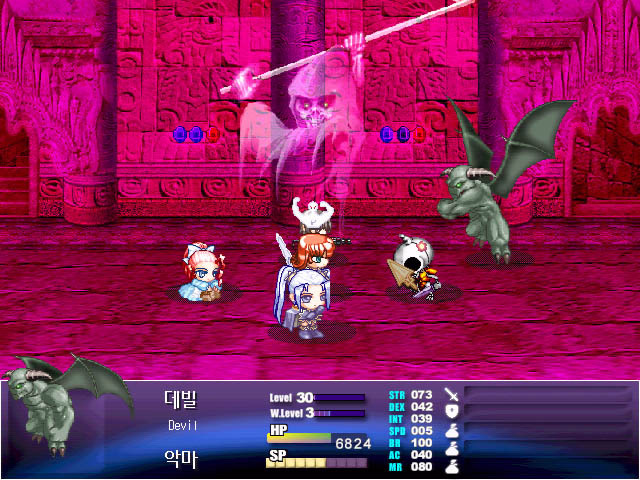
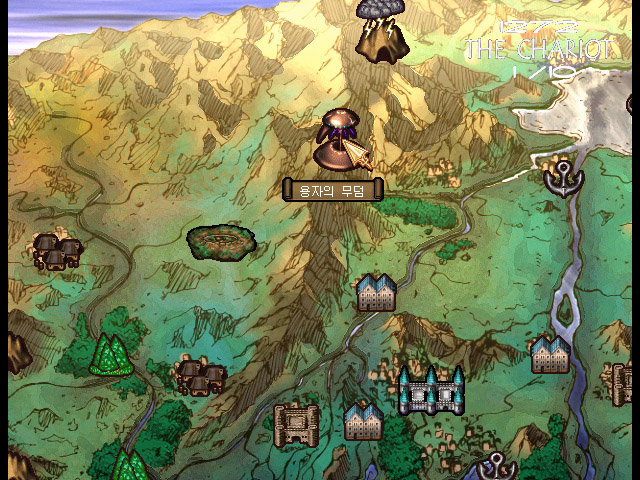
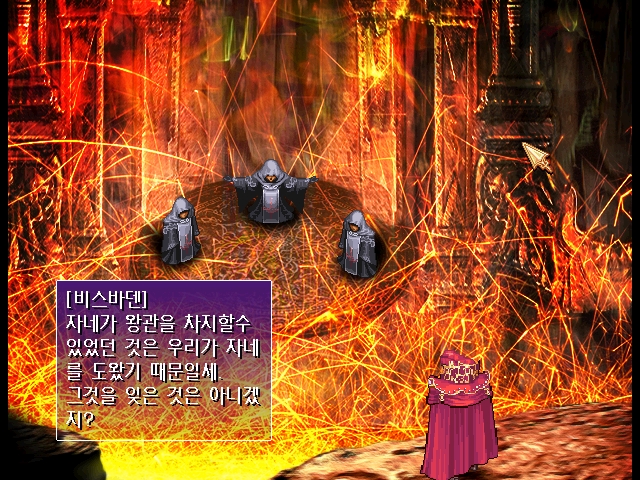
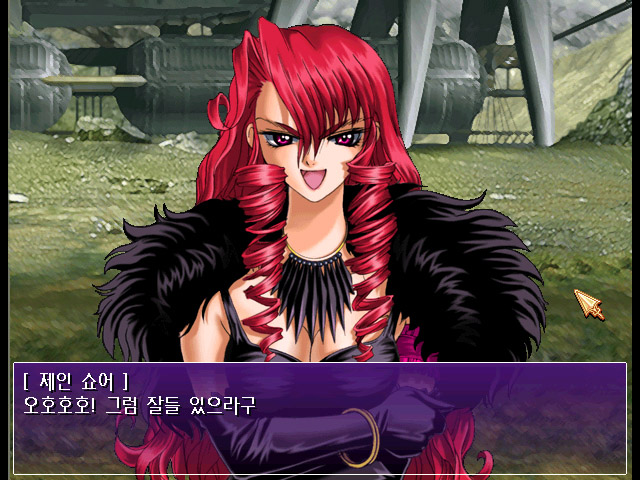
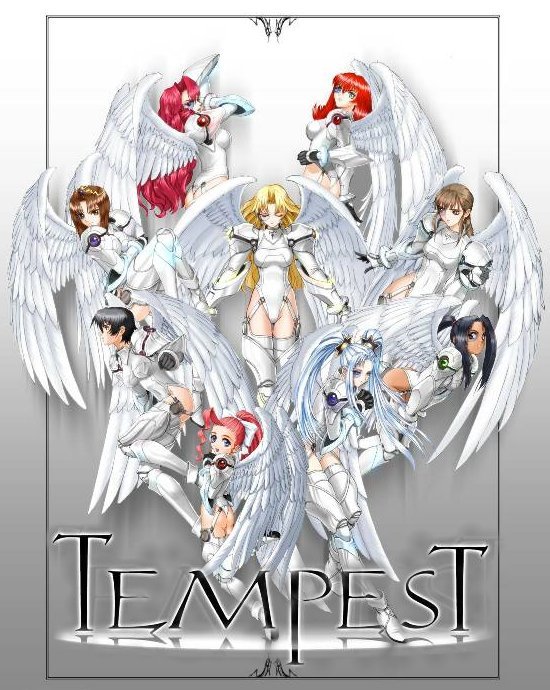
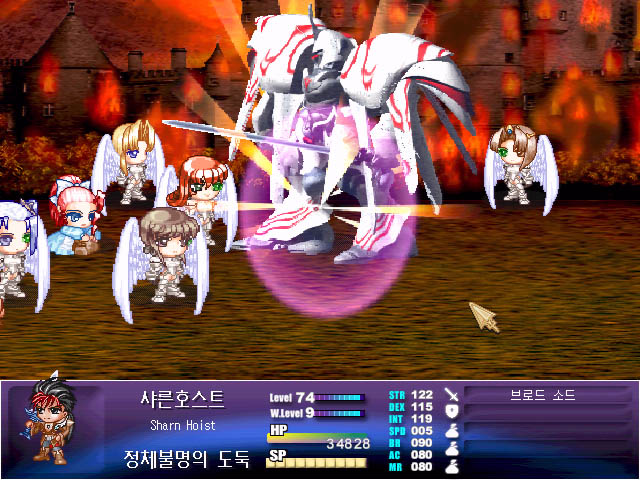
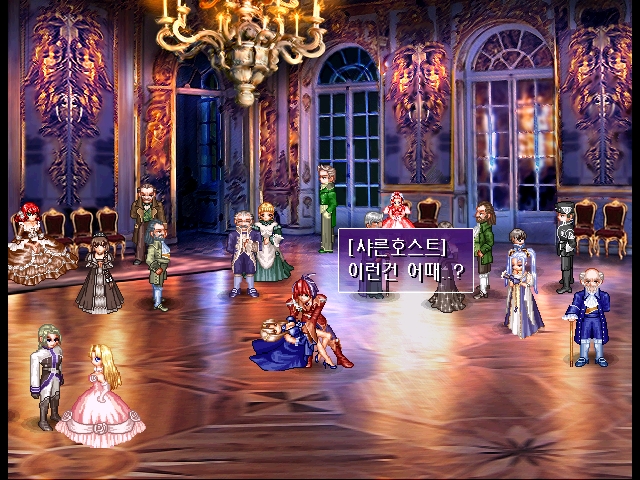
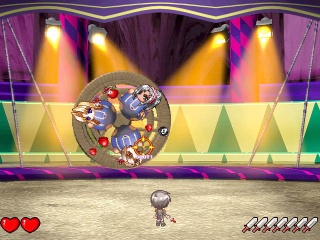
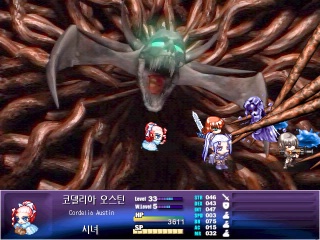
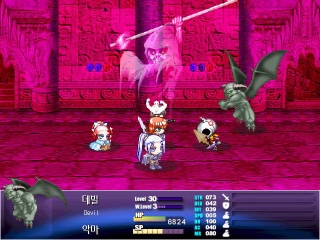
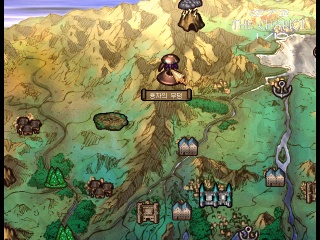
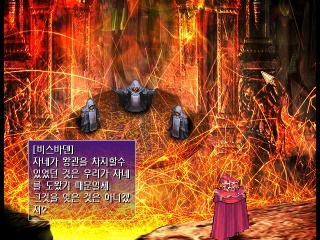
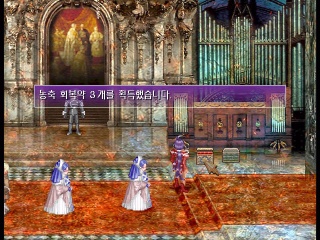
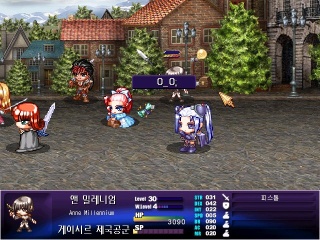
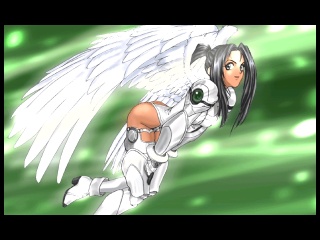
The second "side story" to The War of Genesis is widely considered the black sheep of the series, although its pedigree assured that it claimed third place for the first half of 1999 in the sales charts at places like Sejin Computer Land, only behind Starcraft and Broodwar15. While the game looks about the same as The Rhapsody of Zephyr most of the time, battles are fought with super-deformed versions of the characters, and the system is also quite odd. Despite looking like a typical JRPG affair, it retains somewhat tactical elements, as character placement is still important. The semi-sideview makes it all seem really weird, though, as characters can only attack horizontally, while movement between planes is limited—it quite resembles Fatal Fury of all things.
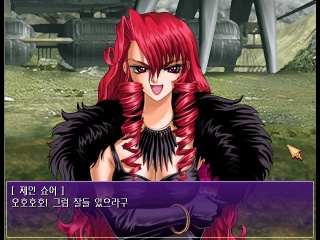
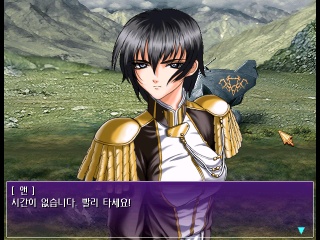
The story though is as elaborate as ever, in fact it's even more long and verbose. The ending even asks players if they want to skip a portion to save time—but it's still more than an hour of monologues and narration either way. With the simplified battles and nothing much else to do but clicking away more and more dialogue lines and a couple of silly mini games, the game almost feels like a visual novel rather than an RPG.
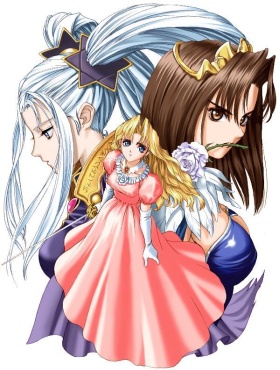
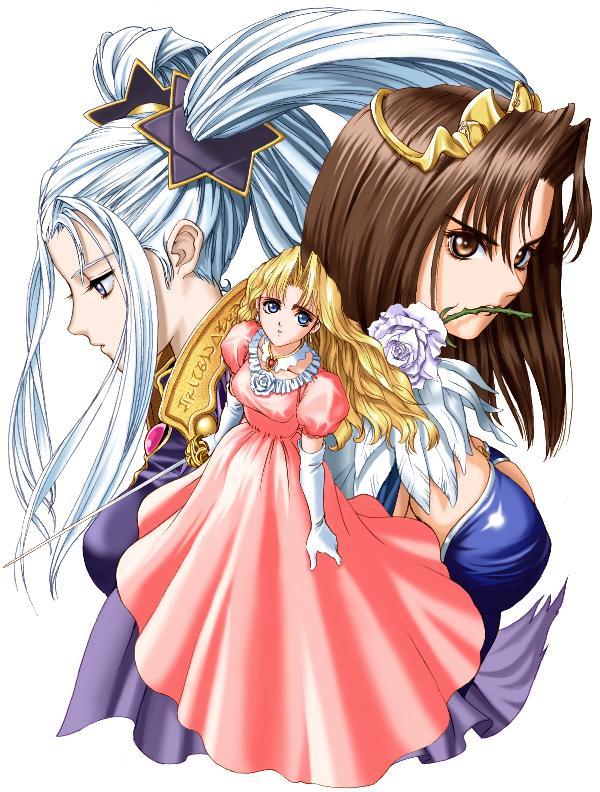
Artwork
|

Tempest
|
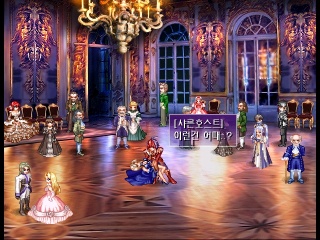
Tempest
|
Tempest
|
Tempest
|
Tempest
|
Tempest
|
|
|
|
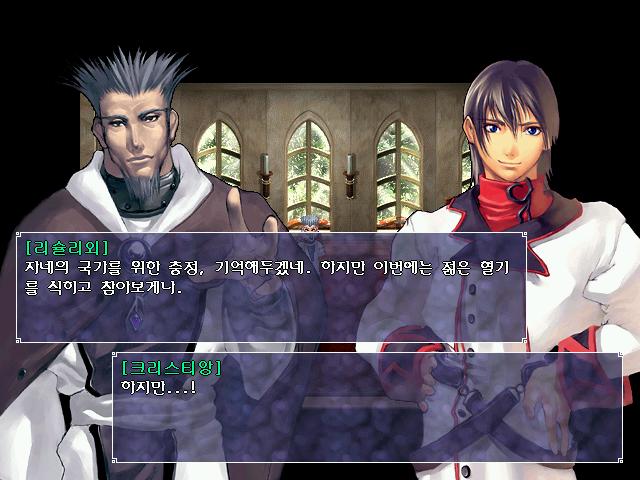
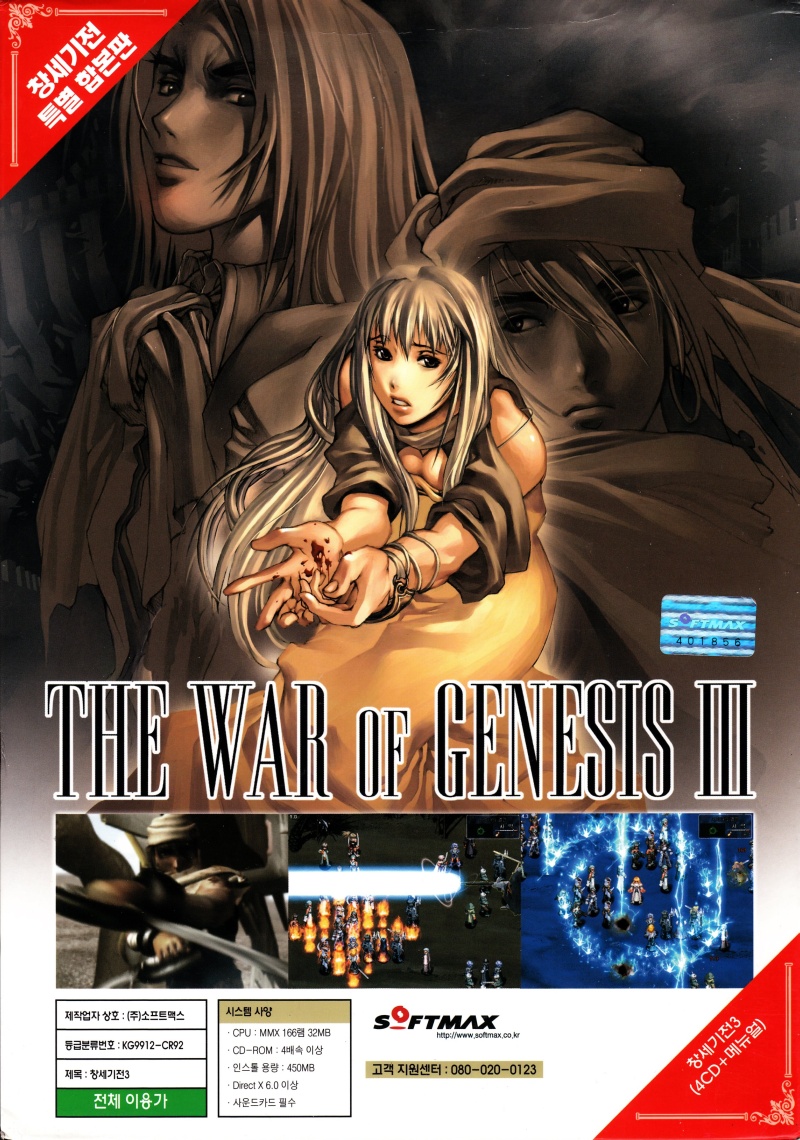
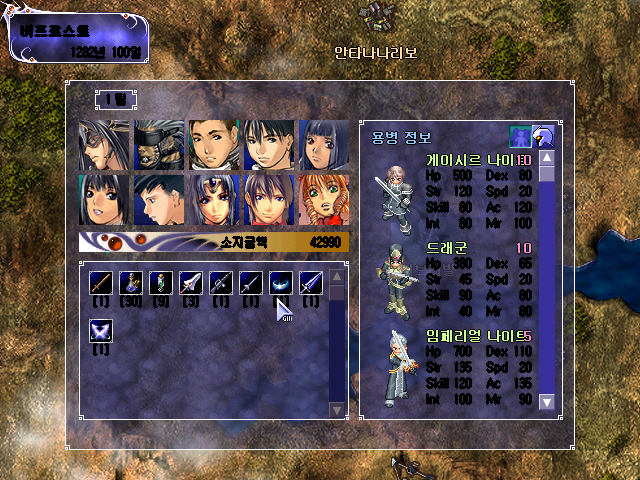
창세기전 III (Changsegijeon III) / The War of Genesis III - Windows (December 15th, 1999)
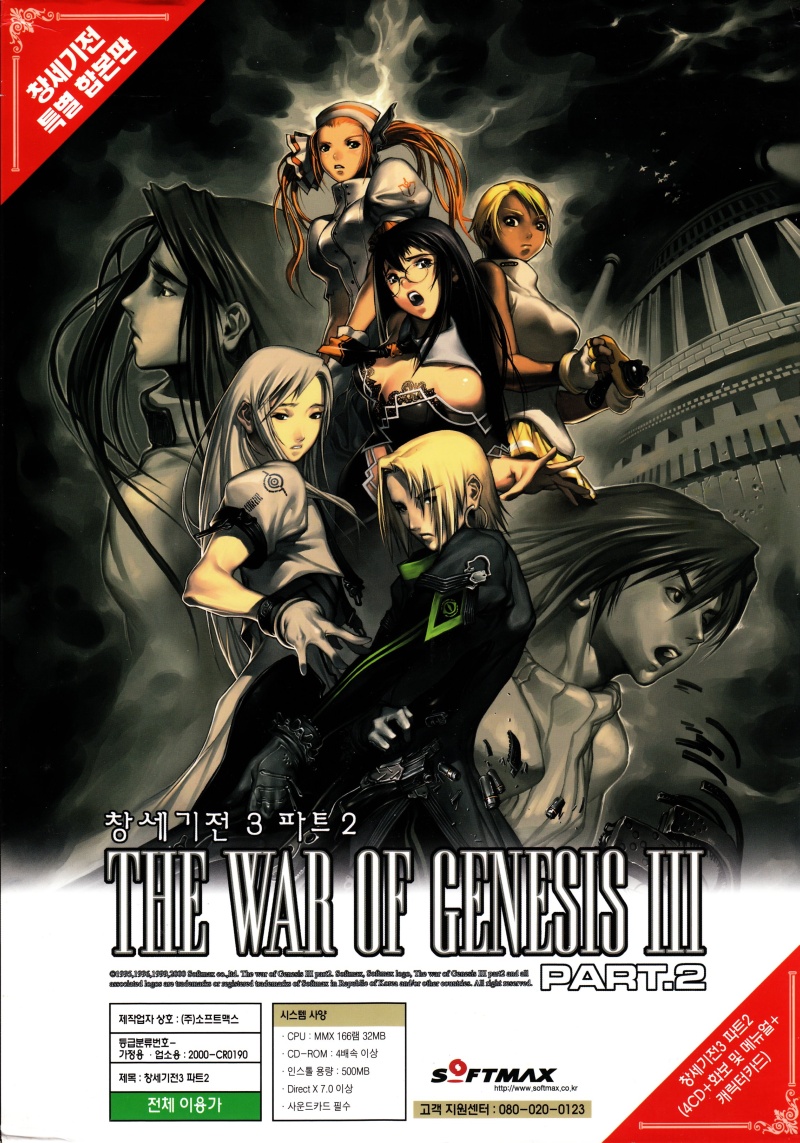
창세기전 III 파트2 (Changsegijeon III Part 2) / The War of Genesis III Part 2 - Windows (December 22nd, 2000)
|
|
References
1. Game World 10/1994, page 70
2. http://www.kibwa.org/bbs/board.php?tb=member_01&cat=&fields=%3A%3A&search=&page=11&flag=read&pid=83
3. http://blog.naver.com/PostView.nhn?blogId=yuporia2&logNo=60012339552&redirect=Dlog&widgetTypeCall=true
4. PC Power Zine 11/1999, page 164
5. PC Power Zine 9/2001, page 179
6. Game World 10/1994, page 70
7. GameCom in MyCom 10/1996, page 57 gives the smaller number, the 50,000 figure is found in The Hankyoreh 6/29/1998, page 9
8. Maeil Gyeongje 9/10/1996, page 12
9. PC Champ 4/1996, page 93
10. PC Champ 12/1996, page 116
11. The Hankyoreh 6/29/1998, page 9
12. PC Champ 10/1996, page 84
13. Maeil Gyeongje 2/4/1999, page 13
14. Dong-a Ilbo 10/12/1999, page 35
15. Dong-a Ilbo 7/15/1999
|
A History of Korean Gaming
|
|